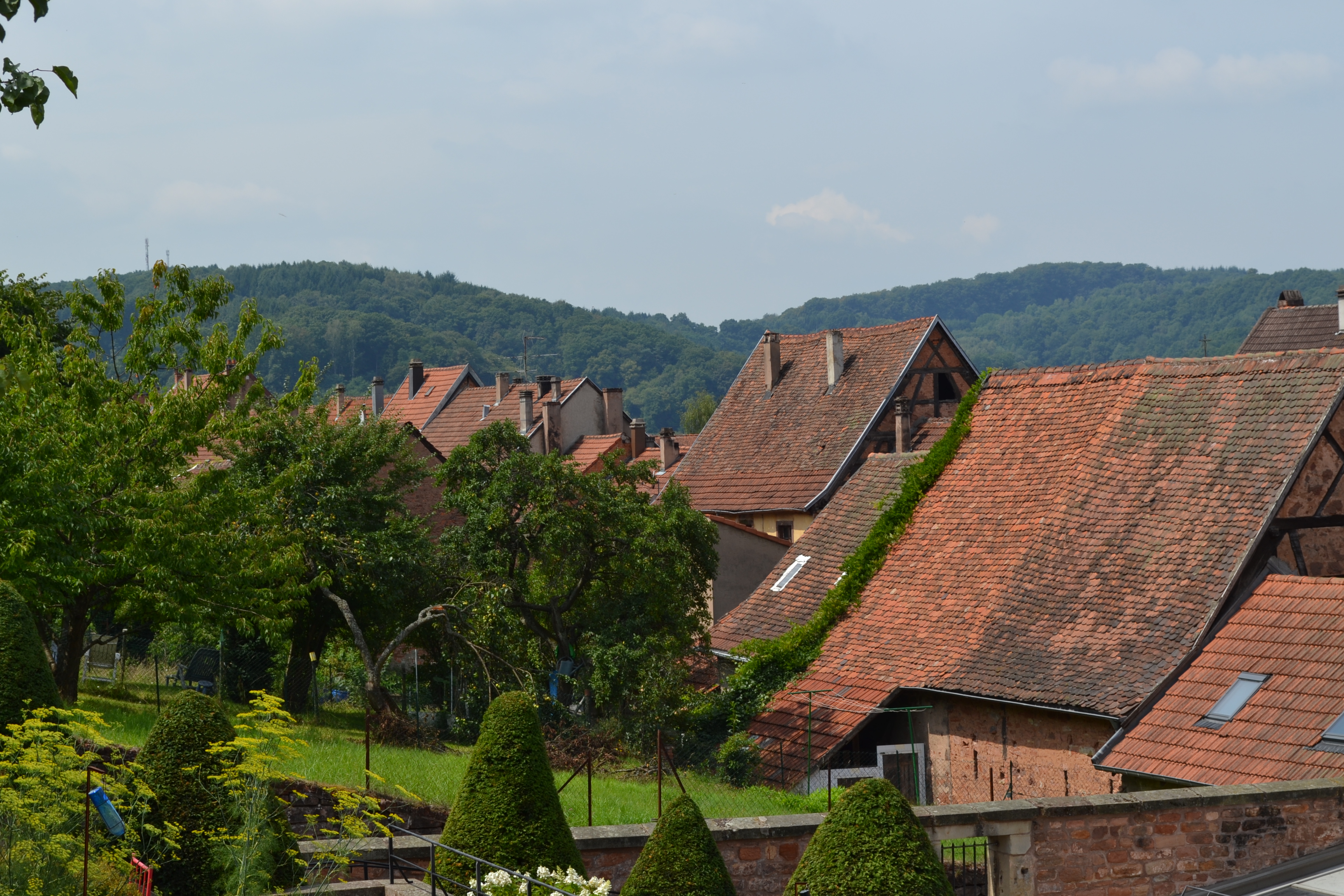
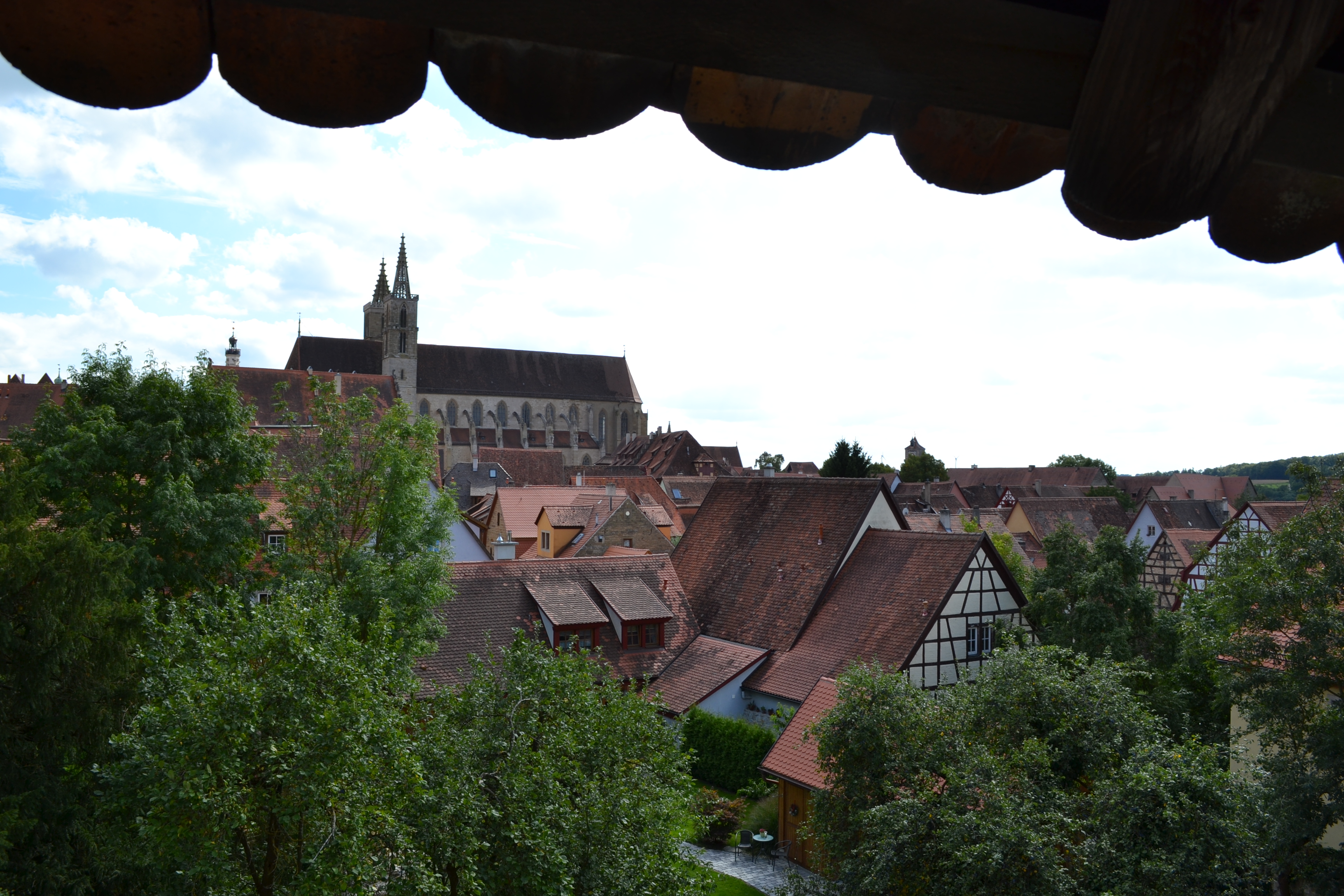
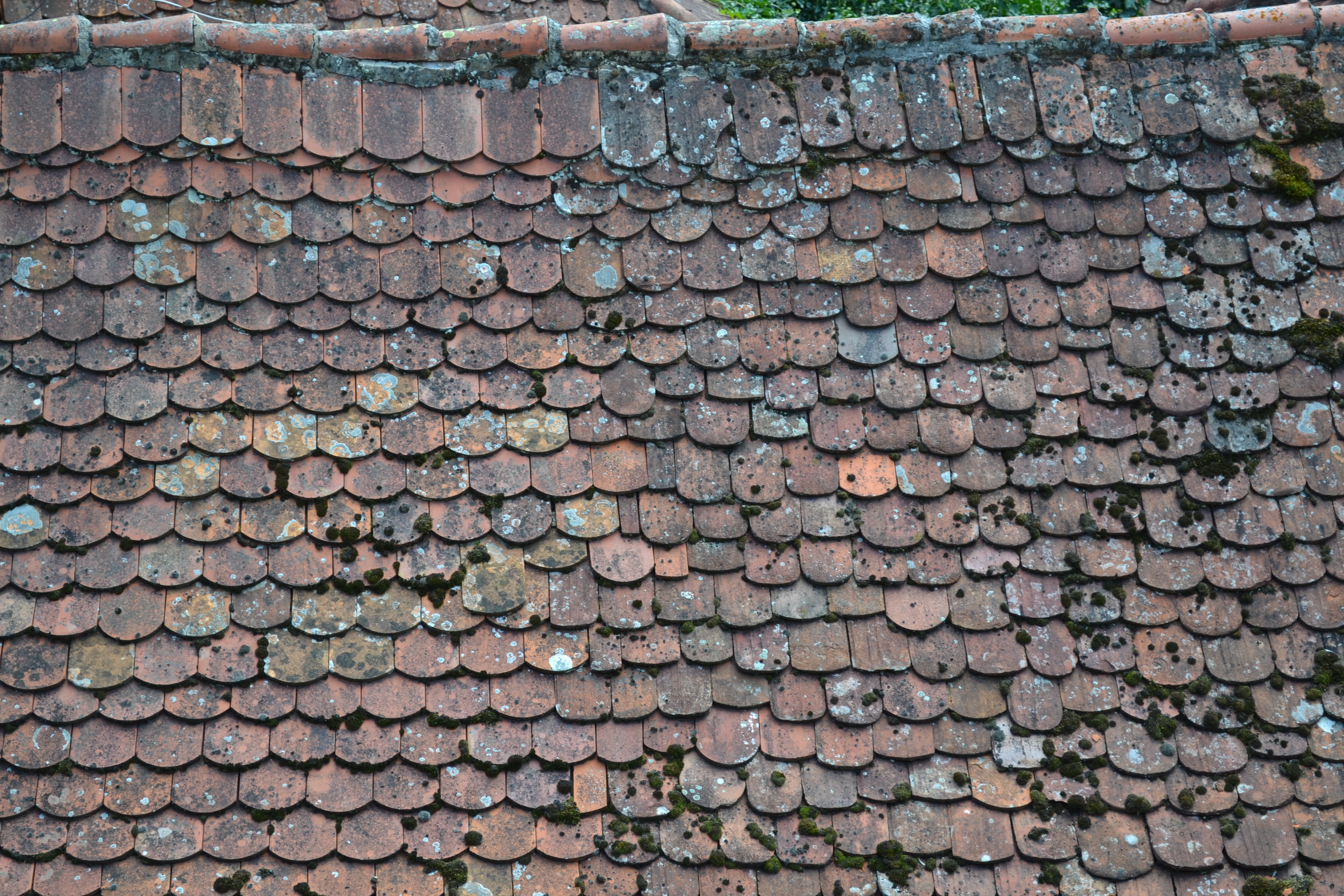
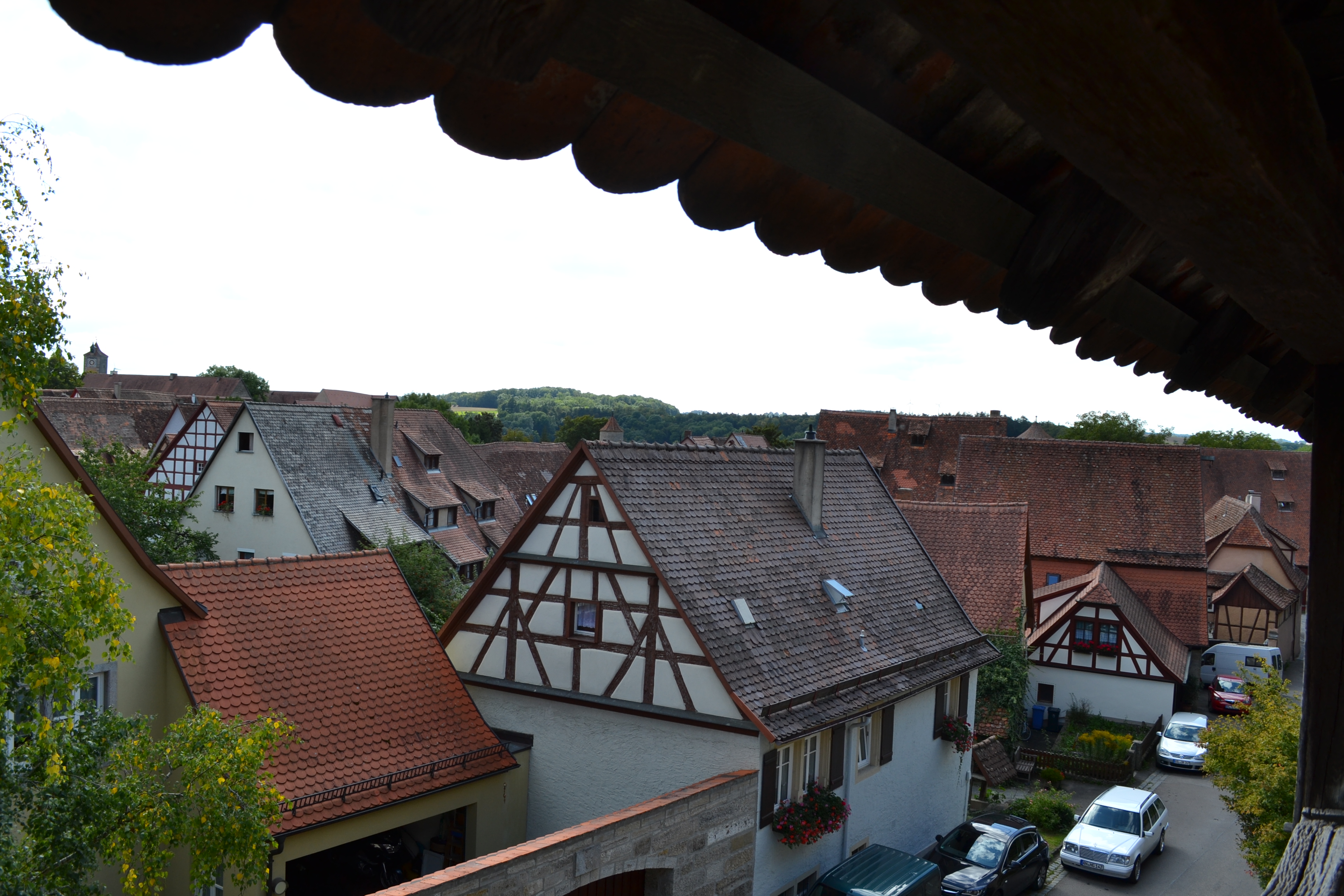
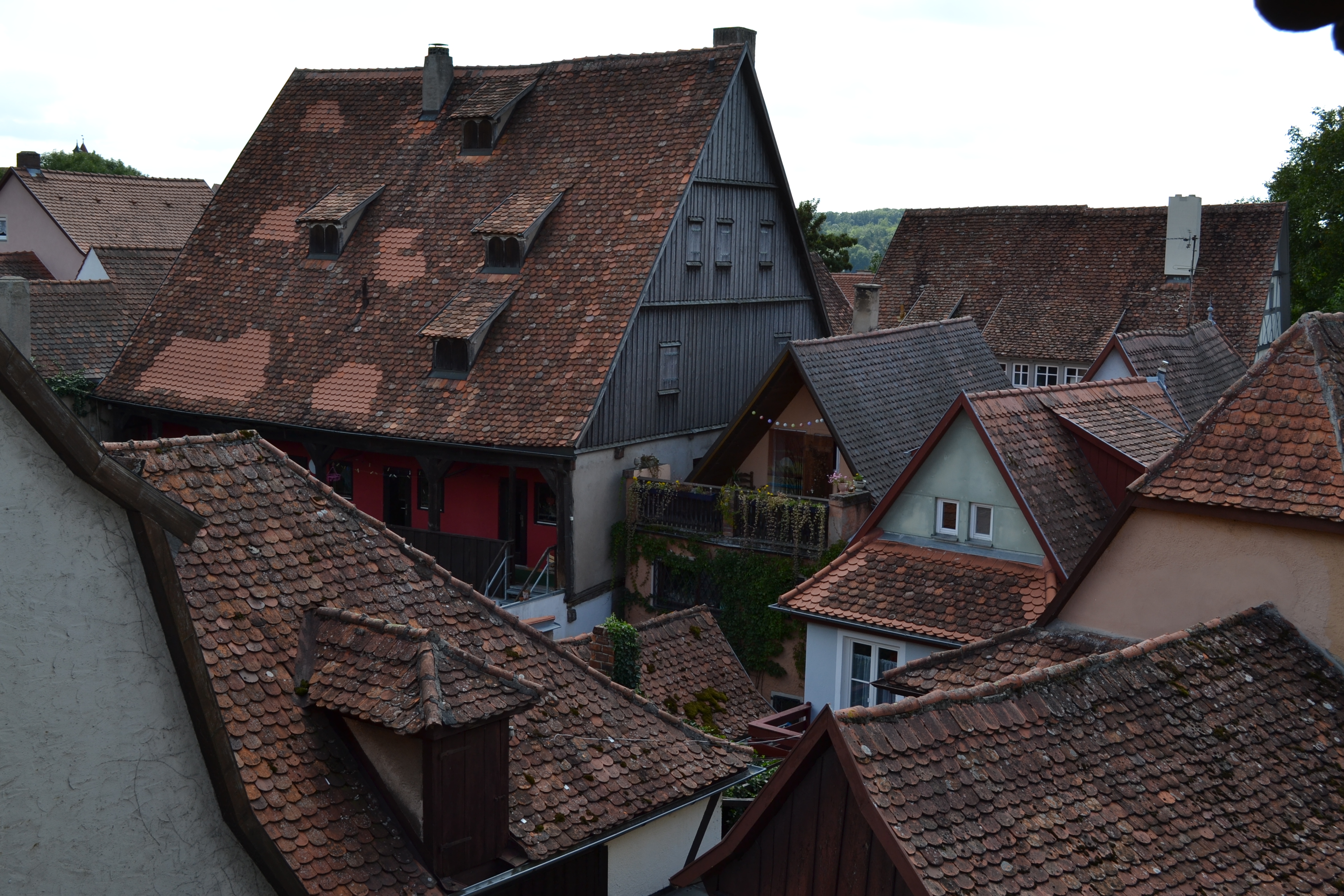
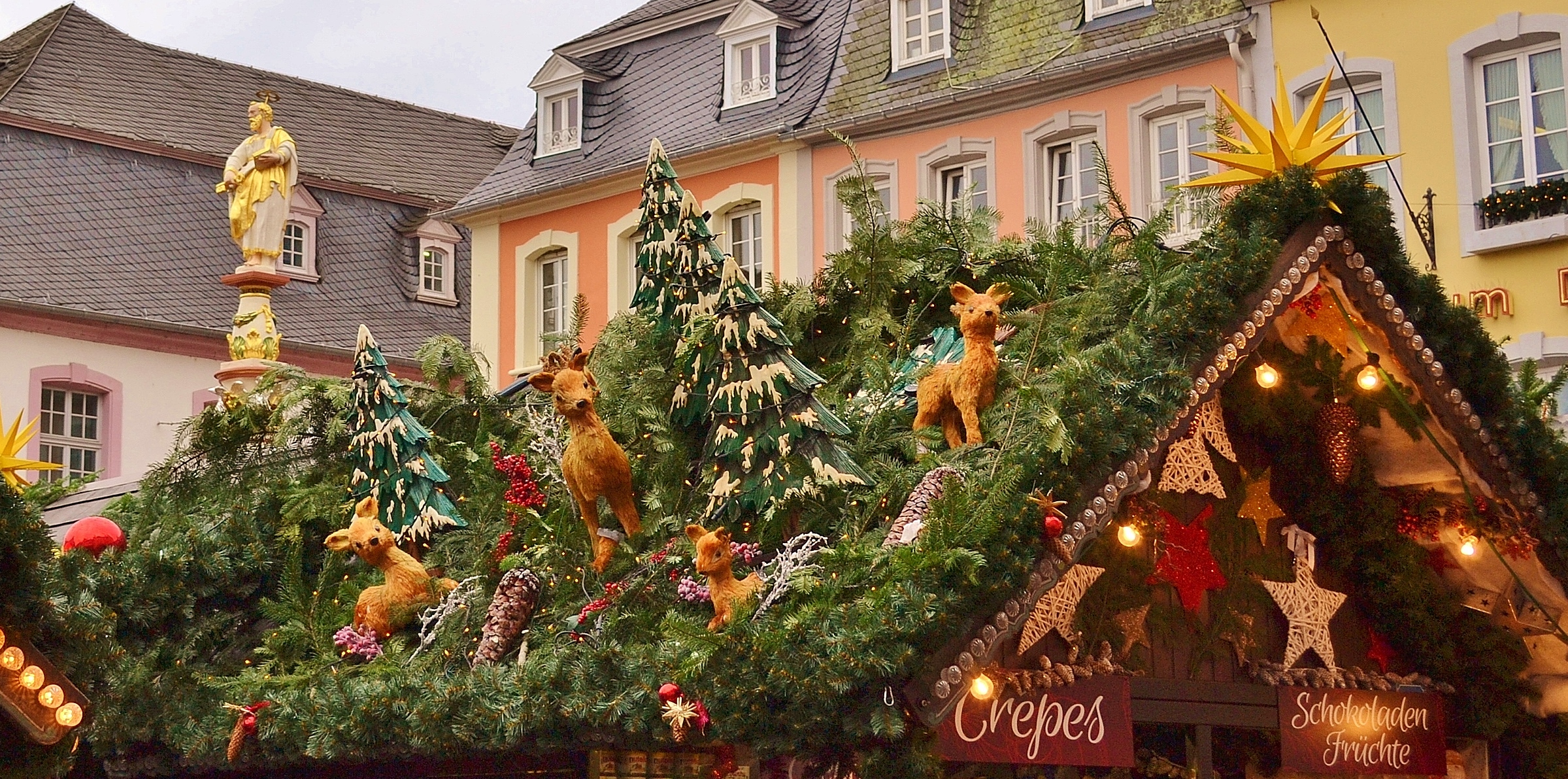
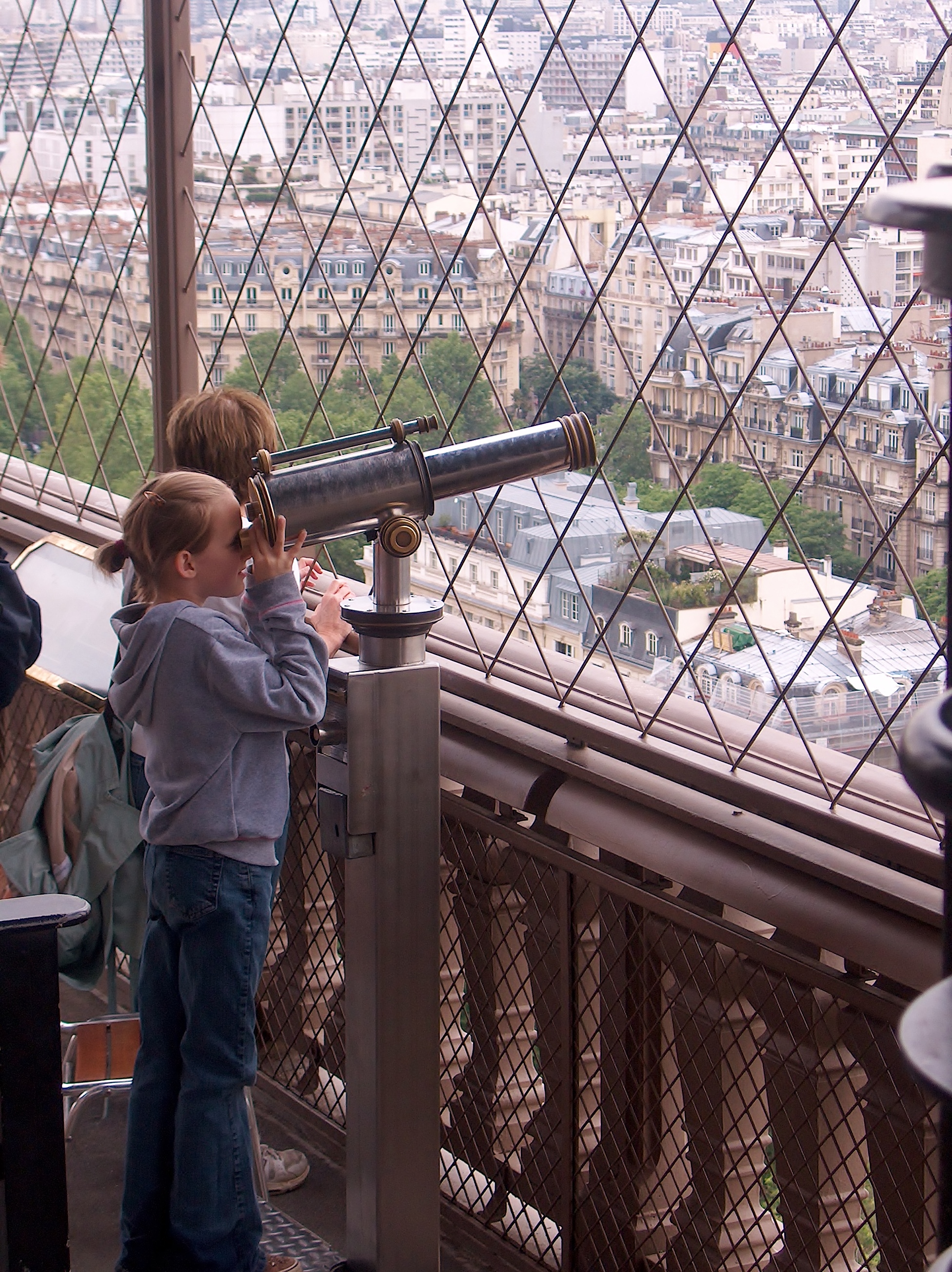
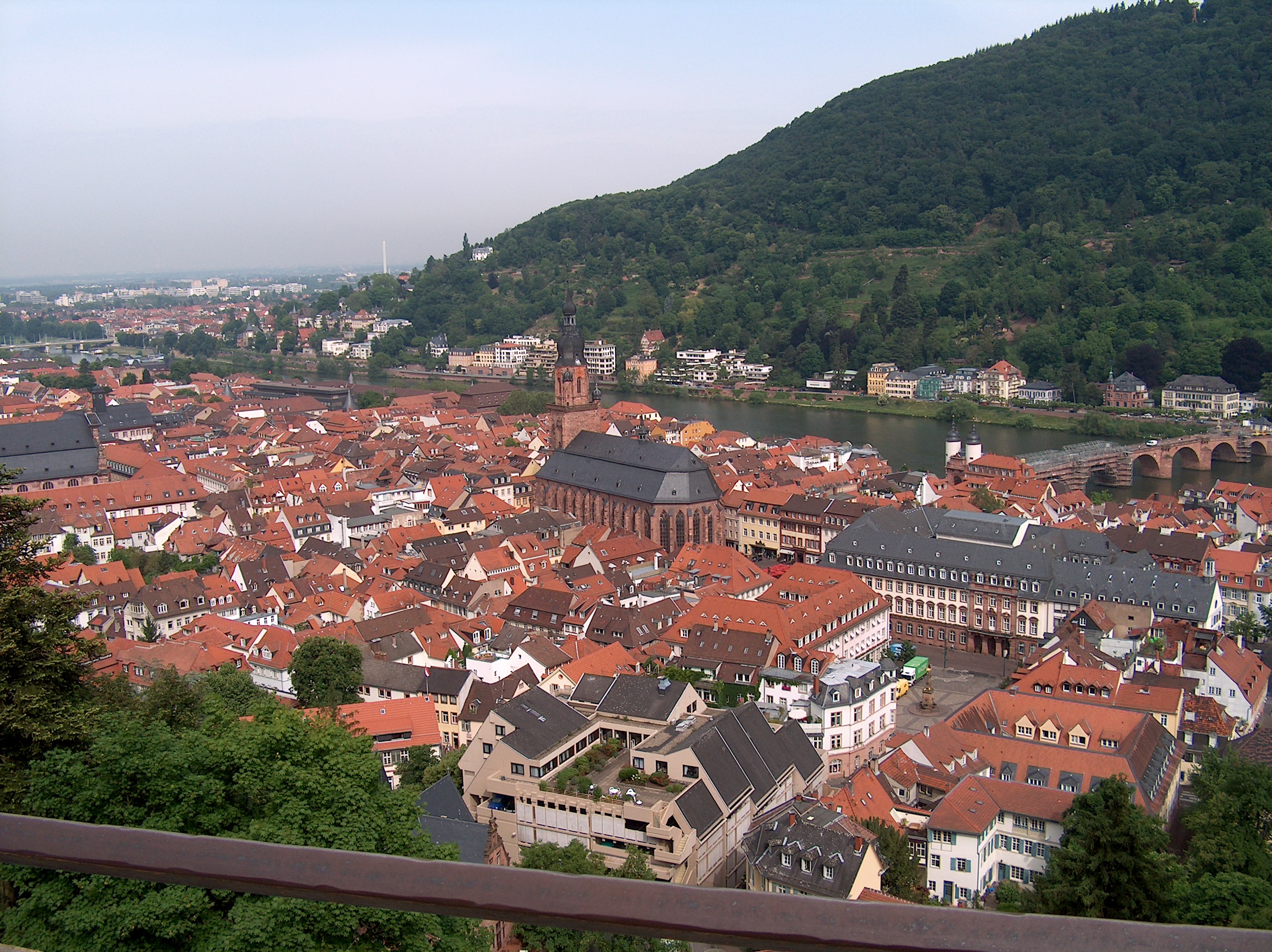
Saint Nick gets to see rooftops all around the world. The rest of us, not so much.
Here are a few rooftops from my corner of the globe.

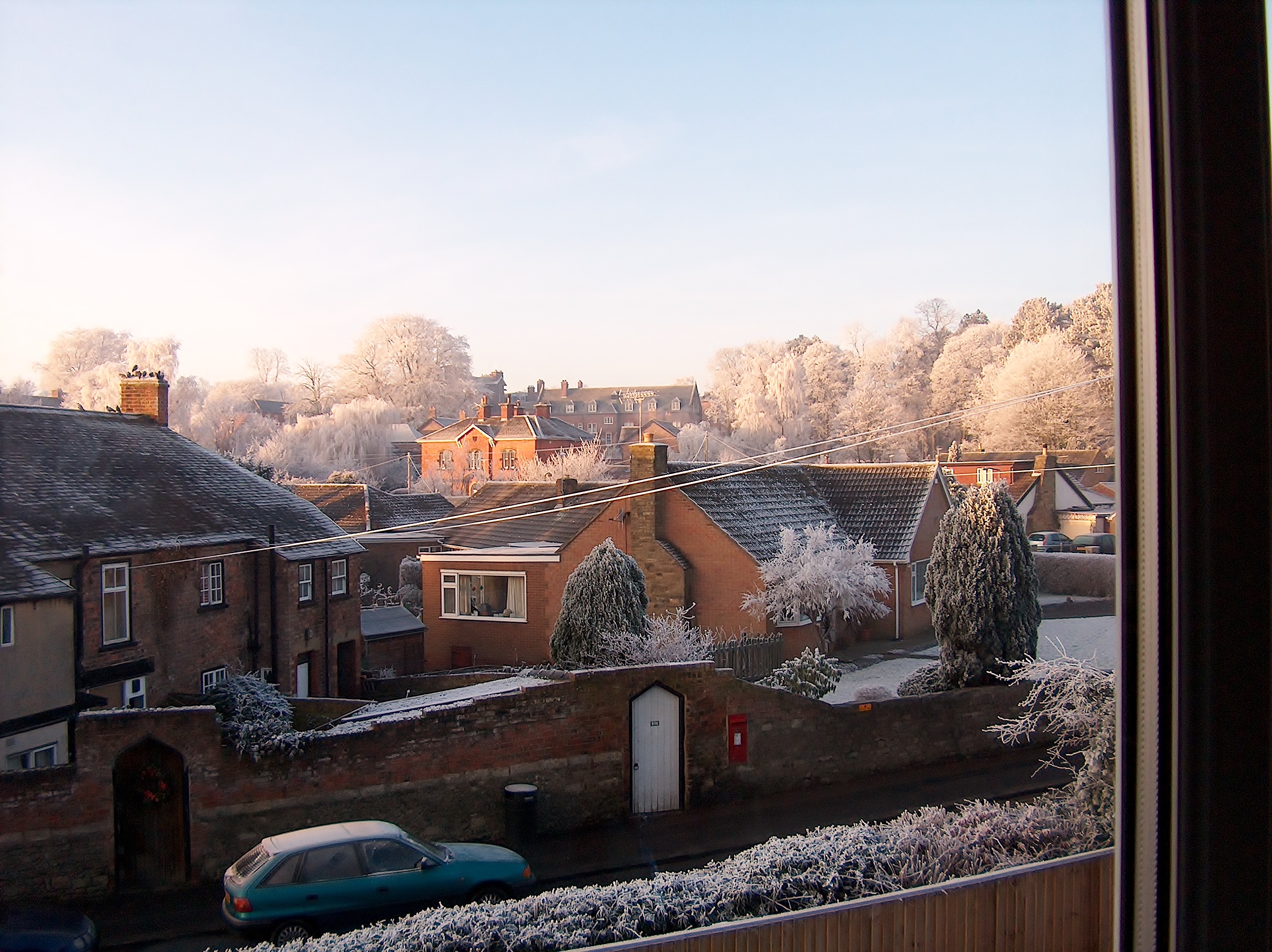
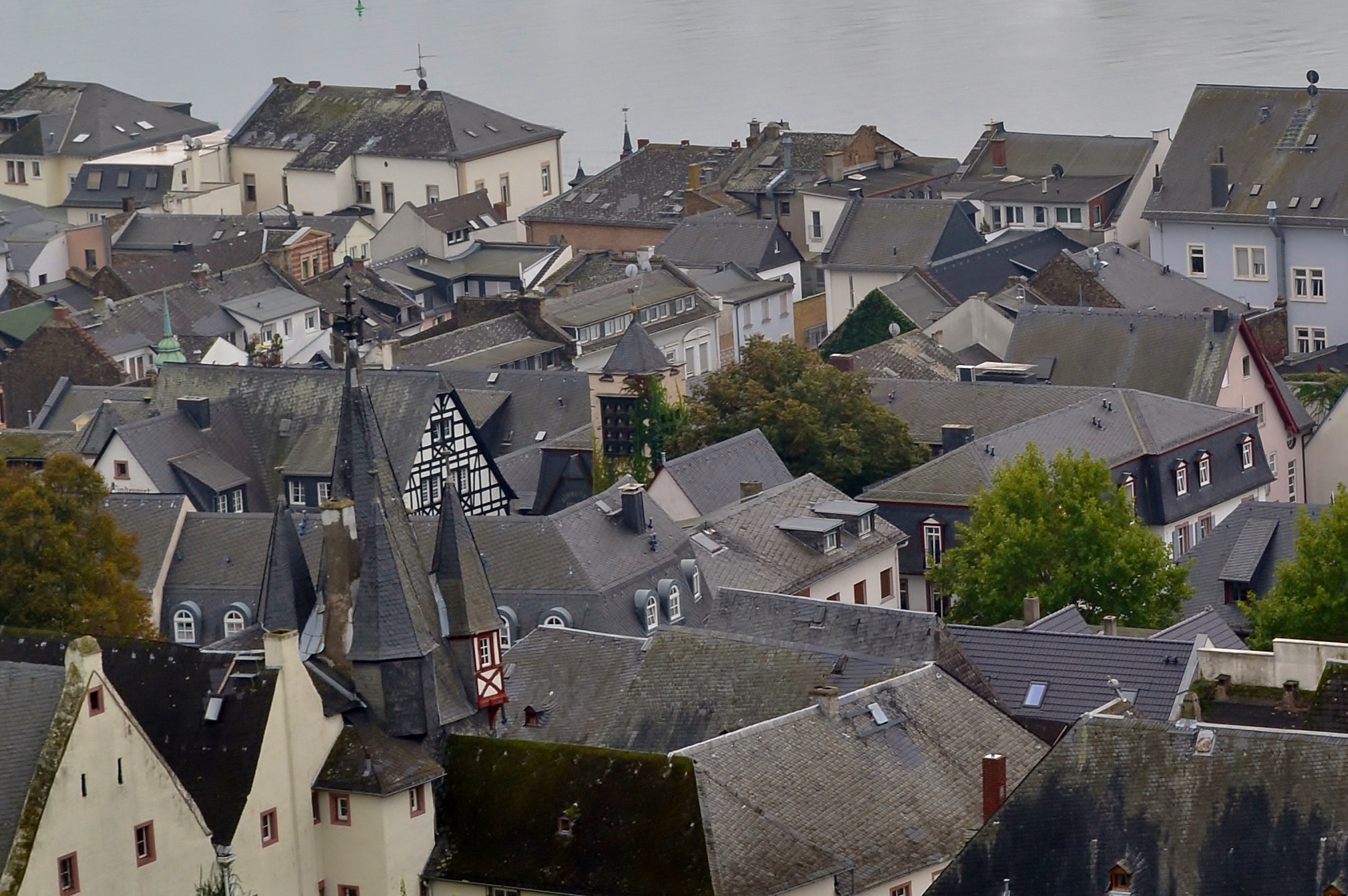
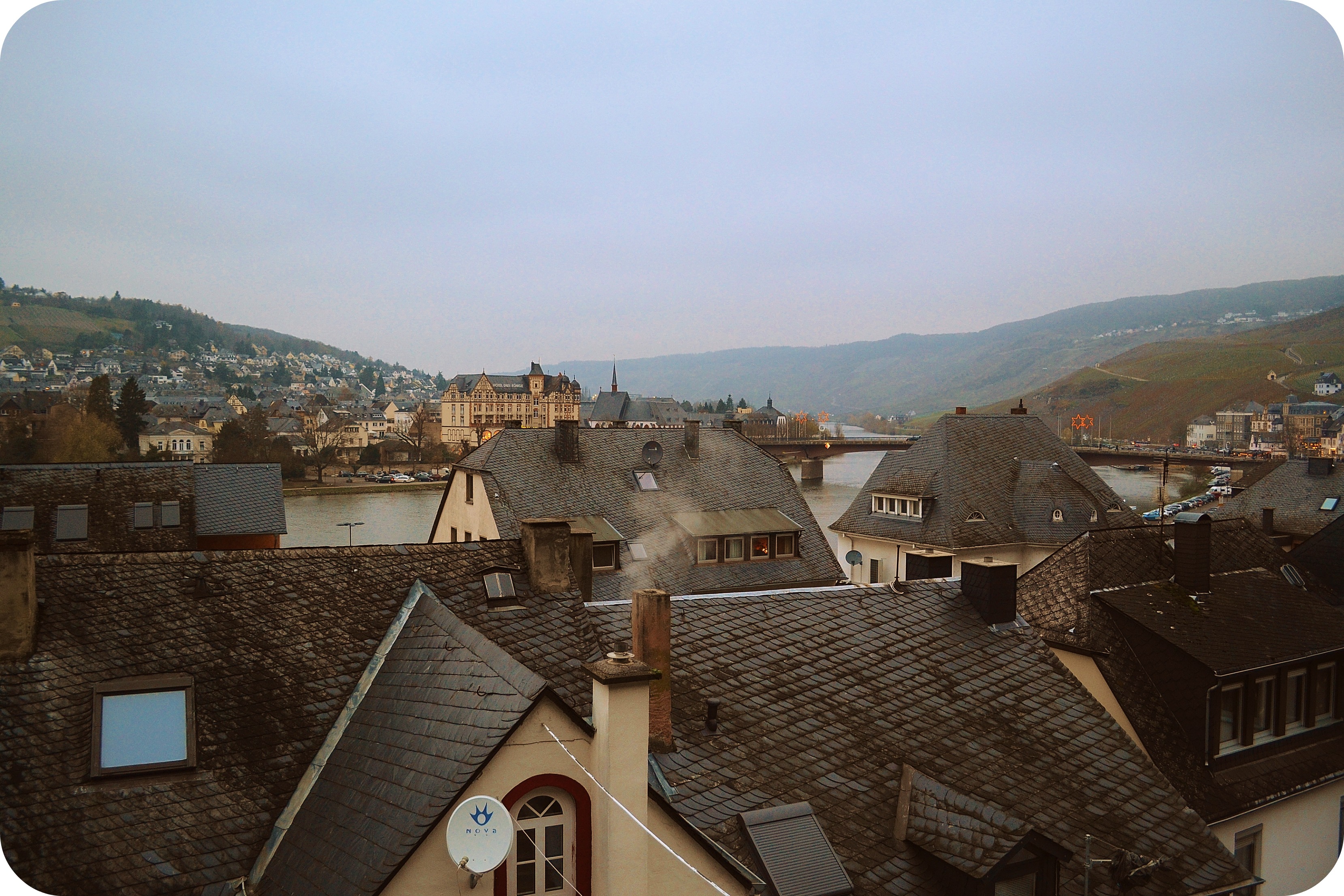
November 2014
And, just in case Santa is reading, please don’t forget this neighborhood:
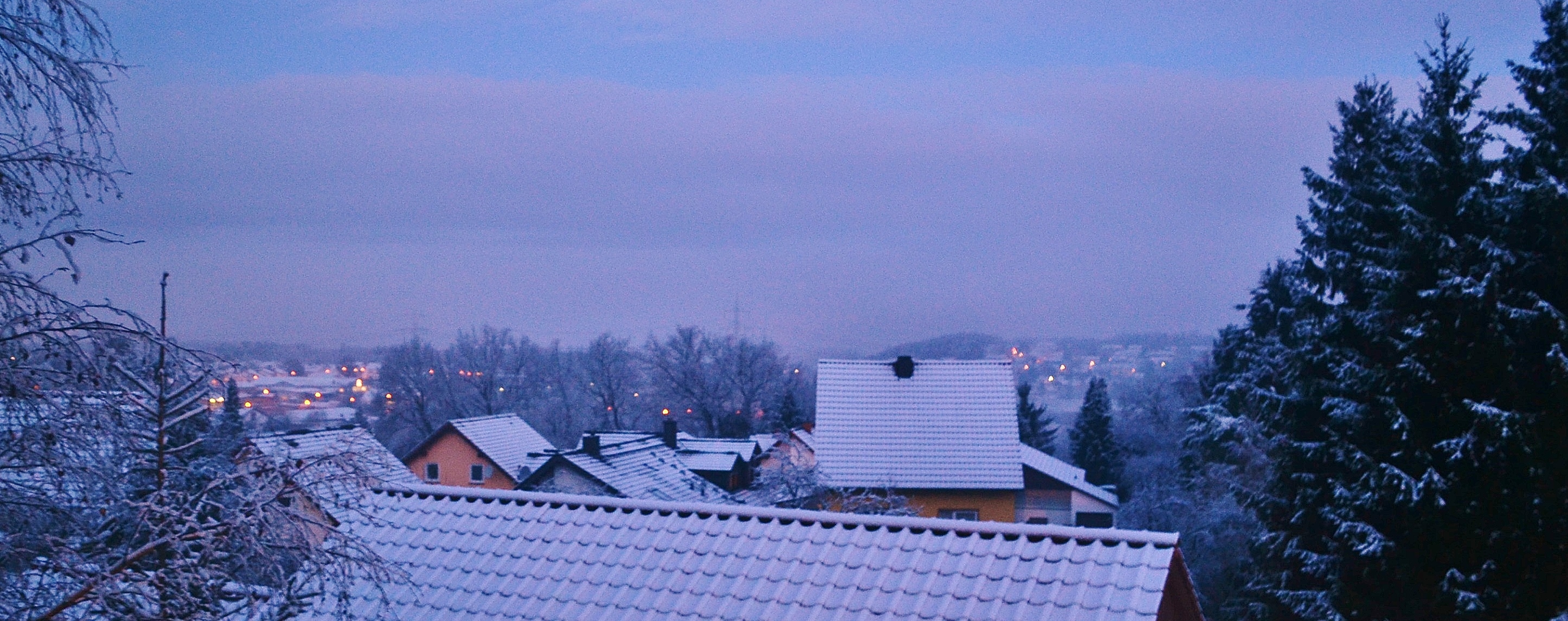
And, one more note:
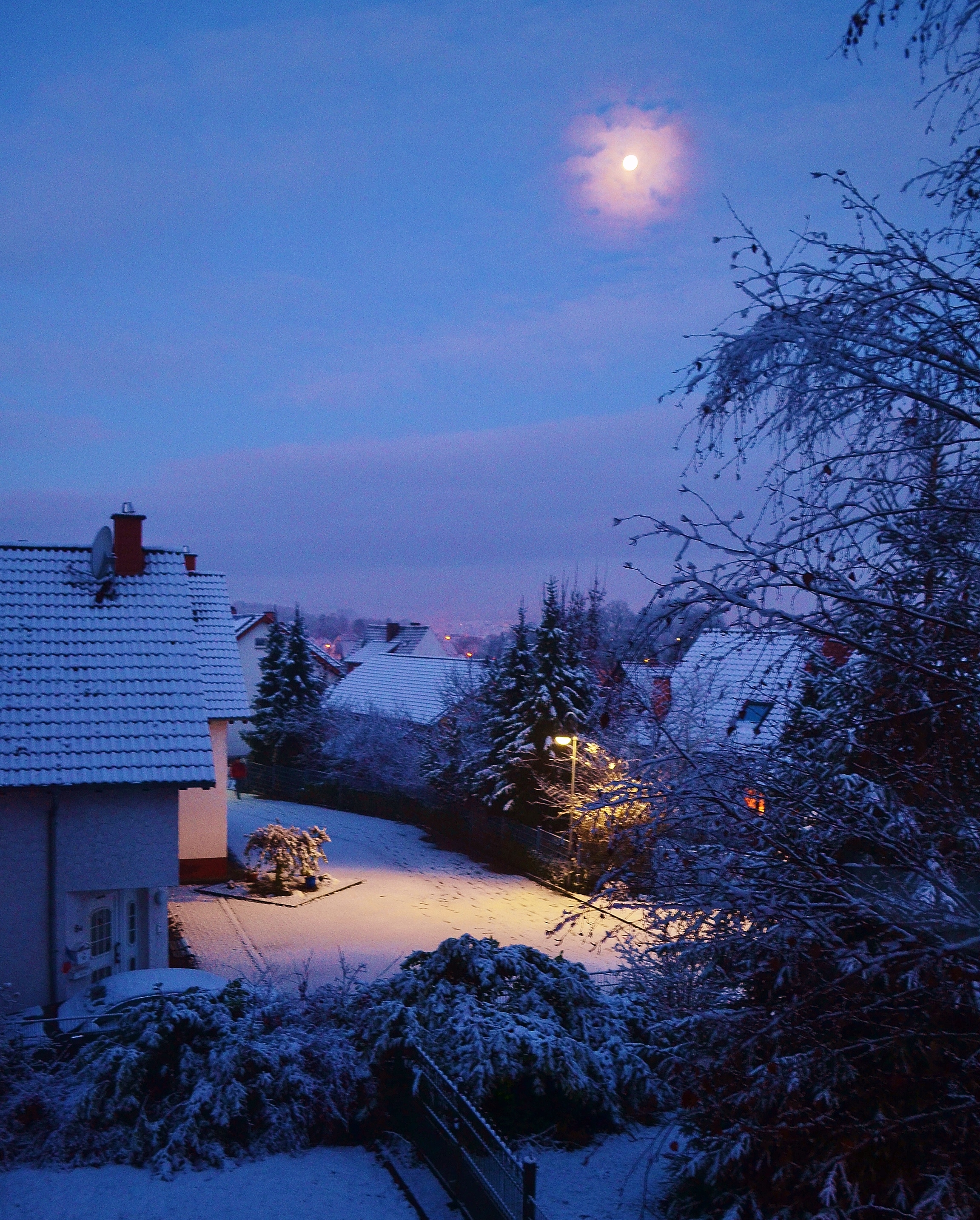


Saint Nick gets to see rooftops all around the world. The rest of us, not so much.
Here are a few rooftops from my corner of the globe.
And, just in case Santa is reading, please don’t forget this neighborhood:
And, one more note:
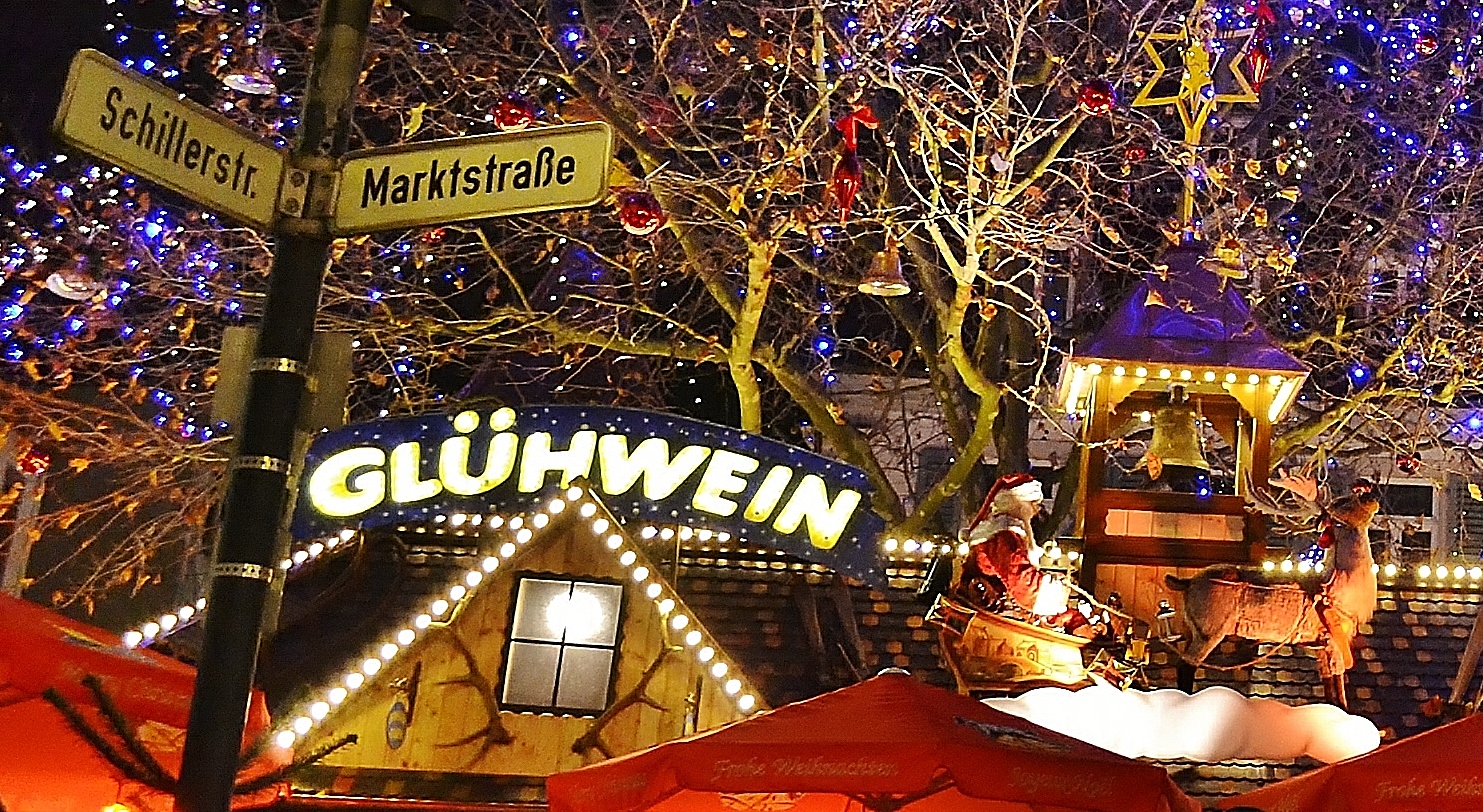
I’ve been visiting Christmas Markets the past few weeks and am enjoying the lebkuchen, plank-roasted salmon, candied fruits, and mulled wine that’s been on offer. But it’s clear that the mulled wine is the beating heart at the center of these markets. The promise of a warm tipple is what brings many people out to German Christkindlmarkts after the sun has dipped low and cold blankets the town. Gluhwein stands abound, and the people stand around!
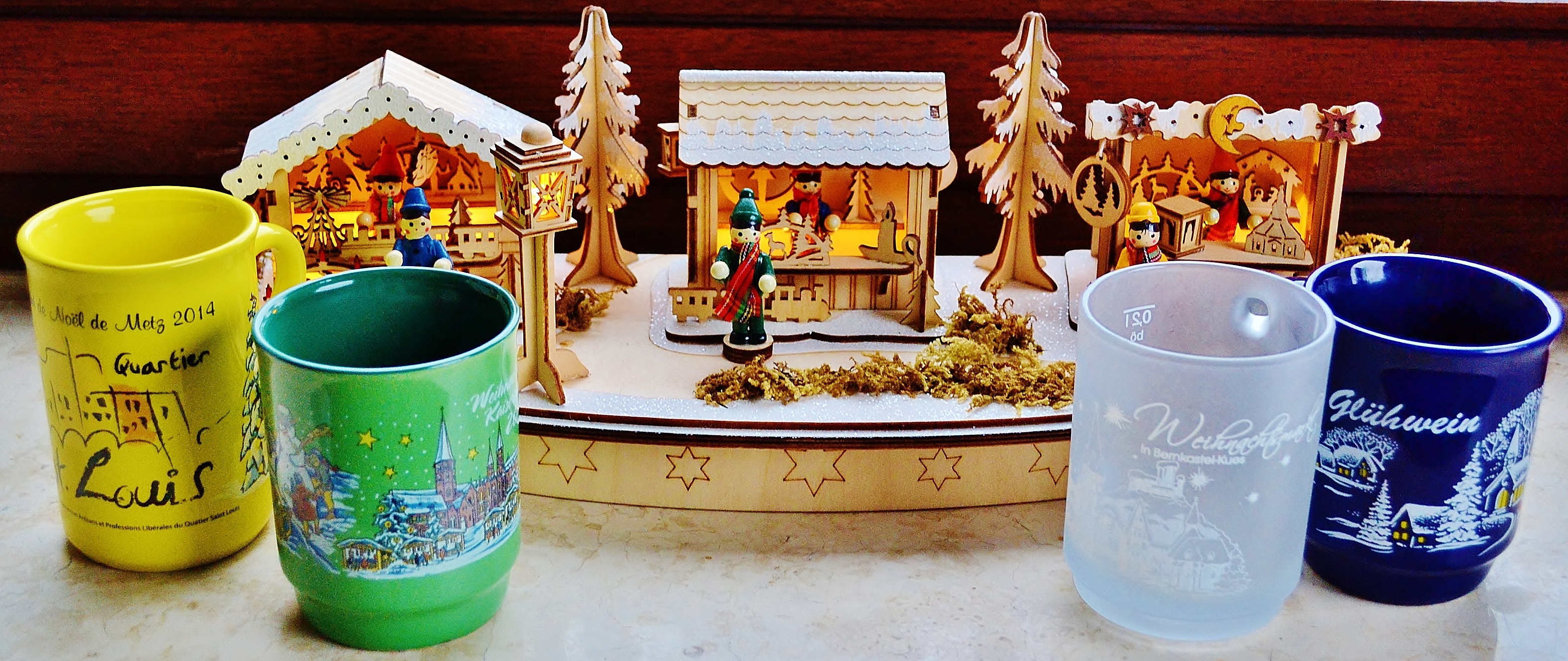
It’s always nice to warm your hands and your spirits with gluhwein–and to come home from the markets with a gluhwein cup in hand. I’m a fan of the homemade stuff too–a simmering pot on the stovetop makes the house smell great and keeps you warm as you cook or sit around your Christmas tree. There’s no recipe, per se, that I use, but what I toss in looks something like this:
GLUHWEIN
a bottle of red wine (I prefer dry)
2-3 cinnamon sticks
about 4 whole cloves
a sliced orange
sugar (maybe 1/2 cup–but this is very subjective, do this according to your taste and the sweetness of the wine you use)
late additions: (if wanted) 1 star anise, a dash of rum, water (up to one cup) if you want to dilute or smooth out the taste
Put your ingredients on the stovetop and simmer for 10-20 minutes. You may add the rum and star anise in the last 5 minutes. (Personally, I like just a hint of star anise, that’s why I add it late–otherwise I find it overpowering.)
And, if you want “gluhwein light,” you can cut the wine with some ratio of cranapple juice and sip all holiday long without getting drowsy.
Gingerbread is another favorite at holiday markets. The Germans have their lebkuchen, and the French have their pain d’epices. Today, however, I’m bringing you a wickedly good gingerbread recipe from the Brits.
Nigella Lawson’s Guiness Gingerbread recipe is hard to beat. (Of course, you knew this before I told you, because Guinness + gingerbread has to = yummy!) (That’s the extent of my mathematical proficiency, by the way.) 
This gingerbread is at its best when it’s warm–maybe 10 or 15 minutes out of the oven. The top is moist, the sides are gooey, the full ginger aroma is in play. Just thinking about it makes me hungry.
I’ll reprint the recipe below, or you can find it at the food network link here ( http://www.foodnetwork.com/recipes/nigella-lawson/guinness-gingerbread-recipe.html )
Preheat your oven to 325 degrees F. Line your cake pan with aluminium foil and grease it, or grease your foil tray.
Put the butter, syrup, dark brown sugar, stout, ginger, cinnamon and ground cloves into a pan and melt gently over a low heat.
Take off the heat and whisk in the flour and baking soda. You will need to be patient and whisk thoroughly to get rid of any lumps.
Whisk the sour cream and eggs together in a measuring jug and then beat into the gingerbread mixture, whisking again to get a smooth batter.
Pour this into your cake/foil pan, and bake for about 45 minutes; when it’s ready it will be gleamingly risen at the centre, and coming away from the pan at the sides.
Let the gingerbread cool before cutting into slices or squares.
From NIGELLA KITCHEN by Nigella Lawson.
Guten appetit and Merry Christmas!!
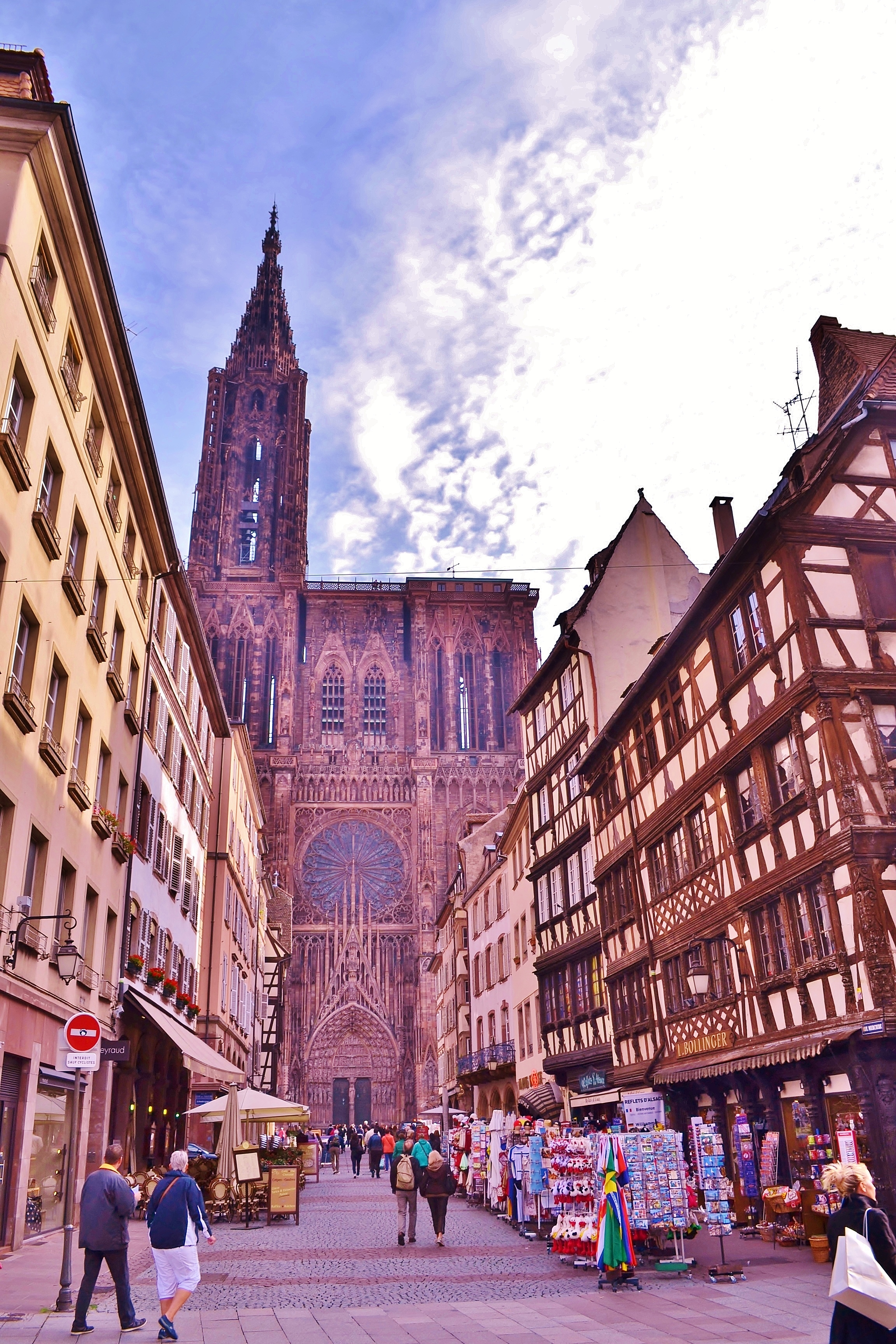
I love this photo because it has an eerie quality. The cathedral at the end of the street looks hazy and spectral. . . so it seems like an appropriate photo to post on a foggy, cold day.
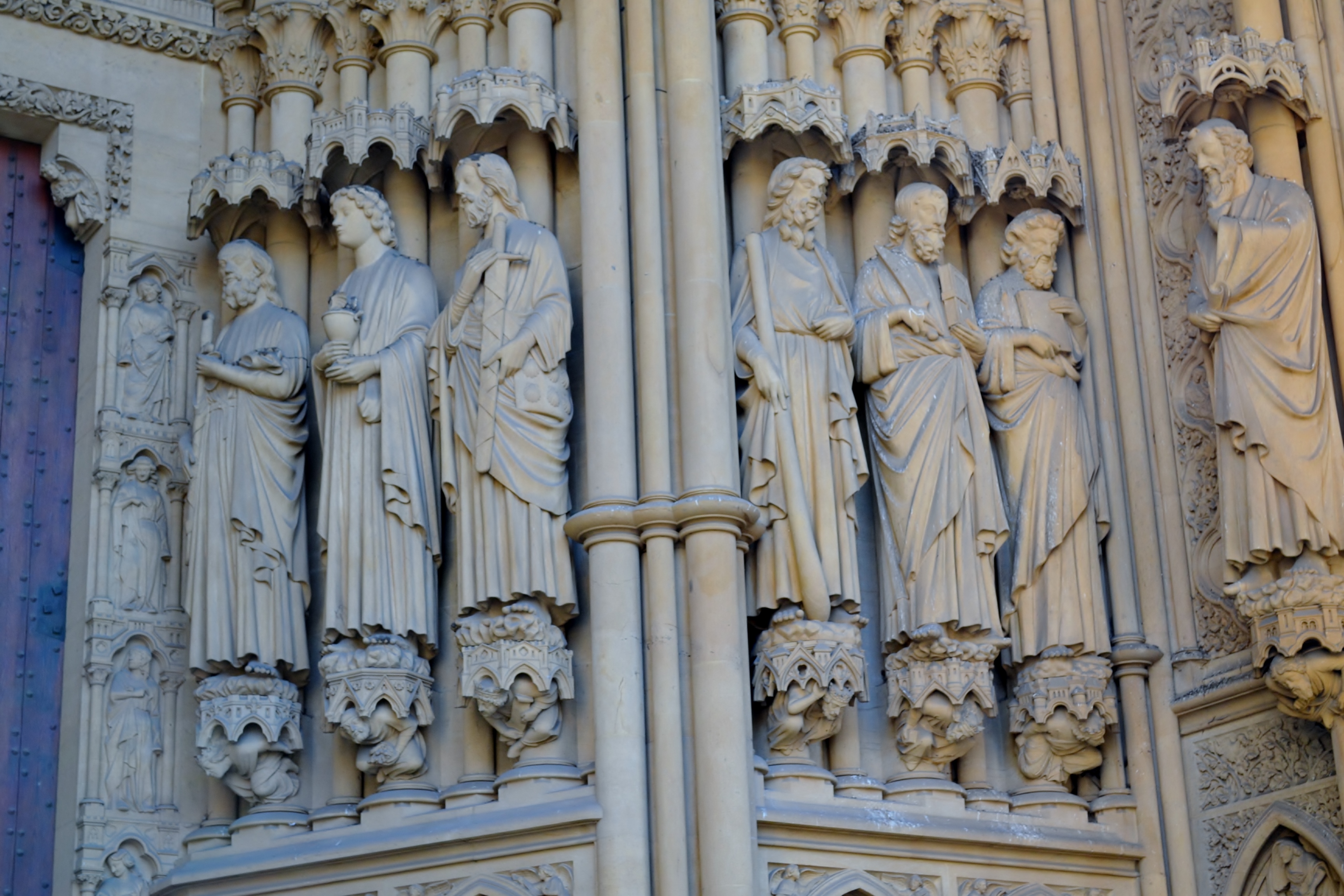
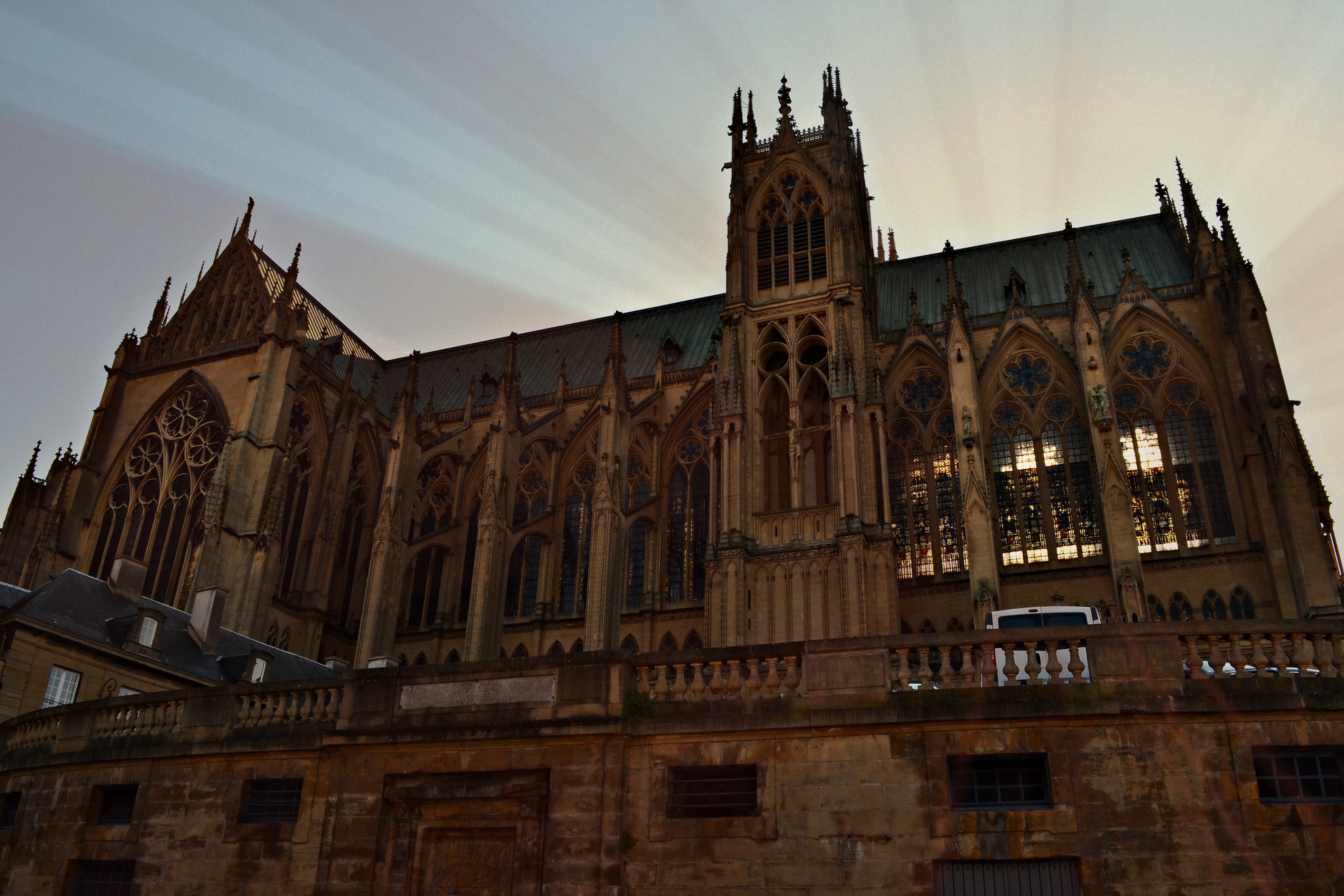
The cathedral in Metz is stunning. Stunning. And so are all of the saints and sinners gathered there.
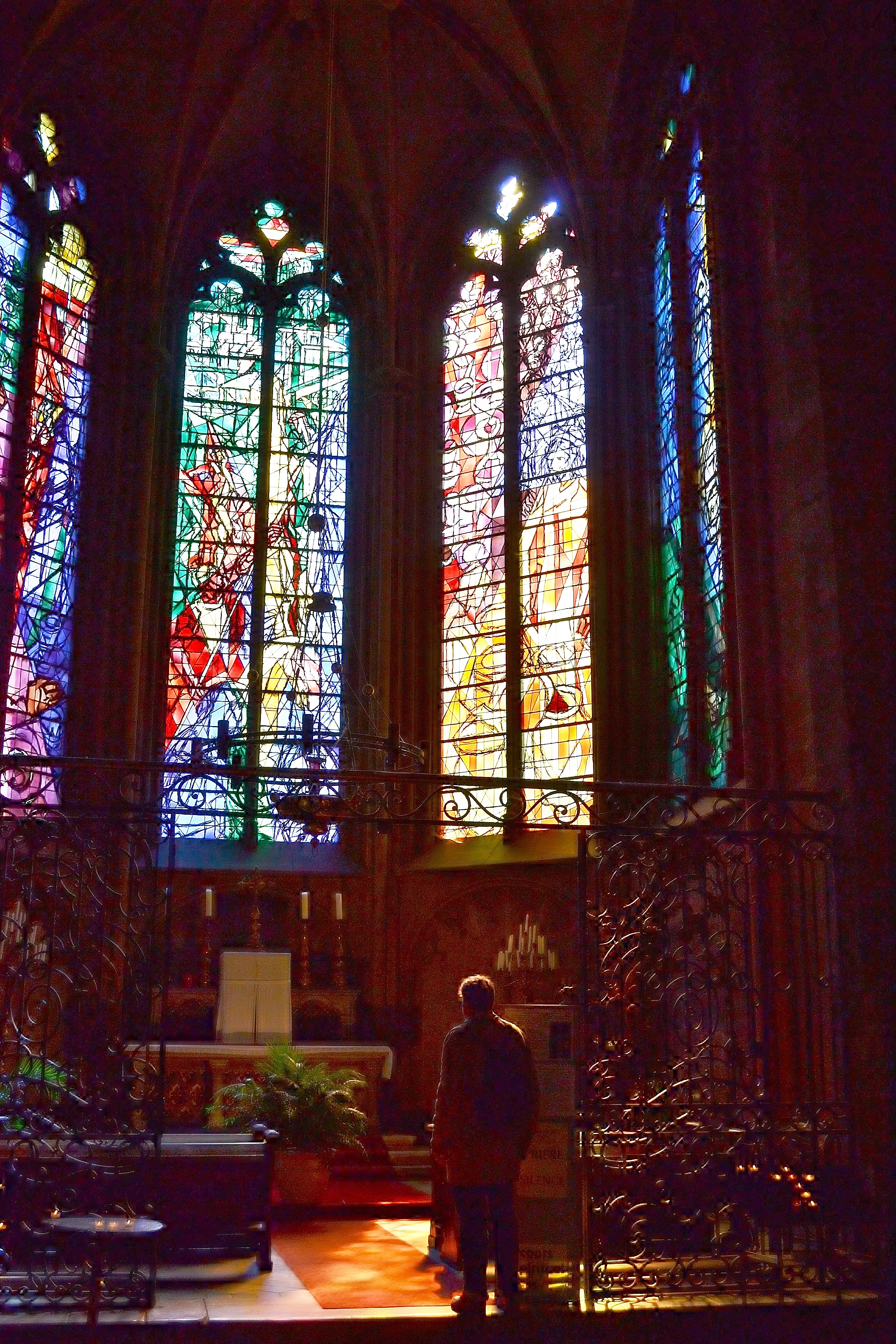
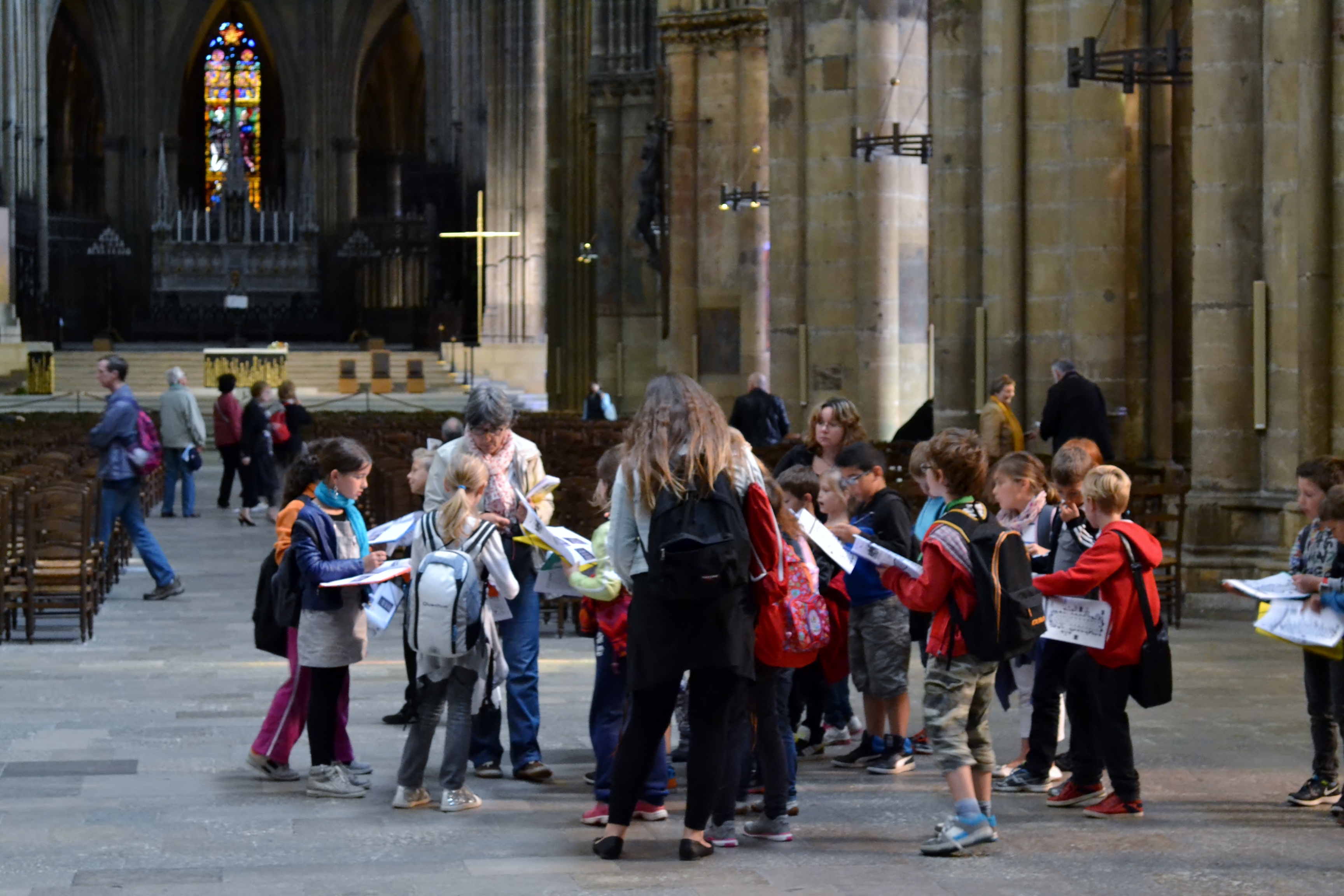
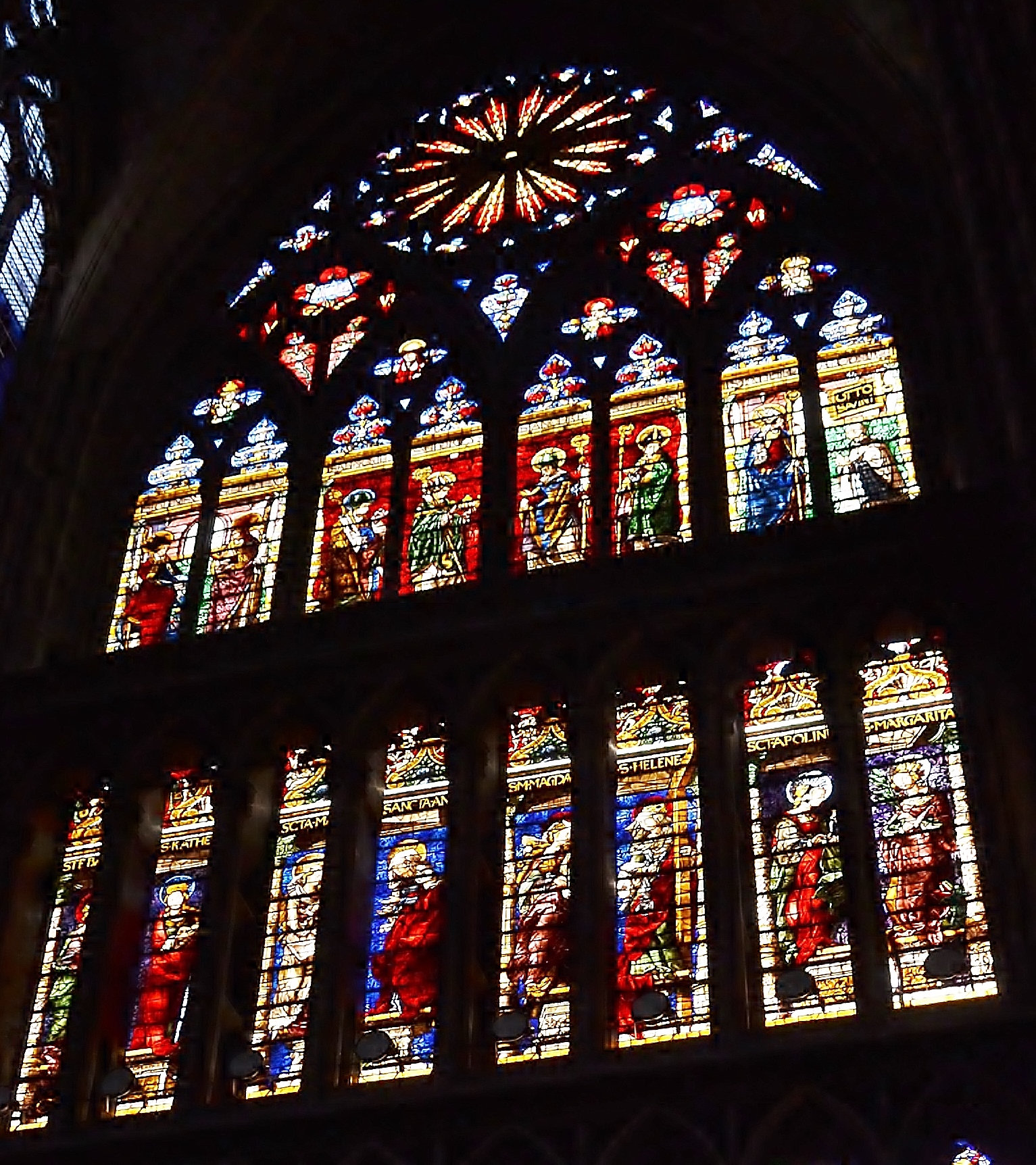
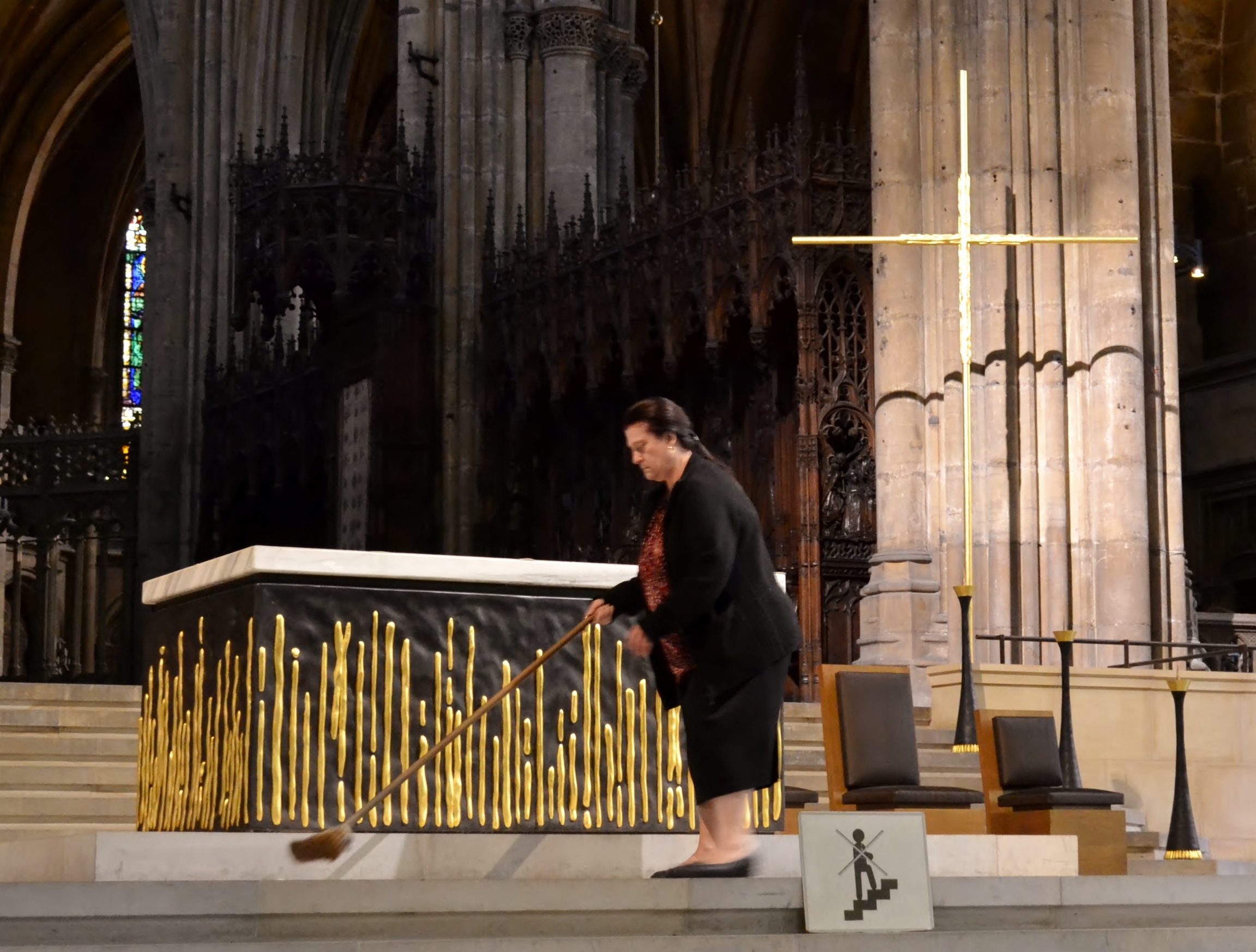
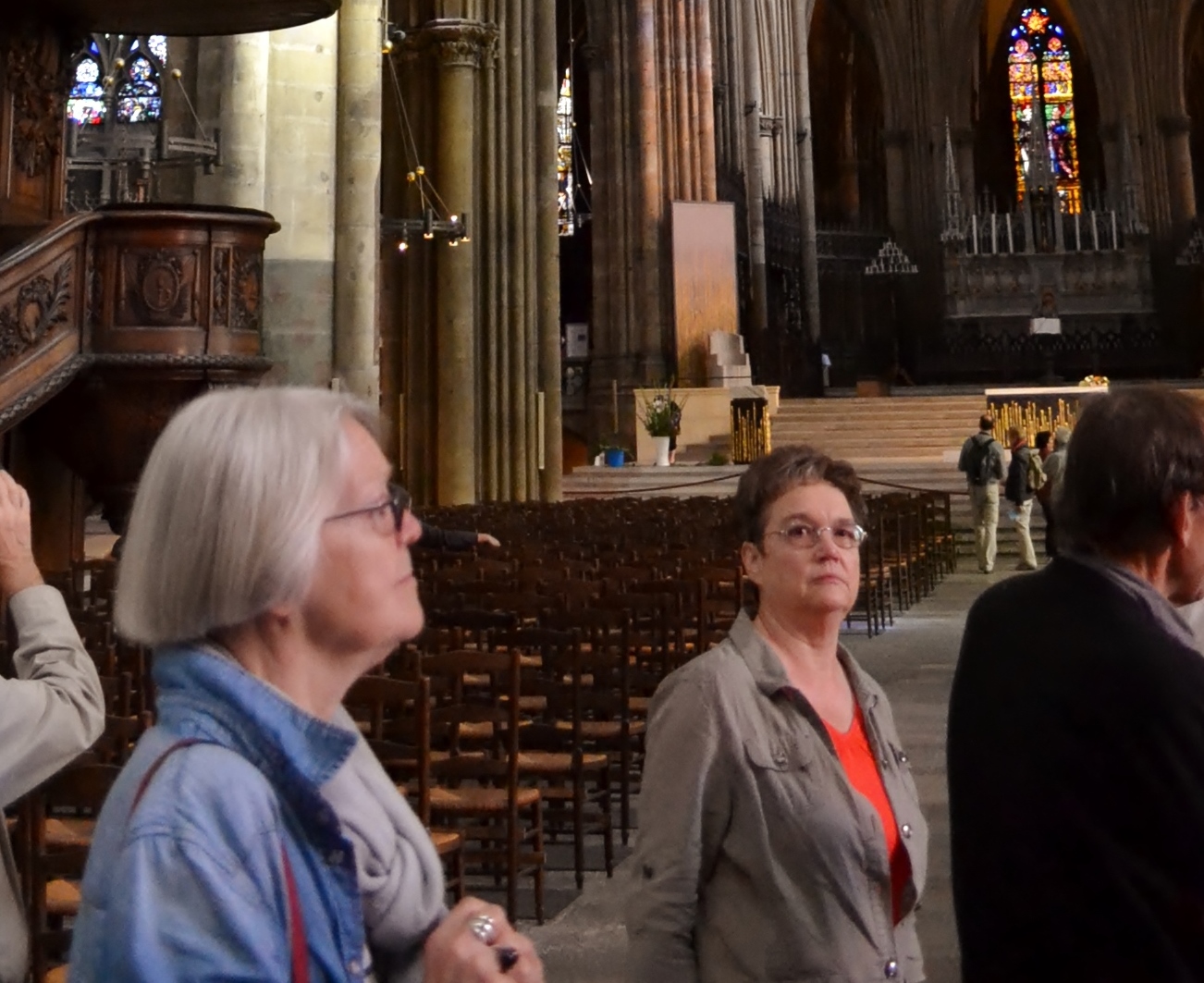
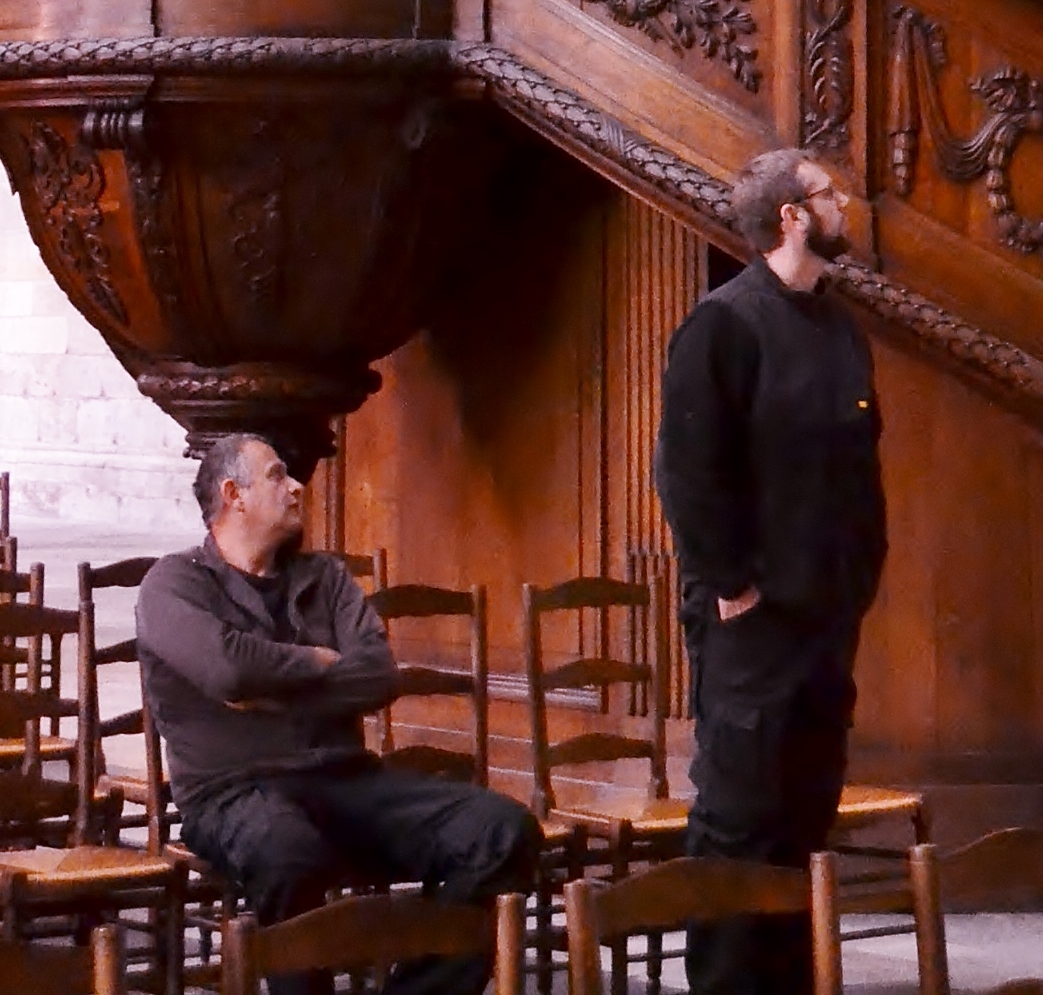
“Every saint has a past, and every sinner has a future.” I think Oscar Wilde said that, and I was reminded of it on a recent stroll through this cathedral. From the saints in stone and glass, to the flesh and blood “man on fire” in the chapel, the capering kids in the sanctuary, the ponderous men, the caught-off-guard woman, and the industrious cleaning crew–it was a storied space.
Not to cast my nets on the wrong side of the boat, but I have to say that the stony saints left me a bit cold. They were beautiful, but judgmental. The saints in stained glass were warmer–the glow, the glint, the dancing of light in and through them–they were more dynamic, less rigid.
And the poor, scattered people, scurrying about the cathedral, or sitting in thought, or minding their own business and working diligently, or standing at the threshold of a fiery chapel–they were the stories in play, the ones the space exists for. So I turned my camera on them.
Even the cathedral itself seemed to hint at its own impish personality as we left, the sun glinting through its windows for just a second–the unmistakable wink of a storyteller pleased with himself.
See for yourself:
 Travels and Tomes: One Expat's Amblings and Ramblings