

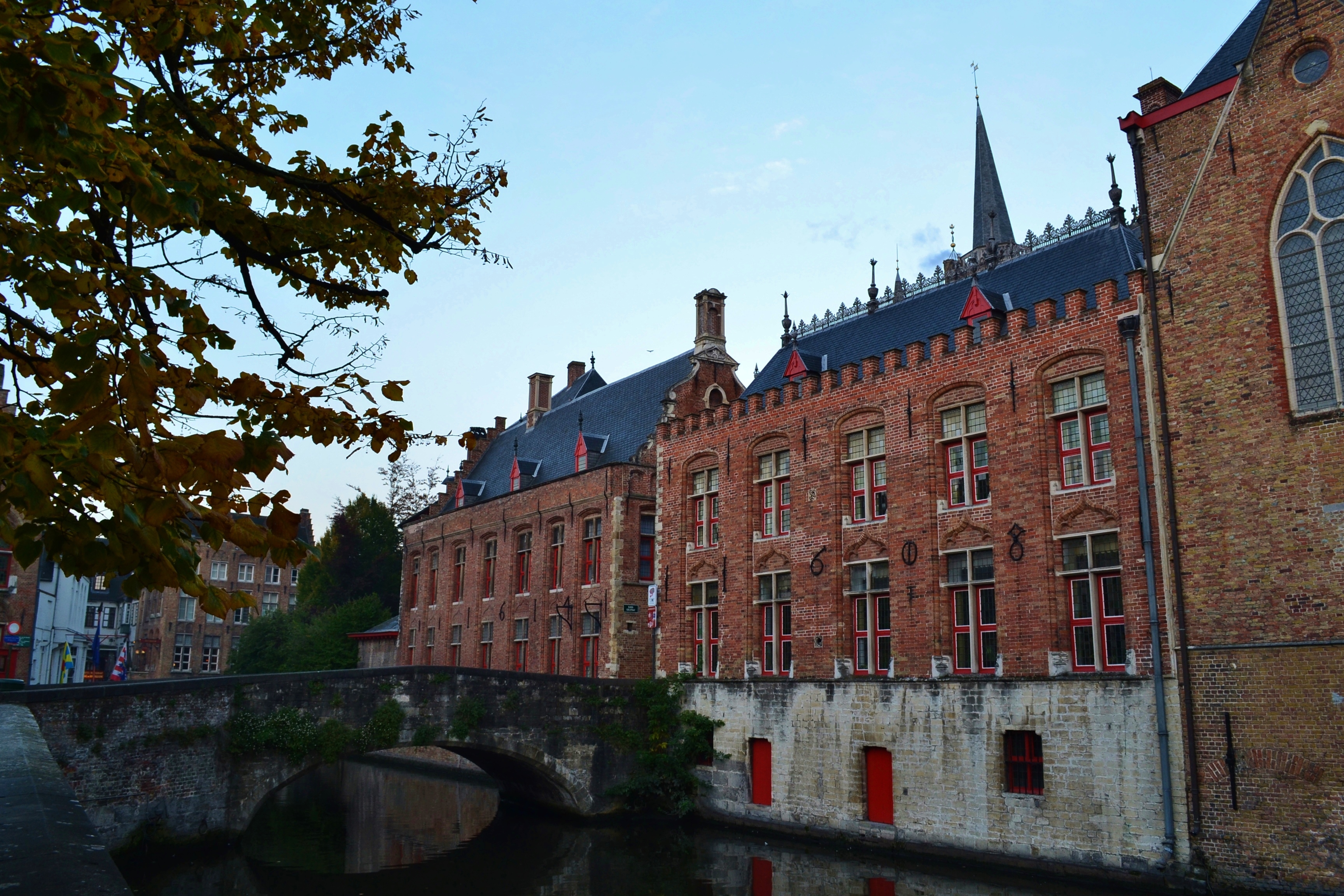
Bruges, Belgium—a city synonymous with chocolate and beer. No surprise, then, that it makes my short list of favorite places on the planet. . . a place that I only discovered last week.
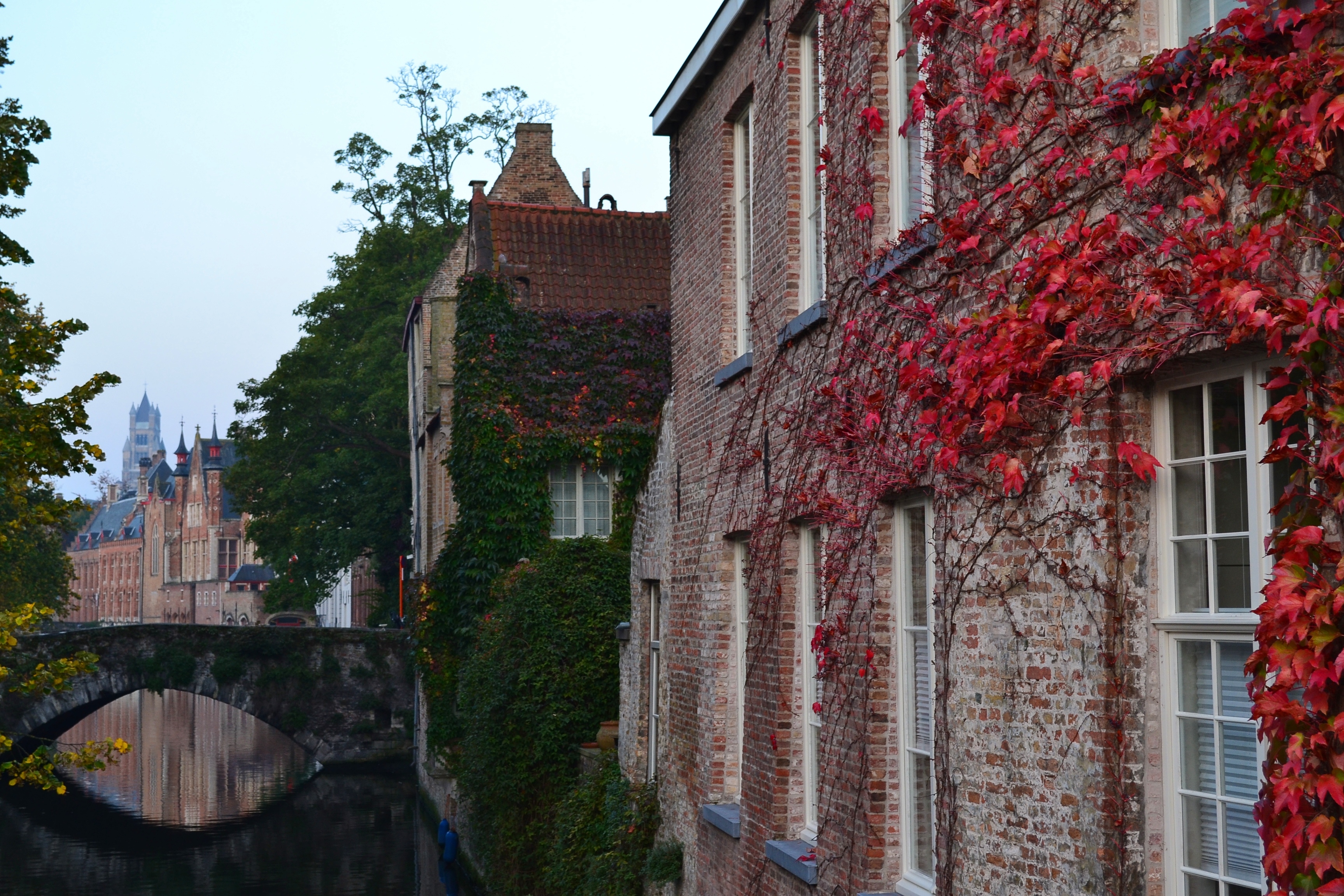
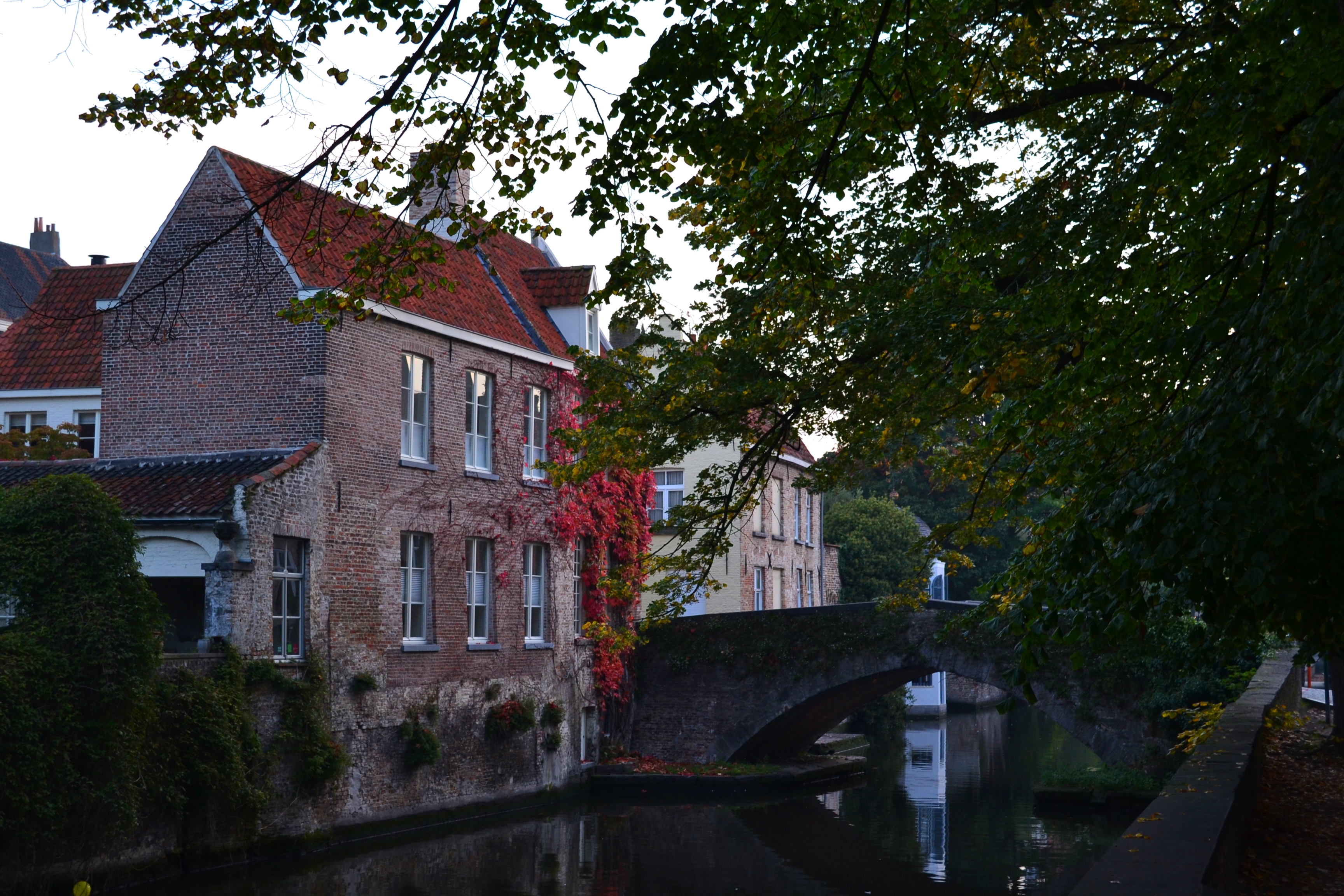
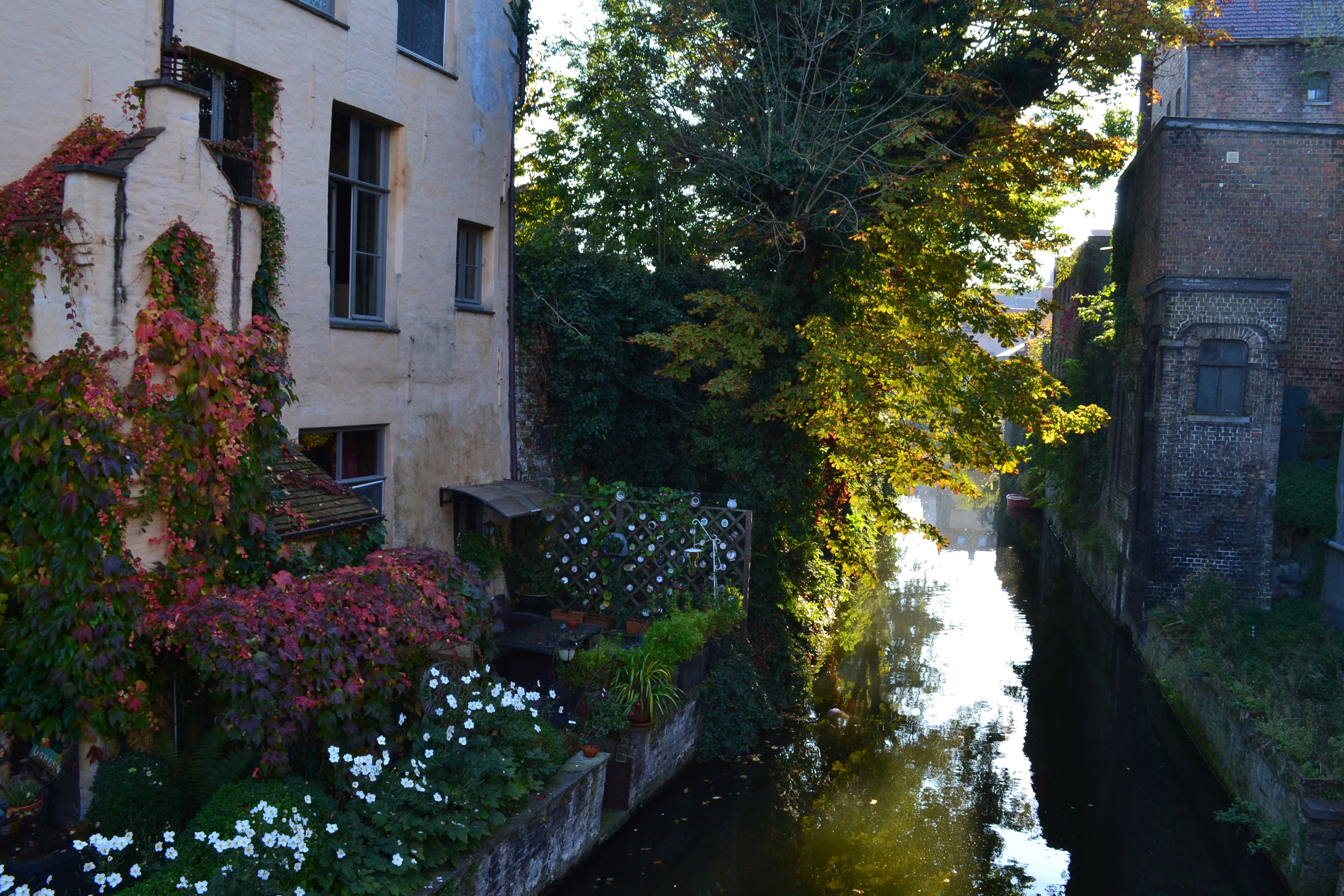
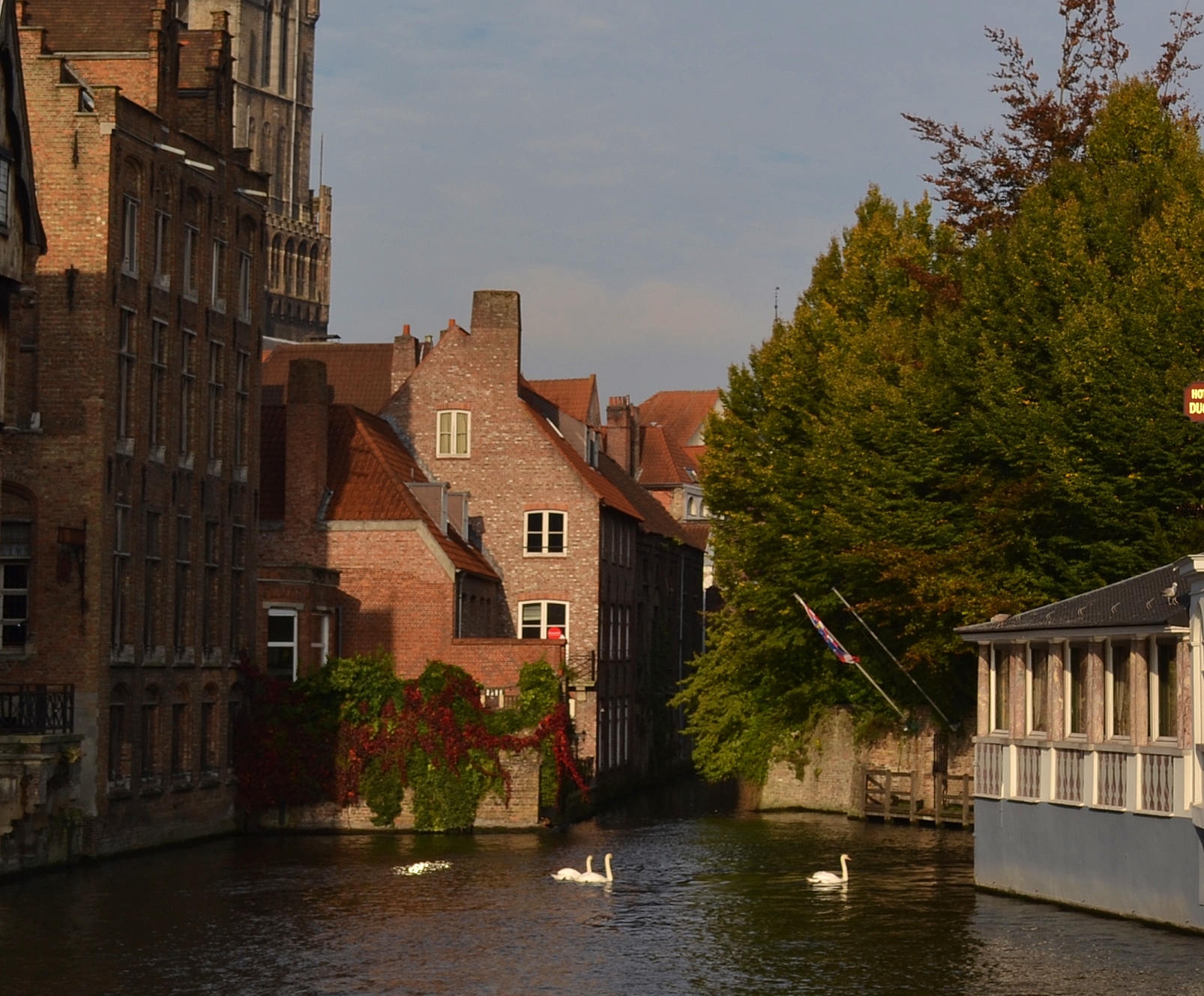
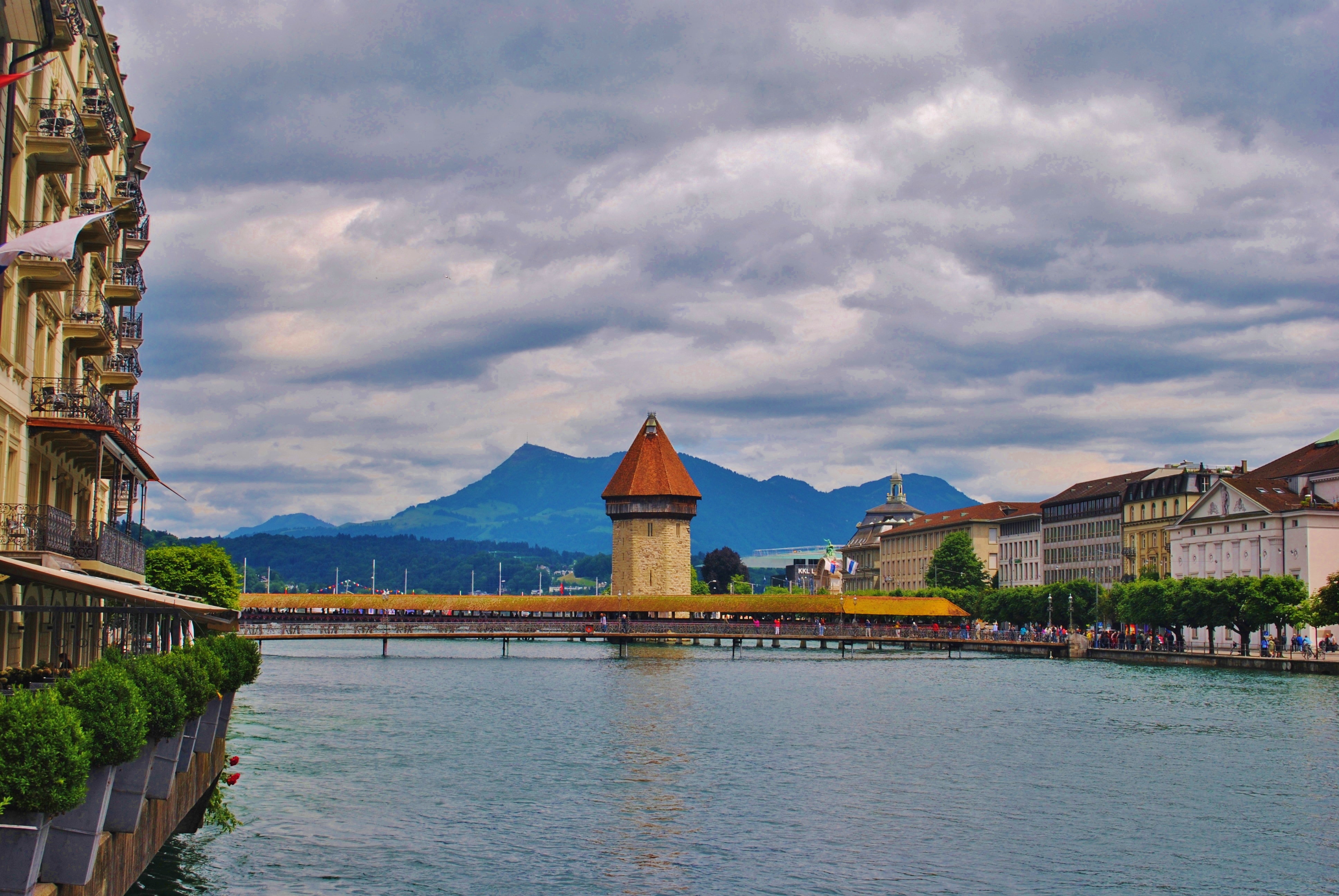
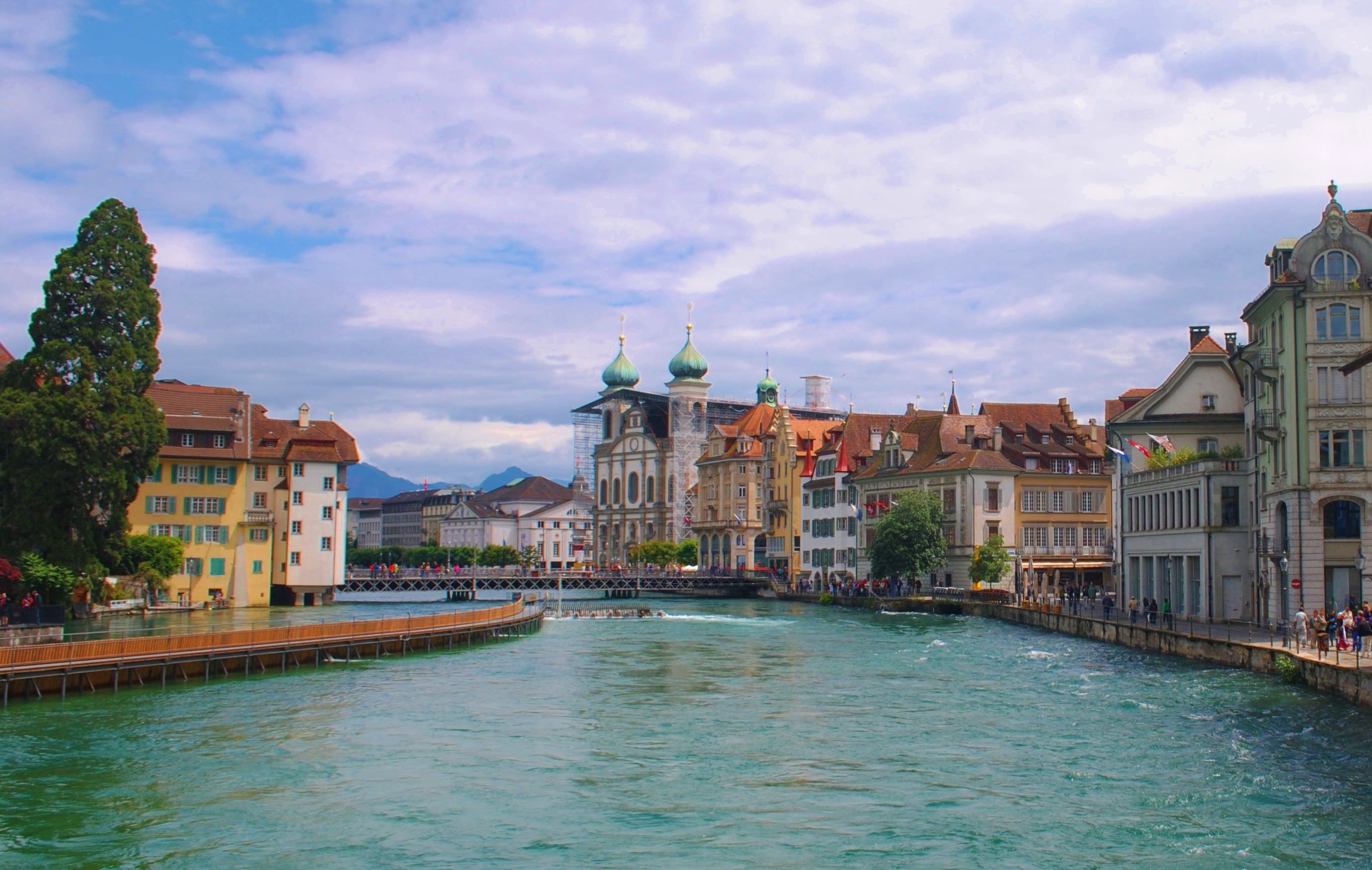
Bruges is perched in the northwest corner of Belgium, and much of its 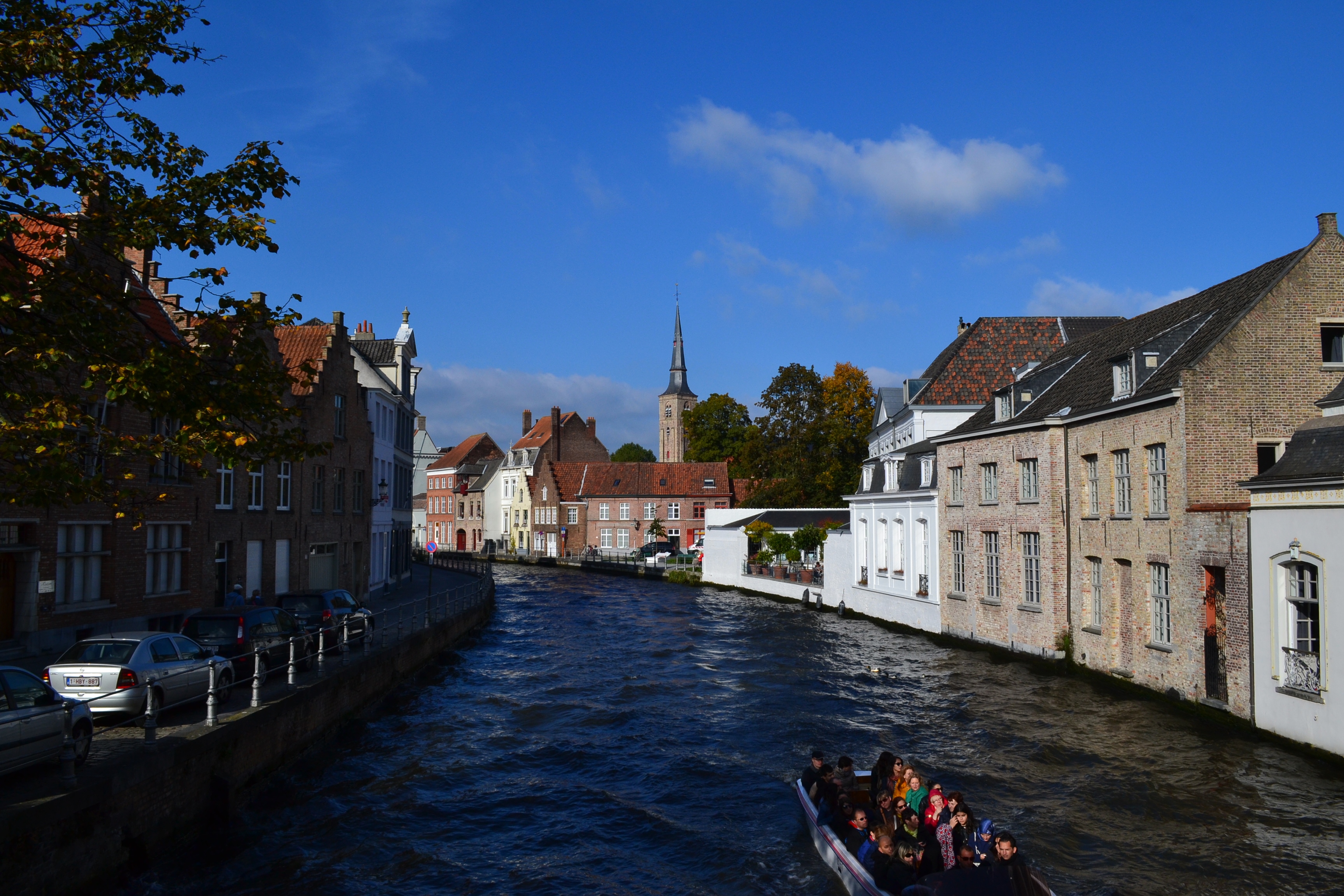 character has been shaped by its canals and the fact that it has long been a port city and center of trade. (The port of Bruges is Zeebrugge—“the Bruges Sea” I suppose.) The wealth that trade brought to Bruges is clear in the lavish Flemish
 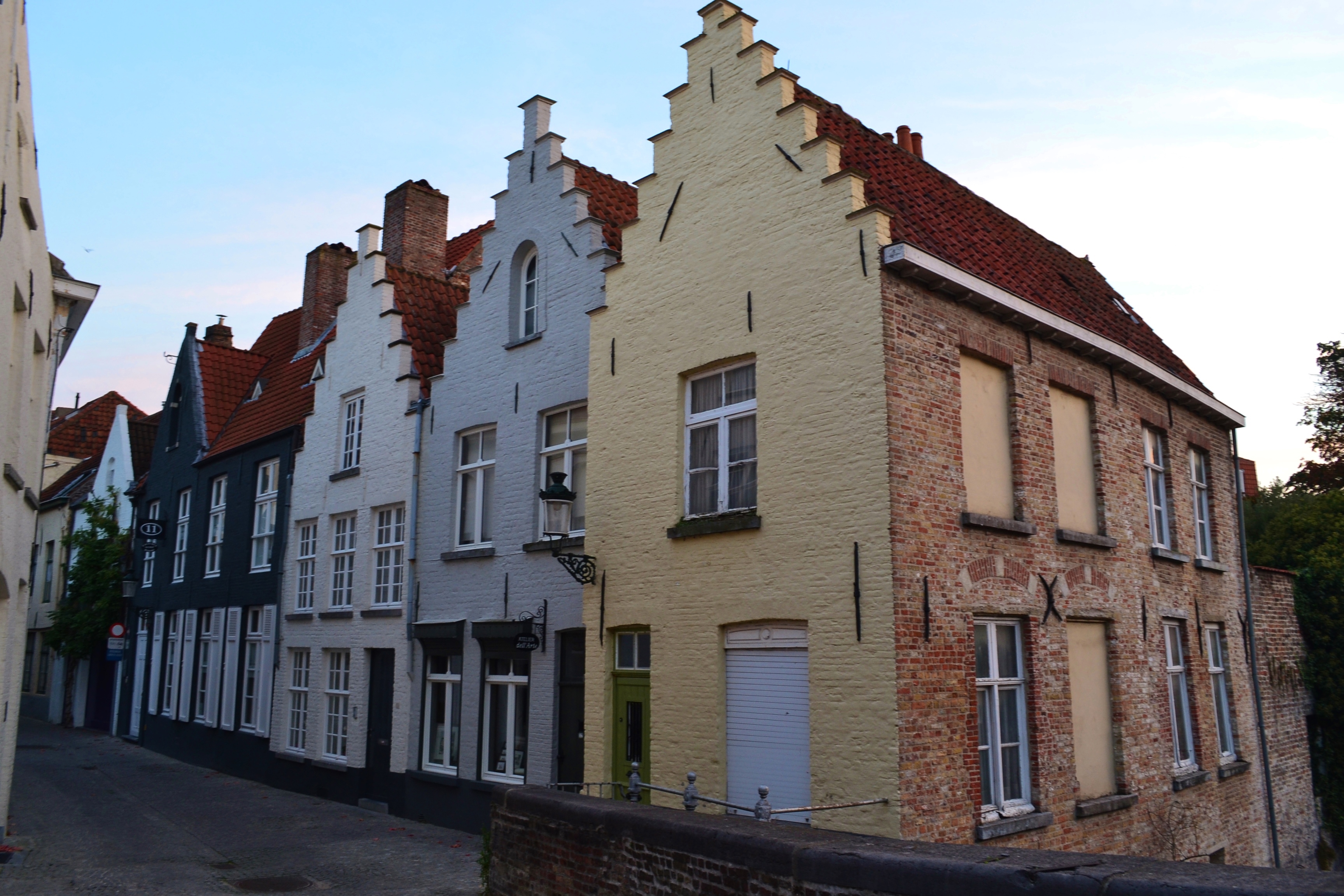 medieval-style architecture that is everywhere on display.
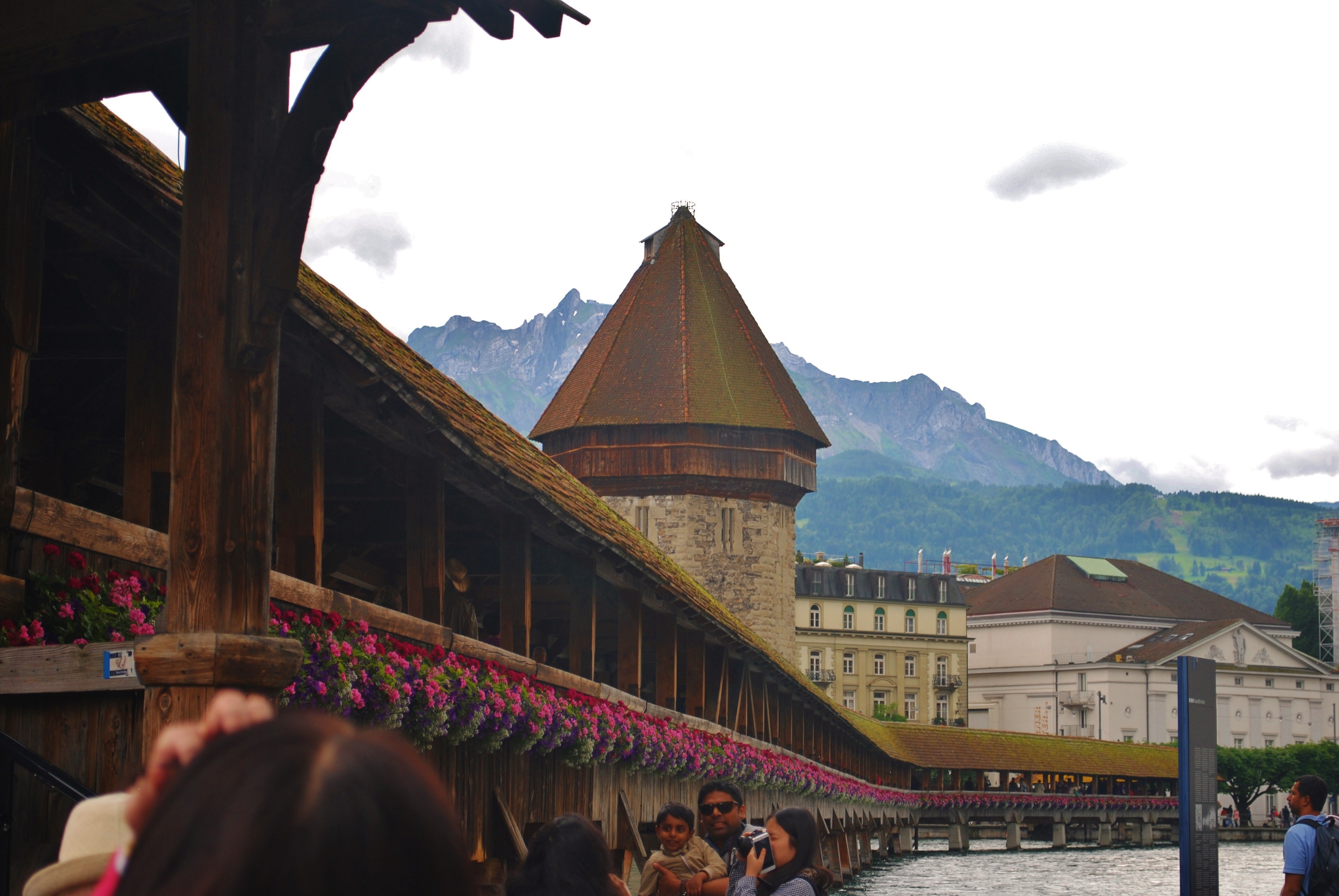
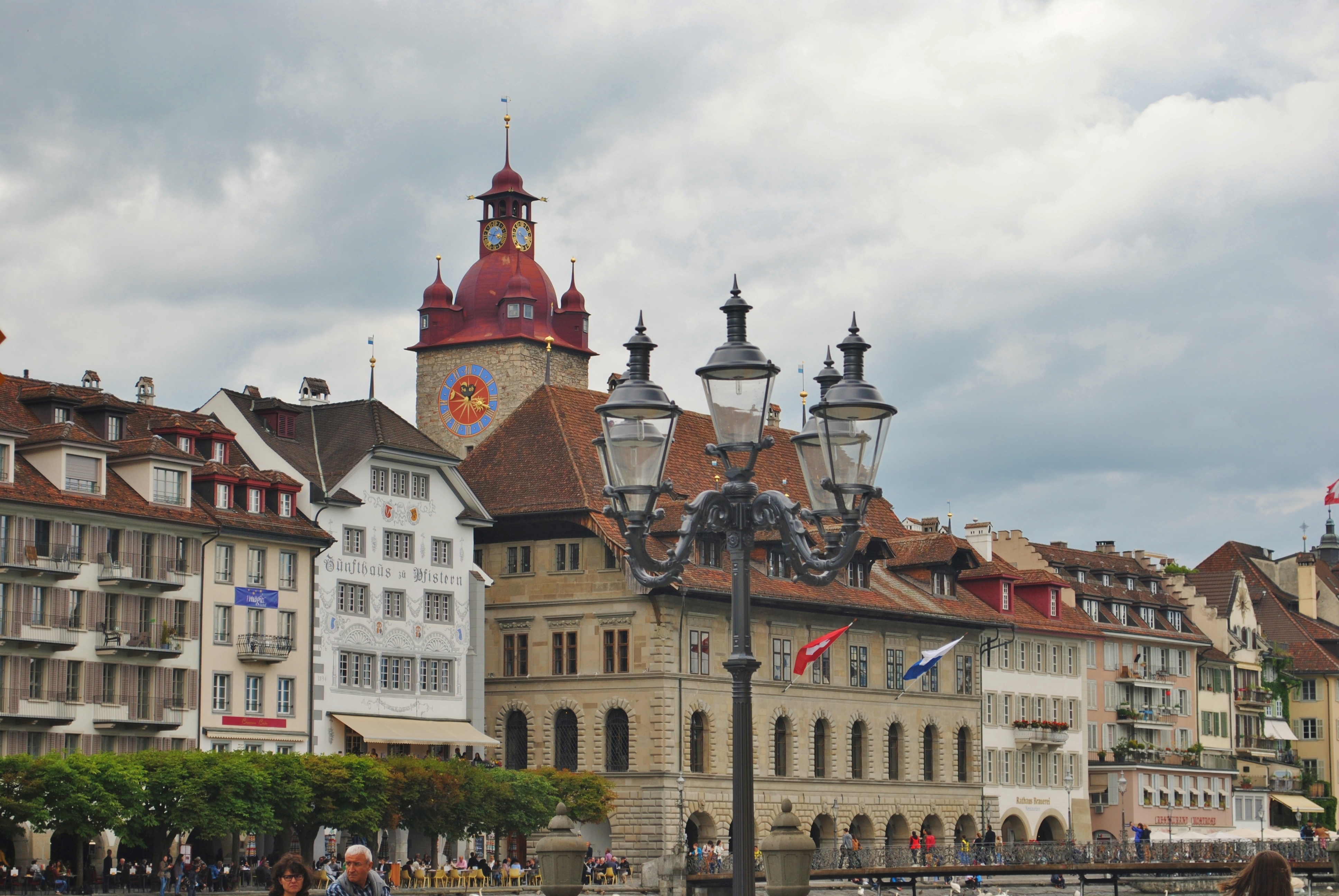
The beauty of Bruges, and its relatively compact size, make it a perfect city for a weekend of “strolling.” My family is very good at “meandering” through towns—strolling, seeing, nibbling, photographing—we’ve raised it to an art form. . . and Bruges is the perfect town to practice that art. It has the beauty of its intact medieval architecture, the added drama and elegance of its winding canals, the warm and rich ecstasy of waffles and chocolate spilling out of its storefronts, the intricate eye-candy of its lace shop windows, and the tired traveler’s respite of its lovely Belgian beer. (It’s almost painful to write this while Bruges is still so fresh in my memory–if I had a teleporting machine, I’d drop my keyboard and head back right now!)
We drove into the city relying on our GPS to guide us, which it did: straight through the heart of town and market square and down some streets that might not have even been open to cars—but still, we drove through. 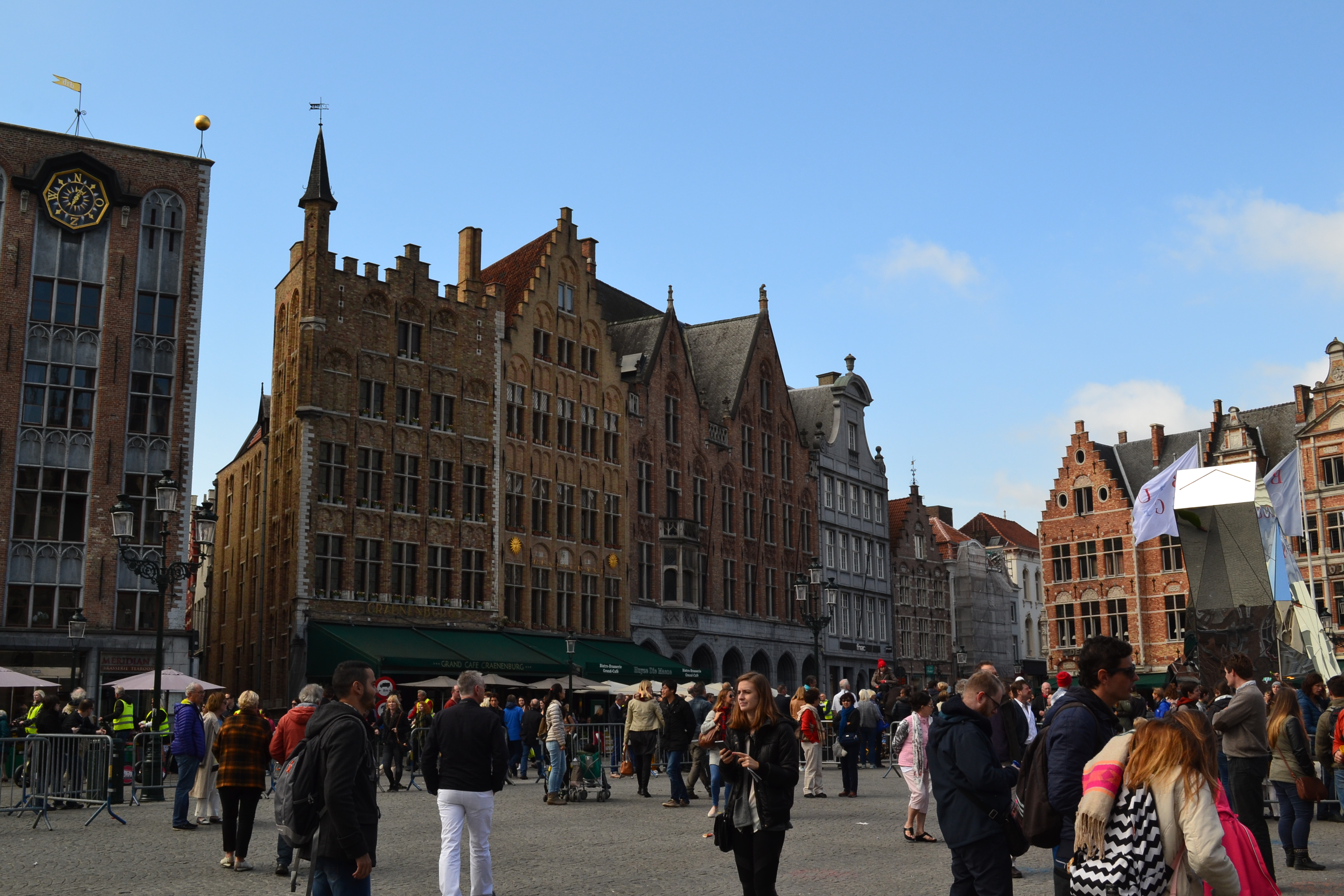 The sea of people parted for us, and we cruised through the heart of town at approximately 3 miles an hour. Probably not the most appropriate route to take us to our hotel, but it gave us the opportunity to see what was around us in the Old Town.
We stayed at Anselmus Hotel—a small hotel that is located in the 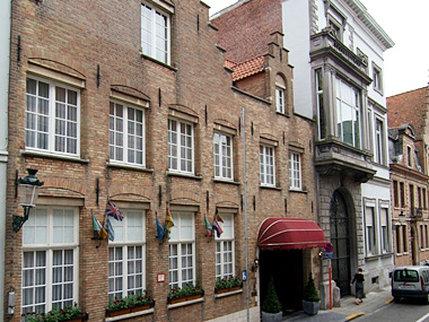 heart of Bruges. It dates back to the 17th century and was the home of the scientist Anselmus Boetius De Bood. It was quaint and comfortable, and the owners were lovely people. Our room was a couple of flights up—a large space that could fit our whole family—the ceiling was crisscrossed by exposed beams and the stairs up to the room were astonishingly narrow. Outrageously narrow. (Not in width of the staircase, but each step was only about 3 inches deep, requiring a funny side step or tiptoe technique to navigate.) Anselmus must have kept magical medieval elves as his servants and housed them in this attic, because no human foot could fit on these stairs. If this had been the Holiday Inn, I’d call these stairs treacherous. But it wasn’t. It was Anselmus Hotel in the Old Town of Bruges, which somehow changes things. This staircase was charming. Or maybe it was a sobriety test, a reminder that this was a respectable hotel—can’t stay here unless you have your wits about you. At least, can’t make it all the way to your room unless you have your wits about you.
And so we ventured out into the town, resolving to keep our wits about us.
At first, that was easy. We wandered the town and soaked up the general atmosphere.
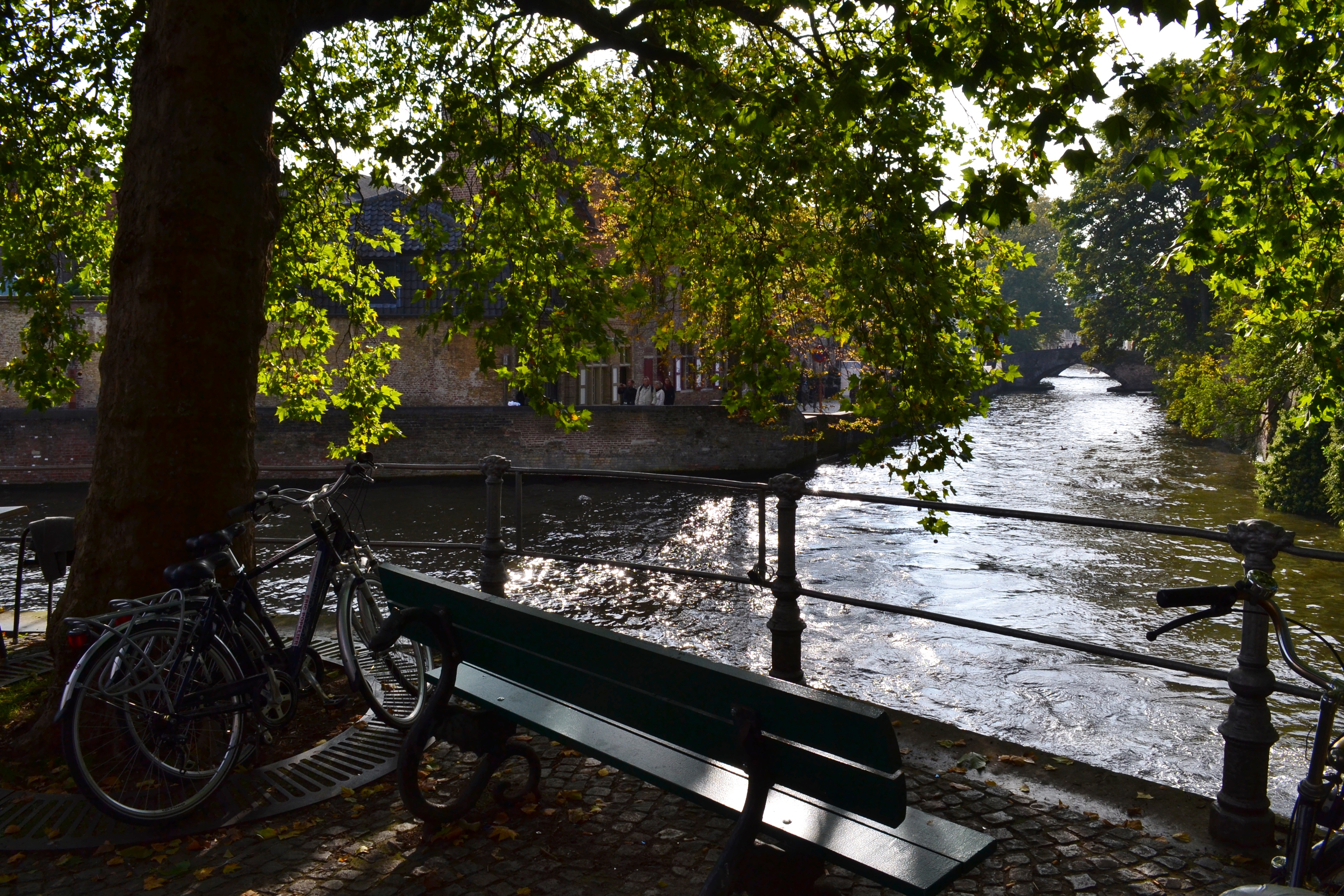
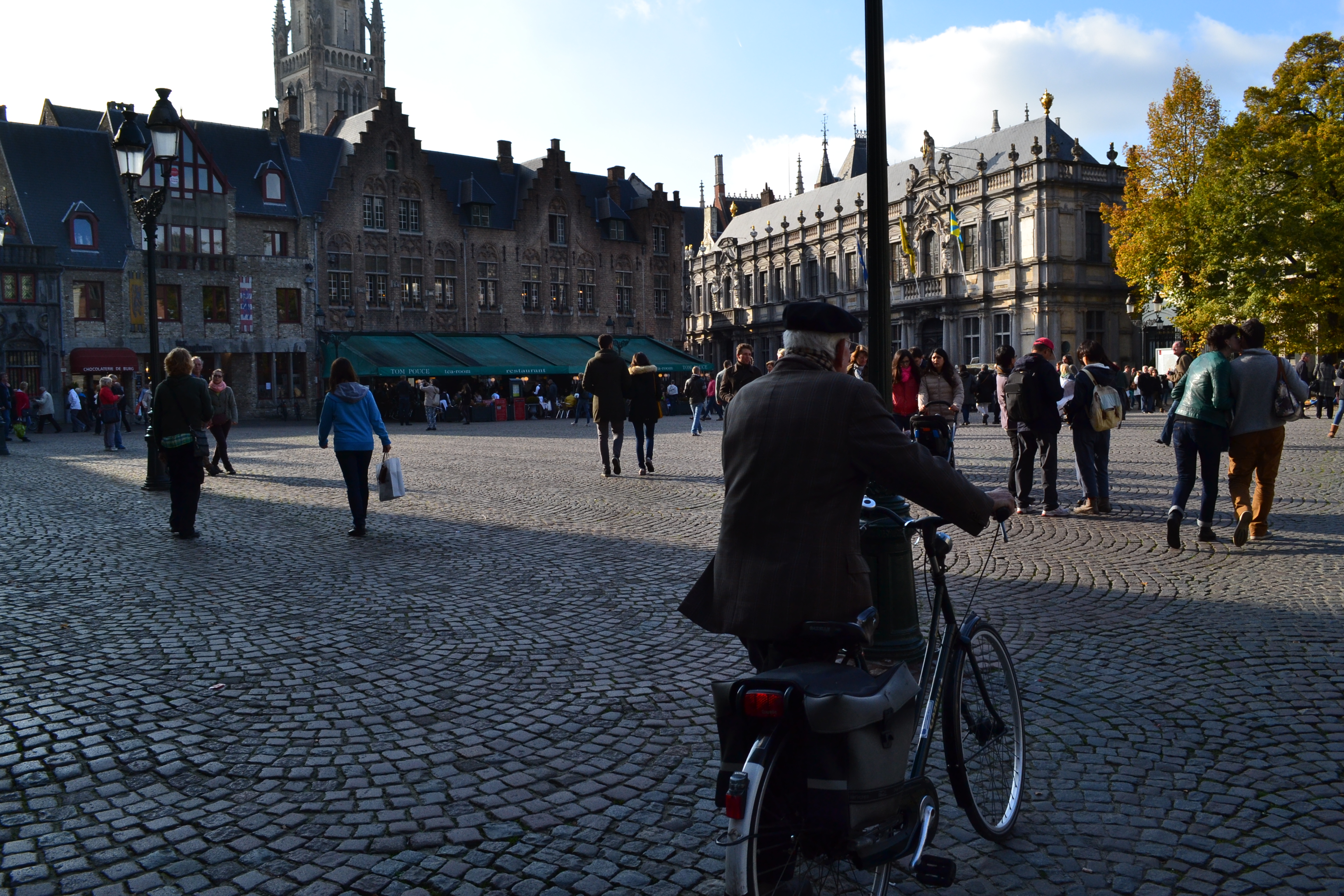
We watched the boats of tourists navigate the canals, we “oooohed and ahhhhhed” at the architecture, and we jumped out of the way of horses and carriages and also the vintage cars that were holding a rally through the old town that Saturday.
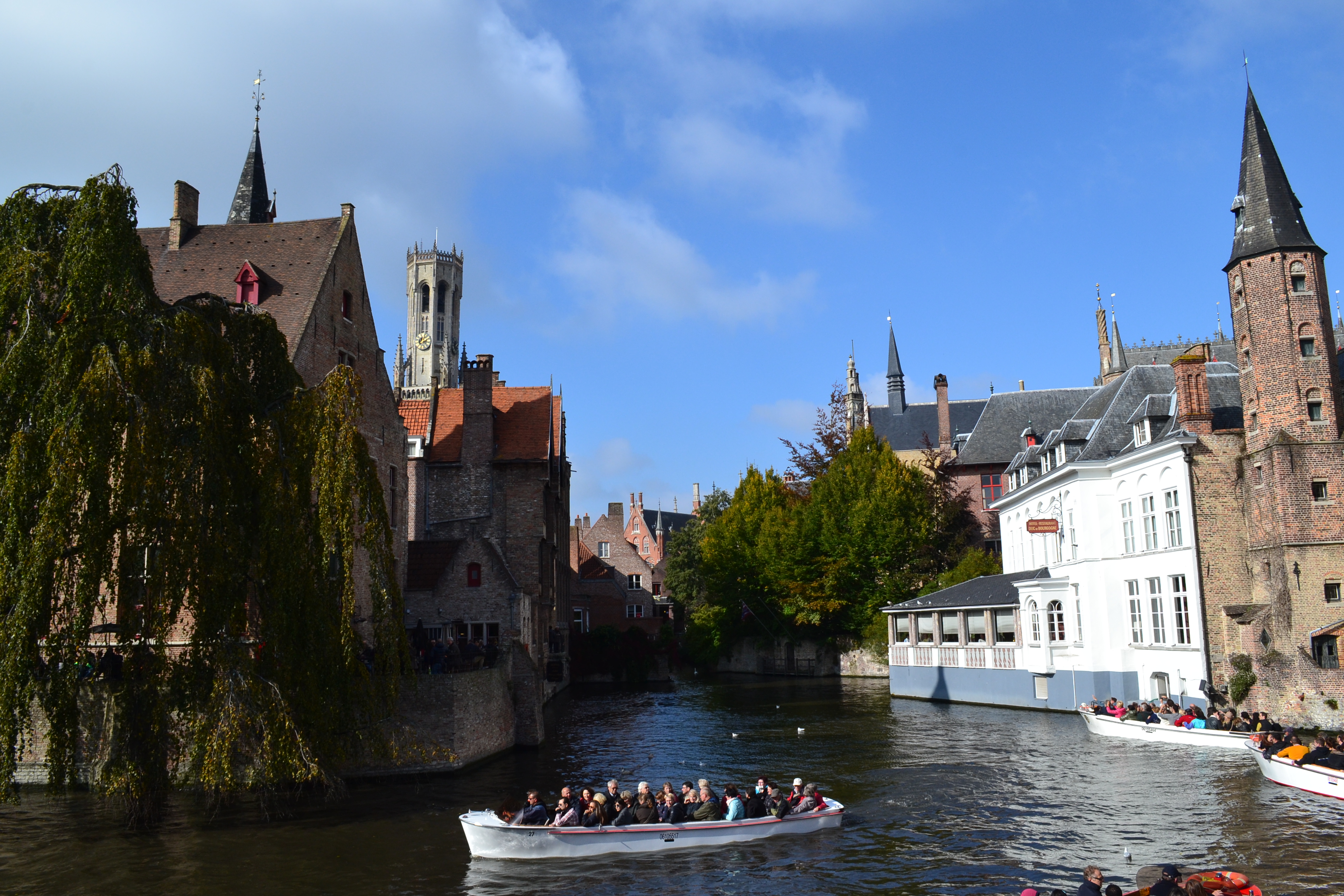
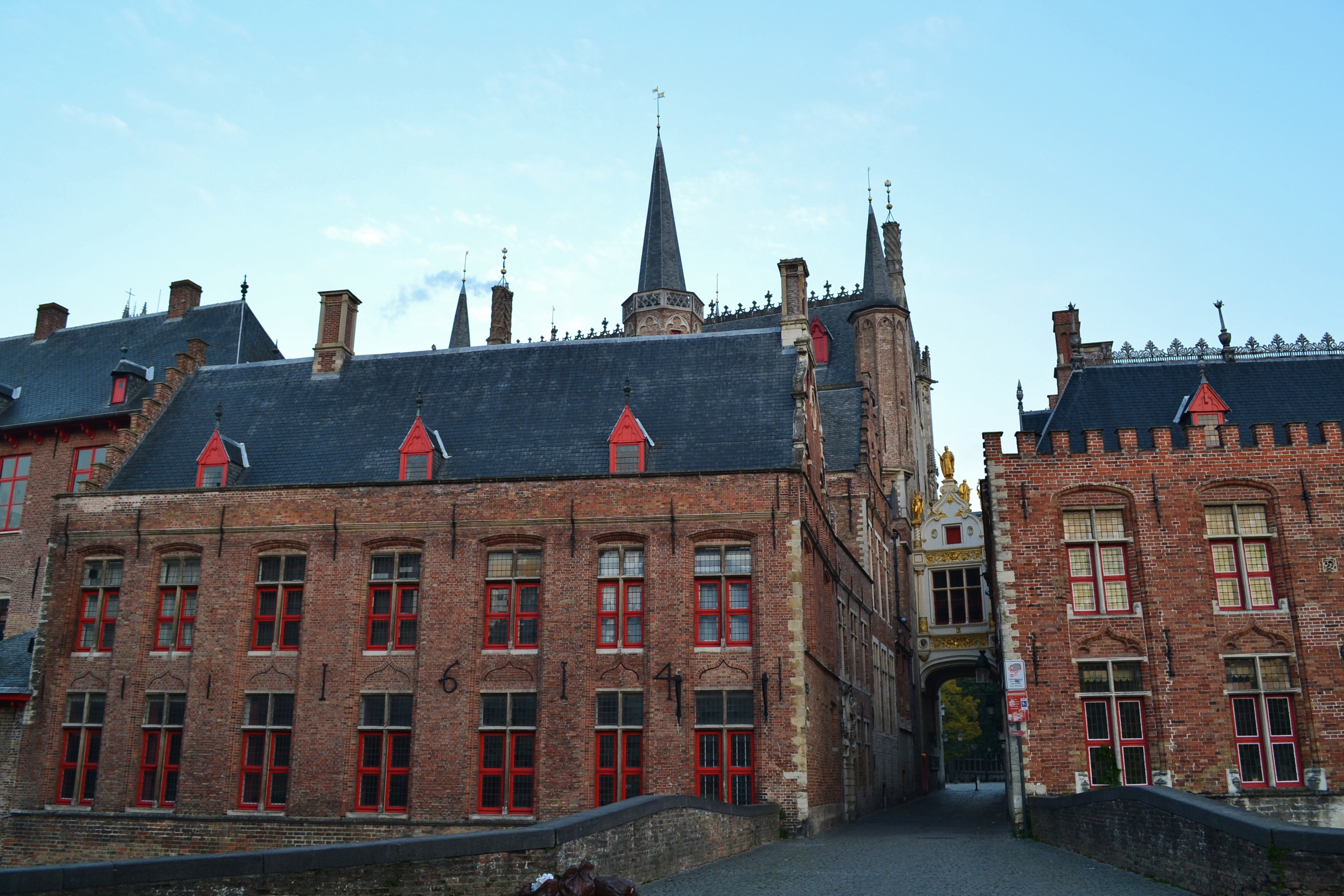
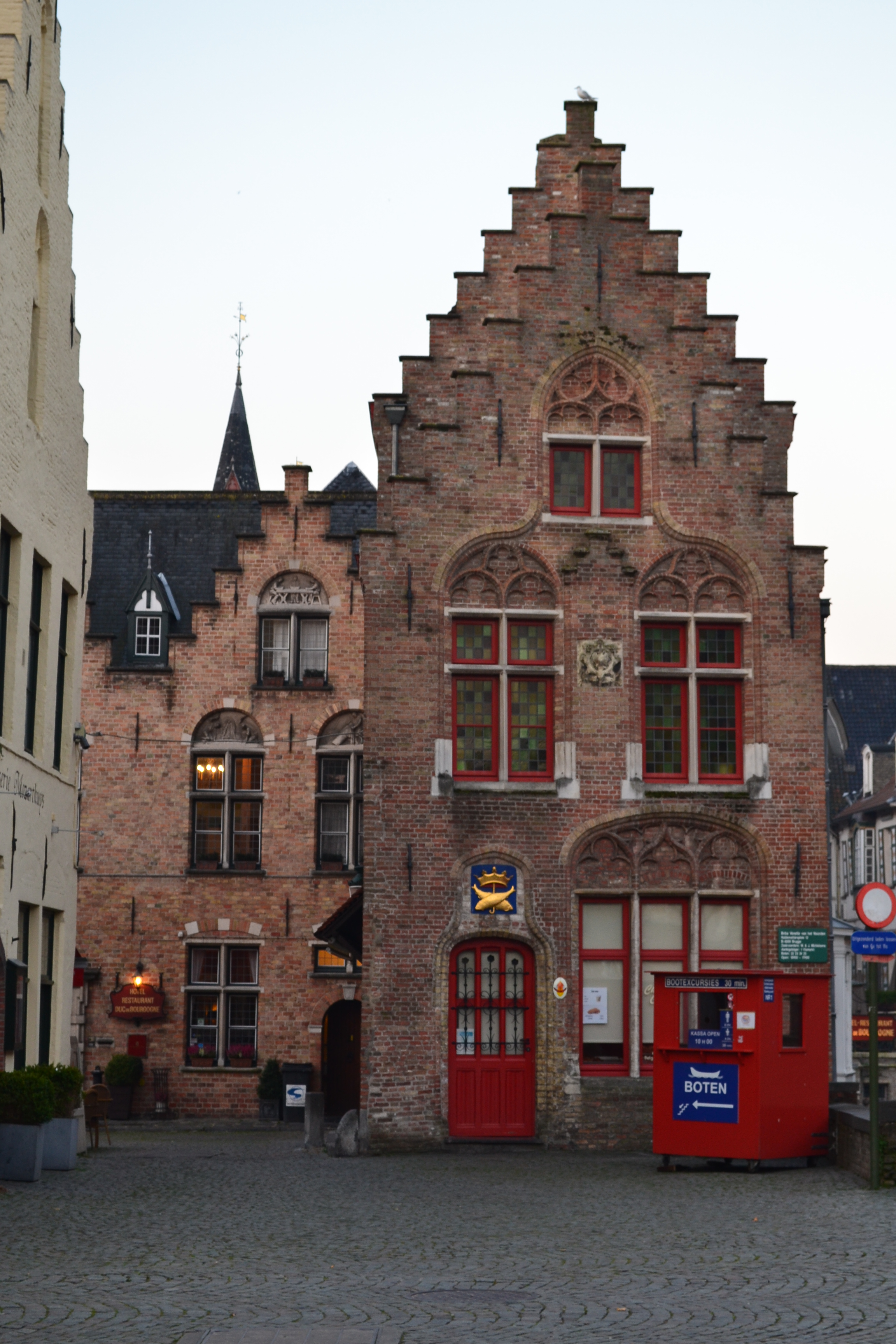
(Sadly, I have no photos of those beautiful vintage cars– I was too busy gawking or jumping to the sidewalk as they sporadically zipped past.)
So far, Bruges was beautiful and my wits were intact. But that was all about to change.
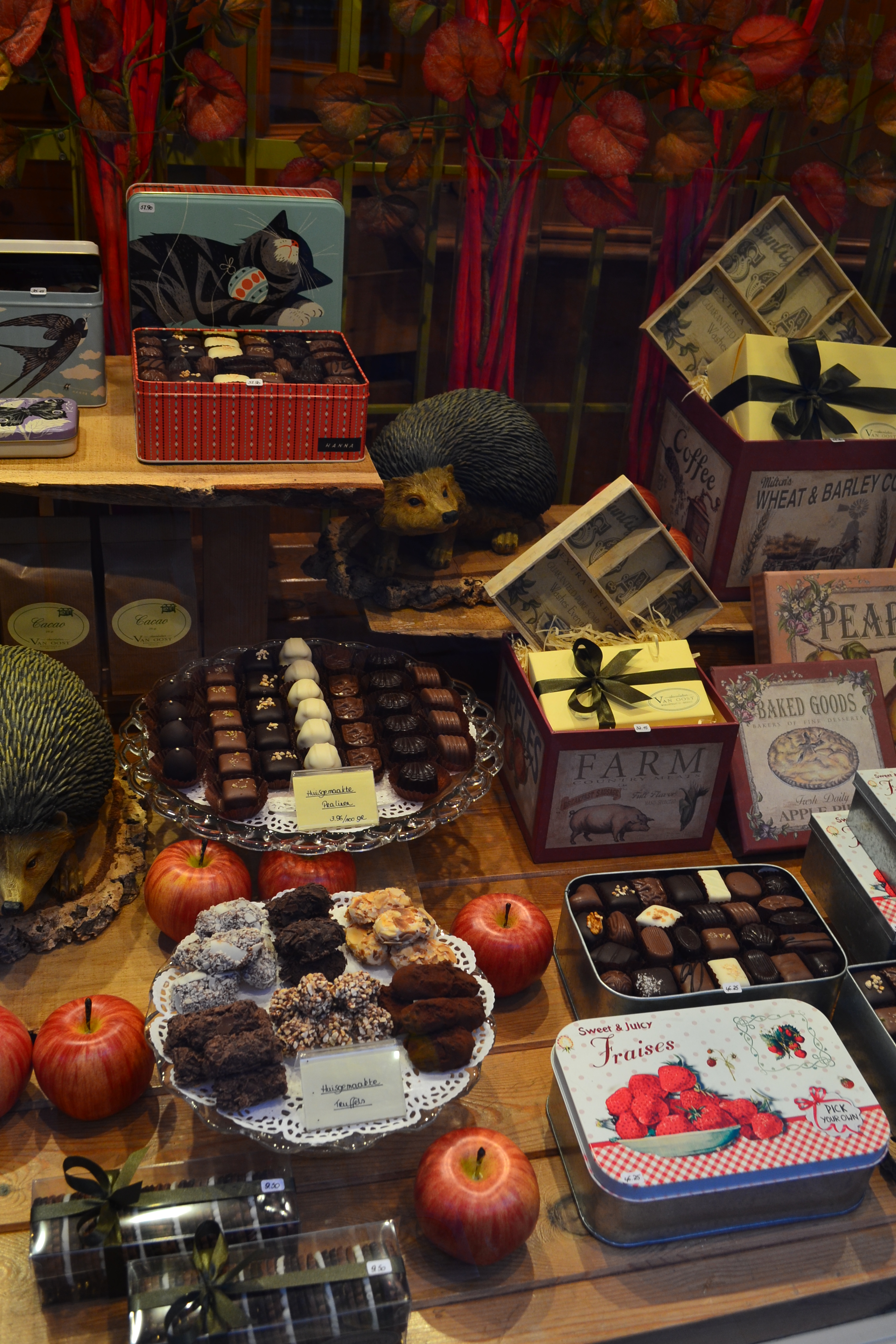 I had unshakable confidence in my ability to tipple Belgian beer in small quantities. My ability to show restraint at chocolate shops, however, was about to be strained.
More on that, and some recommendations of sights to see and places to eat, in Part Two– stay tuned.


 Travels and Tomes: One Expat's Amblings and Ramblings