Die Heilige Drei Konige/The Holy Three Kings (January 6th, Epiphany)

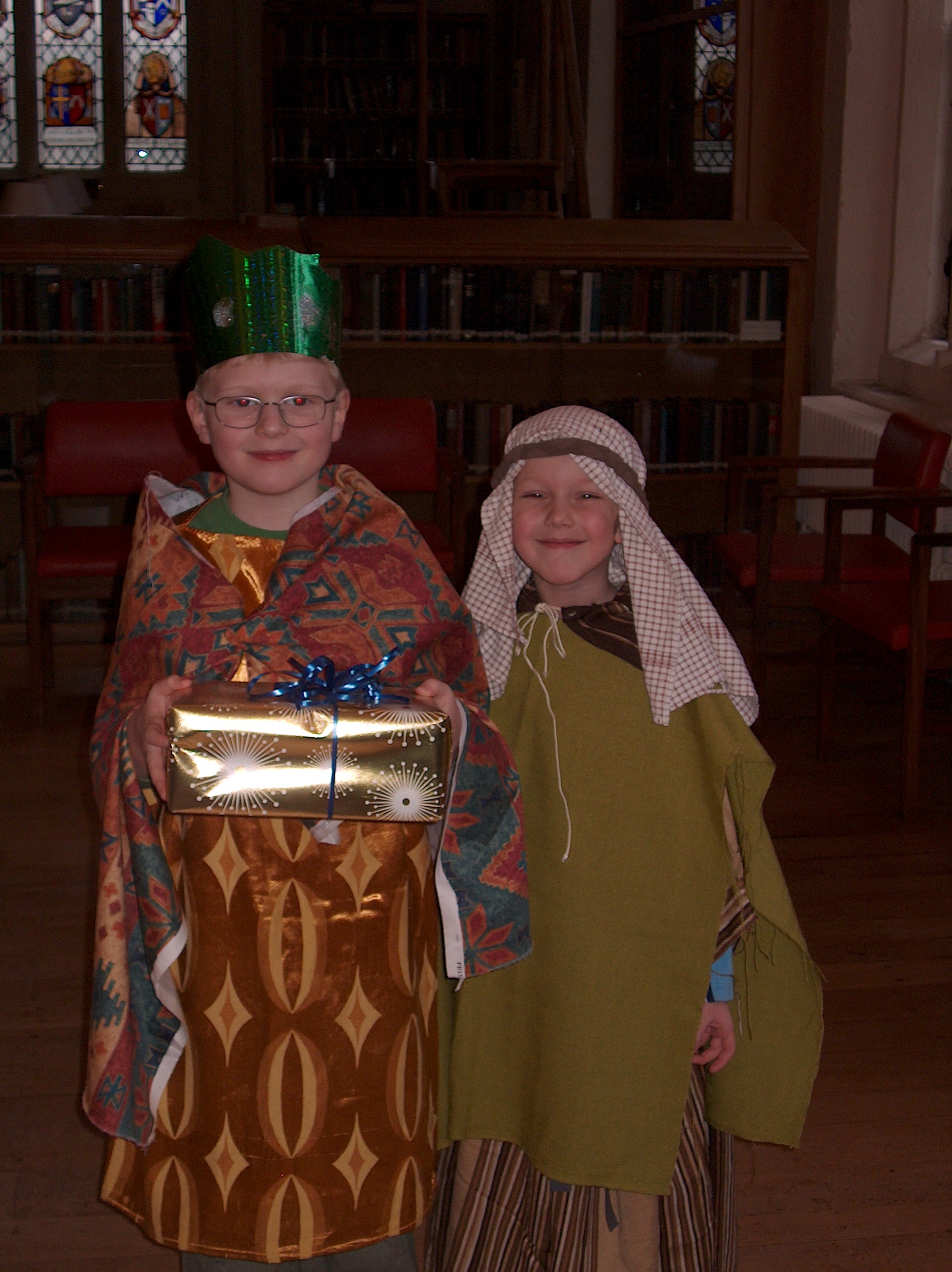
Ein Konig und ein Hirte-- a wise king and a shepherd at Ripon Cathedral some years ago (2008?)
Ein Konig und ein Hirte– a wise king and a shepherd at Ripon Cathedral some years ago (2008?)

The Three Wise Men, The Three Saintly Kings.   They came to visit me today.  Sort of.

Actually, they stood in the street and looked forlorn, so I went out to speak to them.

I had been told they might be coming.  To knock on my door, and to bless my house in observation of Epiphany on January 6th.  We Americans take little notice of Epiphany (and the 12 days of Christmas that span from Christmas day until Epiphany), but in Europe it is still heartily observed.

Let me give you a tiny primer on the Heilige Drei Konige (the holy three kings) in Germany before I tell you more about my personal experience.  According to the “German Words Explained” website,

On this day, groups of children known as Sternsinger go from door to door and sing a song or recite a poem or prayer. They then write in chalk above the door C+B+M and the number of the year with three crosses, eg. 20*C+M+B+08. These letters stand for the latin phrase Christus mansionem benedicat, meaning “God protect this house”.

The Sternsinger also collect donations for childrens’ charities.  drei helige konige
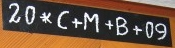
I assume that the C + M + B also stands for the Three Kings (Melchior, Caspar and Balthazar).  When we first moved here, I noticed these chalk markings above so many doors–letters and numbers.  I’d decided that it must have to do with a municipal code, but finally asked someone about it.  How fabulous to learn that it was a blessing and not a municipal code–much nicer!  I was looking forward to a visit when Epiphany rolled around.

And so the three anticipated guests showed up today.  My husband, daughter, and I were standing in our kitchen, contemplating lunch, when three teenagers appeared outside our window.  They stared at us, we stared at them.  Then we, my family, stared at each other, wondering what we were supposed to do.  We had no idea, so we stared back at them again, wondering what they were supposed to do.

This will sound strange and uncomfortable to you Southerners, but,believe me, it’s acceptable in Germany.  Encouraged, even.  When we first arrived, we waved at neighbors and smiled broadly.  They stared. . .then scowled if our idiotic grinning and waving continued.  It was clear that we were committing a faux pas, but old habits die hard.  Finally, months into our life here, I asked a German friend about this.  “Oh no!” he said, “Do NOT wave.  We just don’t do that.  It is strange.”  He continued, “You may tip your head if you must, but just understand that they are just looking. It’s normal; they are trying to see if they know you.”

I immediately stopped waving at people.  My neighbors stopped scowling, for the most part.  Now we just stare at each other.  It still feels weird, but you get used to that feeling when you aren’t on your home turf.  Weird is the new normal.

But back to the Kings loitering outside my window.  They were three teenagers, recognizable as the kings only when two of them dropped their cell phones into their pockets and the third shifted her body to reveal a staff topped with a star in her hand.  Another had some sort of wooden box.

“Oh!” I said, “I know who they are!!  The Heilige Konige! The Wise Men!”  I was so excited to have them visit our house!

But they just stood and stared.

Then they moved a few feet, so that they were blocked from view by  a hedge.  Were they regrouping before bursting into song?

Apparently not.

So I asked my husband to walk out and see if we were supposed to invite them in or something.  He retorted, “YOU are the one who speaks German.”  Two things worth noting here:  1 -clearly, he was a little wary of these sketchy wise guys, and 2-nothing that comes out of my mouth is recognizable as German, try as I might.

“Okay,” I said, “give me some money for the Kings.”

So, armed with some Euros and sketchy language skills, I rounded the hedge and approached the kings.

Can we pause the story here and just consider that last sentence?  It has promise, doesn’t it?  Sounds like the beginning of an epic tale or a heartwarming Christmas story.  Yes, it has promise.

And then I said, “Die Heilige Drei Konige?”    “Ja,” they said.   Yes!  Great!  But the surly youth didn’t burst into song or emit a holy aura, or do anything else but stare.

“Sind Sie…fuss…the neighborhood?”  I said.   One king put his cell phone back up to his ear, and the other two looked at each other and then said, “Ja?” but with the emphasis on the question mark.  “Fur Epiphany…und…charity?” I asked, adding “meine Deutsch ist nicht sehr gut!” with an apologetic look.  (“My German is not very good.”)

We fumbled around for a moment.  They never burst into song, and wise man #3 kept to himself and his cell phone, but we did manage to establish that wise man #2’s wooden box was for 3rd world charity donations.  I handed them my money and wished them a lovely day in passable German.

That was all.

It wasn’t what I’d pictured happening when the Heilige Konige came to visit.

Maybe it was the cold rain and snow mix falling on our shoulders that kept them from a more leisurely visit? Understandable.

Maybe it was the fact that they were three teenage kings instead of truly holy kings, carrying cell phones instead of chalk, and that’s okay too.  The Kingdom of Teenage plays by mysterious rules.

Or maybe it was my German-English (Germglish) that drove them quickly from my door.  Germglish tends to do that.

So, the visit wasn’t what I expected . . .but I can get over that.  I saw the Heilige Drei Konige; they visited my house.  That ain’t bad  for a rainy afternoon.


Up On the Rooftop, European Style


Saint Nick gets to see rooftops all around the world.  The rest of us, not so much.

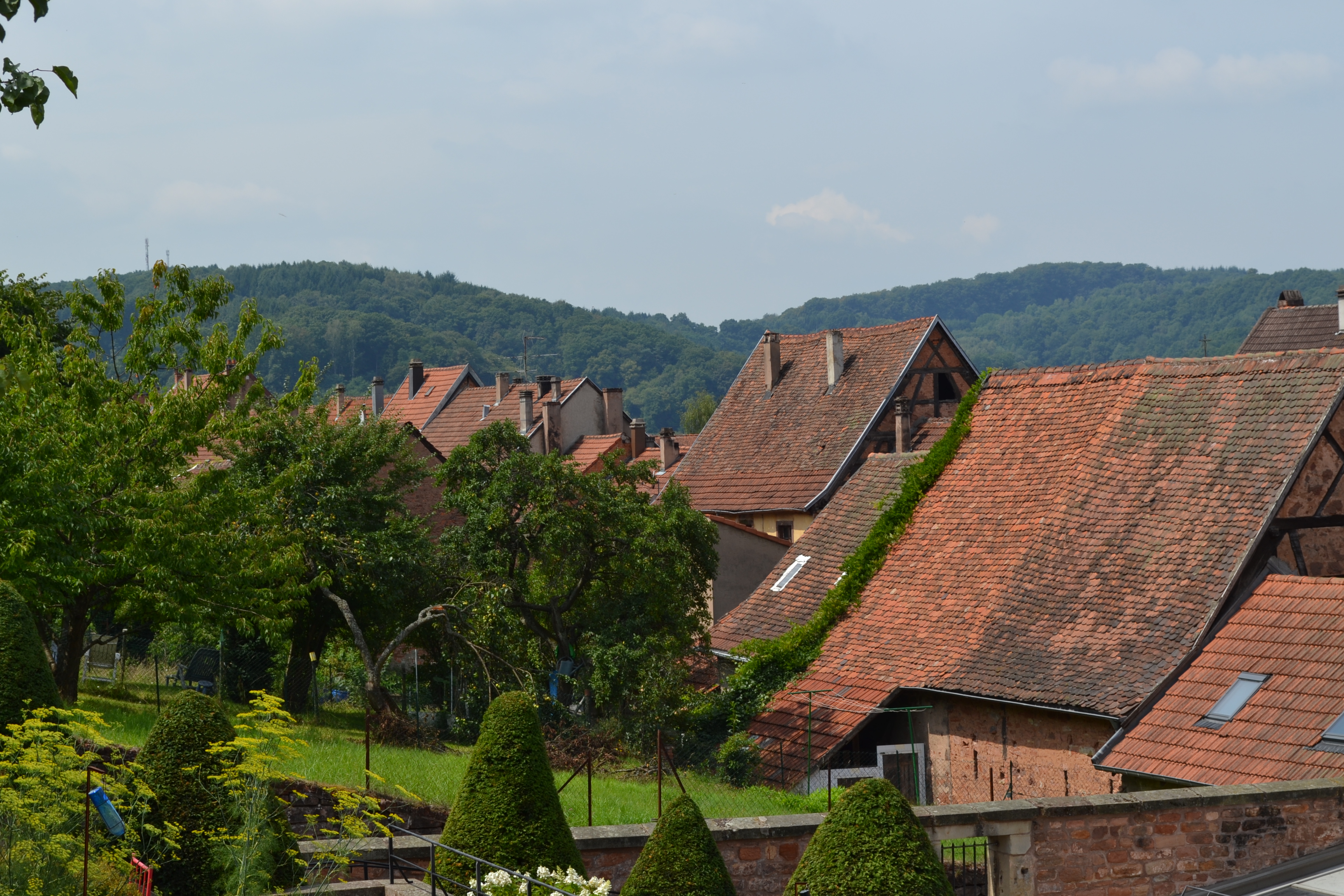
Here are a few rooftops from my corner of the globe.

Rooftops of Bitche, France
DSC_0596
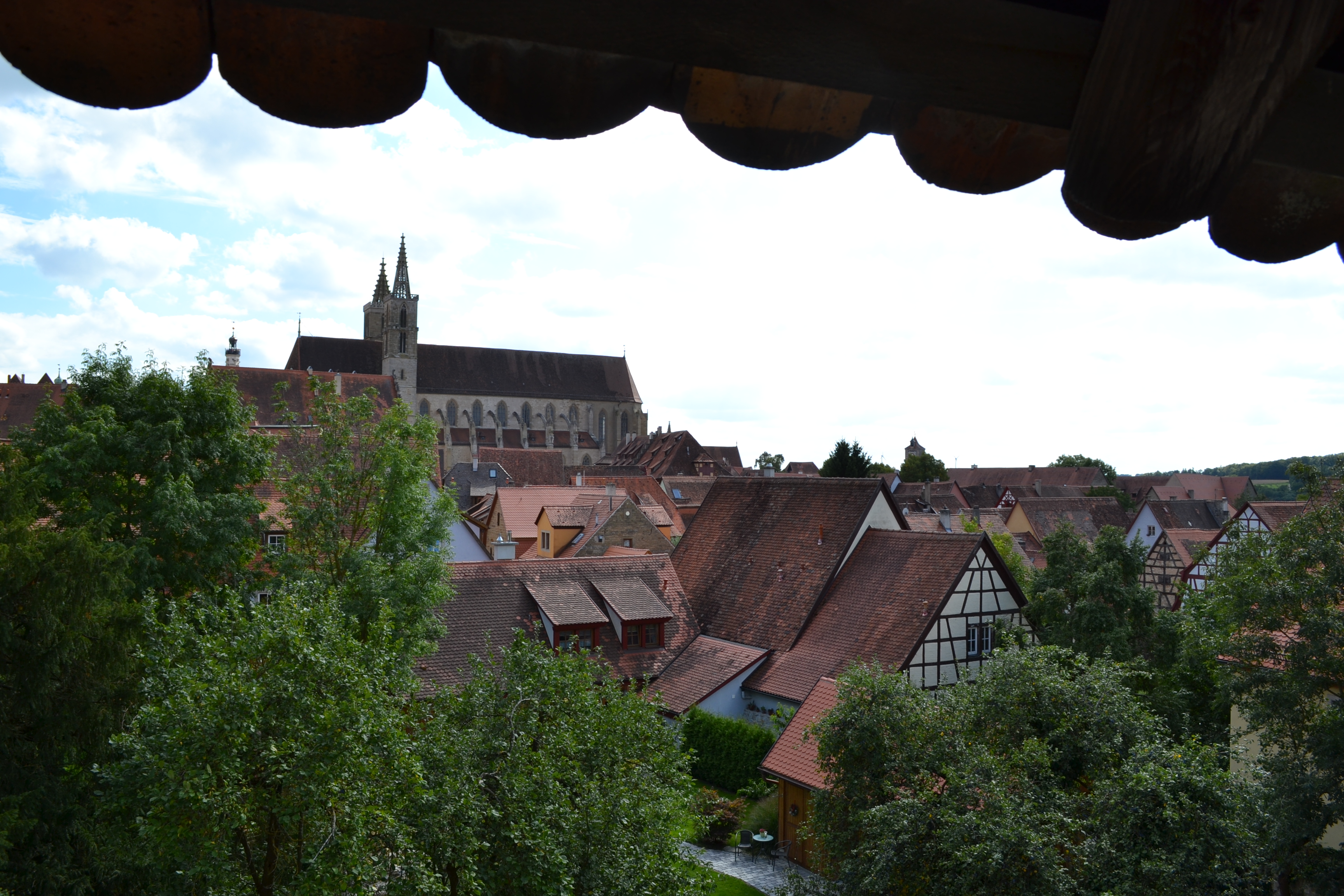
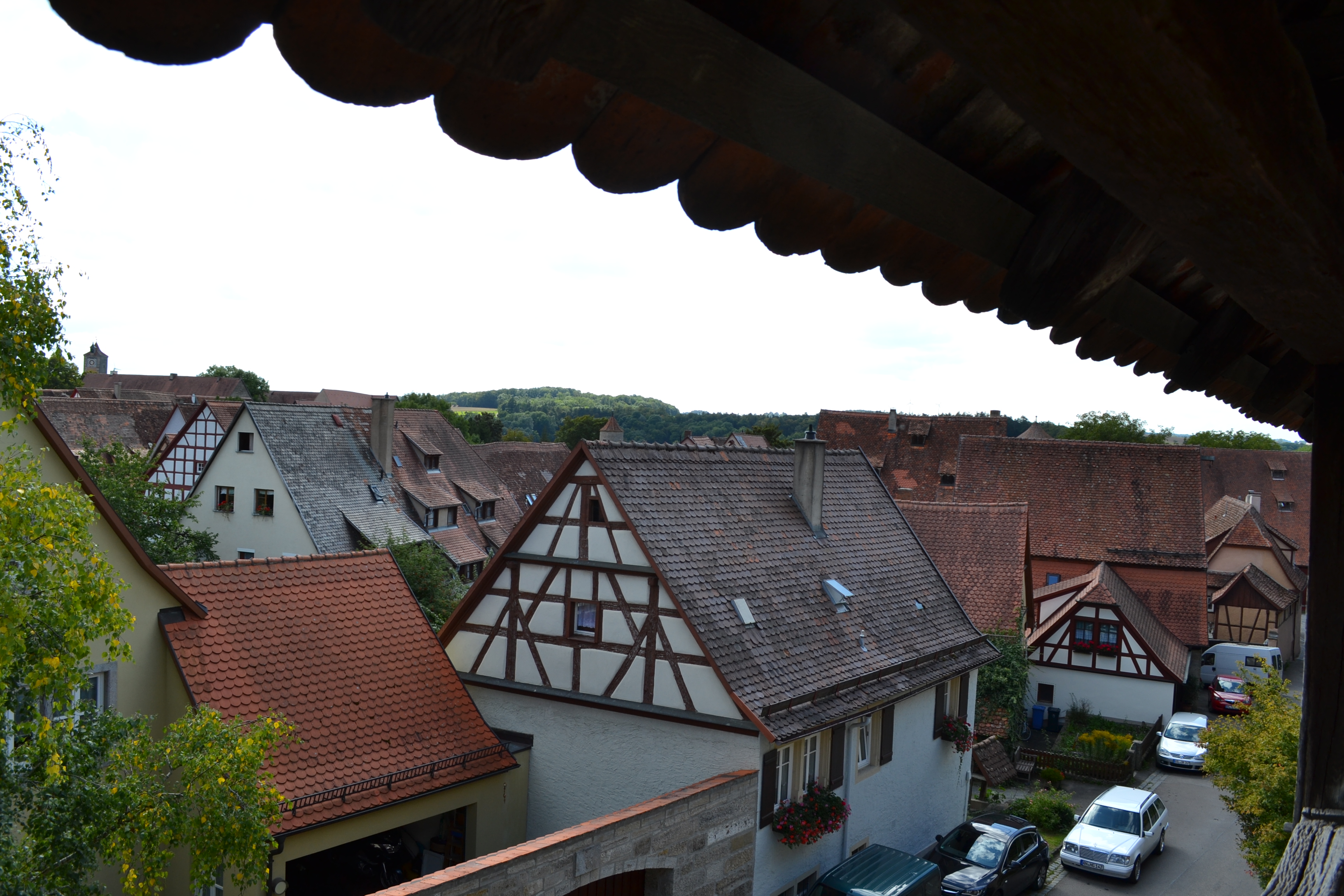
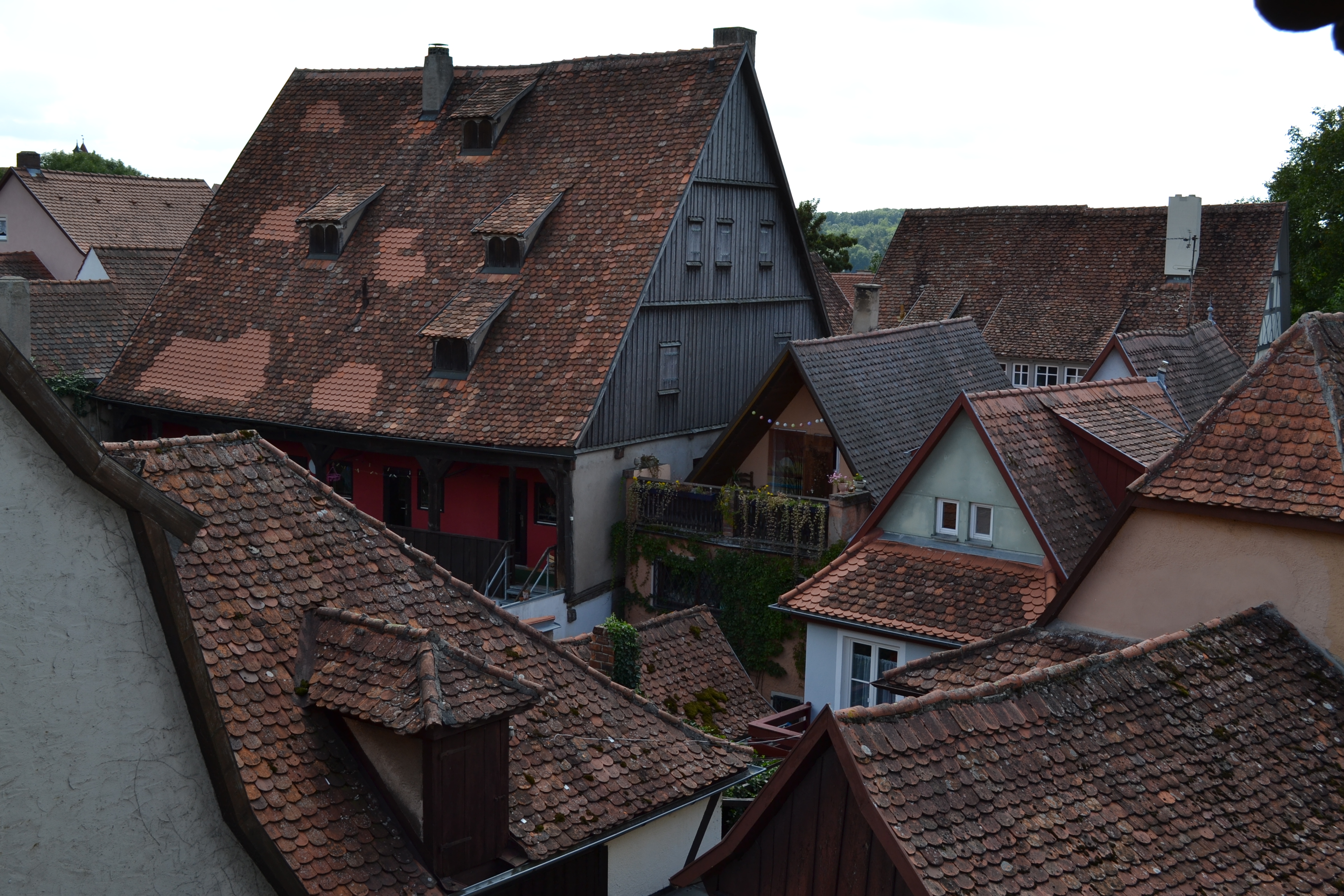
A few photos of the rooftops of Rothenburg ob der Tauber, Germany
DSC_0604
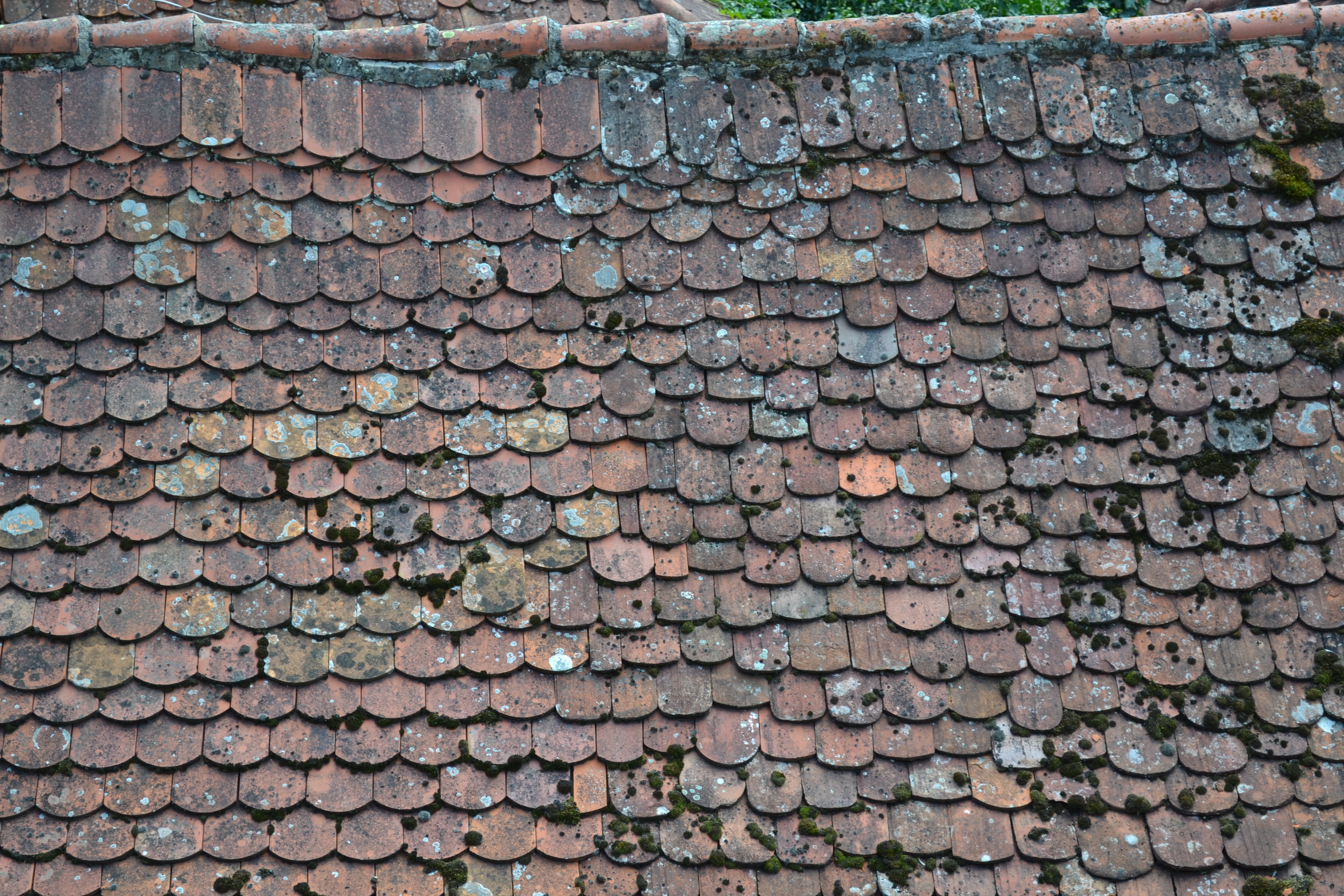
Rothenburg, beautiful “fish scale” roof–decrepit yet still sound

DSC_0598 DSC_0603


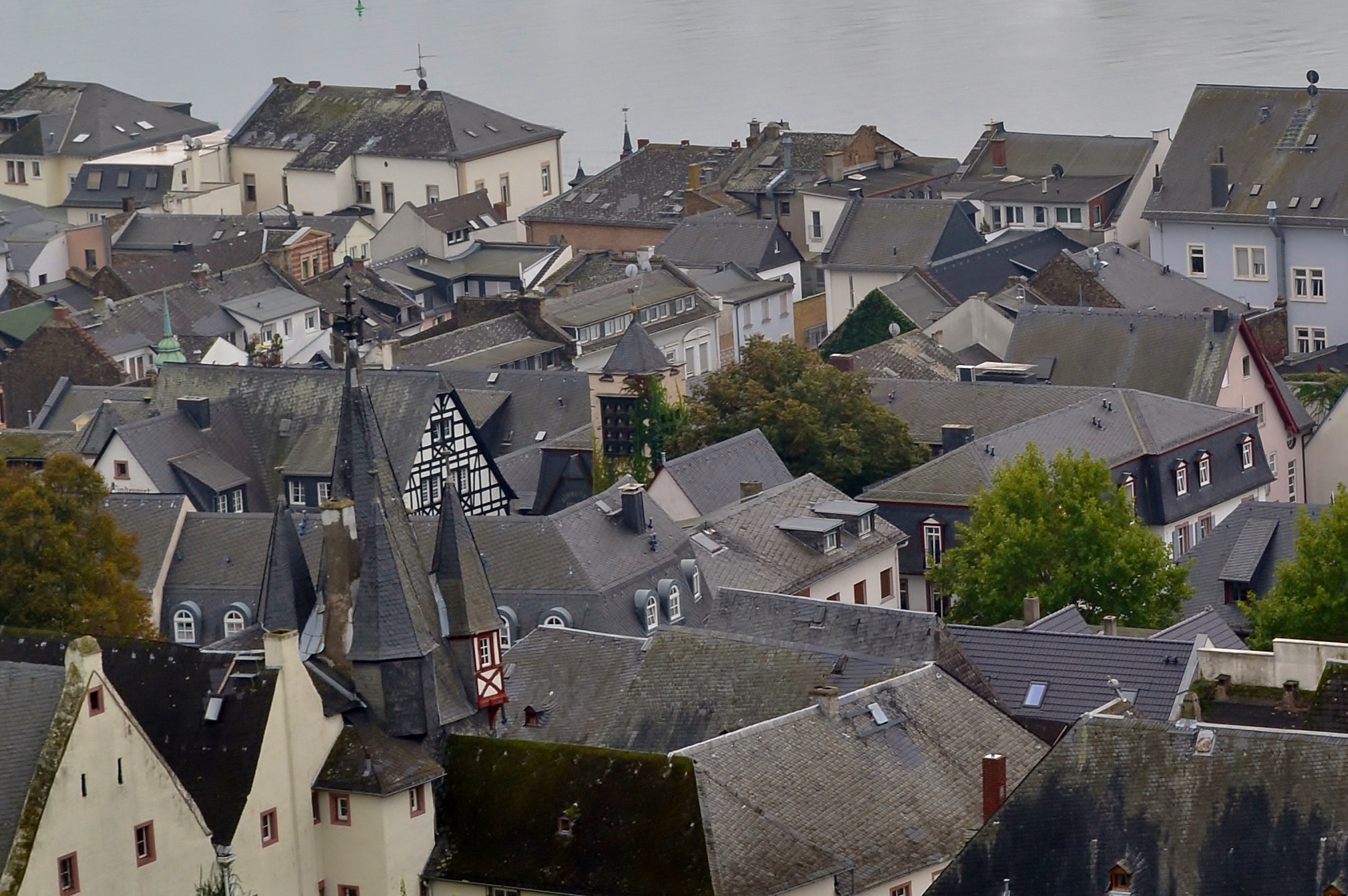
Rudesheim am Rhein, Germany, slate "fish scale" roof, 2014
Rudesheim am Rhein, Germany, slate “fish scale” roof, 2014


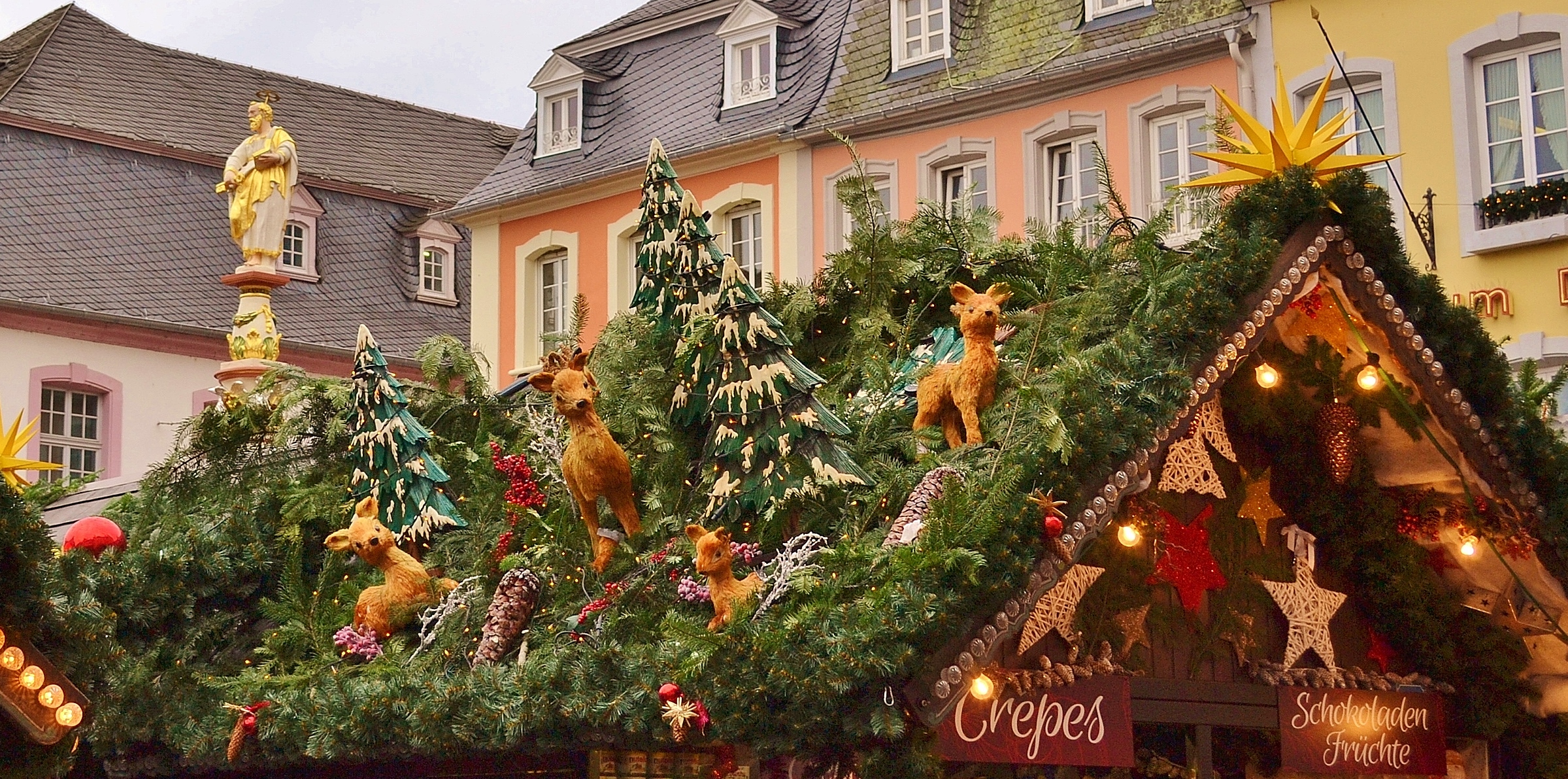
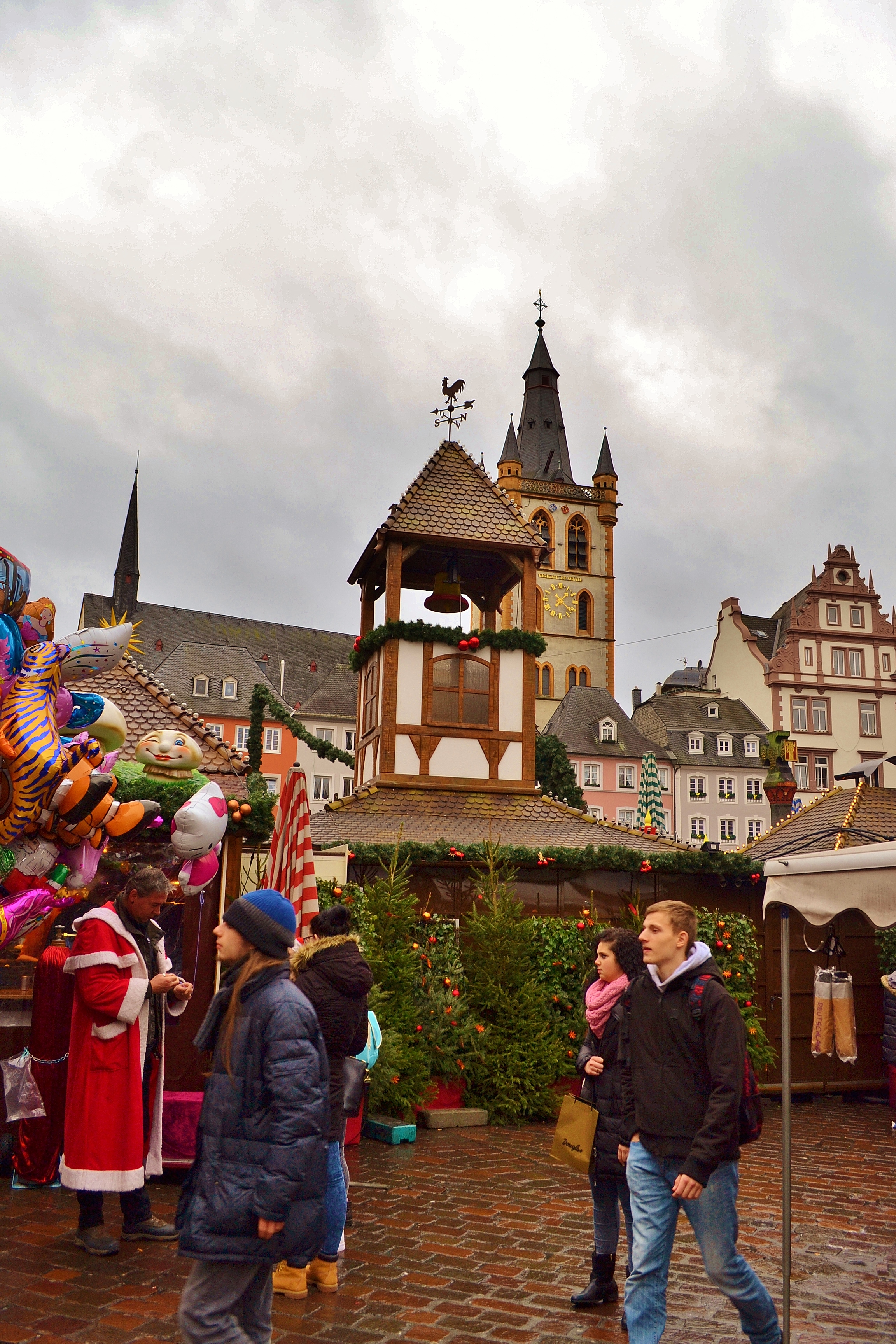
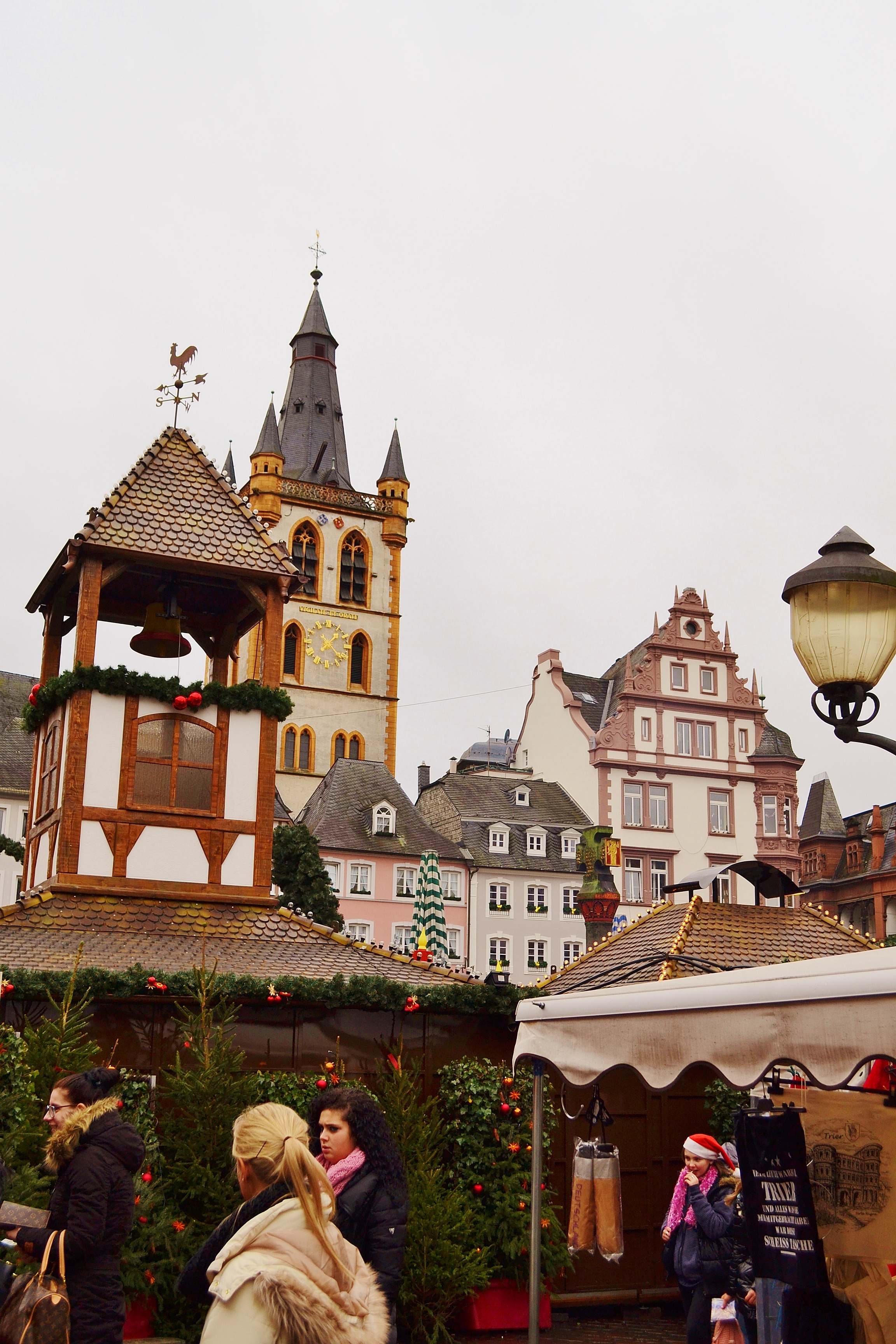
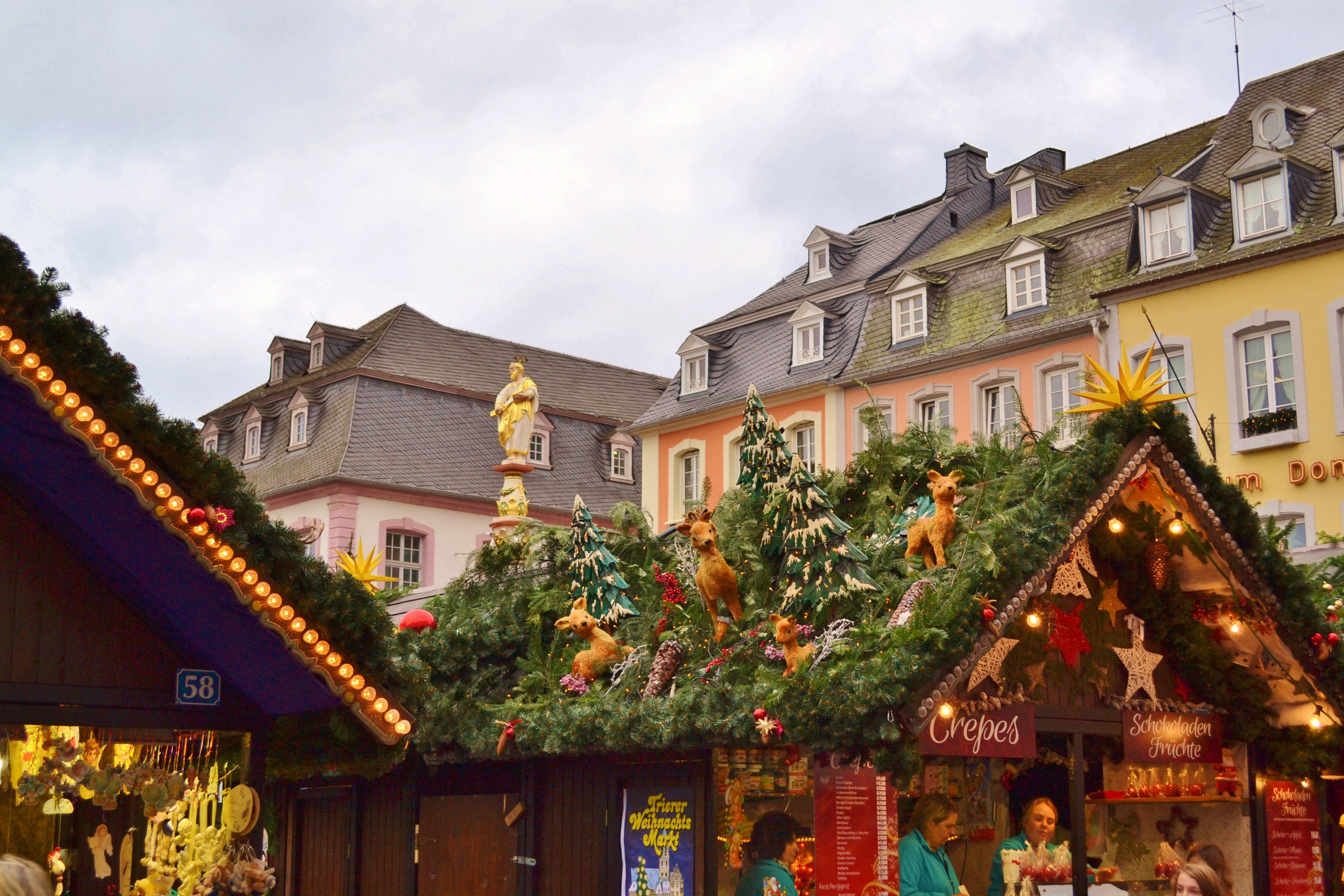
Rooftop at Trier Christmas Market, 2014
Rooftops of Paris from the Eiffel Tower, 2008


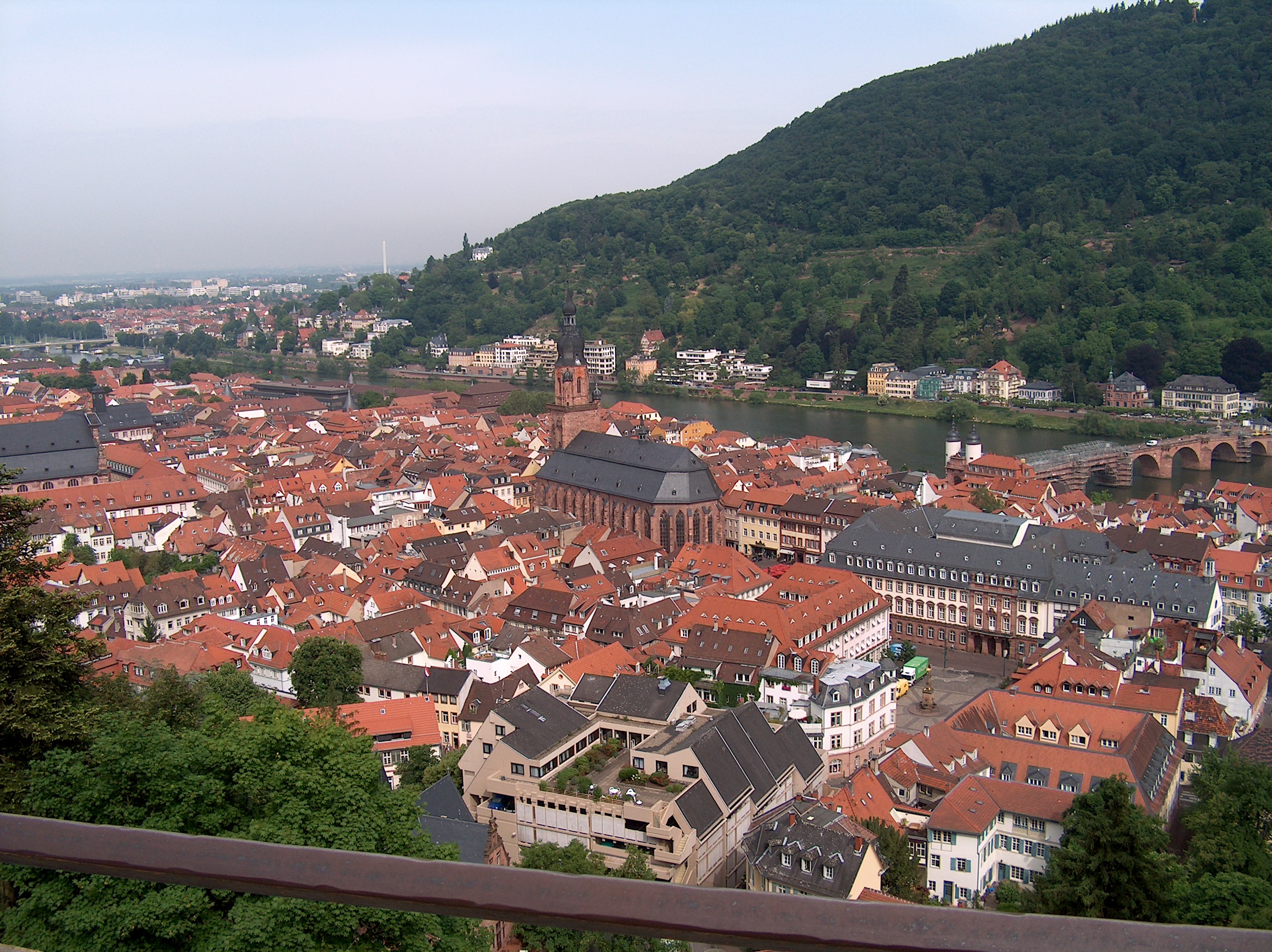
Rooftops of Heidelberg, Germany, 2008


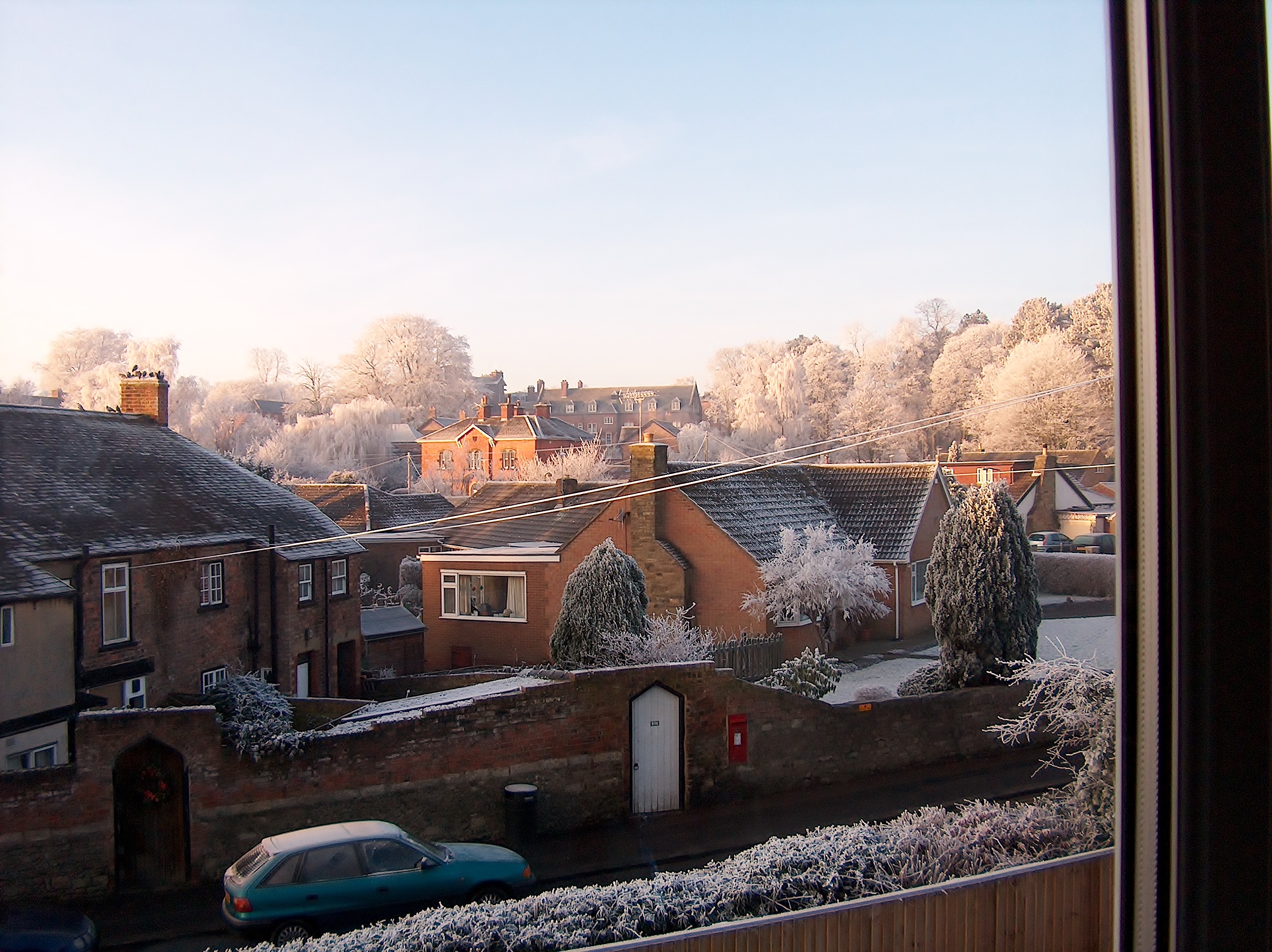
Rooftops of Ripon, England in freezing fog, 2008


Rudesheim am Rhein, Germany, 2014


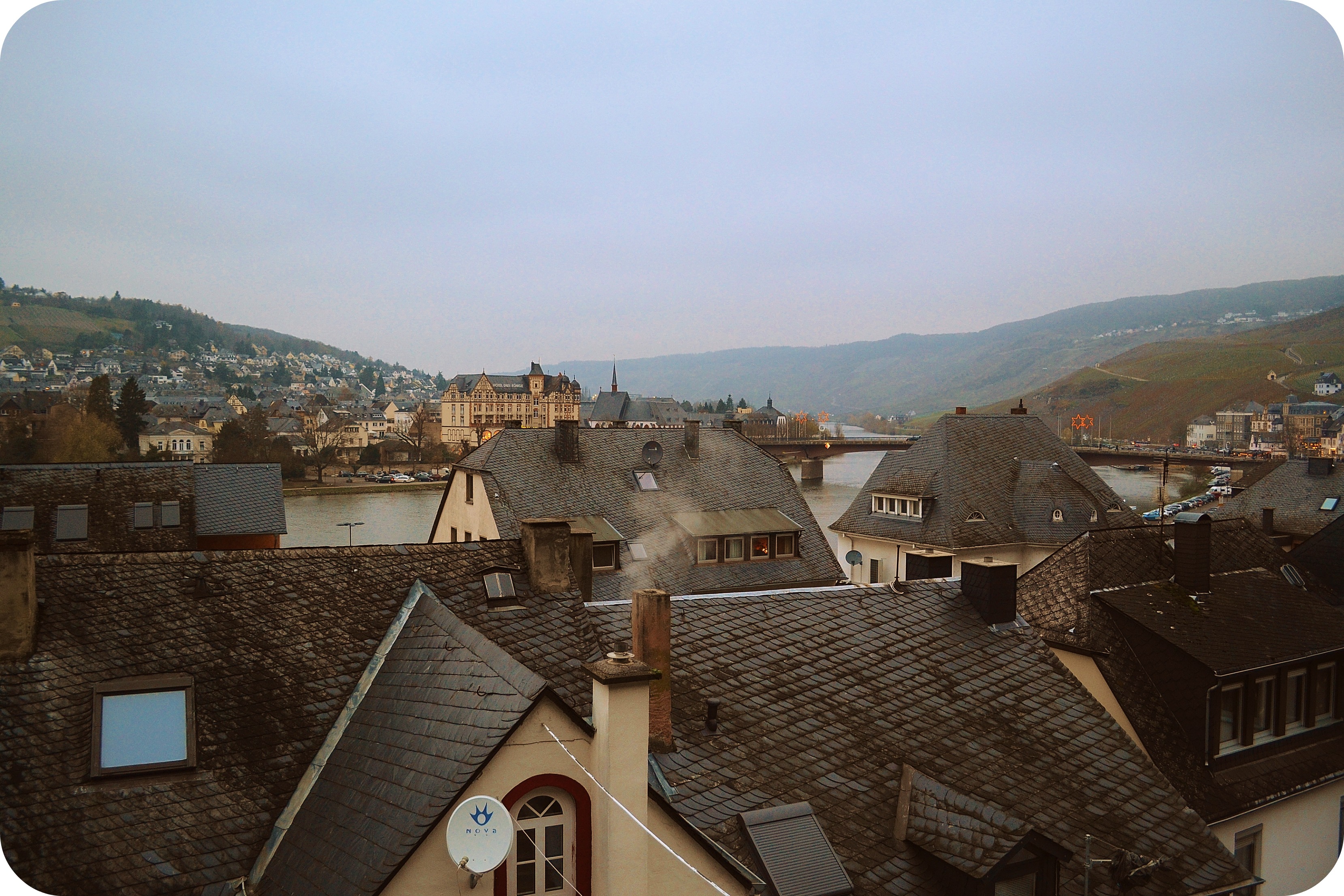
Bernkasel-Kues, November 2014
Bernkasel-Kues,
November 2014


And, just in case Santa is reading, please don’t forget this neighborhood:

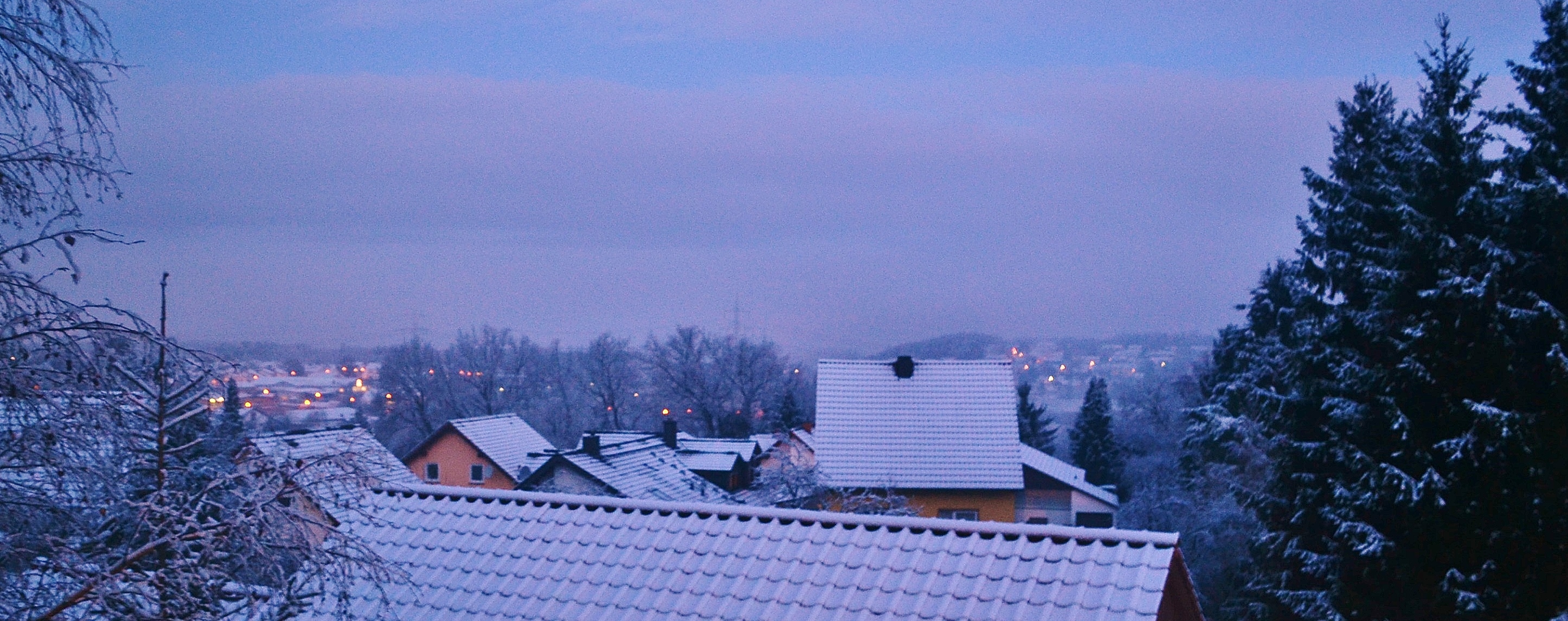
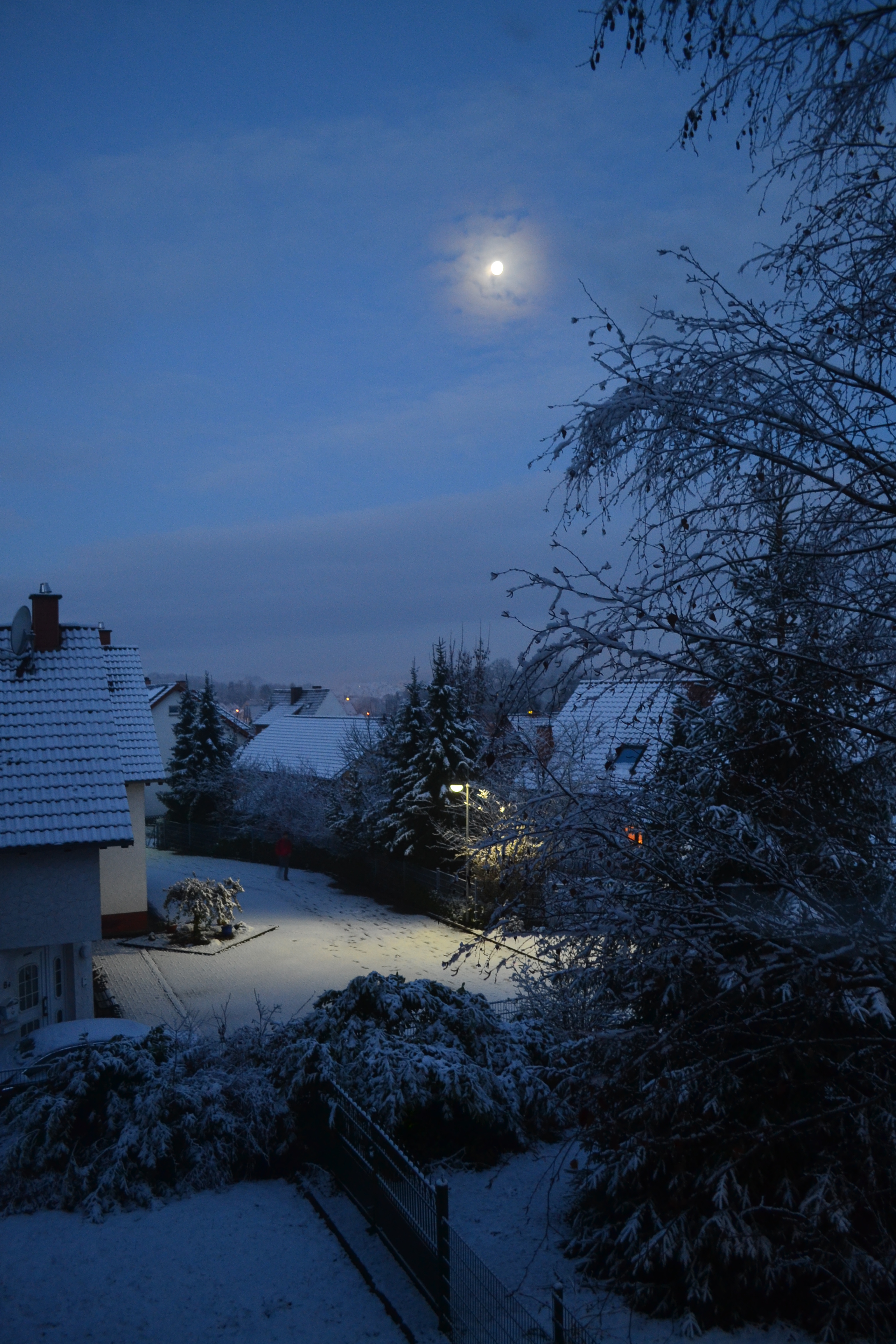
Snow-covered rooftops looking out over my village in Germany

And, one more note:

That roof belongs to naughtly neighbors. (They threw a liquor bottle in our bushes, I'm just saying. . .)
That roof belongs to naughtly neighbors.      (They threw a liquor bottle in our bushes. Not nice. . .)


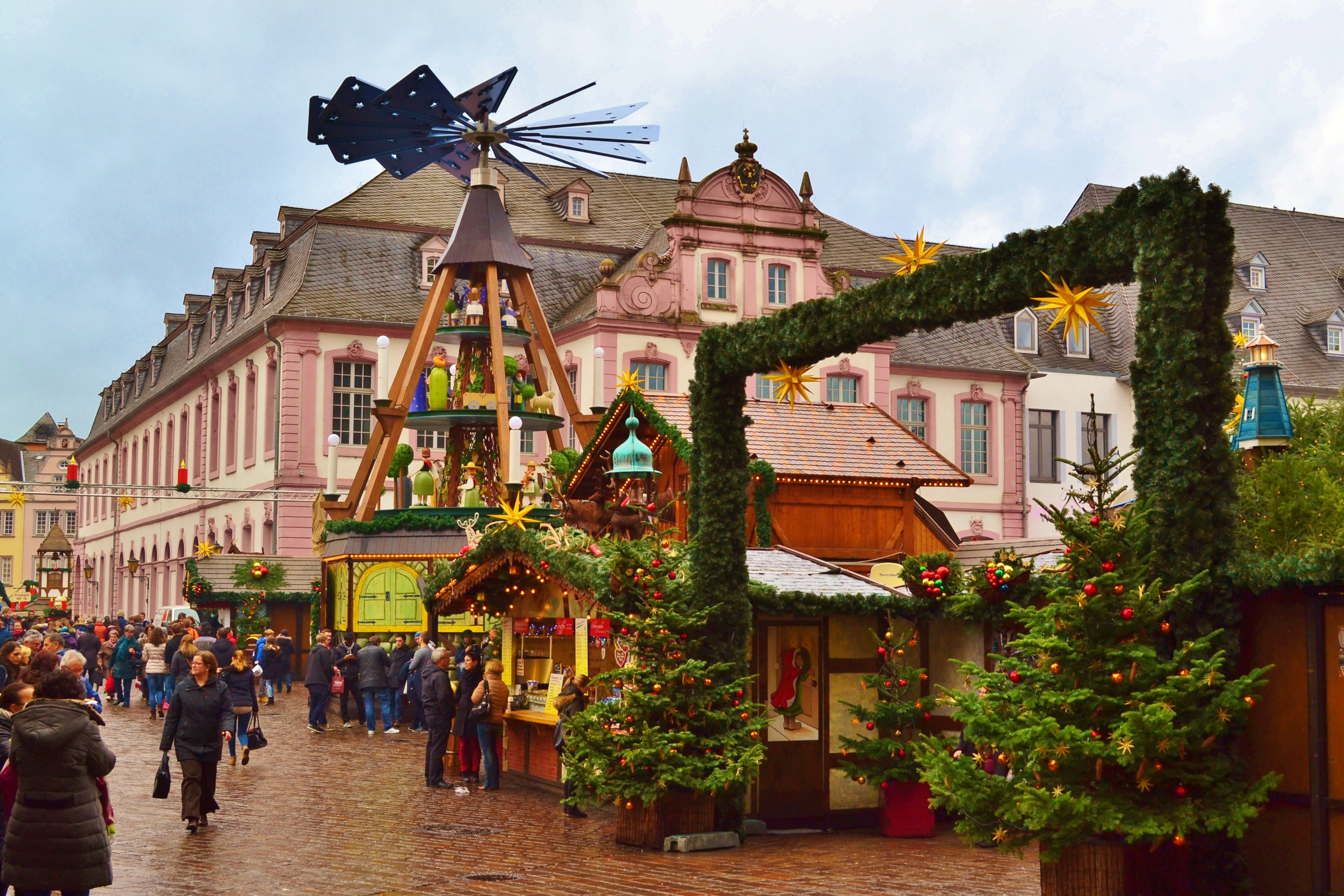
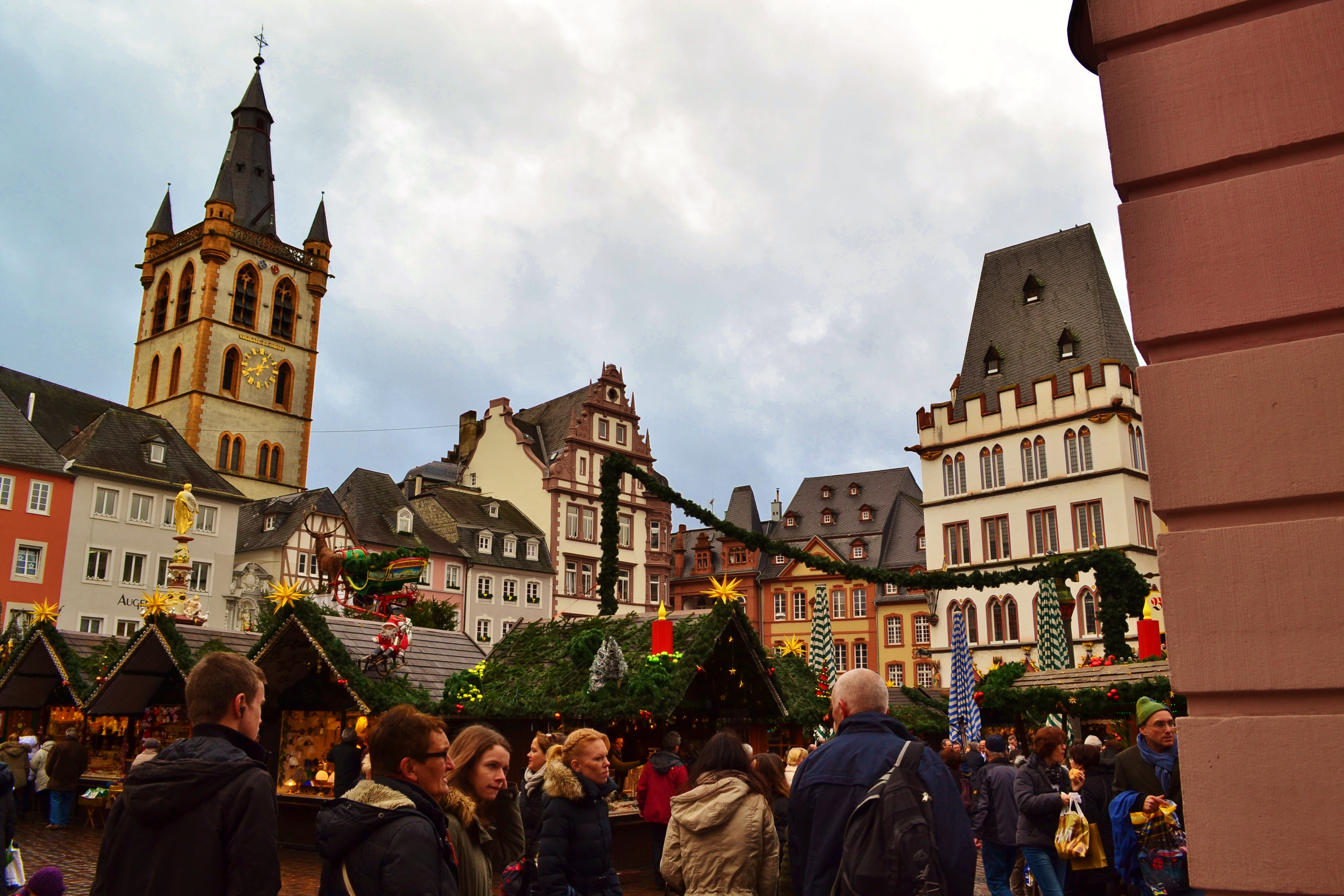
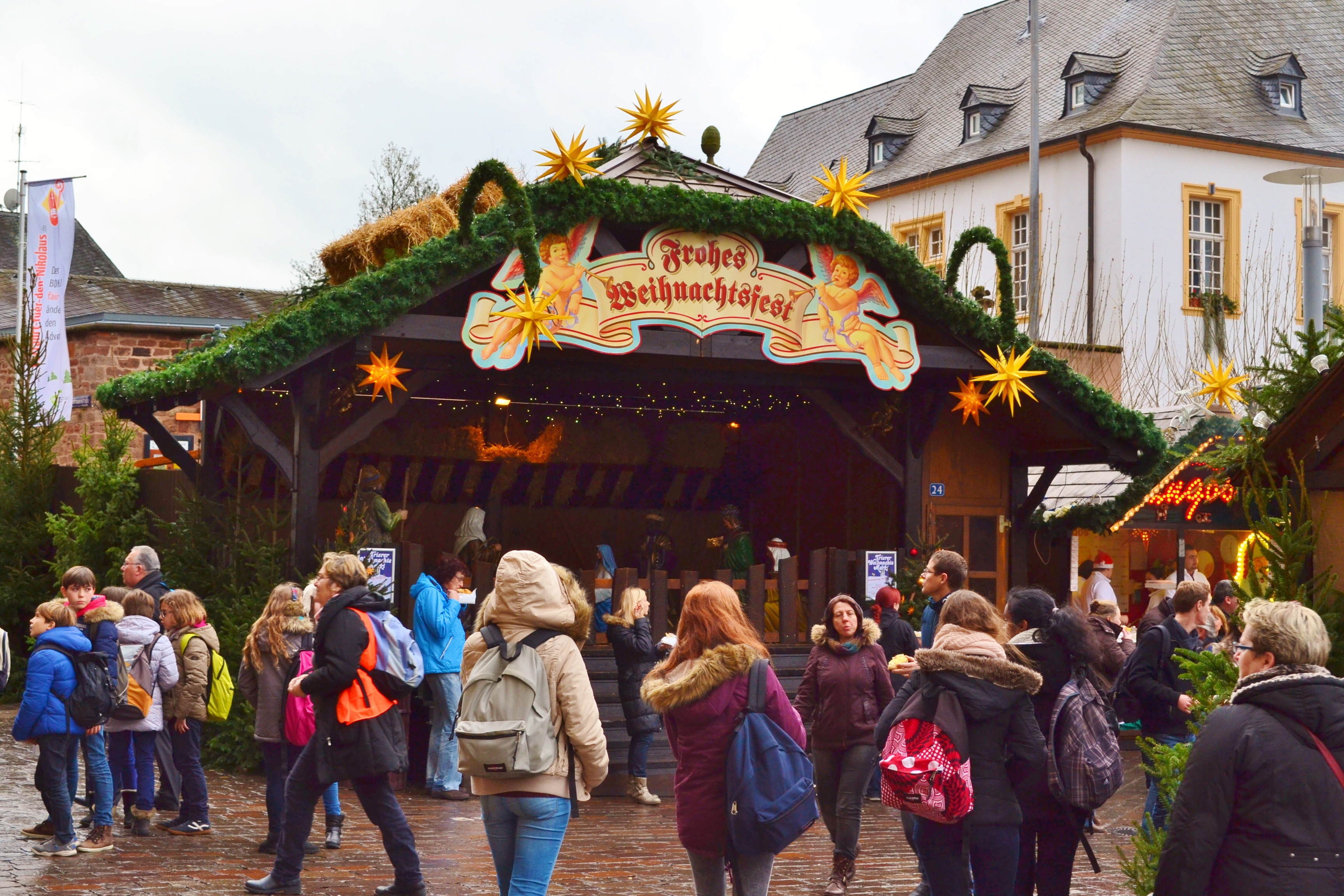
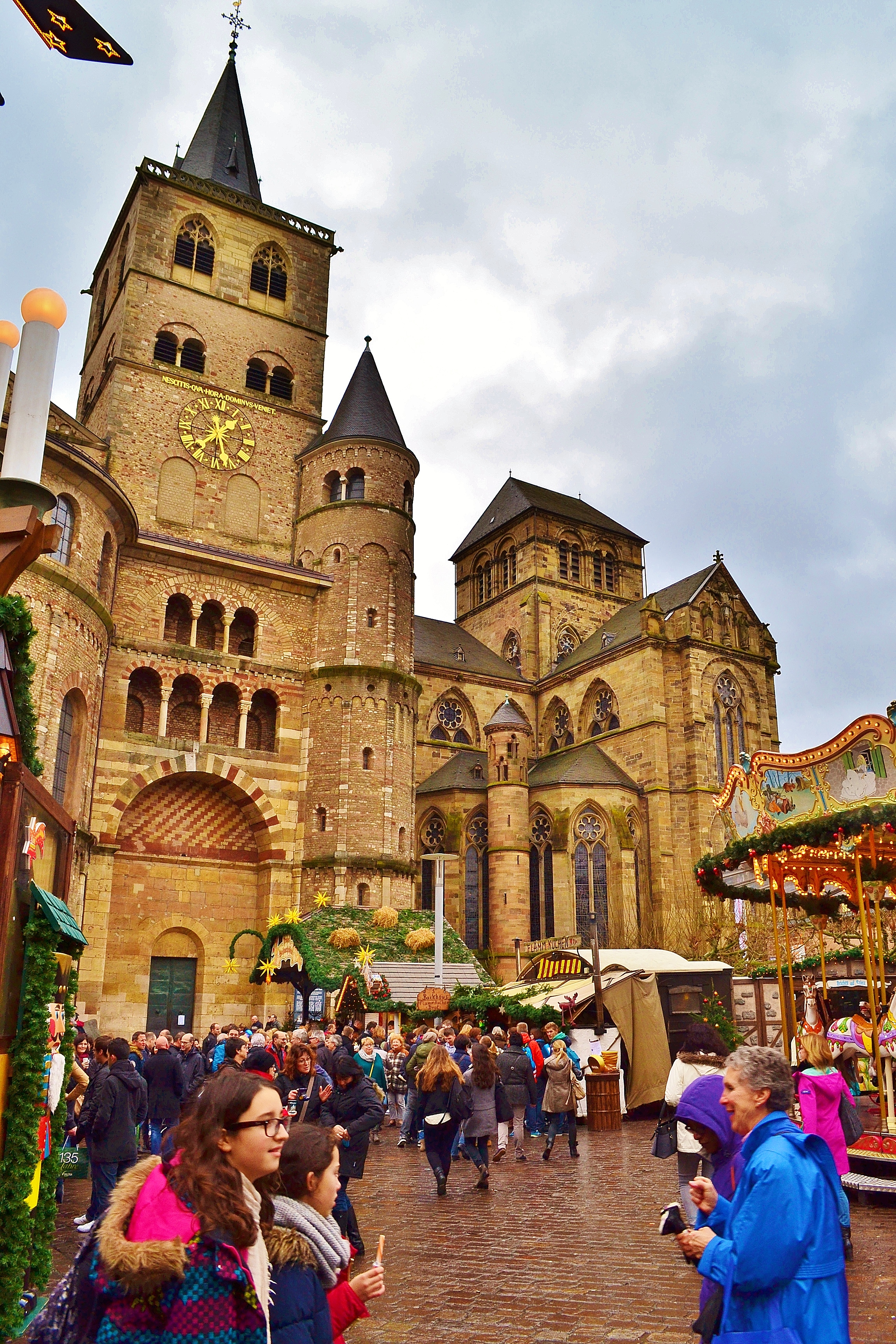
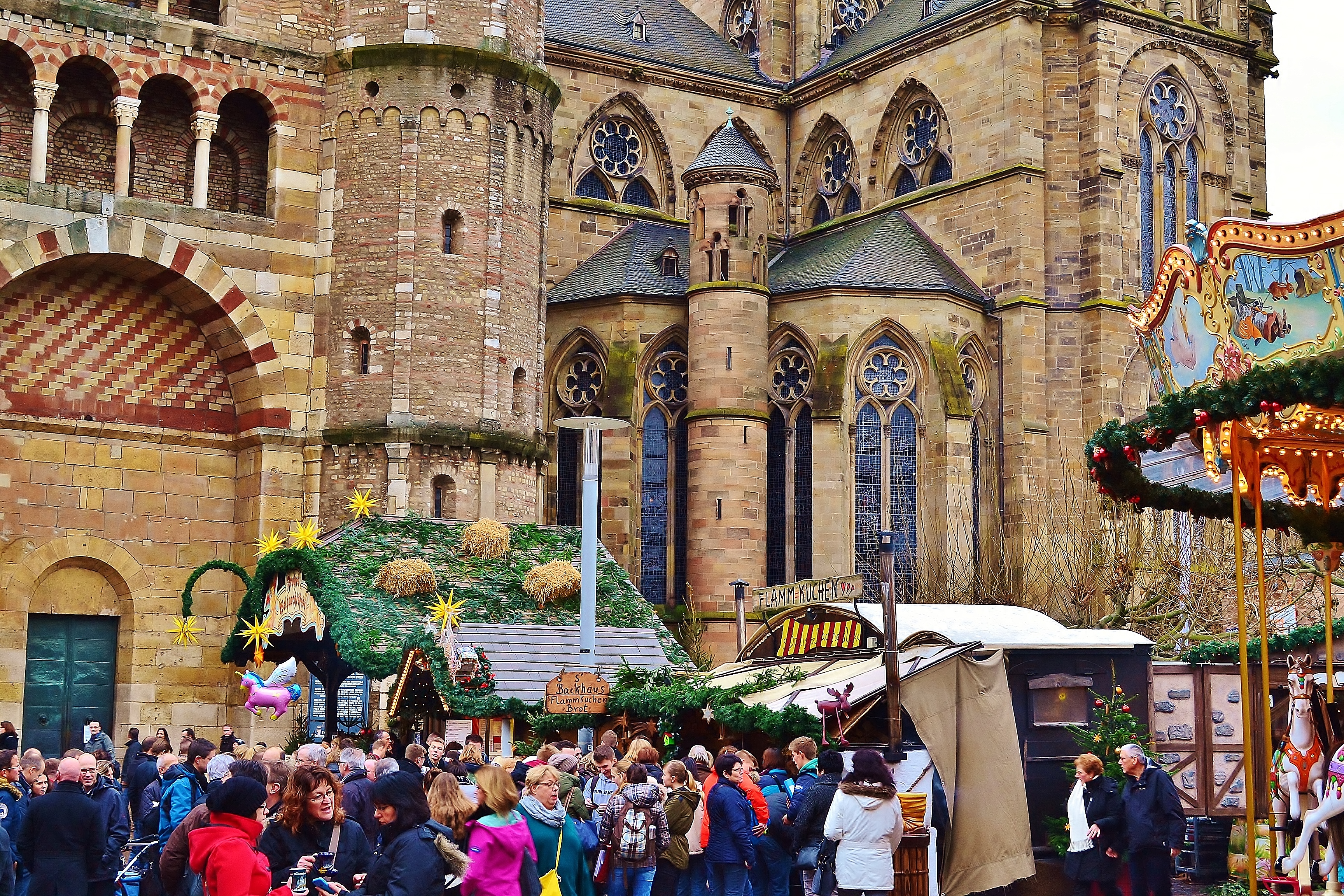
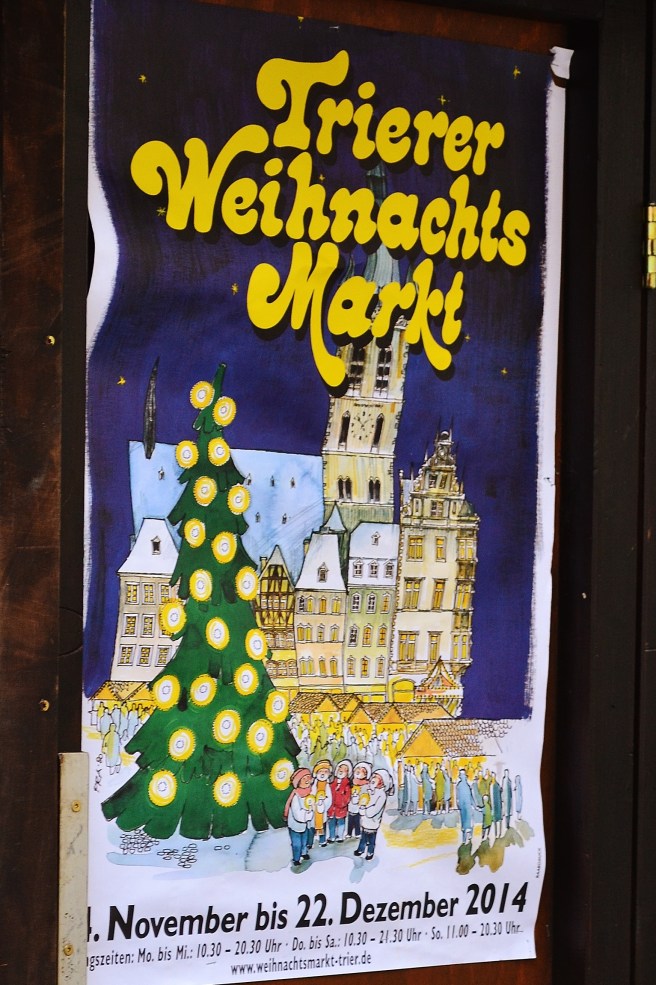
Scenes from the Season: Trier Christmas Market 2014


DSC_0250

God rest you merry, gentlemen, let nothing you dismay.

I love this Christmas song. . . partly because of the comma in the first line. Weird, I know. But “God rest you, merry gentleman,” would mean something very different than “God rest you merry, gentlemen.”

DSC_0234


It’s a distinction worth considering in this final week before Christmas day. You don’t have to come to the party merry. But here’s hoping that the holiday, and its lovely markets, its light, its lifting of family, food, and beauty, will help you to find that balance point of energy and rest, of calm and excitement, and to feel rested merry.

I know that a day in Trier left me feeling that I had rested merry. And it is a good feeling.

DSC_0240

DSC_0248

DSC_0229

DSC_0241

DSC_0266

DSC_0267

DSC_0260

In the Mood for Christmas Food: Gluhwein and Gingerbread

DSC_0051 - Copy

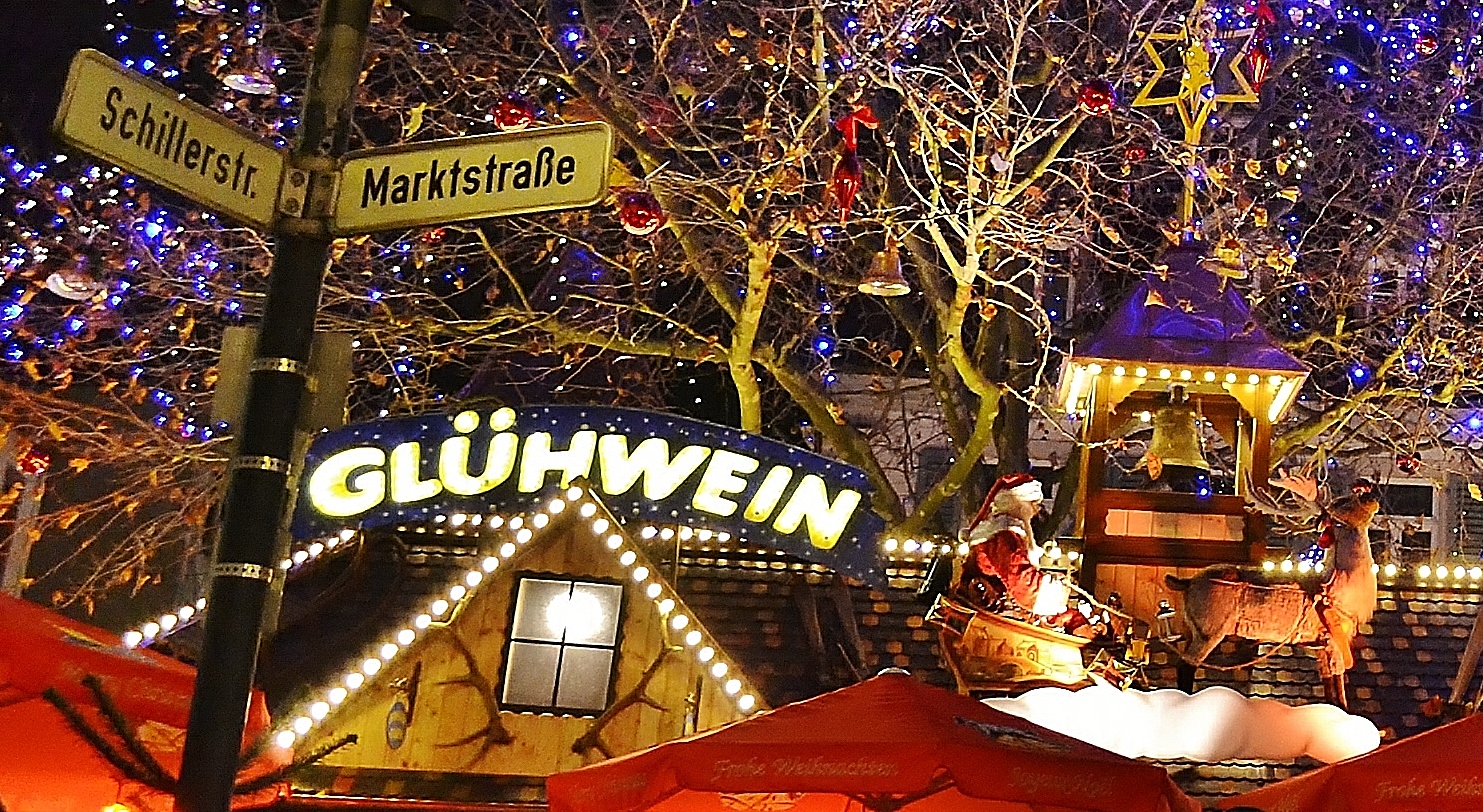
I’ve been visiting Christmas Markets the past few weeks and am enjoying the lebkuchen, plank-roasted salmon, candied fruits, and mulled wine that’s been on offer.  But it’s clear that the mulled wine is the beating heart at the center of these markets. The promise of a warm tipple is what brings many people out to German Christkindlmarkts after the sun has dipped low and cold blankets the town.   Gluhwein stands abound, and the people stand around!

DSC_0216

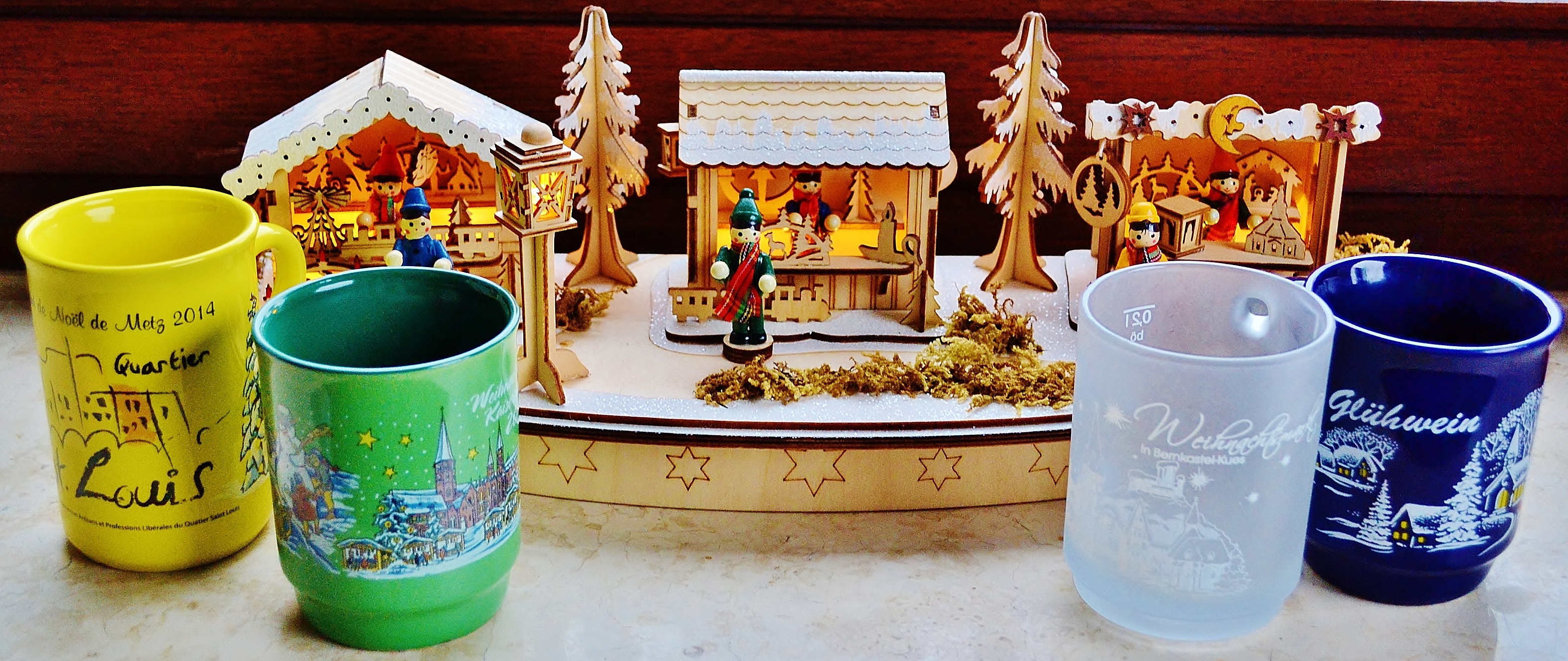
It’s always nice to warm your hands and your spirits with gluhwein–and to come home from the markets with a gluhwein cup in hand.  I’m a fan of the homemade stuff too–a simmering pot on the stovetop makes the house smell great and keeps you warm as you cook or sit around your Christmas tree.   There’s no recipe, per se, that I use, but what I toss in looks something like this:

GLUHWEIN

a bottle of red wine (I prefer dry)

2-3 cinnamon sticks

about 4 whole cloves

a sliced orange

sugar  (maybe 1/2 cup–but this is very subjective, do this according to your taste and the sweetness of the wine you use)

late additions: (if wanted) 1 star anise, a dash of rum, water (up to one cup) if you want to dilute or smooth out the taste

Put your ingredients on the stovetop and simmer for 10-20 minutes.  You may add the rum and star anise in the last 5 minutes.  (Personally, I like just a hint of star anise, that’s why I add it late–otherwise I find it overpowering.)

And, if you want “gluhwein light,” you can cut the wine with some ratio of cranapple juice and sip all holiday long without getting drowsy.

Gingerbread is another favorite at holiday markets.  The Germans have their lebkuchen, and the French have their pain d’epices.   Today, however, I’m bringing you a wickedly good gingerbread recipe from the Brits.

Nigella Lawson’s Guiness Gingerbread recipe is hard to beat. (Of course, you knew this before I told you, because Guinness + gingerbread has to = yummy!)  (That’s the extent of my mathematical proficiency, by the way.) nigella_christmas_cookbook

This gingerbread is at its best when it’s warm–maybe 10 or 15 minutes out of the oven.  The top is moist, the sides are gooey, the full ginger aroma is in play.  Just thinking about it makes me hungry.

I’ll reprint the recipe below, or you can find it at the food network link here   ( http://www.foodnetwork.com/recipes/nigella-lawson/guinness-gingerbread-recipe.html )

Ingredients
  • 1 1/4 sticks (10 tablespoons) butter, plus some for greasing
  • 1 cup golden syrup (such as Lyle’s)
  • 1 cup (packed) plus 2 tablespoons dark brown sugar
  • 1 cup stout (such as Guinness)
  • 2 teaspoons ground ginger
  • 2 teaspoons ground cinnamon
  • 1/4 teaspoon ground cloves
  • 2 cups all-purpose flour
  • 2 teaspoons baking soda
  • 1 1/4 cups sour cream
  • 2 eggs
  • 1 rectangular aluminium foil pan or cake pan, approximately 13 by 9 by 2-inches
Directions

Preheat your oven to 325 degrees F. Line your cake pan with aluminium foil and grease it, or grease your foil tray.

Put the butter, syrup, dark brown sugar, stout, ginger, cinnamon and ground cloves into a pan and melt gently over a low heat.

Take off the heat and whisk in the flour and baking soda. You will need to be patient and whisk thoroughly to get rid of any lumps.

Whisk the sour cream and eggs together in a measuring jug and then beat into the gingerbread mixture, whisking again to get a smooth batter.

Pour this into your cake/foil pan, and bake for about 45 minutes; when it’s ready it will be gleamingly risen at the centre, and coming away from the pan at the sides.

Let the gingerbread cool before cutting into slices or squares.


Guten appetit and Merry Christmas!!


Saints and Devils, Fire and Snow

st nick kramp cookie cut jazzup

You need only scratch the surface of modern Europe to see the pulsing of its medieval veins.  This can be a little unnerving, but it’s also deeply gratifying in a way that’s hard to pin down.

Take Christmas traditions as an example.  In America, we embrace a jovial, generous Santa Claus (who, for all of his good character points, does seem to team up with Coca Cola, Hollywood, and the rest of the commercial establishment a little too often for comfort).  He surrounds himself with other agreeable characters– Rudolph and Frosty–and they have a jolly time.  Sure, adversity must be overcome, but their stories never really cross to the dark side.

Would you like a little saccharin with that sweet?

krampus st nick victorian postcard
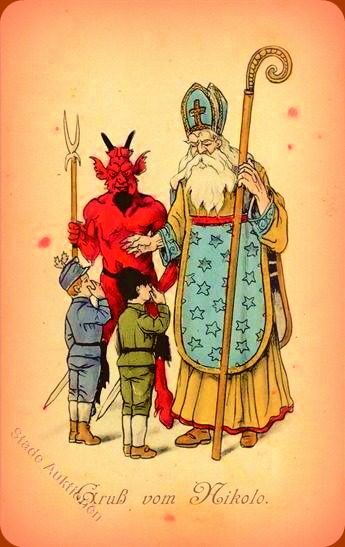
Looks like St. Nick brought his scary friend. (Krampus and St. Nick on a vintage postcard)

Not so in Germany and Austria.  Oh, they’ll serve you sweets at each turn this time of year, but you’re never quite sure what they are fattening you up for.  You might cheer your good fortune at stumbling upon a kind old lady in a gingerbread house!  You might anticipate a visit from St. Nicholas on December 6th (Nikolaustag) with unbridled joy!   But wait.  What if the good fortune is not what it appears?

Because sometimes it’s not.

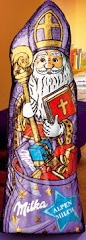
Sometimes, you walk into a Salzburg sweet store in late November to see this: 2_Milka_Nikolo_16Bg_dd.inddSt. Nicholas in all of his chocolatey goodness.

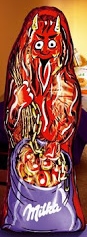
But the next thing your eyes fall upon is this:

2_Milka_Krampus_16Bg_dd.indd

Holy camole!  What’s that all about?   Well, simply put, you are in the Old World now, the land of the Brothers Grimm, where every light casts a shadow.

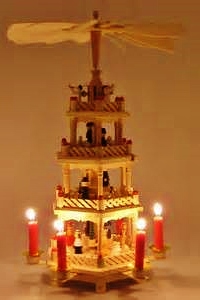
candle pyramidYes, there’s always a dark underbelly in Germany.  For each saint, there’s a devil; for each sweet, there’s a reckoning; for each life, there’s a death.  Each candle-strewn Christmas pyramid holds back the dark of a frozen winter, and each yin has its yang.

Many unlucky children have found themselves, not on Santa’s lap, but staring down a devil named Krampus. (You just met his likeness in foil-covered chocolate, above.)   A demon who, at best, humiliated children with twigs instead of candy at Christmas. At worse, beat them heartily with those switches.  And at worst, dragged them down to Hell.  (Well, they had been naughty, you know.)

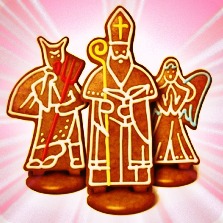
This is stern stuff.  A little shocking to those of us raised on Miracle on 34th Street or T’was the Night Before Christmas.  Well, my friends . . .welcome to Middle Europe, where St. Nick is often accompanied by a sinister sidekick: Krampus, Knecht Ruprecht, or Schwarz Peter.   Krampus is horned and devilish, Knecht Ruprecht and Schwarz Peter are more recognizably human, but sooty, uninviting, and coal and switch-laden.     (Whether this surly sidekick is malevolent or simply mischievous is entirely dependent upon whose hands he is in. . . or possibly on how naughty the child has been.)

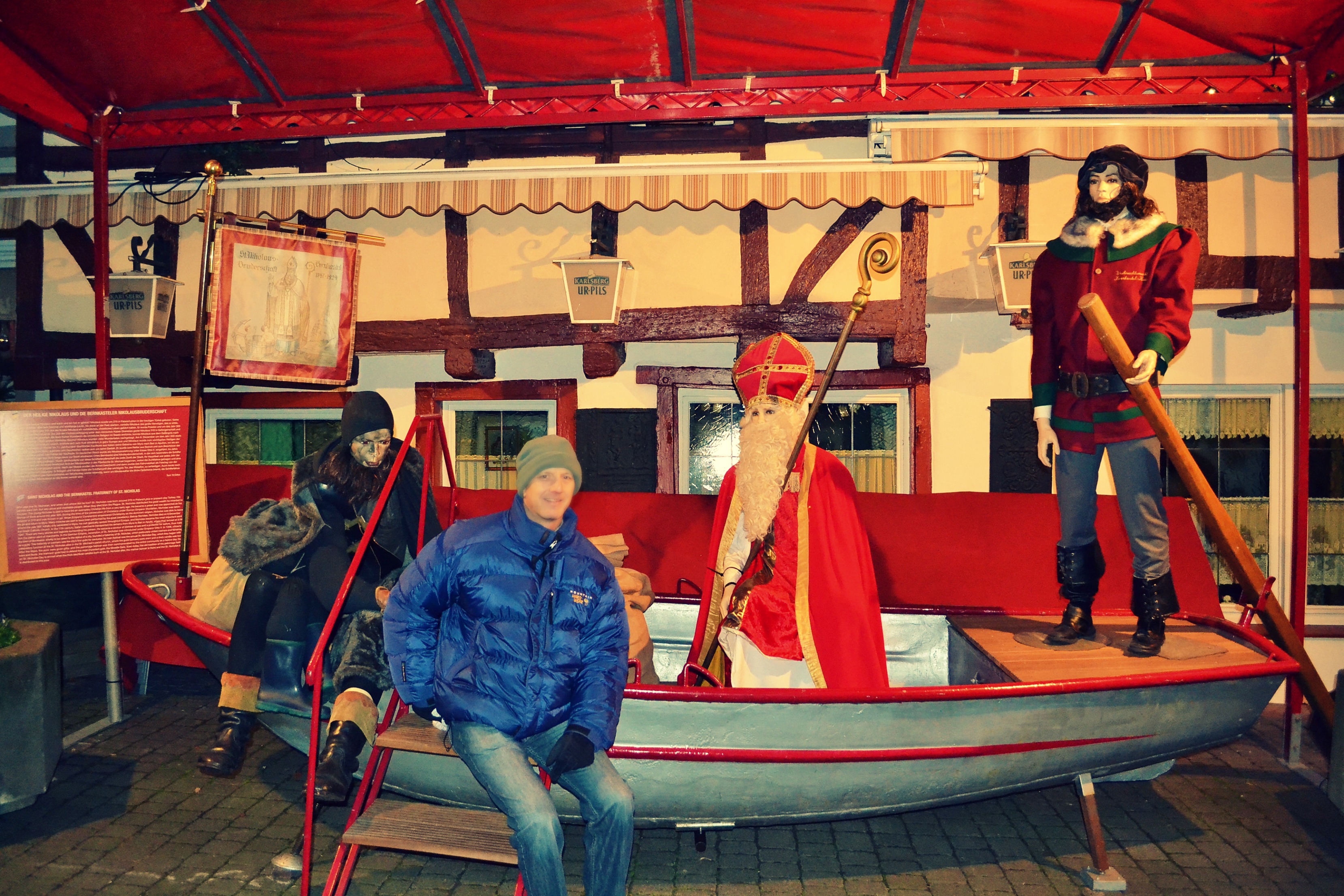
Our first run in with Krampus was in that sweets store in Salzburg, but last weekend we ran into him again–this time at the Christkindlmarkt at Bernkastel-Kues.  His boat was parked among the market stalls.

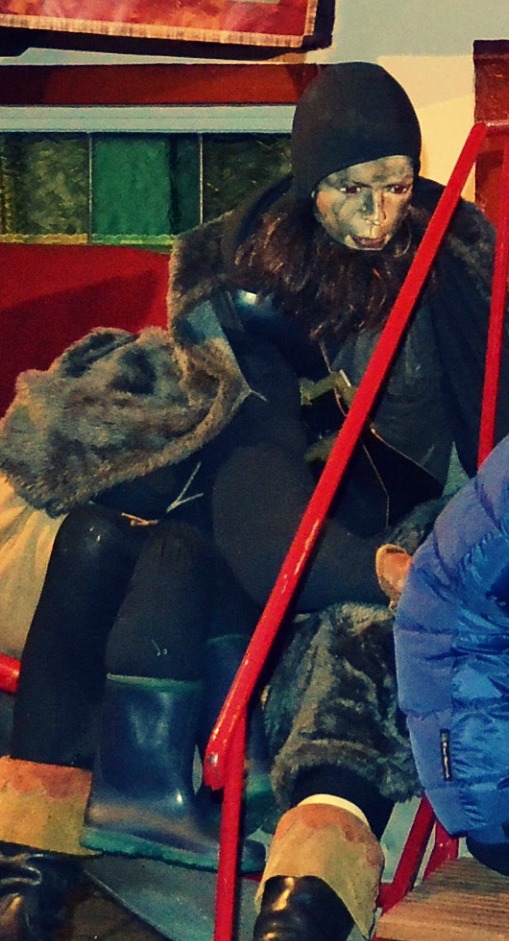
St. Niklaus and Knecht Ruprecht--sit between them.  Were you naughty or nice this year?
St. Niklaus and Knecht Ruprecht–sit between them. Were you naughty or nice this year?

I’m not sure what the boat motif is all about.  We were on the Mosel River…but my sister has (rightly) suggested that this looks more like something from the River Styx, where the ferryman will guide you to the afterlife…right after St. Nick and Knecht Ruprecht decide your fate!!  Oh, and Merry Christmas!

December 2008 at The Black Sheep Brewery, N. Yorkshire, England

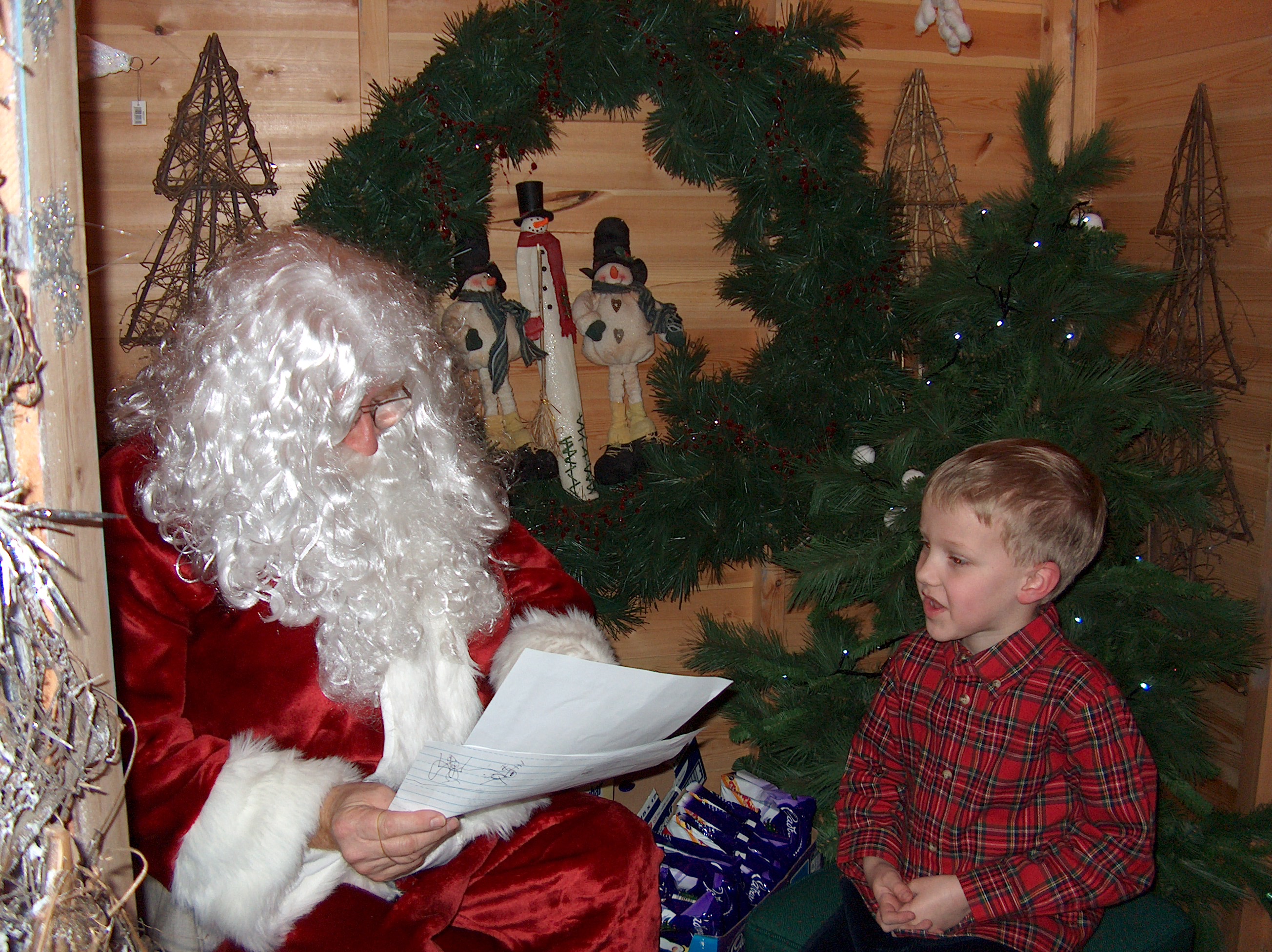
We laughed about this, but for those of us   who remember Santa as all love and no menace, this is jarring.   Our “Christmas judgment” was always at the hands of this guy:

He was rumpled and happy, and he smelled of candy canes.  If we got tongue tied, it was only because we were overcome by his largess.   It was never because we feared for our very souls.

Honestly, if I had found myself, at age six, sitting between St. Nicholas in his starchy Pope’s hat and some vaguely human entity who looked like this

Is that a sack of coal?

swarthy vagrant. . . well. . .

Well?

Hmmmm. . . I don’t know how that would have worked out.  I certainly wouldn’t have produced a long list of “things I’d like for Christmas, because I want them, or I need them, or I saw them in the Sears Wish Book, or the Saturday morning commercial looked awesome, or Sarah’s best friend Suzy has one and I want one too!”

And so, it occurs to me that all German and Austrian children must be really, really, very, very good at Christmas time.  And very undemanding.

And very scared.

Good thing they get to stave off the dark and deadly cold of the season by going home and lighting candles on those   popular German Christmas pyramids and candle arches, and by hanging glowing Moravian stars all over the house.  You certainly need all the light you can get when Krampus is skulking around outside in the dark streets.

It’s the German way–an austere world view, gilded around the edges with gingerbread and chocolates.   The devil will always lurk in the shadow of the saint; the dark and cold will always stand sentry at the edge of the firelight. . .but if you are well behaved and diligent, you may just hold the dark at bay for a while.

So, I’ll leave you with a holiday toast: eat, drink, and be merry. . .for tomorrow, you may meet Krampus.

*Check out the video A Krampus Carol by Anthony Bourdain on Youtube, if you want a slightly disturbing holiday laugh.  And, yes, the girl does appear to get carried “to Hell in a handbasket.”  Nothing says Merry Christmas like that!

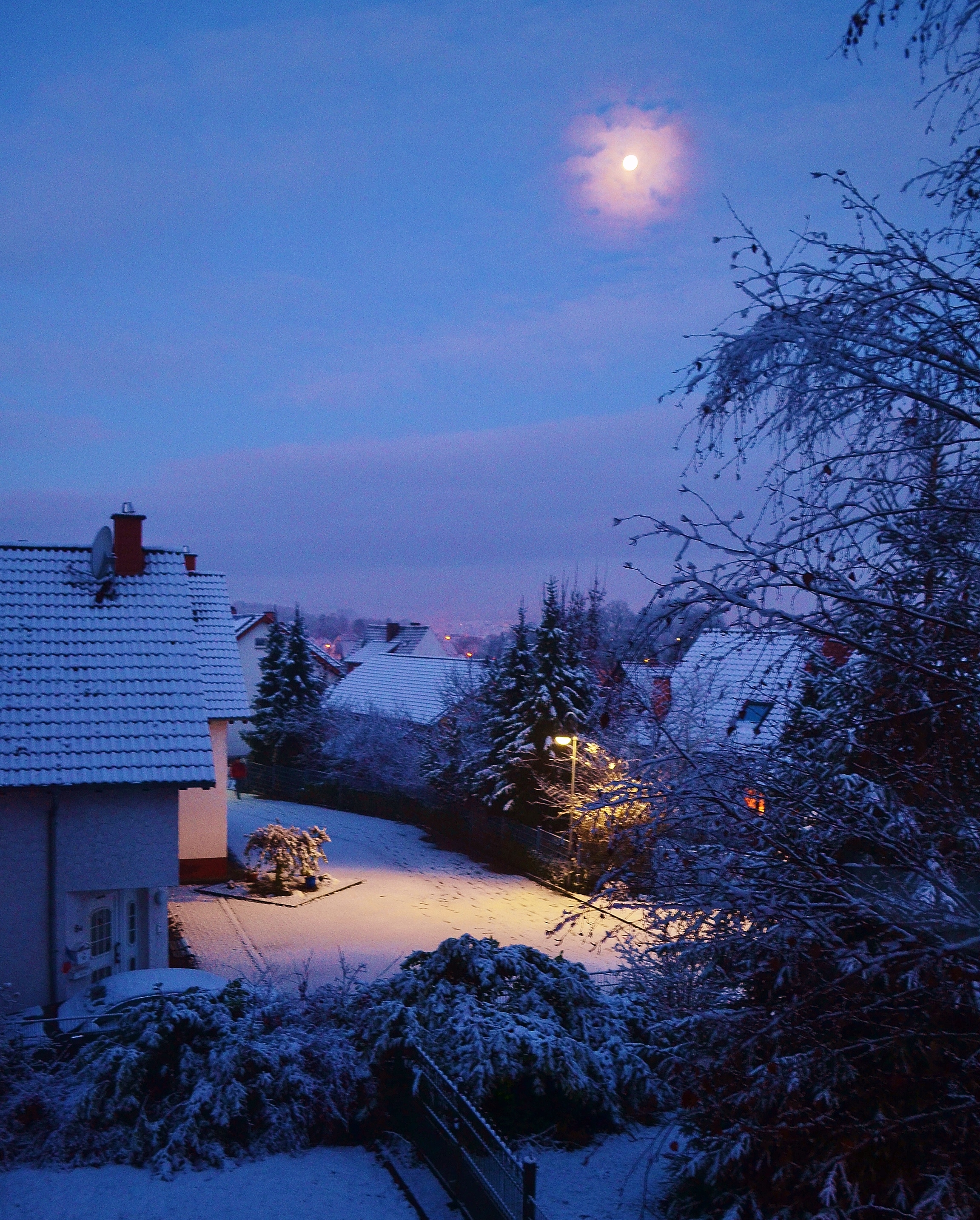
Lucky me--the dark and cold outside my window this morning was more picturesque than menacing.
Lucky me–the dark and cold outside my window this morning was more picturesque than menacing.

 *One, final, note: this dynamic duo of St. Nick and Krampus seems to own the holiday of Nikolaustag (Nikolaus Day and Eve, December 5th and 6th).  After that, Weihnachtsman, Kris Kringle, Santa, the Christ child (Christkind), or some other regional “santa” takes center stage for Christmas.  I can’t say that I understand these myriad traditions yet…but maybe I can shed more light on this by next Christmas.