In the Mood for Christmas Food: Gluhwein and Gingerbread

DSC_0051 - Copy

I’ve been visiting Christmas Markets the past few weeks and am enjoying the lebkuchen, plank-roasted salmon, candied fruits, and mulled wine that’s been on offer.  But it’s clear that the mulled wine is the beating heart at the center of these markets. The promise of a warm tipple is what brings many people out to German Christkindlmarkts after the sun has dipped low and cold blankets the town.   Gluhwein stands abound, and the people stand around!

DSC_0216

It’s always nice to warm your hands and your spirits with gluhwein–and to come home from the markets with a gluhwein cup in hand.  I’m a fan of the homemade stuff too–a simmering pot on the stovetop makes the house smell great and keeps you warm as you cook or sit around your Christmas tree.   There’s no recipe, per se, that I use, but what I toss in looks something like this:

GLUHWEIN

a bottle of red wine (I prefer dry)

2-3 cinnamon sticks

about 4 whole cloves

a sliced orange

sugar  (maybe 1/2 cup–but this is very subjective, do this according to your taste and the sweetness of the wine you use)

late additions: (if wanted) 1 star anise, a dash of rum, water (up to one cup) if you want to dilute or smooth out the taste

Put your ingredients on the stovetop and simmer for 10-20 minutes.  You may add the rum and star anise in the last 5 minutes.  (Personally, I like just a hint of star anise, that’s why I add it late–otherwise I find it overpowering.)

And, if you want “gluhwein light,” you can cut the wine with some ratio of cranapple juice and sip all holiday long without getting drowsy.

Gingerbread is another favorite at holiday markets.  The Germans have their lebkuchen, and the French have their pain d’epices.   Today, however, I’m bringing you a wickedly good gingerbread recipe from the Brits.

Nigella Lawson’s Guiness Gingerbread recipe is hard to beat. (Of course, you knew this before I told you, because Guinness + gingerbread has to = yummy!)  (That’s the extent of my mathematical proficiency, by the way.) nigella_christmas_cookbook

This gingerbread is at its best when it’s warm–maybe 10 or 15 minutes out of the oven.  The top is moist, the sides are gooey, the full ginger aroma is in play.  Just thinking about it makes me hungry.

I’ll reprint the recipe below, or you can find it at the food network link here   ( http://www.foodnetwork.com/recipes/nigella-lawson/guinness-gingerbread-recipe.html )

Ingredients
  • 1 1/4 sticks (10 tablespoons) butter, plus some for greasing
  • 1 cup golden syrup (such as Lyle’s)
  • 1 cup (packed) plus 2 tablespoons dark brown sugar
  • 1 cup stout (such as Guinness)
  • 2 teaspoons ground ginger
  • 2 teaspoons ground cinnamon
  • 1/4 teaspoon ground cloves
  • 2 cups all-purpose flour
  • 2 teaspoons baking soda
  • 1 1/4 cups sour cream
  • 2 eggs
  • 1 rectangular aluminium foil pan or cake pan, approximately 13 by 9 by 2-inches
Directions

Preheat your oven to 325 degrees F. Line your cake pan with aluminium foil and grease it, or grease your foil tray.

Put the butter, syrup, dark brown sugar, stout, ginger, cinnamon and ground cloves into a pan and melt gently over a low heat.

Take off the heat and whisk in the flour and baking soda. You will need to be patient and whisk thoroughly to get rid of any lumps.

Whisk the sour cream and eggs together in a measuring jug and then beat into the gingerbread mixture, whisking again to get a smooth batter.

Pour this into your cake/foil pan, and bake for about 45 minutes; when it’s ready it will be gleamingly risen at the centre, and coming away from the pan at the sides.

Let the gingerbread cool before cutting into slices or squares.


Guten appetit and Merry Christmas!!
 

In the English Kitchen: Steak and Ale Pie

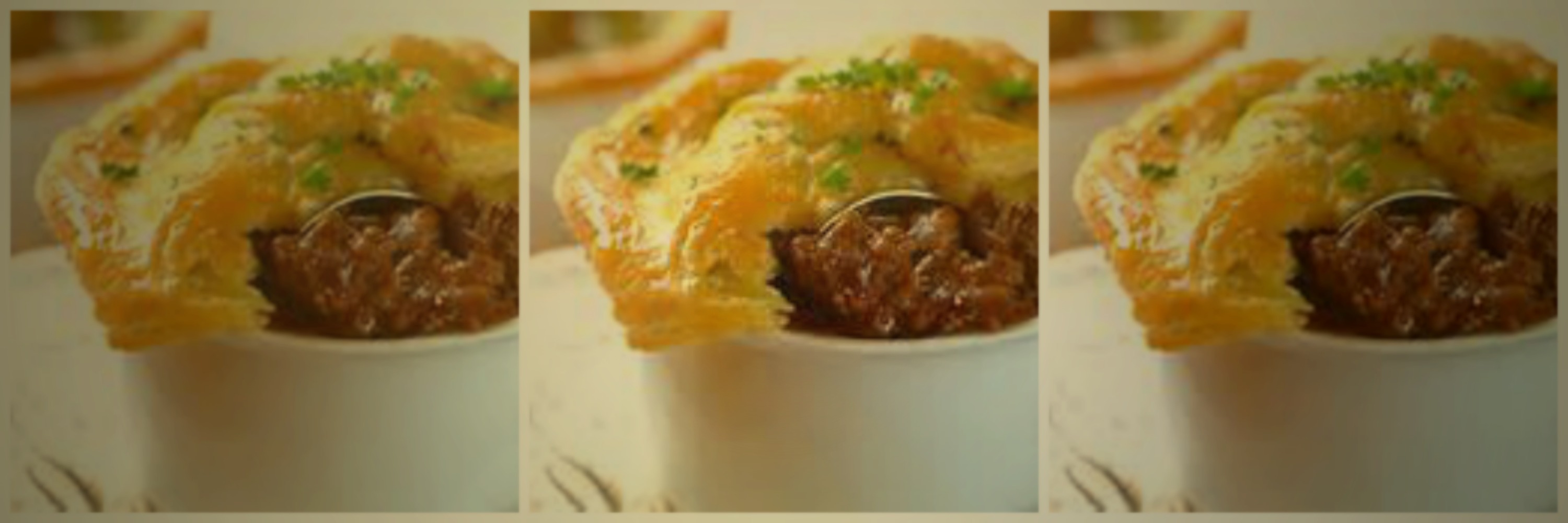
steak and ale collage

We lived in North Yorkshire for 4 years, and, despite what people like to say about British food, some of it is VERY good.  Granted, top of that list is the Indian food you get there.  But if you haven’t tried a really good sticky toffee pudding or a gourmet steak and ale pie, you’re missing out.  And even “tired old” mincemeat pies and Sunday roast can be a revelation with the right ingredients and in the right person’s artful hands!

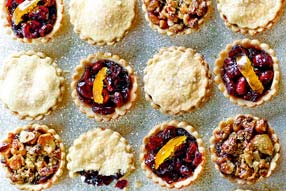
Marks & Spencer Mince Pies

I’m about to bring you a recipe that is divine–but first, a rudimentary primer on  food in England.

The Markets:   Here I speak for my old home town of Ripon, N. Yorkshire, especially.  I love the vibrant market squares and market days in British cities, towns, and villages.   I love walking home with baskets of fresh produce, hearing the fishmonger call out his wares, seeing what the pottery merchant has found to carry in on any given week (and hoping he’s stocking my favorite Blue Willow), and scanning the candy stall for my children’s favorite bits and bobs.

Nigella:    If you’ve never been a fan, open up one of her cookbooks and go for a leisurely read.  I’d start with Nigella Christmas–because it’s almost the season, it’s a good read, and it’s where I started.  If you’re not smitten with her prose, then whip up her Guinness Gingerbread.  If you’re still not besotted. . .I just can’t help you.

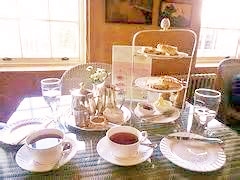
betty's teaTea:   If someone invites you over for tea, don’t imagine (as most Americans do) that you’ll be drinking Twinings at a table with Paddington Bear.   The invitation is likely for dinner, not a tea party.  “Cream Tea” often indicates tea and scones or sweet pastries in the afternoon, but “Tea” is dinner.

Pudding:  When we first moved to England (in 2005), we were amused at how often we were offered “pudding” in restaurants.  I mean, we like pudding, but couldn’t figure out what the national obsession with it was all about.  Turns out, “pudding” means dessert.  We quickly learned to say “Yes, please,” to any offer of pudding!

Meat Pies:  Today, I’m focused on a fabulous, piping hot Steak and Ale pie (recipe below).  But Brits also love cold meat pies.  A cold steak pie from a deli counter is doable for a quick lunch, but not great.  And pork pies?  Don’t get me started.  Okay, I don’t do pork, so this may be a little unfair, but cold, gelatinous meat in a cold, blah pastry case– I don’t get it.  Except in a Dickensian way–I mean, I suppose it has a certain bit of atmosphere:  a cold, tired chimney sweep might ‘ha a ‘litl bit o’ da pie fur lunch.   (Yes, I overindulged in  Mary Poppins as a kid.)  But, truth is, I have plenty of friends, and one husband, who seem to like a bit o’ the cold pie, so to each his own.

Let’s launch into the reason you are here: the world’s greatest Steak and Ale Pie recipe.  It comes from Williams-Sonoma.  (I know it should come from a British source, but this really is the best I’ve found. . .even if it is from California.)   And one more disclaimer–please listen, because this is important–this will take you most of the day.  Only start this on a rainy weekend day when you want to hang out at home for hours.  And, yes, you will begin cursing halfway through this and saying, “Never again!”  But then the pie will smell soooo delicious as it cooks that you’ll start to drool as it comes out of the oven.   You’ll dig into the flaky pastry and lift a fork to your mouth.

Angels will sing, devils will dance, and you’ll be in love.

Oh, you’ll make it again.  And again.    (Hint:  if you cook a very large recipe, you can freeze half of the filling and turn it into a pie at a later date with minimum effort.)

Here’s the recipe, also available at http://www.williams-sonoma.com/recipe/beef-and-stout-pie.html

WILLIAMS-SONOMA BEEF AND STOUT PIE
This hearty beef stew is slowly simmered on the stovetop, then topped with Stilton pastry and finished in a hot oven.
*My note: I usually skip the Stilton pastry and use a puff pastry.  The Stilton is good, but very rich, and this is already a rich pie.
Ingredients:
  • 7 Tbs. olive oil
  • 1 lb. white button mushrooms, quartered
  • 2 cups frozen pearl onions, thawed
  • Salt and freshly ground pepper, to taste
  • 3 1/2 lb. beef chuck roast, cut into 1-inch cubes
  • 1 cup all-purpose flour
  • 3 garlic cloves, minced
  • 2 Tbs. tomato paste
  • 2 1/2 cups Irish stout
  • 1 cup beef broth
  • 1 lb. carrots, cut into chunks
  • 1 lb. red potatoes, cut into chunks
  • 1 Tbs. finely chopped fresh thyme
  • One 16-inch round Stilton pastry (see recipe link below)
  • 1 egg, beaten with 1 tsp. water

Directions:

In a 5 1/2-quart Dutch oven over medium-high heat, warm 1 Tbs. of the olive oil. Add the mushrooms, onions, salt and pepper and cook, stirring occasionally, about 12 minutes. Transfer to a bowl.
Season the beef with salt and pepper. Dredge the beef in the flour, shaking off the excess. In the Dutch oven over medium-high heat, warm 2 Tbs. of the olive oil. Add one-third of the beef and brown on all sides, about 7 minutes total. Transfer to a separate bowl.
Add 1/2 cup water to the pot, stirring to scrape up the browned bits. Pour the liquid into a separate bowl. Repeat the process 2 more times, using 2 Tbs. oil to brown each batch of beef and deglazing the pot with 1/2 cup water after each batch.
Return the pot to medium-high heat. Add the garlic and tomato paste and cook, stirring constantly, for 30 seconds. Add the beef, stout, broth and reserved liquid, stirring to scrape up the browned bits. Add the mushrooms, onions, carrots, potatoes and thyme and bring to a boil. Reduce the heat to medium-low, cover and simmer, stirring occasionally, until the beef and vegetables are tender, about 3 hours.
Preheat an oven to 400°F. Brush the rim of the pot with water. Lay the pastry round on top, allowing it to droop onto the filling. Trim the dough, leaving a 1-inch overhang, and crimp to seal. Brush the pastry with the egg mixture, then cut 4 slits in the top of the dough. Bake for 30 minutes. Let the potpie rest for 15 minutes before serving. Serves 8 to 10.Stilton Pastry recipe can be accessed at http://www.williams-sonoma.com/recipe/stilton-pastry.html?cm_src=SEARCH_FEATURELIST||NoFacet-_-NoFacet-_-Feature_Recipe_Rule&cm_re=OnsiteSearch-_-SCHBillboard-_-SEARCH_FEATURELIST
Williams-Sonoma Kitchen.

Not just any old pub food!

All Hallows Week: The Ghosts of Wartimes Past

creepy halloweenThe pumpkin sits, uncarved, on the front steps, and the massive bowl of Halloween candy sits undisturbed near the door–so, surely, it’s too early in the season to invoke Charles Dickens and A Christmas Carol.

But here I go–because it’s never wrong to call on  Dickens (!), and because Europe is a haunted continent.  At Halloween, on Christmas, or any given day, its history is rich and messy, and its ghosts,  like Jacob Marley, won’t be silenced.  In our experience, these specters whisper at you from around each corner.

DSC_0925

In a nearby town  there is an odd sign designating a speed limit for tanks.  I occasionally pass this, and I always laugh and cringe at the same time.   I assume it is a remnant of  Cold War times, although this is just a guess. Maybe troop movements around here are frequent enough that this is still warranted?  Either way, I find the sign both amusing and jarring.  Do I need to be worried about tanks rolling through the city center?  Probably not, but it does make me think of the citizens of Ukraine, where the everyday reality is more raw; and it also conjures a not so distant past in this historically complicated country.

DSC_0787


In Metz, France–the city that brought us a war hero in the unlikely guise of the baker Harelle (see post “The Bread is Mightier than the Sword”)–you can’t help but see the ghosts of the past on each block, beginning with the chapel  of the Knights Templar (to the right)DSC_0775 and running up through the Second World War and the present day streets honoring the likes of Winston Churchill.

I’m always stunned by my ability in Europe to walk a city block in space  and feel that I’ve walked a thousand years through time and history.   William Faulkner may have had the American South in mind when he wrote, “The past isn’t dead; it isn’t even past,” but his words seem to reverberate off the stone streets of Europe.  We tread on hallowed ground and haunted ground–and I couldn’t tell you were the one starts and the other stops.   Especially regarding the somber ghosts of the Second World War.

I find myself pulling against visiting the concentration camps, at the same time that my conscience keeps telling me that this is something I need to do.  I can’t imagine setting foot on those grounds and not feeling physically ill,  possessed of the anguish of the souls who were tortured there. But those anguished souls need us to remember, don’t they?  We owe it to them.   I can tell you, my own Marley-esque specters are visiting me on this one.

Not all ghosts are war-torn and tortured souls, however.   Our historical imps deserve to be noticed too.

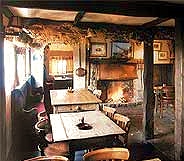
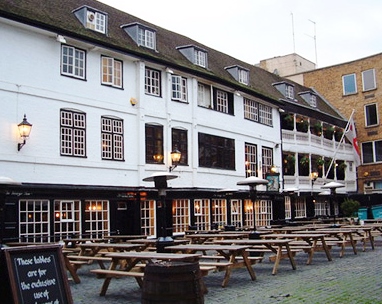
So, as a sidenote on Dickens and his ghosts, here’s a travel tip for London:  The George Inn in Southwick.  It sits on the south bank of the Thames, is an old (400 years old, give or take) pub that’s been in business all these long years.

The George Inn, Southwark London

We stumbled on this pub in 2010.  Although we didn’t stumble, really–I dragged my family out of their way to have lunch here, and it was a very good call.

Why make a grand effort to eat at this pub in a city full of pubs?  Partly because of its general history–in business since the 1600’s; still boasting a gallery of balconies where plays and concerts used to take place, it is reported to be the last remaining galleried inn in London; and (here’s the kicker) an old favorite of Charles Dickens.  The food here was great; I had a grilled goat cheese salad that I remember 4 years later! Granted, our waitress was less “waitress” and more “table wench” in attitude–but, if nothing else, it added a Dickensian touch to the meal.  And our inquiries about the history of the inn and its famous patrons lead to a journey behind the bar, where there is a framed document bearing Charles Dickens’s signature.  If my rusty memory serves, it was a copy of his Last Will that he gave to the Inn owner (knowing it would have some value), in lieu of actually paying his bar tab.

In the style of a worthy “old haunt,” this speaks of both mischief and misfortune.  Our Charles Dickens was both debtor and darling, making him the perfect drinking buddy for anyone who might find themselves at the bar here and lifting a glass to old Charlie’s Last Will.  Talented as he was, his life wasn’t perfect.  Nor was it infinite:  so raise a pint and lean in toward the framed document, and I’ll wager that you’ll hear him whispering, “Cheers and carpe diem!”

(Lore has it that Shakespeare may also have been a customer–his Globe theater was close by–but the veracity of this is lost to the haze of time gone by.)

Some ghosts loom large (the scars of a world war);  some ghosts are more personal (unpaid debts).  But in this season of hauntings, it’s best to give them all their due.

Happy Halloween!

Boo!

Frankenstein Rocks, Nigella Bites, and I Have Trouble Staying Focused

frankensteinI’ve picked up Mary Shelley’s Frankenstein, after stumbling upon Frankenstein village last week.  I believe in the seemingly random “suggestions” that life whispers in your ear.  So why not play the card that life pitched my way?  We’re having a bout of cold, gloomy Gothic weather anyway—so the stage is set.

A storm blowing in outside my window.

The book was sitting on my own bookshelf, but where, exactly, I wasn’t sure.  Three months in a new house and only my daily- and weekly-use possessions are in obvious places.  The rarely used objects in my life still take a full-on three day manhunt to find.

And I was going to the library anyway.  (There’s an American library close by—you know my German falls far short of Dr. Seuss at the moment, much less Mary Wollstonecraft Shelley.)

So I went looking for Frankenstein, but found myself, instead, in the cookbook aisle.  This will surprise no one who knows me—I’m easily distractible.   But this was different, I thought—another whispering in my ear.  Some days we are more ripe for some experiences than others, and this was one of those days when something  solid and sensual was needed to catch my attentions.  The seasons are beginning to turn in Germany: the light is swinging away from us, there’s a damp chill creeping into the air, and my body is registering this on many levels.  It’s dark before 7 pm, and I’m growing sleepy far too early.  Birds are migrating, and my own psyche is being tugged at by that hibernation reaction—I want to cozy in already.  And my stomach is whispering its own suggestions: time for soup, time for autumn foods, and nearly time for holiday cakes and ale.

When my stomach speaks, I listen.

It began whispering a week or two ago, and I pulled a Julia Child book off my bookshelf.  I’m totally lacking in the sort of culinary ambition that led to “The Julie and Julia Project,” but I told myself that I’d cook whatever I happened to open the page to.  It would be a delicious adventure.

I closed my eyes and opened the book.

To the chapter entitled “Mayonnaise.”

I closed the book quickly and resolved to serve leftovers for dinner.

But yesterday my stomach was speaking again, and this time with a back up chorus:  all the senses were alive and singing.  “It’s autumn– we want the tastes, the outrageous  spiced aromas, the feeling of being held close and warm.”  There’s no denying the call.   I was on a mission.

And I found my helpmate in Nigella Lawson.  I already have many of her cookbooks on my own bookshelf, but I picked up the library’s copy of  Nigella Bites and tucked it under my arm for the trip home.

Once my kids were home from school and had enveloped themselves in that quiet hour they often take—to nibble on snacks, to relish their private “cone of silence” after a day of overstimulation—I picked up my book and fell into a comfy chair for my own moment  of communion  with Nigella.

The moment didn’t disappoint.

In describing the cream she uses in a Ginger-Jam Bread and Butter Pudding, the author says, “nothing creates so well that tender-bellied swell of softly set custard.”   And toward the end of her chapter entitled “Trashy,” she asserts that “Trashy is a state of mind, a game of mood: the food itself deserves, demands, to be served and eaten—unsmirkingly, unapologetically and with voluptuous and exquisite pleasure.”

THIS is a feast of the senses.  And, if Nigella has built her fame on being a bit of a strumpet, the truth is that she’s dead-on right about the comforts and sensuality of food.  And she’s as good  a reading companion as she is a cook.  (Nigella’s Christmas cookbook was my first foray into her vast library, and, although I have cooked some recipes from it with great success, I love it even more for the witty, intelligent read that it provides.)

Anyhoo, back to the senses.

DSC_1055
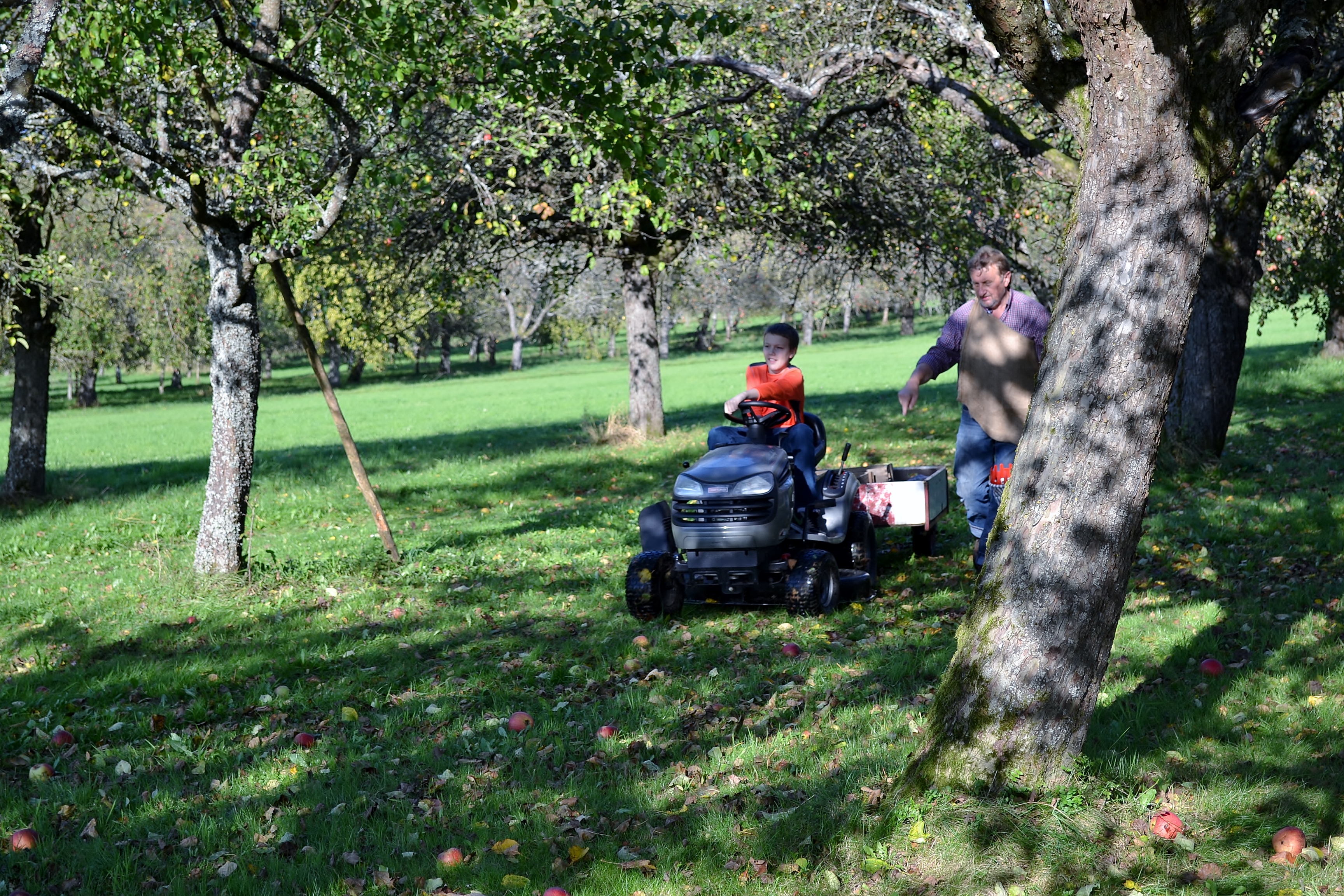
Picking apples in Helmut’s orchard

We were apple picking in our landlord’s orchard last weekend   and brought home wine crates full of apples, so cakes and cobblers have been flying out of our oven.  It’s time now for a shift to something savory.  I’ve scanned Nigella Bites, and, aside from some lovely desserts,  I’ve dog-eared a recipe called  “Granny Lawson’s Lunch Dish.”  An inauspicious name, but the recipe was speaking to me nonetheless.   Yum–spicy beef, savory smells, flaky pastry–oh, oh, wait a minute,  I know!  What I really want is a steak and ale pie–a really, really good one.  And I have just the recipe. . .somewhere in my house.  I haven’t found some of my recipe files yet.  That will take a three day man hunt, of course. (Grrr.)  But  I have  started looking for those recipes.

They haven’t turned up yet, but the good news is that Frankenstein finally jumped off my bookshelf at me.  I think that must be the universe whispering to me (again)  that I’m supposed to be reading Shelley’s book.  So I’ll just relax, read the complicated Gothic tale now and worry about savory pies later.

Unless, of course, I get distracted again.

I really do need to go out and rake the back yard. . .

Armchair Travelers

We’ve got the virus du jour this week, so our weekend was dead and our week is only showing a hint of vital signs.  To boost our spirits–and maybe yours too–I’m posting some old and new travel/life abroad photos.

Hope you enjoy!

DSC_0474
Trier, Germany
Trier
Trier


Doune Castle, Scotland, 2007--location of Monty Python's Holy Grail scenes
Doune Castle, Scotland, 2007–location of Monty Python’s Holy Grail scenes


Edinburgh, Scotland  by night, Christmas 2007
Edinburgh, Scotland by night, Christmas 2007


Cappadocia, Turkey, 1998, near Guzelyurt...an old monestary in the foreground.
Cappadocia, Turkey, 1998, near Guzelyurt. . .an old monastary in the foreground.


A castle on the Turkish Mediterranean, 1998
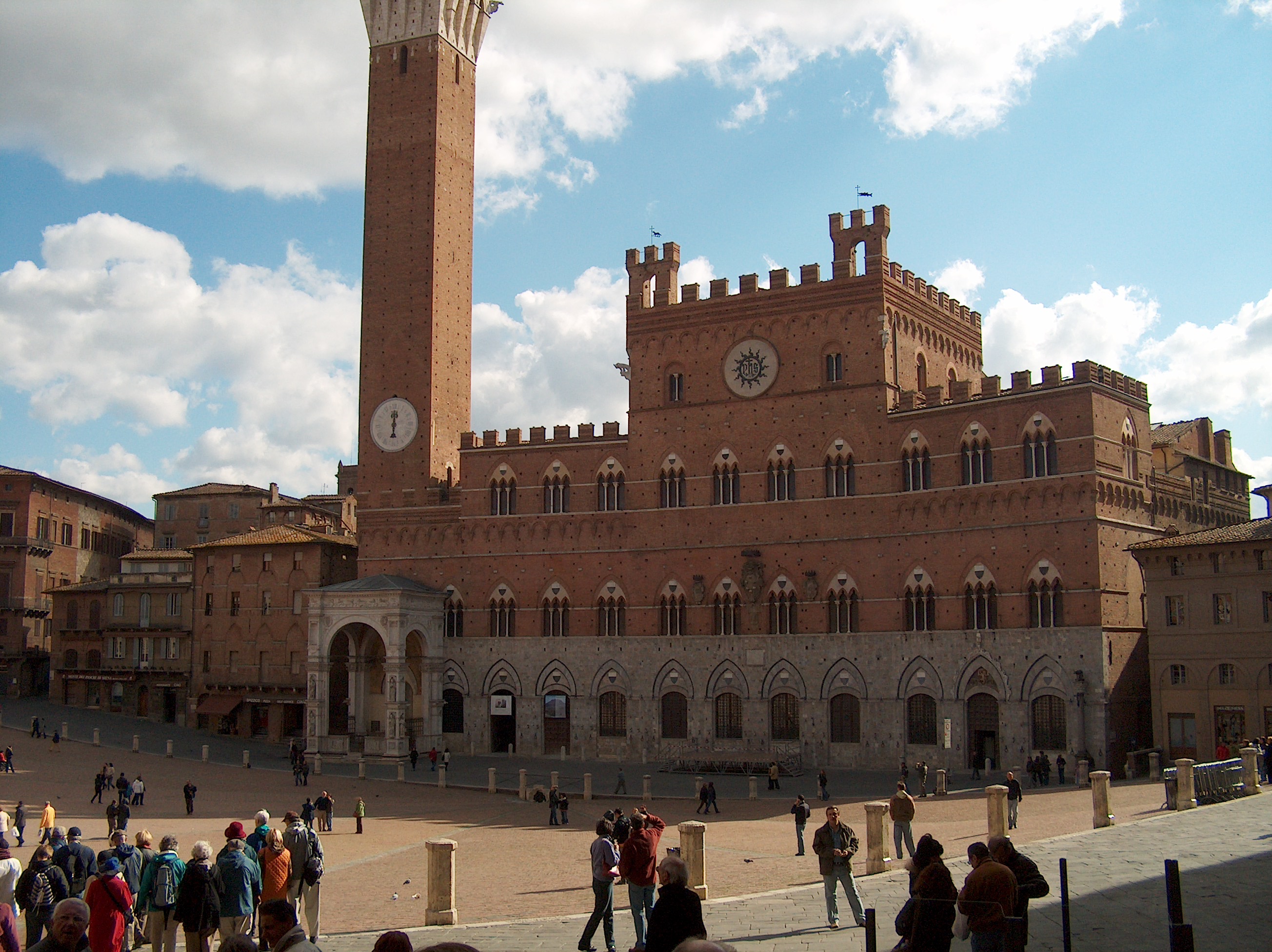
Sienna, Italy
Sienna, Italy


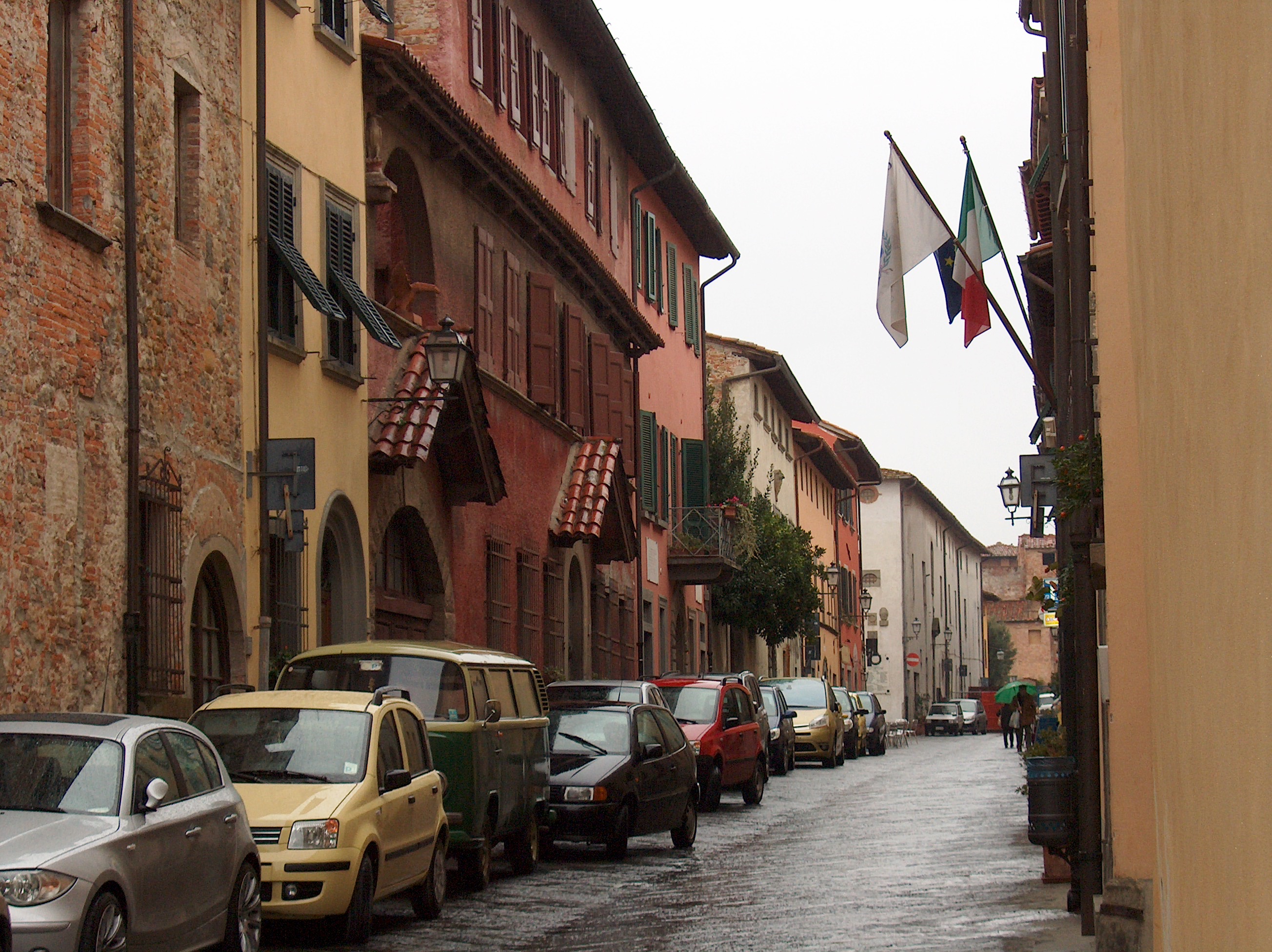
Montecarlo, Italy (Tuscany), 2006


Exeter Cathedral, England


We capture the castle, at Alnwick Castle, England, 2007 or 2008
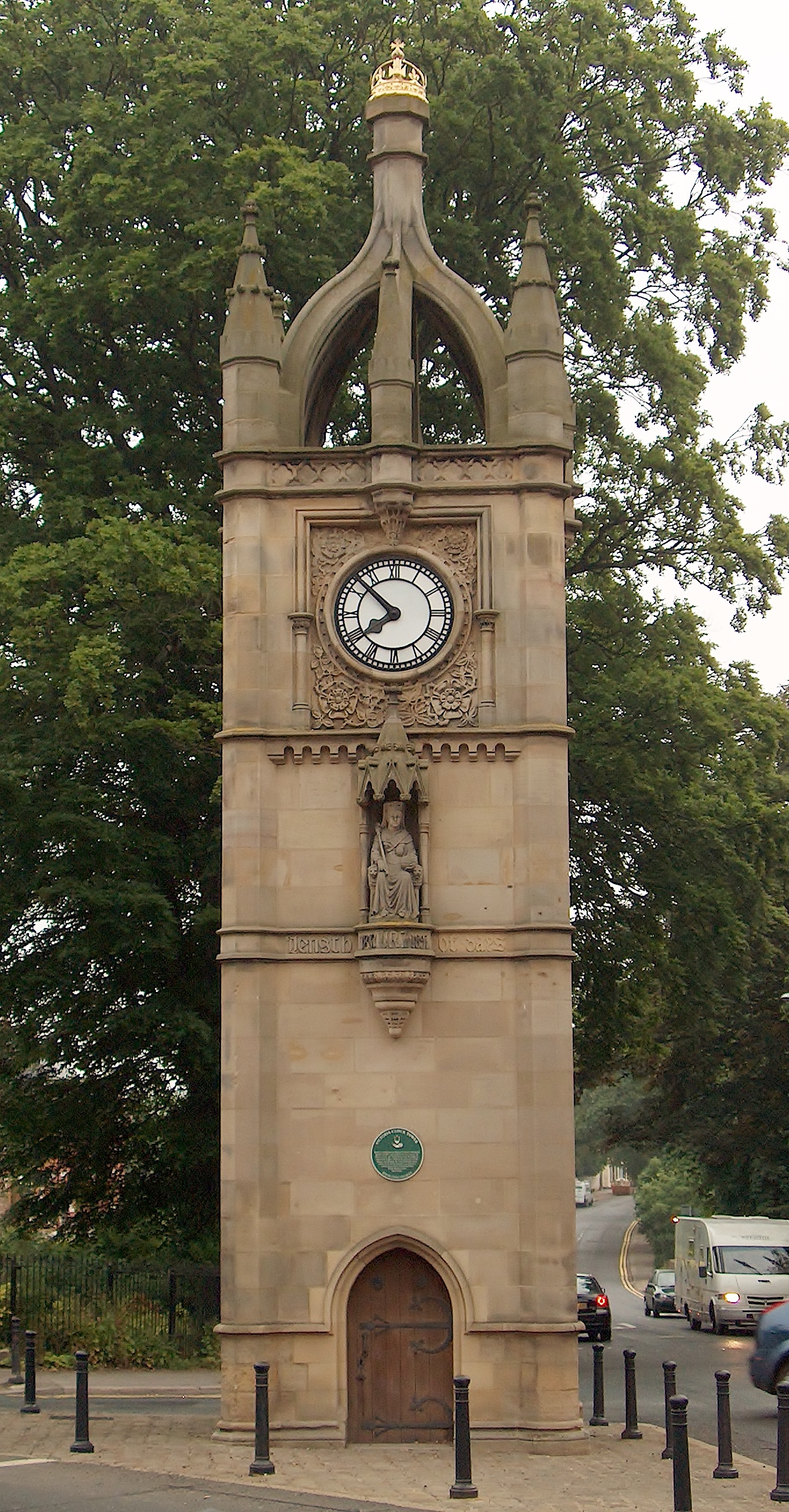
Victoria Clock Tower, Ripon, England--out the window of our old house
Victoria Clock Tower, Ripon, England–a block from our old house


The Lake District, England, 2009.. Just a couple of silly blokes.
The Lake District, England, 2009. Just a couple of silly blokes.
Exiting the cave of Hell at Cennet ve Cehennem (Heaven and Hell), near Silifke and Kiz Kalesi, Turkey.


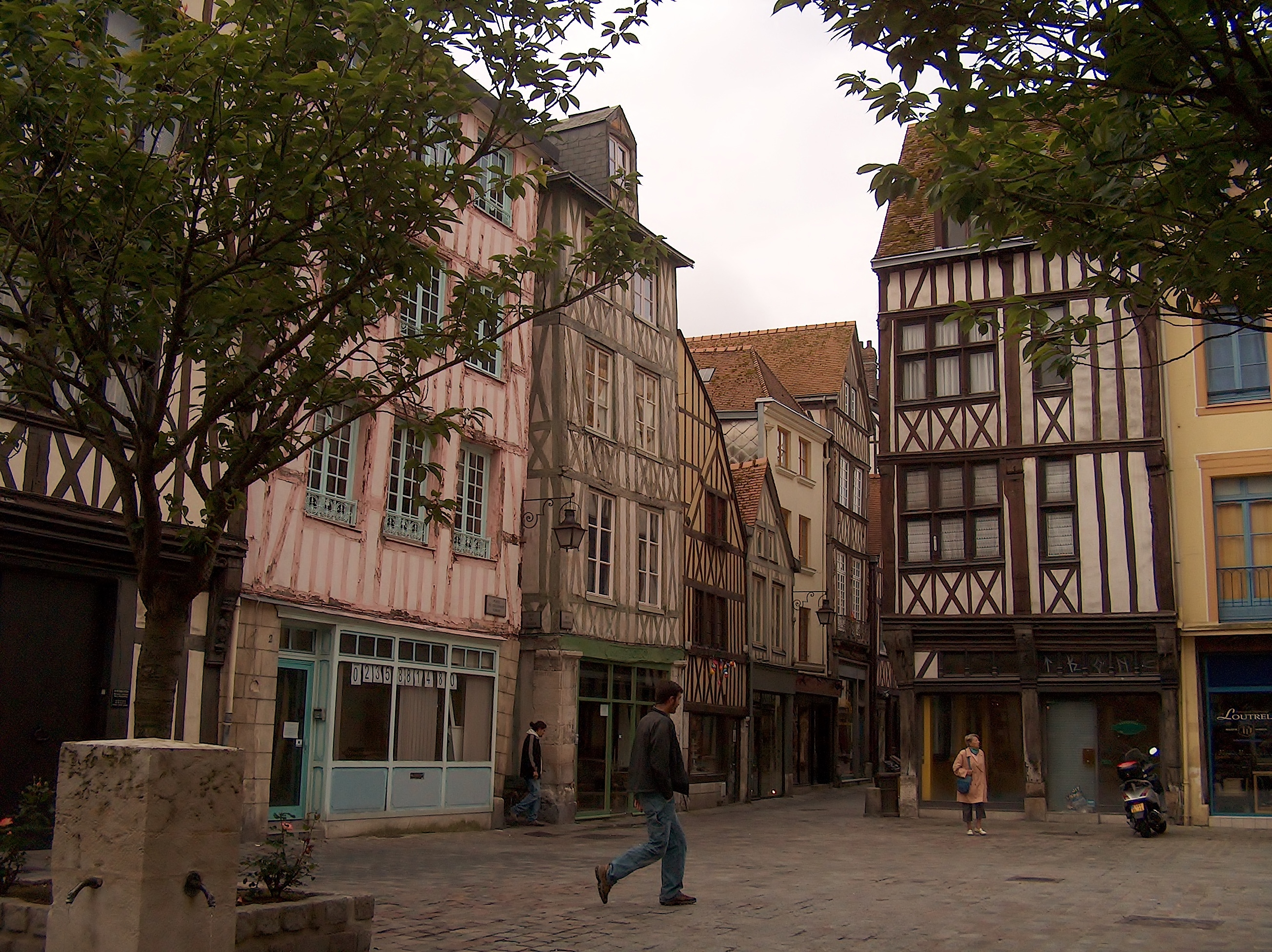
Rouen, France
Rouen, France


And finally, a shout out for my home country on this anniversary of September 11th--at the statue of Pocahontas at Jamestown (the first permanent English settlement in what would become the United States).
And finally, a shout out for my home country on this anniversary of September 11th–at the statue of Pocahontas at Jamestown (the first permanent English settlement in what would become the United States).