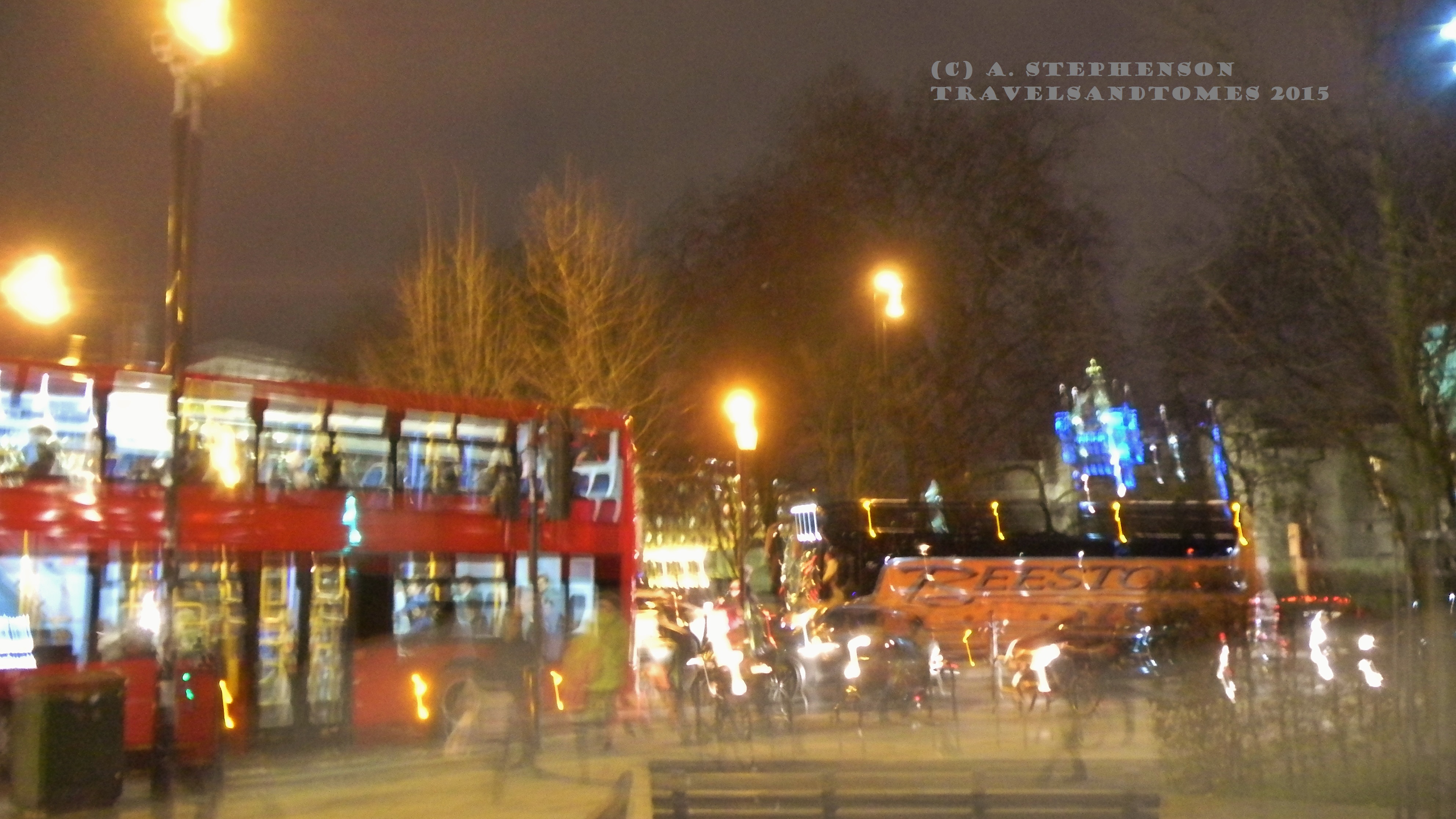
Blurry photo or impressionist painting?


Blurry photo or impressionist painting?
You and I tend to know February 2nd as Groundhog Day, 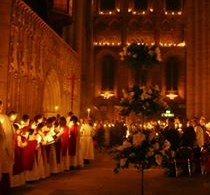 but it’s been a festival day for a long time, and its roots go back deep into the calendar of the Christian church, and far deeper still. The day marks the midpoint between the winter solstice and the spring equinox, so it’s considered the beginning of spring, or at least (if you live where it is still remarkably cold, like I do) the tipping point where winter and dark begin making way for warmth and light.
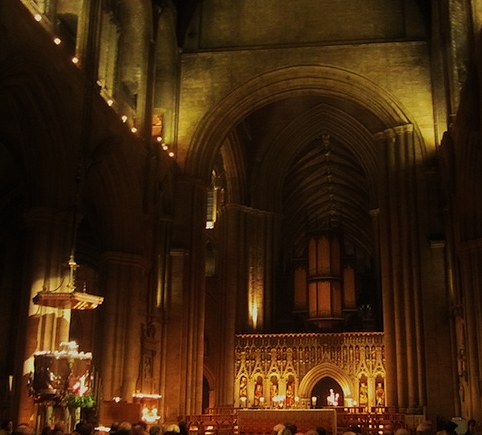
Candlemas is rarely observed in the church these days, but our old hometown of Ripon, England still honors the day. The cathedral hosts a Candlemas service in the evening, and the cathedral is lit by thousands of candles. To clarify–it is lit by thousands of candles only. It is brillliant. The first time I walked into one of these services, my children in their winter pajamas (they were young, and it was late and cold out), we all gasped and immediately whispered “Harry Potter!” This is the best way I know to describe the look of the cathedral to a Candlemas novice or a wizard fan–think of Hogwarts’ great hall and its floating candles. In Ripon Cathedral, the thousands of candles are set around the edges of the ground, in the clerestory ledges, and in every shelf and cubby along those ancient stone walls. They appear to float and rise. It’s heady stuff, and it’s one of the most beautiful sights I’ve ever seen.
 The Ripon Cathedral website posted the following blurb about Candlemas last year:
Candlemas is one of the most ancient feasts of the Church, and occurs 40 days after Christmas, on the 2nd February. It is also known as the Presentation of Jesus at the Temple, in reference to the episode in Luke’s gospel (2:22-40).
This ancient festival has been celebrated at Ripon for centuries. A visitor to the Cathedral in 1790 declared that the whole building was “one continued blaze of light all afternoon”.
This year, the Cathedral will once again shine with the light of thousands of candles, symbolising Jesus as the light of the world.
It’s good to know that, dark and cold as it still is (whether we are speaking of the weather and season, or of world events), we can look to a tipping point and the hope of spring. (Even if Punxsutawney Phil is right and the next few weeks will be chill, spring must come some day.) It is also good to know that, in a world of cultural globalization, where McDonalds is edging its way into every corner, you can still stumble on those few enclaves where something ancient, unusual, and beautiful will make you catch your breath. . . even if you find yourself whispering “Harry Potter” in the aftermath.
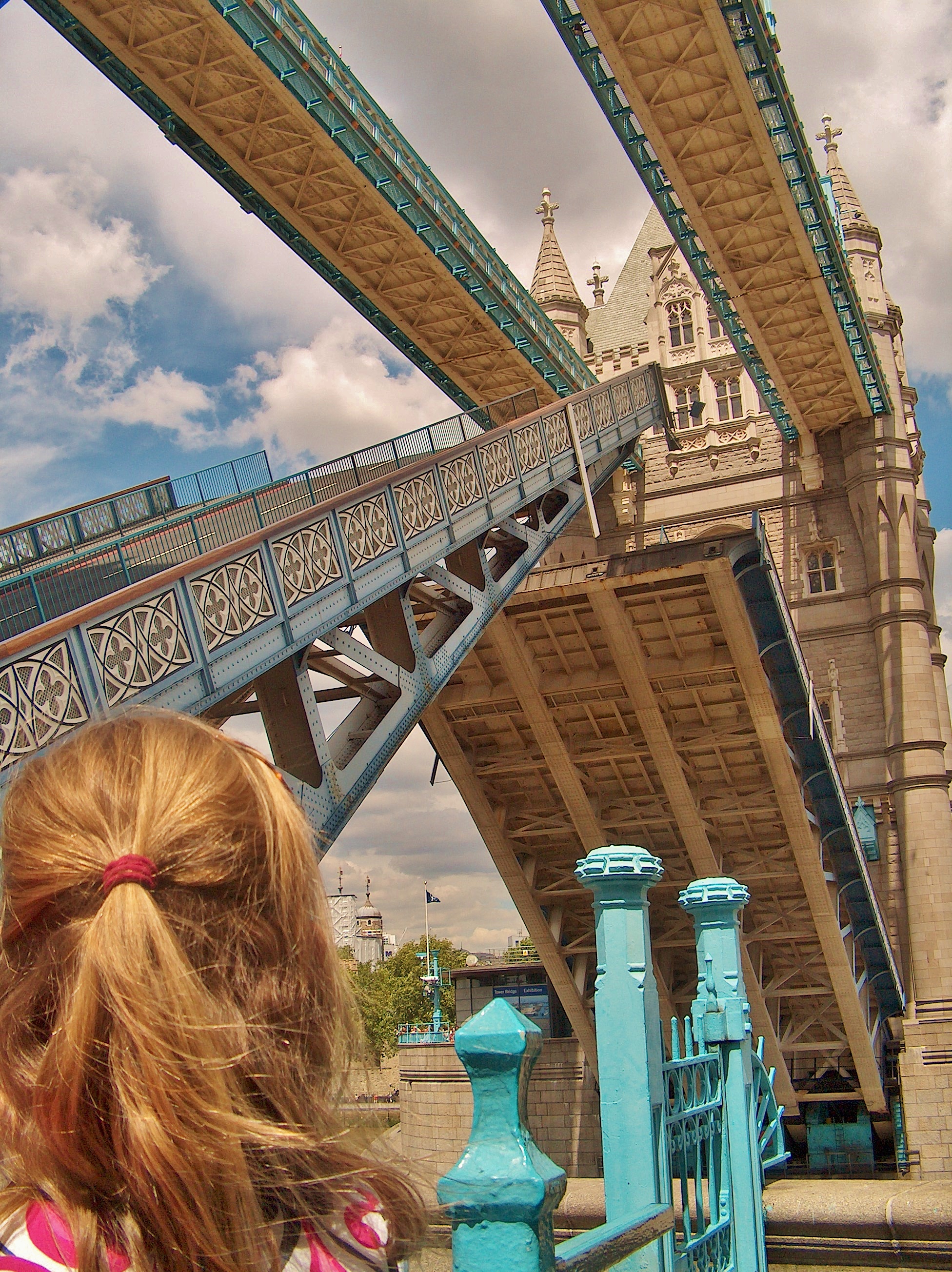
Here’s a lucky moment for Throwback Thursday: the summer of 2008, on the Tower Bridge of London. They say it brings good luck to witness the bridge opening (it doesn’t happen frequently)–and we were standing right on the bridge for the opening on this gorgeous summer day.
The bridge is iconic, but people often confuse it with “London Bridge”: Tower Bridge is the visual you get when you think of London bridges, but the London Bridge (actually, a series of bridges over the centuries) originally stood about a mile west of the Tower Bridge. (More importantly, London Bridge continues to stand and fall, over and over and over again, on every children’s playground, everyday, in the Western world. The origins of that nursery rhyme undoubtedly lay in some historical happening, but that’s a story I haven’t delved into.)
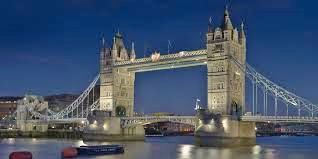
The Tower Bridge was opened 1892–at a time when London’s population was growing exponentially and a Thames River crossing bridge that could accomodate more traffic was desperately needed.
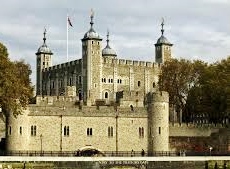
The beauty of the bridge lies in its appearing to be made of stone–making it the visual twin of the Tower of London (just beyond it, on the shore). However, the bridge is actually formed of tons (and tons and tons) of steel. After the steel structure was formed, granite and stone were added to cover the exterior and create the signature look.
So there you go–a little history and a lucky moment. Happy Thursday!
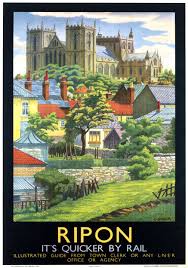
Ripon–you’ve heard the name on Downton Abbey. It’s a beautiful, small market city in North Yorkshire, England, and it was my home for four fabulous years.
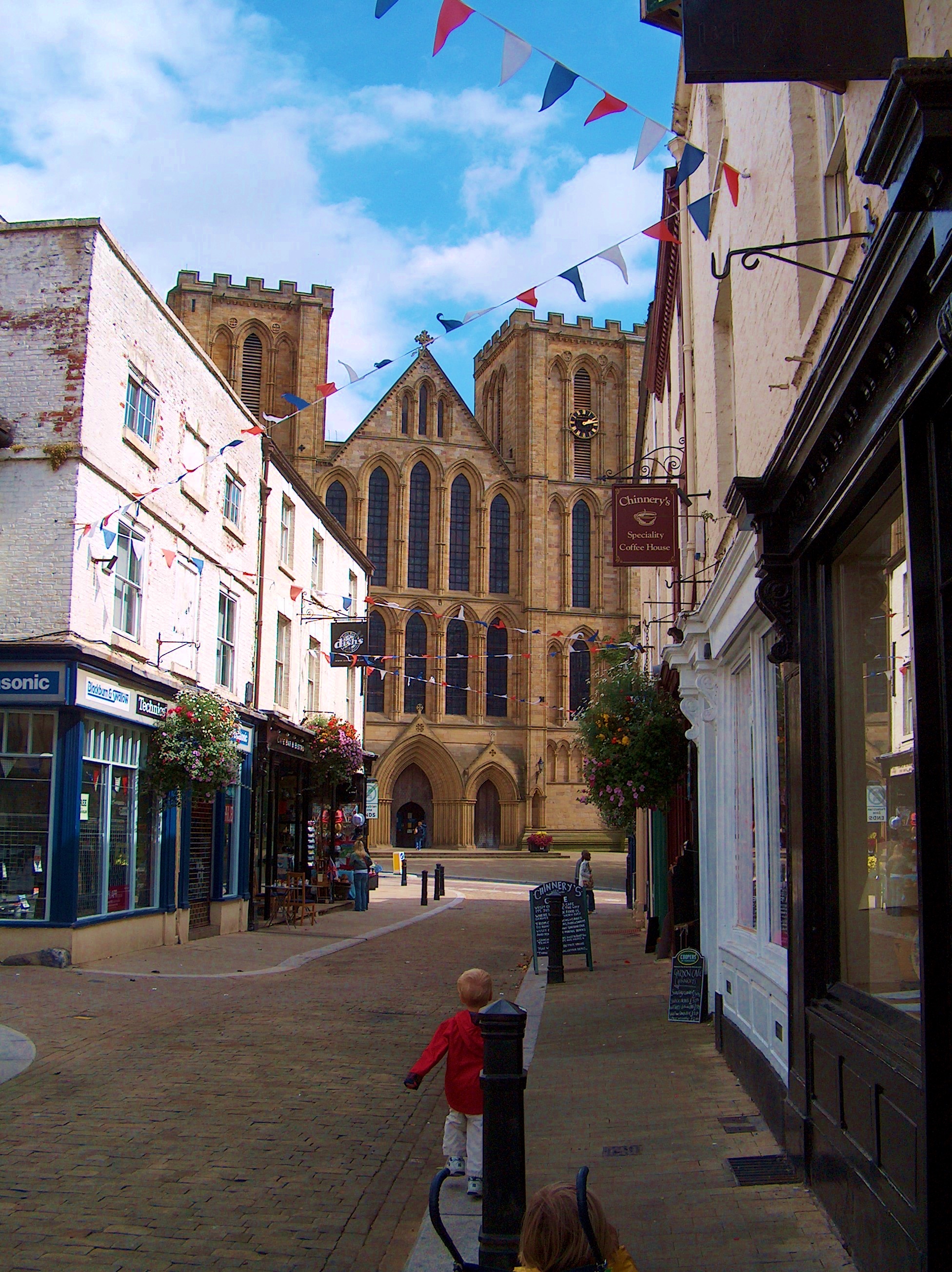
I’ve found myself backing up old photos this week, and feeling nostalgic about life in Ripon. It was ideal. My children were young and came to believe that they were actually Brits, accent and all. They attended British school, we spent our days in beautiful environs and living with a decidedly British/European sensability. We walked to school, to swim lessons, to church, to the grocery store; through rain, through snow, through days of unending summer sun or unending winter dark. We walked a few blocks out our front door in one direction, and we were in the market square; another direction, and we were in sheep pastures; yet another direction, and we walked the river banks. We enjoyed Michaelmas and Bonfire Night in the autumn, Candelmas in February, and Shakespeare performances outdoors all summer.
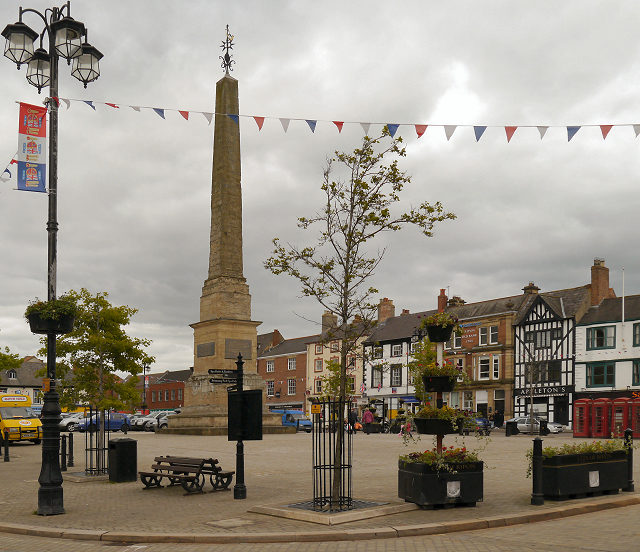
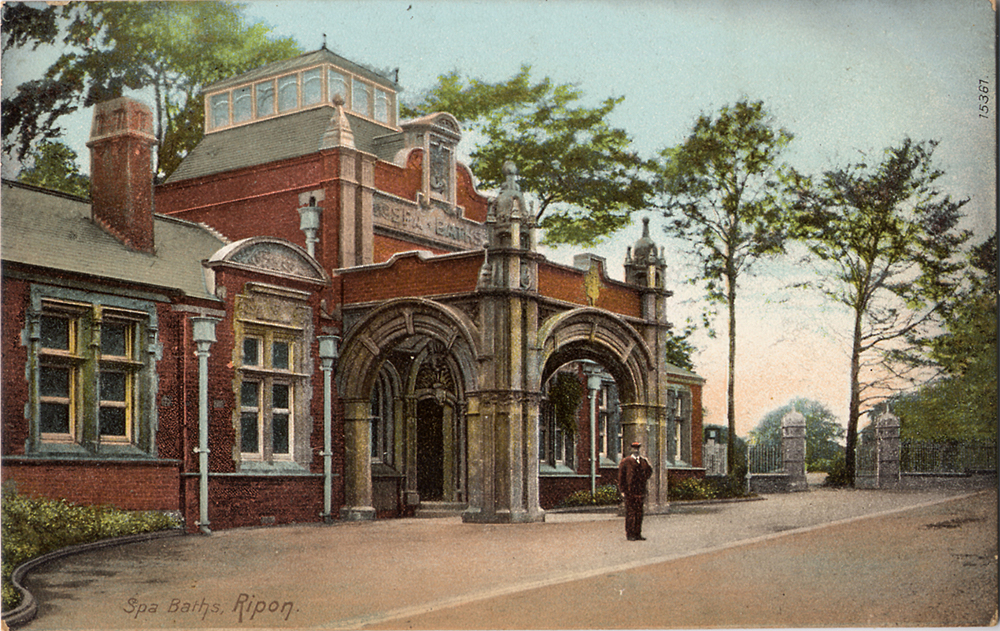
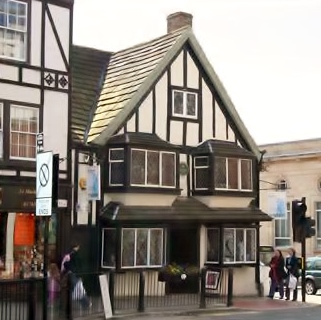
As a home base, Ripon was lovely. I think she’s equally engaging for the passer-through too. The market square is the center of town–literally and figuratively–and Daniel Defoe called it “the finest and most beautiful square that is to be seen of its kind in England.” If you go on market day, the space is bustling. You might enjoy coffee and scones at one corner of the square, in the old Wakeman’s House (which, I hope, still houses a tearoom. . .and possibly a ghost). The cafe there is fabulous, and the house is a landmark dating back to the 14th century, and once belonging to the last “wakeman” of Ripon. The wakeman set the town watch at night, meaning that he was the watchman, entrusted to keep the town safe from villians and marauders.
Ripon still observes the Wakeman’s Ceremony (dating back to 866). Each night at 9 pm, the town Wakeman strides to the center of the market square (by the obelisk) and blows his horn to let the people know that the night watchman
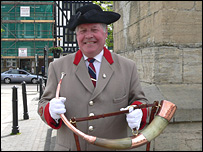
is on duty to keep them safe. Of course, the town’s safety is in the hands of its police these days, but George Pickles, who performed Wakeman duties and set the watch while we lived there (and may still) did a fabulous job keeping the tradition alive and speaking with townspeople and tourists about the history of Ripon.
There is certainly history in abundance on show at the cathedral. The crypt dates back to the 7th century, and the cathedral to the 1100’s; the misericord carvings are said to have inspired Louis Carroll and Alice in Wonderland; and it’s one of the few places on earth that still celebrates Candlemas on February 2nd (thousands of candles, and candles only, light the cathedral to celebrate the purification of Mary, and also the halfway point between the winter solstice and the spring equinox–you know this day as Groundhog’s Day!).
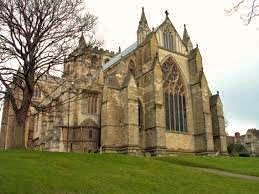
If you ever find yourself in N. Yorkshire, near Harrogate, give Ripon a look. The walks are beautiful, the Workhouse Museum and Police Museums are interesting, and the people are fabulous. For pubs, I recommend The One Eyed Rat and The Water Rat. For dining, The Royal Oak, Lockwoods, and Balti House (right there on Kirkgate by the cathedral). I also recommend that you take me with you. Ahhh, I miss Ripon some days. . .
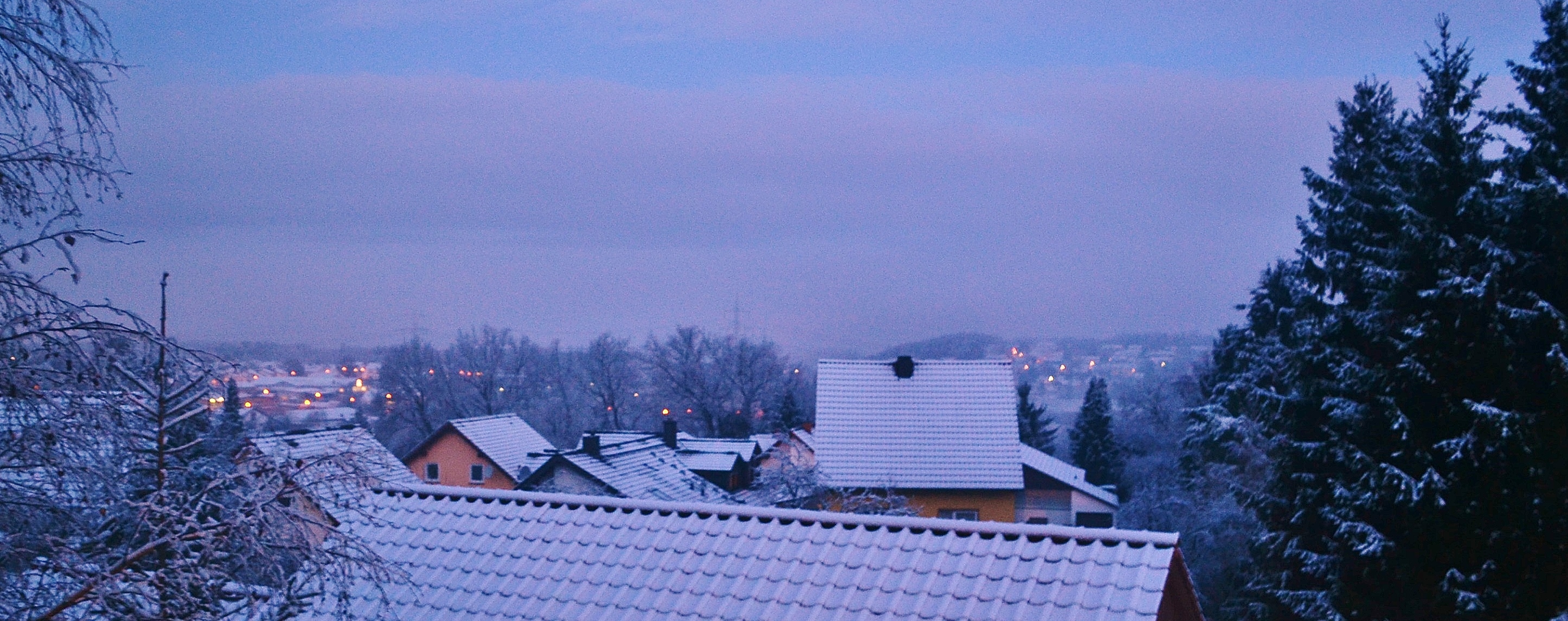
Saint Nick gets to see rooftops all around the world. The rest of us, not so much.
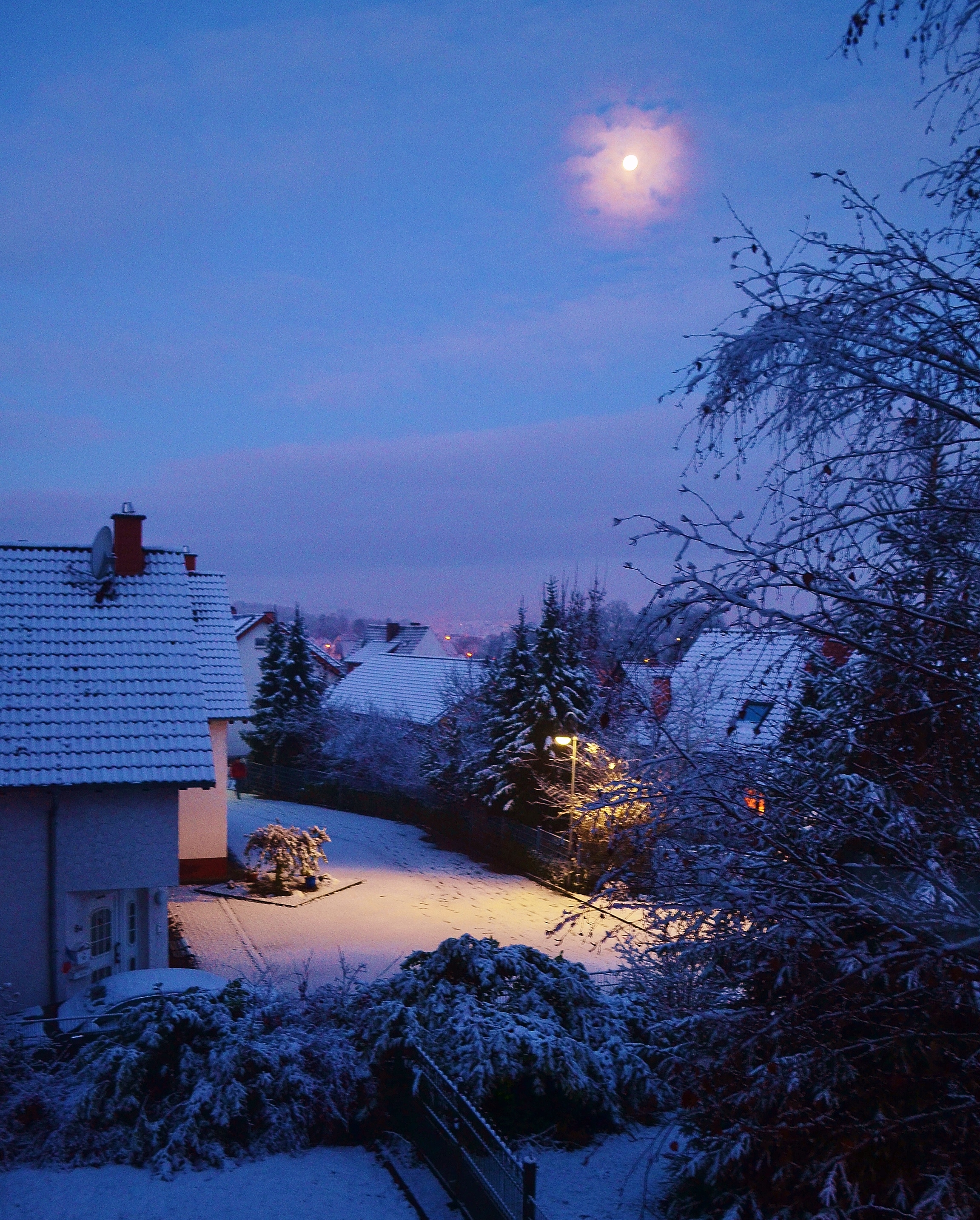
Here are a few rooftops from my corner of the globe.
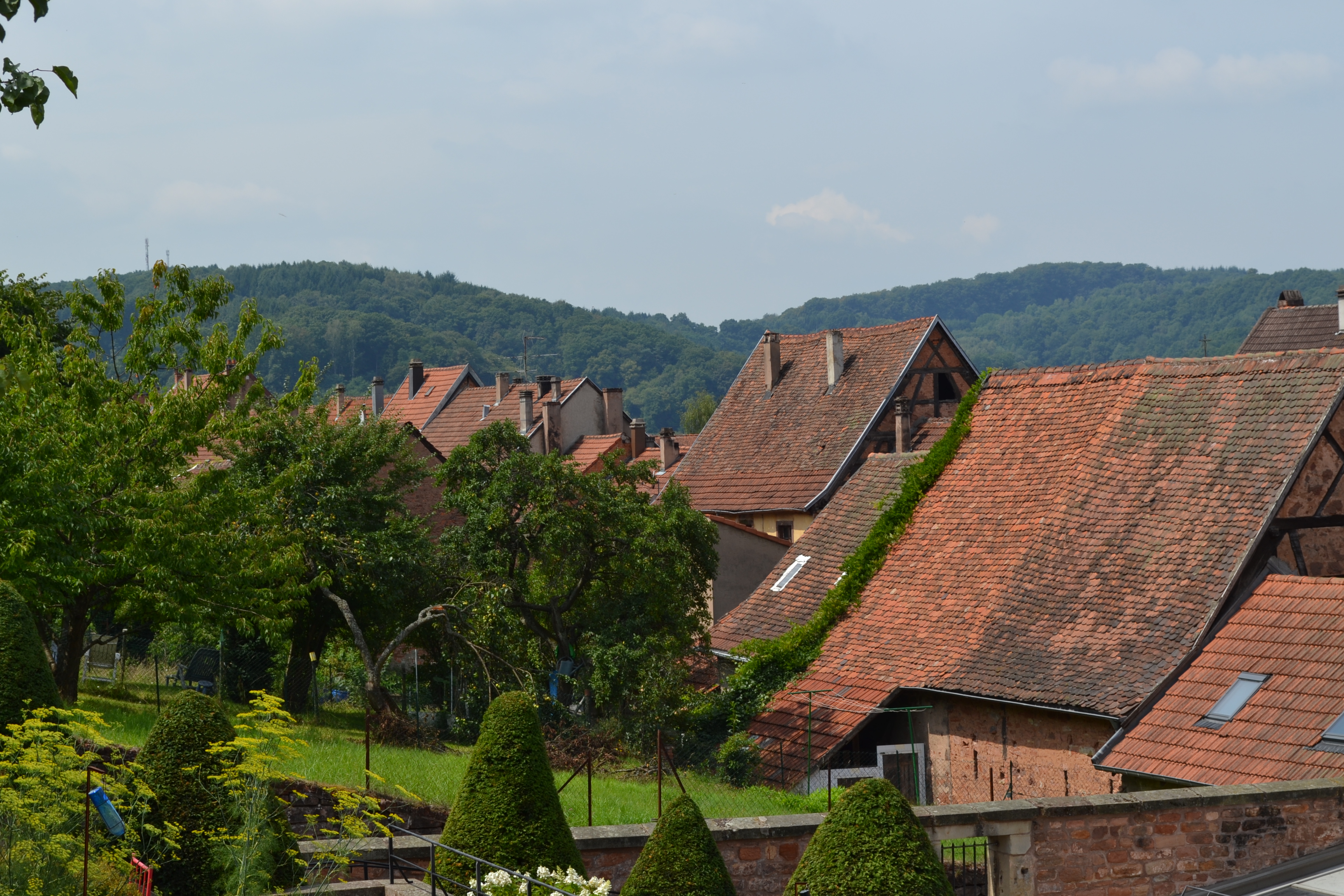
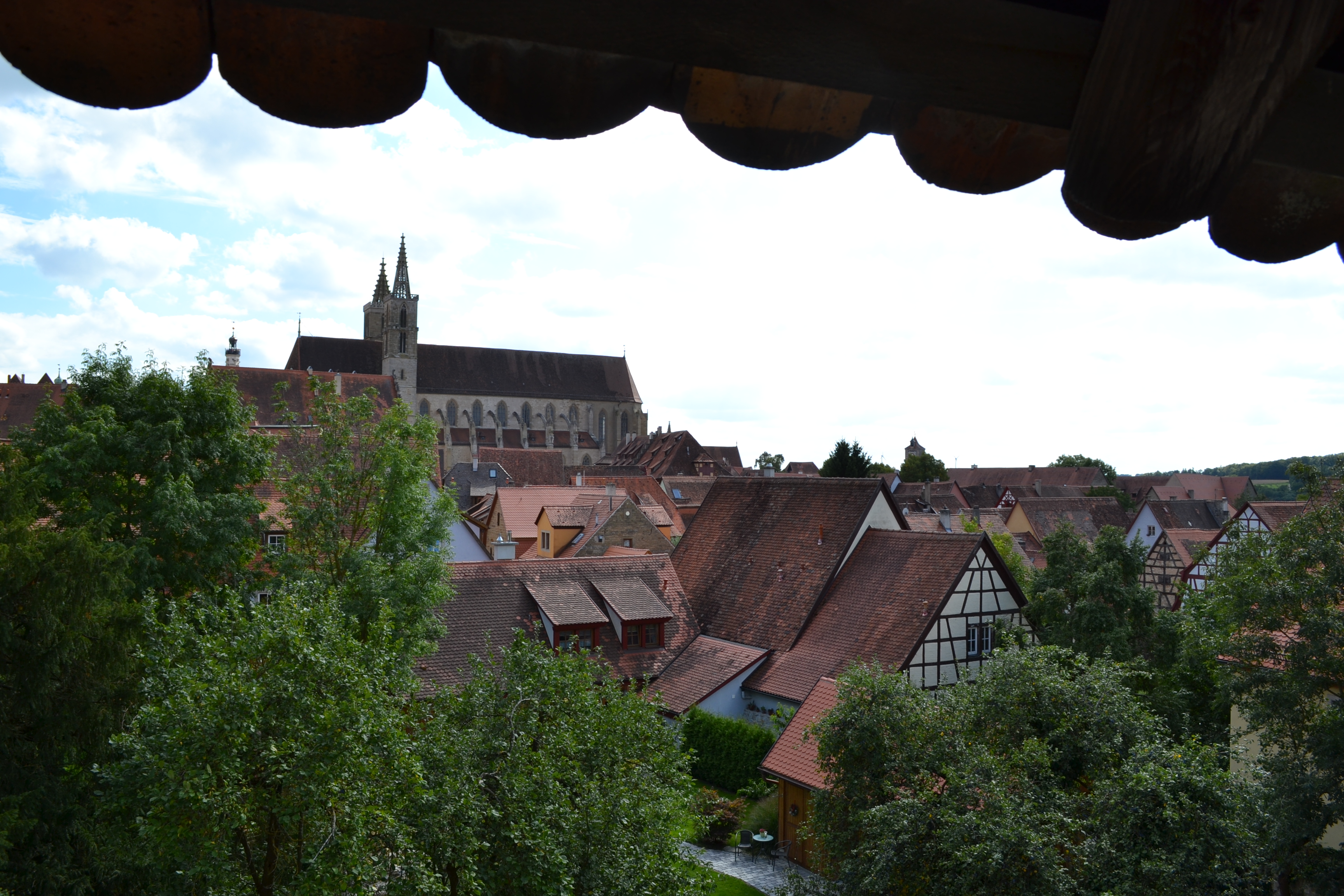
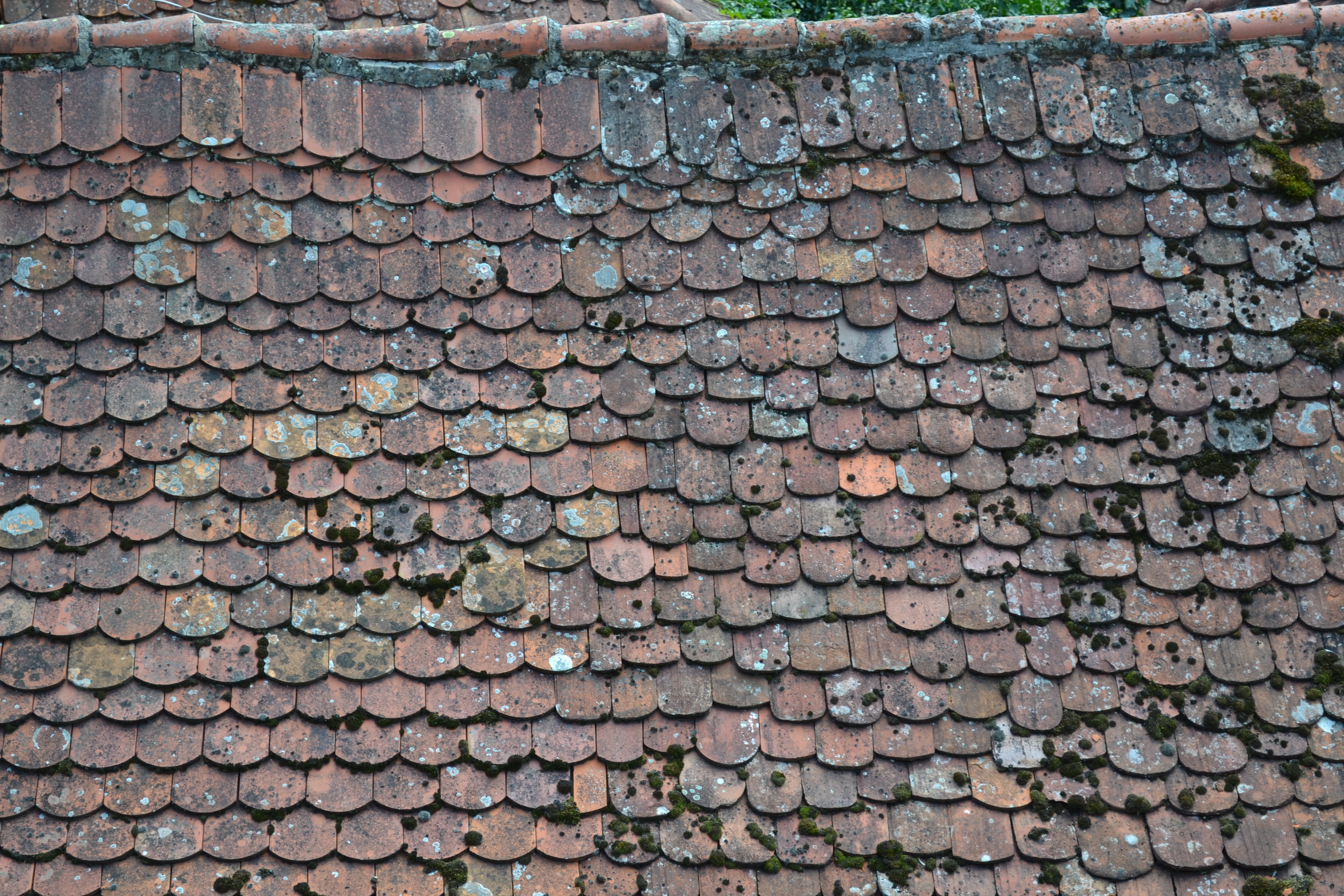
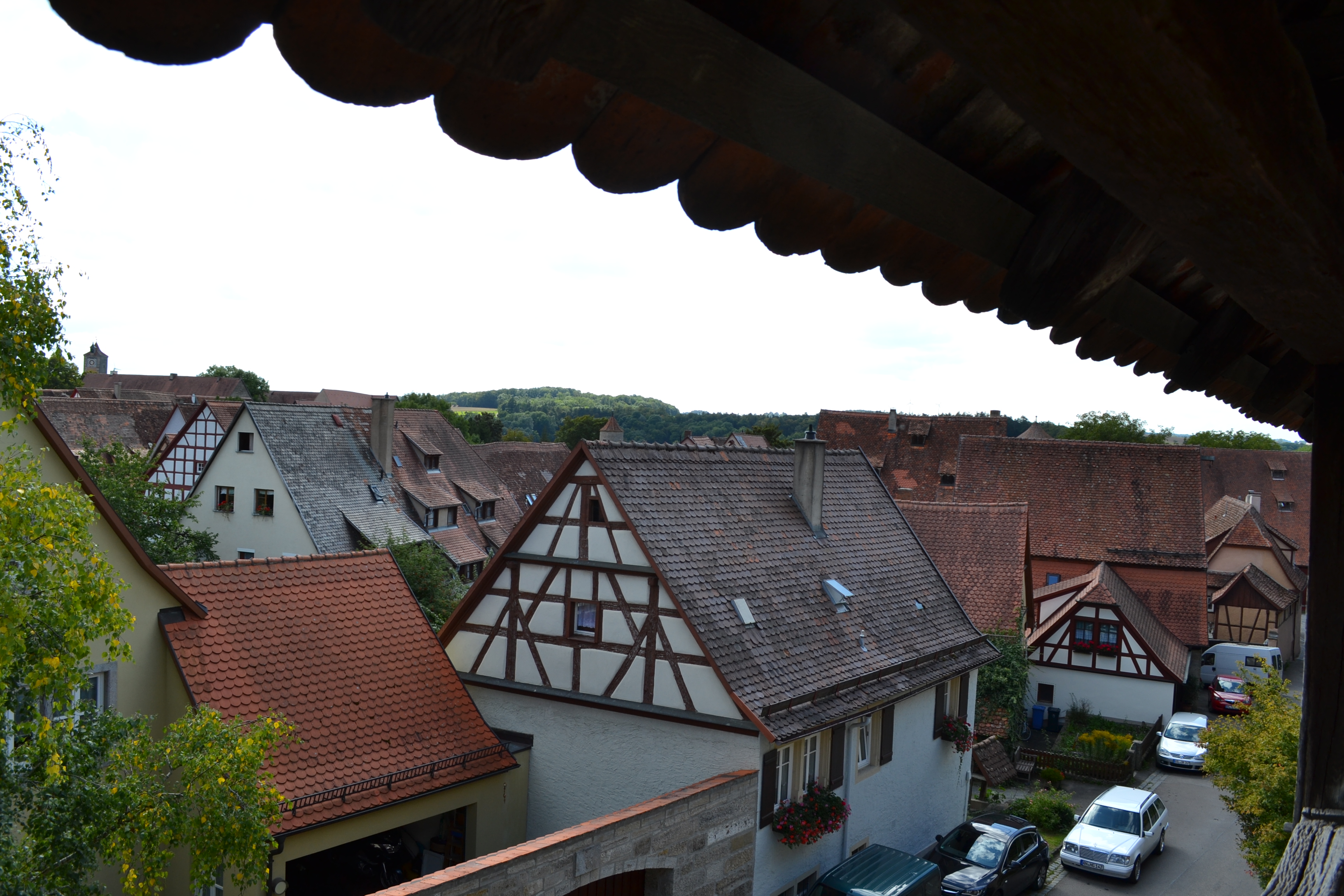
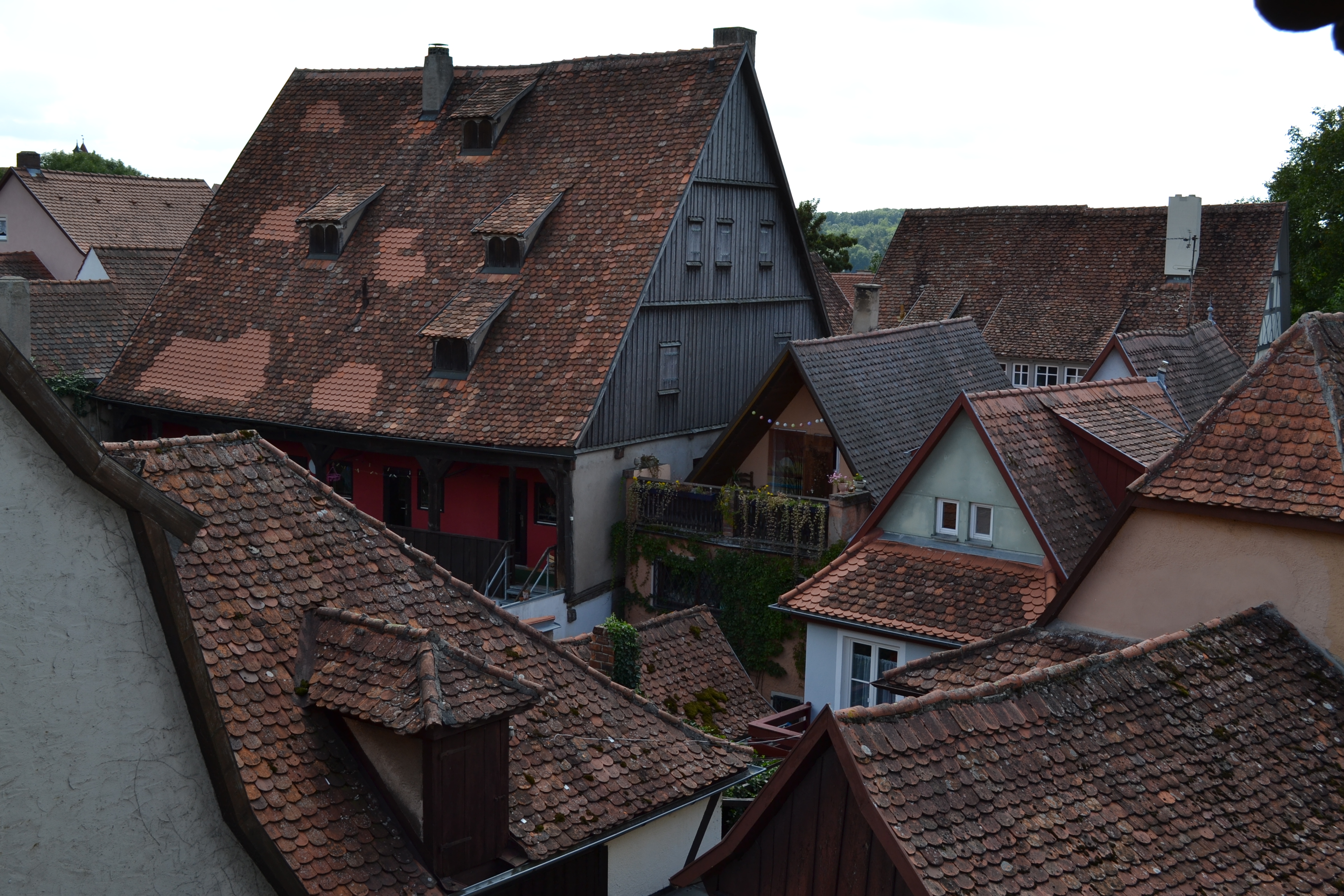

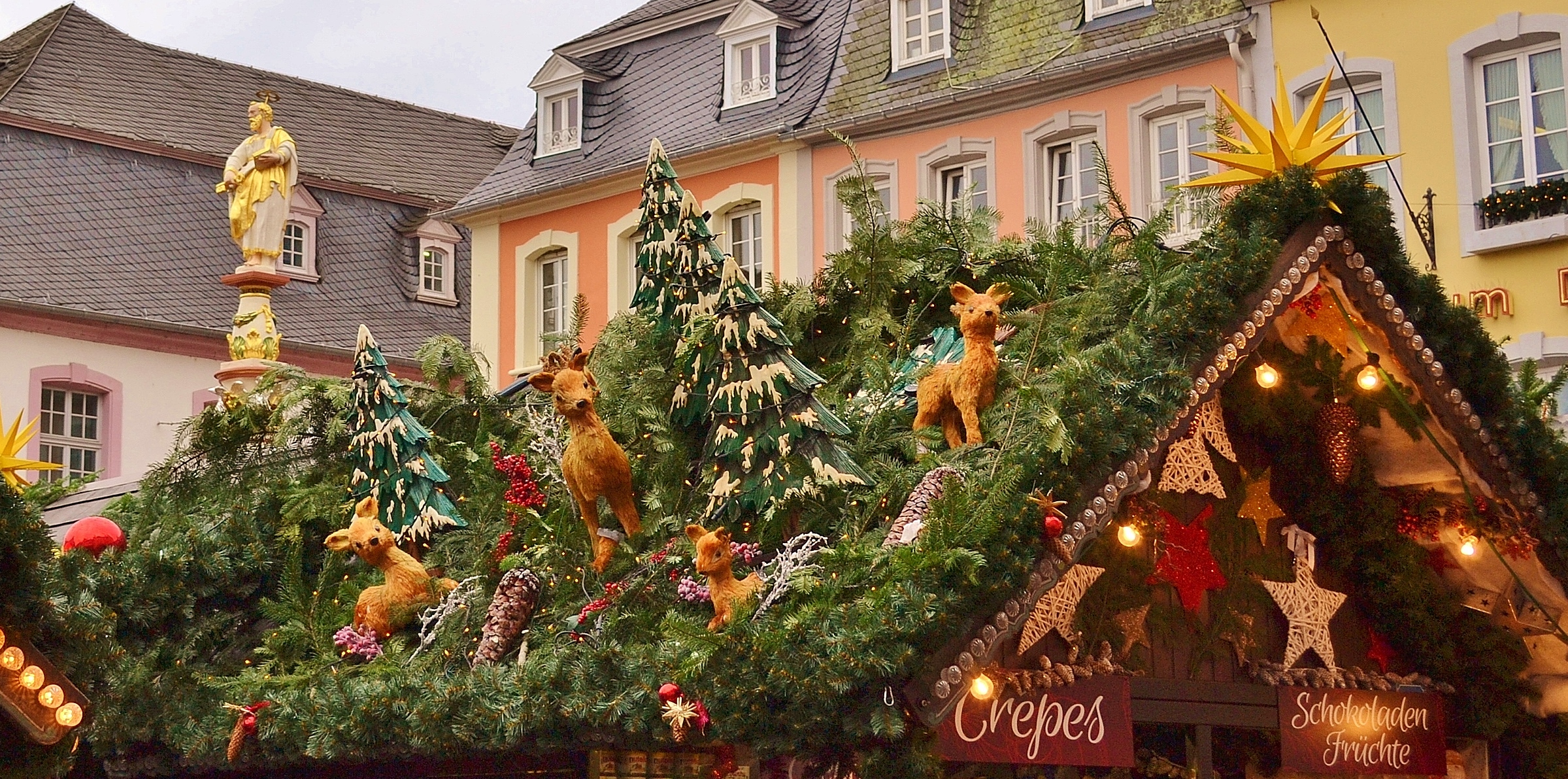
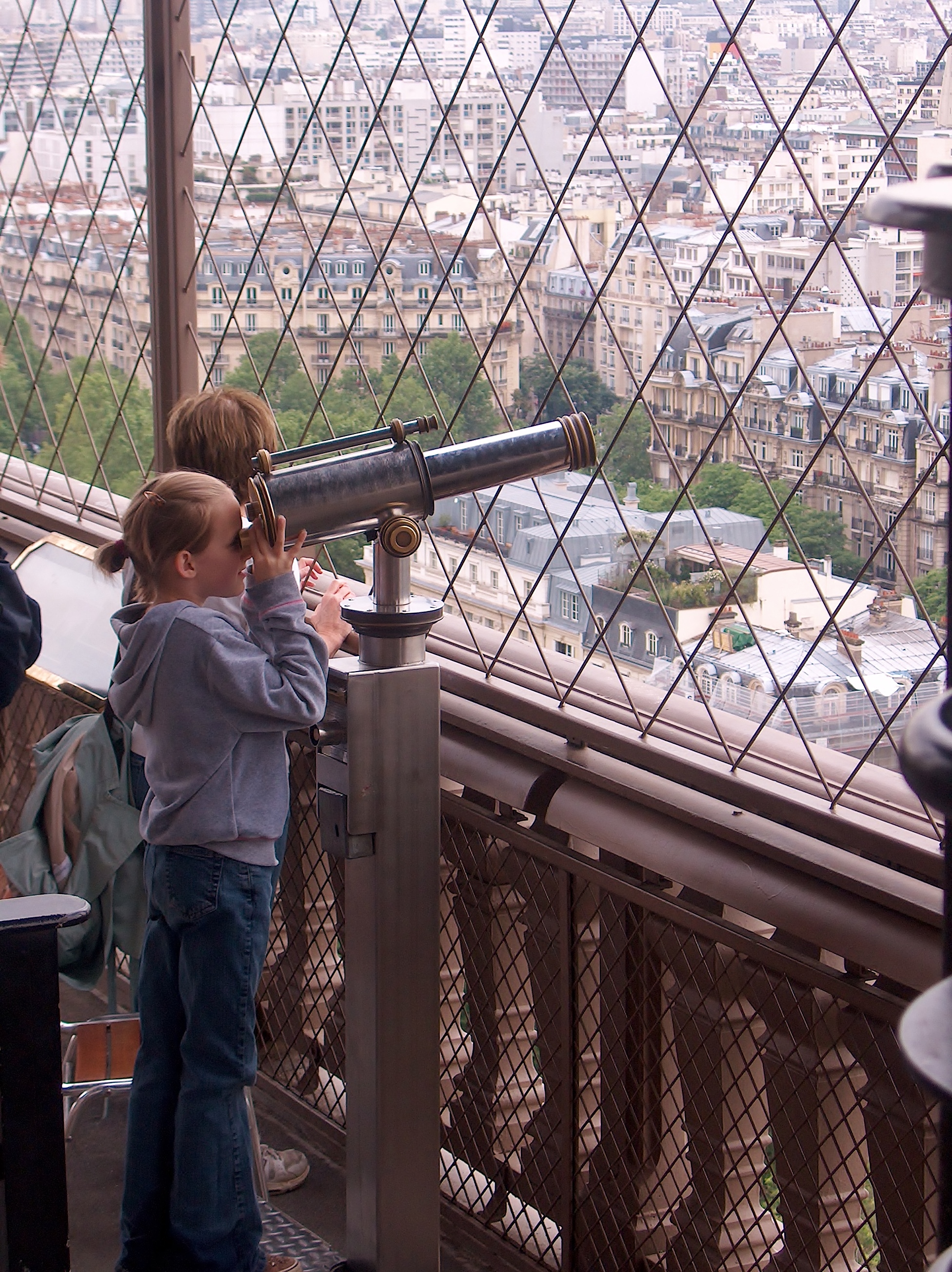
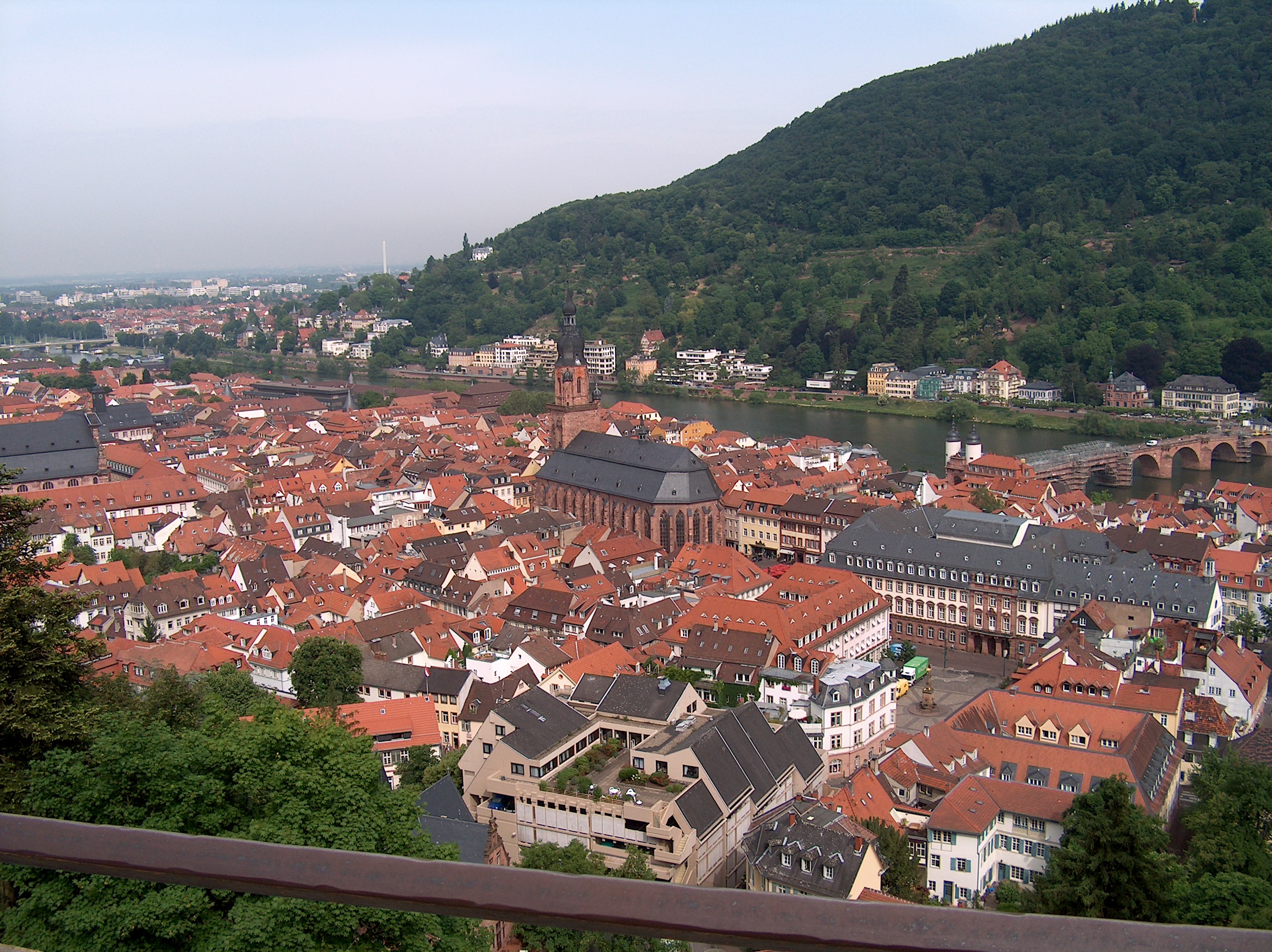
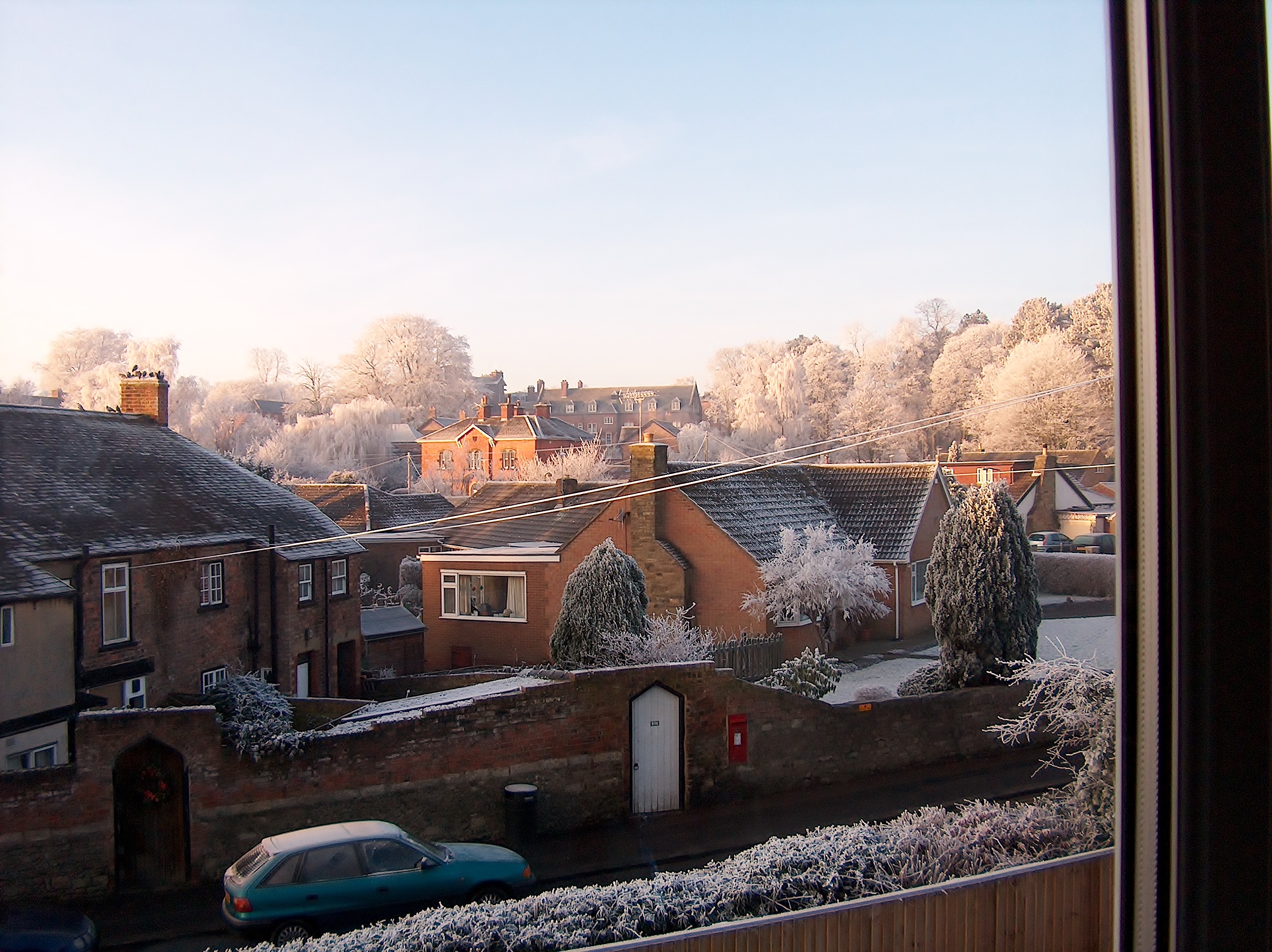
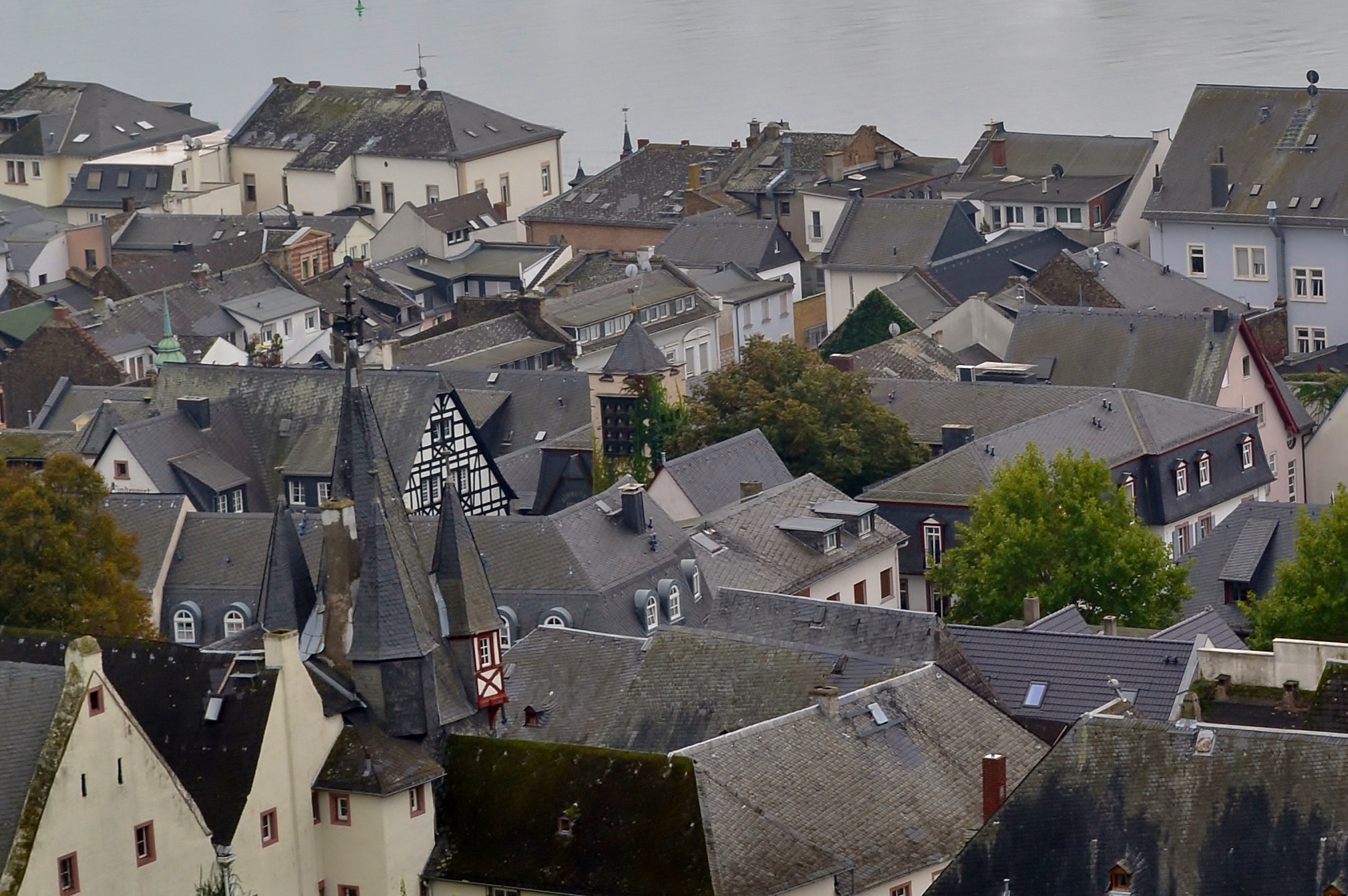
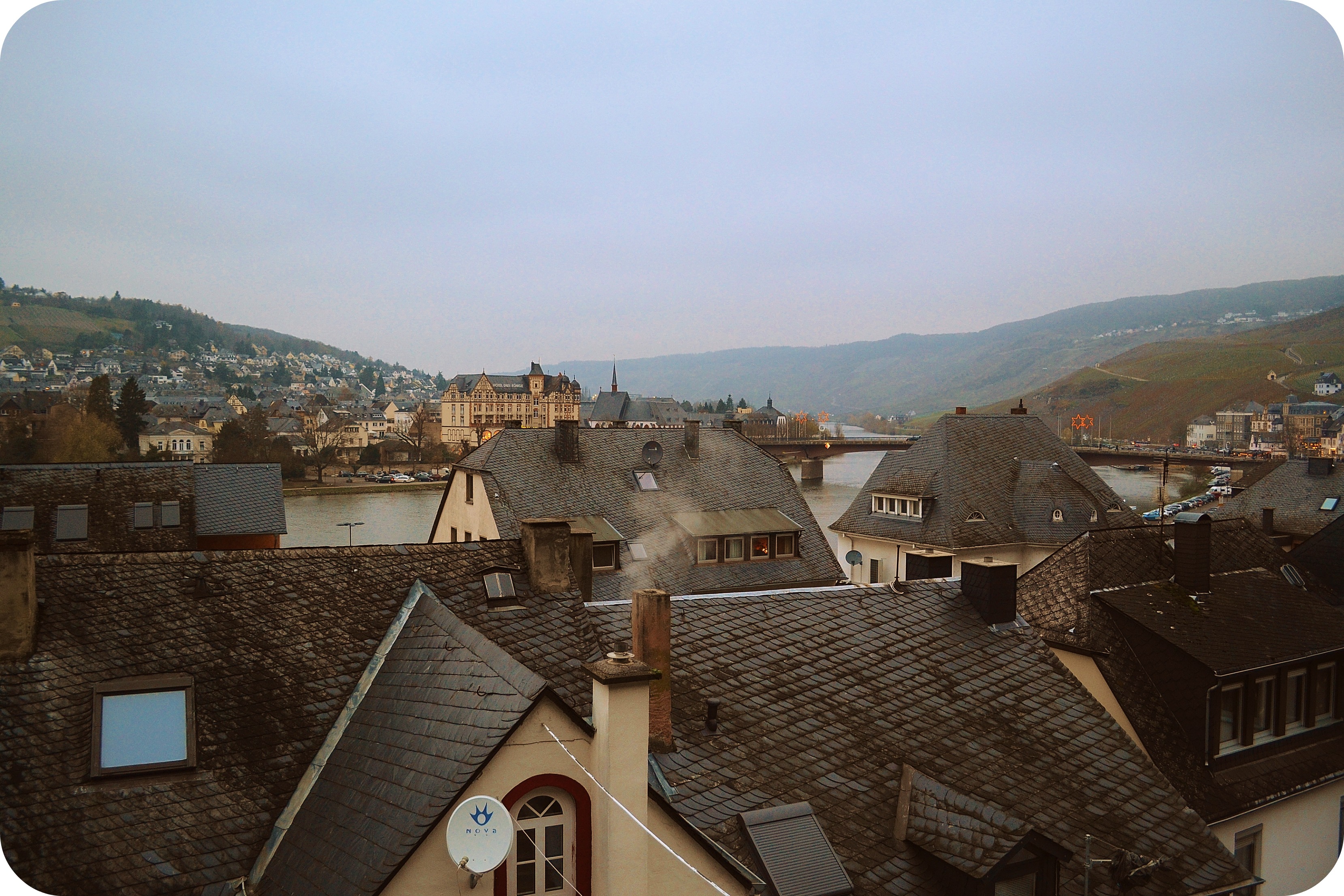
And, just in case Santa is reading, please don’t forget this neighborhood:
And, one more note:
 Travels and Tomes: One Expat's Amblings and Ramblings