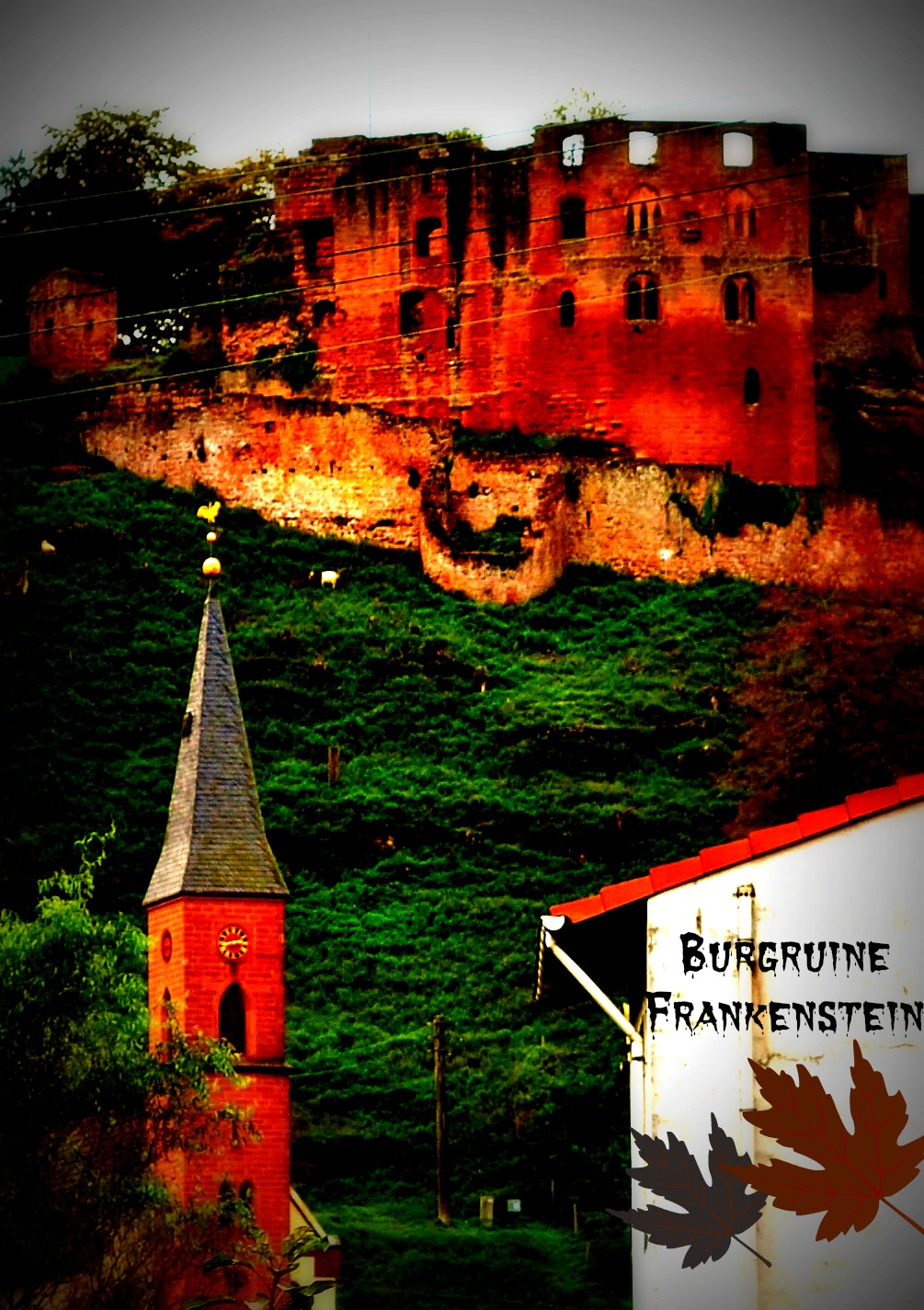
In Praise of the Random… or, How I stumbled on Frankenstein Castle

frk castle

Sometimes days don’t turn out quite the way you planned.  And those unexpected things that crop up…well, in Europe, they can take an interesting turn.

A few days ago we hopped in the car to head off to a wine festival just 50 minutes away.  We went early with kids in tow, expecting to catch a little wine and food and a few rides for the kids, but not the raucous, full-on wine lover’s equivalent of Oktoberfest.  “Fest-light” was our goal.

What we got was “Fest-Ultra-Light.”  It seems we arrived the morning after the big parade, and the morning before the evening’s concluding fireworks gala.  The place was a ghost town.  A few other early risers were taking in the food and drink, and we had the rides all to ourselves.  Sure, there are advantages to skipping the crowds, but it felt like we’d missed the party and showed up for the hangover.  Hmmm…

The fest was a bit of a wash for us.

But that didn’t matter to me  because on our way over the river and through the woods to the Fest that wasn’t, we drove through Frankenstein village.  Are you listening?  We drove through Frankenstein Village!   Who knew?DSC_1037 - Copy
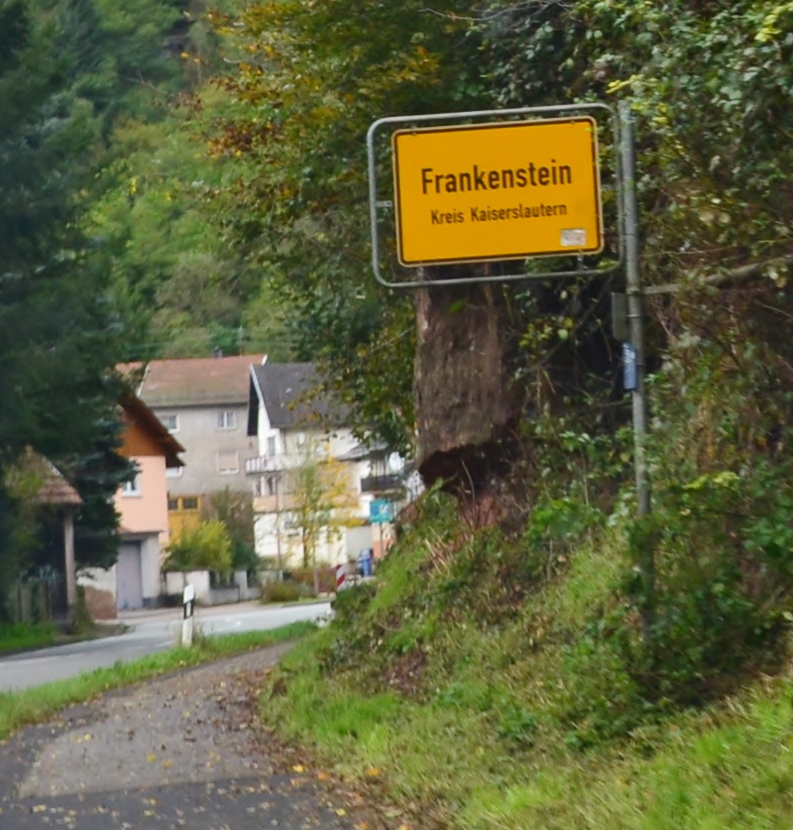
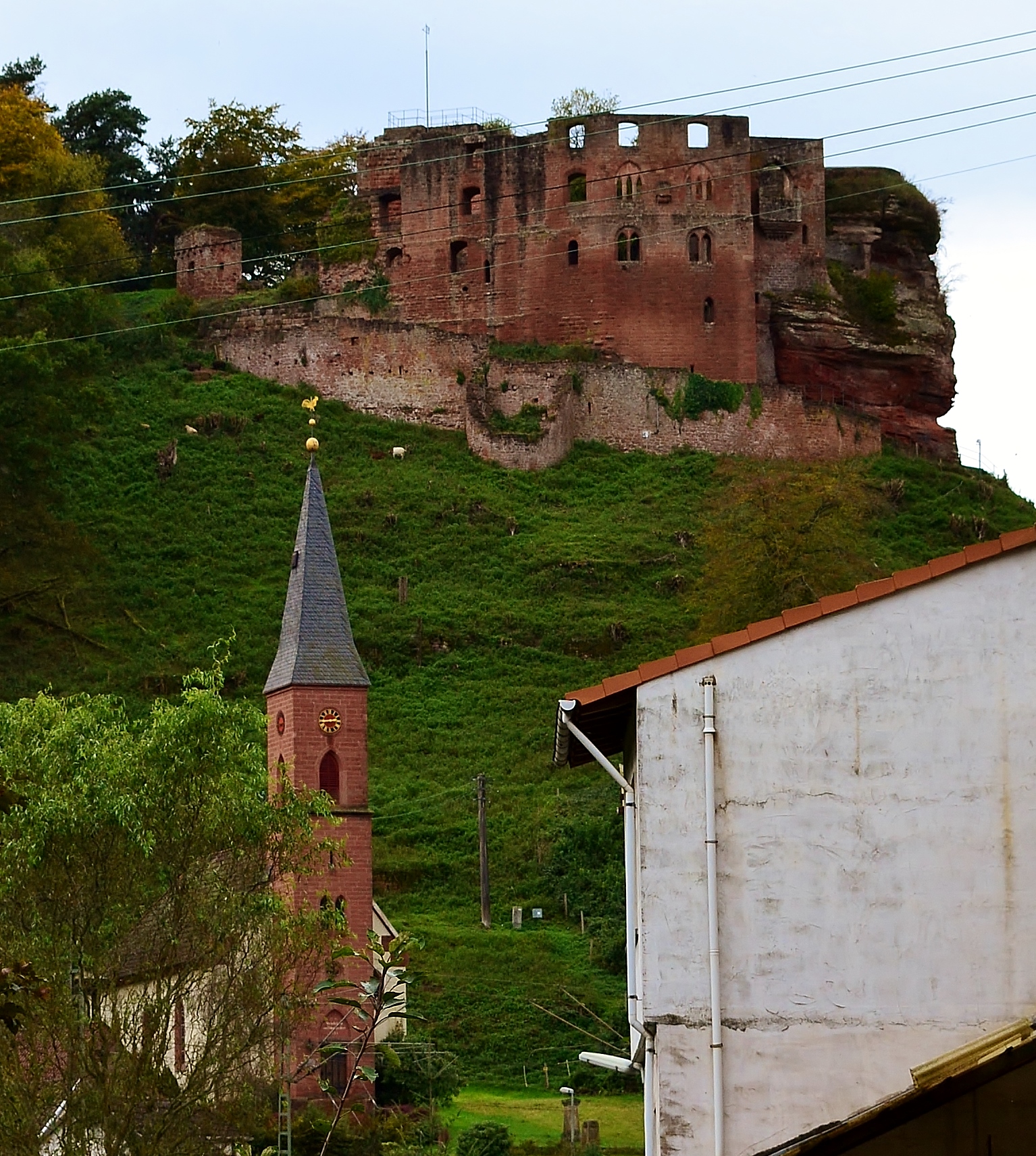
This humble village lies on a winding road, cozied in tight between hills and streams, high trees, and old homes.  It is close to Durkheim and Speyer in the Palatinate Forest of Germany.   And as we drove through the Palatinate Forest, the fog just beginning to lift, the road twisting  us until we were dizzy, we saw a flash of sign reading “Frankenstein,” and then looked up to see this:
DSC_1042

If that isn’t a great October morning eye opener, then there’s no such thing!   You can keep your tootsie rolls, candy corn, and bit-o-honey–I’ve had my Halloween treat!!!!

(But I’d still take some wax lips, if you’re handing them out. . .)

Here are a few notes on Frankenstein Castle:

*It dates from the 12th century, and was under the administration of the von Frankensteins.

*It lies on a strategic outcropping, began as a fortified tower, and was added to and then damaged in many skirmishes from the 1200’s through the 1500’s.

*The castle is presently more of a ruin than a castle, but it’s now owned by the Rhineland-Palatinate state and some foundational restoration has been done.

**HERE’S THE THING: A lot of confusion arises because there is another, more intact, castle near Darmstadt (in Muhltal) that bills itself as Frankenstein Castle.  It seems likely that it was an inspiration for Mary Shelley’s story.  A man named Dippel was born in that castle, and stories surrounded Dippel and his claims to have created an oil that was an “elixir of life.”   An earlier owner of this house was the founder of the Barony of Frankenstein, but now this castle hosts Halloween parties and capitalizes on the Frankenstein tale.   Both castles, however, trace back to the Frankenstein name.

Ultimately, the name Frankenstein was chosen by Shelley for her fictional tale.  If it took these German rumors or atmosphere as its starting point, that’s great, but Shelley was the doctor who breathed  life into the story.

Maybe the inspiration struck her on the way home from a wine fest.   Maybe.


One more photo for you.  This has got to be one of my favorite sign-clusterings.  Ever.
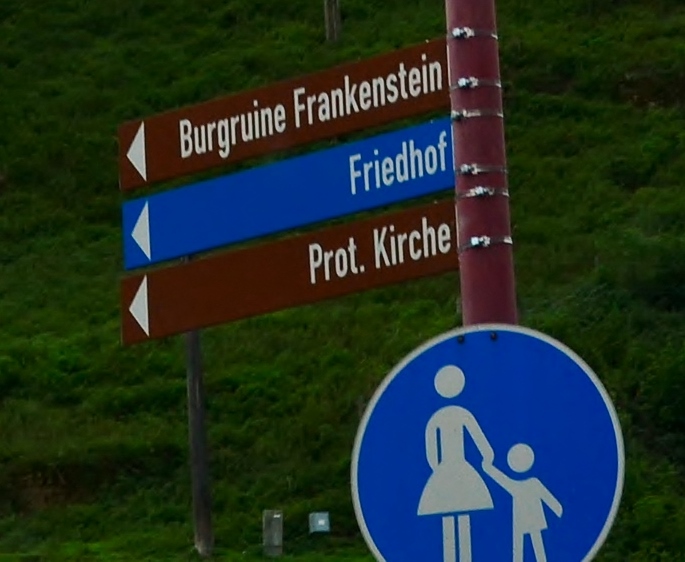
DSC_1045 - Copy Frankenstein’s Castle.  

Cemetery.  

Protestant Church.  

Pedestrian Path.

Because what pedestrian wouldn’t want to walk past the church, the cemetery, and Frankenstein’s Castle ruins as dark falls?
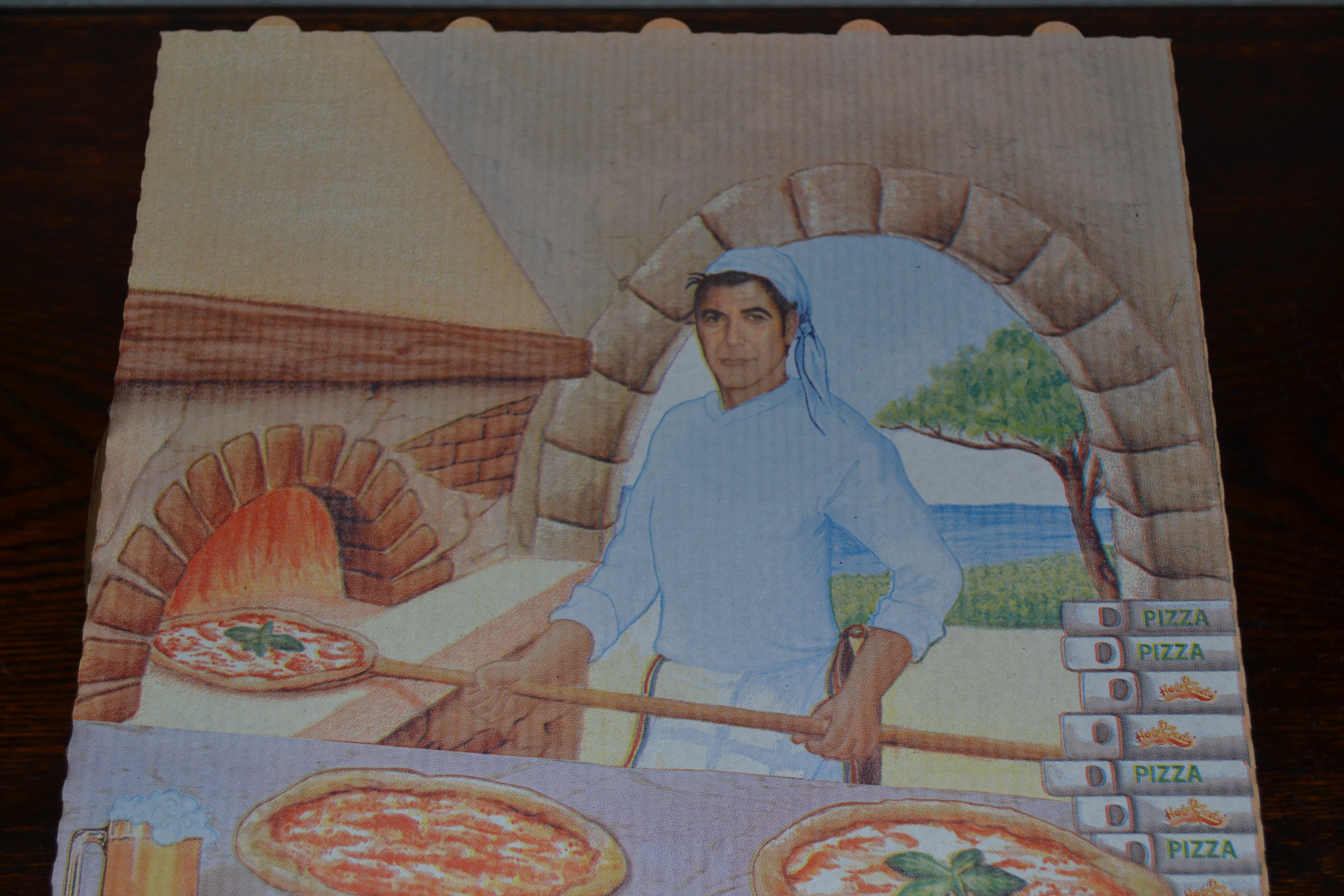
George Clooney Flips My Pizza . . . this is not a euphemism

…or maybe it is.

DSC_0494

Another reason to LOVE, love, love Germany:  apparently George Clooney has taken a second job spinning pizza pie around here!   You heard it here first!

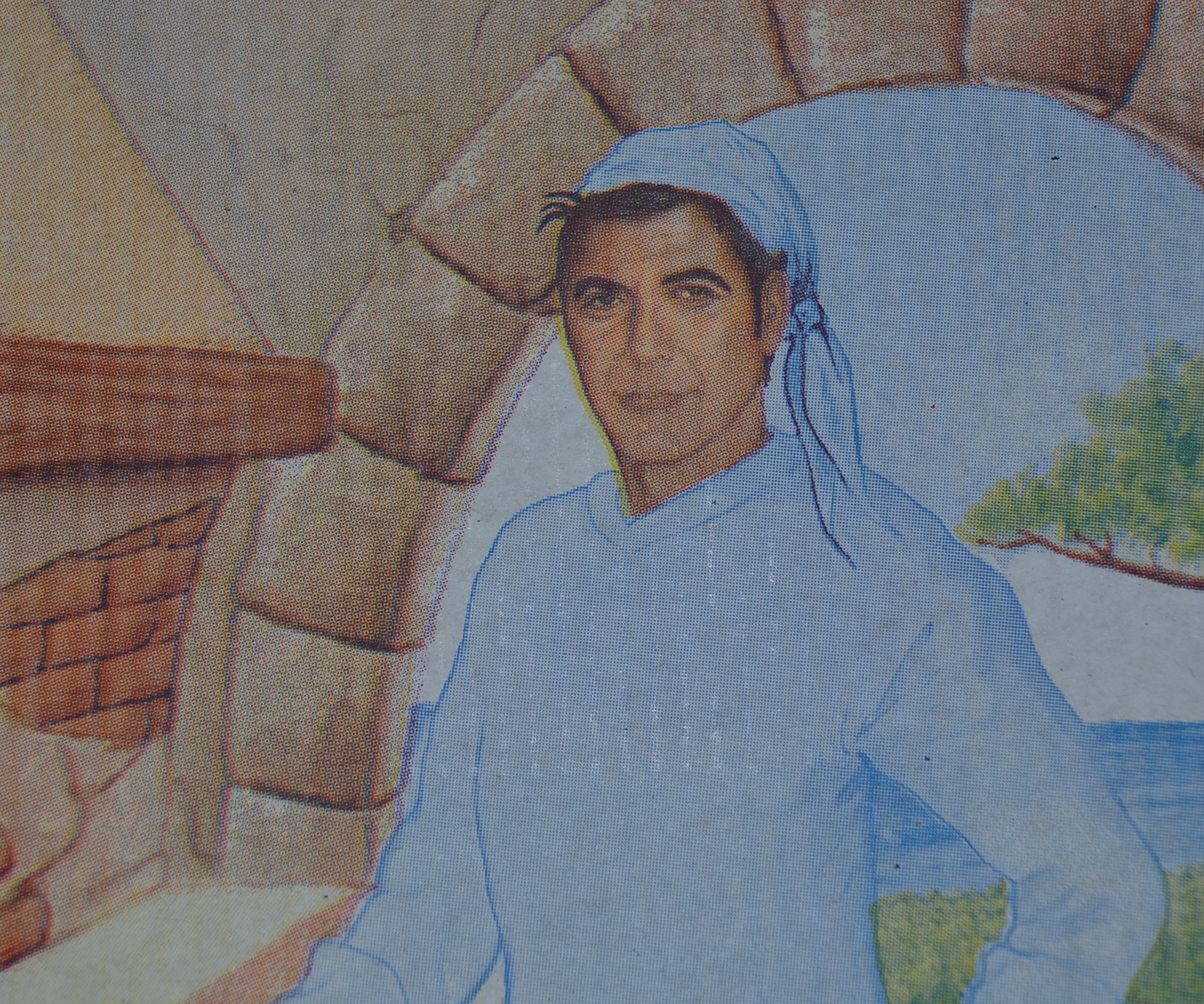
Proof below= a close up of the take home box for our pizza.  (If I’d known it was made by the loving hands of George Clooney, I’d have eaten it all.)

So there you go:  a travel tip you won’t get in any Let’s Go or Rick Steves book.  Glad I could be of help.

He looks adorable in a head kerchief.  Who knew?
He looks adorable in a head kerchief. Who knew?


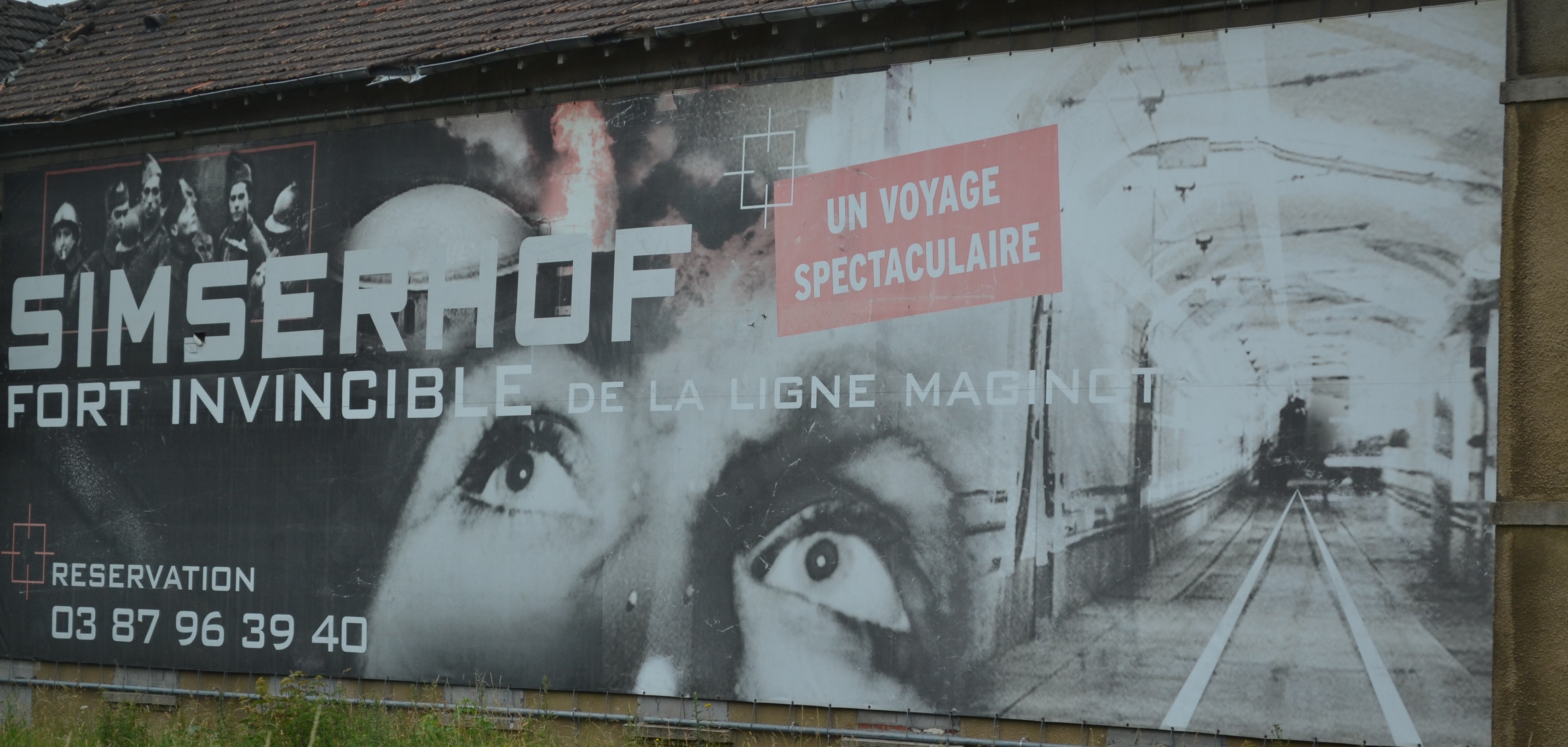
Lines Were Drawn: Simserhof and La Ligne Maginot


DSC_0393 - Copy


You have to draw a line somewhere, right?  And we’re a funny species…we draw lines everywhere.  But lines, once drawn, just ache to be crossed.  I’m not excusing this conduct, I’m just saying it seems to be a pattern of human behavior, or human misbehavior anyway.

So when you build a massive defensive fortification on your country’s border–though it may be a project of mind-boggling innovation and preparation, though it may seem impenetrable–well, it just seems like pressing your luck to call it The Maginot Line.   You are just begging for trouble.

But, of course, no one had to go begging for trouble in Europe in the late 1930’s.  Trouble sat on your doorstep with a capital T.   And I’m sure all of France slept better at night knowing that  the Maginot Line held its eastern border safe when the Third Reich escalated its rumblings in Germany.  Slept. . . until the rumblings got louder and louder.  Until countries to the east fell: Austria, Czechoslovakia, Poland.  Then the north: Norway, Denmark.  The border:  Belgium.    Until the line did not hold.

For the most part, our local expeditions these first two weeks in Germany have been uncomplicated:  vintage car shows and pastry shops. . . and more pastry shops.  Mindless, sleek, or sugar-and-cream-filled offered a nice counterpoint to the stress of the frantic first two weeks: jet lag, radical re-orientation, frantic house hunting, and a litany of drivers’ tests, briefings, and meetings.  But as life is beginning (just  beginning) to normalize, it seemed time to pull our heads out of their eclair-induced stupors and really SEE something.  And the first something that we really ventured out to see was pretty heavy stuff–perhaps not so much as a statement of gravitas on our part, but just owing to proximity and rainy weather.

We ventured just over the French border to Simserhof, to tour a fabulously intact section of the Maginot Line: a series of  unfathomably huge underground fortifications that were built  to defend the French border from the sort of threat that had manifest itself in the nightmarish realities of World War I.

DSC_0395
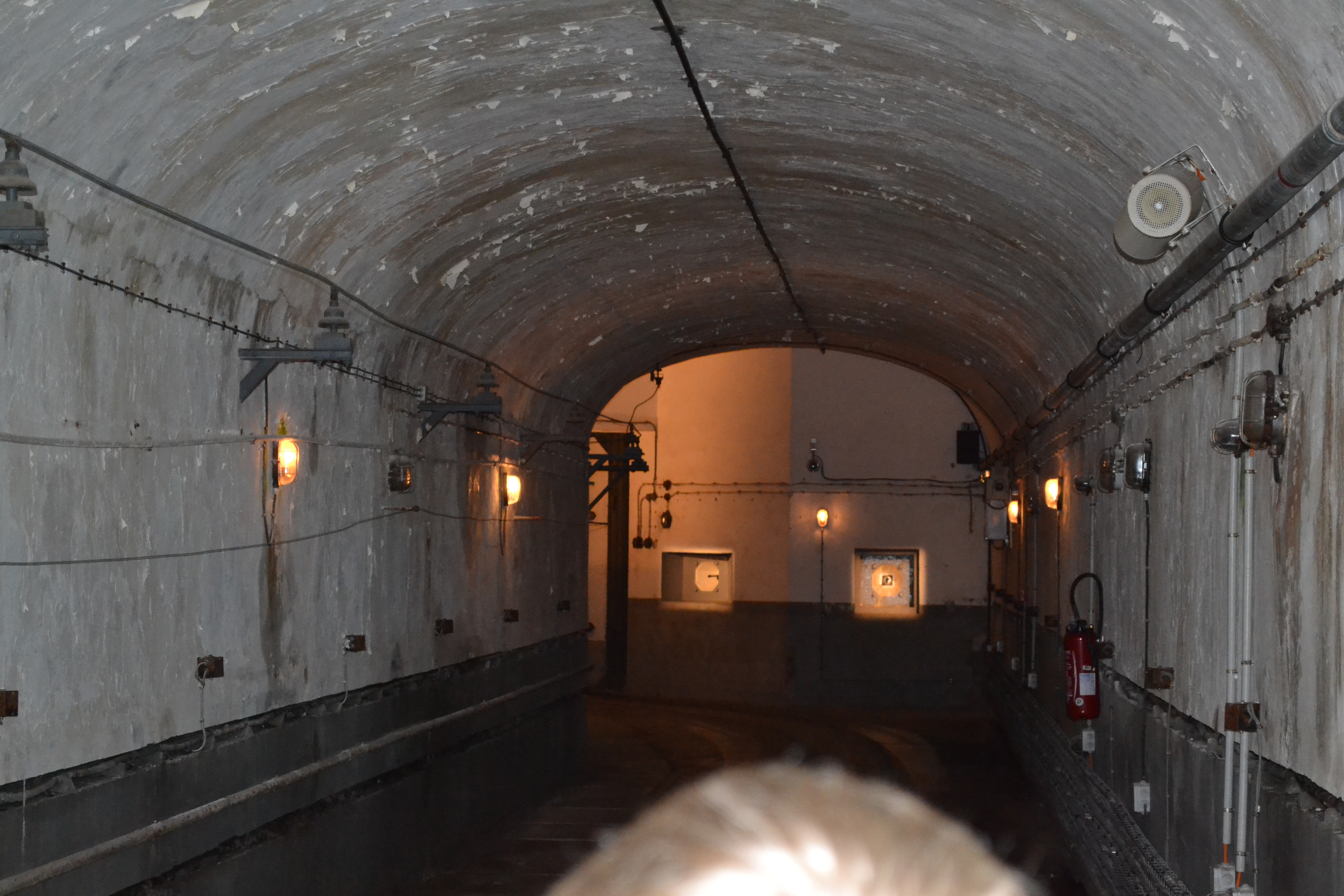
A tunnel into the living and working areas underground at the Maginot’s Simserhof location.

For all of the brilliance of these fortifications–and they are truly amazing–the battle that arrived at their doors was not the First World War’s long drawn out trench warfare, but some new beast.   Where “the line” was static and uber-hardened, the blitzkrieg was fast, arguably  precise, and offered an element of surprise.  And surprises abounded: many thought the Ardennes Forest of Belgium was impassable to German tanks.  Mistake.  The Ardennes proved passable, and because of the break in Maginot line (it did not run along the border of Belgium), the Germans simply came around the fortifications.

It doesn’t pay to judge: hindsight is always 20/20.  But foresight is harder won.  (It’s true in our national foibles, and it’s true in our individual lives.  Personally, I’m questioning the decision to buy an entire box of eclairs at Cora Market in France–it’s calling to me as I drink my morning latte and just begging to be polished off before lunchtime.  Ouch.)

I wish I had taken more photos inside the facility, as it was fascinating and extravagant— not in it’s lavish interior (the interior was austere) but in the audacity of its scale and hopefulness.  It is like a military base built underground–with weapons and munitions, electrical generators, a “trolley system,” a filtration system for gas attack defense, multiple levels and elevators, chow halls and a modern (for its time) kitchen for officers, a pantry stocked with wine and cheese, bunk rooms, a state-of-the-art infirmary, etc.  It was optimistic:  after the hellacious First World War, this facility contained the hopes and promises of a secure border and a fighting force that could be effective from the shelter of a secure and dry “trench” stocked with coffee and wine, with relatively warm beds, with fresh air to breathe, full bellies, dry limbs, etc.  It was a desirable set up, but flawed.  War is a trickster and a shape shifter, and the Maginot Line was inflexible.

DSC_0390 - CopyI didn’t take more photos because my hands were shoved into my pockets and shaking.  This underground facility is very cold!  Our walking tour lasted maybe an hour, and the chill had plenty of time to seep into my bones.  If one hour of subterannean life and lack of sun can do this to you, what would it be like to be underground for months on end, even without a battle raging above and around you?  Mmm, I shudder just thinking about it.

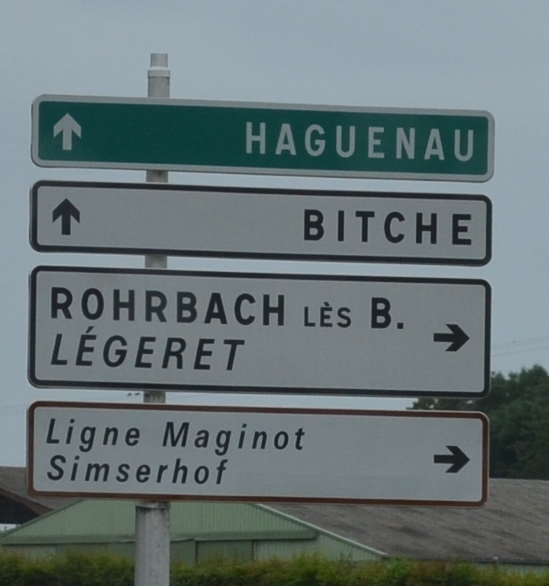
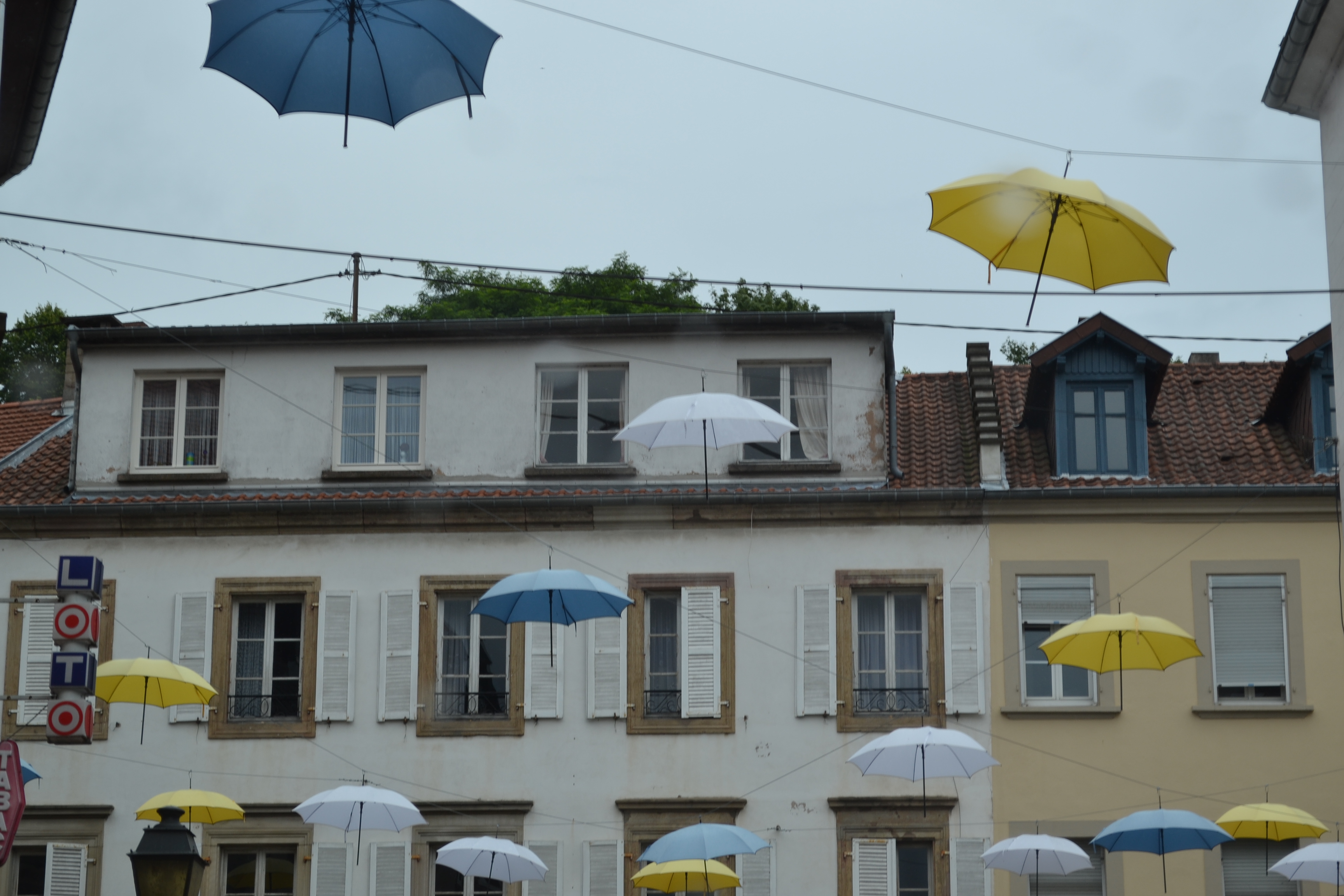
It’s a somber subject, but a fascinating place to visit.  Simserfhof is located in Northeastern France, near Bitche (yes, Bitche)  just over the border with Germany.  Bitche offers it’s own sights to see–most notably its citadel on a hill.  It was too rainy for us to tour the Citadel yesterday, but we drove through the town on our meandering way back home, and were delighted to see the following art above one of the town’s squares.  A little levity was just what we needed as we left the Maginot Line and planned our own attack on the pastry counter of the Cora Market.

DSC_0408


I Capture the Castle: update on “Househunting in Germany”

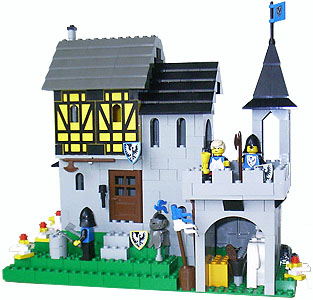
lego castle


Jinkies!  We’ve just rented a Scooby Doo house!  It’s big, beautiful, and spooky looking on the outside.  It’s charmingly ivy-strewn.  (Is there a synonym for “strewn” that also implies overgrown?)  The floorboards are definitely creaky. The staircase is winding and fits just inside an exterior wall that looks like a castle turret from the outside.   The overall effect:  it looks and sounds like a little red stone castle.

Maybe this sounds awkward and gaudy, but it’s not–just a cool, old house.  It was built around 1900, and it’s a timeless beauty.  (The bathrooms, on the other hand, are most definitely dated.)

The kitchen is the size of a postage stamp (a large postage stamp, thank you), but Dorie Greenspan (she of the Bon Appetit and cookbook fame) also works in a tiny kitchen, so let’s call this chic.  Cozy and European?   Petite and inspired?  Okay, just petite.  But the dining room, my friends,  is spacious and gracious.

It’s hard to give you the full effect without a photo.  I wanted to post a photo, but my kids have reminded me that we we have a rule:  don’t go online and tell people where you live.  There will be hell to pay if I break a rule that my kids have very responsibly upheld.  So no photos for now.   But mark your calendars:  Halloween party at my house this year!  We provide the Scooby snacks.


House Hunting in Germany at a Distance, aka Mission Impossible

If you are considering house hunting at a distance–a considerable, oceans-apart distance–just stop right now.  It is impossible.  We’ve spent weeks trying to do the same.  And we should have known better.  We did this years ago before moving to England, and I found the perfect house.  A beautiful, stately, Victorian row house that was huge and elegant.  We didn’t put the money down, but we booked an appointment to see it within a day of landing in the UK.

What we saw online looked vaguely  like this:

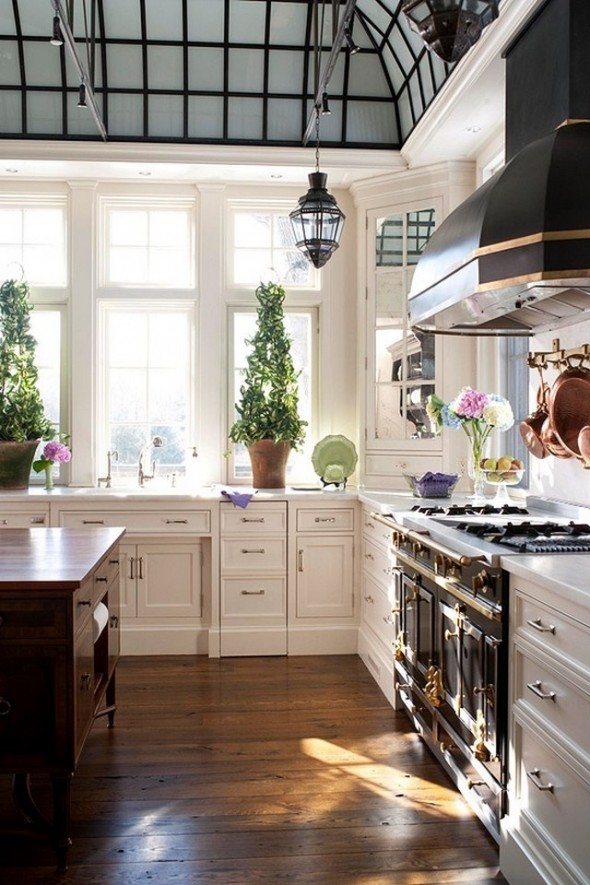
classic brit kitchen


And the angels sang.

What we saw in person looked more like this:

classic brit kitchen


Only smaller.

(The angels broke into a mournful dirge while I wept.)

It was still adorable, but any hopes of getting our four poster bed through the front door were futile.

Nevertheless, we’ve tried to peek at houses online again before this move to Germany.  Just to get a feel for what will/won’t be out there.  We’ve been told that the housing market is tight where we are moving.  We’ve been told, leave furniture at home, the houses are small and there are no closets.  We’ve been told, no worries, there are plenty of large, great houses.  We’ve been told dogs are no problem.  We’ve been told dogs may be a problem.  The sky is blue; the sky is orange.  Take your pick.  It’s truly impossible to do this at a distance.

Nevertheless, we look at online ads.

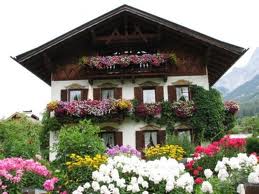
Here’s what we hope to browse through:

Adorable!
Adorable!


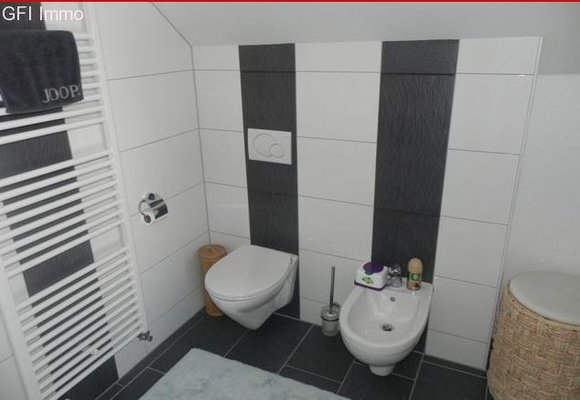
But you wouldn’t believe how many German sites post mostly these photos:

german bathroom


This worries me only slightly less than it baffles me.  If the owner is proud of his bidet, I’m happy for him.  However, I can’t understand why we are shown so many bathroom photos and so few living room photos, so few exterior photos.  Does that famous German orderliness beget a national obsession with bathrooms?  I’d rather not think about that.  And I’m sure there is a simple, and more appealing, reason for all of these bathroom photos.

My theory:  it’s a sign from God that house hunting at a distance is a potty-brained idea.  *Sigh.*

So, here’s the plan.  We wait until our feet are on the ground in Germany in mid June, and we scramble as fast as we can to find a place.  It’s worked for us in the past–here’s hoping the luck holds.