You and I tend to know February 2nd as Groundhog Day, but it’s been a festival day for a long time, and its roots go back deep into the calendar of the Christian church, and far deeper still. The day marks the midpoint between the winter solstice and the spring equinox, so it’s considered the beginning of spring, or at least (if you live where it is still remarkably cold, like I do) the tipping point where winter and dark begin making way for warmth and light.
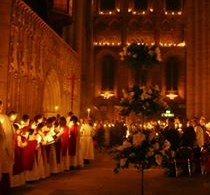
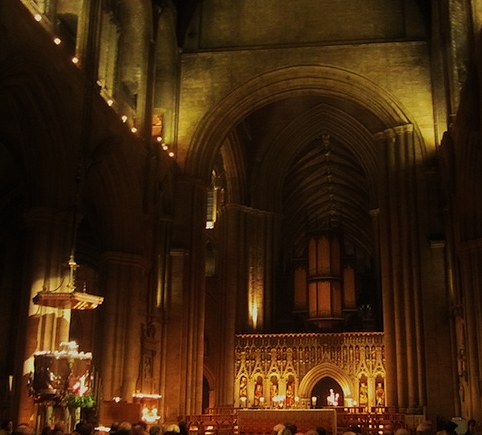
Candlemas is rarely observed in the church these days, but our old hometown of Ripon, England still honors the day. The cathedral hosts a Candlemas service in the evening, and the cathedral is lit by thousands of candles. To clarify–it is lit by thousands of candles only. It is brillliant. The first time I walked into one of these services, my children in their winter pajamas (they were young, and it was late and cold out), we all gasped and immediately whispered “Harry Potter!” This is the best way I know to describe the look of the cathedral to a Candlemas novice or a wizard fan–think of Hogwarts’ great hall and its floating candles. In Ripon Cathedral, the thousands of candles are set around the edges of the ground, in the clerestory ledges, and in every shelf and cubby along those ancient stone walls. They appear to float and rise. It’s heady stuff, and it’s one of the most beautiful sights I’ve ever seen.
The Ripon Cathedral website posted the following blurb about Candlemas last year:
Candlemas is one of the most ancient feasts of the Church, and occurs 40 days after Christmas, on the 2nd February. It is also known as the Presentation of Jesus at the Temple, in reference to the episode in Luke’s gospel (2:22-40). This ancient festival has been celebrated at Ripon for centuries. A visitor to the Cathedral in 1790 declared that the whole building was “one continued blaze of light all afternoon”. This year, the Cathedral will once again shine with the light of thousands of candles, symbolising Jesus as the light of the world.
It’s good to know that, dark and cold as it still is (whether we are speaking of the weather and season, or of world events), we can look to a tipping point and the hope of spring. (Even if Punxsutawney Phil is right and the next few weeks will be chill, spring must come some day.) It is also good to know that, in a world of cultural globalization, where McDonalds is edging its way into every corner, you can still stumble on those few enclaves where something ancient, unusual, and beautiful will make you catch your breath. . . even if you find yourself whispering “Harry Potter” in the aftermath.
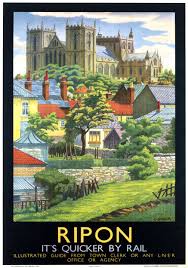
Ripon–you’ve heard the name on Downton Abbey. It’s a beautiful, small market city in North Yorkshire, England, and it was my home for four fabulous years.
Walking down Kirkgate toward the cathedral.
I’ve found myself backing up old photos this week, and feeling nostalgic about life in Ripon. It was ideal. My children were young and came to believe that they were actually Brits, accent and all. They attended British school, we spent our days in beautiful environs and living with a decidedly British/European sensability. We walked to school, to swim lessons, to church, to the grocery store; through rain, through snow, through days of unending summer sun or unending winter dark. We walked a few blocks out our front door in one direction, and we were in the market square; another direction, and we were in sheep pastures; yet another direction, and we walked the river banks. We enjoyed Michaelmas and Bonfire Night in the autumn, Candelmas in February, and Shakespeare performances outdoors all summer.
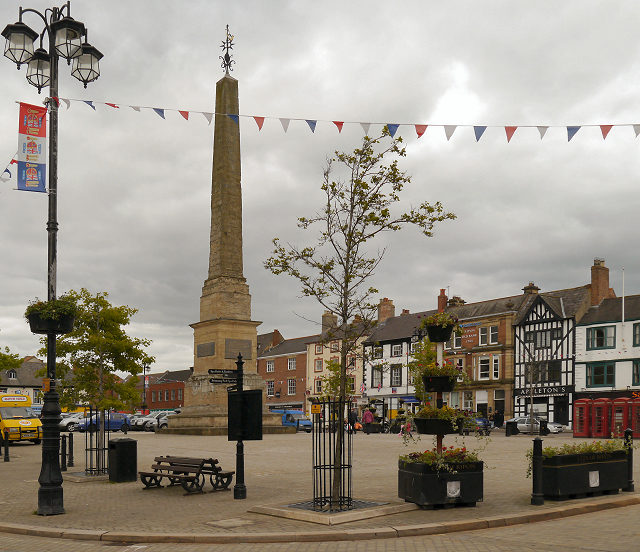
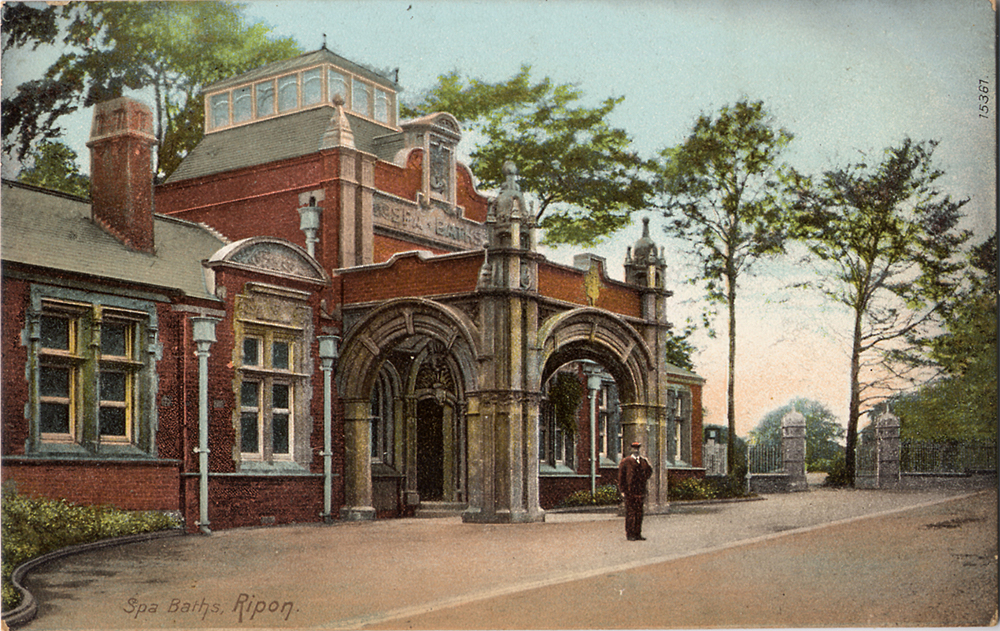
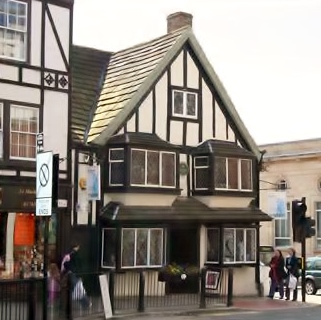
Ripon Market Square, Copyright David Dixon and licensed for reuse under Creative Commons Licence.Ripon Spa, where my children swam, and still largely unchanged a few years ago.Wakeman’s House
As a home base, Ripon was lovely. I think she’s equally engaging for the passer-through too. The market square is the center of town–literally and figuratively–and Daniel Defoe called it “the finest and most beautiful square that is to be seen of its kind in England.” If you go on market day, the space is bustling. You might enjoy coffee and scones at one corner of the square, in the old Wakeman’s House (which, I hope, still houses a tearoom. . .and possibly a ghost). The cafe there is fabulous, and the house is a landmark dating back to the 14th century, and once belonging to the last “wakeman” of Ripon. The wakeman set the town watch at night, meaning that he was the watchman, entrusted to keep the town safe from villians and marauders.
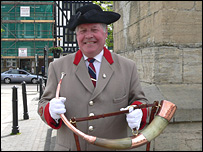
Ripon still observes the Wakeman’s Ceremony (dating back to 866). Each night at 9 pm, the town Wakeman strides to the center of the market square (by the obelisk) and blows his horn to let the people know that the night watchman
George Pickles, the Wakeman, photo courtesy of the BBC
is on duty to keep them safe. Of course, the town’s safety is in the hands of its police these days, but George Pickles, who performed Wakeman duties and set the watch while we lived there (and may still) did a fabulous job keeping the tradition alive and speaking with townspeople and tourists about the history of Ripon.
There is certainly history in abundance on show at the cathedral. The crypt dates back to the 7th century, and the cathedral to the 1100’s; the misericord carvings are said to have inspired Louis Carroll and Alice in Wonderland; and it’s one of the few places on earth that still celebrates Candlemas on February 2nd (thousands of candles, and candles only, light the cathedral to celebrate the purification of Mary, and also the halfway point between the winter solstice and the spring equinox–you know this day as Groundhog’s Day!).
Ripon Cathedral
If you ever find yourself in N. Yorkshire, near Harrogate, give Ripon a look. The walks are beautiful, the Workhouse Museum and Police Museums are interesting, and the people are fabulous. For pubs, I recommend The One Eyed Rat and The Water Rat. For dining, The Royal Oak, Lockwoods, and Balti House (right there on Kirkgate by the cathedral). I also recommend that you take me with you. Ahhh, I miss Ripon some days. . .
Saint Nick gets to see rooftops all around the world. The rest of us, not so much.
Here are a few rooftops from my corner of the globe.
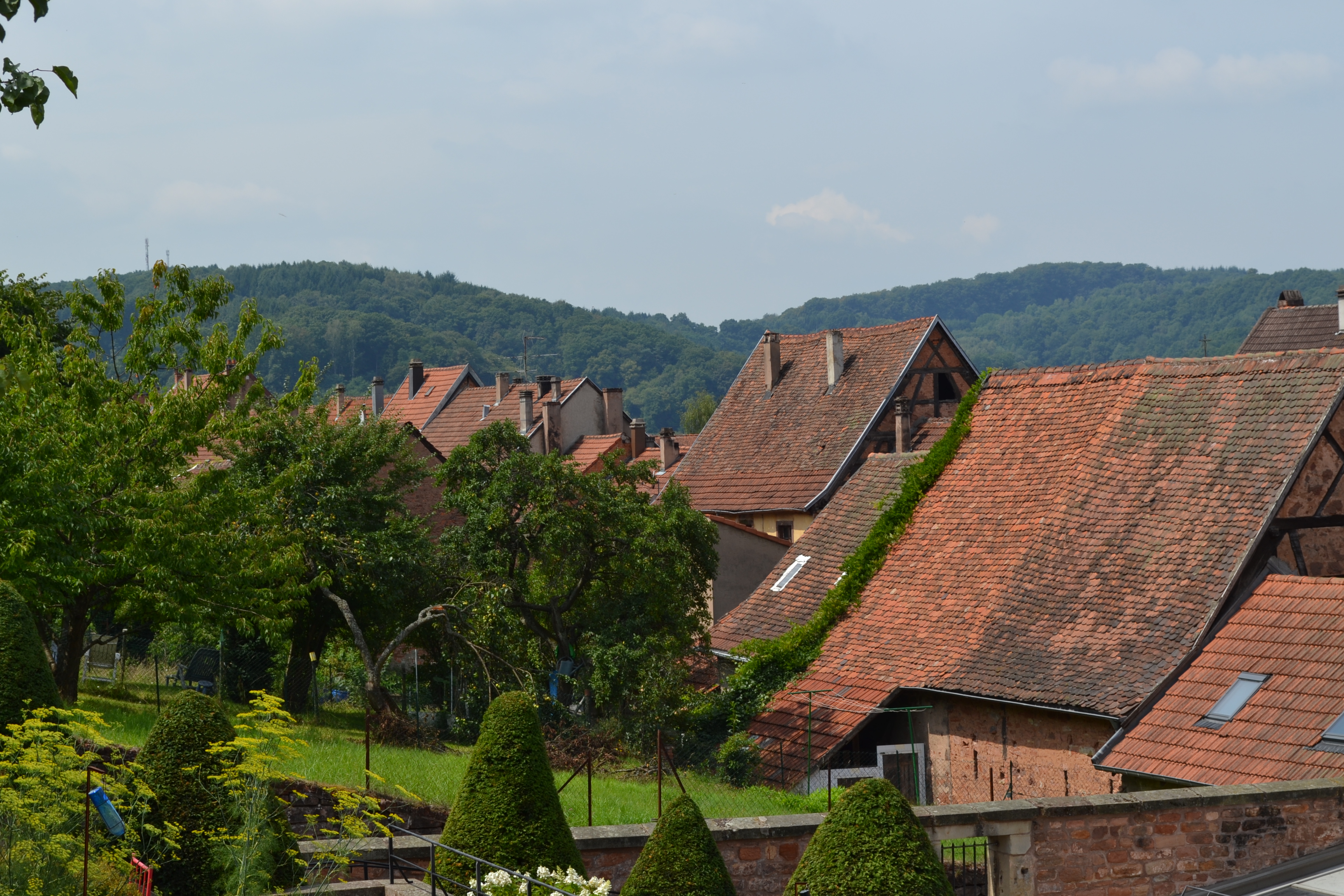
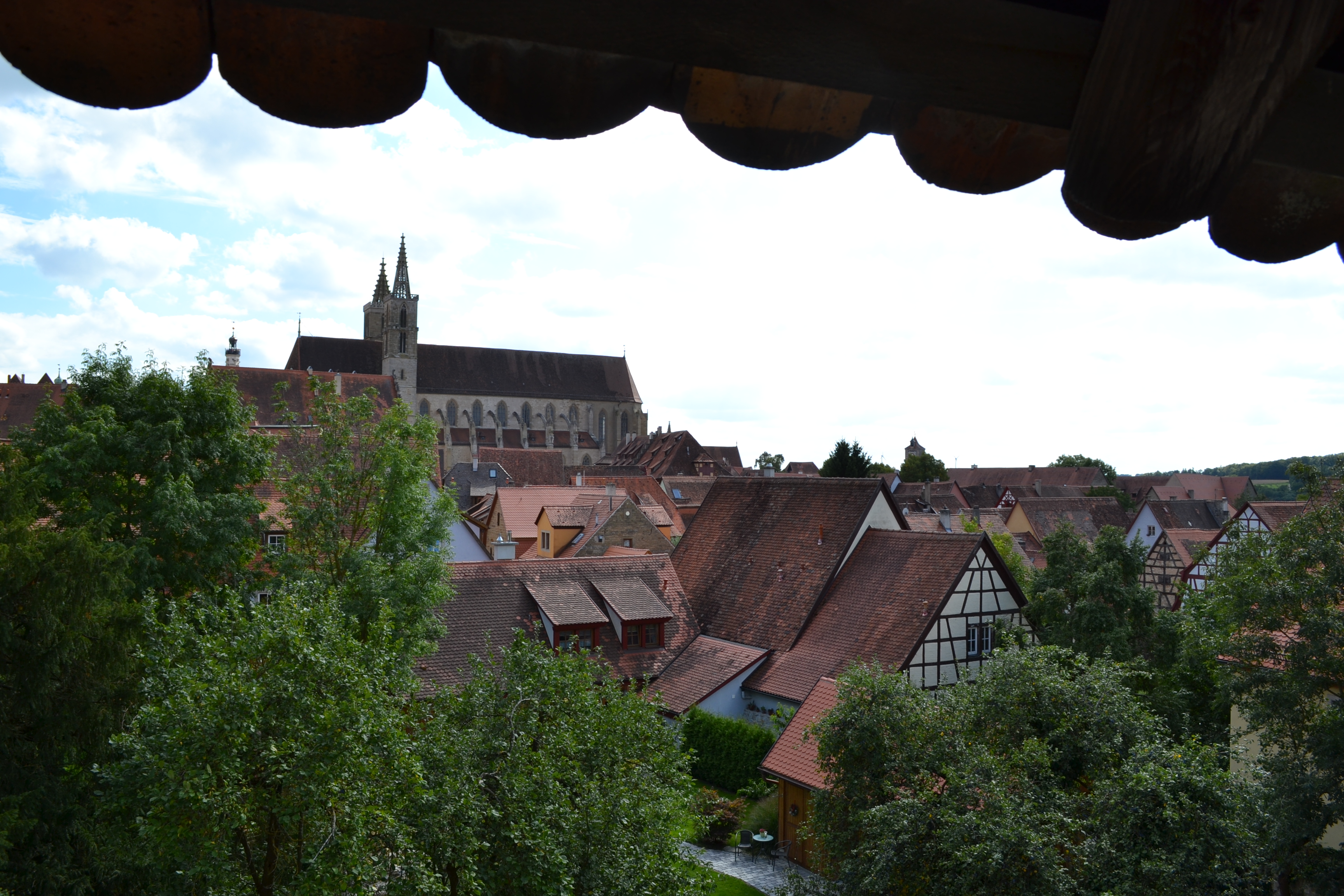
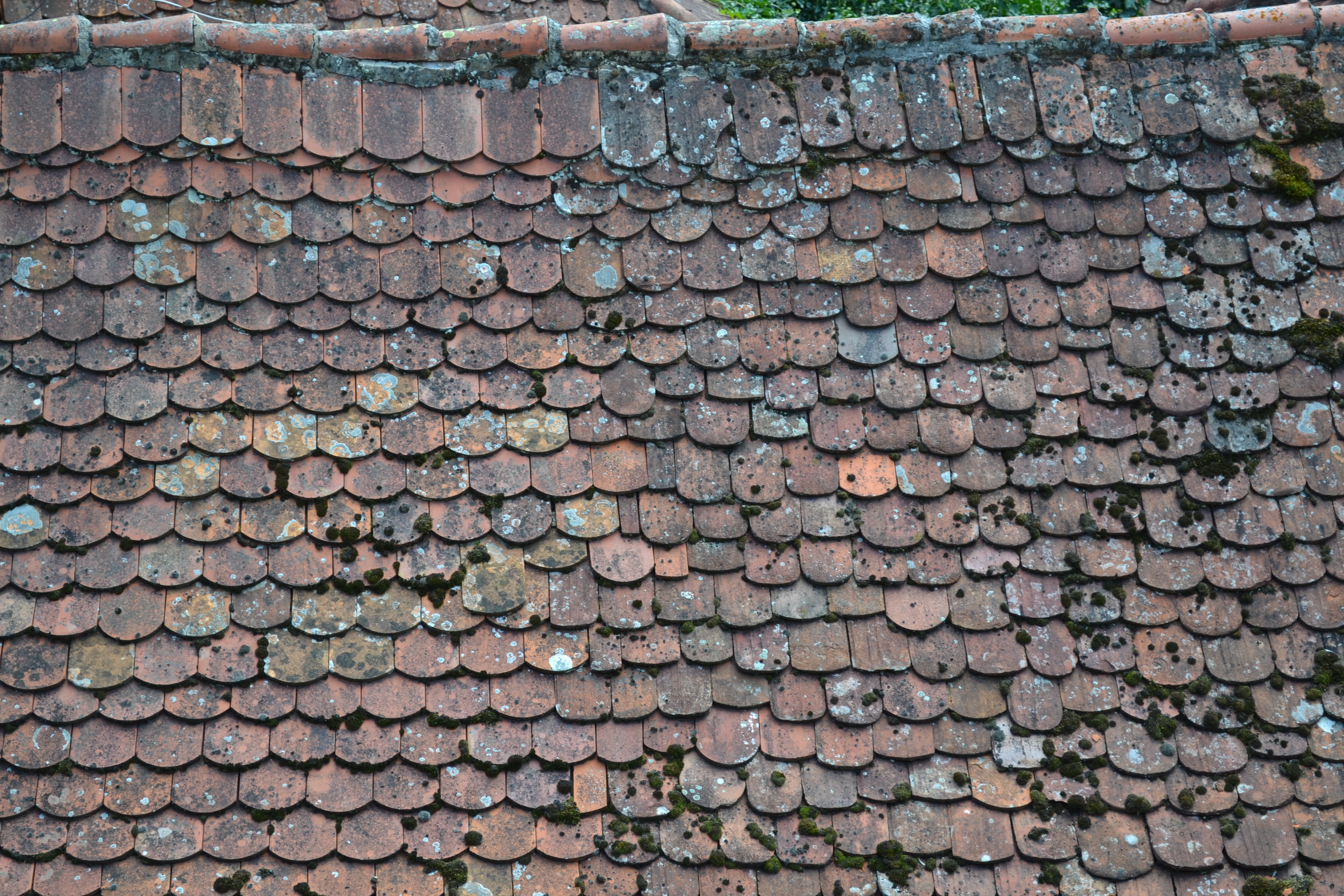
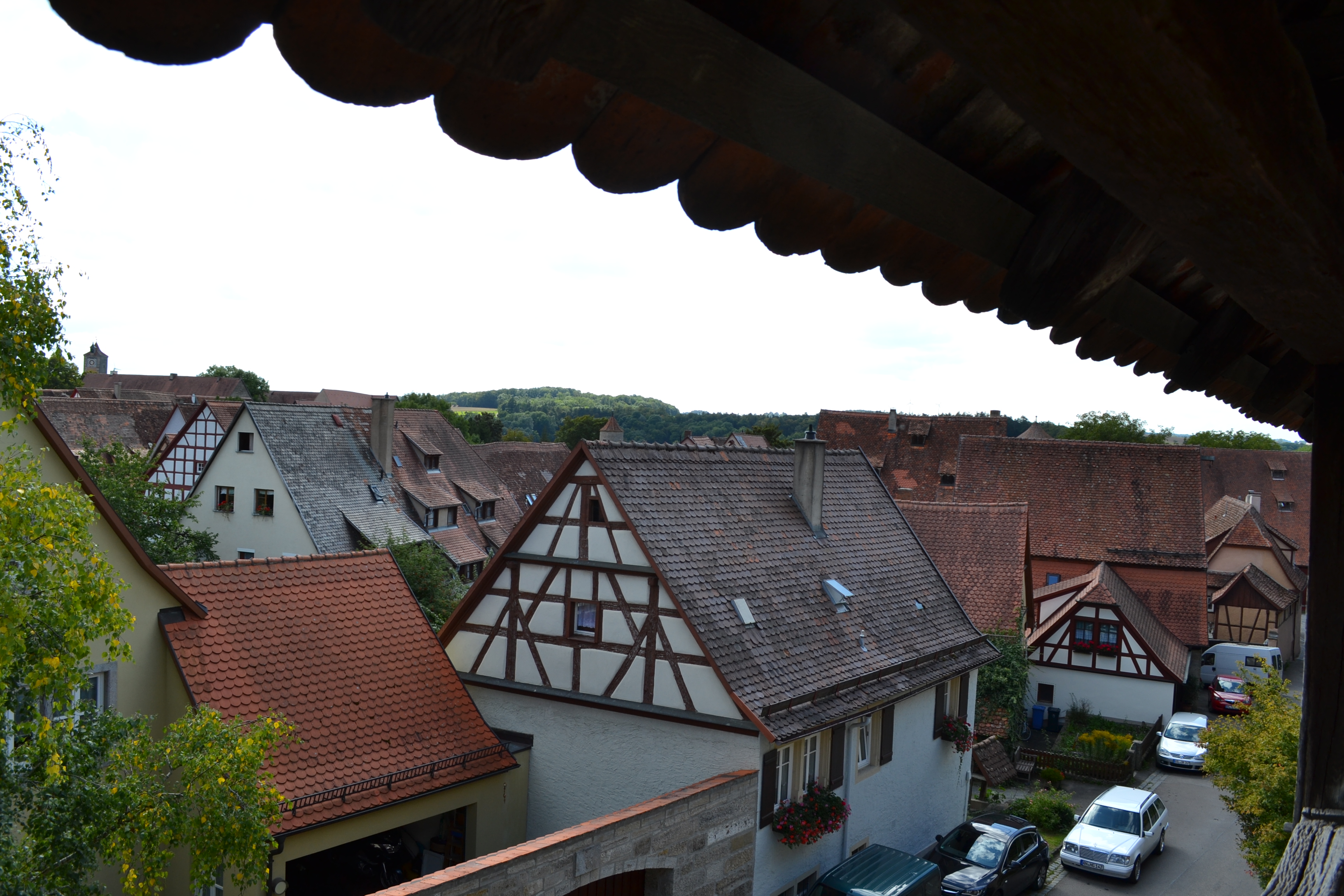
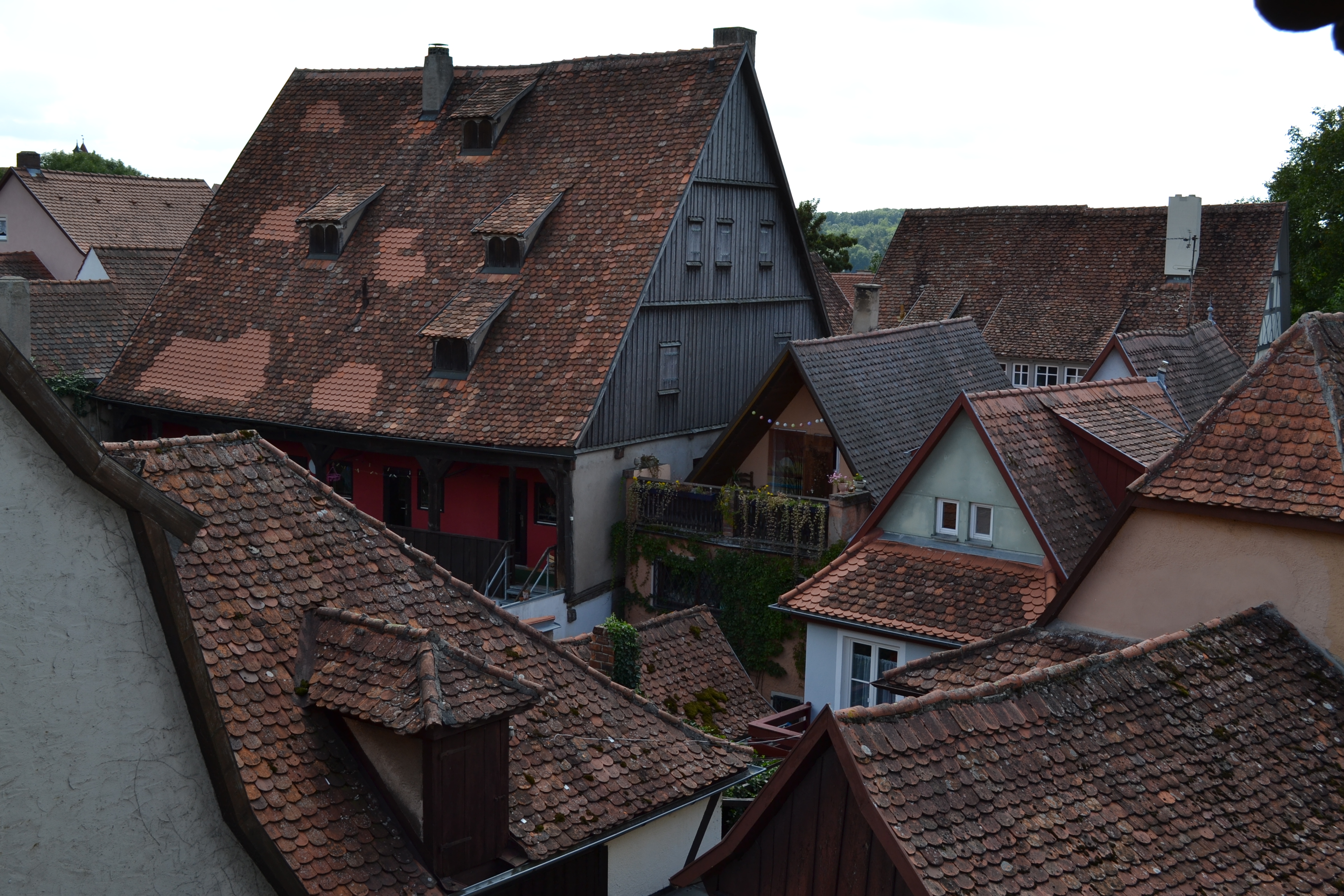
Rooftops of Bitche, FranceA few photos of the rooftops of Rothenburg ob der Tauber, GermanyRothenburg, beautiful “fish scale” roof–decrepit yet still sound
Rudesheim am Rhein, Germany, slate “fish scale” roof, 2014
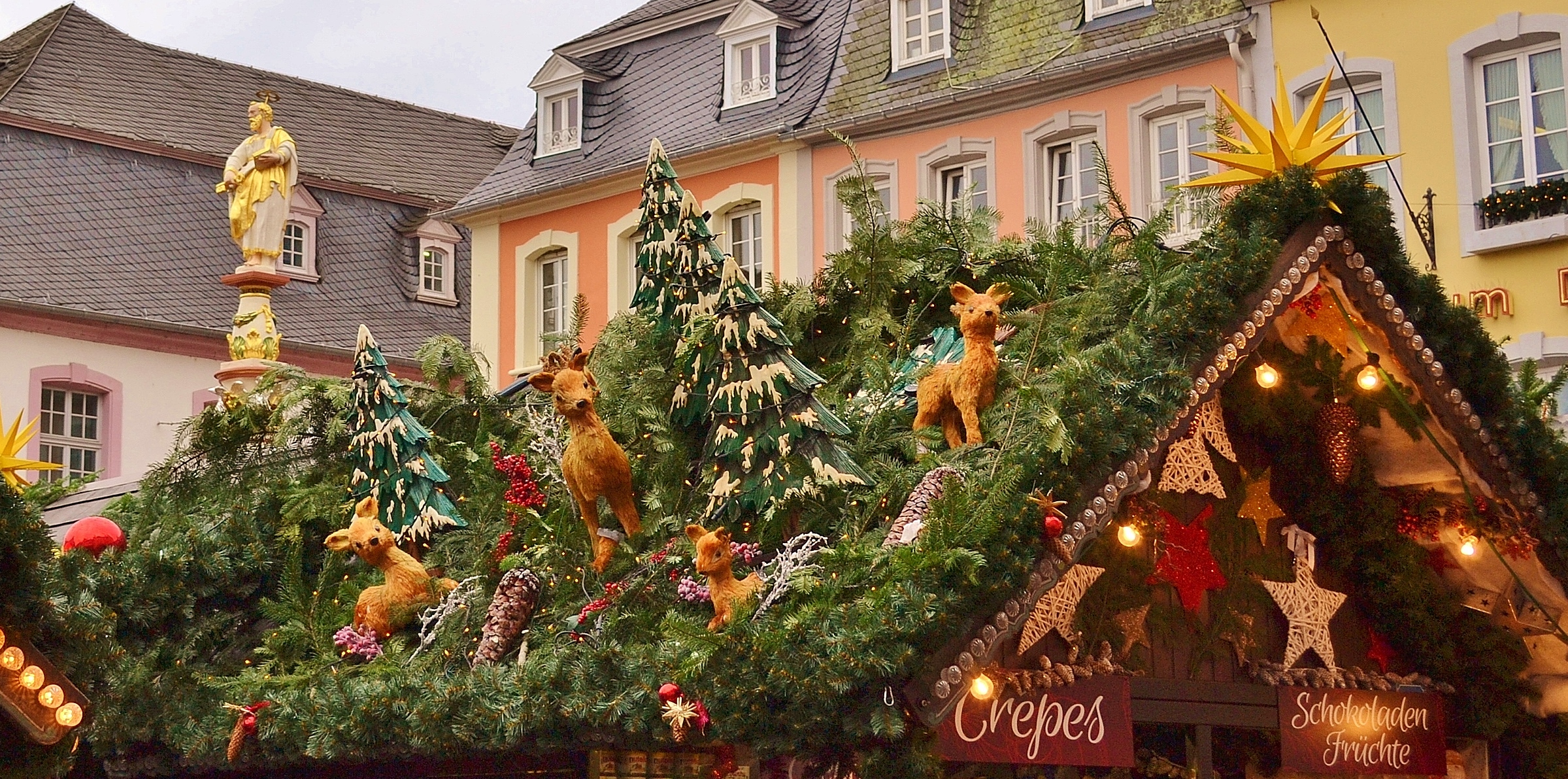
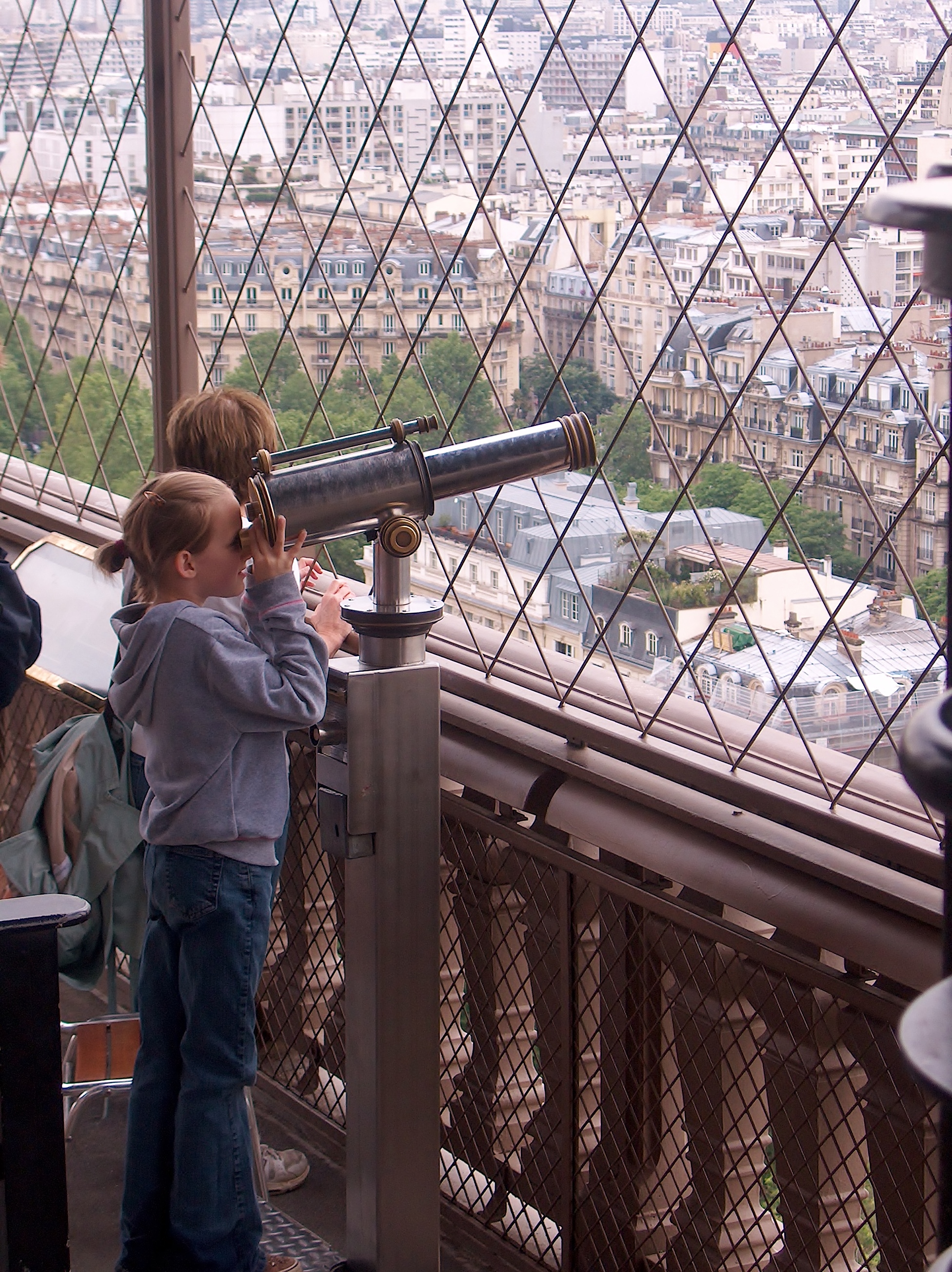
Rooftop at Trier Christmas Market, 2014Rooftops of Paris from the Eiffel Tower, 2008
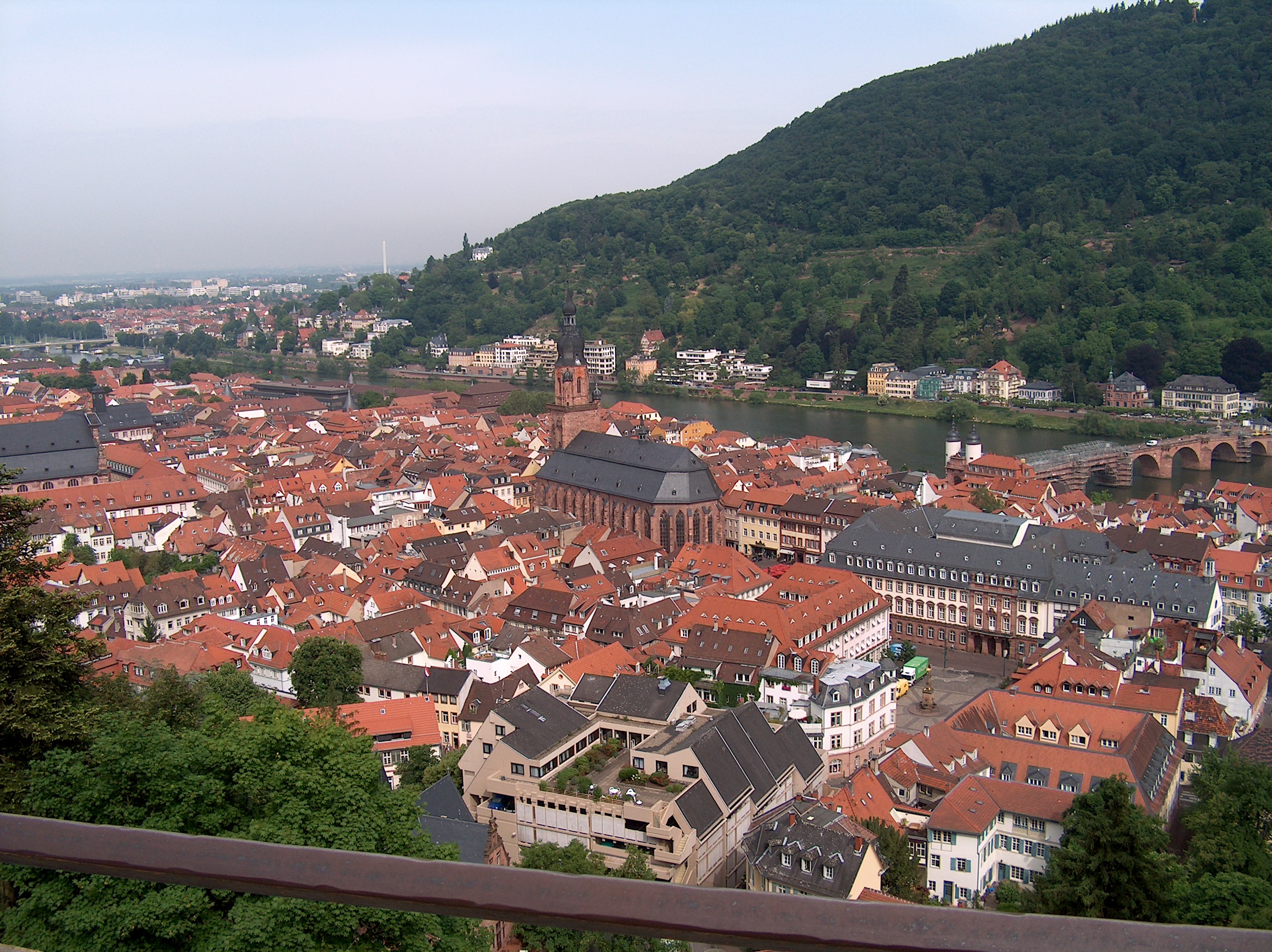
Rooftops of Heidelberg, Germany, 2008
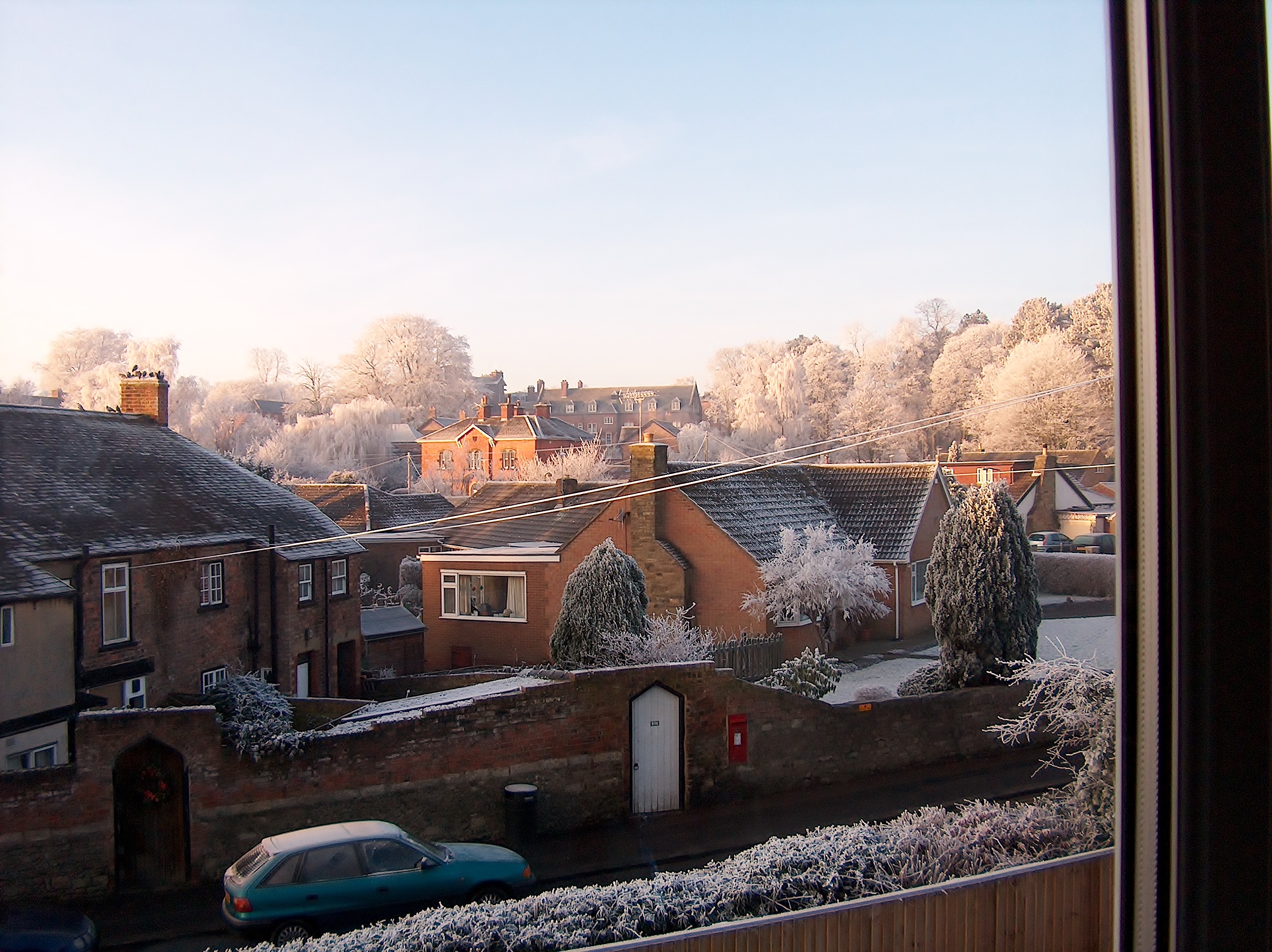
Rooftops of Ripon, England in freezing fog, 2008
Rudesheim am Rhein, Germany, 2014
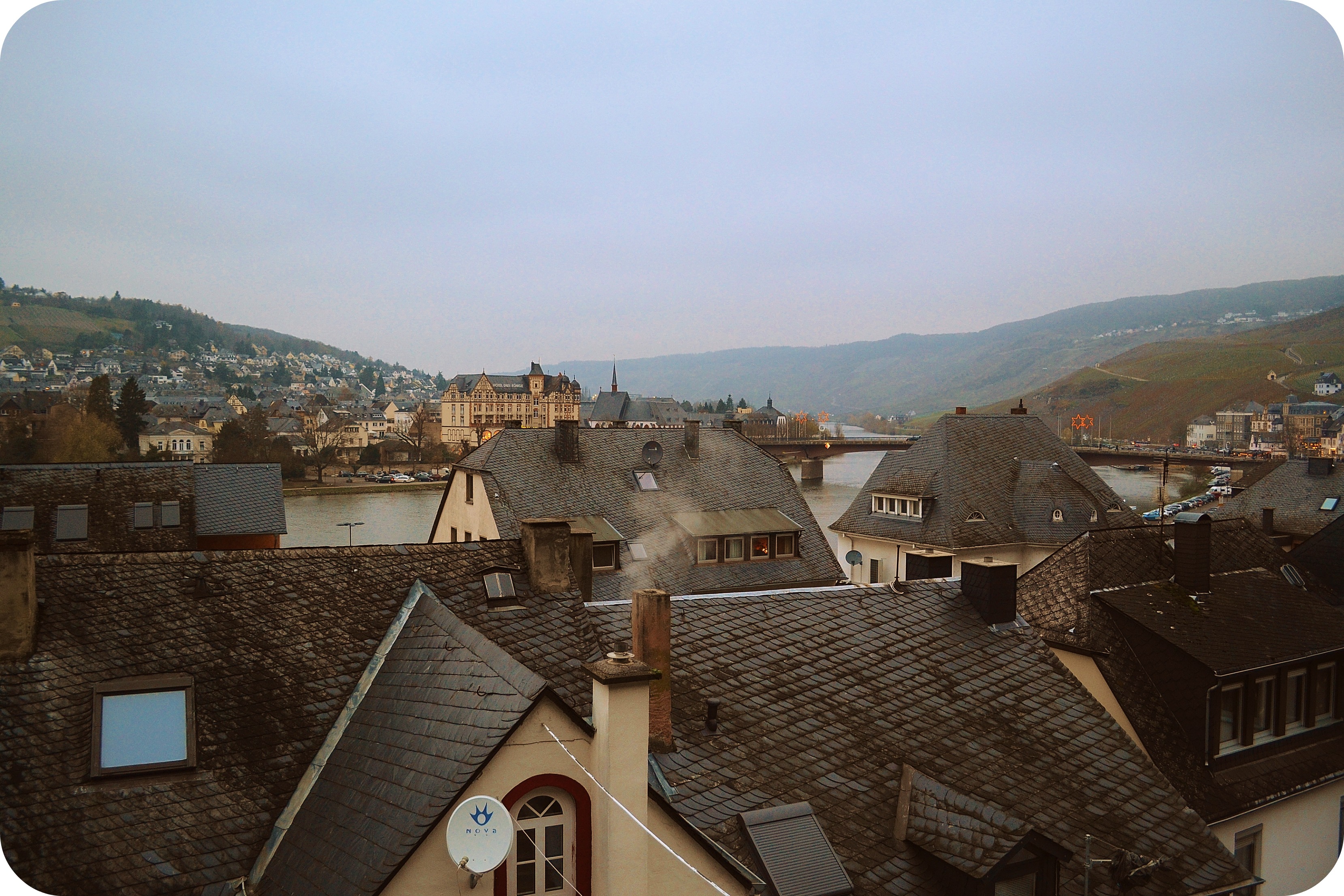
Bernkasel-Kues, November 2014
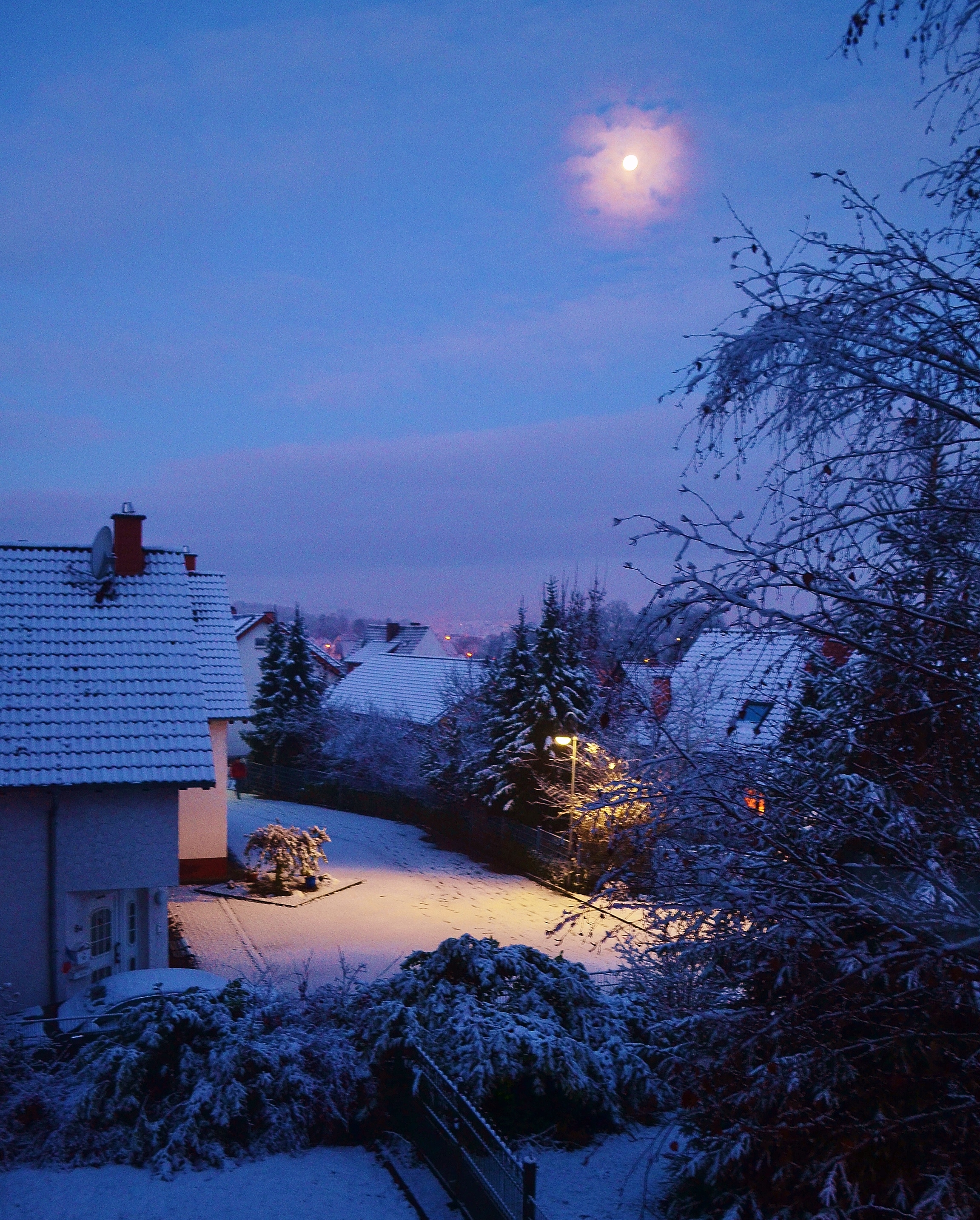
And, just in case Santa is reading, please don’t forget this neighborhood:
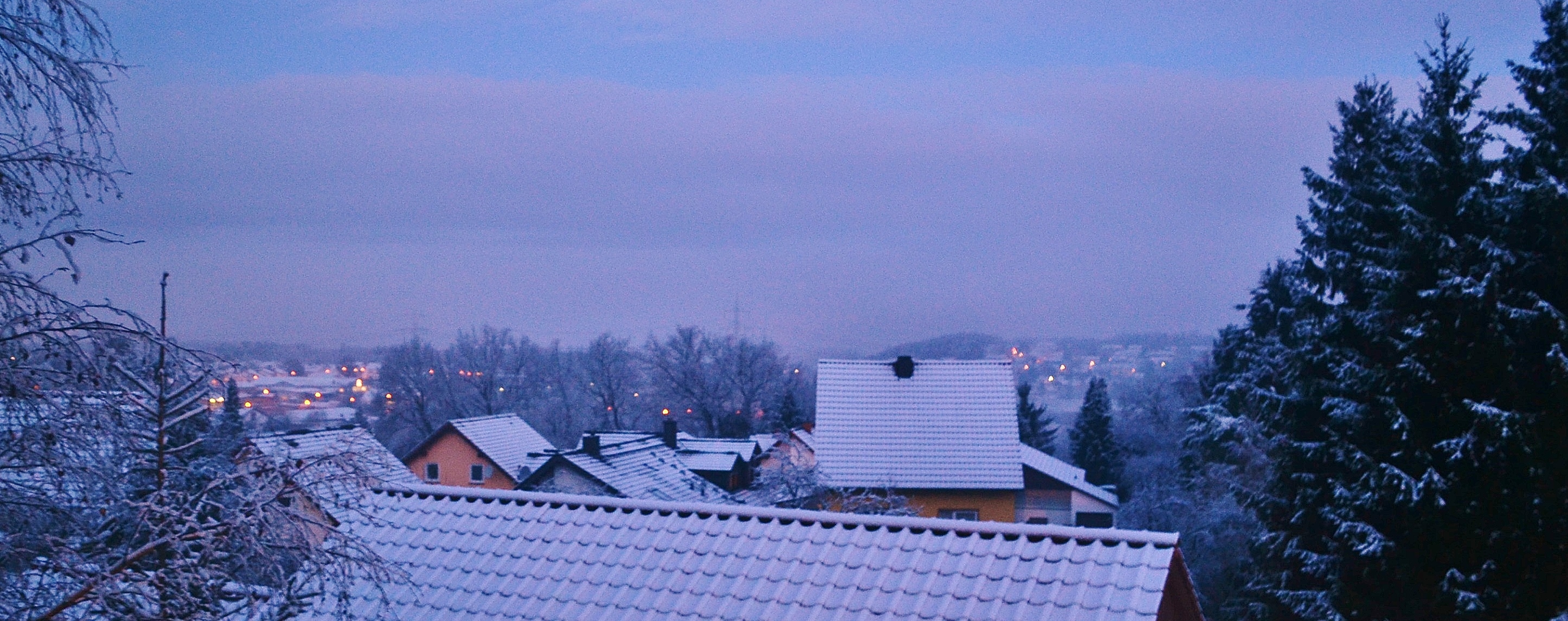
Snow-covered rooftops looking out over my village in Germany
And, one more note:
That roof belongs to naughtly neighbors. (They threw a liquor bottle in our bushes. Not nice. . .)
We lived in North Yorkshire for 4 years, and, despite what people like to say about British food, some of it is VERY good. Granted, top of that list is the Indian food you get there. But if you haven’t tried a really good sticky toffee pudding or a gourmet steak and ale pie, you’re missing out. And even “tired old” mincemeat pies and Sunday roast can be a revelation with the right ingredients and in the right person’s artful hands!
Marks & Spencer Mince Pies
I’m about to bring you a recipe that is divine–but first, a rudimentary primer on food in England.
The Markets: Here I speak for my old home town of Ripon, N. Yorkshire, especially. I love the vibrant market squares and market days in British cities, towns, and villages. I love walking home with baskets of fresh produce, hearing the fishmonger call out his wares, seeing what the pottery merchant has found to carry in on any given week (and hoping he’s stocking my favorite Blue Willow), and scanning the candy stall for my children’s favorite bits and bobs.
Nigella: If you’ve never been a fan, open up one of her cookbooks and go for a leisurely read. I’d start with Nigella Christmas–because it’s almost the season, it’s a good read, and it’s where I started. If you’re not smitten with her prose, then whip up her Guinness Gingerbread. If you’re still not besotted. . .I just can’t help you.
Tea: If someone invites you over for tea, don’t imagine (as most Americans do) that you’ll be drinking Twinings at a table with Paddington Bear. The invitation is likely for dinner, not a tea party. “Cream Tea” often indicates tea and scones or sweet pastries in the afternoon, but “Tea” is dinner.
Pudding: When we first moved to England (in 2005), we were amused at how often we were offered “pudding” in restaurants. I mean, we like pudding, but couldn’t figure out what the national obsession with it was all about. Turns out, “pudding” means dessert. We quickly learned to say “Yes, please,” to any offer of pudding!
Meat Pies: Today, I’m focused on a fabulous, piping hot Steak and Ale pie (recipe below). But Brits also love cold meat pies. A cold steak pie from a deli counter is doable for a quick lunch, but not great. And pork pies? Don’t get me started. Okay, I don’t do pork, so this may be a little unfair, but cold, gelatinous meat in a cold, blah pastry case– I don’t get it. Except in a Dickensian way–I mean, I suppose it has a certain bit of atmosphere: a cold, tired chimney sweep might ‘ha a ‘litl bit o’ da pie fur lunch. (Yes, I overindulged in Mary Poppins as a kid.) But, truth is, I have plenty of friends, and one husband, who seem to like a bit o’ the cold pie, so to each his own.
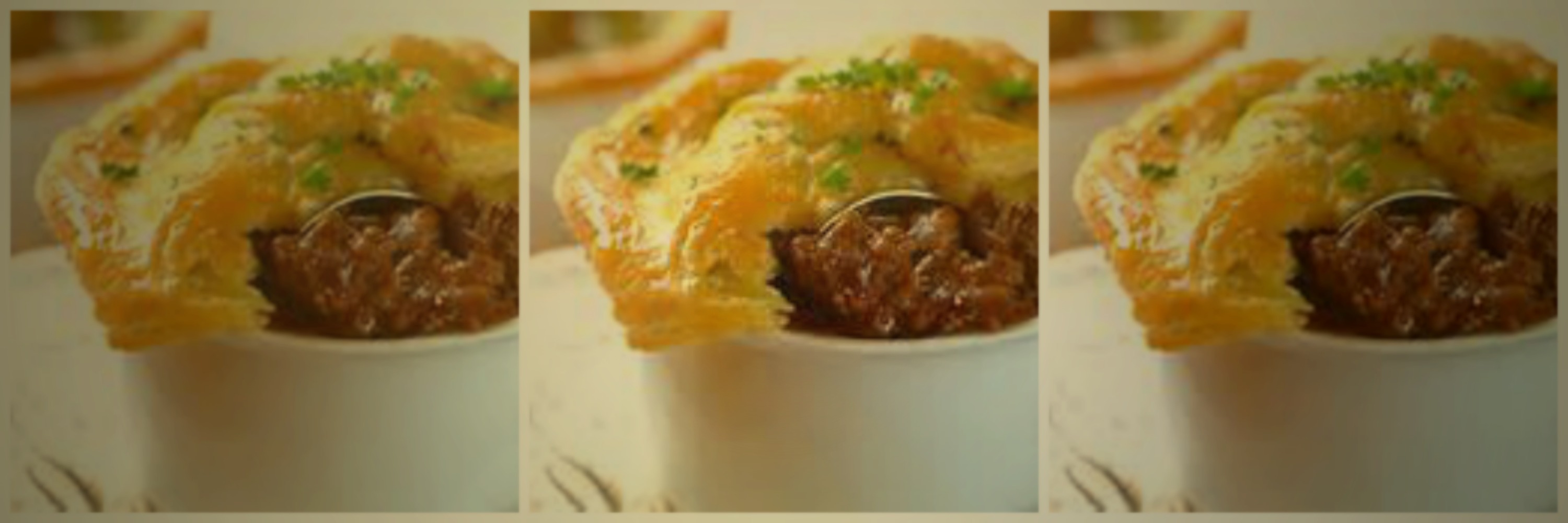
Let’s launch into the reason you are here: the world’s greatest Steak and Ale Pie recipe. It comes from Williams-Sonoma. (I know it should come from a British source, but this really is the best I’ve found. . .even if it is from California.) And one more disclaimer–please listen, because this is important–this will take you most of the day. Only start this on a rainy weekend day when you want to hang out at home for hours. And, yes, you will begin cursing halfway through this and saying, “Never again!” But then the pie will smell soooo delicious as it cooks that you’ll start to drool as it comes out of the oven. You’ll dig into the flaky pastry and lift a fork to your mouth.
Angels will sing, devils will dance, and you’ll be in love.
Oh, you’ll make it again. And again. (Hint: if you cook a very large recipe, you can freeze half of the filling and turn it into a pie at a later date with minimum effort.)
This hearty beef stew is slowly simmered on the stovetop, then topped with Stilton pastry and finished in a hot oven.
*My note: I usually skip the Stilton pastry and use a puff pastry. The Stilton is good, but very rich, and this is already a rich pie.
Ingredients:
7 Tbs. olive oil
1 lb. white button mushrooms, quartered
2 cups frozen pearl onions, thawed
Salt and freshly ground pepper, to taste
3 1/2 lb. beef chuck roast, cut into 1-inch cubes
1 cup all-purpose flour
3 garlic cloves, minced
2 Tbs. tomato paste
2 1/2 cups Irish stout
1 cup beef broth
1 lb. carrots, cut into chunks
1 lb. red potatoes, cut into chunks
1 Tbs. finely chopped fresh thyme
One 16-inch round Stilton pastry (see recipe link below)
1 egg, beaten with 1 tsp. water
Directions:
In a 5 1/2-quart Dutch oven over medium-high heat, warm 1 Tbs. of the olive oil. Add the mushrooms, onions, salt and pepper and cook, stirring occasionally, about 12 minutes. Transfer to a bowl.
Season the beef with salt and pepper. Dredge the beef in the flour, shaking off the excess. In the Dutch oven over medium-high heat, warm 2 Tbs. of the olive oil. Add one-third of the beef and brown on all sides, about 7 minutes total. Transfer to a separate bowl.
Add 1/2 cup water to the pot, stirring to scrape up the browned bits. Pour the liquid into a separate bowl. Repeat the process 2 more times, using 2 Tbs. oil to brown each batch of beef and deglazing the pot with 1/2 cup water after each batch.
Return the pot to medium-high heat. Add the garlic and tomato paste and cook, stirring constantly, for 30 seconds. Add the beef, stout, broth and reserved liquid, stirring to scrape up the browned bits. Add the mushrooms, onions, carrots, potatoes and thyme and bring to a boil. Reduce the heat to medium-low, cover and simmer, stirring occasionally, until the beef and vegetables are tender, about 3 hours.
We’ve got the virus du jour this week, so our weekend was dead and our week is only showing a hint of vital signs. To boost our spirits–and maybe yours too–I’m posting some old and new travel/life abroad photos.
Hope you enjoy!
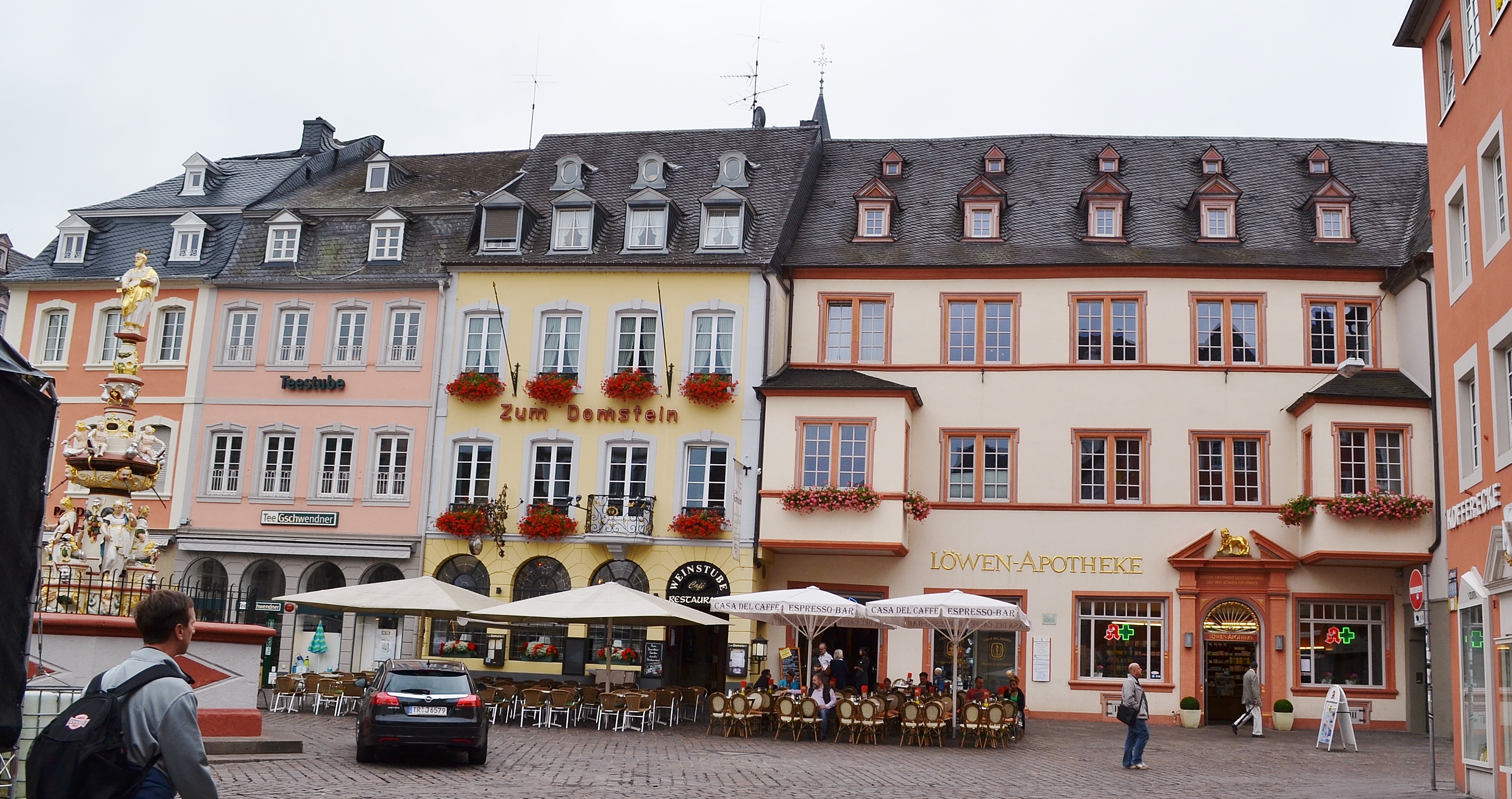
Trier, GermanyTrier
Doune Castle, Scotland, 2007–location of Monty Python’s Holy Grail scenes
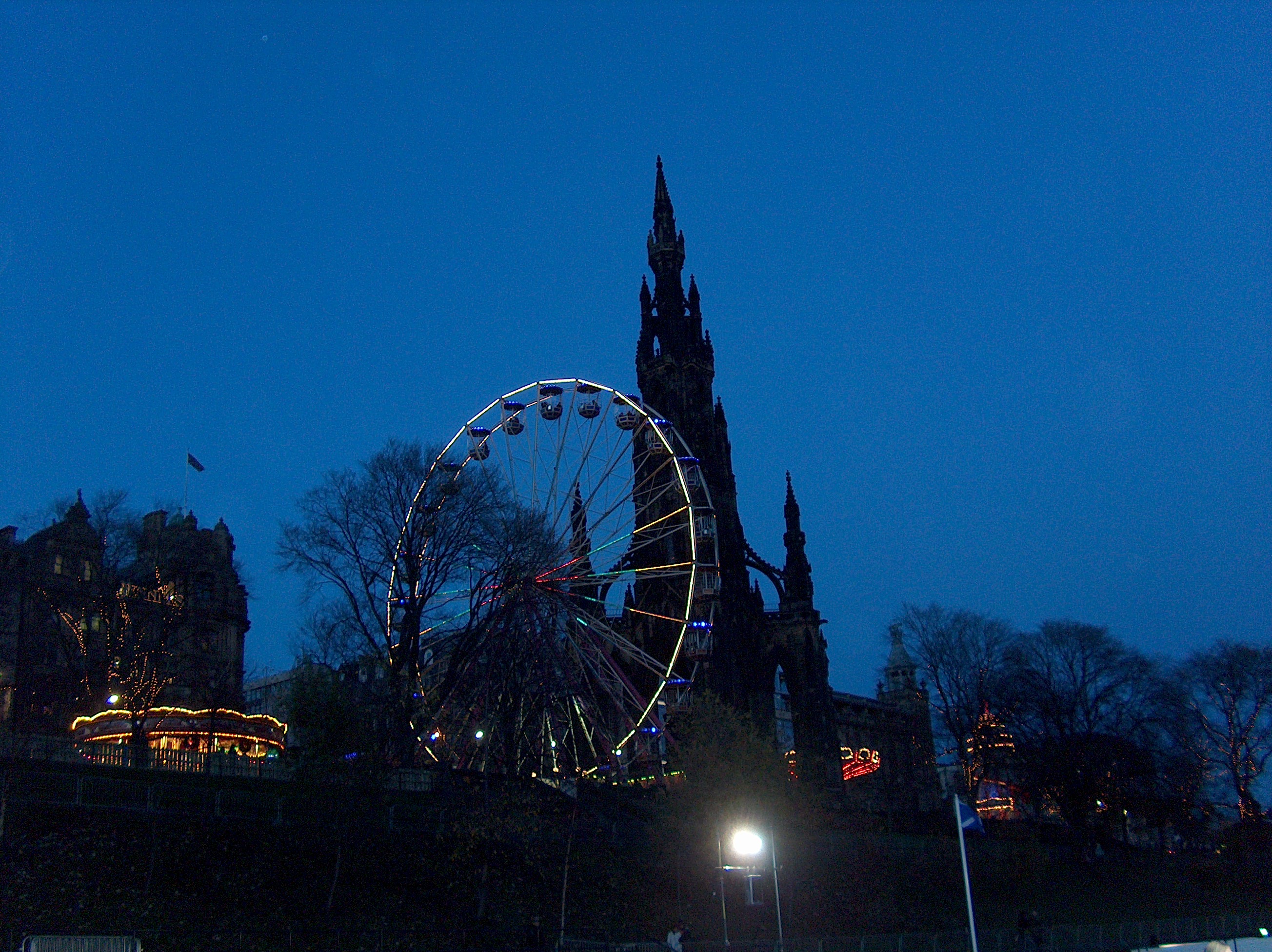
Edinburgh, Scotland by night, Christmas 2007
Cappadocia, Turkey, 1998, near Guzelyurt. . .an old monastary in the foreground.
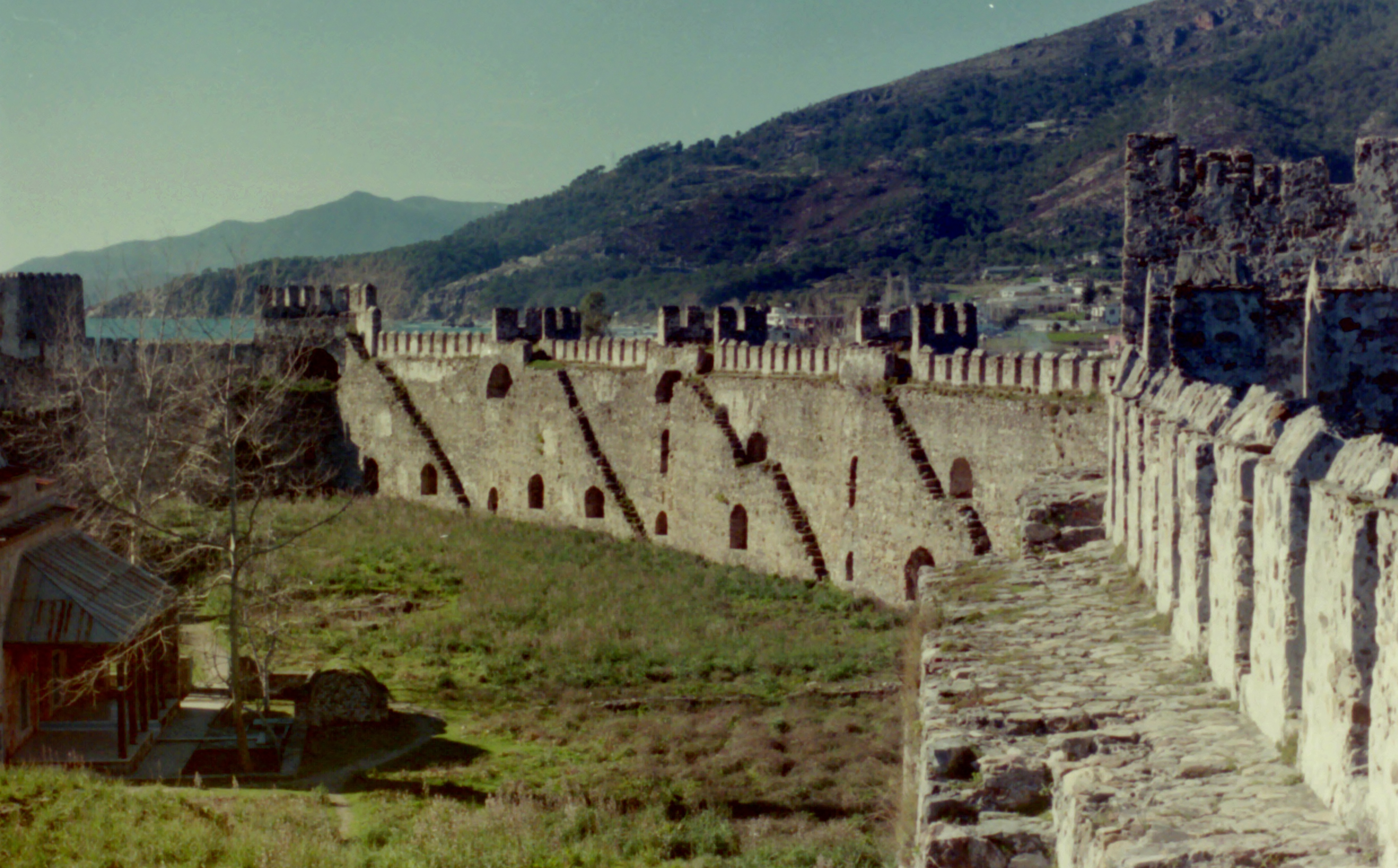
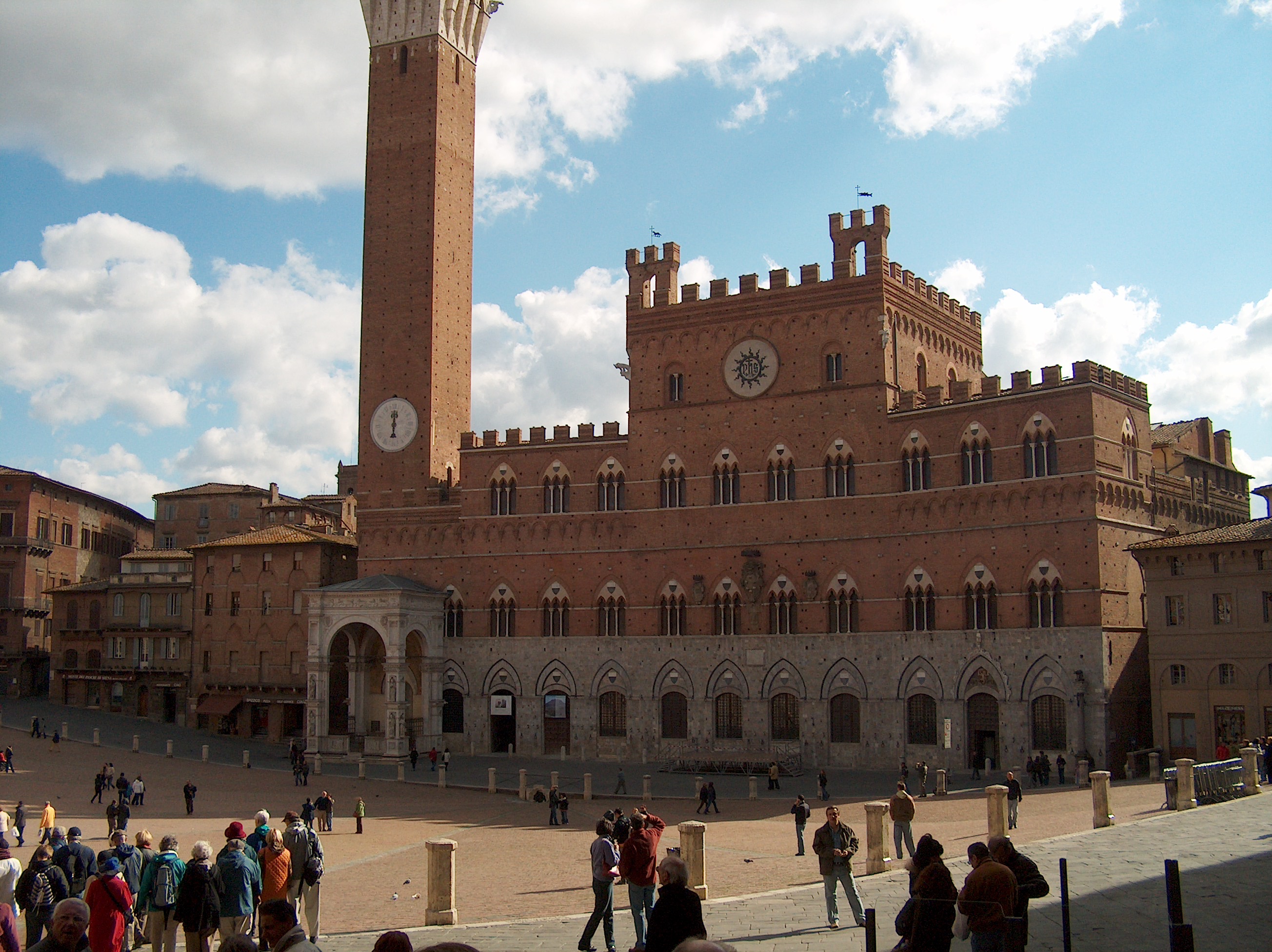
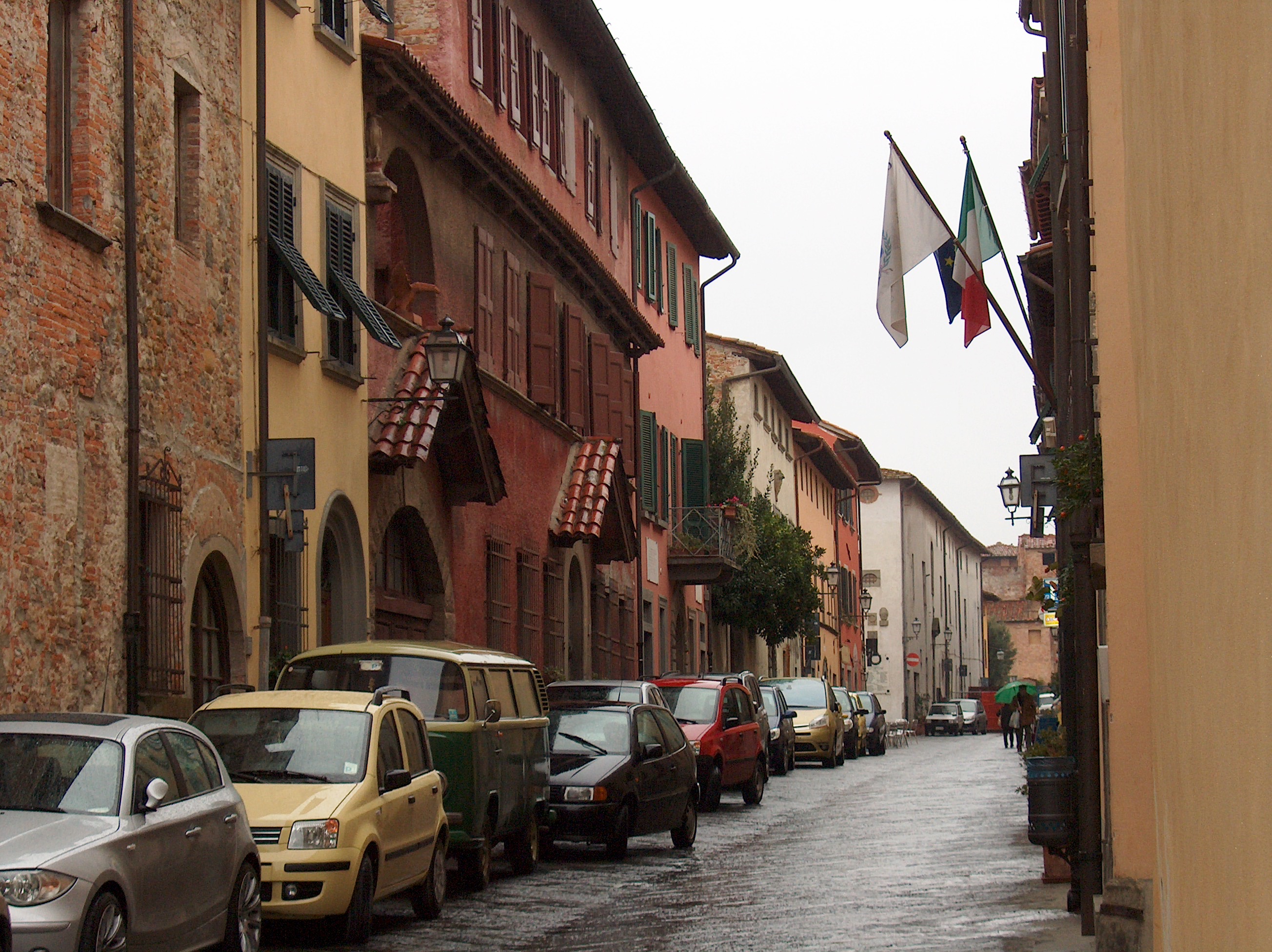
A castle on the Turkish Mediterranean, 1998Sienna, Italy
Montecarlo, Italy (Tuscany), 2006
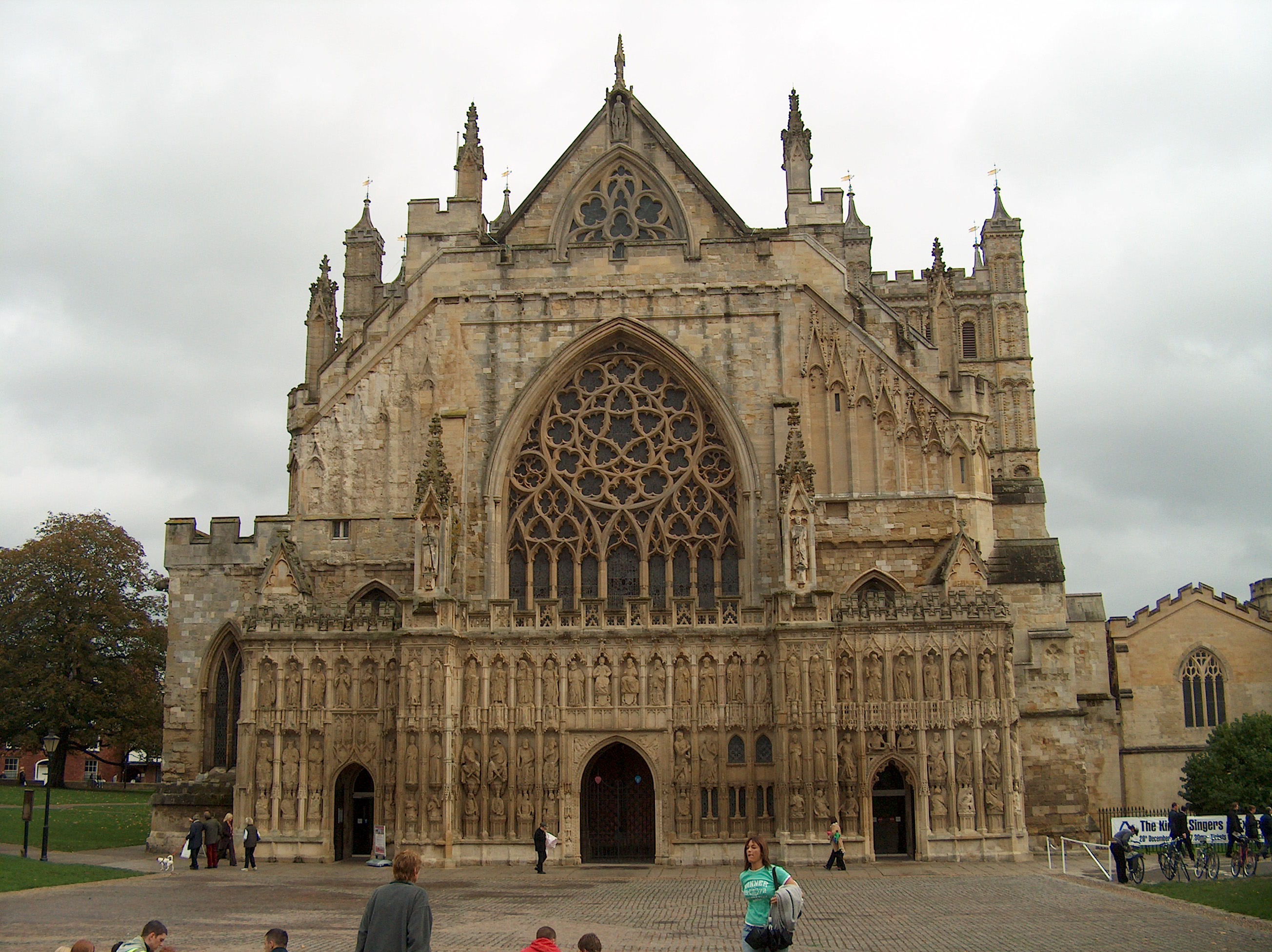
Exeter Cathedral, England
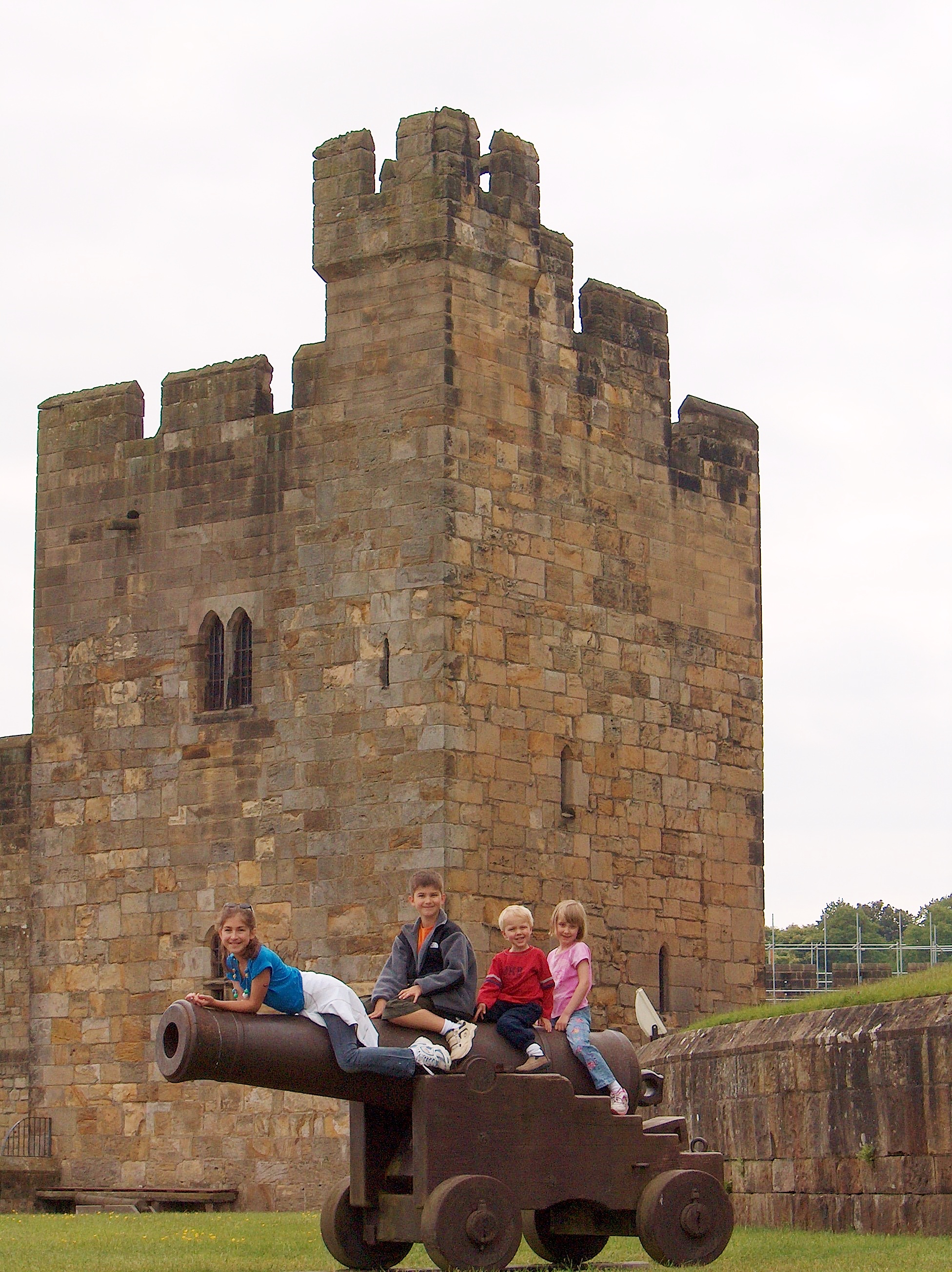
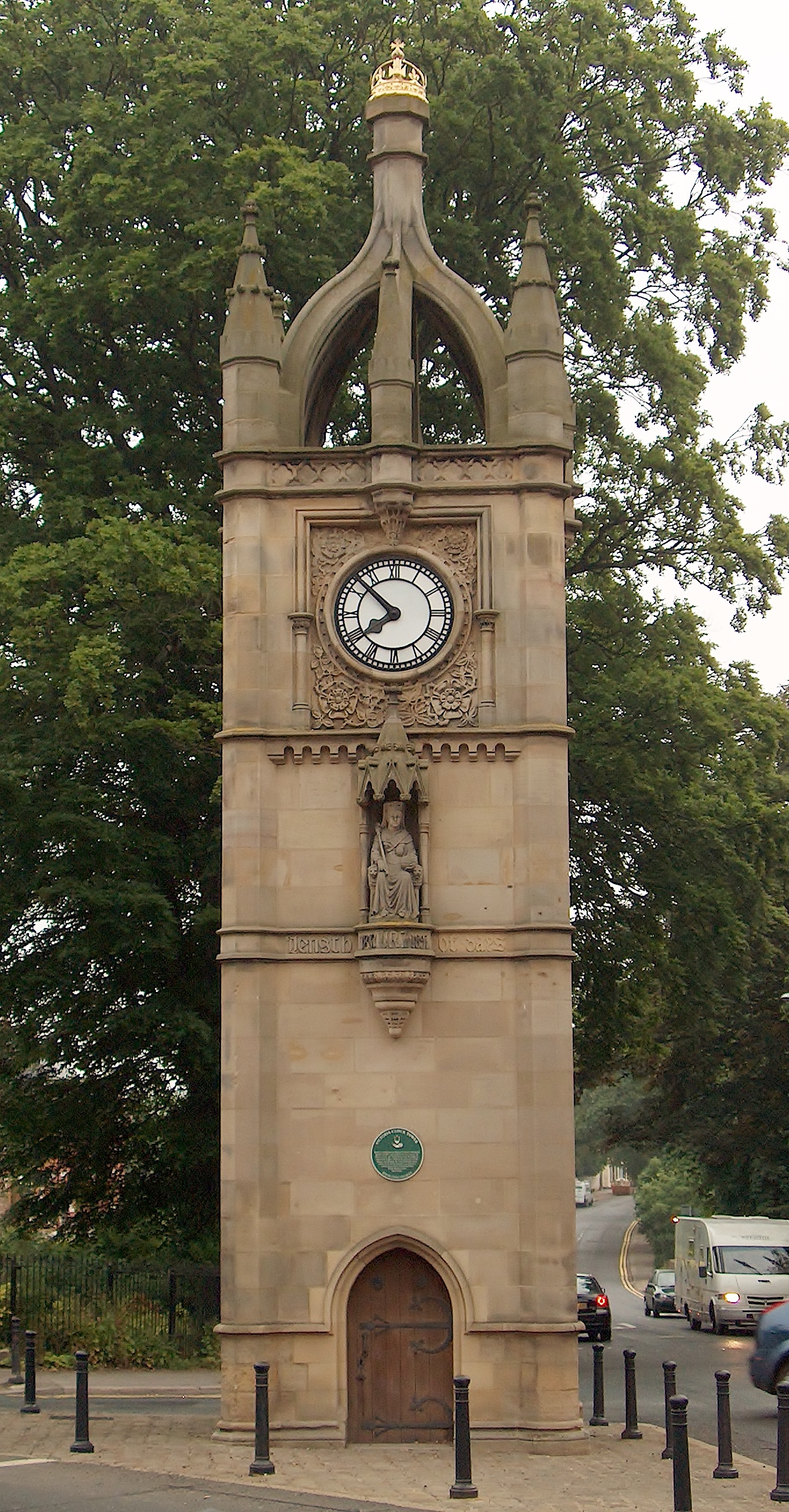
We capture the castle, at Alnwick Castle, England, 2007 or 2008Victoria Clock Tower, Ripon, England–a block from our old house
The Lake District, England, 2009. Just a couple of silly blokes.Exiting the cave of Hell at Cennet ve Cehennem (Heaven and Hell), near Silifke and Kiz Kalesi, Turkey.
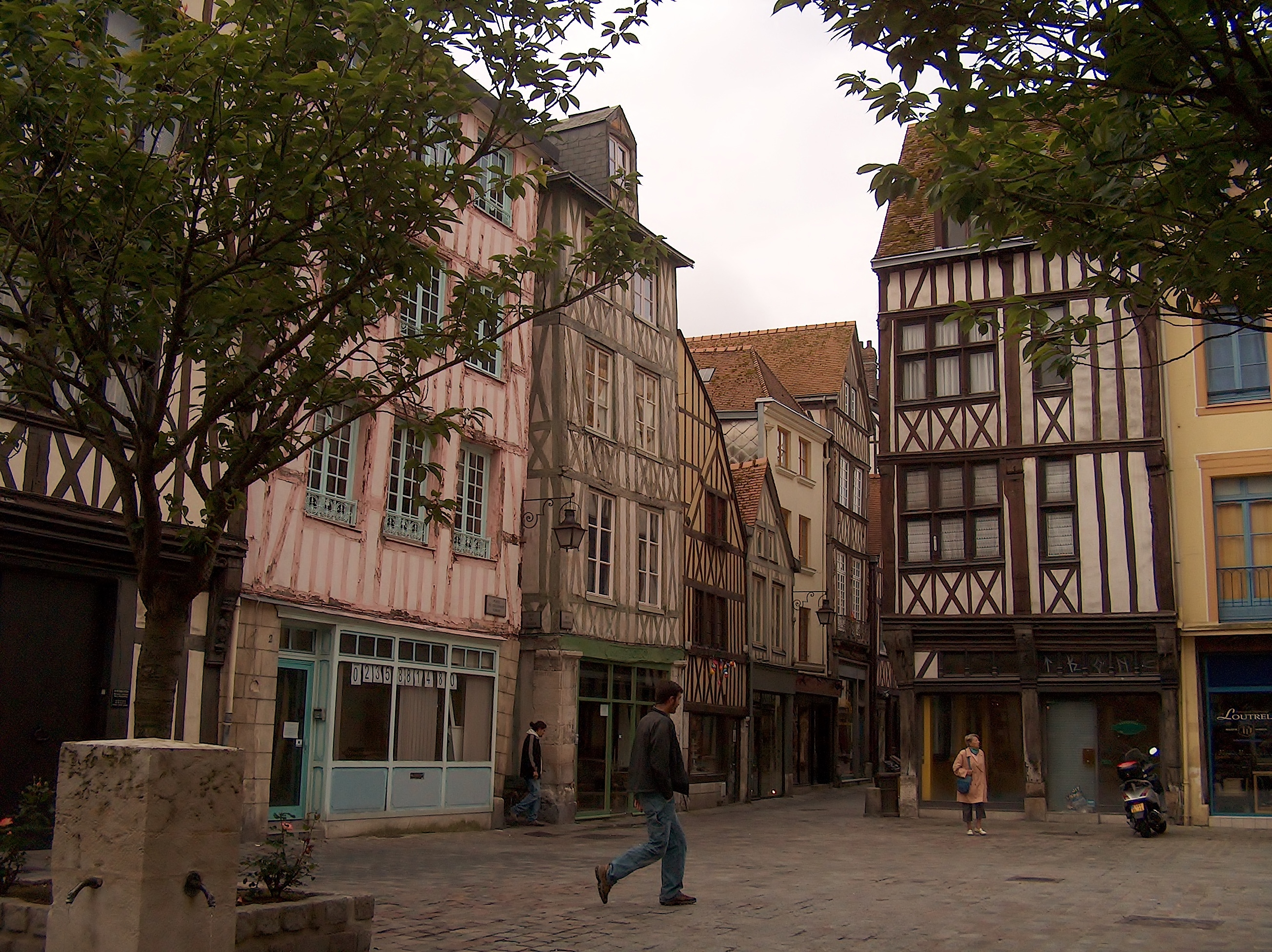
Rouen, France
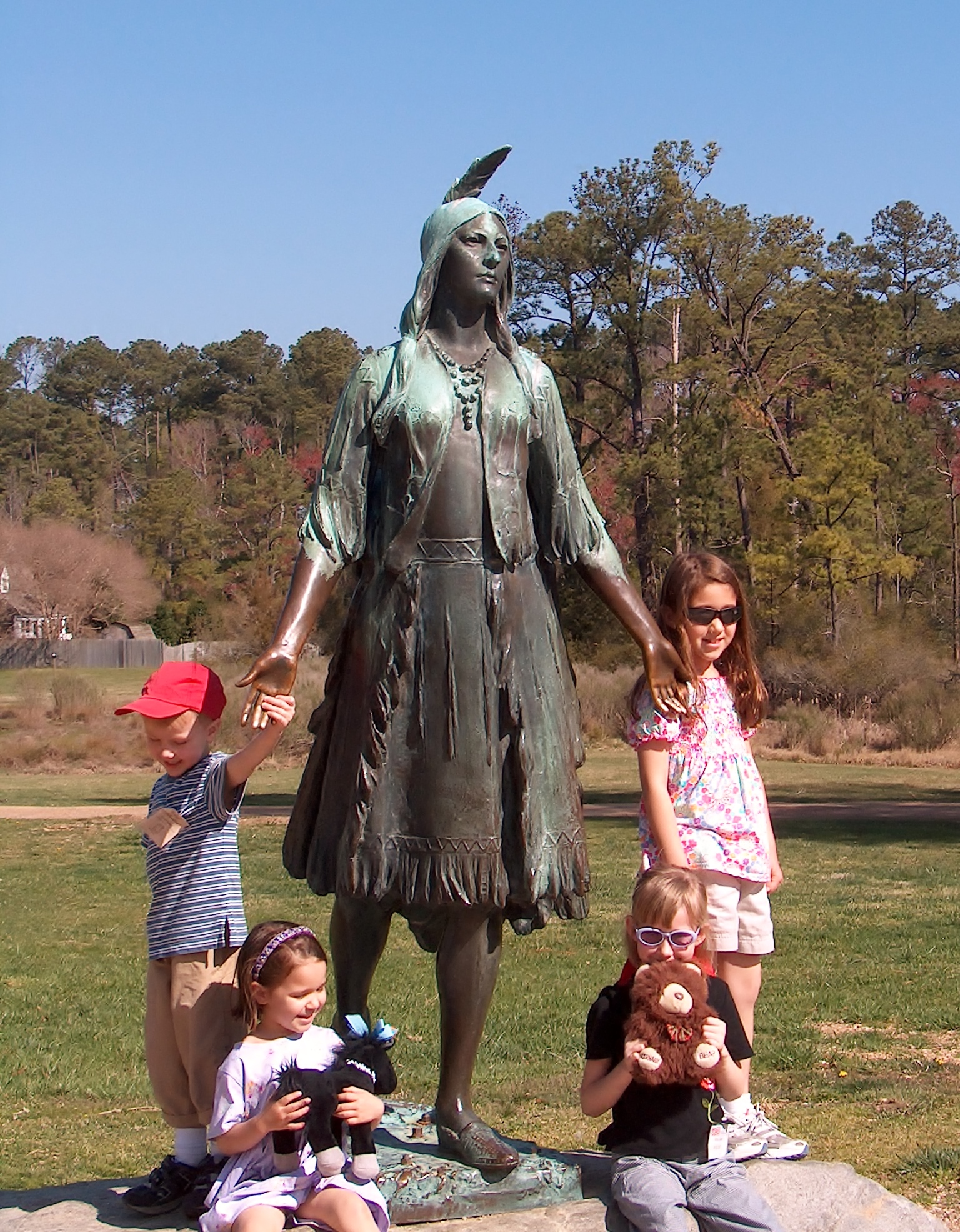
And finally, a shout out for my home country on this anniversary of September 11th–at the statue of Pocahontas at Jamestown (the first permanent English settlement in what would become the United States).


 but it’s been a festival day for a long time, and its roots go back deep into the calendar of the Christian church, and far deeper still. The day marks the midpoint between the winter solstice and the spring equinox, so it’s considered the beginning of spring, or at least (if you live where it is still remarkably cold, like I do) the tipping point where winter and dark begin making way for warmth and light.
 The Ripon Cathedral website posted the following blurb about Candlemas last year: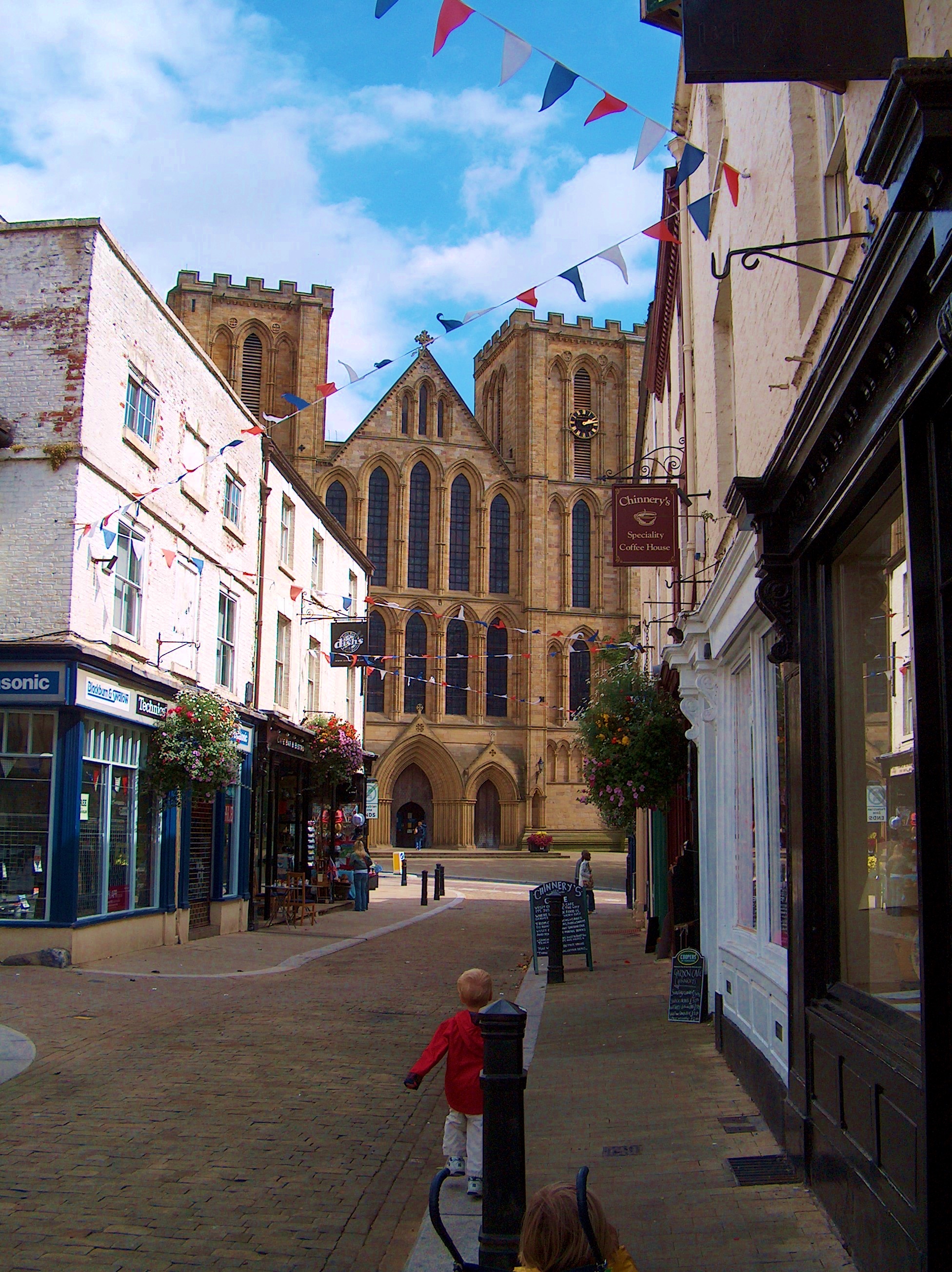








 Travels and Tomes: One Expat's Amblings and Ramblings