All I Want for Christmas is a Ghost

It’s been a long time since I’ve written a This Old House post, but here goes.

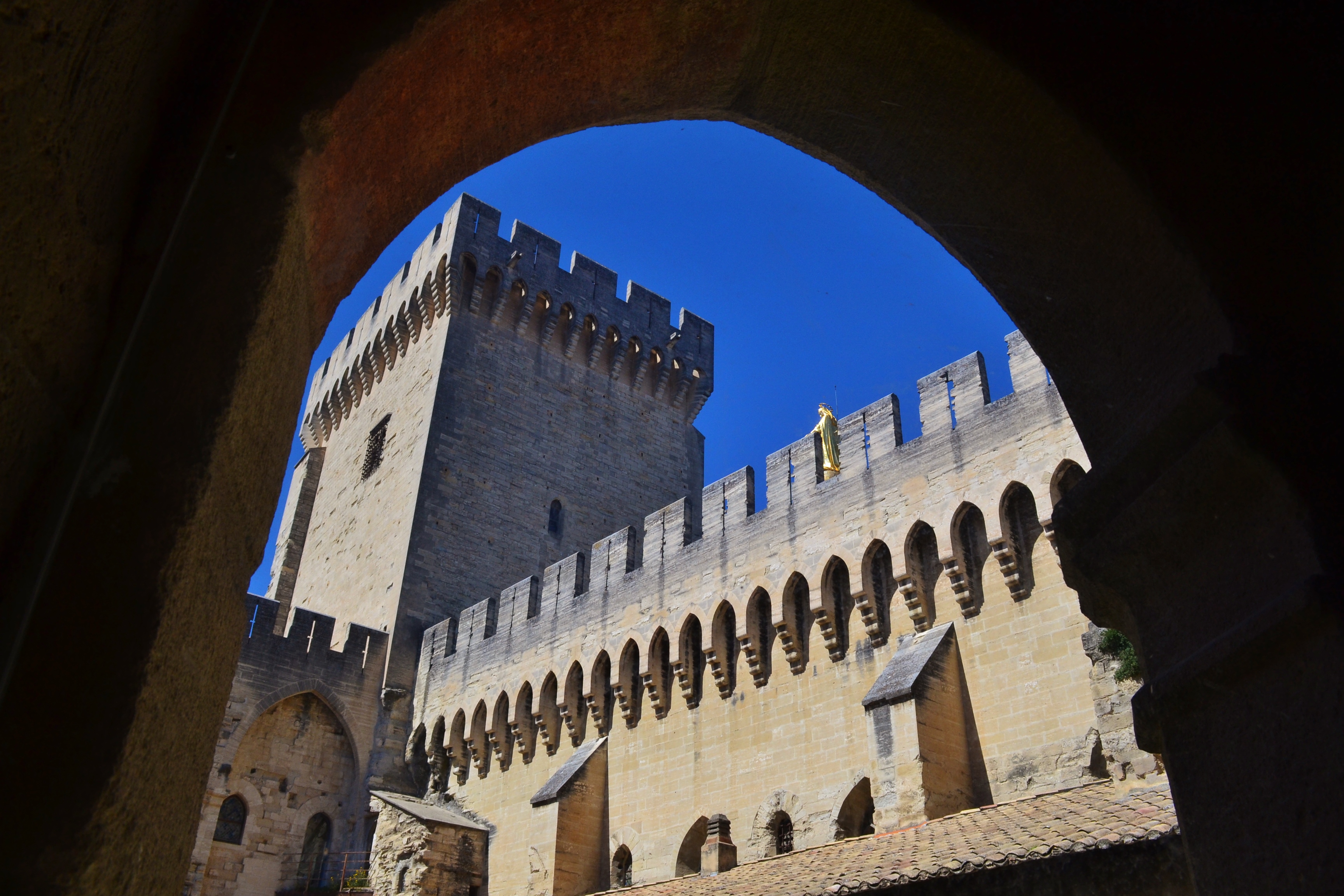
We loved the atmosphere of this house from the first moment we saw it.  We have continued to love those moments when you turn the corner toward our house and– “Ta Da!”– you see the oh-so-European red stone castle (albeit diminutive) that we call home.
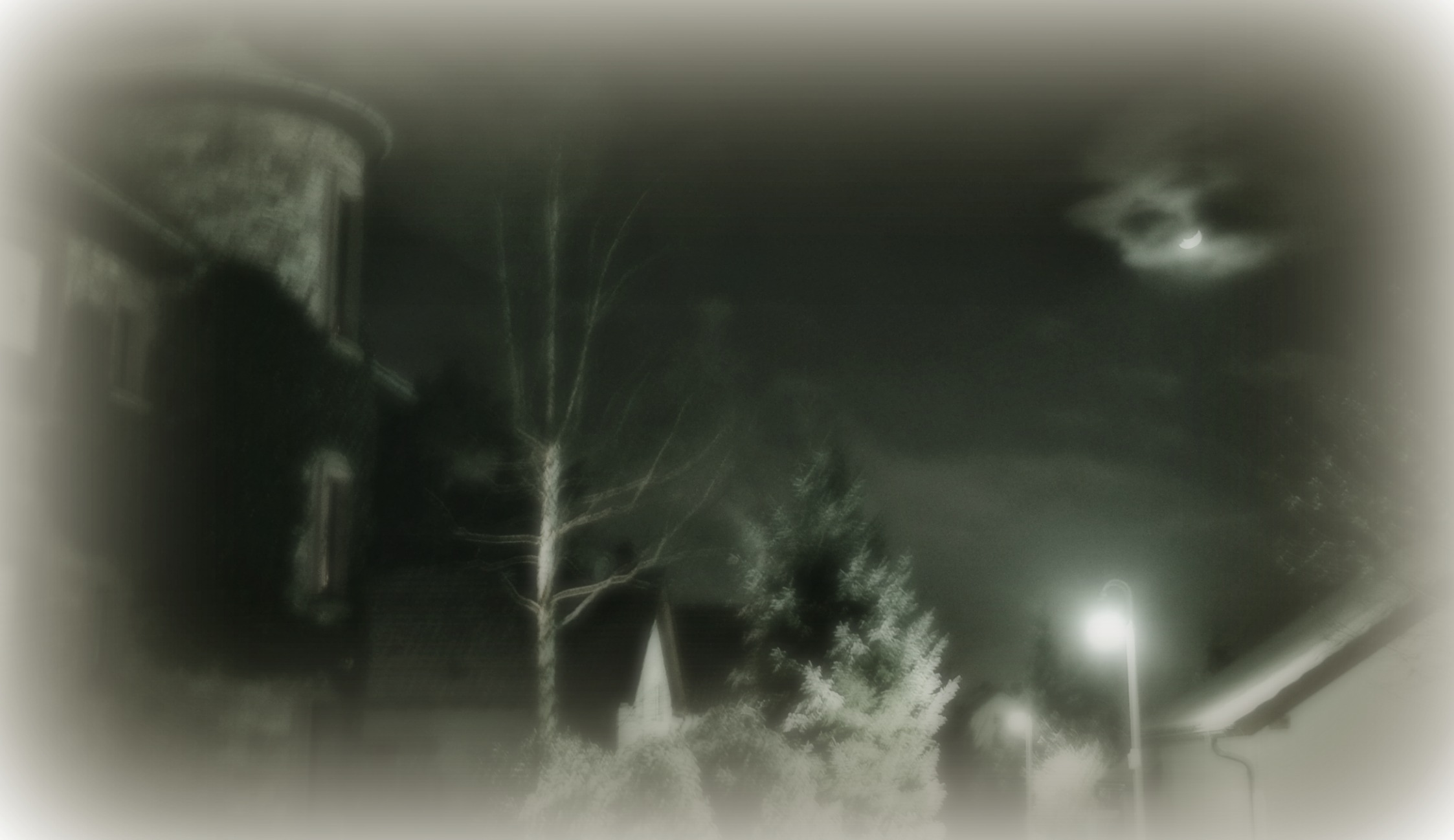
ghosty snow house moon
A foggy winter night at “the castle.”

We moved into the house a year and a half ago, fully aware that an old house would have its share of issues: hot spots, cold spots; inefficient utilities; old bathrooms; pipes that occasionally clog; and light fixtures that give up the ghost.

But we also considered that the ghosts of this house might not be the giving up kind.

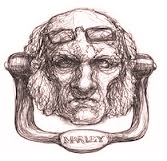
“Marley was dead, to begin with … This must be distinctly understood, or nothing wonderful can come of the story I am going to relate.”  Dickens, A Christmas Carol

Creative Commons licensing

 When we first moved into this old home, I harbored a secret fear and longing–a uncomfortable pairing– that the place might be haunted.  It was the right sort of house for that:  imposing, old, creaky, and definitely situated in a country with its share of ghosts.

I was terrified that we’d be plagued by eerie happenings.

 But then nothing happened.  

Eventually, I became simply curious about whether eerie things might happen.

Still, nothing happened.  

After a while, I was just put out that nothing, not one darn thing, spooky had happened.  What a rip off!  I have to live with old (I mean OLD) bathrooms, and I don’t even get a good ghost story out of it!?  Not a fair trade off if you ask me.
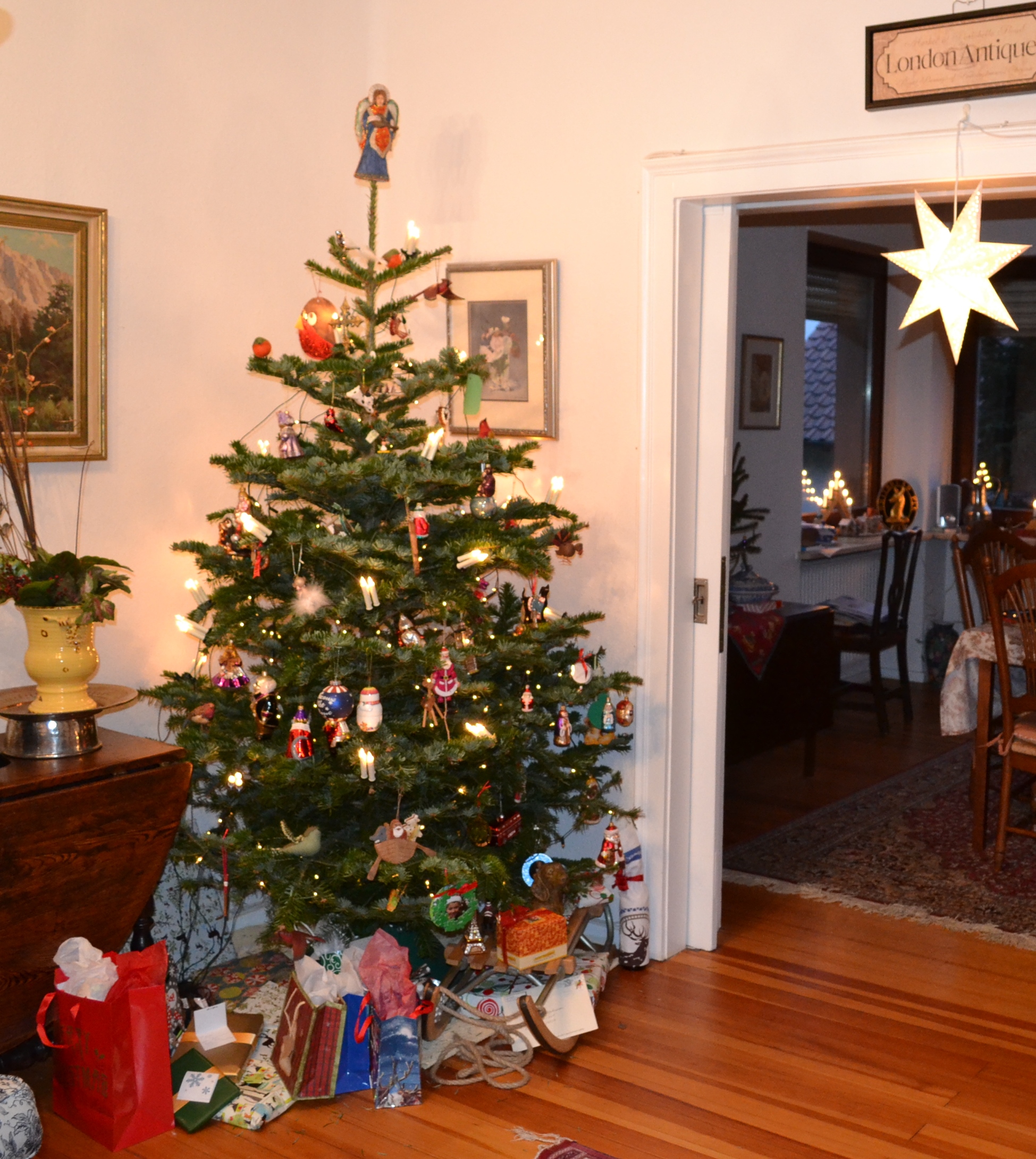
DSC_0300 - CopyBut ghosts are people too, and they have their own agendas.  I remember putting up Christmas decorations last year and wondering what sort of celebrations this house had seen over the century-plus of its life.  It’s no manor, but it’s grand enough that the original owners must have lived a fine life.  What was Christmas like for them?  Did the Christmas Eve table gleam with silver?  Was it loaded with salmon, goose, and sausage?  Did the children go to sleep fat with gingerbread and the parents groggy with spiced wine?

And what of the years after World War I, when French troops occupied the area?  Was this a dramatic change, considering this area has always been a source of border disputes?  Was the occupation a barely perceptible weight on the shoulders of the locals who must have been haunted by their own grief, so many young soldiers lost in the war?

And this interplay of politics and personal life certainly wasn’t diminished in the years that crept toward World War II.  What about those Christmas dinners?  Were there rousing nationalistic talks around the table, was there support for the Third Reich, or was there dread at the creeping dark?  Were Jewish friends hidden in the cavernous basement to keep them safe?  Were Nazi armaments held there? This is the era whose ghosts send icy chills through me.  I want to know the house’s history, but I don’t want to know the house’s history.
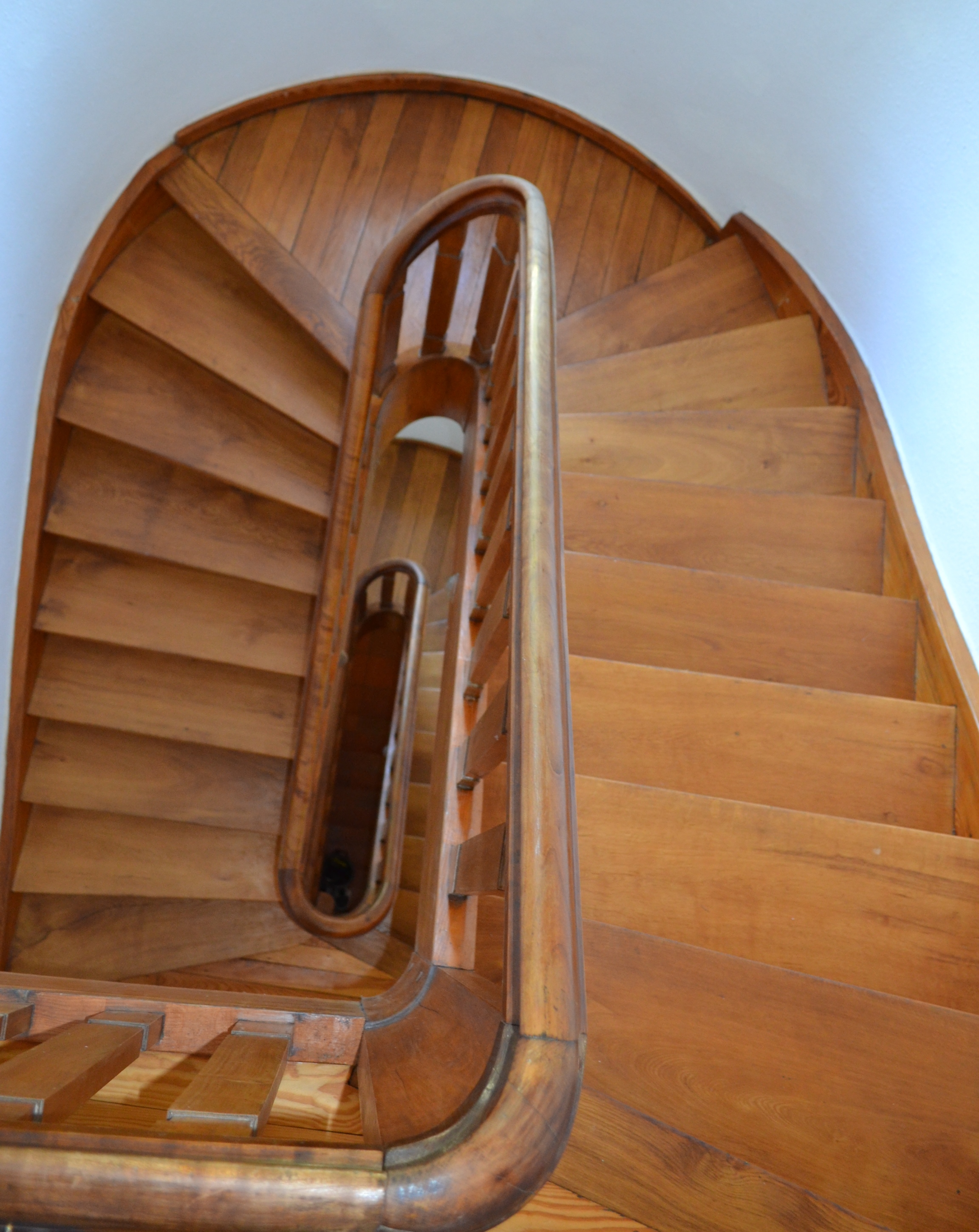
Staircase between floors/apartments

And then after World War II, when the house was divided into apartments on each level–still lovely, but divided,  like Germany itself, by the rise and fall of its fortunes, ambitions, and fate.

Reverence or dread–the families who have lived here might inspire either.  I would revel in the one, but stoop under the weight of the other.

It’s better not to know, I tell myself.

Still, I want a ghost for Christmas.  I can’t shake that feeling.  It’s part of the old house package.

“The past isn’t dead.  It isn’t even past.”  -William Faulkner

I had a ghost once, a few years ago.

I know, I know–just hear me out.  This is a story that is usually told under different circumstances.  The general rule: you must be at least a glass of wine or two into the evening; for that matter, I must be at least a glass of wine or two into the evening; at that point, it all makes more sense.  And one more thing–the children aren’t around.  If they heard the story, they’d never sleep again.

I’m taking a risk in telling this story: first, I can’t be sure that you’ve had any wine (strike one); second, it’s 8 a.m., and I’m nursing a semi-cold cup of coffee, which is a much starker place to be than wrapped in the warmth of a wine glass (strike two); and third, my children may read this (although unlikely, as they find this “mommy blog” vaguely ridiculous) (strike three on two counts then).

So here’s the deal–I’ll tell you my ghost story tomorrow.  That gives you a chance to grab a glass of wine, if you are so inclined.  It gives me a chance to write this post in a foggy evening state, instead of this stark-morning-coffee-mind that has its current grip on me.

Meet me here tomorrow, if you dare, and I will tell you my ghost story.
chistms carol page

On the Path: Dachau

DSC_0716 - Copy

I’ve been meaning to write about Dachau for some time now, but it’s a very difficult post to write–it’s unpleasant, it’s uncomfortable, and it’s just hard to get the words to say anything right. Something about the very shape and logic of language makes it the wrong vehicle to express anything about the Holocaust– where’s the shape or the logic to such atrocities?

But the post will get written. . . someday.

For now, I offer a photo of stones on the path by the barracks.  They struck me as very beautiful and appropriate to the place:  thousands of small stones, smooth and beautiful, but some so violently broken, to remind us not only of the atrocities of the place, but of the beauty of the souls who passed through.  It seemed a fitting and reverent image to remember the victims of Dachau by.

Prague’s Golem, retold

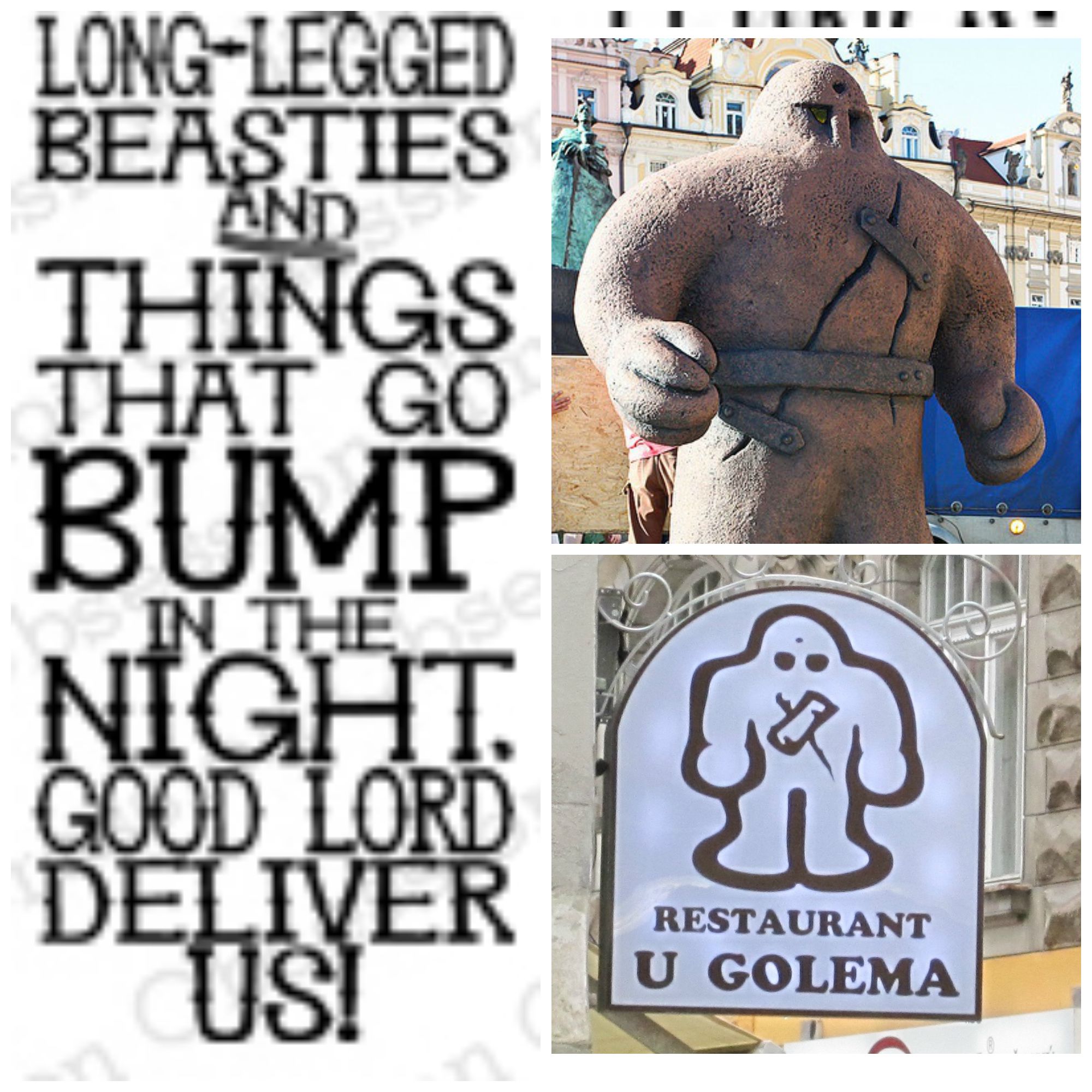
golem picmonkey


There are things that go bump in the night, and, then again, there are things that go bump in our psyches and rattle around with such fury that they can’t be quelled by any night light. In fact, at some point and in the full light of day, they will trip from our tongues or scurry across the pages of our books—out into the world, across eras, and even across cultures. These monsters may prove themselves useful to us, even noble at times—our defenders from the monsters that show up at our doors in human flesh– but they are problematic nonetheless. They are never really controllable.

To wit—the golem.

Long before Prague was Prague, “the Golem” began rattling around our psyches as a shadowy form in Hebrew lore. The word references an unshaped form, or possibly an unrefined person—someone who is clumsy. A clod.

Yes, a clod of dirt and dust . . . like Adam before Eden. But without the divine breath, the breath of life.

So, how did this golem come to be animated?  Scholars can point to moments in the Talmud or the Hebrew Book of Formation when a golem was brought to life by use of a shem—a name of God. If one of the names of God was inscribed on paper and placed in the mouth of the mud man, or perhaps inscribed upon its forehead, then the golem became animated.

Something to remember: the name of God represented the reality and power of God. To invoke God’s name meant to invoke a truth and a power beyond any a mortal could/should wield. But this doesn’t stop mortals from prying in business beyond their wisdom, does it? (The atom bomb comes to mind.)

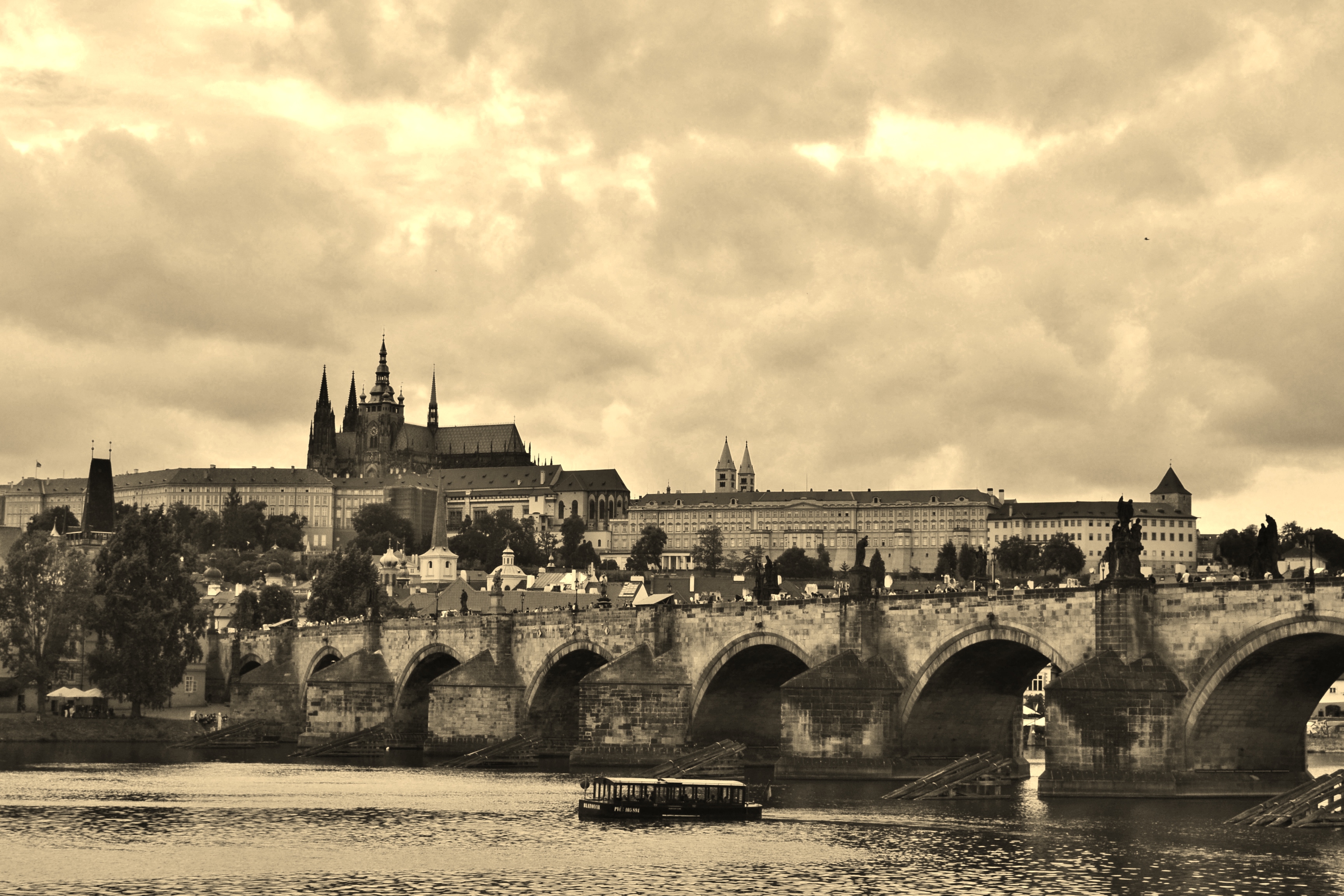
Prague
Prague

And so, tales of the golem took foot like so many clay men, trodding the shadows but living beyond a world they could understand or be understood in. Glimpses were reported in tales from Poland, Russia, Germany (at the hands of Jakob Grimm), and Prague.

Prague. There was a city ripe for things that go bump and holy incantations both. In 16th century Prague, these elements mixed to create a famous tale in which the golem was a being animated to protect the Jewish ghetto from oppressors.

Although tales of the golem had been around centuries before, this famous tale of the golem was created by  Rabbi  Yehudah Levi ben Betzalel (aka, Rabbi Loew) .   Rabbi Loew had his reasons: anti-Semitic attacks were a fact of life, and rumors abounded that a local priest was about to launch a new accusation at the Jewish community in Prague.  They were to be wrongly accused of ritual murder of Christian children.  To avert this disastrous situation, Rabbi Loew formed his golem from the mud of the Vltava River and, in a god-like act, placed life into its mouth with the Shem Hameforash.

The golem was named Joseph, and he served as the protector of the Jewish Quarter. He was a hero, but he was also a monster–human-like, but not human.  Created from the machinations of a man who, though holy, was less than God.  And what happens when man meddles with the power of God?  The story always turns dark.

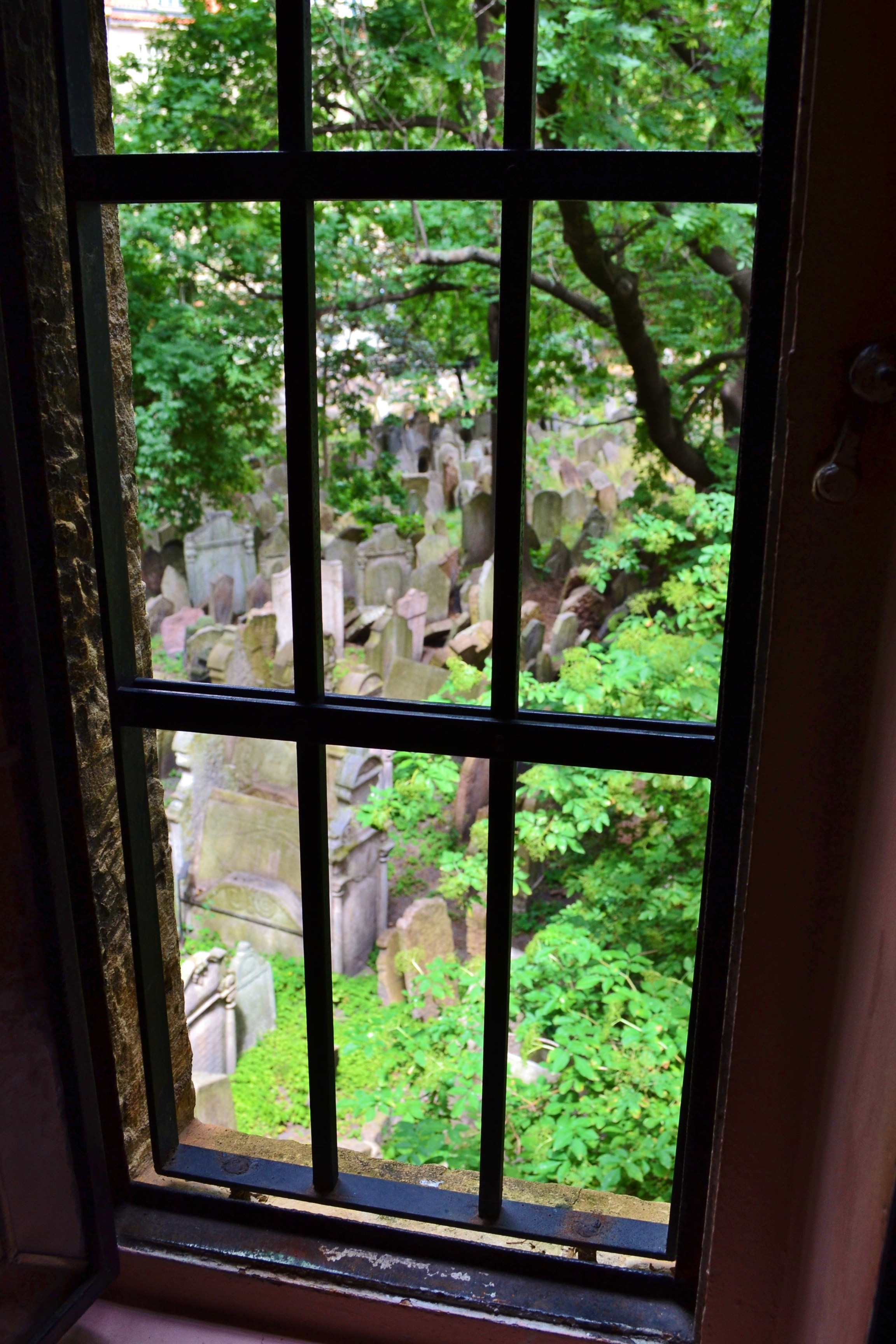
Attic view of the Old Jewish Cemetery in Prague

The golem grew stronger and stronger as time passed, and more violent too.  He couldn’t be controlled.  And so, the shem had to be removed from his mouth and the noble monster had to be “decommissioned.”  The clay figure was locked away in the attic.

If you are starting to think that Mary Shelley’s Frankenstein’s monster has eerie undertones of the golem, then I agree 100%.  Sure, Rabbi Loew had more noble intentions than Dr. Frankenstein, but nobody ever really controls these monsters once they come to life.  And no one really understands them, either.  There is something poignant and lonely about these beings–despite the danger and the grotesque qualities they possess, they are almost us.  Oddly, they are better than us in moments–they have the physical power to protect and they have remarkable innocence despite their power.   Until the story turns.  But it turns, at least in part, because of the violent world they must confront.

Life is complicated, no?

And, having trod through the ages– from hints in the Garden of Eden, to full power in 16th century Prague, to the quintessential monster of British horror tales–the golem now prowls the streets of modern America in our dime store comics.  Remember The Thing?

The Thing, copyright Marvel Comics

He was a rock-man.  The character’s real name was Benjamin Jakob Grimm (hello!), and he was a Jewish New Yorker.   Ben Grimm was a test pilot turned astronaut who was transformed by cosmic radiation.  Bummer.  Of course, he’s a good guy (like the golem Joseph), but he does have a temper (like Joseph).  Uncontrollable?  Not necessarily, but the golem influence is undeniably strong here.  In fact, there is apparently even one story line in which Benjamin Grimm reanimates the dead body of an innocent neighbor by reciting a Shem or a Jewish prayer.

We’ve heard this tale before–at different times, in different places, for different cultures and eras–but it never fails to catch our attention.  How could it?  It’s one of those stories that looks outward: to a world we live in that’s dangerous, and where we need protectors from violent forces (forces that are usually all too human themselves).  But it also looks inward at human nature as a story of incurable meddlers:  we dabble in things when we think we have a little technical knowhow, but we are radically lacking in the wisdom to wield the power that knowhow brings.  (It’s the classic tale of hubris, and it’s our specialty as a species.)

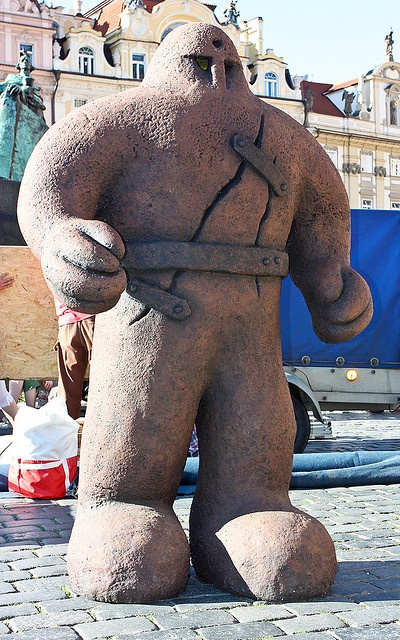
Golem Statue, Prague

Prague claims the golem as one of its famous tales, and it should–that history is rich and deep.  But we all know that the golem didn’t stay locked in that attic in Prague.

No, it’s afoot and will always be.  Told and retold, as long as there is mud and there are meddlers.


Moon Pies and Moon Landings (Modern History and the German Grocery Store)

DSC_0960

I began writing this post under the title “The Perks and Perils of Shopping Abroad.”  However, I soon realized that the insights you are about to read are much broader than my mishaps in the grocery aisles.

The larger story starts in the years after the Second World War.  (Or even after the First World War and the Bolshevik Revolution.)  It gains steam in the Cold War and the Race for Space.   However, the more immediate story starts in the aisles of my local German grocery store, Edeka.  And like the larger story of political machinations, it’s fraught with perks and perils.

For example, it was recently brought to my attention that the lovely, fragrant German laundry detergent I’ve been using for about three months is actually fabric softener.  Who knew?  Well, in fact, I had suspected for a few weeks.  My clothes were so fragrant and soft!  But were they clean?  Well, they weren’t not clean.

These things happen when you shop abroad.

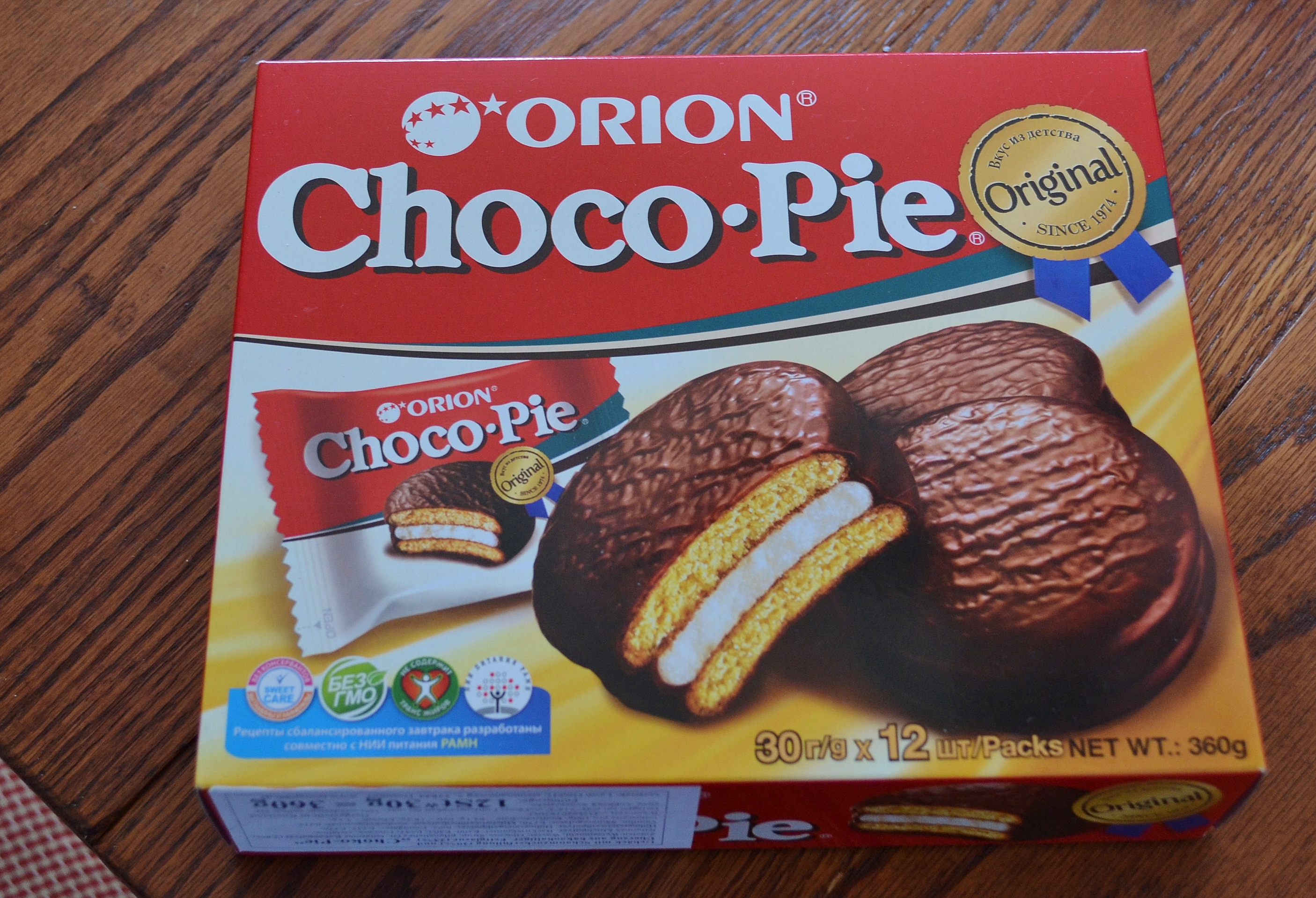
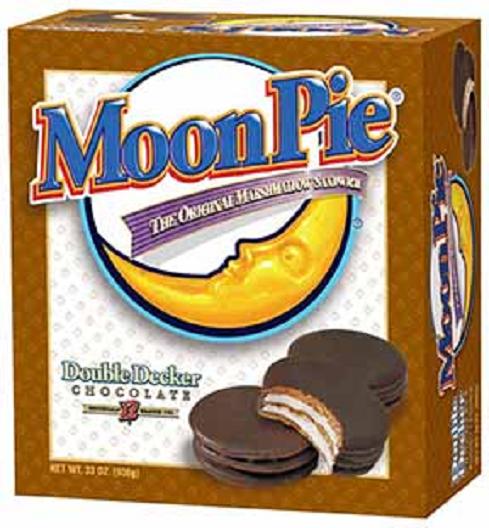
But great things happen too.  This morning, I was meandering the aisles of our grocery store, picking up jam, sorting through coffee, and pondering fish, when I stumbled upon the most amazing thing on an Eastern European/Russian shelf.  Moon Pies!   moon pie real Well, okay, Choco-Pies–but they were Russian Moon Pies!    Eureka!   For all of you non-American (or non-Southern) folks out there, here’s a little lesson:  Moon Pies are chocolate, graham, and marshmallow pies that are a Southern staple and made in Tennessee.  Before the markets were flooded with snack cakes and convenience food, there was the Moon Pie.  Apparently, they were produced beginning in the 1920’s and they were certainly big stuff in the sixties and seventies.  (My mother loved to pack my lunch with Little Debbie Oatmeal Cream Pies, but my heart, and my taste buds, yearned for Moon Pies.)   They were iconic.  And delicious.

And here I was, in Germany, staring down a Russian doppelganger!  At first I laughed, and then I greedily stuffed a box into my shopping cart!  I considered my good fortune as I walked the streets of town, heading home with my grocery bag and its treasure.  But as I walked, I started thinking about more than my good fortune.  I started thinking about the doppelganger-ness of the little chocolate pie: the shadowy counterpart, the ghostly (and ominous) double.  The American Pie/the Russian Pie:  forever locked in a shadowy dance.

For sure, I’ve watched too many episodes of “The Americans,” the Cold War spy drama, lately.  But my odd brain was playing out this Spy v. Spy (Pie v. Pie) drama  and finding it fascinating.

By the time I got home, I was mad to know more.  I ripped out the Choco Pie box and scanned the label for clues–amongst the Cyrillic  (Russian) script and German sticker stood out something I could decipher.  Original since 1974.  Ha!  It wasn’t the original then–we got there first.  Not only did we get to the moon first*, but we got to the moon pie first.  I chuckled as I opened the box and saw that the pies were smaller than their American counterpart.  Well, what did I expect?

But then I took a bite.  Oh my.  I took another bite.  They were delicious.  So fresh, so chocolaty.  I felt conflicted in my patriotic soul.  There had to be an explanation for this;  no way the shadowy double could rival the Southern staple.  Think, think!  (Take another bite.)  Think some more!   Oh–of course–the problem is that too many of the American Moon Pies I’ve eaten have been plucked from dusty lower shelves of rundown convenience stores or seedy Stuckey’s truck stops.  Who knows how long they had lingered there, gathering dust and grime?  That’s it.  That must be it.


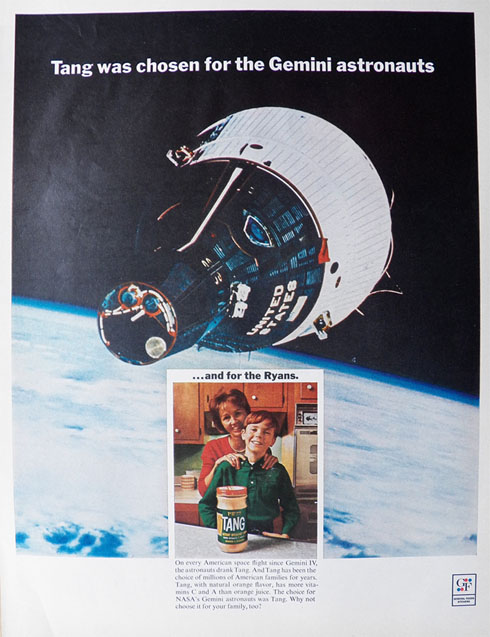
Tang ad, 1966
Tang ad, 1966

I was raised in the 70’s with a taste for Moon Pies and Tang.   In my mind, that era will always be  about playing kick the can, catching fire flies, eating Moon Pies, and drinking Tang like the astronauts.  I remember some of the Apollo missions; I coveted the GI Joe astronaut dolls (Barbie never had the astronaut get up, although her house and pink convertible weren’t too shabby); and I marveled when Skylab sustained people and research in space.

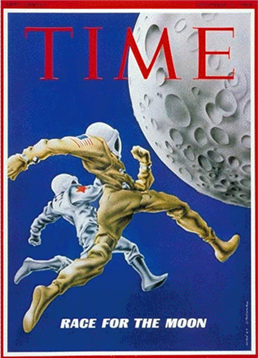
I didn’t cheer on the Cold War or Nuclear Proliferation– they scared the hell out of me– but I was  a product of a culture and a time.   I didn’t know whether I was an observer or participant, but I felt the adrenaline of the Race.  The Race for Hearts and Minds, the Race for Space, for Superiority, for Survival.   And then I tucked my head down into a Moon Pie  or  Mad Magazine and took refuge from the noise of it all.

Only to find today that, maybe– just maybe– my youthful Soviet doppelganger was doing the same thing in 1974.

Only she couldn’t call her treat a “Moon Pie”. . . because we got there first.

Just another lesson learned at my German grocery store.


*Sort of.  We put a man on the moon first.  But before that, the  Soviet Sputnik program beat us into outer space and the Soviet Luna program reached the moon with unmanned crafts.

Time Magazine cover, Dec. 6, 1968