Heidelberg, Germany
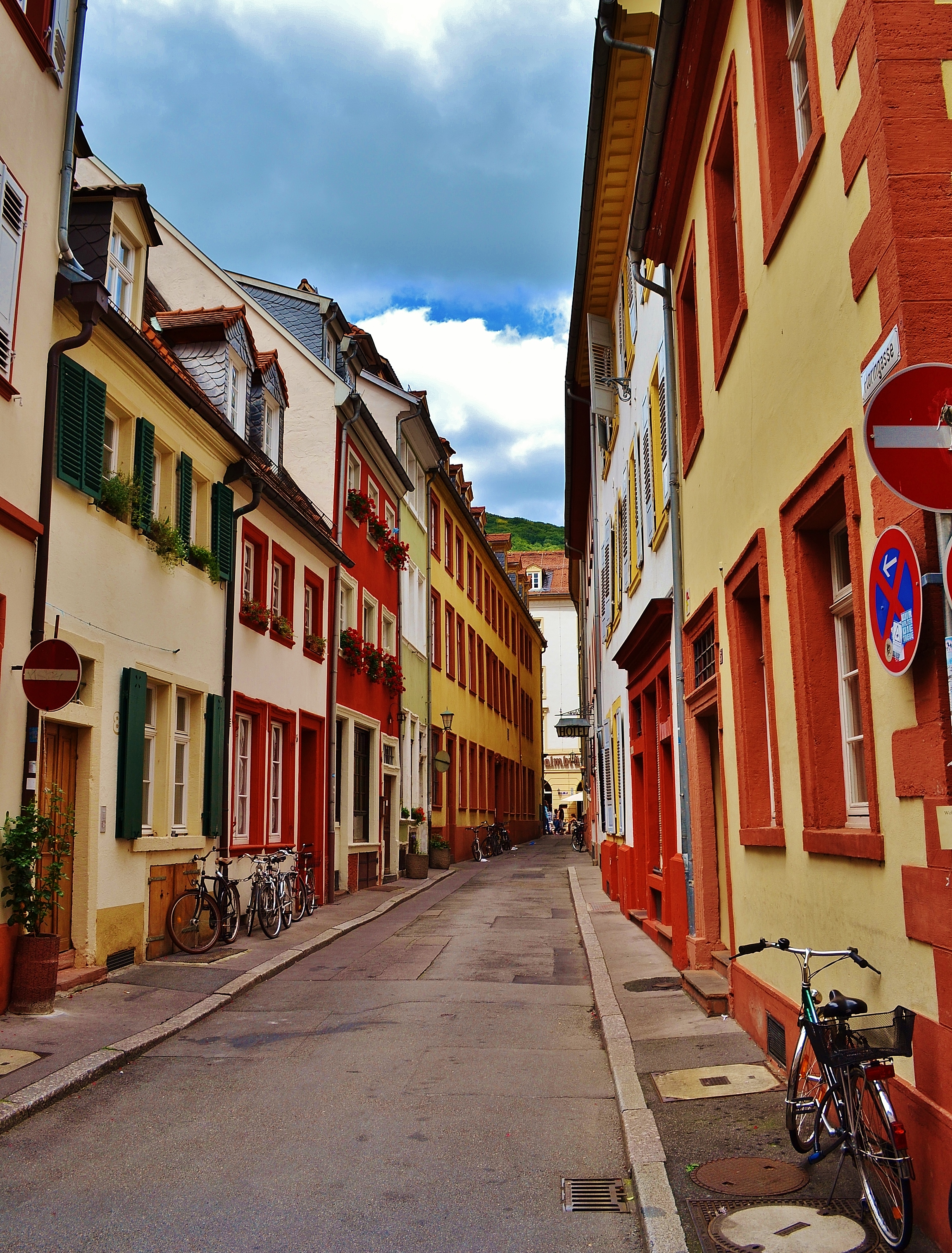


Heidelberg, Germany

Another chapter in my struggle with the German language–a tragicomedy.
I’m back in a rudimentary German class and progress is slow. I am learning. . . just not quickly. And it doesn’t help that I spent the first two months sitting next to a Scotsman who looked like a young Paul Newman. Honestly, Deutsch can’t compete with that. So I’ve moved seats.
I sit closer to the back of class now, and I find it very interesting how different people react differently to class exercises. There are only a few of us left in the class–where we started out with 25 or 30 in October. That number was cut in half by Christmas, and has shrunk even more now. (Apparently, I’m not the only one who finds German difficult.) But here’s what I’m seeing: Some people take nary a note and just listen to the exercises and explanations. Other people write down every syllable spoken in class, never lifting their heads from their notebooks. Some fall in between (like me)–but each with their own quirks. One classmate has made copious “cheat sheets” to refer to to help him with articles in various cases (nominative, genitive, accusative, dative); one has written down every vocabulary word we’ve ever spoken and highlighted the genders of nouns; one rocks back and forth slightly whenever trying to remember the gender of a noun.
Me? I fall in the middle ground lot–writing and pausing to listen; listening and then trying to catch some notes on paper after the fact. But my quirk is spacing out. Now that Paul Newman is less of a distraction, I’m people watching my fellow students’ classroom habits. But I’m also constantly pausing over the whimsy of the language. I lost a good ten minutes in class the other day after learning the word “Fernseher“–TV set. The minute it fell from my teacher’s lips, my hand shot up. “How does that translate literally?” “Far see-er.” she said. How fabulous and retro! The TV set, that box in the corner of the room that opens a window into other people’s worlds or other cities’ news–the far see-er box. I was consumed for a few minutes by images of people sitting around the earliest TV’s, like characters in a sci-fi B-movie, gazing at far away places through static and wiggly lines. Magic! How great is that?! I suddenly liked the German language again. . . and then I started wondering about other funny words. There’s the stuabsauger (dust sucker–the vacuum). And , oh–Kindergarten! That would literally mean “children’s garden.” A place for all of the little buds to grow tall and bloom! How funny–perfectly logical and spectacularly whimsical and visual all at once. And then, I started wondering about other words in English that I’ve never really thought about. Well, “television,” for one. I suppose that means “seeing from a distance.” Well, there you go.
And there I went–having missed 5 or 10 minutes of what was going on in class while I pondered the whimsy and logic of language. And while my classmate studiously referred to his charts and cheat sheets on cases and declensions, while the person to his left concentrated and rocked slightly.
And so it seemed crystal clear to me that there are two basic types of people in a language class: the engineers and the Van Goghs. The engineers get the specifics down precisely and probably become very efficient at running the language in the direction and at the speed that it should best run. They build their language skills cog by cog. The Van Goghs are a different beast. We enjoy the broad brush strokes of language. We are intent on communicating, and would like to do it well–we are just less geared (excuse the pun) toward the efficiency of communication and more toward the bright colors, the swirl and flow. I tend to fall into the structure of German fairly well (okay, rudimentarily well)–the crazy, slipperiness of German verbs that like to come first, last, or middle of a sentence, depending on the sort of message you convey. I get that on an intuitive level. But noun genders, and German cases and article and adjective endings, they are less intuit-able to me. They take a chart, or a precise cog in the brain (cut to measure and carefully placed just so). They take a mind that sticks to its charts and does NOT slip, trip, and travel over the whimsy of a word in the middle of class.
It might be nice to have an engineer’s mind when you are trying to communicate with the travel agent or sort out your power bill at the municipal power office, under the stern gaze of the German office worker. But, all in all, I wouldn’t trade it for the slips, trips and whimsy of the brain I have. Efficient? Hardly! Amusing? To me . . . and that’s enough to keep me happy, and to keep me going back to German class for the time being.
Three photos from Triberg, Germany (in the Black Forest)
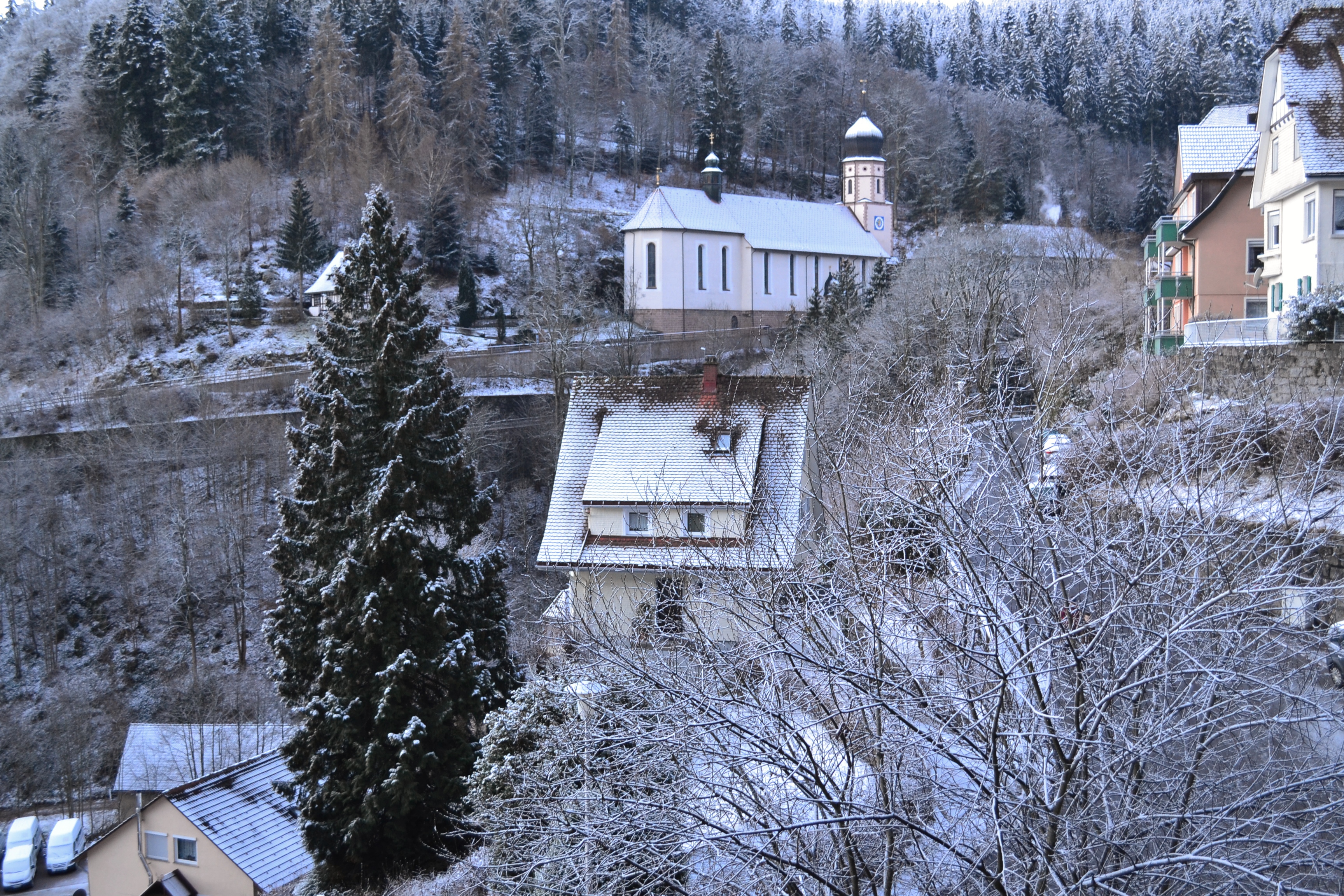
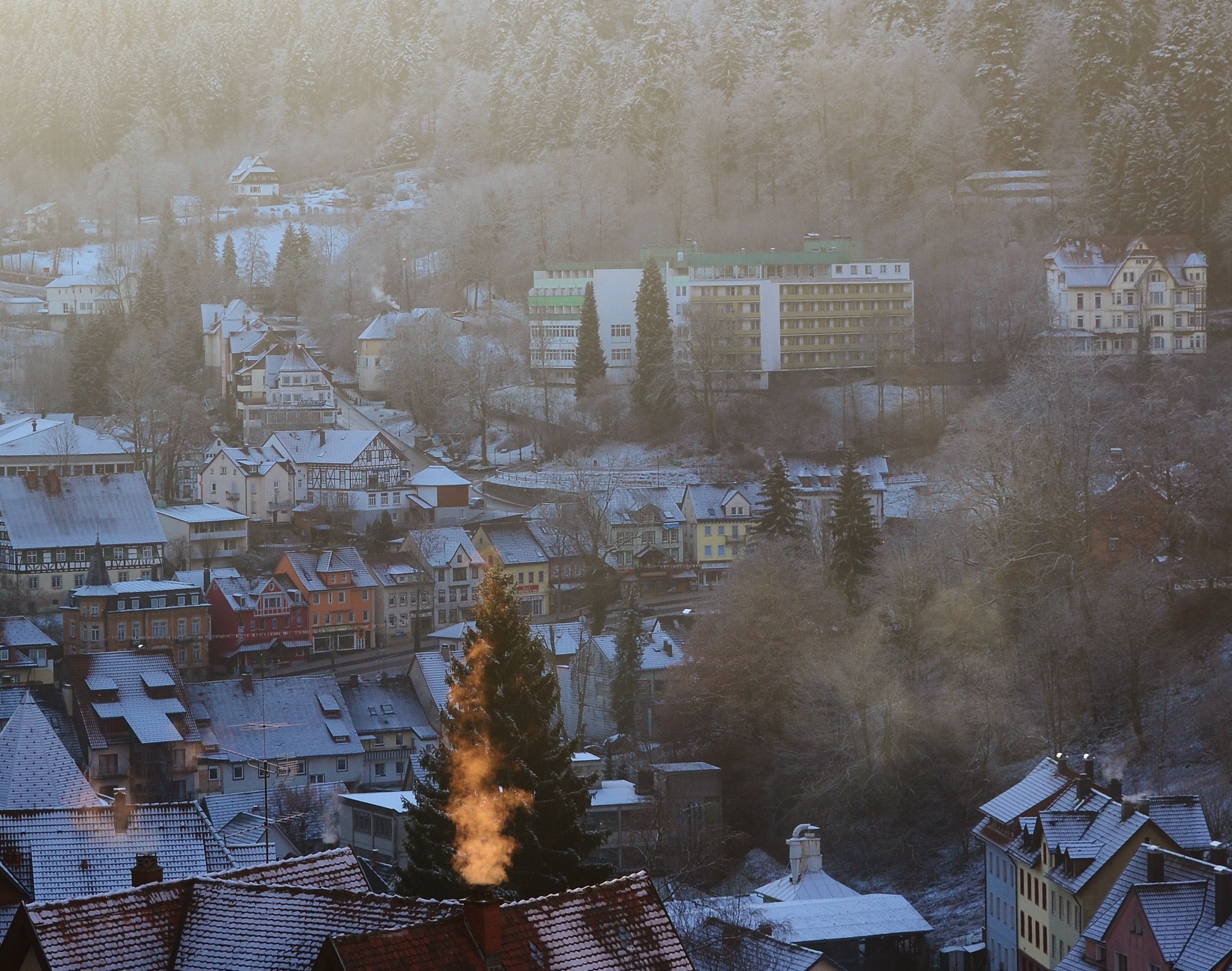
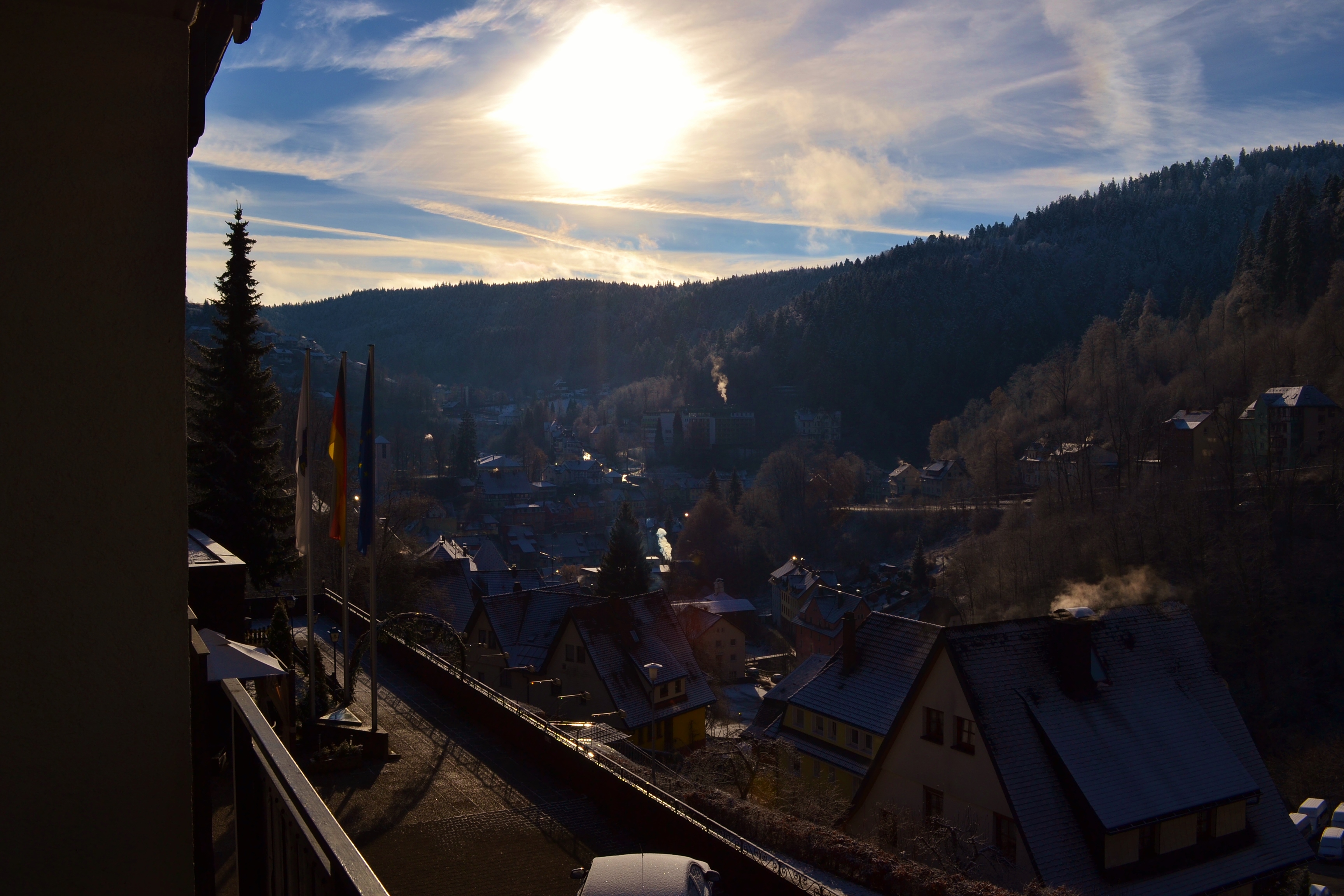

The Three Wise Men, The Three Saintly Kings. They came to visit me today. Sort of.
Actually, they stood in the street and looked forlorn, so I went out to speak to them.
I had been told they might be coming. To knock on my door, and to bless my house in observation of Epiphany on January 6th. We Americans take little notice of Epiphany (and the 12 days of Christmas that span from Christmas day until Epiphany), but in Europe it is still heartily observed.
Let me give you a tiny primer on the Heilige Drei Konige (the holy three kings) in Germany before I tell you more about my personal experience. According to the “German Words Explained” website,
On this day, groups of children known as Sternsinger go from door to door and sing a song or recite a poem or prayer. They then write in chalk above the door C+B+M and the number of the year with three crosses, eg. 20*C+M+B+08. These letters stand for the latin phrase Christus mansionem benedicat, meaning “God protect this house”.
The Sternsinger also collect donations for childrens’ charities. 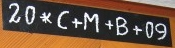
I assume that the C + M + B also stands for the Three Kings (Melchior, Caspar and Balthazar). When we first moved here, I noticed these chalk markings above so many doors–letters and numbers. I’d decided that it must have to do with a municipal code, but finally asked someone about it. How fabulous to learn that it was a blessing and not a municipal code–much nicer! I was looking forward to a visit when Epiphany rolled around.
And so the three anticipated guests showed up today. My husband, daughter, and I were standing in our kitchen, contemplating lunch, when three teenagers appeared outside our window. They stared at us, we stared at them. Then we, my family, stared at each other, wondering what we were supposed to do. We had no idea, so we stared back at them again, wondering what they were supposed to do.
This will sound strange and uncomfortable to you Southerners, but,believe me, it’s acceptable in Germany. Encouraged, even. When we first arrived, we waved at neighbors and smiled broadly. They stared. . .then scowled if our idiotic grinning and waving continued. It was clear that we were committing a faux pas, but old habits die hard. Finally, months into our life here, I asked a German friend about this. “Oh no!” he said, “Do NOT wave. We just don’t do that. It is strange.” He continued, “You may tip your head if you must, but just understand that they are just looking. It’s normal; they are trying to see if they know you.”
I immediately stopped waving at people. My neighbors stopped scowling, for the most part. Now we just stare at each other. It still feels weird, but you get used to that feeling when you aren’t on your home turf. Weird is the new normal.
But back to the Kings loitering outside my window. They were three teenagers, recognizable as the kings only when two of them dropped their cell phones into their pockets and the third shifted her body to reveal a staff topped with a star in her hand. Another had some sort of wooden box.
“Oh!” I said, “I know who they are!! The Heilige Konige! The Wise Men!” I was so excited to have them visit our house!
But they just stood and stared.
Then they moved a few feet, so that they were blocked from view by a hedge. Were they regrouping before bursting into song?
Apparently not.
So I asked my husband to walk out and see if we were supposed to invite them in or something. He retorted, “YOU are the one who speaks German.” Two things worth noting here: 1 -clearly, he was a little wary of these sketchy wise guys, and 2-nothing that comes out of my mouth is recognizable as German, try as I might.
“Okay,” I said, “give me some money for the Kings.”
So, armed with some Euros and sketchy language skills, I rounded the hedge and approached the kings.
Can we pause the story here and just consider that last sentence? It has promise, doesn’t it? Sounds like the beginning of an epic tale or a heartwarming Christmas story. Yes, it has promise.
And then I said, “Die Heilige Drei Konige?” “Ja,” they said. Yes! Great! But the surly youth didn’t burst into song or emit a holy aura, or do anything else but stare.
“Sind Sie…fuss…the neighborhood?” I said. One king put his cell phone back up to his ear, and the other two looked at each other and then said, “Ja?” but with the emphasis on the question mark. “Fur Epiphany…und…charity?” I asked, adding “meine Deutsch ist nicht sehr gut!” with an apologetic look. (“My German is not very good.”)
We fumbled around for a moment. They never burst into song, and wise man #3 kept to himself and his cell phone, but we did manage to establish that wise man #2’s wooden box was for 3rd world charity donations. I handed them my money and wished them a lovely day in passable German.
That was all.
It wasn’t what I’d pictured happening when the Heilige Konige came to visit.
Maybe it was the cold rain and snow mix falling on our shoulders that kept them from a more leisurely visit? Understandable.
Maybe it was the fact that they were three teenage kings instead of truly holy kings, carrying cell phones instead of chalk, and that’s okay too. The Kingdom of Teenage plays by mysterious rules.
Or maybe it was my German-English (Germglish) that drove them quickly from my door. Germglish tends to do that.
So, the visit wasn’t what I expected . . .but I can get over that. I saw the Heilige Drei Konige; they visited my house. That ain’t bad for a rainy afternoon.
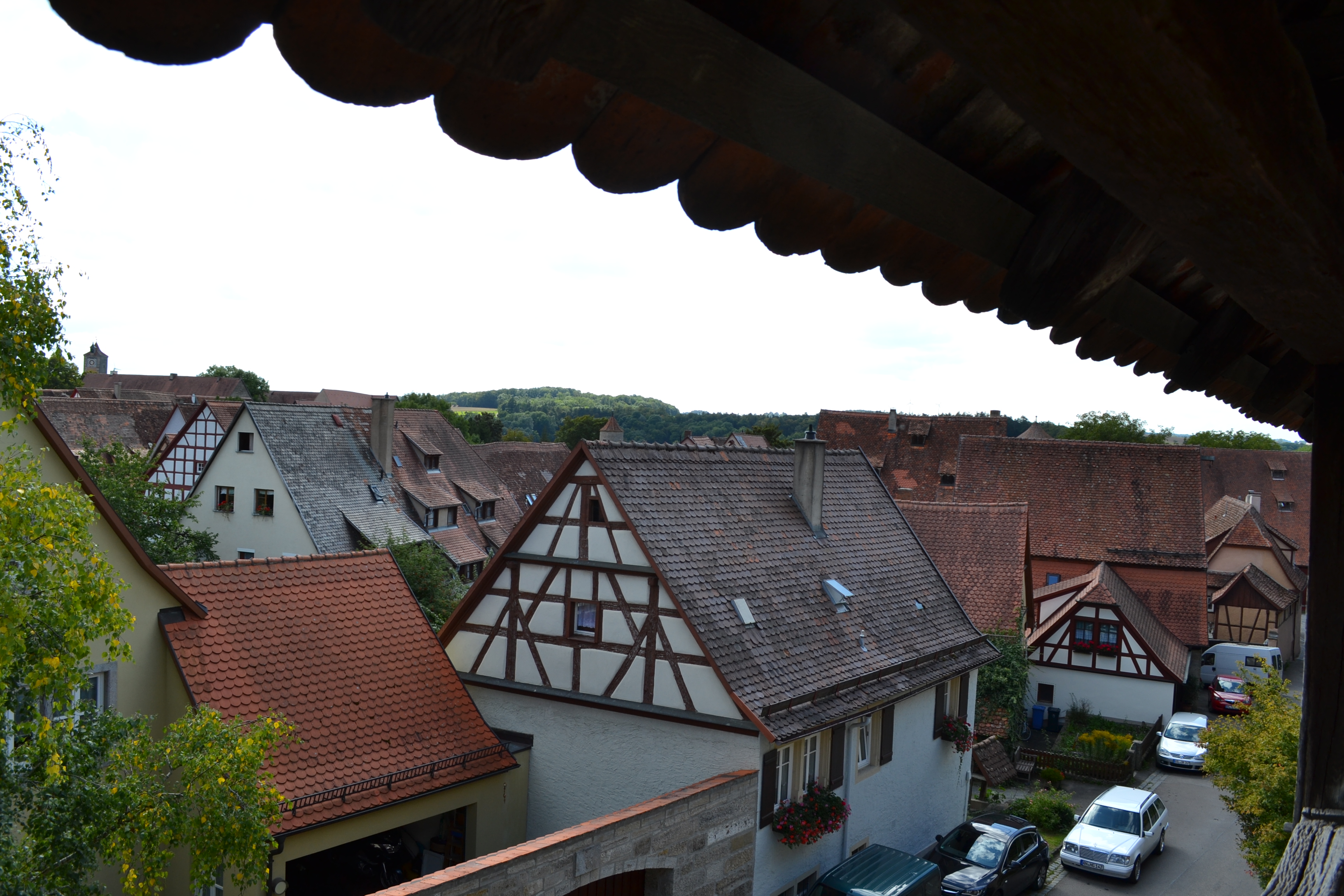
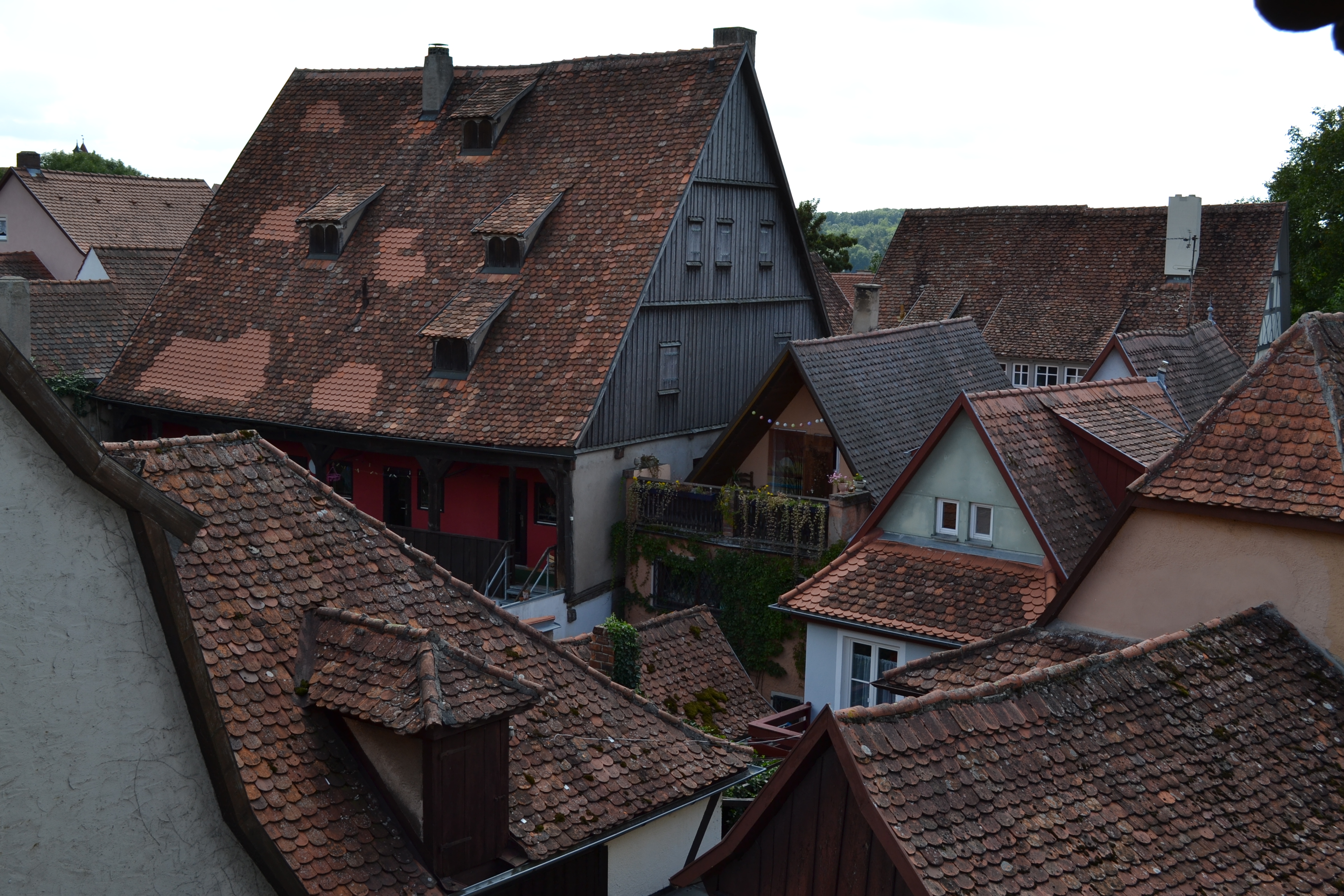
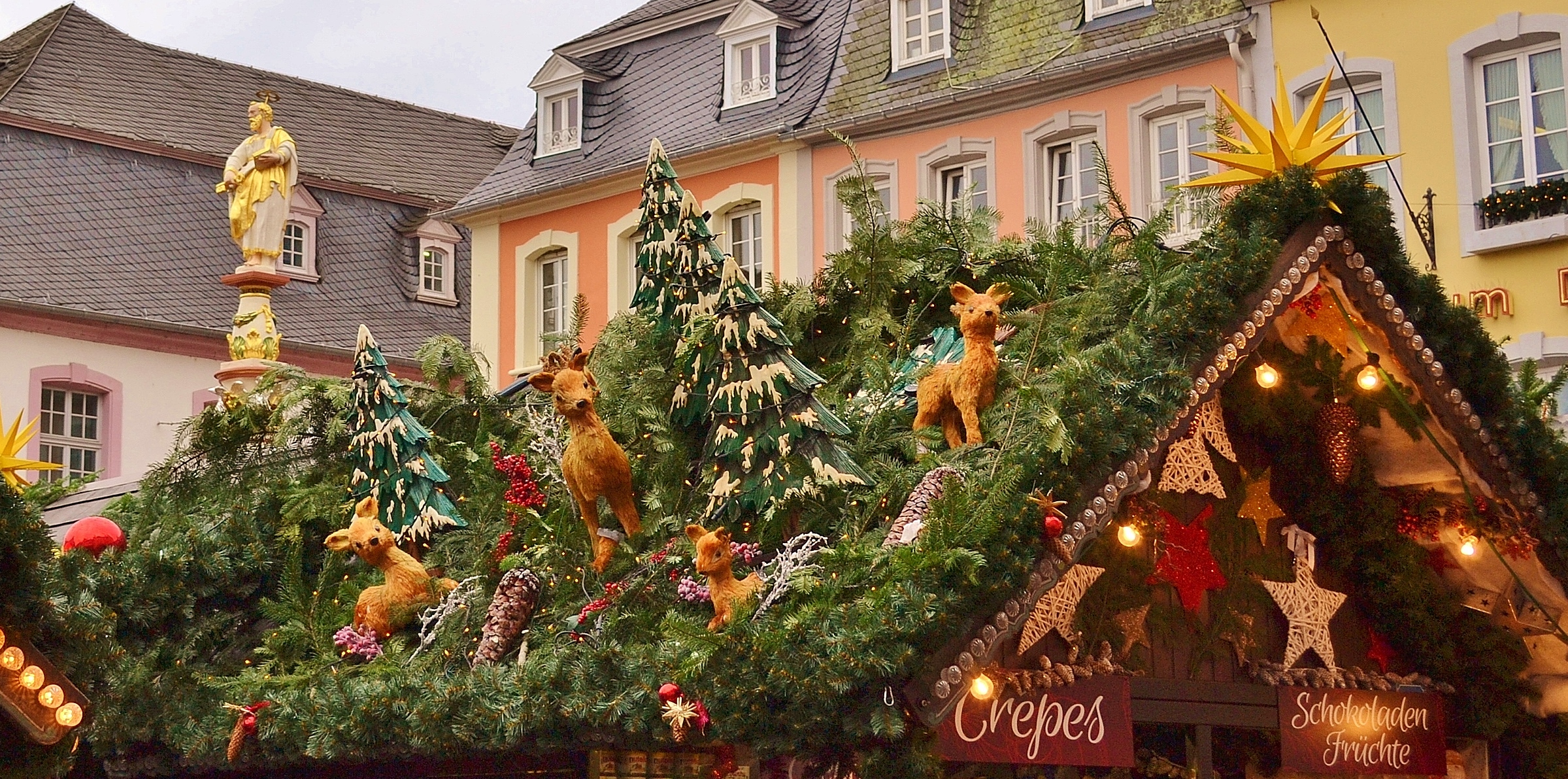
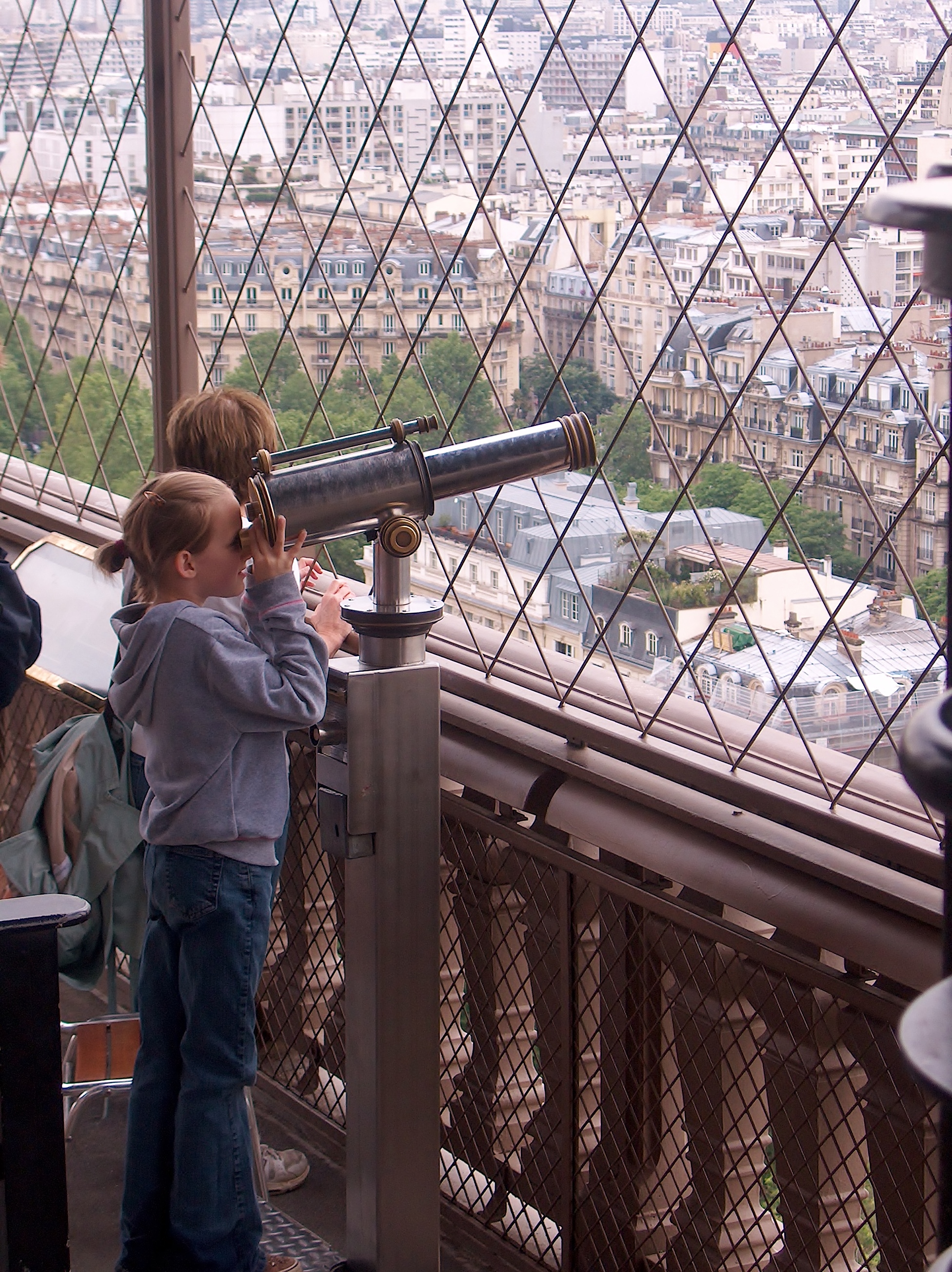
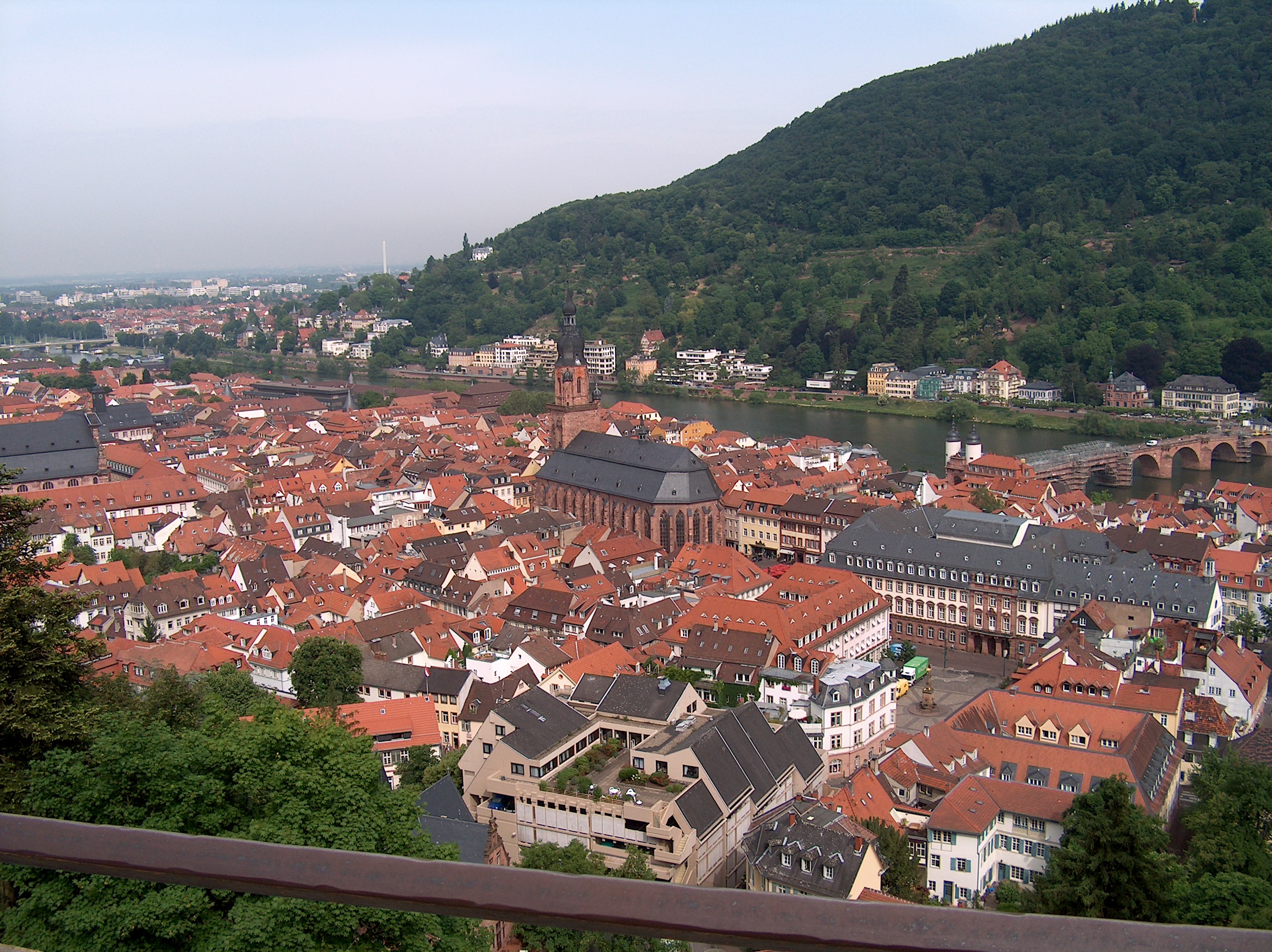
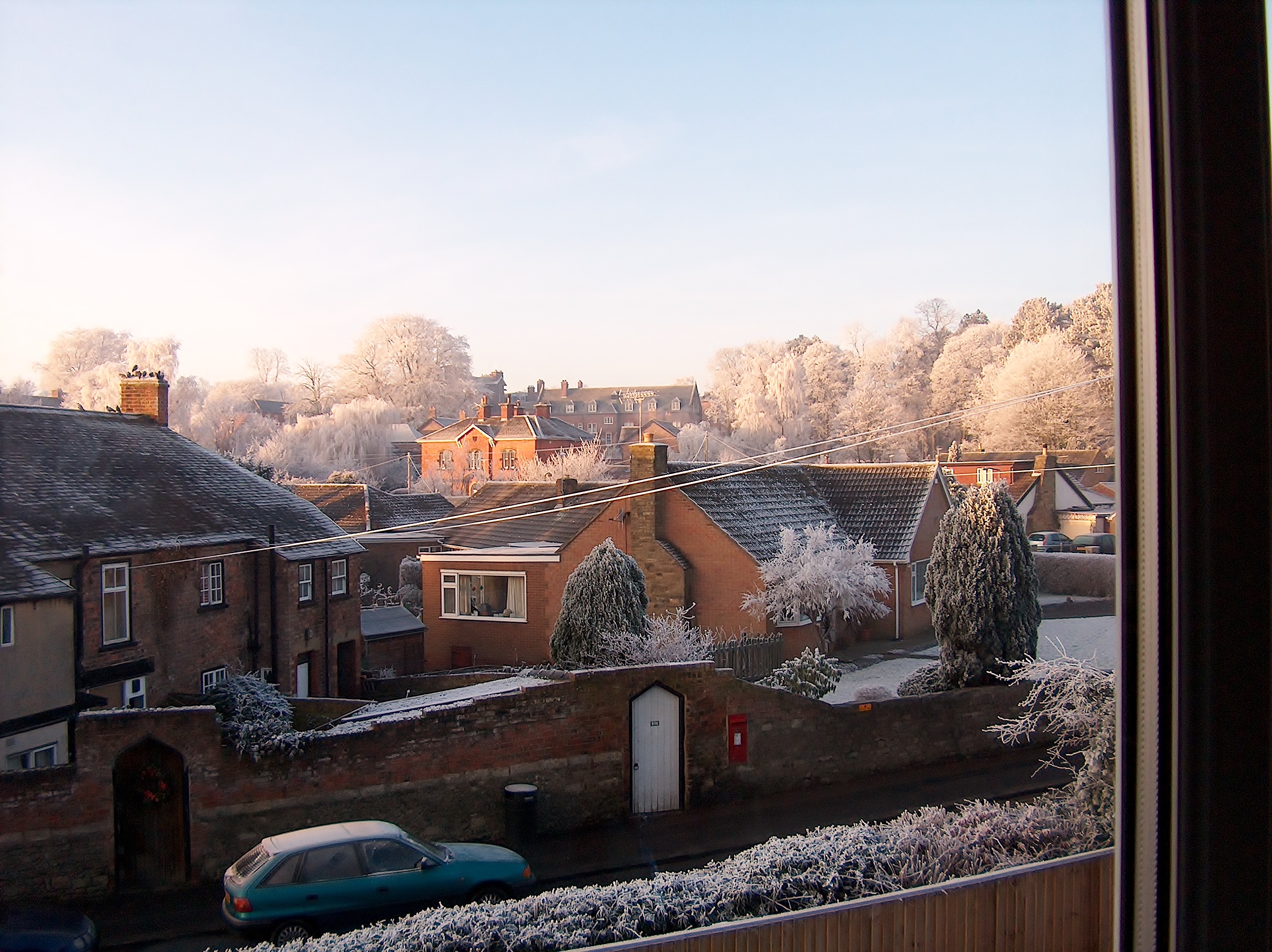
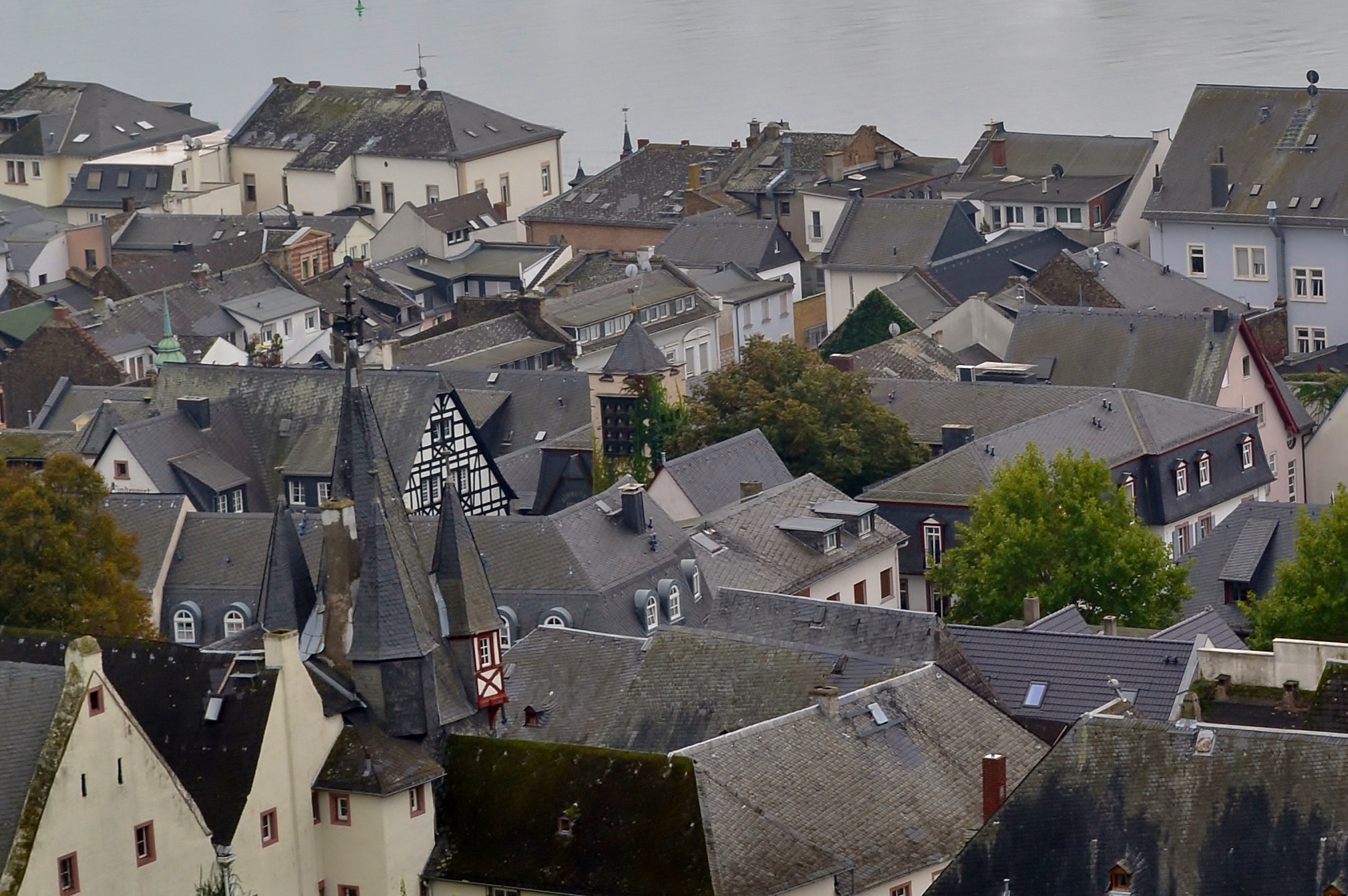
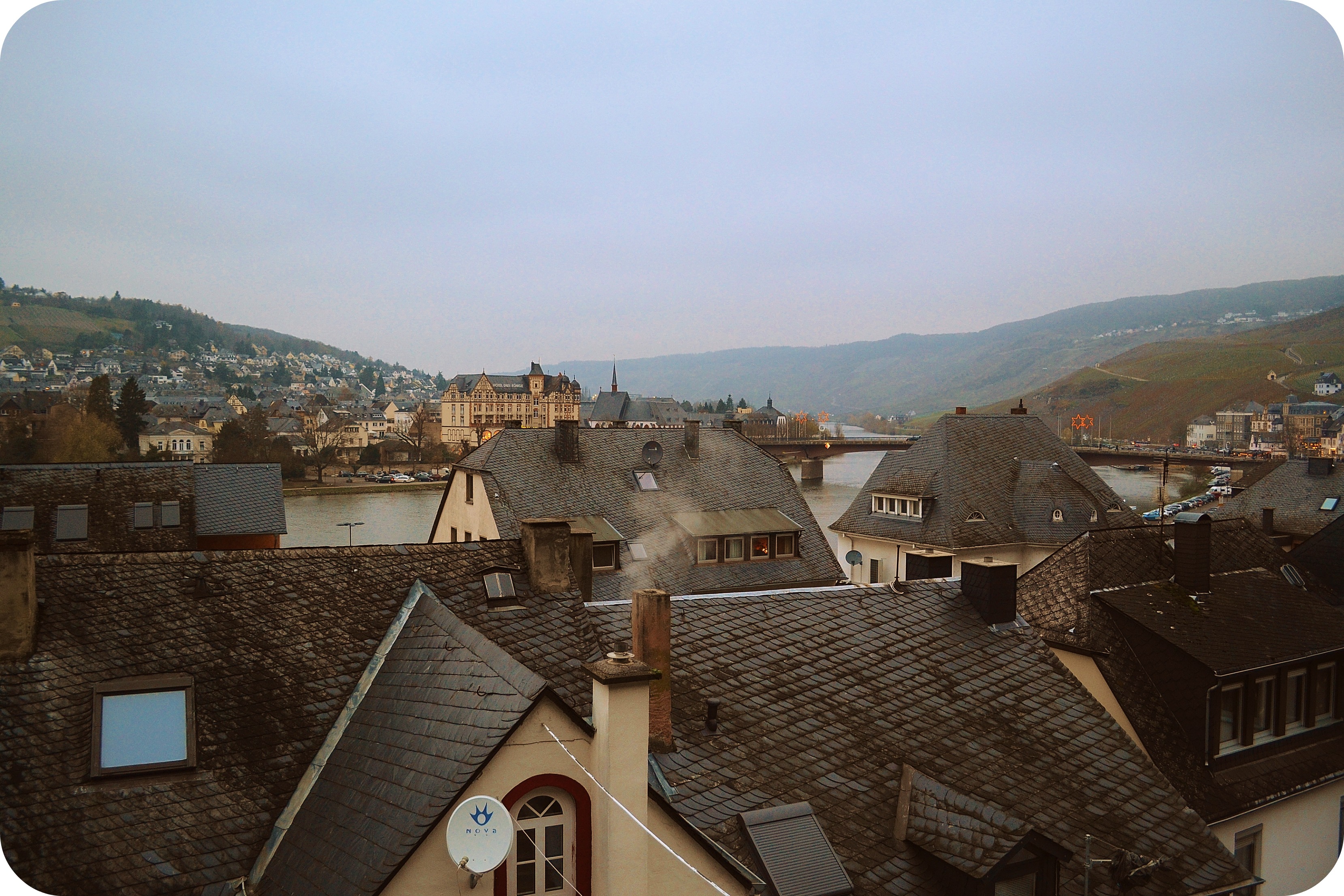
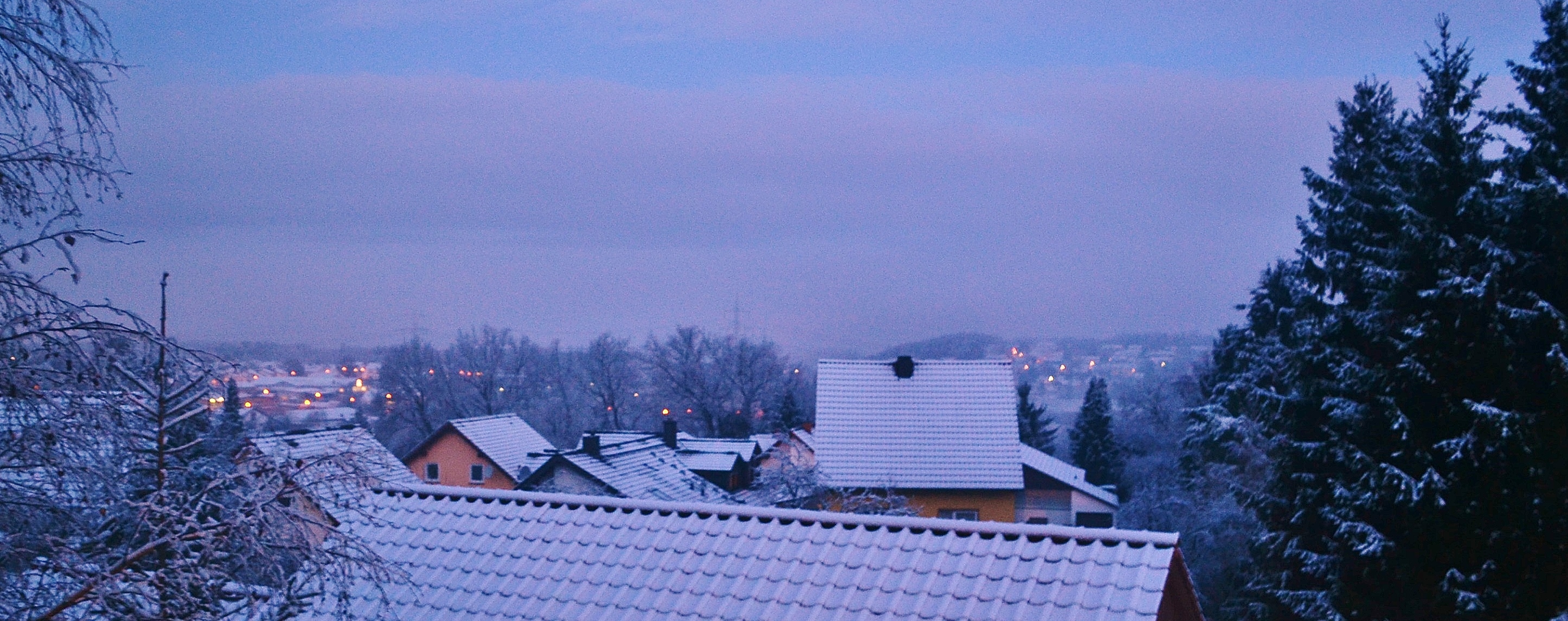
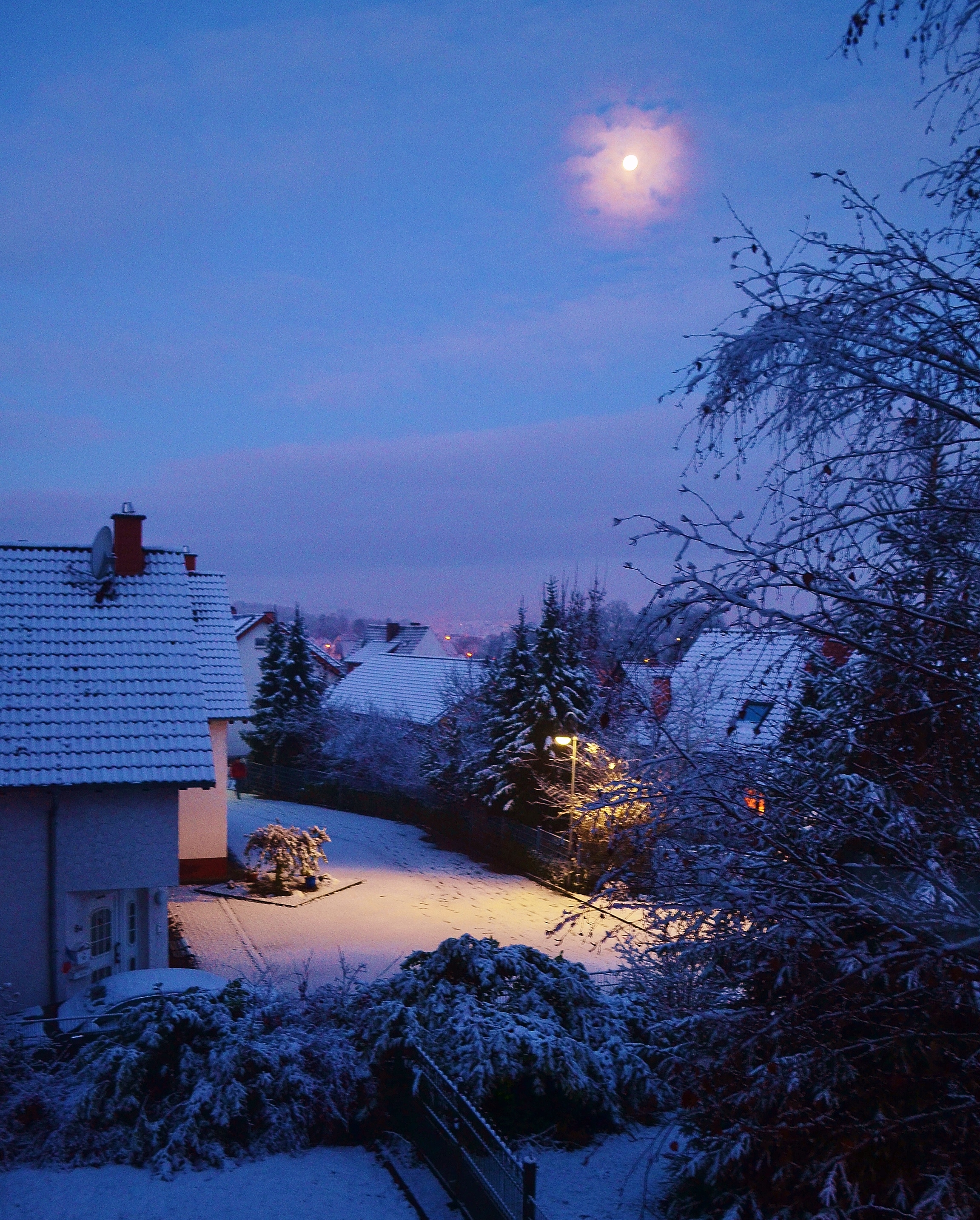
Saint Nick gets to see rooftops all around the world. The rest of us, not so much.
Here are a few rooftops from my corner of the globe.
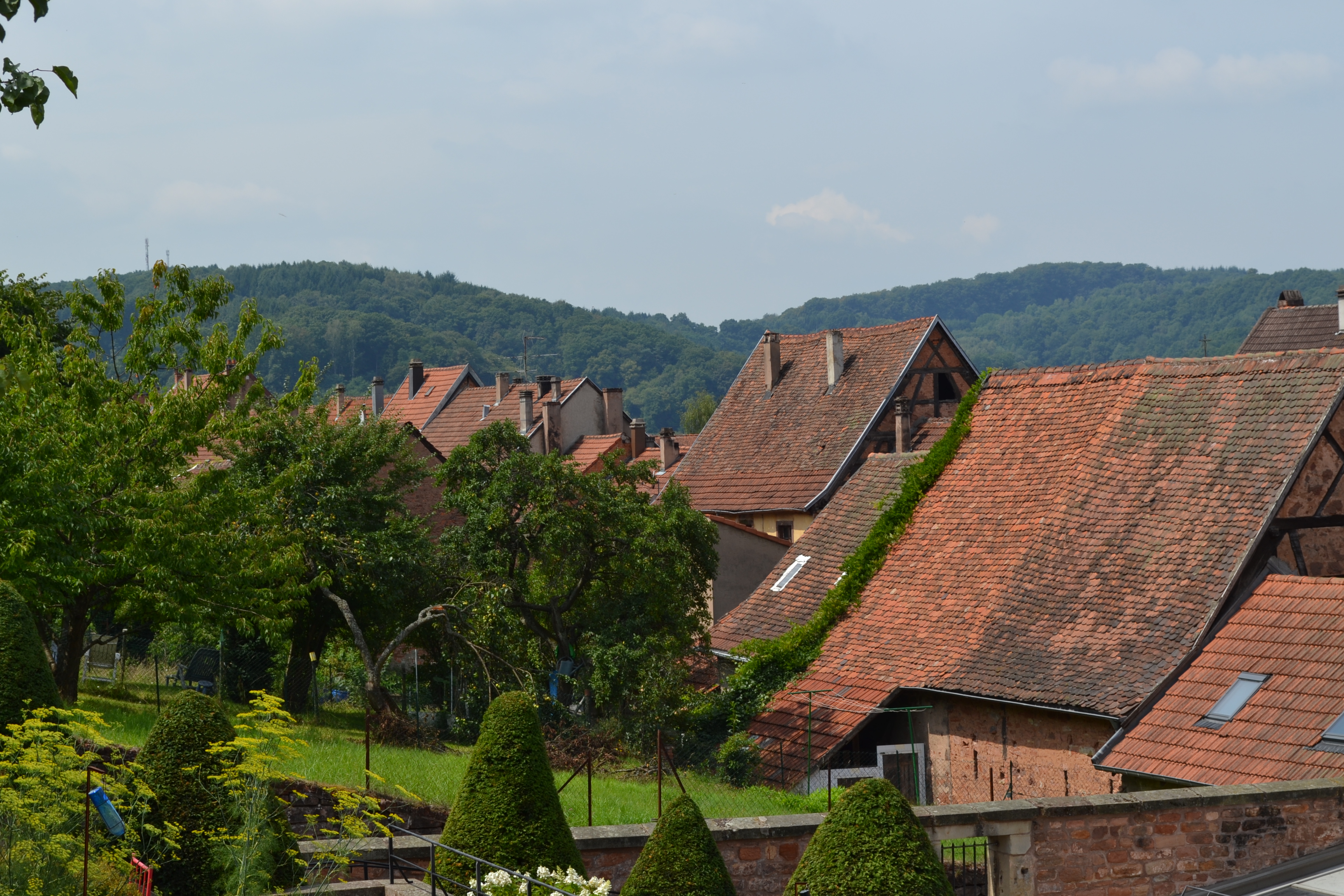
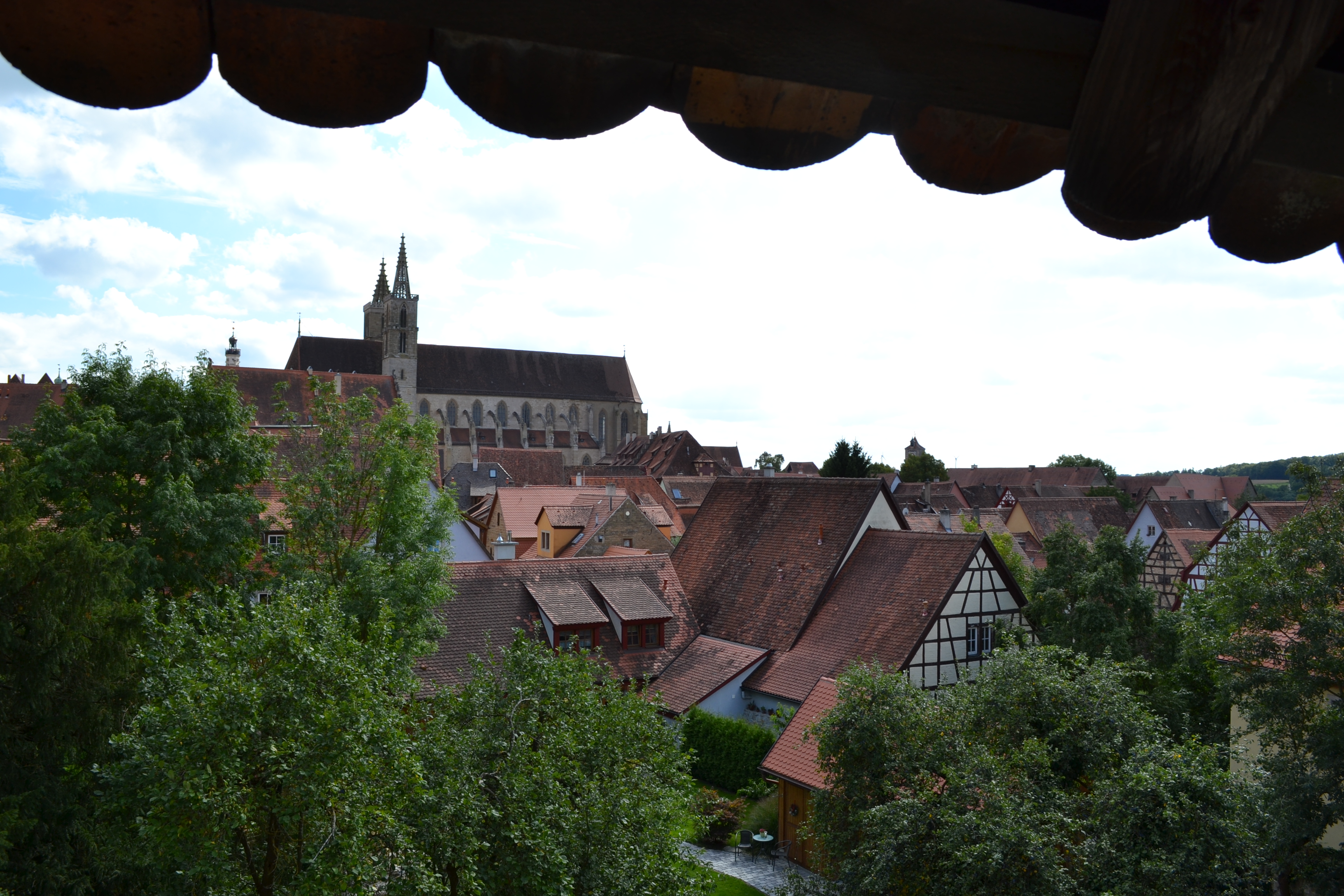
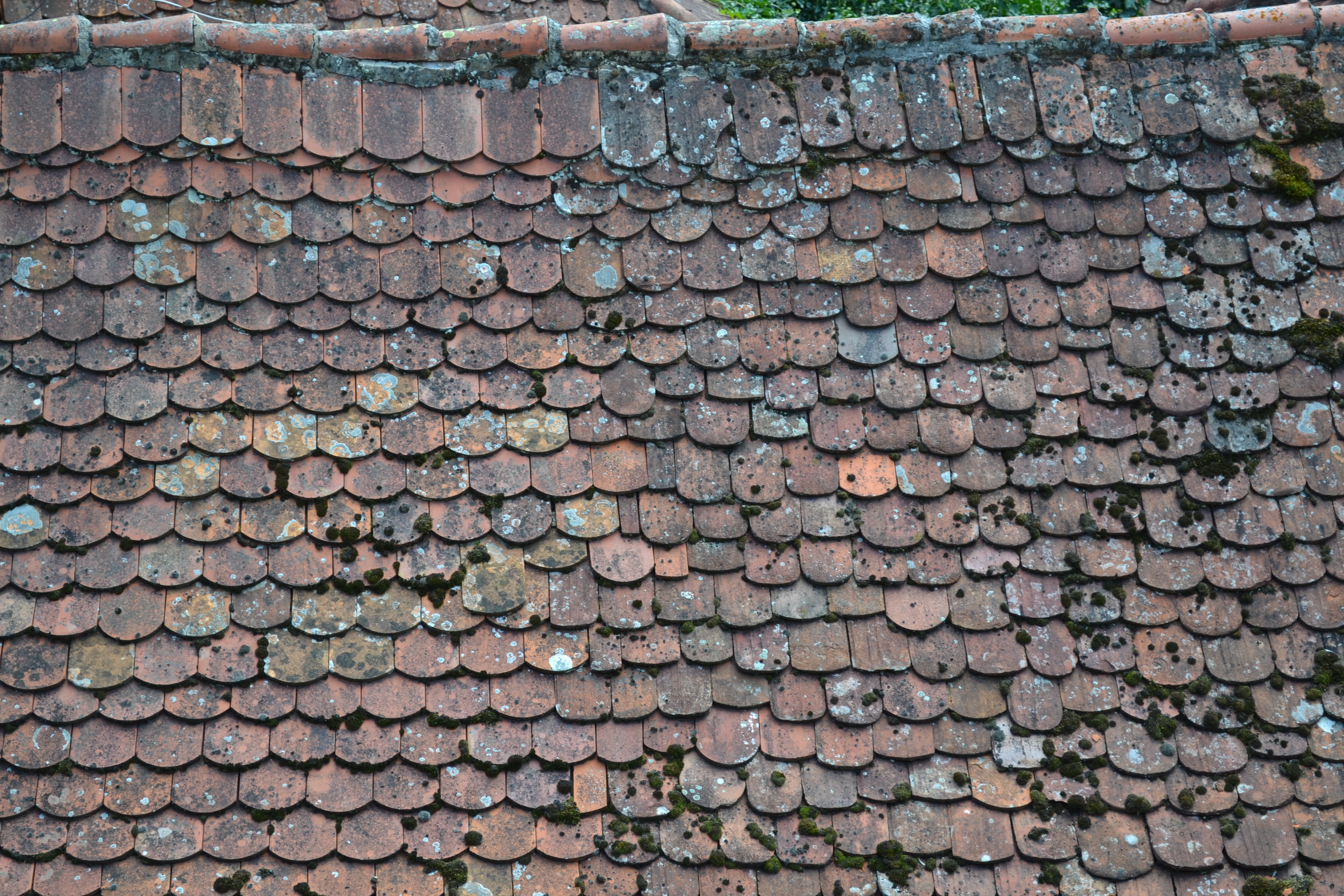

And, just in case Santa is reading, please don’t forget this neighborhood:
And, one more note:
 Travels and Tomes: One Expat's Amblings and Ramblings