The Things We Leave Behind: Childhood and Chitty Chitty

HPIM0620

There was a blog-space challenge making its rounds this week, for posts and photos of “The Things We Leave Behind.”  There have been great photos of, and posts about, crumbling architecture, changing cityscapes, found objects, etc.  The challenge catches me in a nostalgic mood, having just moved back Stateside, so my mind has lighted on personal memories– earlier travels when my children were little.  I’ll share just a few of those photos here.
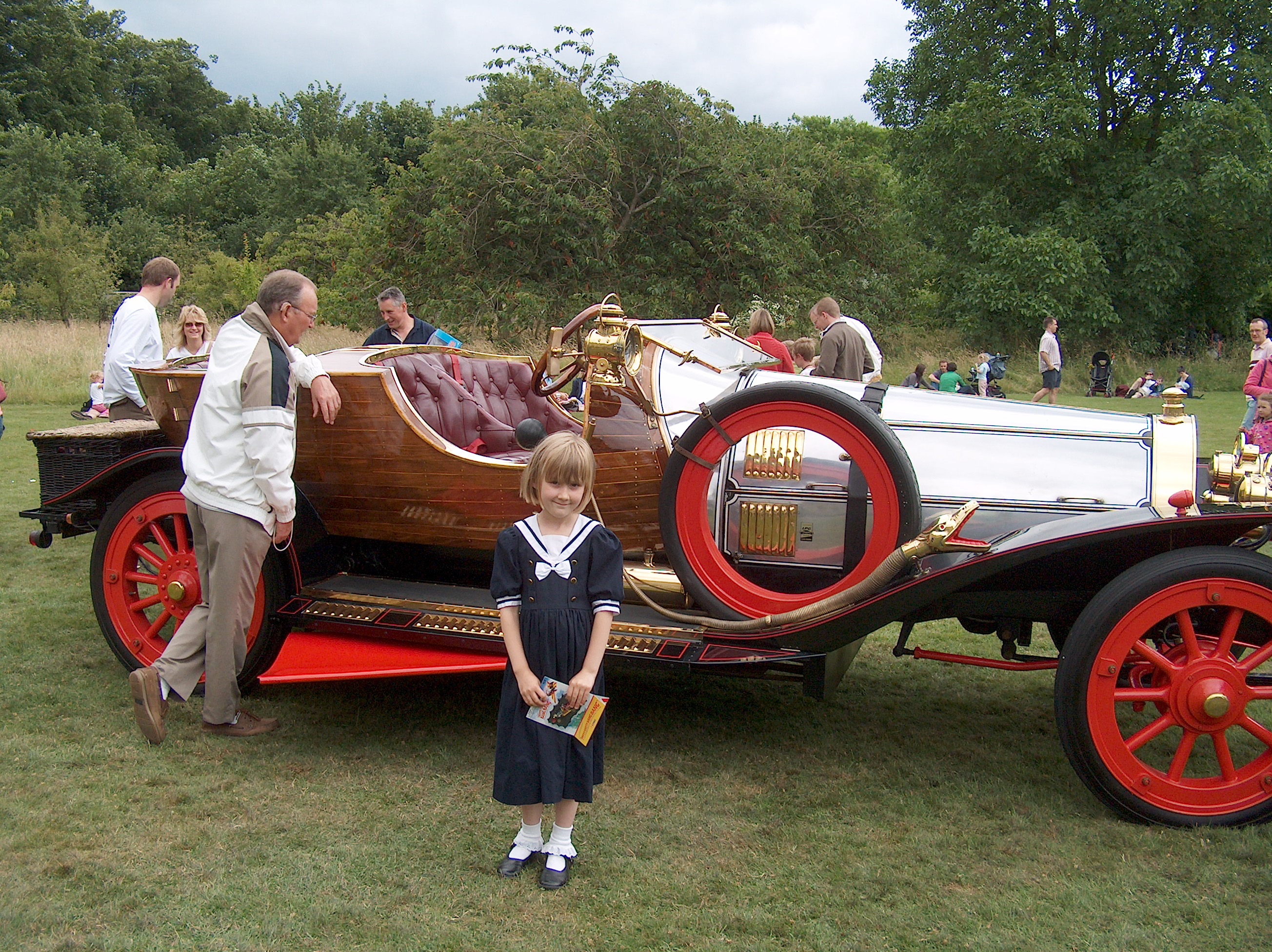
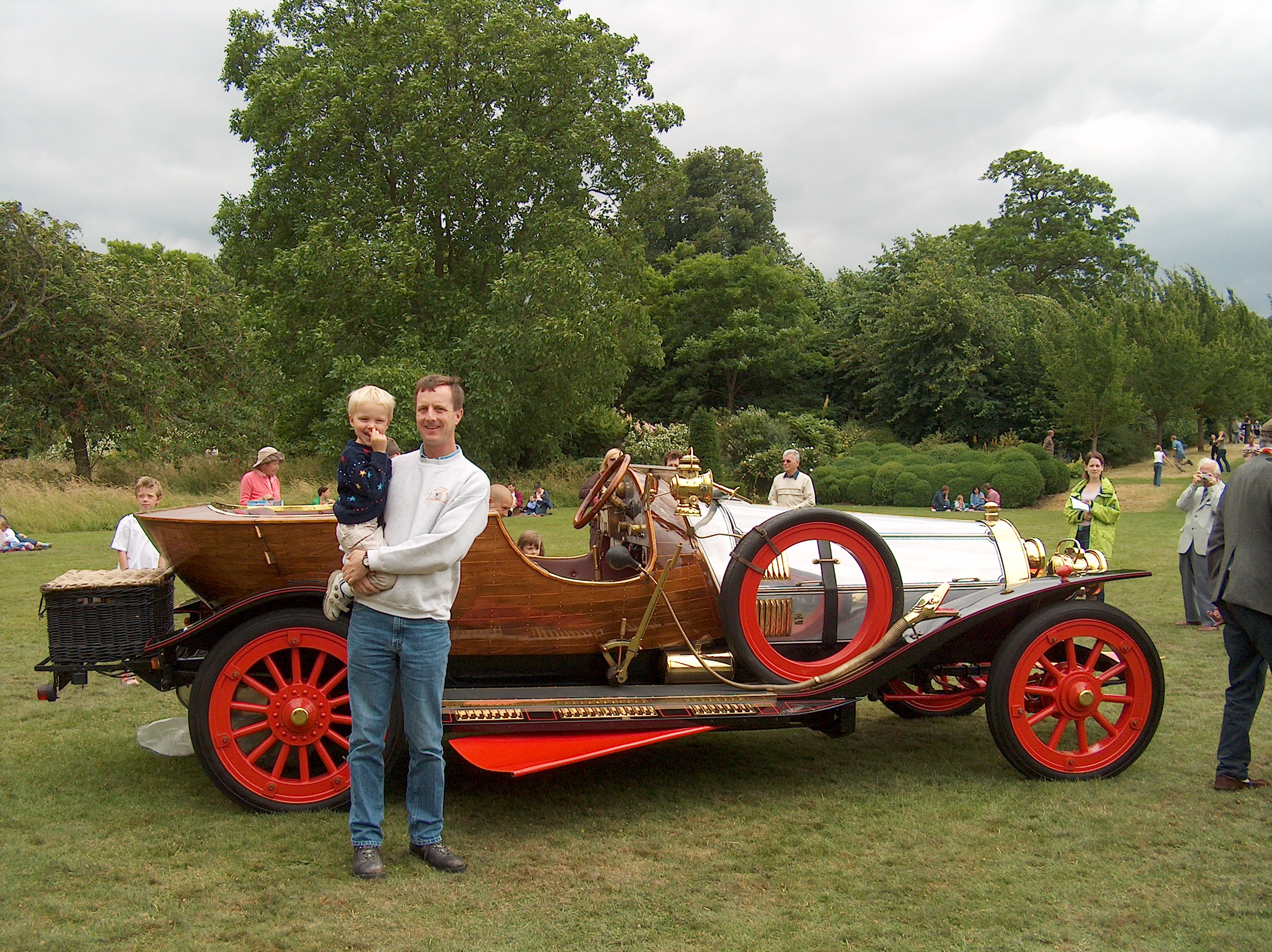
HPIM0622The first photos come from an early summer day in Yorkshire, England, when Chitty Chitty Bang Bang (the actual car from the movie) made an appearance at a local manor house one Saturday.   The owner of the car, who had actually driven the car in at least one scene in the movie, was proudly displaying his picture-perfect auto and answering a frenzy of questions from fans of all ages.  HPIM0624
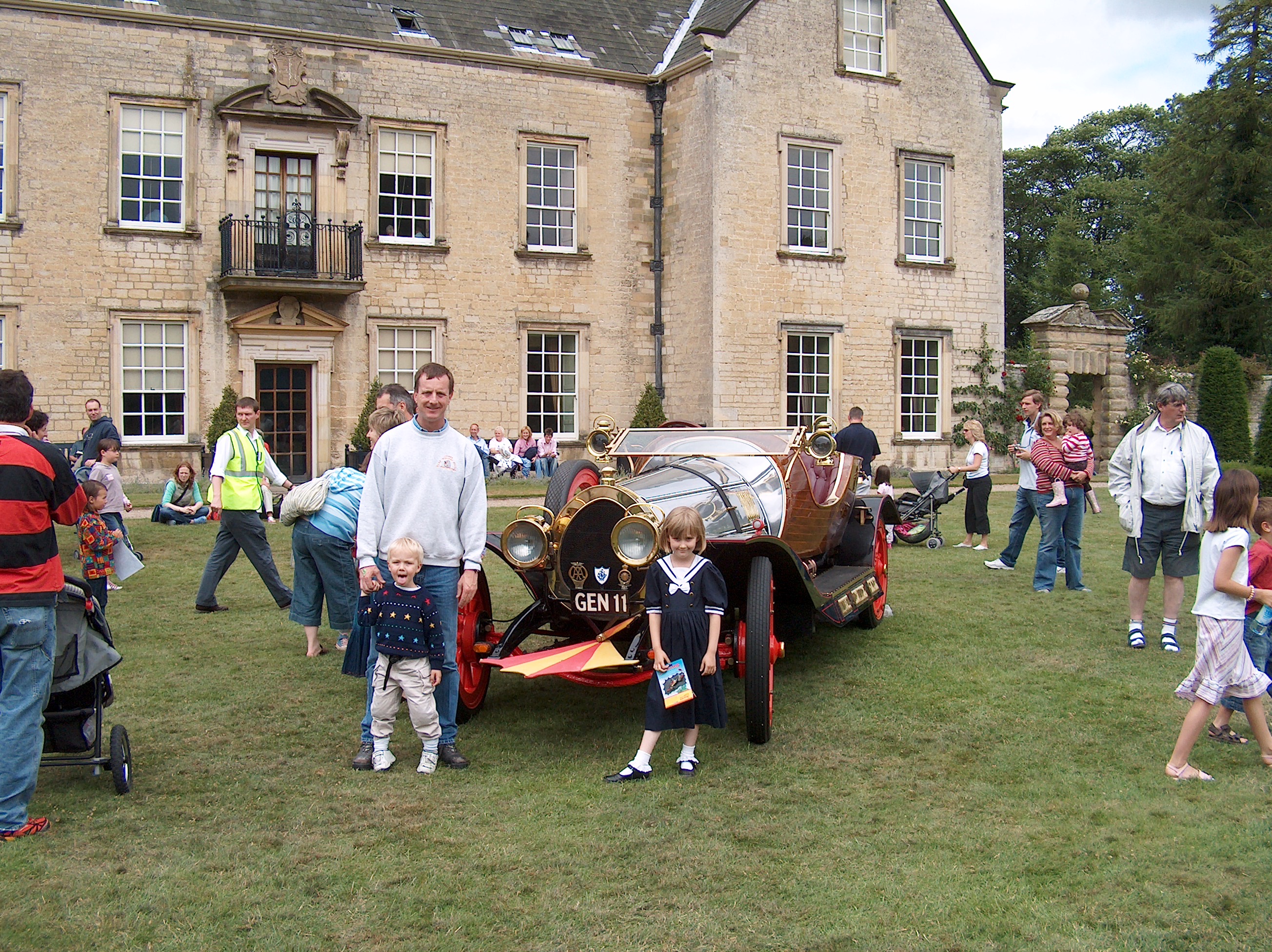
 

One lucky person, whose name was drawn out of a hat, got to go for a ride in the car.  We didn’t make that cut, but we enjoyed ogling the iconic car anyway.  It was a magical day.

I look at the photos now, and it does feel like an era left behind:  our lives in England, our children’s wide-eyed elementary and preschool years, and a certain fabled-space that those two things created in their synergy.

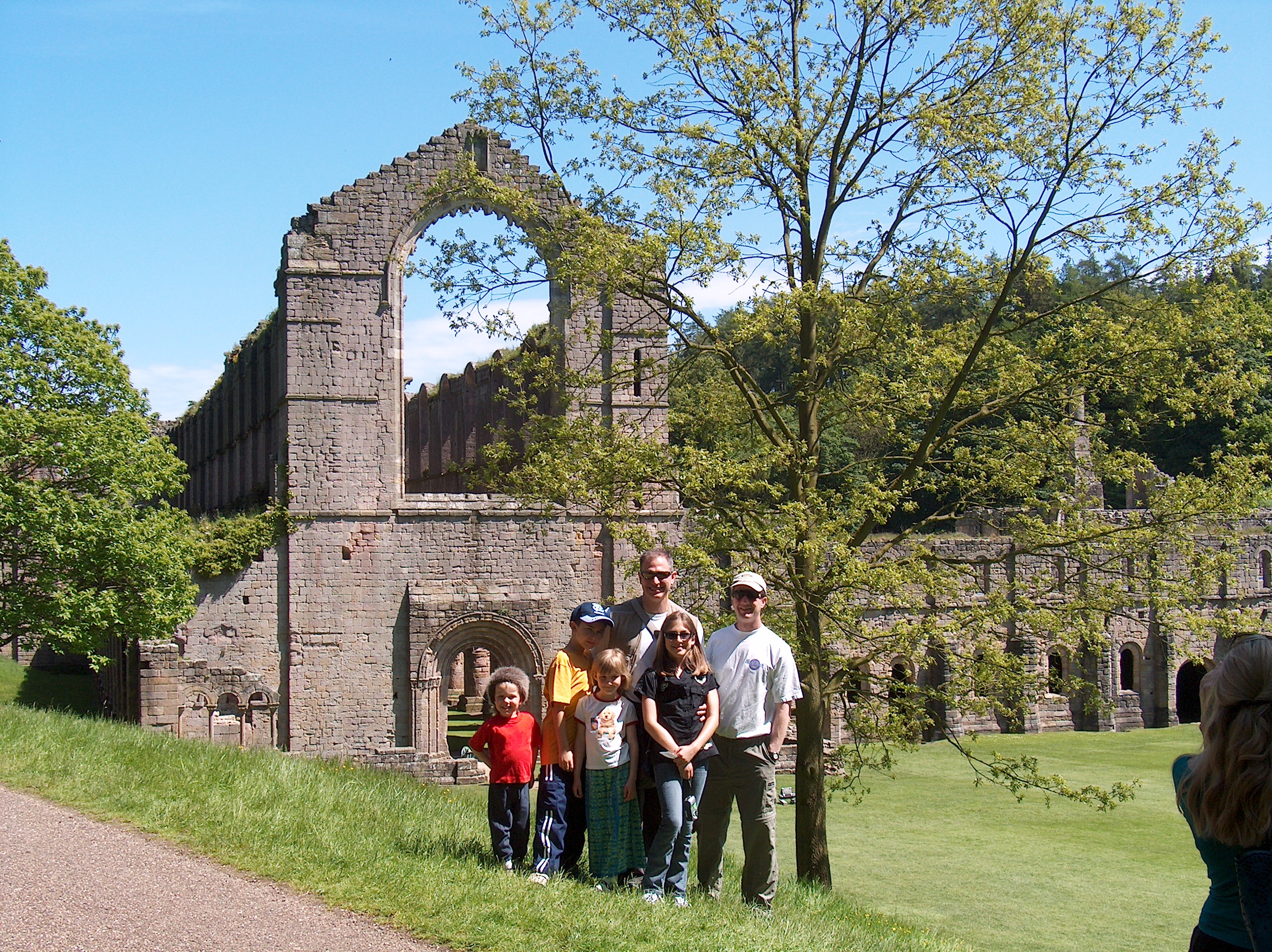
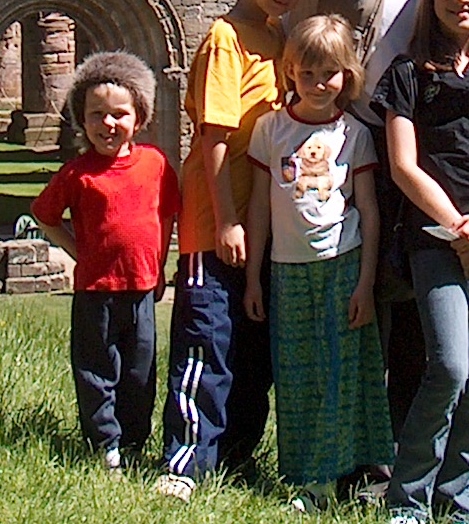
It’s funny, but when I looked at a number of old photos that I might post of “Things We Leave Behind,” I found that my present nostalgic filter made me HPIM0543see each of them differently.   For example, this photo from Fountains Abbey, in Yorkshire.   I went looking for a picture of the impressive ruins of the Catholic abbey that Henry the VIII closed down (but which partially stands proud to this day), but what I saw immediately in the photo was my son’s love of the Davy Crockett coonskin cap  HPIM0543 - Copy which he wouldn’t take off of his head, even in the summer heat.  It was a funny phase. . . but eventually left behind.
 

DSC_0251

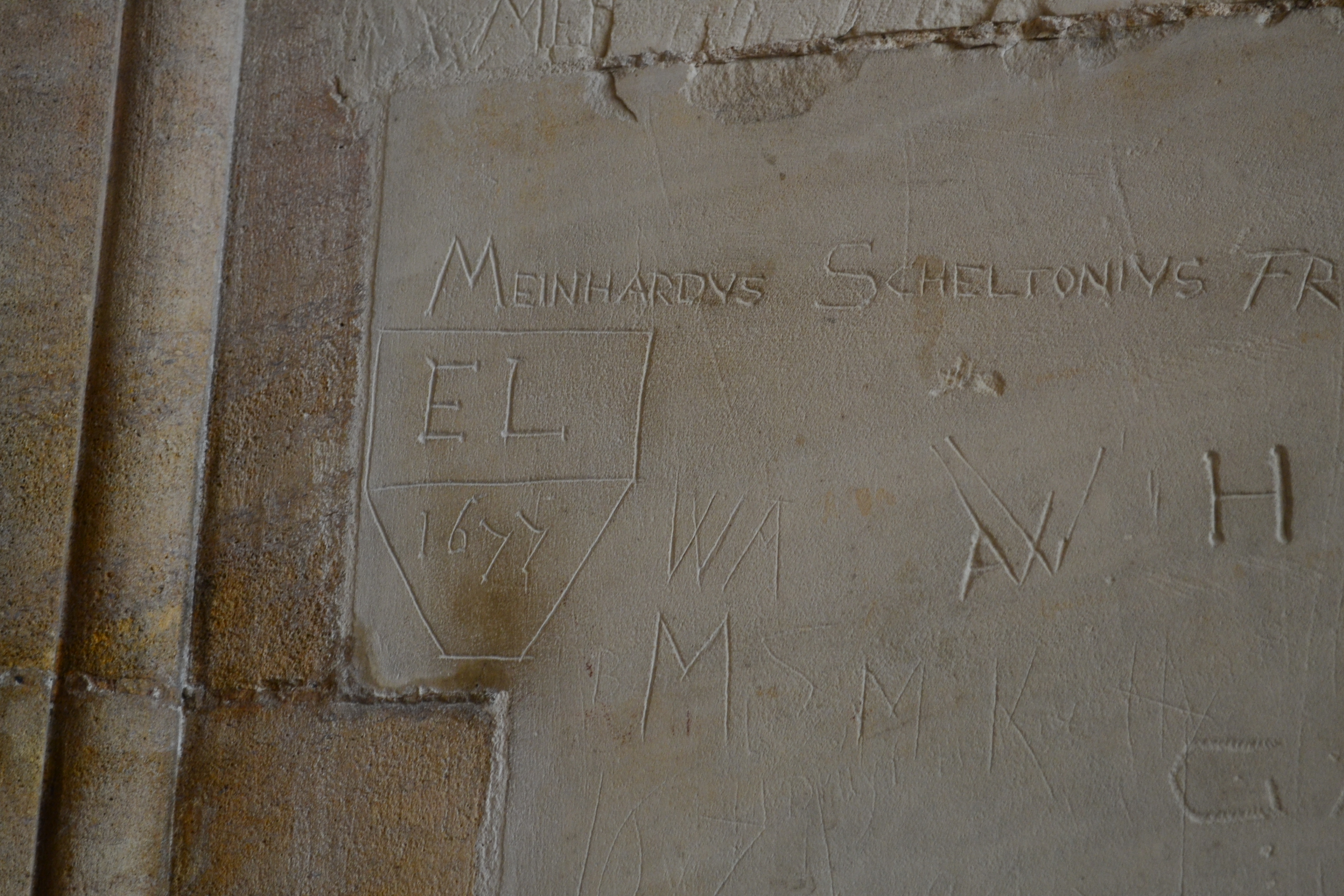
When I looked at this photo of graffiti on the walls of Kings College Chapel, in Cambridge, England (some of it dating back to the 1600’s), I immediately remembered a lazy afternoon stroll along the Cam River and “the Backs” of the university with my daughter. And I also thought of the graffiti on the walls in the Tower of London, some of it from prisoners kept there hundreds of years ago, and I remembered my children’s amazement at it, and their love of British history when it was so solidly placed in front of them, and so brilliantly re-animated by the British book, TV, and stage series “Horrible Histories.”  Living elbow to elbow with history is something that Europeans do very well, but Americans a little less so.

Maybe that’s just a matter of circumstance.  Europeans simply have so much more history to steep in than Americans, and it’s in your face on every street corner.  Still, it offers a certain long view of the world that is so very valuable–a sense that we don’t really “leave behind” things, so much as we build on and around them.

Like childhood and Chitty Chitty, there are certain things that we should never totally leave behind–and couldn’t, even if we wanted too.
 

http://www.youtube.com/watch?v=2Lx8JNjDQNg

Boxing Up My Life– Round Two

DSC_0011 - Copy

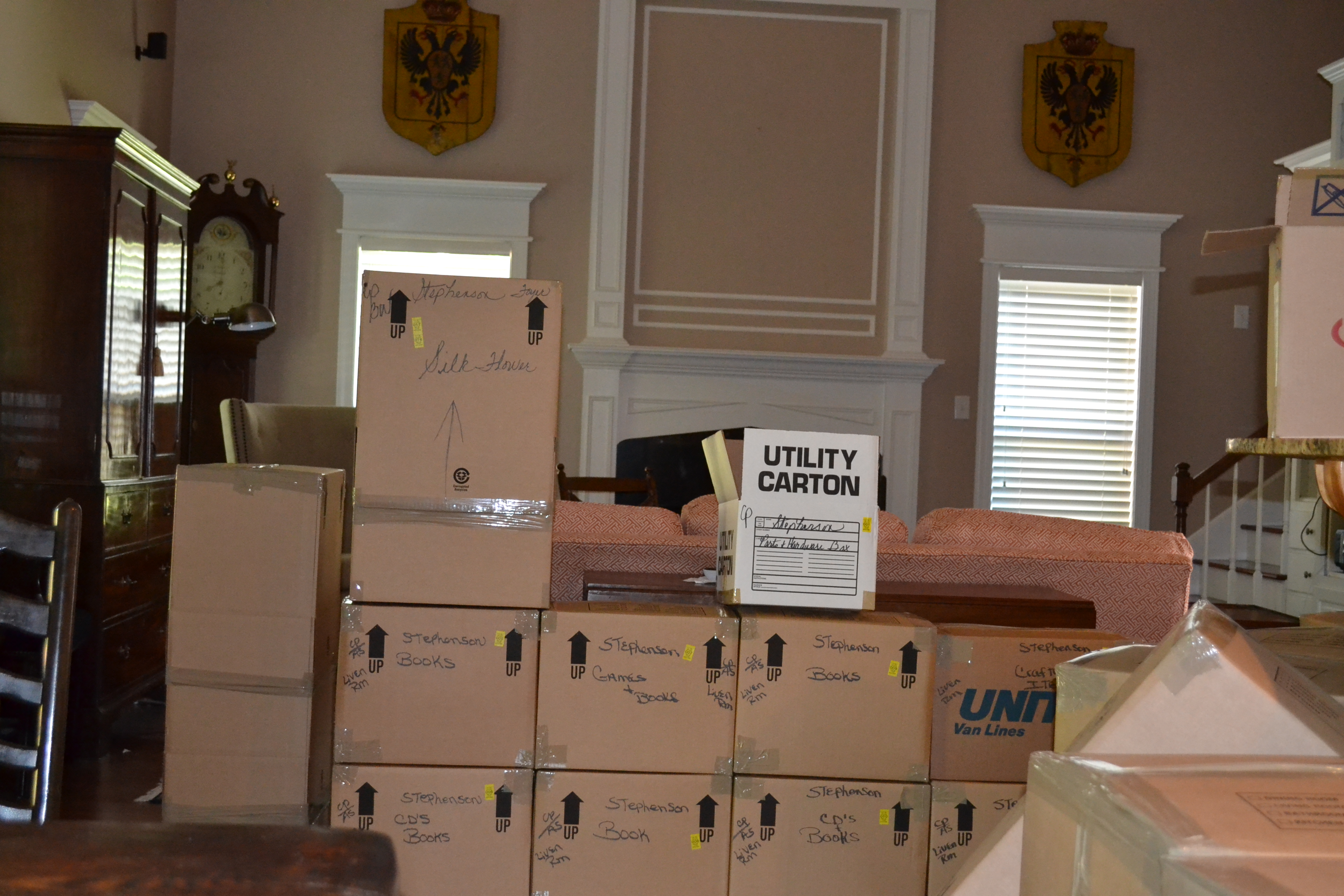
In May of 2014, I posted “Boxing Up My Life,” as we packed and prepared to ship our household goods to Germany.  And then I blinked and it was June of 2016, and I find myself, once again, knee deep in the boxing up process.  I am amazed, and a little dumbfounded, by the inertia of my life.  A body in motion tends to stay in motion– but that doesn’t make the move process any easier.

Nobody likes goodbyes– it’s hard to wrench yourself away from people and places that you love.  And for some of us, even the simple motion of boxing up our domestic goods brings on certain pangs.  It’s a hassle, to be sure, but it’s also a poignant process– the handling, organizing, and thoughtful packing of the things you accumulate.  It’s a time to separate the wheat from the chaff, and to remember why you’ve collected certain items in the first place.  Some objects are curiosities, others are fond memories, and still others are nearly totemic in their connection to the arc of your life.

The handling and packing of these things is gratifying in lots of ways– it’s like watching a retrospective study on your life– but it’s also maddening to ship these things out, in hopes that they will come back to you intact in a few months.

Here is my perspective from two years ago:

My material things don’t equate my life–let me just say that up front.

And yet.

I’m a magpie.   I collect threads and scraps as I move along, and they pad my nest.  No, that’s not exactly it.  They become the fabric of my nest.   The baubles I collect as I keep wandering represent my life. And it’s hard to watch them all be packed up, some to load onto a slow boat to Germany and some to sit in storage for a couple of years.  So many of my things feel like old friends, like artifacts of adventurous times, not like run of the mill stuff at all.

And, yes, in the interest of full disclosure, I have too much “stuff” too.  I’m not proud that among the boxes being packed up in my house there are “As Seen on TV” products, old DVD’s and VHS tapes of bad sitcoms, some dog figurines…well, it just gets ugly.  But let’s focus on the beauty here:

There’s the portrait of Teak, the first dog my husband and I owned–so beautiful and so smart.  He was the beginning of a small menagerie of children, dogs, and goldfish who share our life.

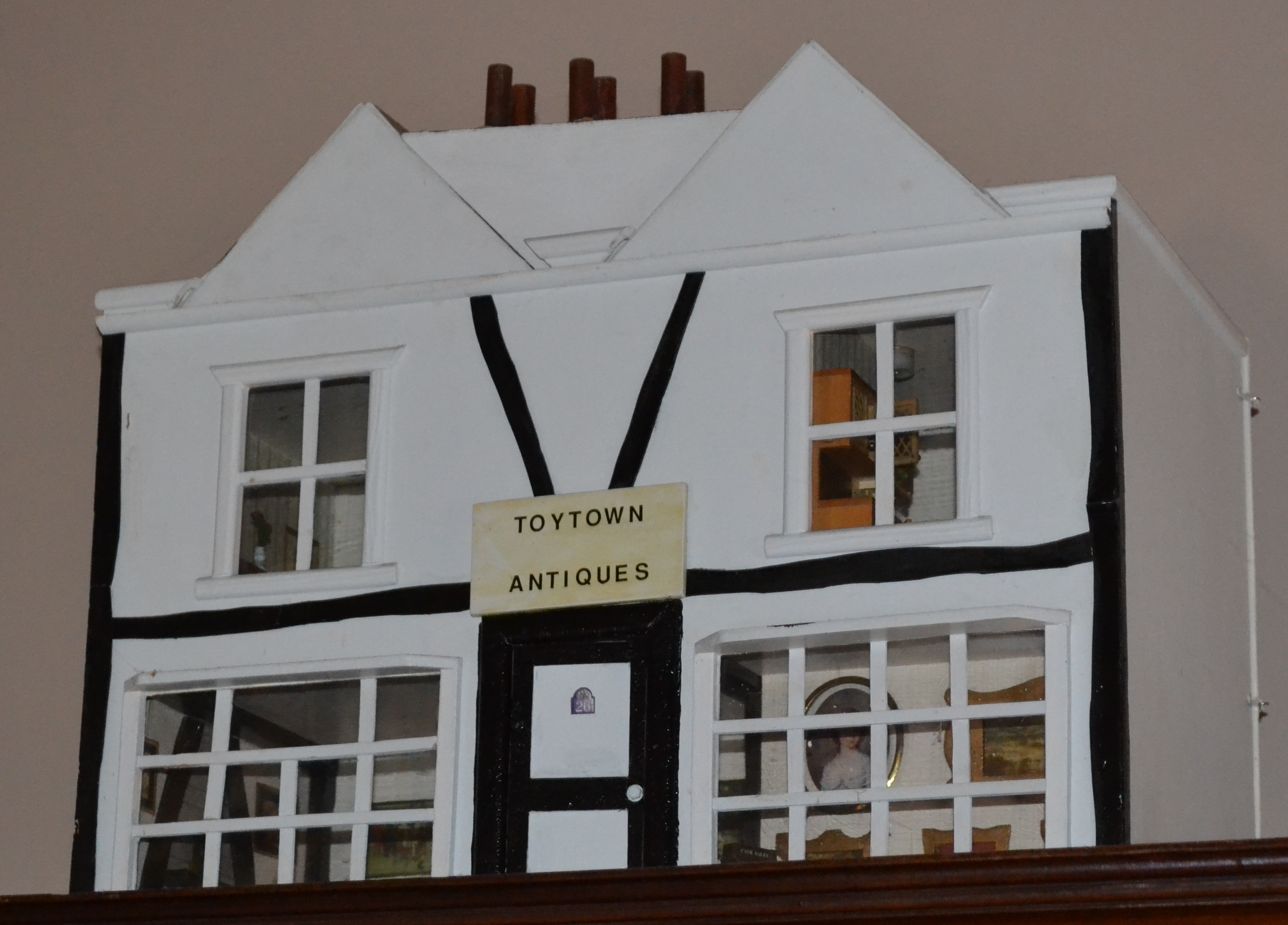
There’s the old dollhouse from England, bought at auction.  It’s a Tudor, half-timber design, handmade, and sporting a “Toy Town Antiques” sign over the door  and a little antique shop in the front room, visible through the window.

There’s the 300 year old walnut chest that may or may not house a ghost.  (We call her Emily.)

The church pew from the Ripon Cathedral in our old hometown of Ripon,  England  (legitimately bought, not carried out of the cathedral–thanks for asking).  It is quite beautiful, but impossible to look at without imagining the people who were there before you.  Brides and widows.  Carolers and clerics.  Young, old, rich, poor, inspired, and downtrodden.  A microcosm of life on one short bench.

There’s the  old pocket Bible from WWII that bears King George’s stamp and message to soldiers in the front cover, and is partially  hollowed out in the middle so the owner could hold cigarettes or pass notes.  It came from the estate of a former British soldier; he was a POW in the Pacific theater.

The Turkish carpet we bought from a man affectionately (?) known as “the one-armed bandit” in Kizkalesi, Turkiye.  He lived in a coastal town not too far from where we lived and knew our car the minute we drove into town for the weekend.  He’d flag us down, bring us into his home, close the curtains, and then pull out his stash of carpets, jewelry, and antiquities for sale.   All a little shady, but in a seductively  high intrigue way.  We felt like James Bond in Istanbul, wheeling and dealing.    And, yes, he  had just one arm. (No doubt, there’s an interesting back story there.)

The list goes on.  And on.  And on.

Each item is its own story–some love stories, some comedies, some tragedies, some mysteries.  Inanimate objects?  No way.

Some of it is just stuff.  But so much of it runs deeper than that.  The artifacts of a life lived and loved.  Who could possibly fit that into a box? 

DSC_0259

Punting Cambridge

Ah, Cambridge.  Two weeks ago, I was there.  This week, I wish I was still there.

DSC_0184 - Copy

A few days ago, my corner of Germany was a mess. Rain/snow/hail falling in scissor patterns (like the wind was blowing two directions at once), followed by a more languid thunder storm (minus the storm, because at that point the precipitation mostly left and only the thunder came swaggering through).  It was absolutely infuriating weather to have at the end of April. . . and with the pollen full out and everyone’s eyes swollen to the size of grapefruits.  Mother Nature is beating us senseless here!

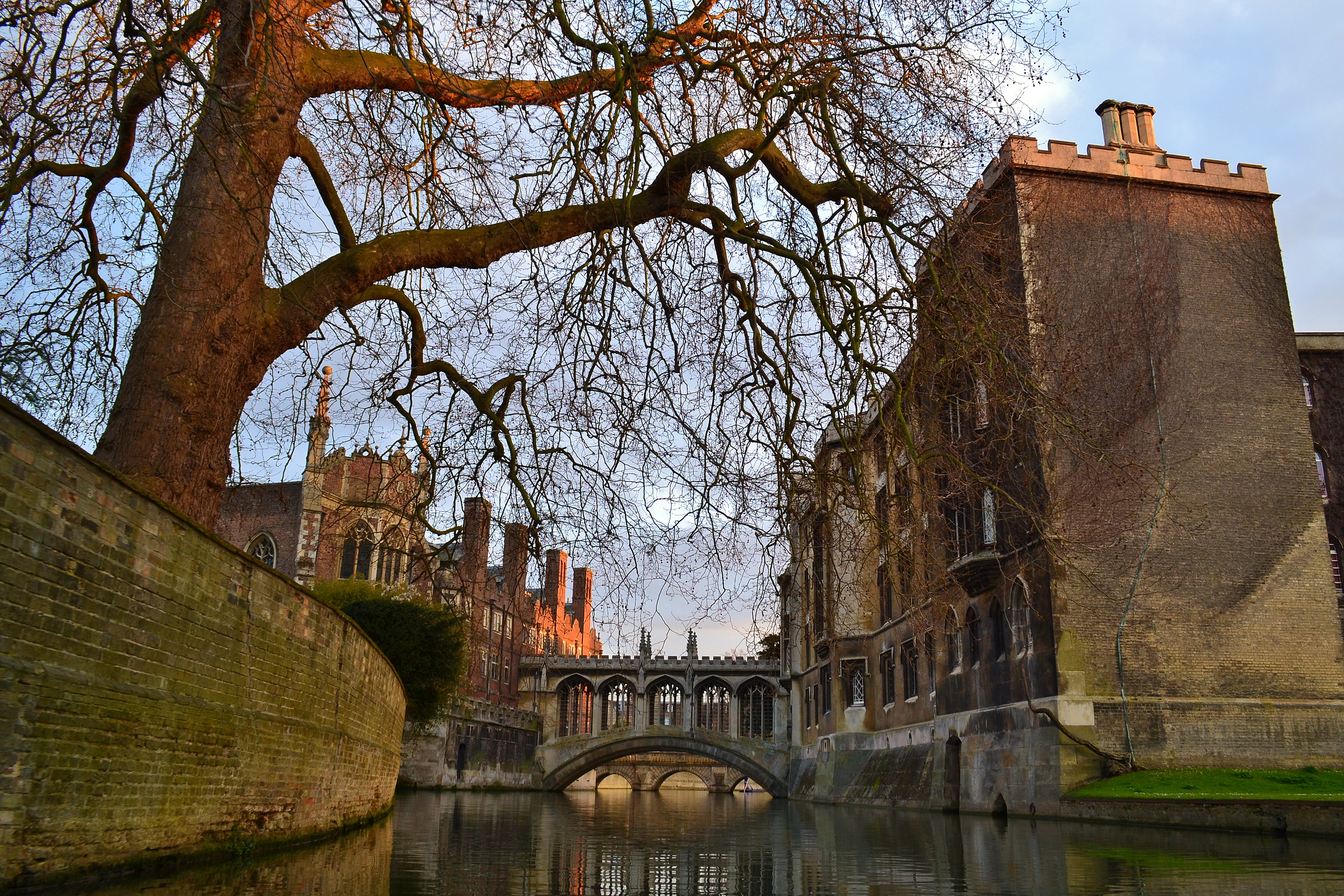
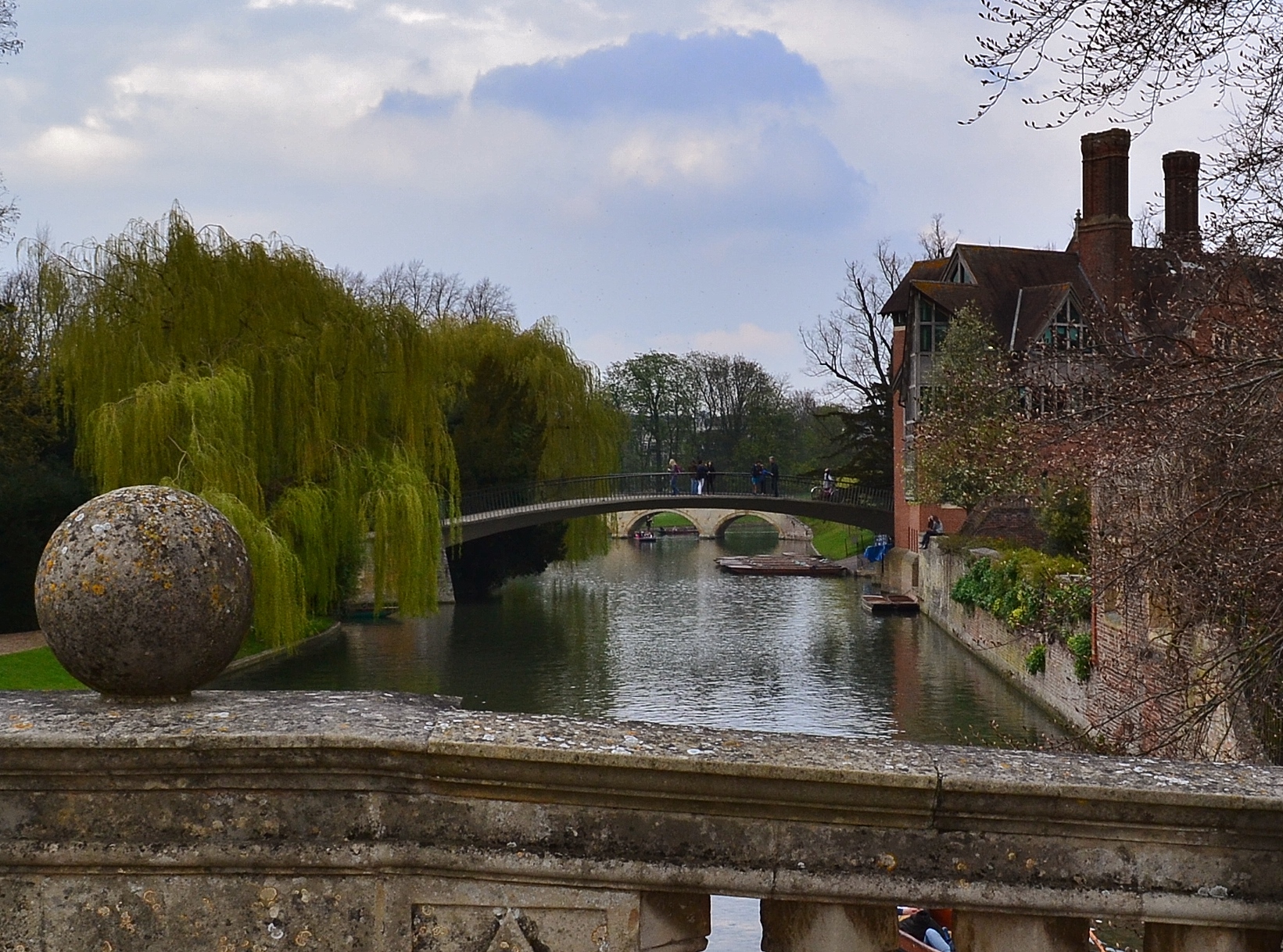
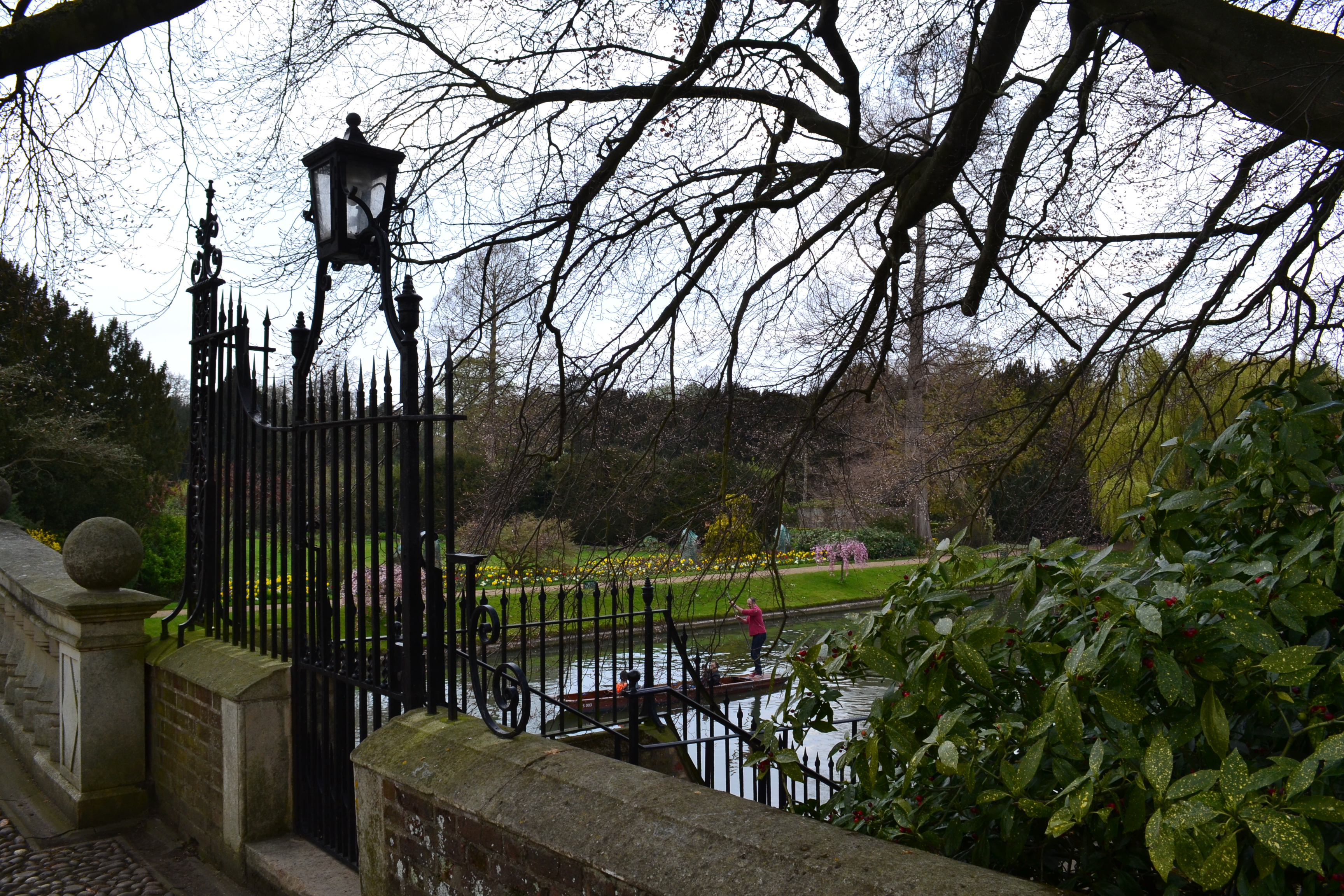
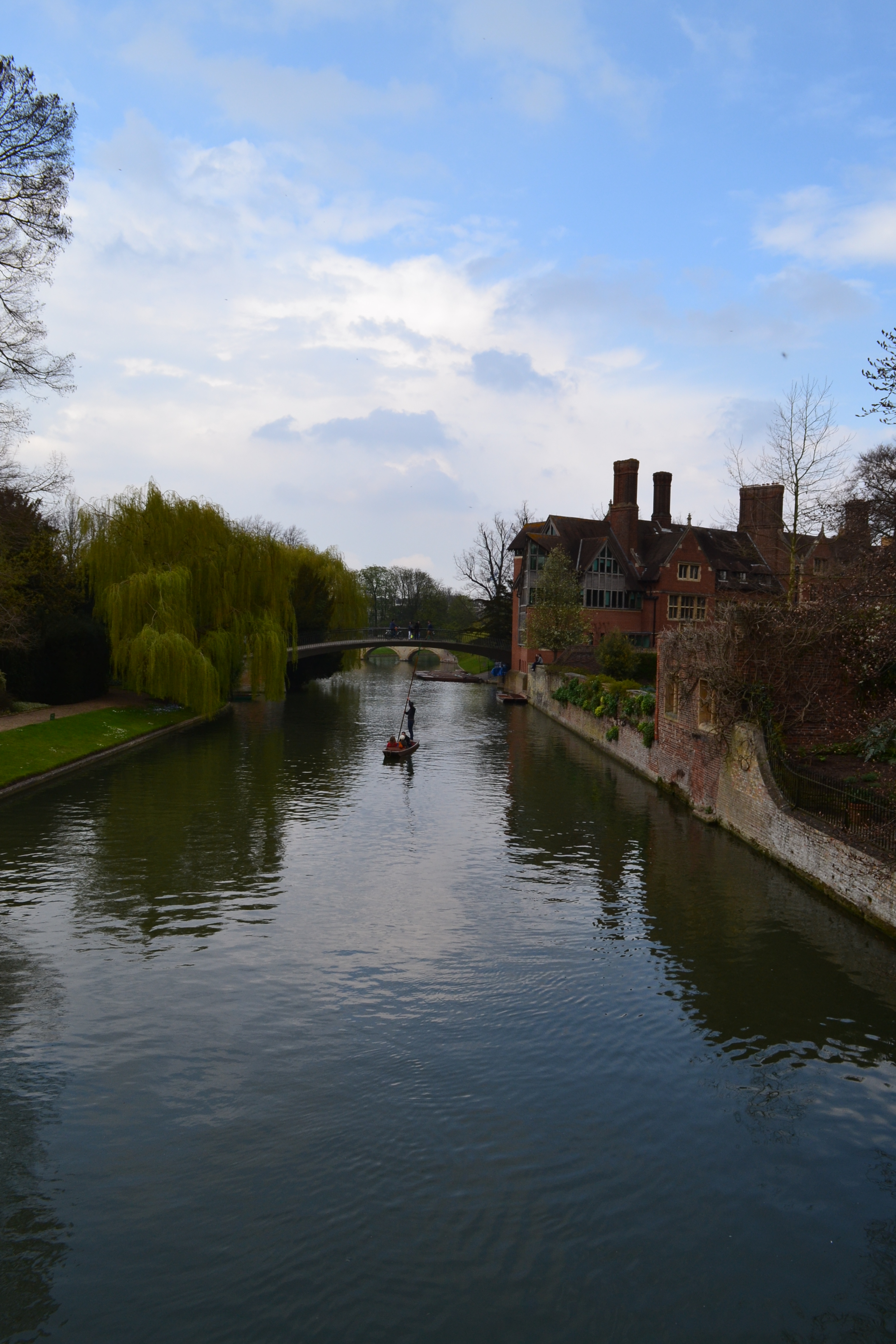
So I’m meditating this week to keep my wits about me.  I’m closing my itchy eyes and thinking back to the bright evening we spent punting on the Cam in Cambridge, when the world was beautiful and spring was a given.

DSC_0219 - Copy
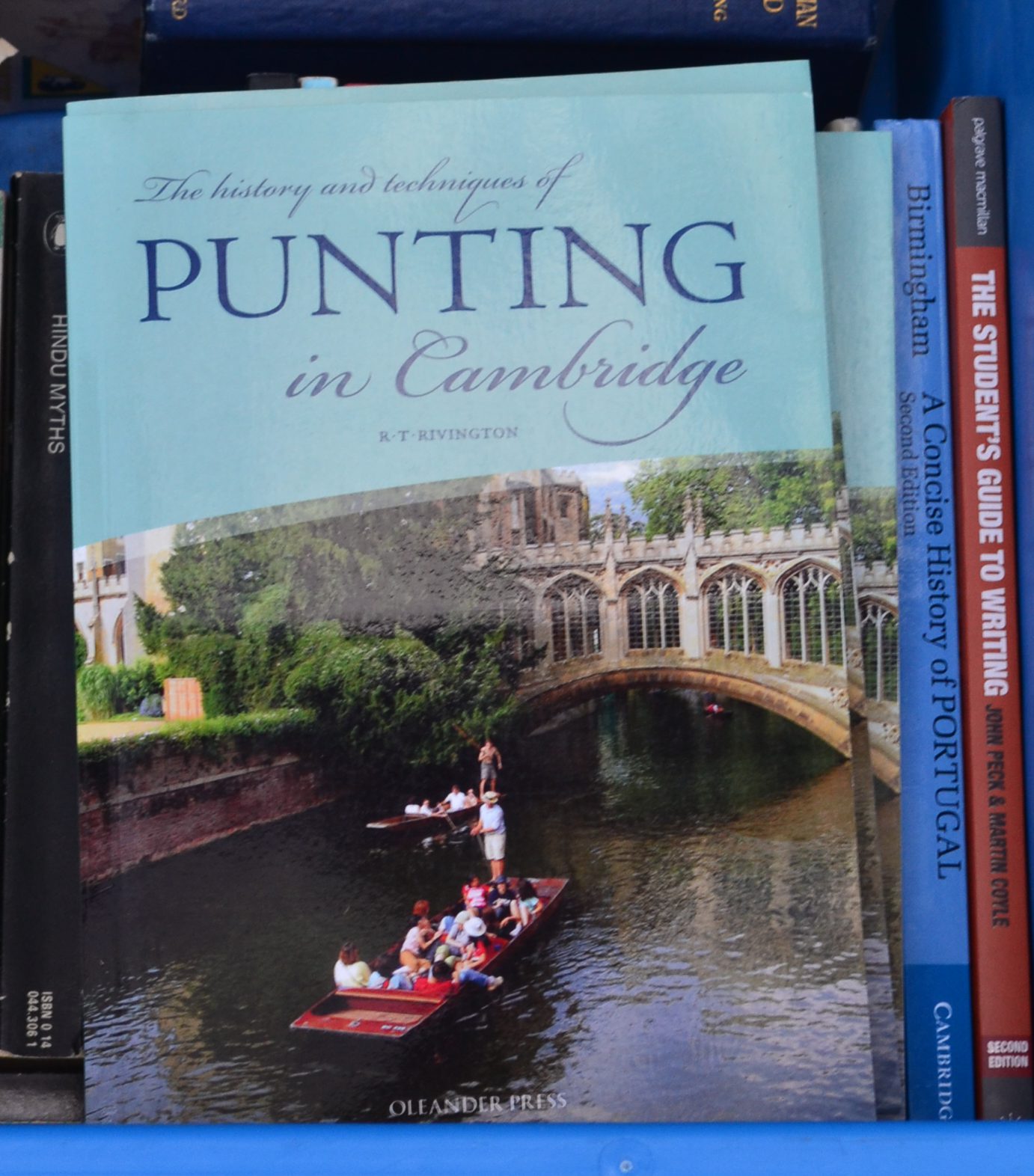
A book in the window of G. David Bookseller, St. Edward’s Passage, Cambridge

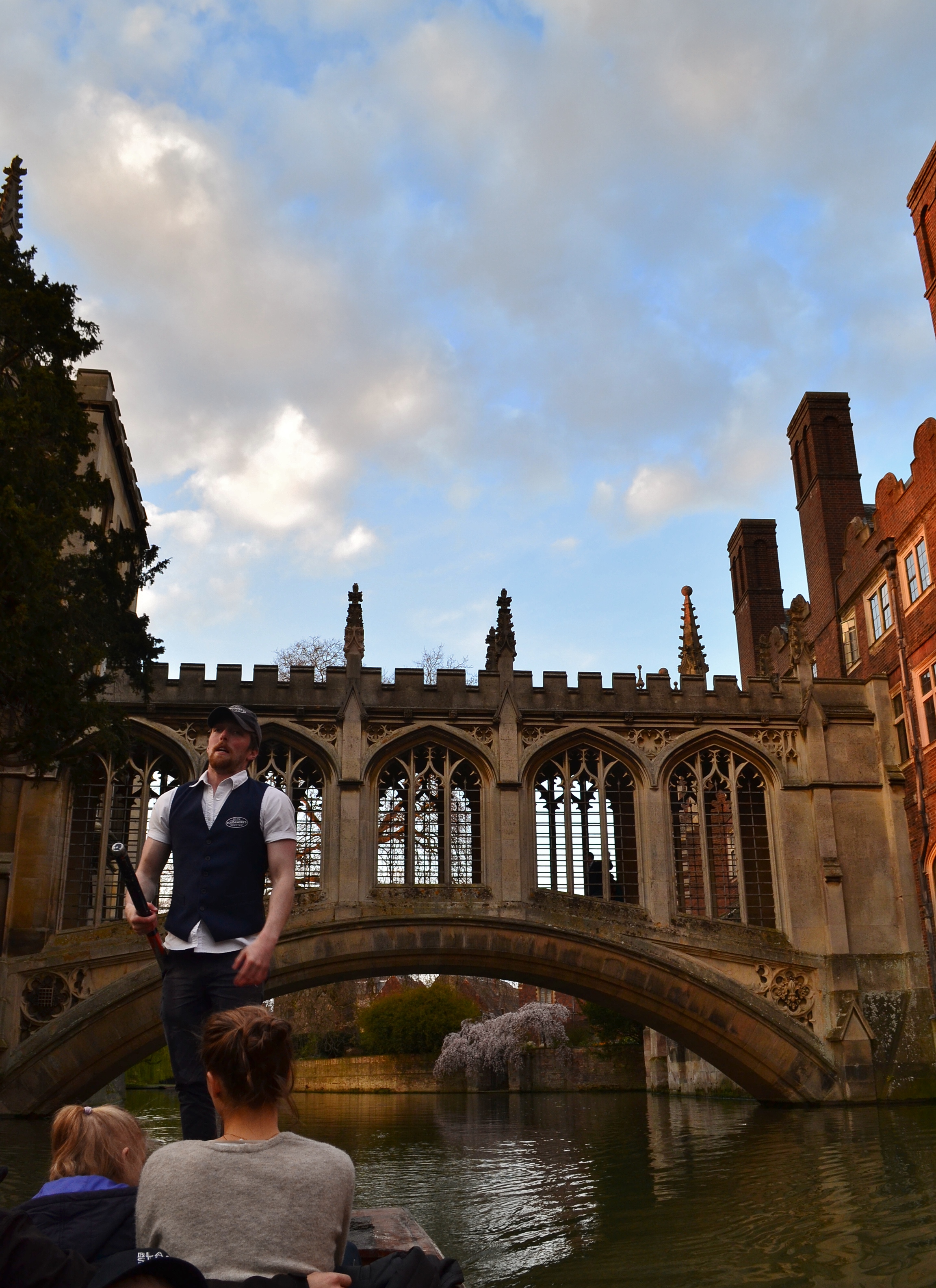
If “punting on the Cam” is a phrase that leaves you scratching your head, not to worry.  It has that effect on many people.  The Cam is the river that runs through Cambridge, and punt boats are traditional flat bottomed (square and stodgy looking) boats.  The “punter” is the unlucky bloke who stands at the back of the boat and both steers and propels the small vessel with a long pole.

It looks easy enough, but I’m told it’s a little tricky and tiring for beginners.  Conventional wisdom in Cambridge: if you live there, take the time to learn to punt and then enjoy self-hire boats at your liesure; if you’re a tourist, pay the boatman and enjoy the ride.  Most of the punting guides will offer their “puntees” a bit of history and Cambridge trivia along with the beautiful ride.

DSC_0190 - Copy
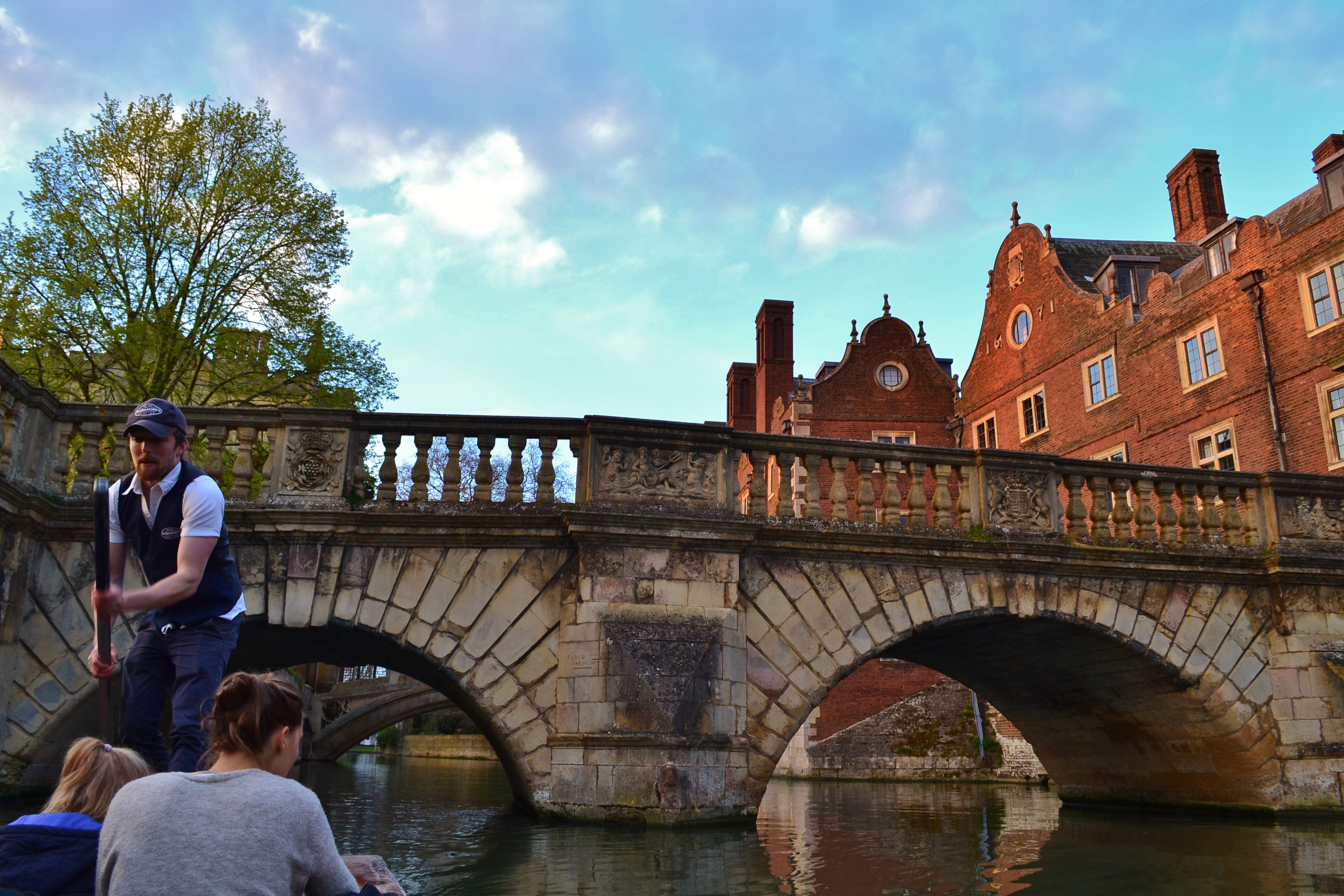
Punting under the Bridge of Sighs at St. Johns College, Cambridge U
DSC_0174
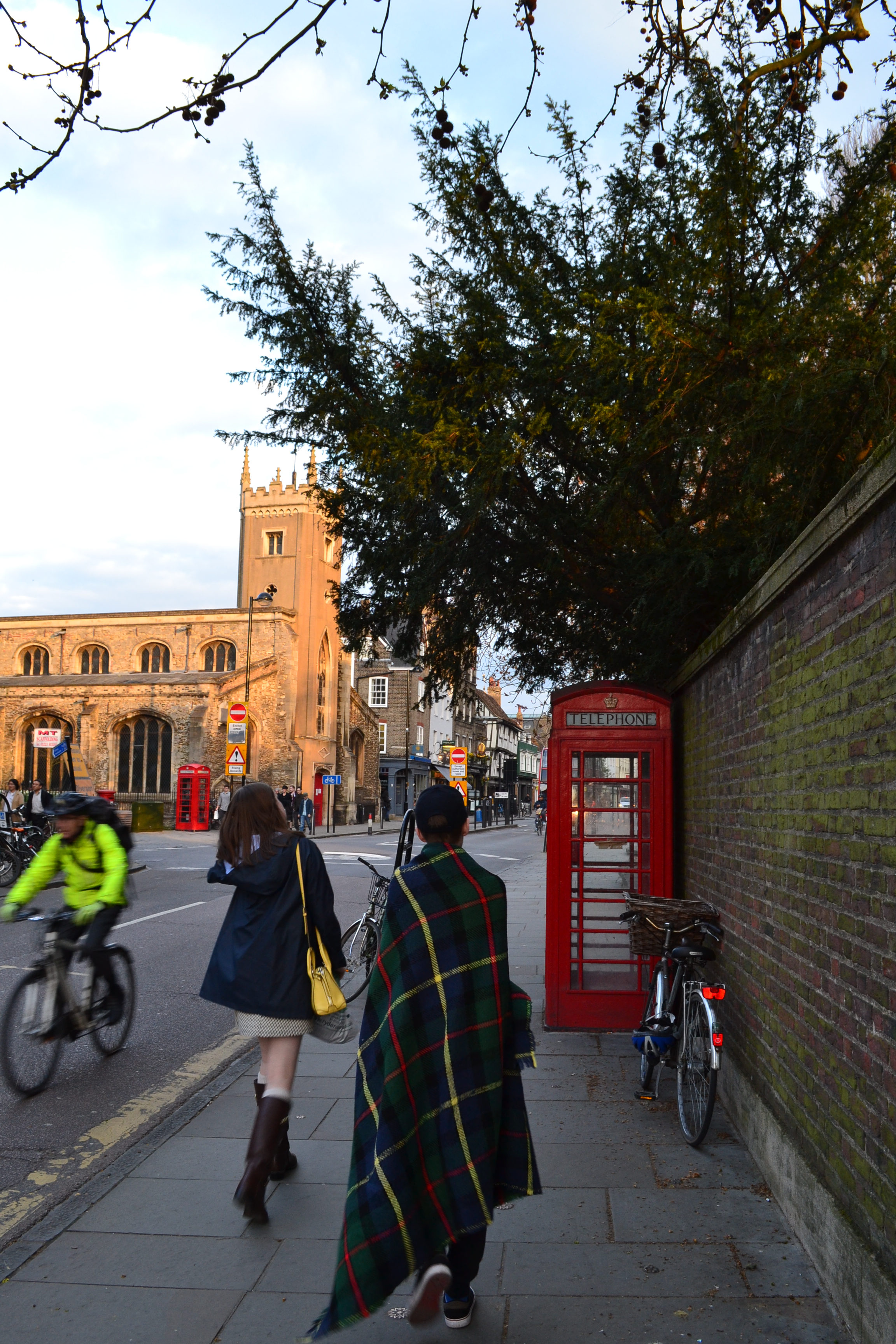
Church spires, red phone booths, and tartan blankets– very British.

We did our punting in the early evening.  It was still bright,  but it was a weeknight  and campus was mostly quiet along the backs by the river.  The air was growing crisp, to the point that our punter had to lend my son a blanket while we strolled around the block and waited for him to prepare our boat.


Pretty soon, we were afloat and learning about the many colleges that make up Cambridge University, ohhhing and ahhhing at the fabulous architecture, and occasionally being heckled by beer swilling students on the banks–which, as long as it’s done in lovely British accents, still sounds pretty posh to Americans.  (It’s embarassing, but true–it hardly matters whether a Brit is performing a Shakespearean sonnet, reading from the phone book, or berating us, we Americans will swoon regardless.)

DSC_0191 - Copy
Under another bridge we go. (Still looking at St. John’s College, I think.)

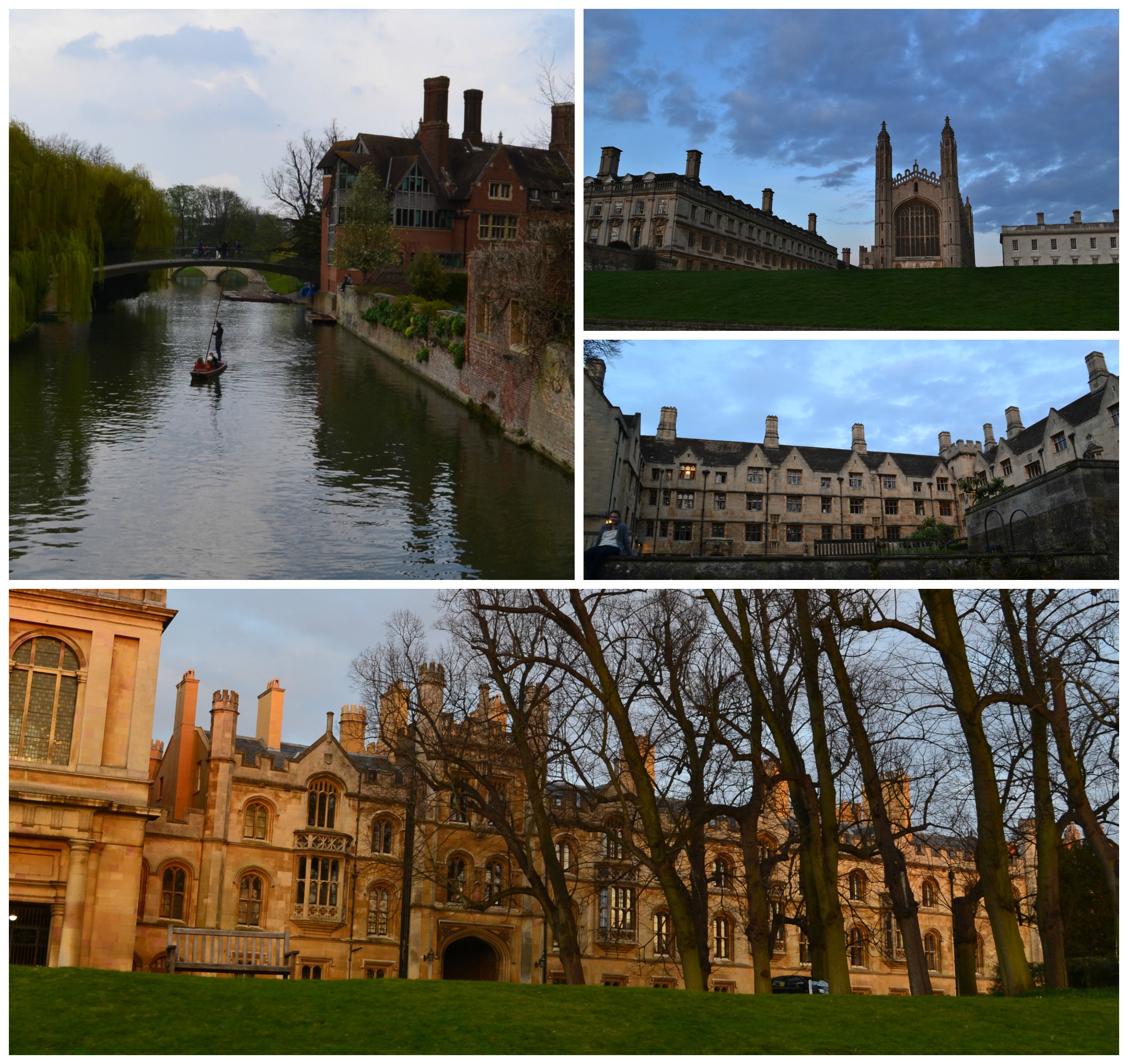
Cambridge University is made up of 31 colleges, many of which have backs along the River Cam.  Each college has its own architectural character, and even modern buildings (usually dormatories) occasionally pop up next to Tudor arches and ruddy red brick.

PicMonk camb b

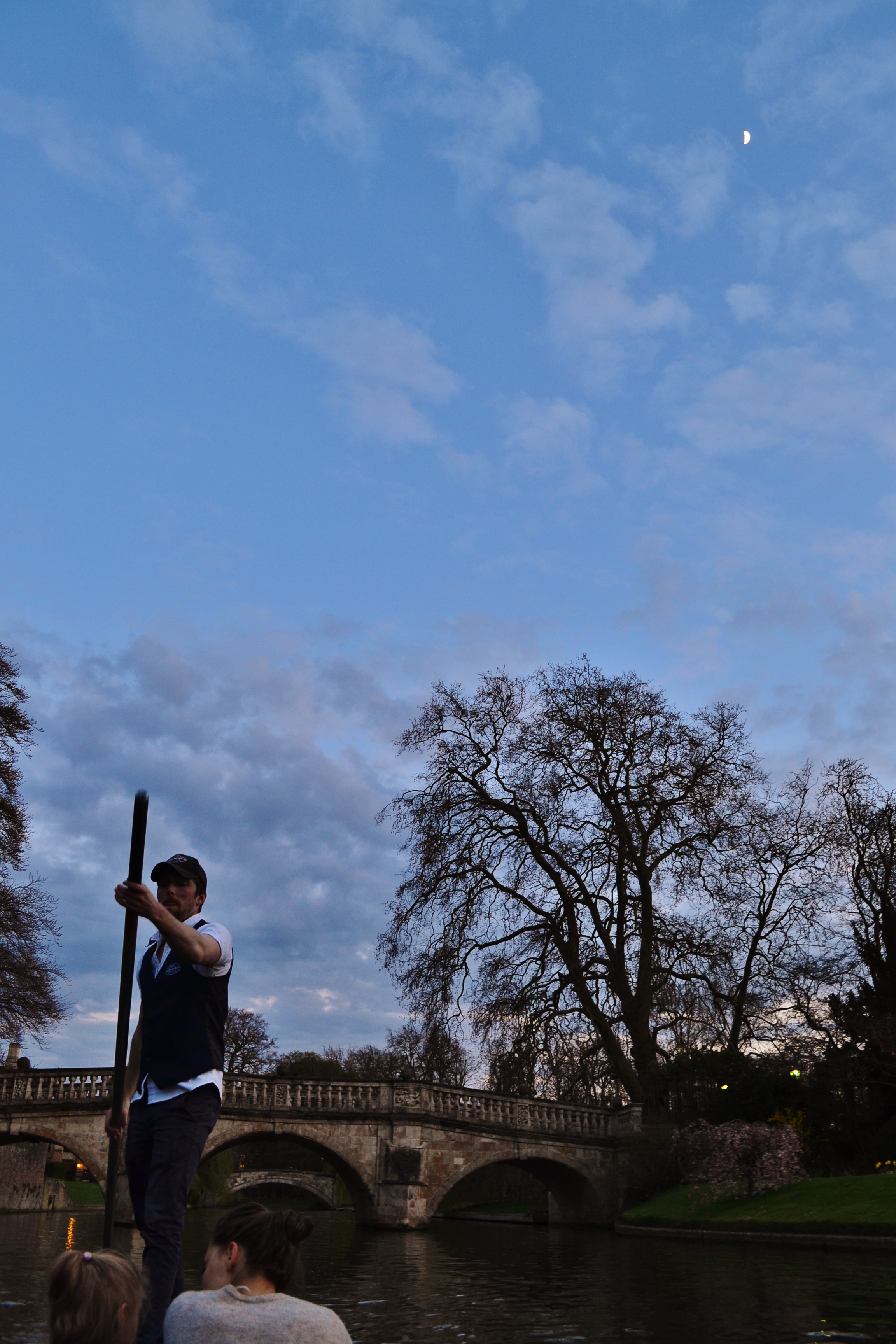
Our punt ride lasted just under an hour, and that was perfect– no time to get fidgety, plenty of time to be lulled into a serene trance on the tranquil river, to soak up a little history,  to nibble at the edges of tales of Kings, Queens, scholars, actors, and socialites.  As the sun began to fall over Cambridge and a sliver of moon showed itself in the sky, our punt, having come to the halfway point of our journey, turned itself around and we retraced our steps. This slow boat ride home offered us the chance to see the backs once again, from another angle, in another light. . . it seemed fitting in a place like this, where so much history has turned and turned again, and the water keeps dreamily floating its passengers on by.

DSC_0212 - Copy