Mama Said There’d Be Days Like This

HPIM1042I feel like I’ve become an expert in the art of faux pas while living in Germany.  Once I stopped grinning and waving at strangers in my austere German neighborhood, and being thought the village idiot (I was only being friendly!), I moved on to linguistic lunacy and, apparently, asked for foreplay (“Vorspiele”) instead of appetizers (“Vorspeise”) in local restaurants.  Who knew?

There is a certain amount of idiocy that you can’t avoid when you live in a foreign country–whether because you don’t speak the language well or because you don’t understand the customs.  I can live with that.  I forgive myself these missteps, and the locals are usually forgiving of them too.

But sometimes you just do something stupid.  We all do it.  (Some of us more than others.)  It’s especially awkward when you do something stupid and you are a foreigner.  You see the eyes roll, you can almost hear the thoughts filling the heads around you, “Oh, those Americans!”

We’re heading back to Yorkshire for a visit in the days ahead, and we are considering a stop by Hemswell Antique Center, in Hemswell Cliff.  We’ve picked up some interesting things there in the past and thought we’d take a look again, if we have time.  If  they’ll let us through the door.  My last visit there, I was the person who sent eyes rolling, or at least squinting and watching me like a hawk.

But it wasn’t really my fault.

My husband and I had a big day planned.  My mother- and father-in-law were in town and had offered to watch our children for the day while James and I drove a few hours away to the Newark Antiques Fair–it bills itself as the biggest in Europe, and it is a whopper!  But we wanted to get there early and we had a stiff drive ahead of us, so we had to leave before dawn.

Our house in Ripon wasn’t a big affair, so we had to tiptoe around not to wake anyone.  That day, we decided we wouldn’t make coffee or eat breakfast, we just planned to dress and get out the door quickly and quietly.  But for some reason–I’m guessing a child that sneaked into our bed during the night–we even had to dress in the dark and tiptoe around our own bedroom.  Which we did, and out we went.

newarkOff to Newark and treasure hunting!  We had a great day–it started off grey and maybe a little drizzly, but we wrapped up and it didn’t bother us much.  Many vendors were in tents and we made out well– enough small treasures to feel satisfied, not so many as to break the bank.  I will say my husband bought some questionable art, but he always buys some questionable art.  At this point in our marriage, it would worry me more if he suddenly stopped that habit.

The day grew warmer and sunnier; our coats came off; our arms filled with loot; and we finally felt ready to return home from our adventure.

But, if we made good time on the road, we could just eek out a visit to Hemswell on the way home.  Off we went!

hemswell logoThe Hemswell Antique Center covers a lot of ground–many buildings and antiques of all kinds.  It also houses a cute, but simple, cafe with a Royal Air Force World War II theme. (I think Hemswell may actually be an old, decommissioned RAF base, but don’t hold me to that.)

We knew we could only make a quick run through, so we took off at double speed.  We zipped through this building, we zipped through that building.  Then, in the final building, tired out from the day, I found myself slowed to a stop in front of a case of vintage jewelry.  A few cases, in fact.  As I stared sleepily into one of the cases, a fly caught my eye.  He was stuck inside the case and trying to fly out of the glass.  Repeatedly, he flew at the glass, only to strike it hard, and tumble back to the shelf under the hot lights.  I am no friend of flies, but this little guy was struggling and I felt bad for him.

I turned around to see a salesperson close by. (In hindsight, I think he may have been hovering around me–a very suspicious woman.)  I called out to him and  explained the plight of this poor fly stuck in the glass case.  I wondered if there might be any way he could free the poor animal, who was getting fairly panicky behind the glass.

The salesperson gave me a very perplexed, but gentle, look and said that, yes, he’d make his way over presently and attend to the situation.  I slowly moved around the room and browsed some more.  Two or three minutes later, I heard a voice call out from across the room:  “You’ll be happy to know that the fly has made his bid for freedom!”  I looked up, and the salesman shot me an amused look.  I smiled and said, “Thank you so much.”  He nodded and added, “That should send some good karma your way.”

It was a humorous exchange.  As I left the building, the salesman and his colleague gave me a cheerful, if oddly watchful, send off.  Clearly, as far as they were concerned, I was an awkward American, or maybe the nutty Zen lady.  So be it–I can live with that.

I walked out into the bright sun of a crisp autumn afternoon, pleased with our day of high brow foraging.  I dropped my tired body into the front seat of the car and began fastening the seat belt around me …. only to be stopped cold by what I saw.  What I couldn’t have seen as I dressed myself in the dark that morning;  what I never saw, as I apparently looked in no mirrors as the day progressed; and what my husband, in his own wide-eyed but sleep deprived frenzy of antiquing, had apparently never noticed.  I was wearing my shirt inside-out.

I wasn’t the nutty Zen lady after all.

Oh no, it was much worse.

I was the utterly lunatic bag lady who befriended flies.   Oh, those Americans!
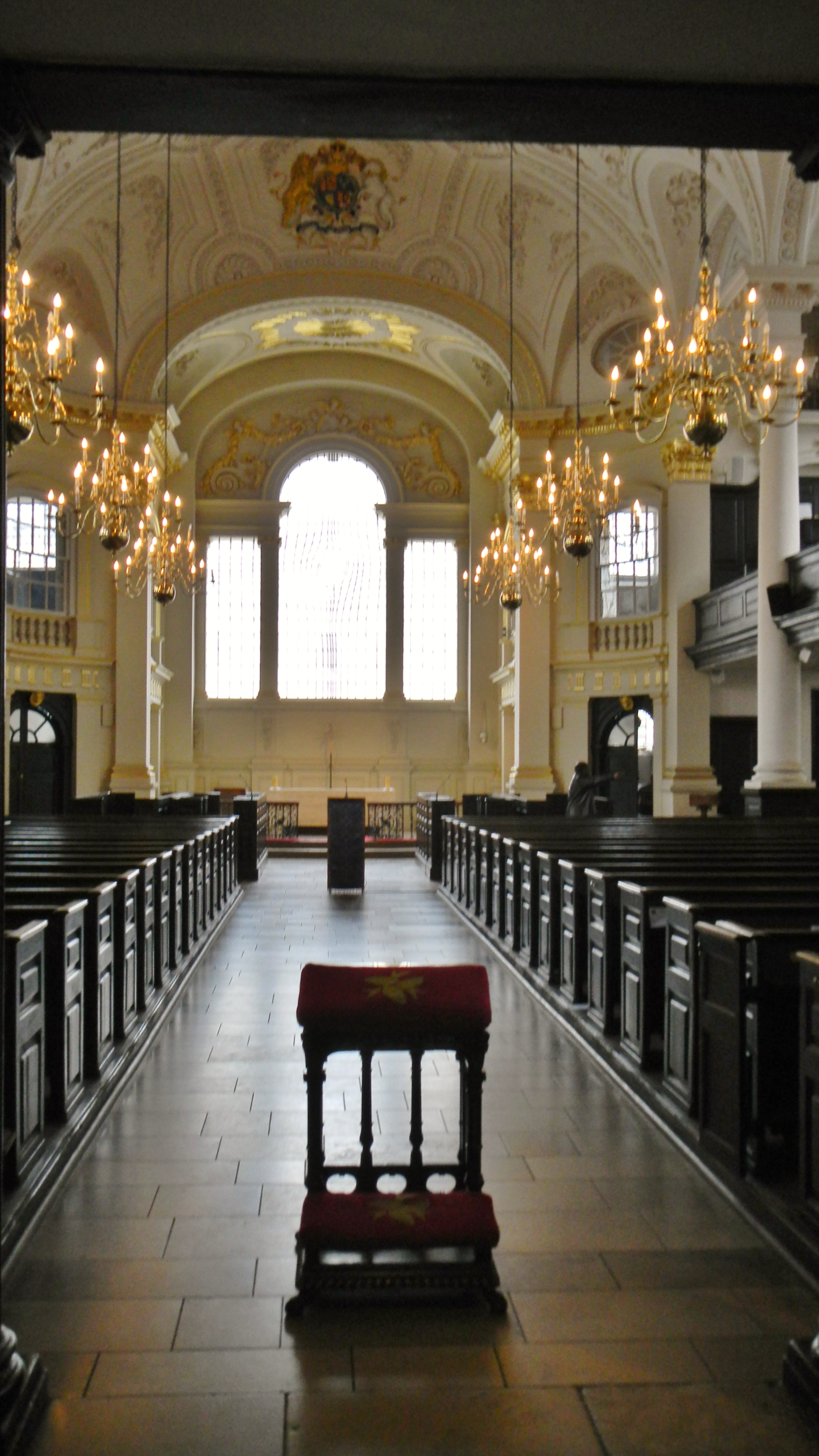
St. Martin-in-the-Fields

London, by Trafalgar Square

DSCN0834 - Copy

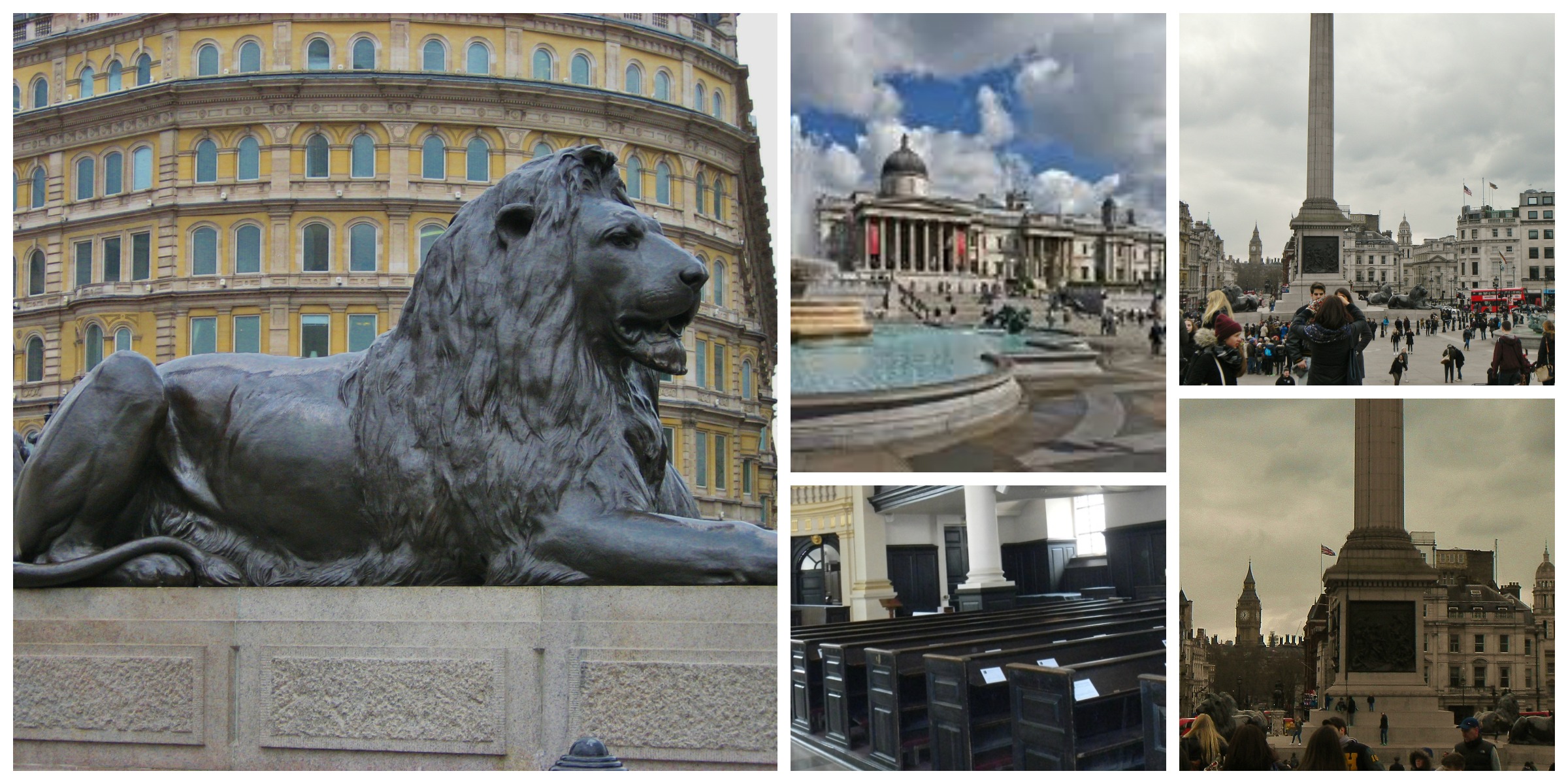
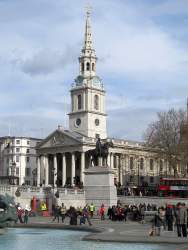
Clearly no longer in-the-fields, St. Martin’s Church bustles with the energy of London.  It sits just at the edge of Trafalgar Square, one of the busiest spots in a busy city.

Trafalgar Square images

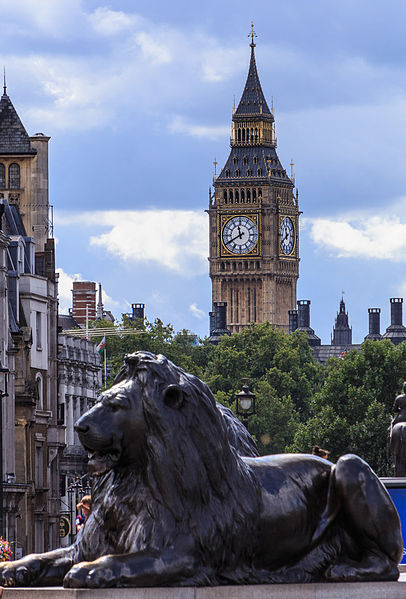
You’ll know Trafalgar Square from photos:  Admiral Nelson’s column anchors its center, surrounded by those fierce lions, and the National Gallery sits to its back, while traffic circles all around.  It is a manically busy spot, but also a fabulous place to catch the heart of London.  If you look from the National Gallery to Nelson’s

Creative Commons image

Column, you see Big Ben in the distance.   Then, if you walk to your right, you walk toward Buckingham Palace.  The other direction, you’ll find the Strand (with its West End theaters) and St. Martin-in-the-fields.

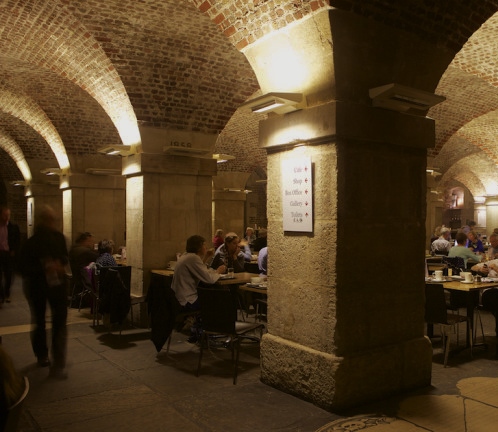
The beautiful stone church seems to have embraced its new “not at all in the fields, but at the heart of the crowd” identity very well.   It is well known for its continued ministering to the city, and in so many ways.  It has, historically, had a strong mission for working with the homeless.  It’s also popular for its concert series.  In fact, music is at the heart of much of St. Martin’s reputation– it’s Cafe in the Crypt is a hot spot for jazz lovers.  The Cafe (open the week through for diners) has Jazz Nights on

Cafe in the Crypt
Cafe in the Crypt

Wednesdays.  If you like Swing, Dixieland, or R&B, this is the spot for you.  I can’t vouch for the food, having not eaten there, but I can tell you that many of these “crypt cafes” in British churches are quite good.  We’ve frequented dozens of them over the years, a few underwhelming and a few really spectacular.  They are always worth a try–especially if a jazz night is thrown into the  mix!

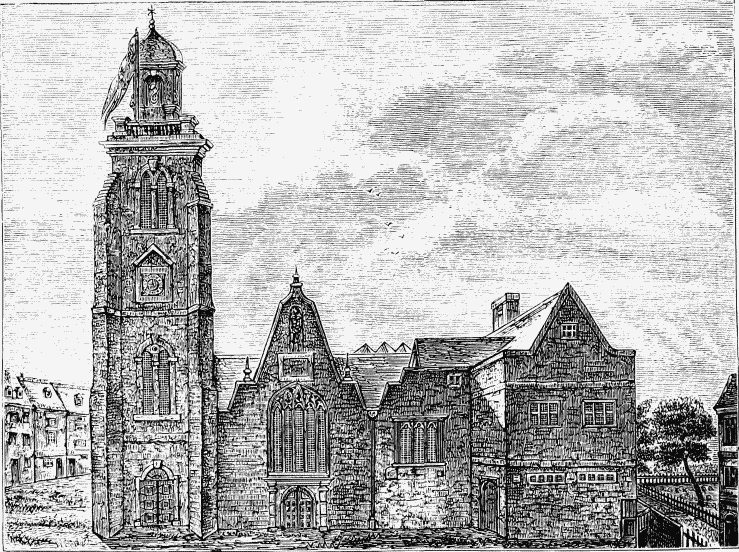
Earliest references to St. Martin-in-the-fields are traced back to records from 1222, but excavations have uncovered gravesites from about 400 A.D, when there was a Roman settlement in present day London.  (At which point, this area would certainly have been “in the fields” and far from the small town’s city limits.)   The church has undergone many changes through the centuries–some dramatic.

From a JT Smith print, published 1808

As the fields turned to city sprawl, Henry VIII extended the parish of St. Martin’s and made changes to the structure.  The church survived the Great Fire of London (1666, I think), which was no small feat.  Still, the old facade was pulled down in 1721 and the new marble structure was put into place.  I’m a fan of the “new” neo-classical church, but it still seems a shame to me that a church could survive the fire that leveled so much of the city, just to be pulled down a few years later.  But there were reasons for that–structural decay chief among them . . . and who can argue with that?

stmartinitf3s
St. Martin-in-the-fields as it now stands

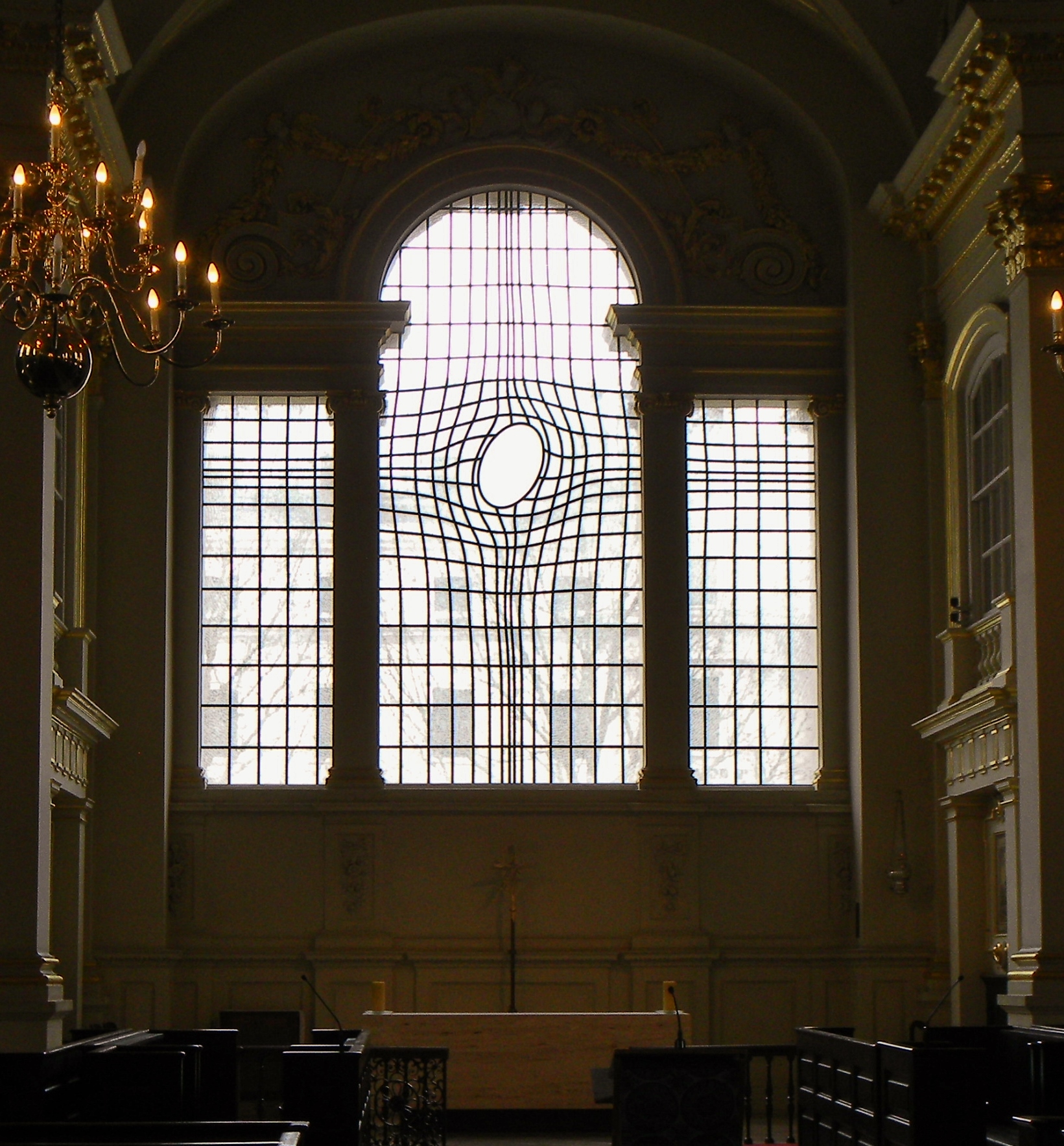
For us, St. Martin-in-the-fields was a great find as we meandered from Trafalgar Square toward the Strand and Covent Garden.  We didn’t take the time to learn much history or eat in the crypt.  We didn’t stumble into a service in progress (which would have been nice), but we knew the name and were curious to just have a look inside.  And what we found made us curious to know more.  We opened the doors of the old church, expecting to see what we usually see, but were greeted, instead, with a uniquely bright take on church windows.  The East Window, sat directly behind the altar area, and the visual centerpiece of the church, looks like this:

DSCN0831 - Copy

It’s modern, but traditional at the same time.  It’s so spare, but still manages to look like a cross.  And the light it lends to the space is fantastic.  You see something like this in London, and you immediately think the windows must have been bombed out in WWII, and apparently that was the case.  And then you think, this window almost looks like it’s being hit with a shock–of sound or schrapnel– something that bends its fibers.  And yet, it’s beautiful.

And then, if you are a slightly nerdy English major, like me, you hear the poetry of Yeats: “Things fall apart/The centre cannot hold.”  The window appears to have a gapping hole at its center, and Yeats’s post WWI poem conjured the same image.  But here, in St. Martin’s, the fantastic ovoid center holds.  An entire world war later, and the center holds.  With the bustle of this great city, and the enduring attacks that humans perpetuate on each other, and the center holds.  In a community of faith, in a busy corner of tourism, in a jazz hot spot, with all of the sacred and profane met in this one thriving building, and the center holds, despite the evidence of warping and instability on its edges.

And this is why I love St. Martin-in-the-fields.  Her facade has withstood fires, only to decay and be rebuilt and stand still.  Her fields have given way to asphalt and traffic, but still a sort of urban beauty.  Her focal point, so often anchored by predictable images in stained glass windows, has warbled, has warped, has shed its coloring, but let in more light, and, yes, it has held.

Oh how I love this church.

The Ghost of Christmas Past

I have no idea where this story starts– only Emily could tell you that, and she has been silent for years now.  I can’t fill in all the details, but I can tell you when her shadow crossed over our doorstep.

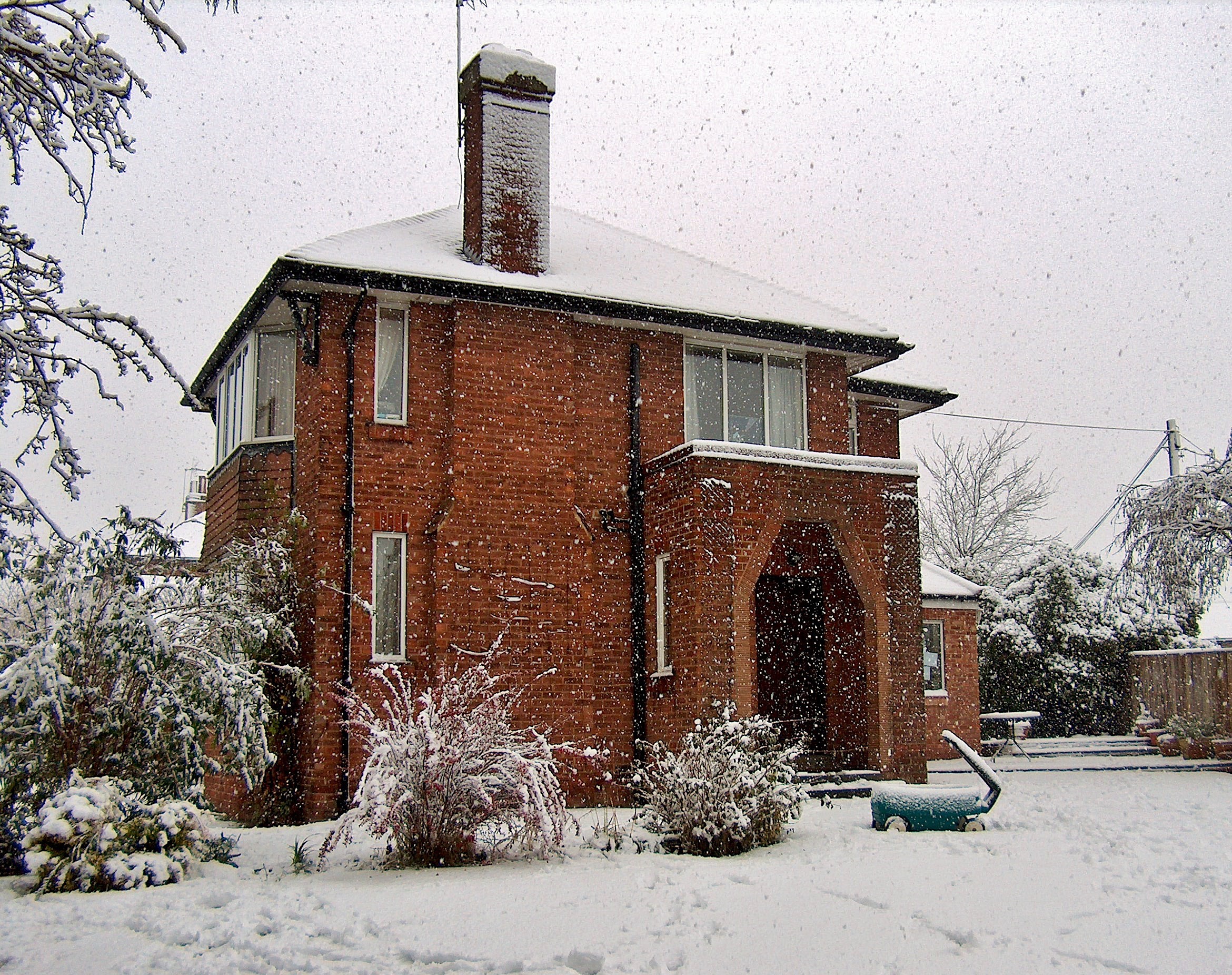
It was a fine and cozy doorstep in Ripon, North Yorkshire, England, HPIM1355 and it was our home for four fantastic years.  We dove headlong into the spirit of British life and tried to pretend that we were Brits ourselves.

We fooled no one, but we had a good time.  The kids attended British schools, my husband and I drove on the left side of the road (more often than not), and I learned how to make a mean steak and ale pie and sticky toffee pudding.

When we returned to the States in the summer of 2009, there was a posh lilt to my children’s speech, a cupboard full of treacle and hedgerow jam in my kitchen, and a ghost in our walnut chest of drawers.

These things happen when you live close to the Yorkshire Moors.

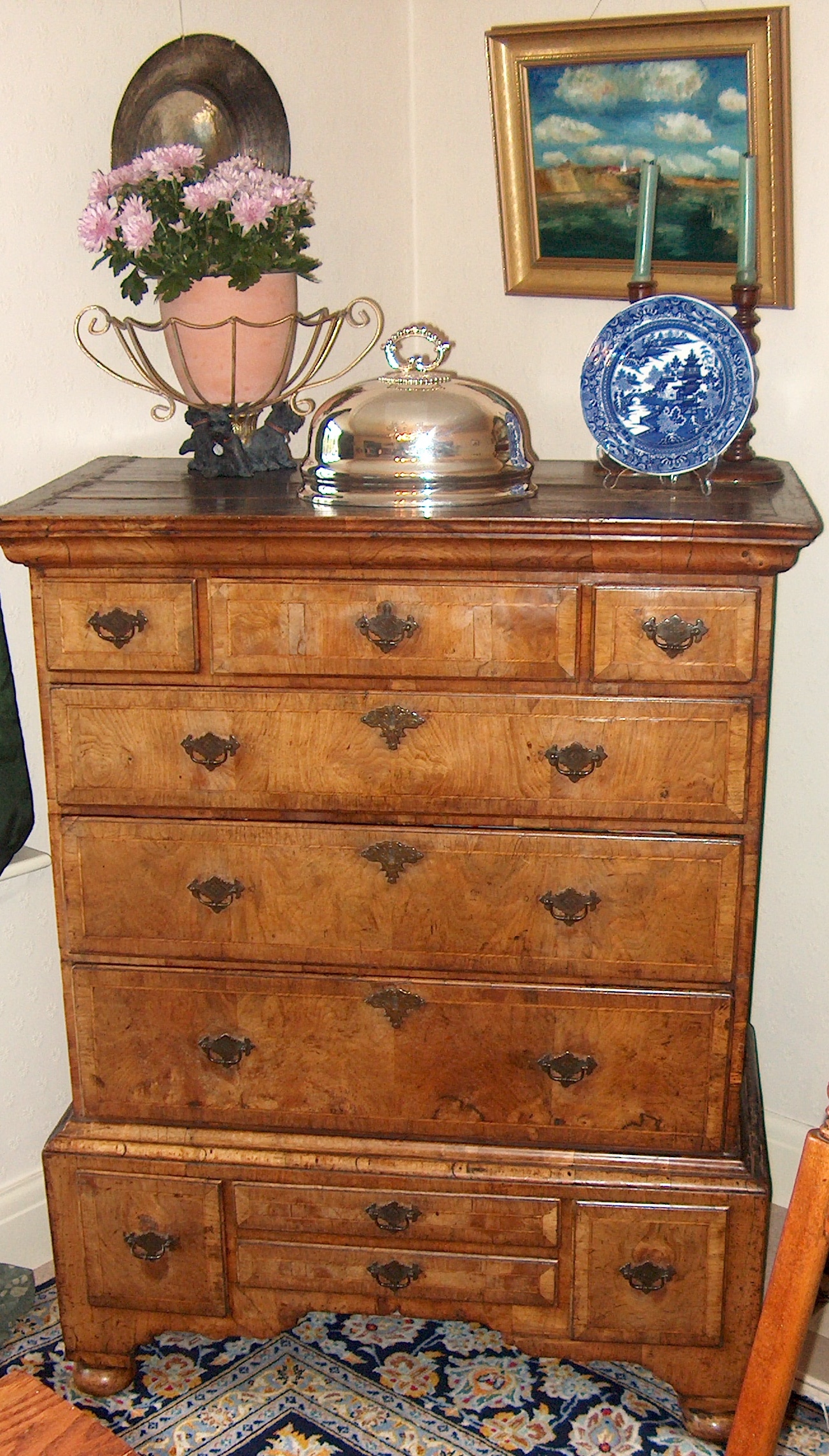
The old Queen Anne walnut chest -- did we buy more than we bargained for?
The old Queen Anne walnut chest — did we buy more than we bargained for?

The chest that housed our shadowy friend came from an auction house twenty minutes north of our home.  She is a beautiful old walnut piece–Queen Anne era, so roughly 300 years old– originally a chest on stand with longer, probably delicate, legs.  But three centuries of life had, literally, brought her to her knees.  Now she stands on stumps– ball feet that are likely over a hundred years old at this point.

I think the chest is beautiful. . . the hard knocks of a long life have made her quirky, but she still sings to me.

So I was overjoyed when we brought her home from the auction house and carried her into our dining room.  We dusted her off, gently cleaned the insides of the drawers, and whooped and hollered when we found a secret compartment.

It was cobwebby, and James shuddered as he stuck his hand in there.  We both hoped there would be old coins or letters, some relics of the lives lived in times beyond our reach.  But there were only cobwebs.

Or so we thought.

While we moved furniture to settle the new piece into its spot in the dining room, my daughter (who was about 7 years old) was upstairs digging into her dress up box.  She came down the stairs in a colonial era dress, saying that we must call her Emily.  It was cute, and she kept up the charade, never breaking character, until it was finally time to march upstairs and take a bath.

Meanwhile, after dusting our chest and admiring her beauty in a tidy corner of the dining room, we continued on with our life.  Dinner had to be made; children had to be bathed; bedtime stories were read, and, eventually, we all tucked in for the night.  Unsuspecting.

In the wee hours, someone woke me up.  My young children were standing at the edge of the bed.  Without even fully opening my eyes–as this was an all too common pattern with my son, and it was a ritual I could very nearly perform while still asleep– I got up and cupped my arms around my two children to lead them back to bed.  My left arm scooped my son, but my right arm came up empty.  I opened my eyes and turned to find Kate, but she wasn’t there.

“William, where’s your sister?” I asked.  “She isn’t here,” he said.  I shrugged it off, just happy to have only one child to put back to bed.

But I woke up the next morning and sat bolt upright:  two children, I thought, I saw two children.  I saw two children–a boy and a girl.  There were two, and then there was one.  I asked my son again that morning where his sister had gone, but he told me that she was never there.

I don’t spook easily.  I’m not particularly superstitious.  And, oddly, I was fairly pragmatic about this.  I told my husband about the incident and put it out of my mind.

For a few days.

Until I woke up in the middle of the night to find my husband standing up and running his hands all around the bed, looking for something.  “What are you doing?” was my question, naturally.  “One of the kids is in the bed,” he said.  “No,” I said, “there’s no one in the bed but me.”  But he wasn’t convinced.  Something was in the bed; someone had come into the room.

Someone.

There was really only one explanation.  Only one new member of the family in the past week.  And apparently she was more ambulatory than those ball feet let on.  Could a piece of furniture harbor a ghost?  We decided to call this maybe-ghost Emily.  I suppose she had tried to announce herself the minute she came into the house.

We spent the next few days sipping a strange cocktail of emotions–a shot of intrigue, a splash of fear, a dash of dread, and a big old chaser of humor.  Honestly, who buys a ghost with their furniture?  And a ghost that tries to climb in bed with you at that?  There is a whole lot of creepy to that–but, as  much as I squeezed my eyes tight the next few nights and swore to open them for nothing until the morning came, my motherly instincts kept asking why?   I mean, assuming there was a ghost and we weren’t just nuts whose imaginations had run away with them (not a sure bet, I know), why would a child keep just showing up in our room?  Loneliness, I suppose.

I wanted to know the story–this ghost was going to kill me with curiosity, if nothing else.  So my husband and I drove back to the auction house and asked the owner, Rodney, if he could shed any light on the piece of furniture we’d bought.  He disappeared in the back office and quickly reappeared with the only paperwork he had on that piece of furniture–paperwork indicating that the chest had been removed from The Old School House in Thoresway, Lincolnshire.

This told us absolutely nothing about the circumstances of the chest, but it also did nothing to quell our interest.  A School House?  A building with a long history of children, children, and more children?  Our heads were spinning.

But what can you do?  We didn’t have an answer at hand, we didn’t even have a problem on our hands, we just had a curiosity.  A couple of incidents in a couple of weeks’ time.  And plenty of friends to add in their two cents:  antiques have bad feng shui, and did we know that young children used to sleep in dresser drawers (pulled out) before there were cribs?  My favorite reaction came from the wife of the local cathedral’s canon:  Oh how wonderful!  I’ve always wanted to see a ghost!  DSC_0197

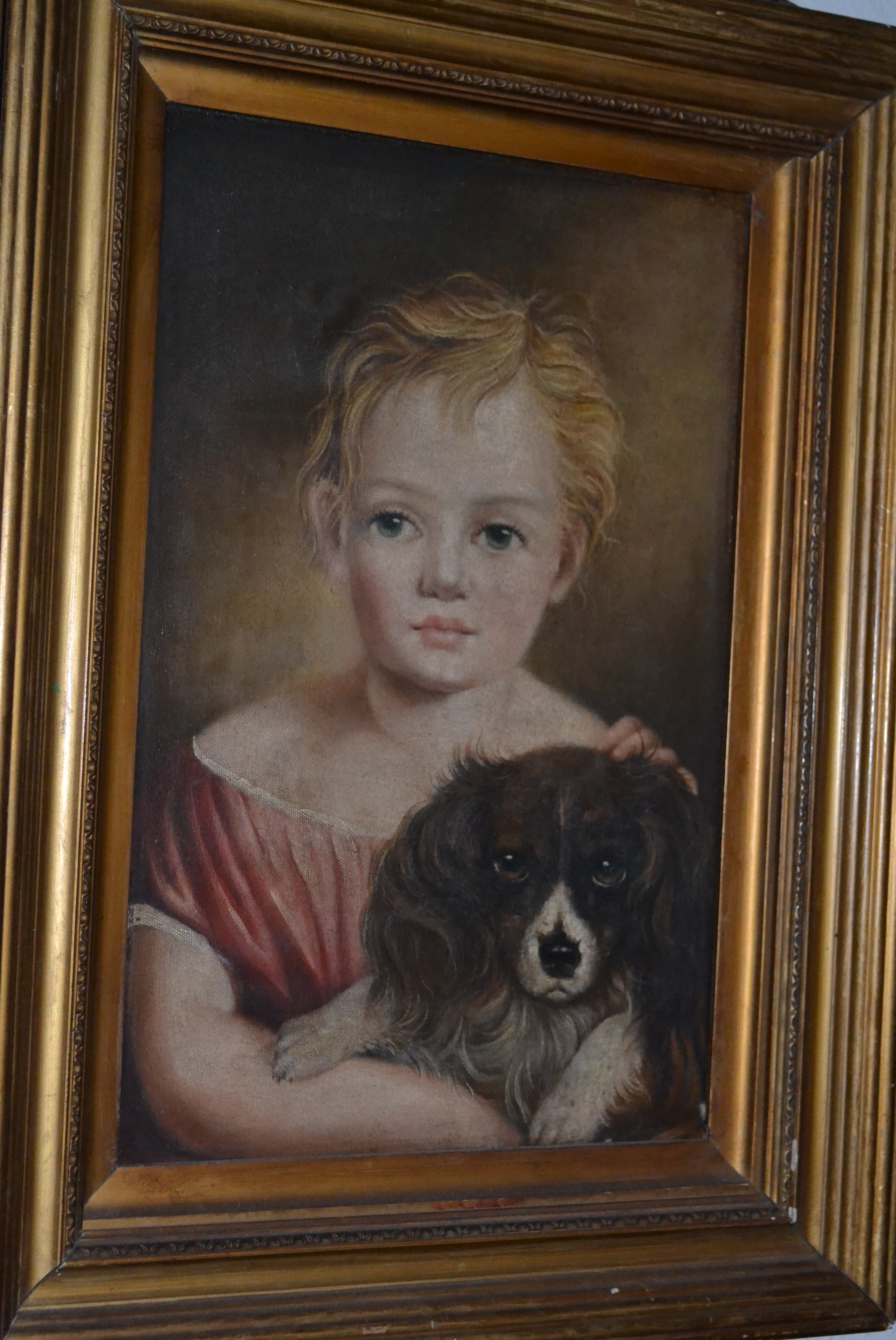
Within the next week or two, I purchased an old painting from an antique market: a portrait of a child with her dog.  We named her Emily and hung her on the wall by the chest.  If you can’t beat them, join them, right?

**

I’m not sure how to tell you the next part of the story. To be honest, I usually tell it to friends around a table where the wine is flowing freely. Somehow that puts people in a better mindset to hear it . . . and also makes them more understanding of this next twist.

I’m a softy, and I’m sometimes a kook, and when something lies heavy on my heart and I drink wine–you know.   Emily didn’t show up much in the next year, but this is no surprise because she and I had a heart to heart late one night, and I think this put her at rest.

James and I had been out to a friend’s party–homebodies that we are–and we’d had a very good time.  I had an especially good time, and came home feeling very generous and earnest and just a bit wobbly.  When we got home, I pulled a chair up to the chest and proceeded to tell Emily, at great length, that we just wanted her to be happy, and that we were terribly sorry if we acted terrified of her, but we’d be honored to have her in our home.

Because that’s how everyone talks to their ghost-furniture, right?

Well, you know, I meant it.  And it worked.  Peaceful nights from then on.

**

And then we moved Emily over the ocean on a slow boat and resettled her in Georgia.  We laughed a slightly nervous laugh and joked that she’d be really angry about that–brace for chaos.  But no chaos came.

We moved into a new house, re-floored, painted, and set Emily up in the formal living room.  The house looked good; the chest looked good; the feng   shui felt right.

And then my husband threw a curve ball.  He saw a wierd, shadowy something in the corner of the front hall–right by the living room.  He didn’t know . . .he was just saying . . .it was strange and his first thought was Emily.

But I didn’t believe a word of it.  James likes to play pranks, and as much as he insisted, I laughed and said right, like I would believe that.  End of conversation.

Until a few weeks later, when I was scrolling through messages and pictures on my new flip phone (it was 2009).  My daughter, then a 4th grader, had been having fun with the camera phone–catching her grandmother in her pj’s, photographing her brother with a cabbage on his head, taking a photo she entitled Haunted Hallway. . . . This stopped me cold. She had photographed the same spot in the house James had described and she gave it that caption.

I very nonchalantly asked her about the photo.  She said, “Oh, it just looked wierd, so I took it.”  No more reason, no more thought.  It was haunted seeming, so she took the picture.  The photo didn’t look that strange to me, but then how photogenic are ghosts?

And what a strange, strange coincidence.

**

You can be a skeptic, and I won’t blame you.  But me, I’m a big fan of Emily.  At least for now.

When we moved to Germany, we left her in a storage facility until we return next year.  That could make for one mad ghost.  Check back with me in a year, and see how she took it.  Or, better yet, come over and drink wine with me next year–we’ll have a heart to heart with Emily and smooth things over.


“I have endeavoured in this Ghostly little book, to raise the Ghost of an Idea, which shall not put my readers out of humour with themselves, with each other, with the season, or with me.”
 Charles Dickens, A Christmas Carol  


Had We But World Enough, And Time

Our power must have gone off yesterday.  The two electric clocks we have in the house were inexplicably set to zero in the afternoon.  And that got me to thinking about time.  Well, that and the shock that June is almost upon us (where did April and May go?).  And the real live cuckoo bird who is nesting somewhere in the neighborhood and sounding for all of the world like my clock, but “going off” at random times.  And the son who appears to grow by inches on any given night.  And the beloved dog and best friend who passed away last week.

Time engulfs us and confounds us. We decorate our towers and homes with it, wear it on our wrists, celebrate its high holy days, and mourn its passing.  Time heals all wounds, but steals all souls.  And if we respect it and appreciate all the fine gifts the years bring us, we still fear it.  We don’t understand it at all.

So, today, I offer a few photos and let time speak for itself.

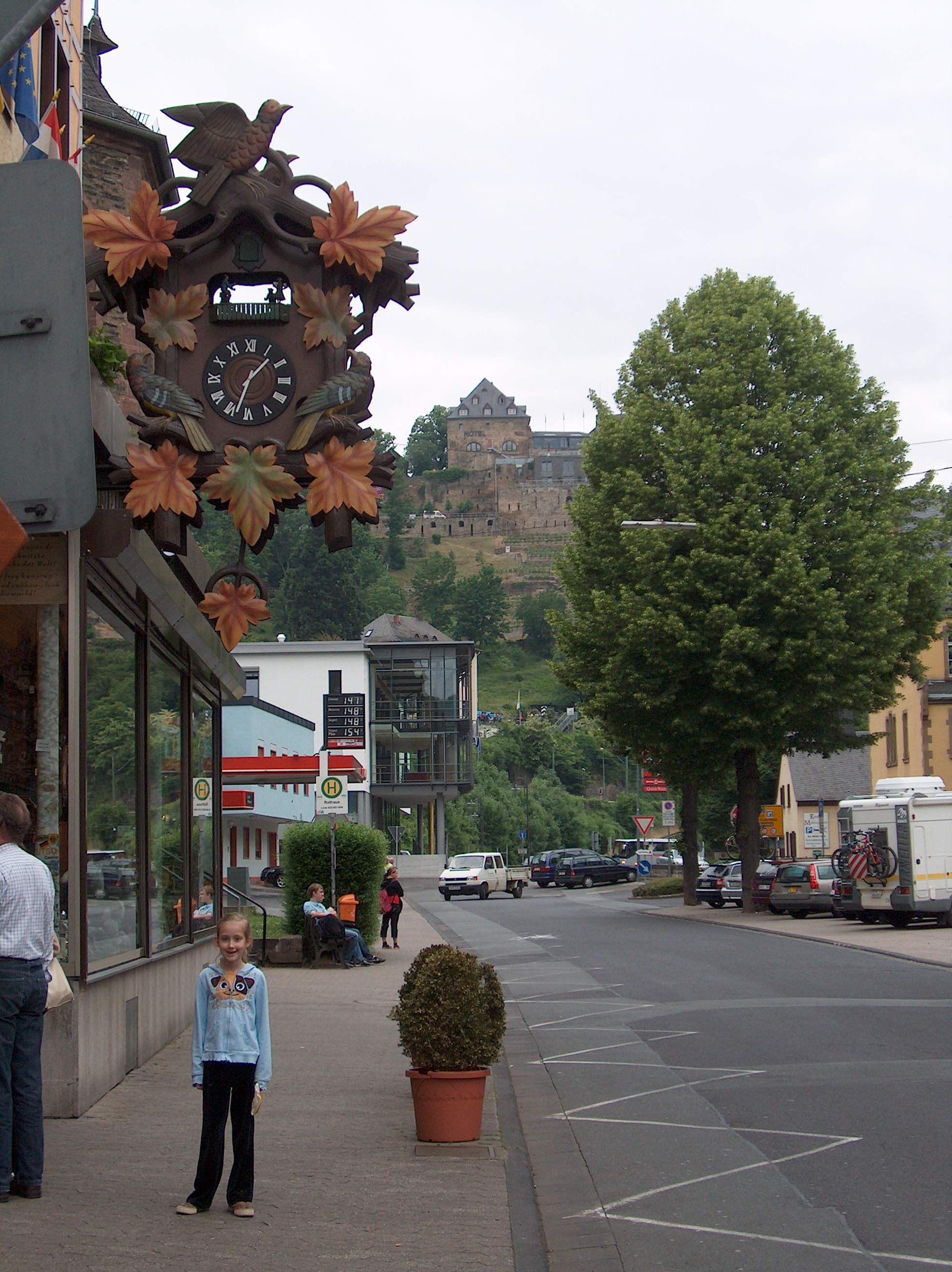
Giant Cuckoo Clock on the Rhine River in Germany--looking out on new shops and very old castles.
Giant Cuckoo Clock on the Rhine River in Germany–looking out on new shops and very old castles.


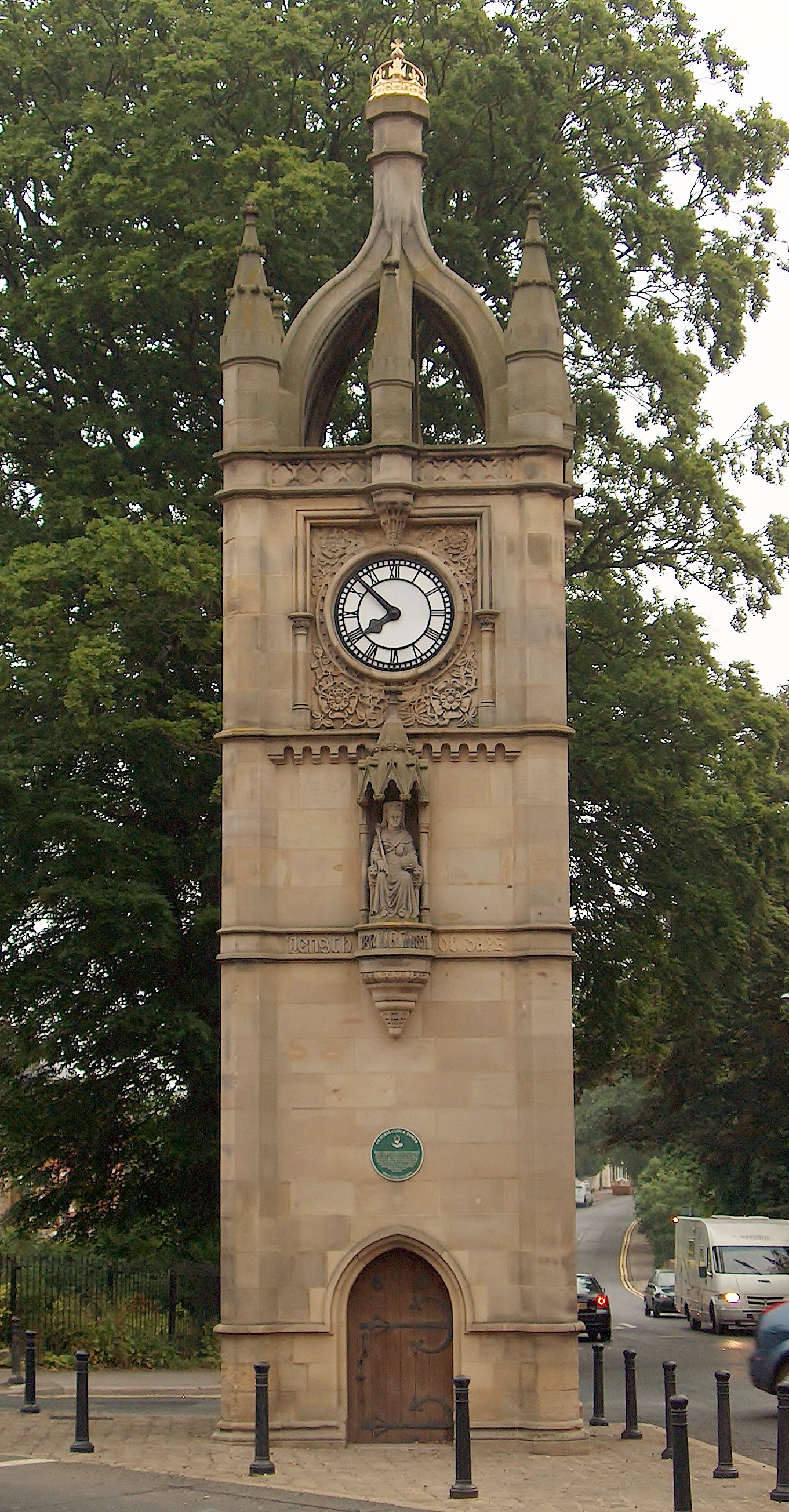
Victoria Clock Tower, which stood by our house in Ripon, England
Victoria Clock Tower, which stood by our house in Ripon, England. On a personal level, a very special reminder of 4 great years in our lives.


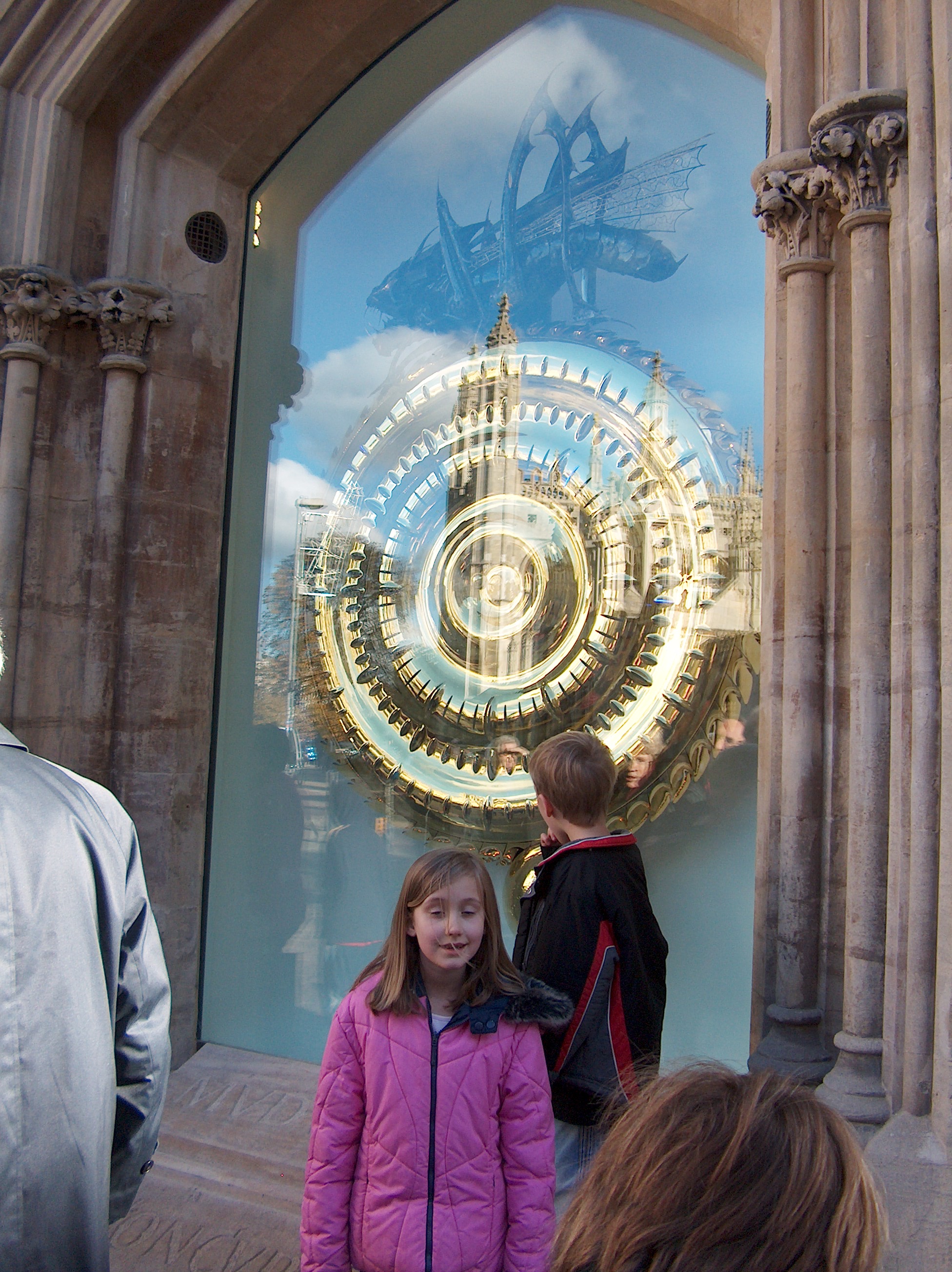
The fabulous Corpus Clock in Cambridge, England--revealing less of itself in the gleaming sun and more of a reflection of King's College.
The fabulous Corpus Clock in Cambridge, England–revealing less of itself in the gleaming sun and more of a reflection of King’s College…because, after all, time is a canvas for the things of life.


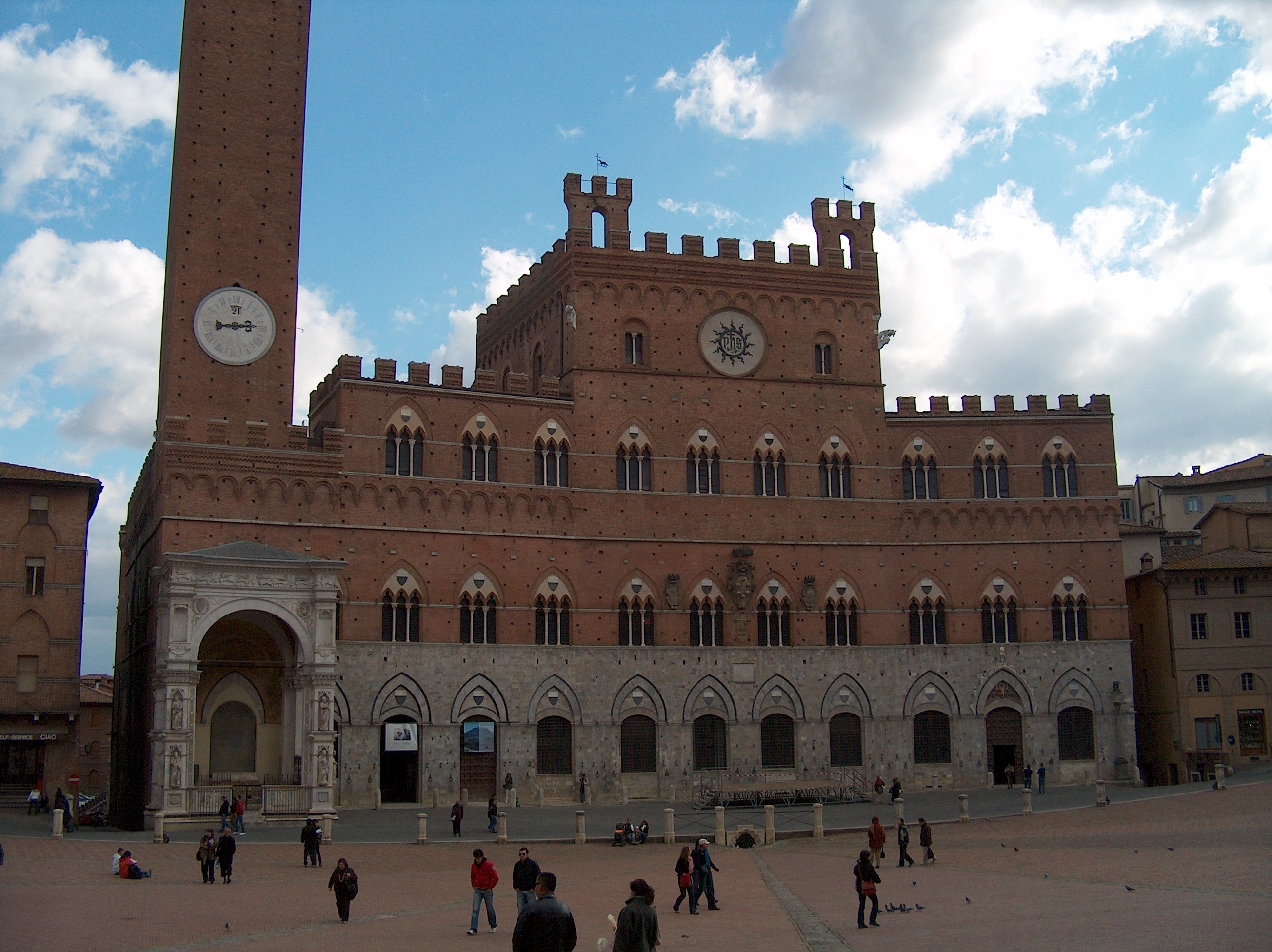
Sienna, Italy
Siena, Italy–Town Hall and Clock Tower standing tall over the historic piazza.


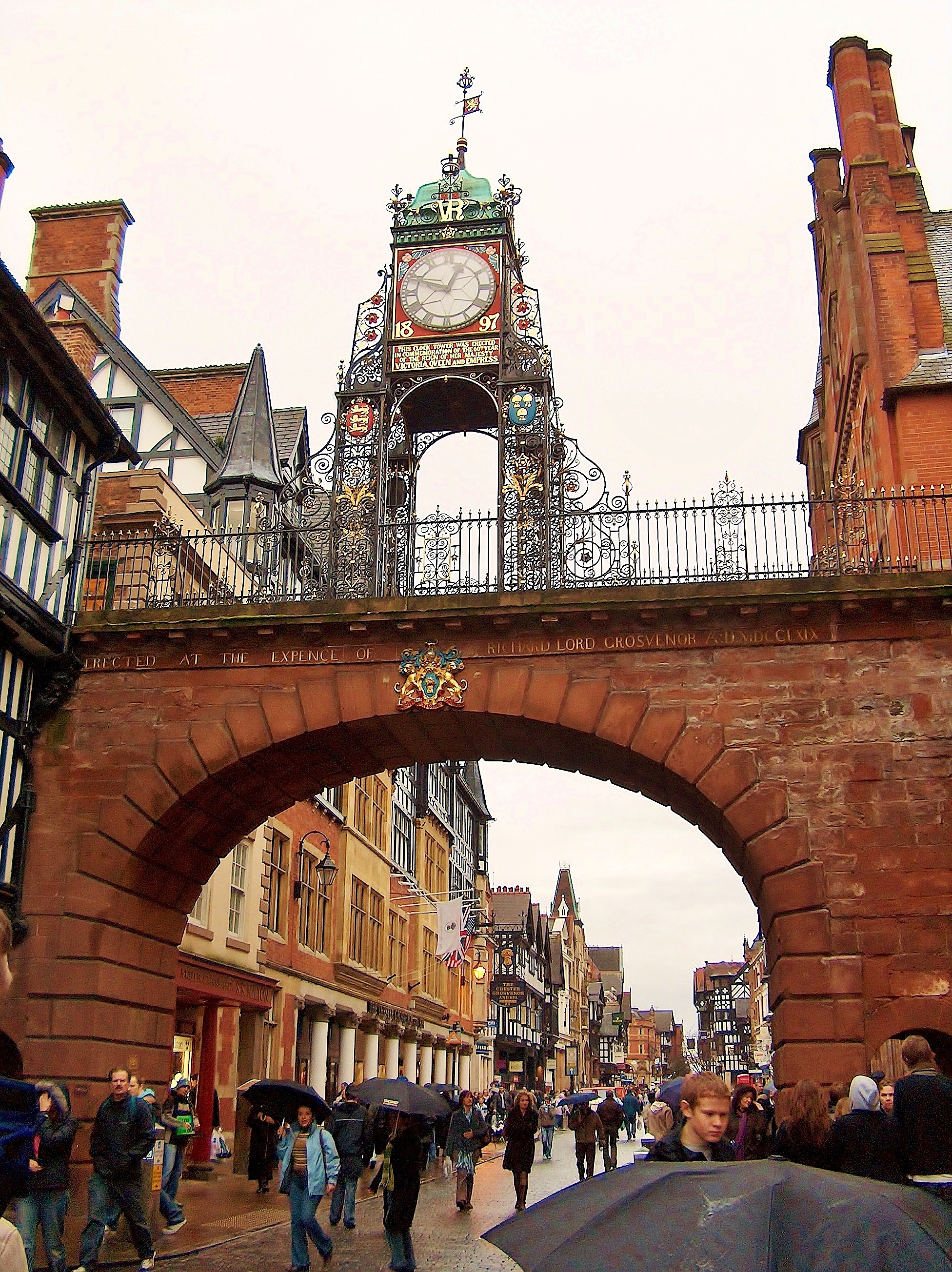
South Gate Clock, Chester, England
South Gate Clock, Chester, England– is it a coincidence that clocks so often mark thresholds like this?


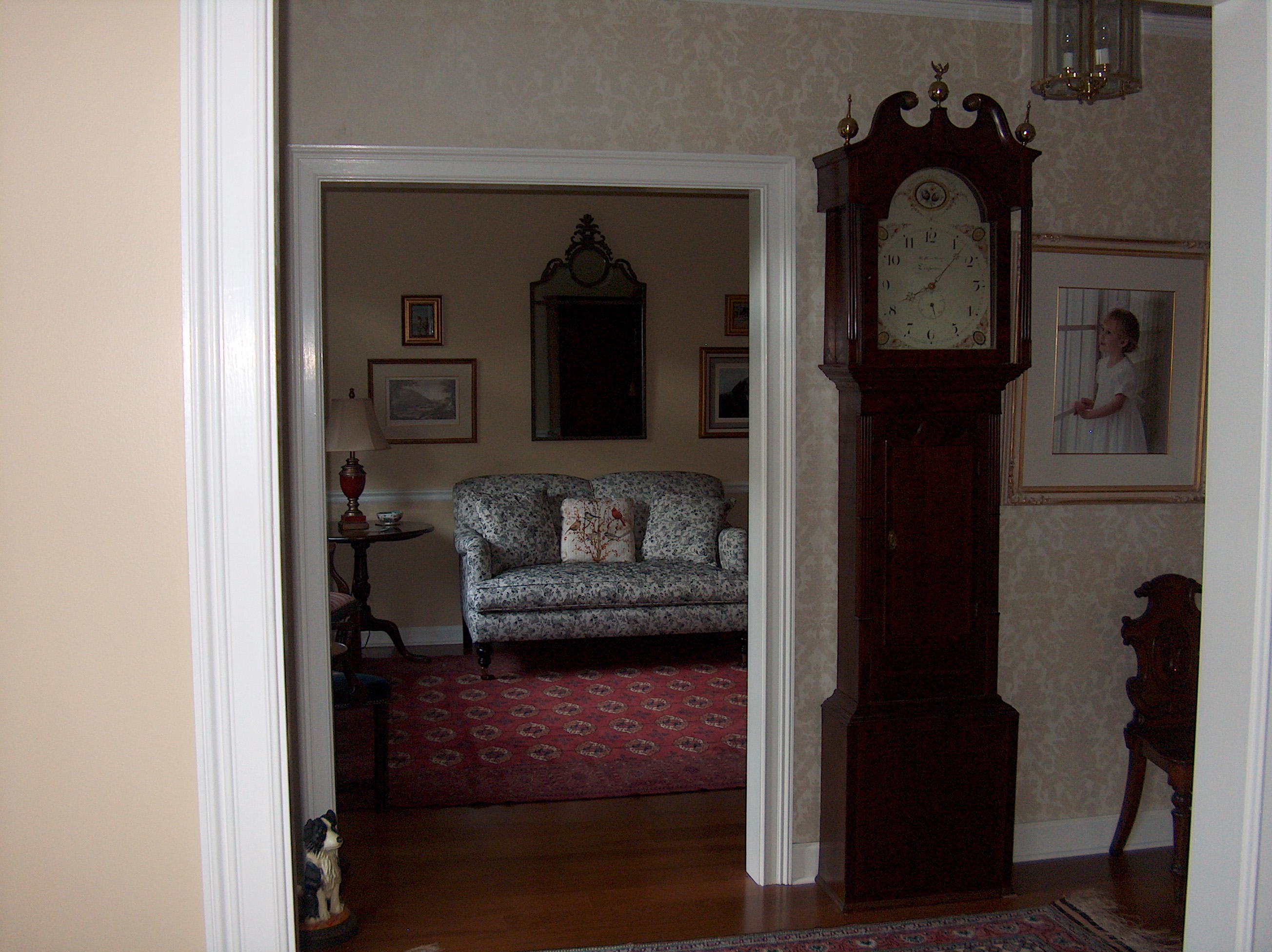
An 1820 Longcase clock from Leyburn, England stands sentry at our door.
The Best Friend we loved and lost
The Best Friend we loved and lost. At 15 years old, she had lived a long dog life . . . but not nearly long enough for those who loved her.


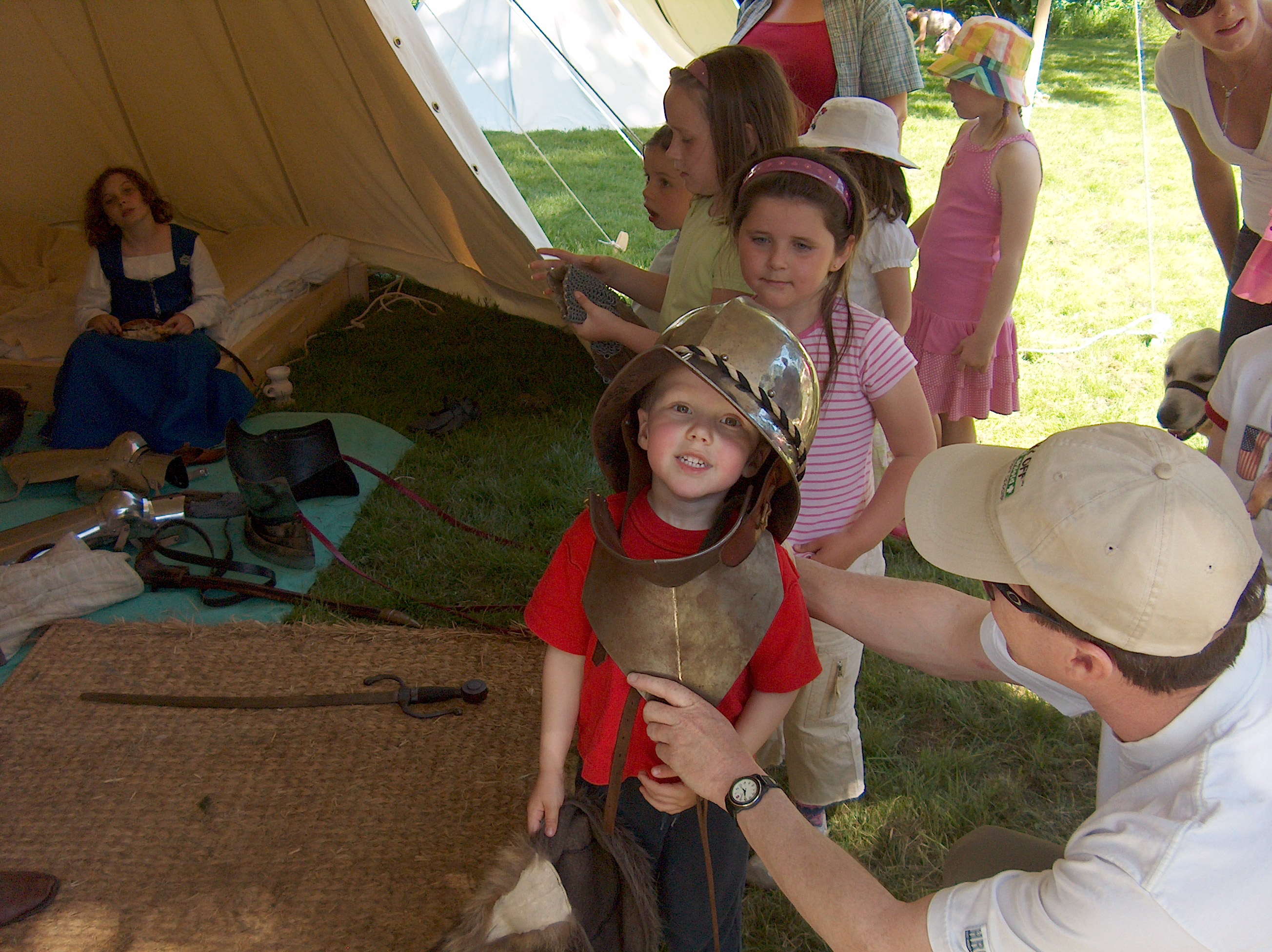
The past came alive at a history fair at Fountains Abbey, Yorkshire
The past came alive at a history fair at Fountains Abbey, Yorkshire. And why is it that little boys always want to grow up to be soldiers?


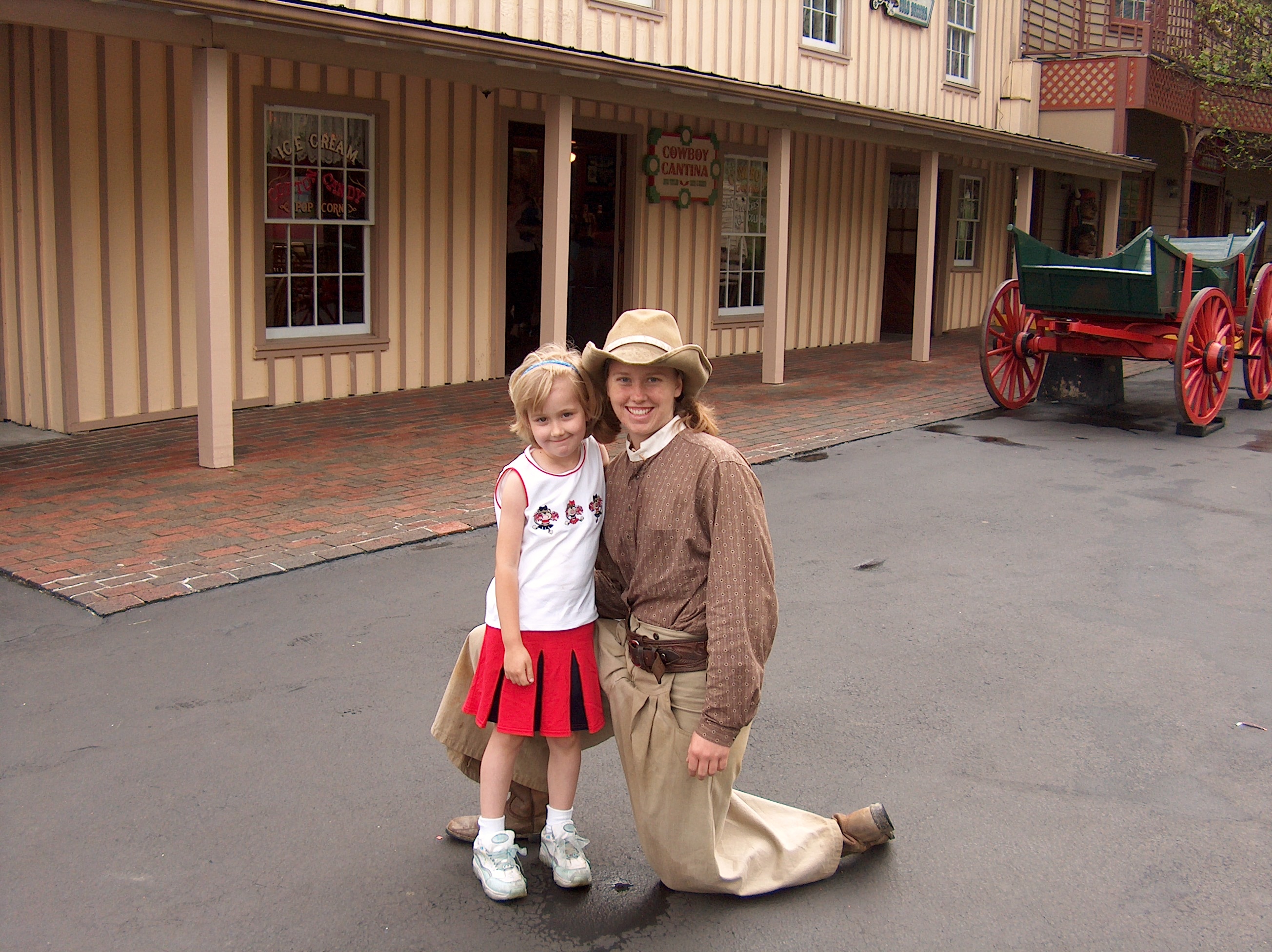
Having fun with the past at Tweetsie Railroad in NC many years ago.


And so, time marches on. . .

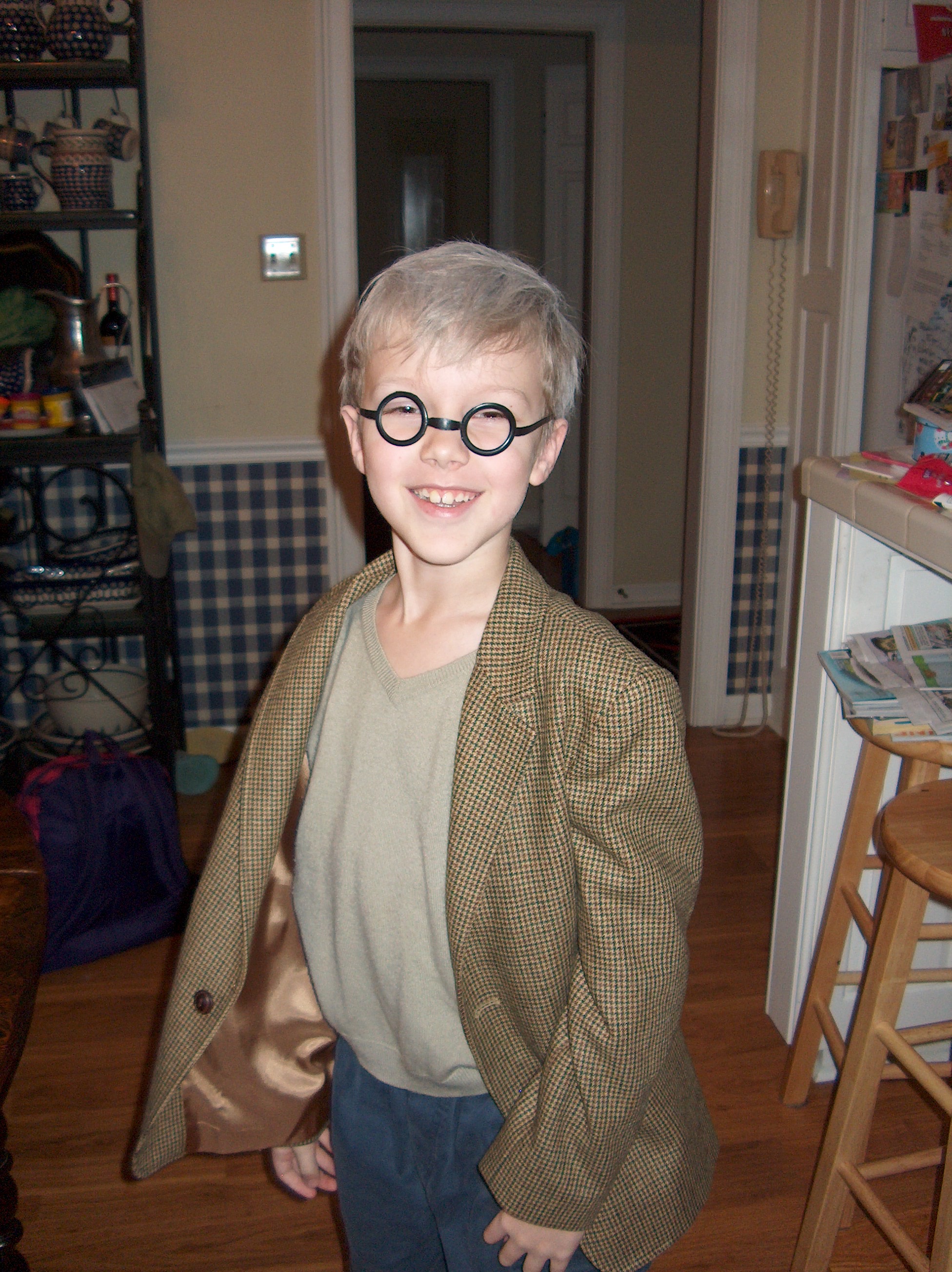
They are young one day, and all grown up the next.

*”Had we but world enough, and time” is the first line of Andrew Marvel’s poem “To His Coy Mistress”