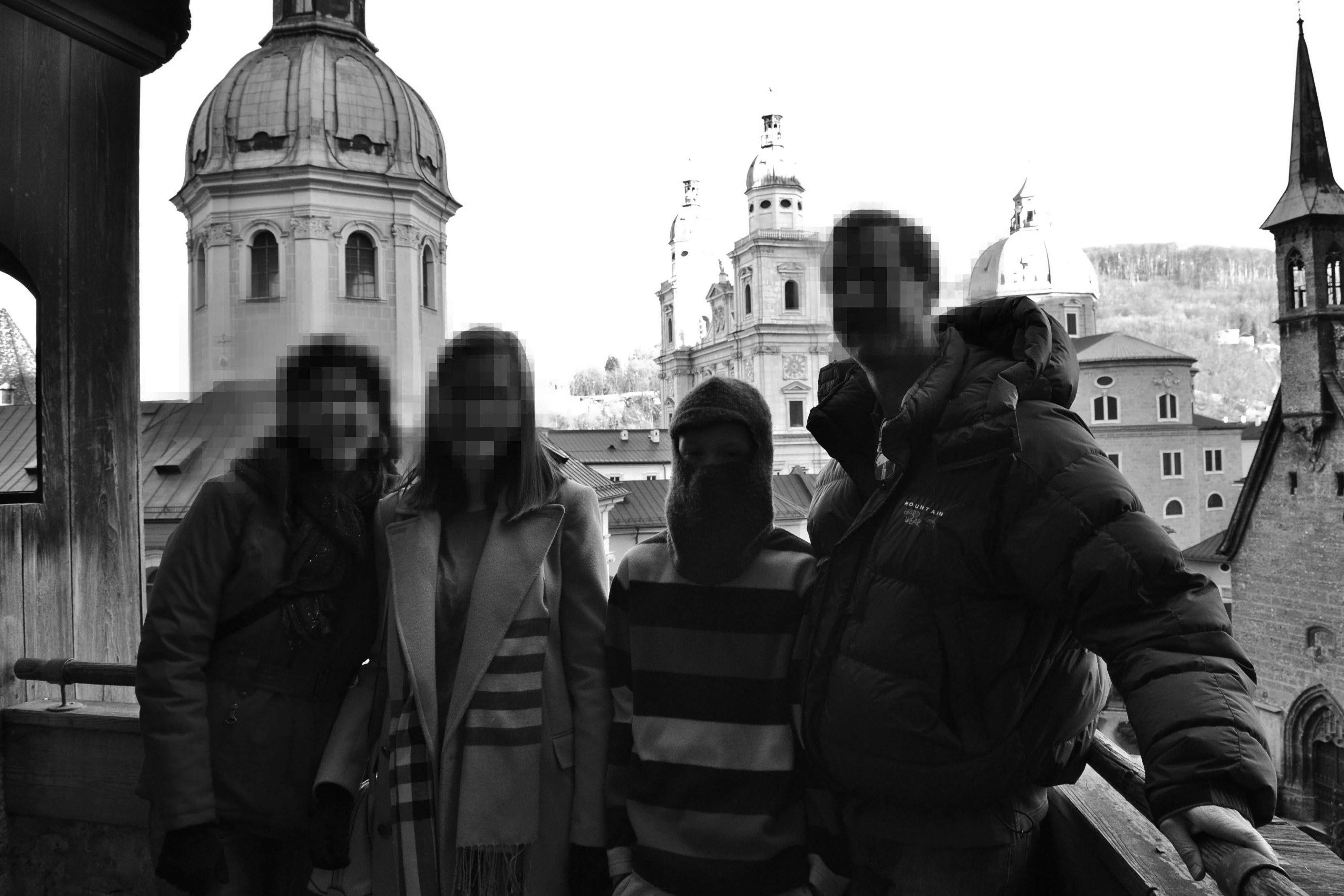
View from the St. Mark’s Campanile (Bell Tower), November 2015
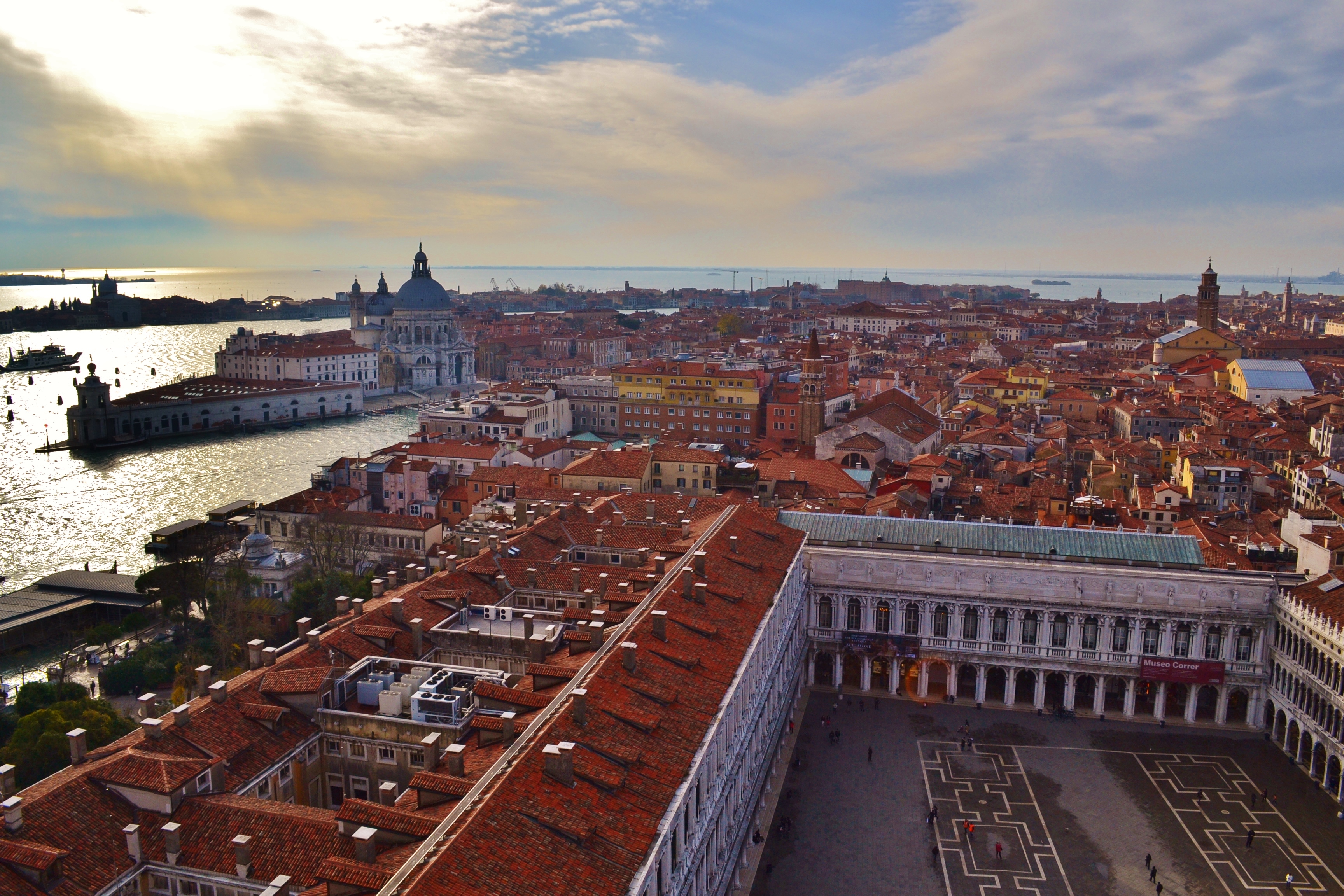


View from the St. Mark’s Campanile (Bell Tower), November 2015
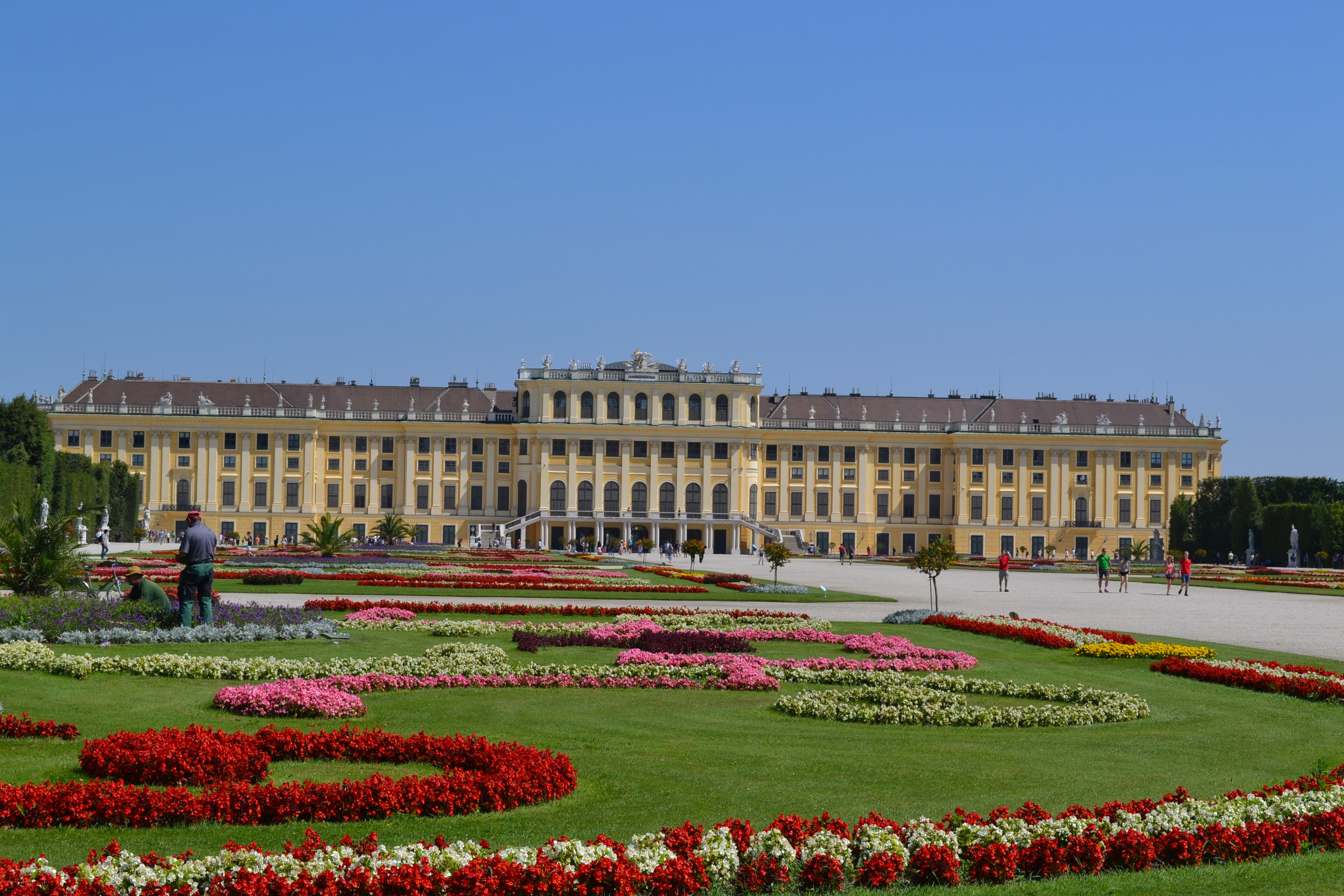
Today’s travel memory is brought to you by summertime heat–days that start out hot, become alarmingly hotter, and end in your body, bones and all, reduced to a puddle on the asphalt. If this sounds like the beginning of another post on my new home in Florida . . . oddly enough, it isn’t. Today’s memory is from Schloss Schonbrunn (Schonbrunn Palace), in Vienna, Austria. It was built in the 17th and 18th centuries, modified in the 19th century, and partially reconstructed after WWII (the palace took a direct hit in 1945)– so it is, in every sense, “one for the ages.”
Emperor Leopold I had planned to build a palace that would rival, or surpass,  Versailles. At the end of the day, Schonbrunn did not meet that goal, but its elegant lines and interiors still impress. The Palace has over 1400 rooms, but only 30-40 are opened for touring.
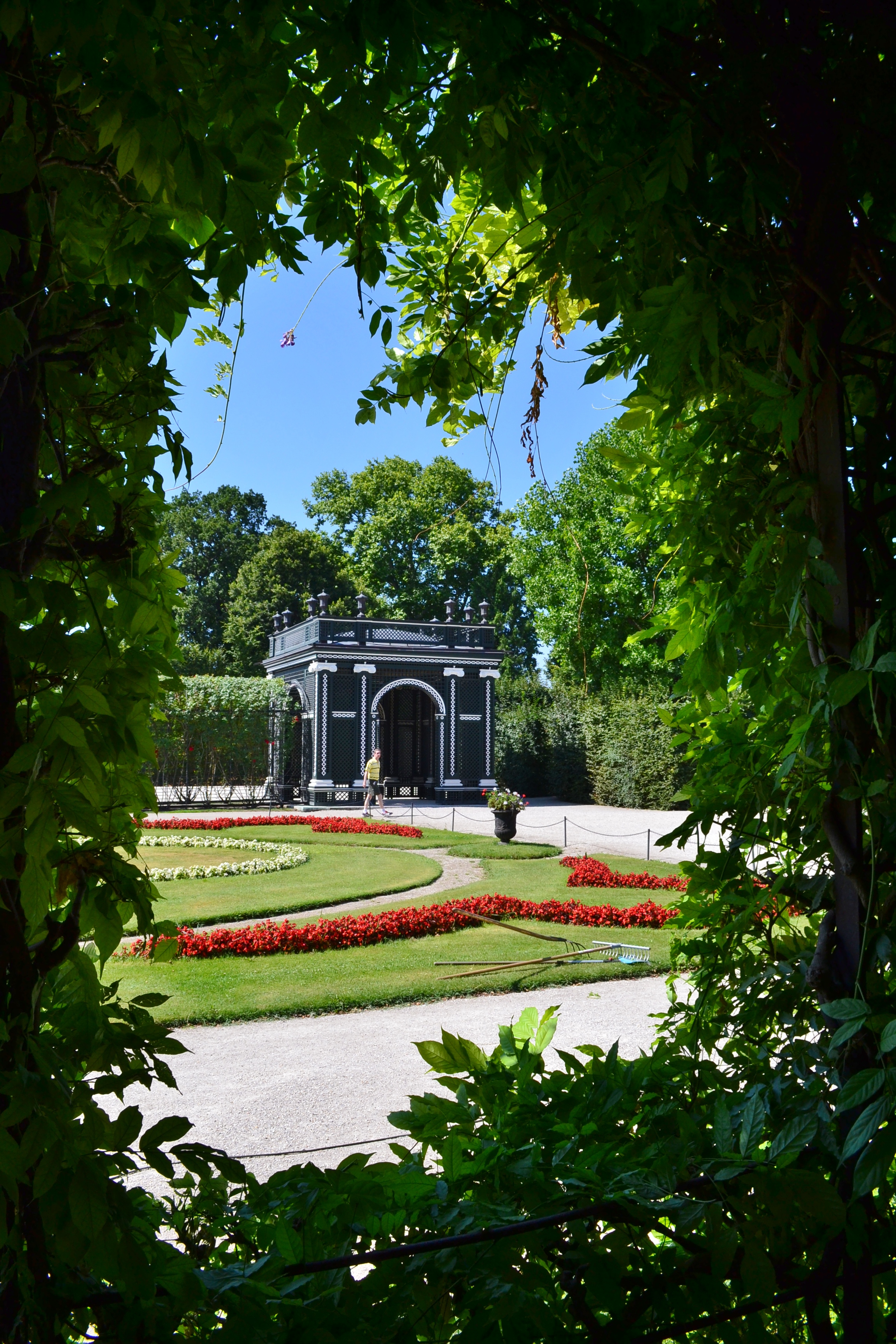
We visited on an outrageously hot day in July of 2015, when the mercury was hovering at around 100 degrees Fahrenheit. We toured the inside of the palace, which was impressive–but we were wilting in the un-airconditioned and little-ventilated space, along with a throng of fellow tourists, so our photos skew toward views of the garden, where at least we could catch a slight breeze. (Two days later, we’d find ourselves in Budapest and standing under the nozzles of misting trucks, brought out to offer relief from the extreme heat– relief that’s hard to come by in a region that so rarely deals with this sort of heat, and where air conditioning is the exception to the rule.)
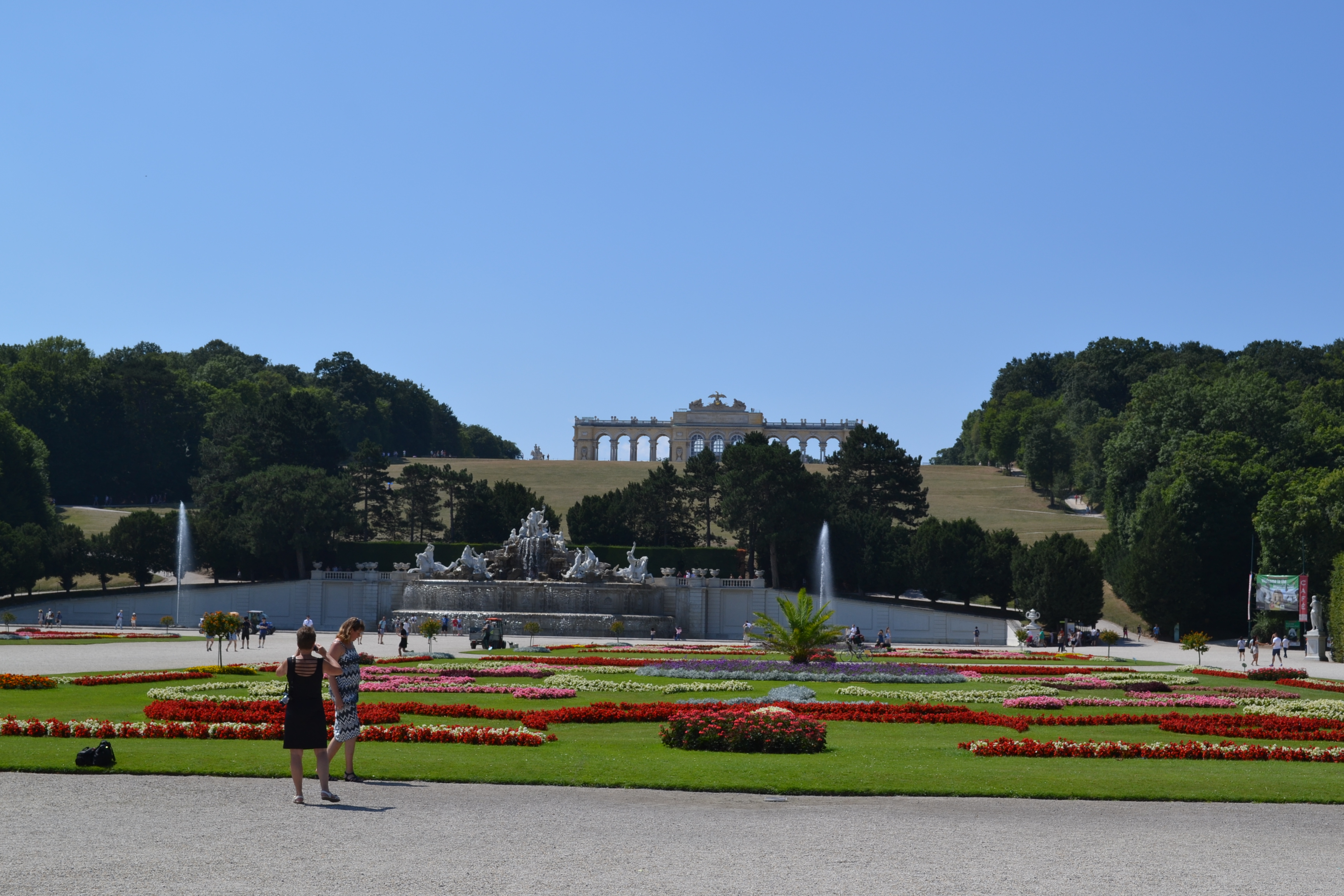
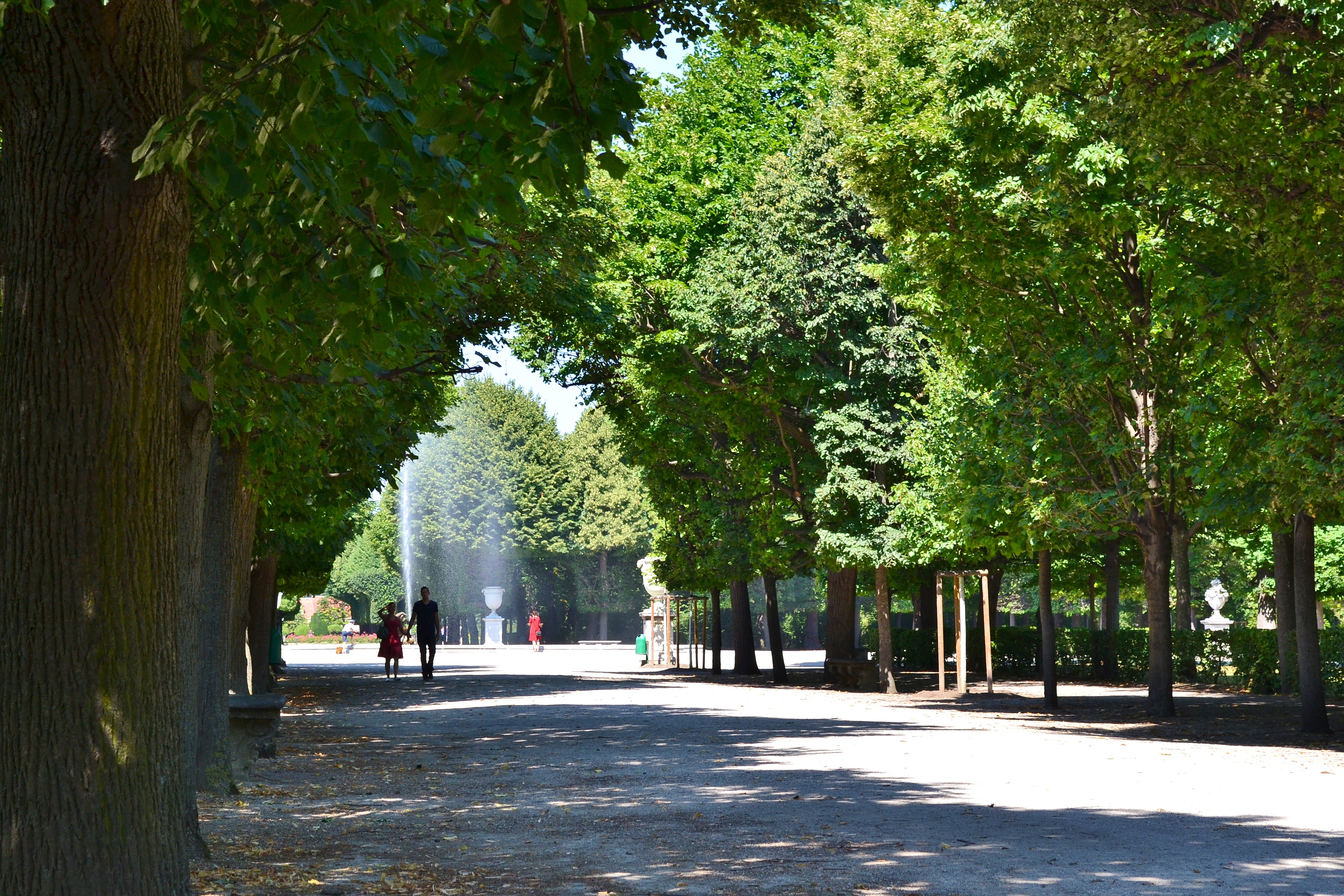 The grounds are massive, and they boast not only beautifully manicured gardens, but plenty of shady spots for sitting, and a maze for your children (or you!) to test your wits in. (Being somewhat witless, and horrifically directionally challenged, I sent the children in ahead of me and then wandered in shady patches and took photographs.)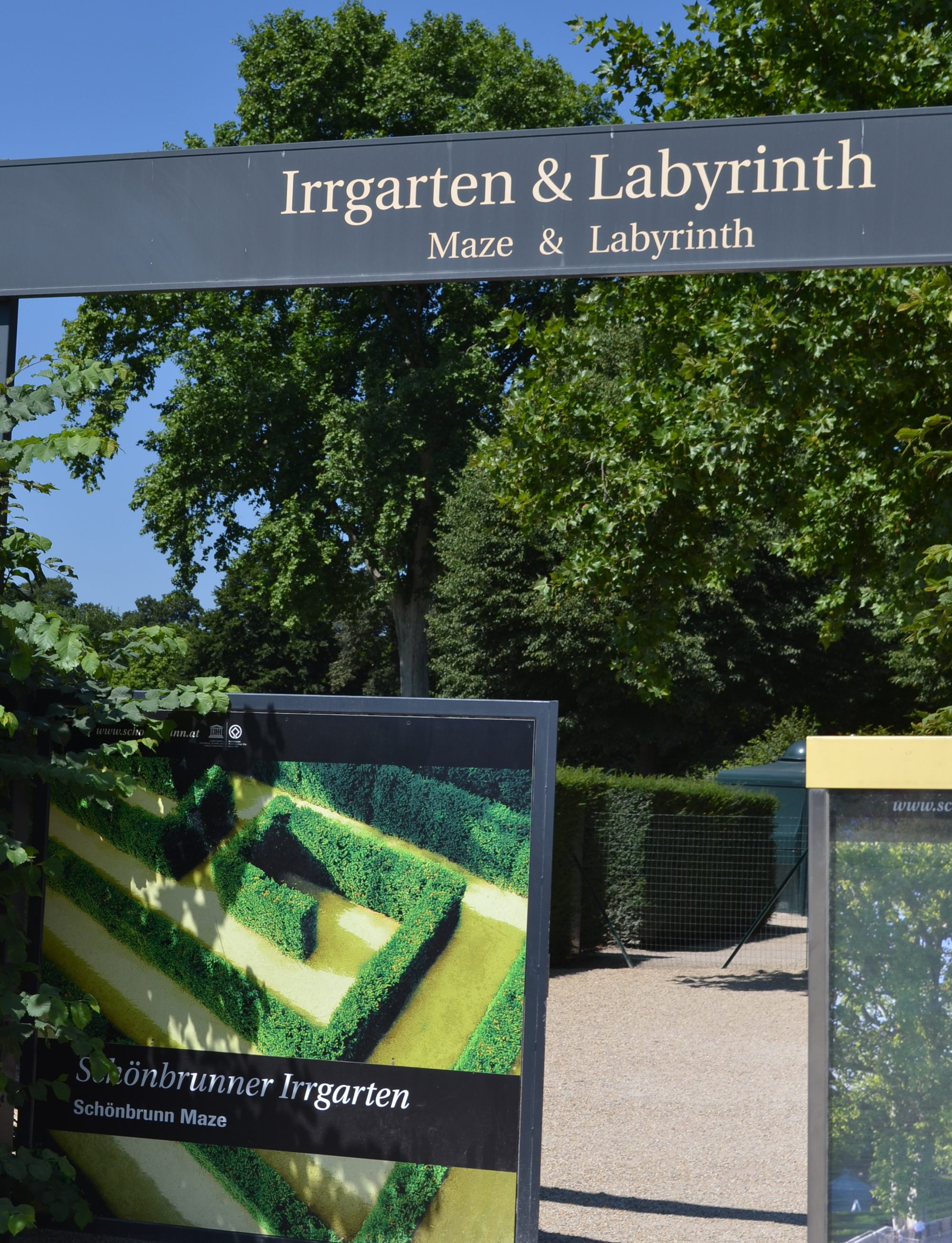
Schonbrunn is a very popular tourist destination, so if you go in the summer, you might consider purchasing tickets online ahead of time to avoid lines. Schonbrunn also hosts many concert series and has a zoo on its grounds, so there is lots to do. Plan on spending at least half a day there (better still, a whole day).
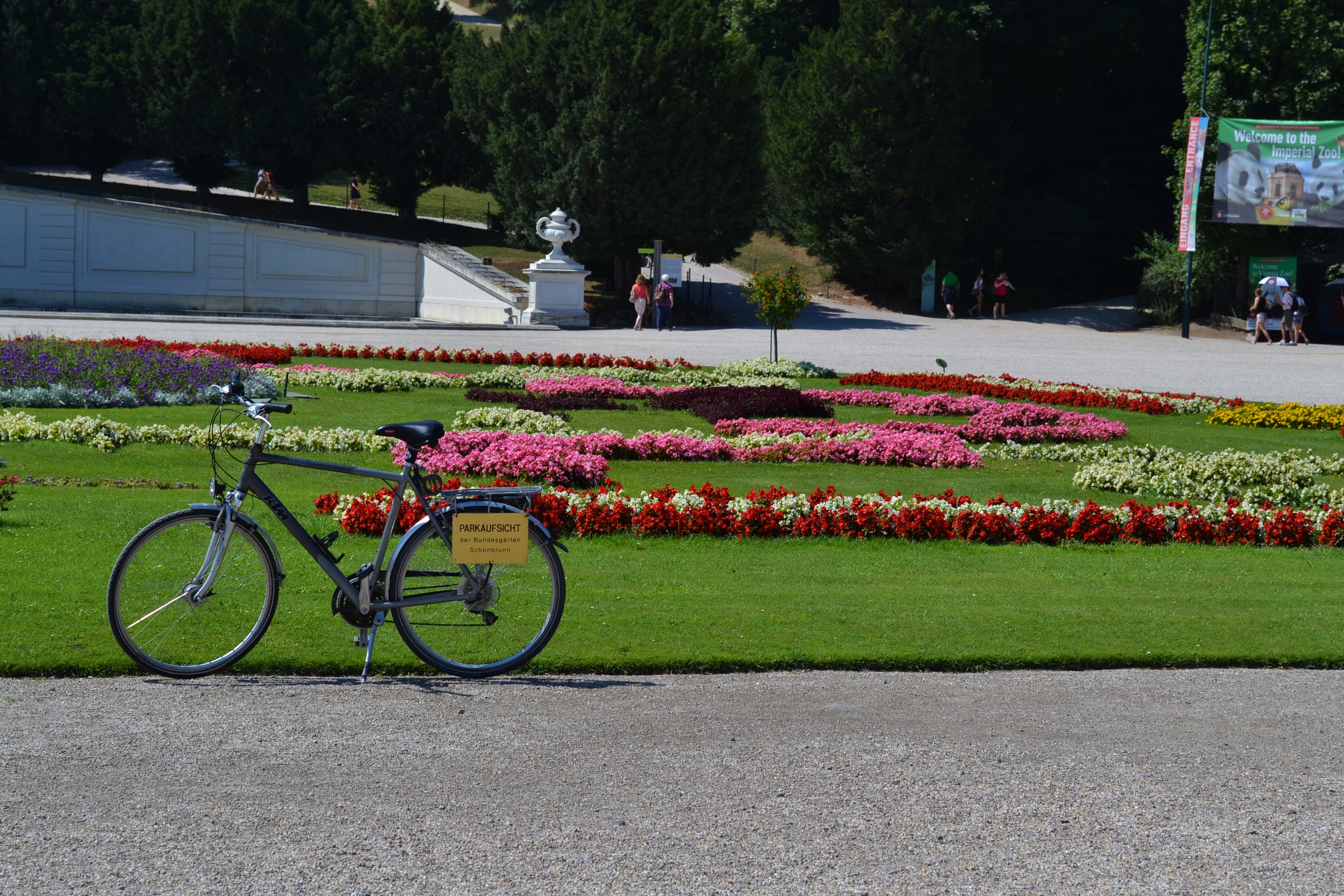
Finally, I’ll leave you with one of my favorite photos from the day: a bicycle in the gardens. Not sure why I love this photo so– maybe it brings a human scale to a massive palace and grounds, or simply offers a sense of adventure and movement (travel!) to a formal landscape.
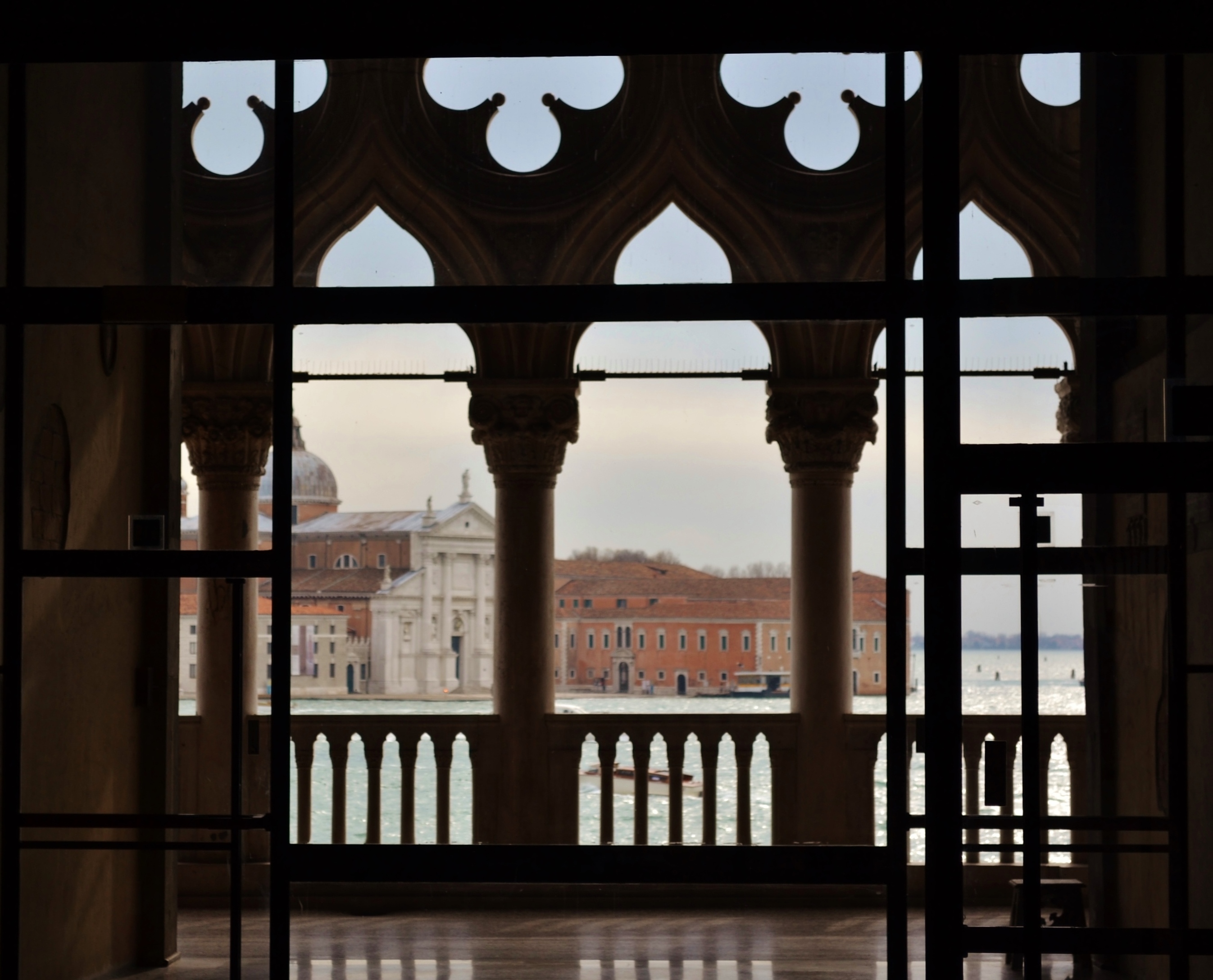
Ah, Cambridge. Two weeks ago, I was there. This week, I wish I was still there.
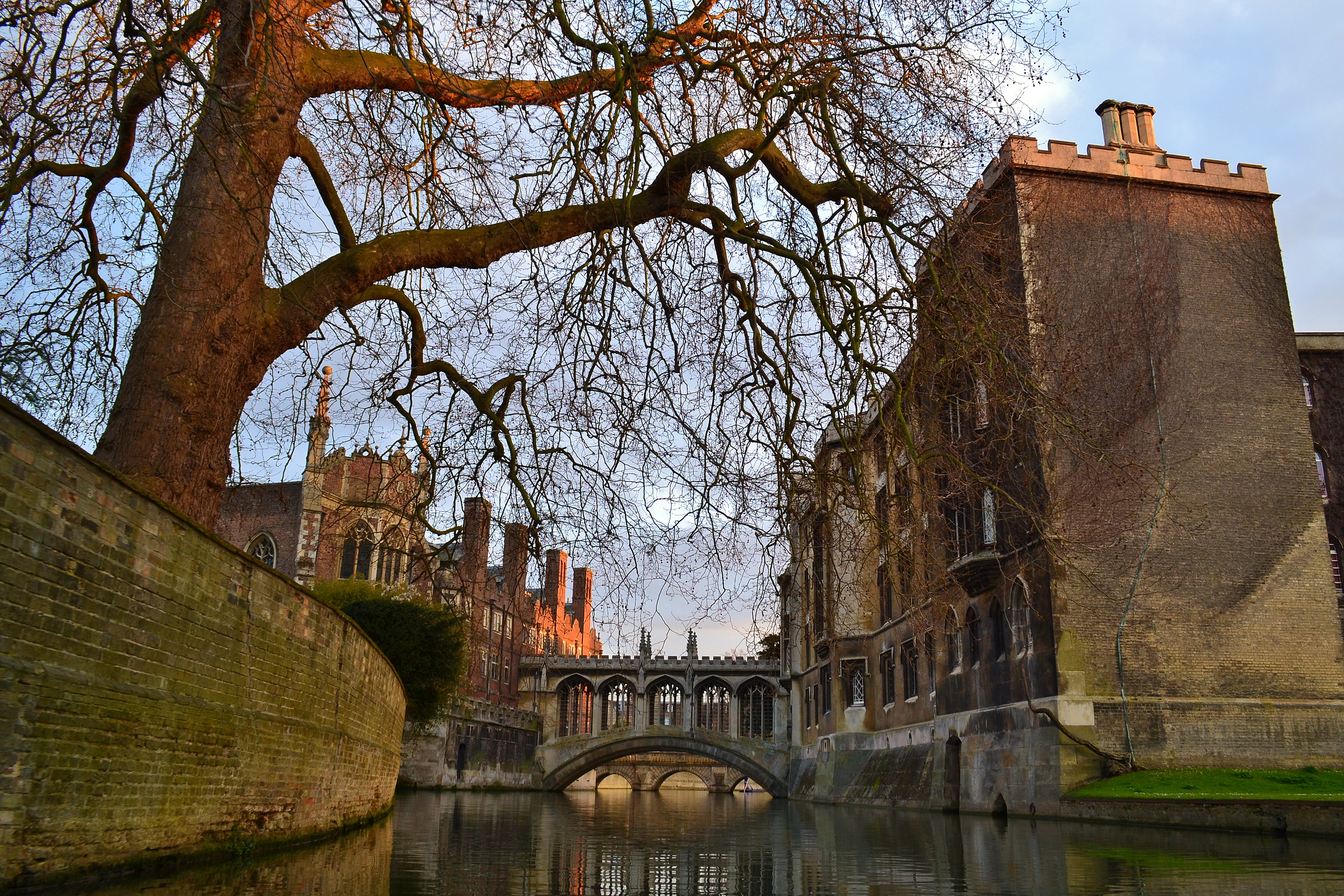
A few days ago, my corner of Germany was a mess. Rain/snow/hail falling in scissor patterns (like the wind was blowing two directions at once), followed by a more languid thunder storm (minus the storm, because at that point the precipitation mostly left and only the thunder came swaggering through). It was absolutely infuriating weather to have at the end of April. . . and with the pollen full out and everyone’s eyes swollen to the size of grapefruits. Mother Nature is beating us senseless here!
So I’m meditating this week to keep my wits about me. I’m closing my itchy eyes and thinking back to the bright evening we spent punting on the Cam in Cambridge, when the world was beautiful and spring was a given.
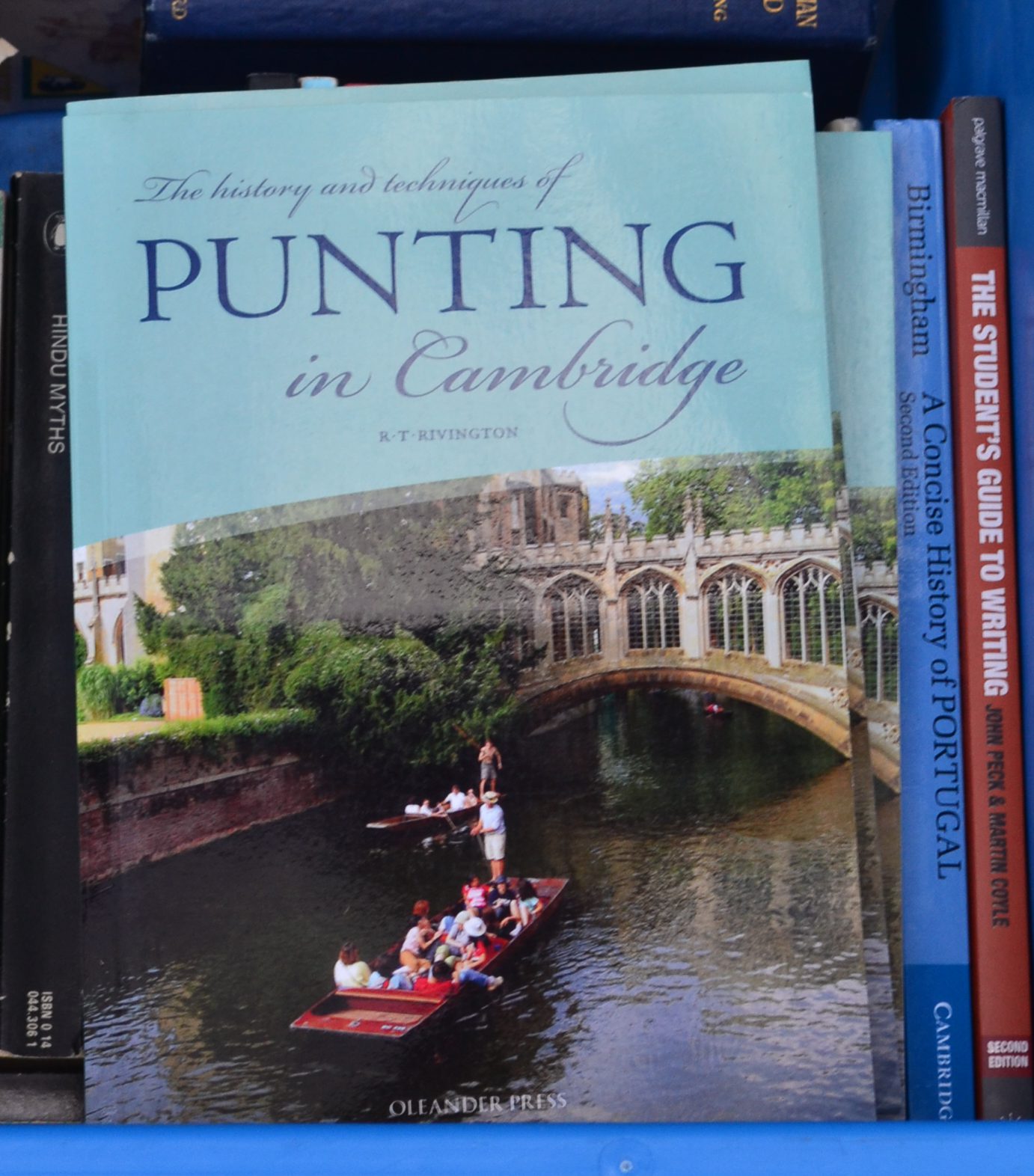
If “punting on the Cam” is a phrase that leaves you scratching your head, not to worry. It has that effect on many people. The Cam is the river that runs through Cambridge, and punt boats are traditional flat bottomed (square and stodgy looking) boats. The “punter” is the unlucky bloke who stands at the back of the boat and both steers and propels the small vessel with a long pole.
It looks easy enough, but I’m told it’s a little tricky and tiring for beginners. Conventional wisdom in Cambridge: if you live there, take the time to learn to punt and then enjoy self-hire boats at your liesure; if you’re a tourist, pay the boatman and enjoy the ride. Most of the punting guides will offer their “puntees” a bit of history and Cambridge trivia along with the beautiful ride.
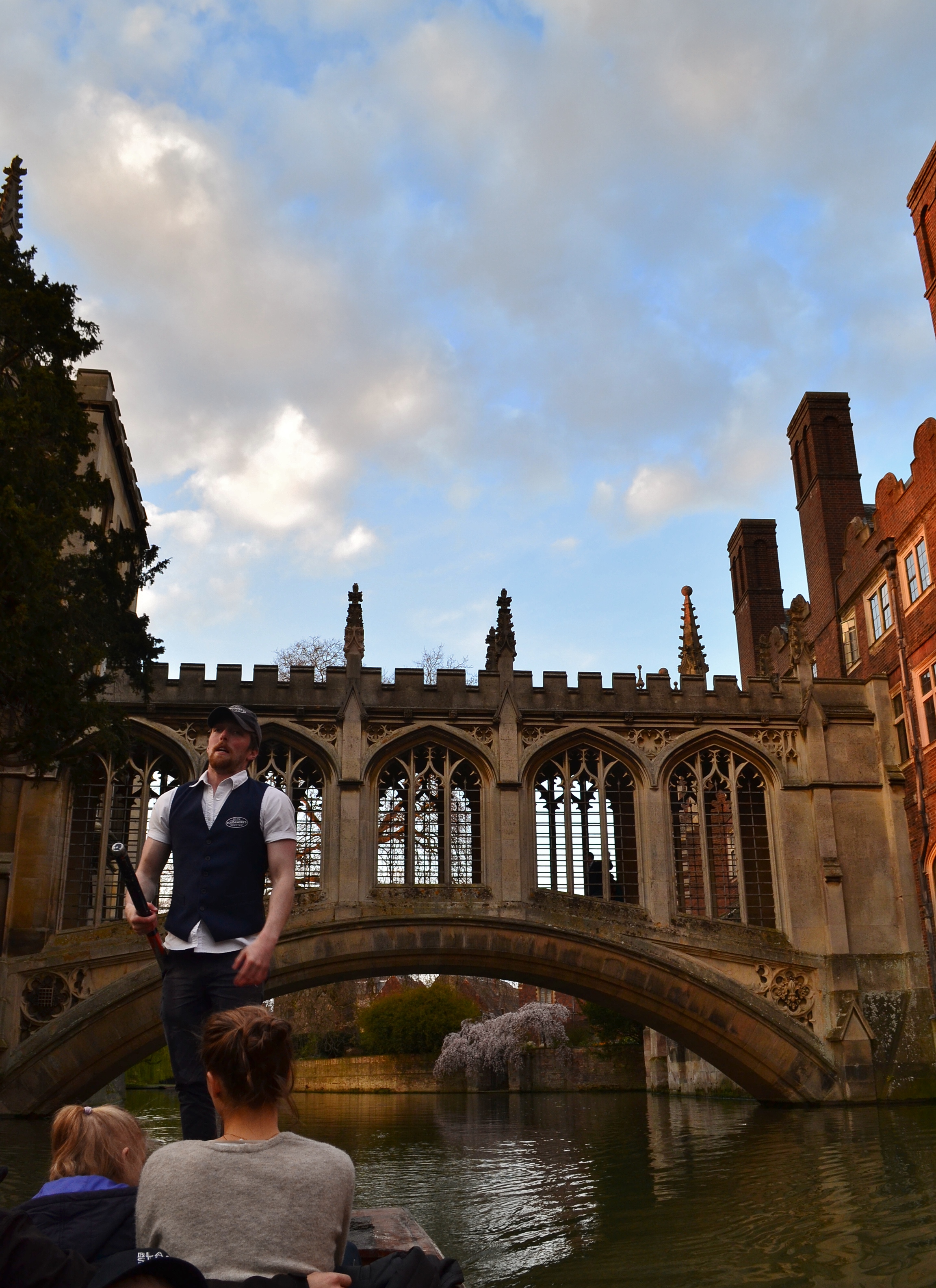
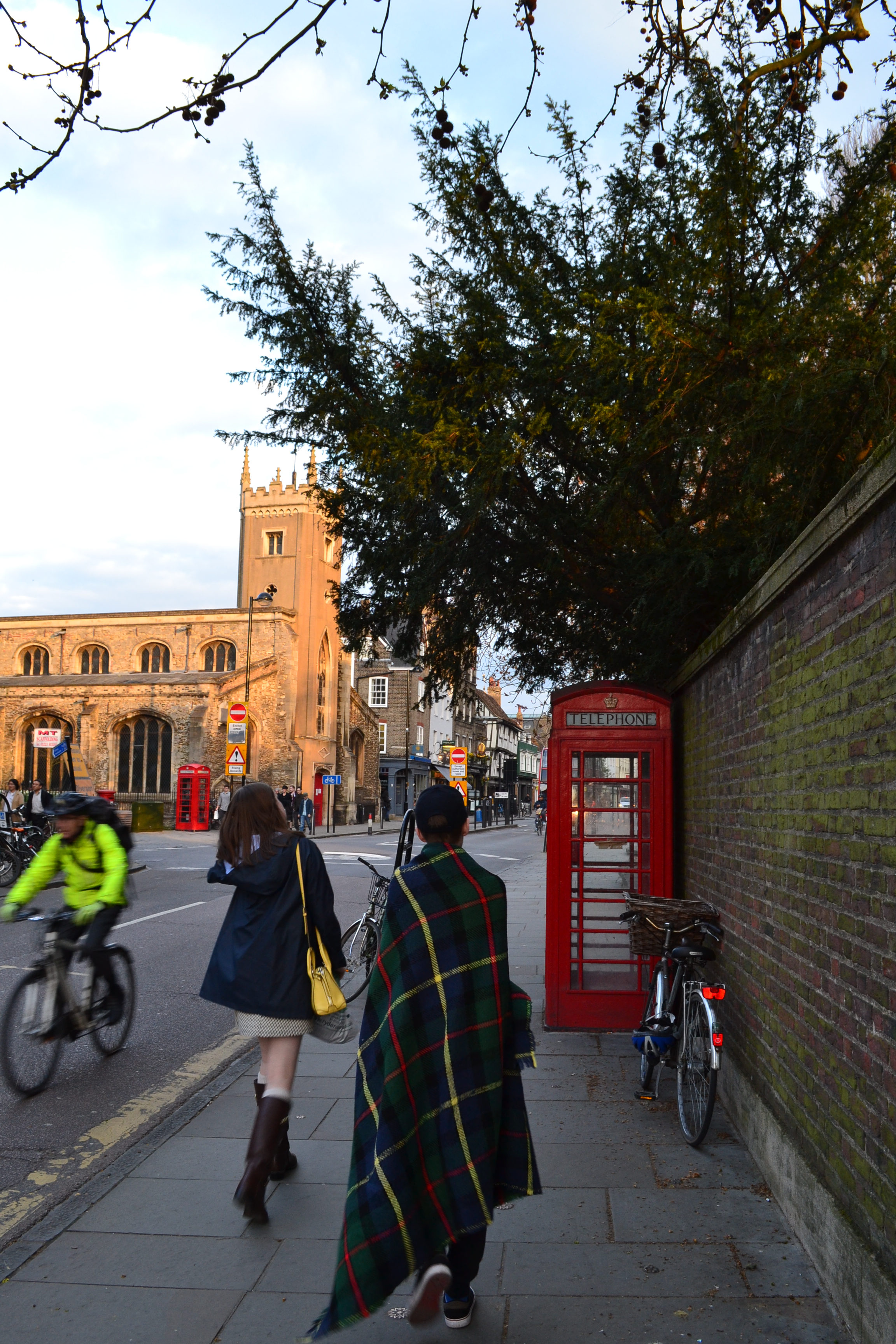
We did our punting in the early evening. It was still bright, but it was a weeknight and campus was mostly quiet along the backs by the river. The air was growing crisp, to the point that our punter had to lend my son a blanket while we strolled around the block and waited for him to prepare our boat.
Pretty soon, we were afloat and learning about the many colleges that make up Cambridge University, ohhhing and ahhhing at the fabulous architecture, and occasionally being heckled by beer swilling students on the banks–which, as long as it’s done in lovely British accents, still sounds pretty posh to Americans. (It’s embarassing, but true–it hardly matters whether a Brit is performing a Shakespearean sonnet, reading from the phone book, or berating us, we Americans will swoon regardless.)
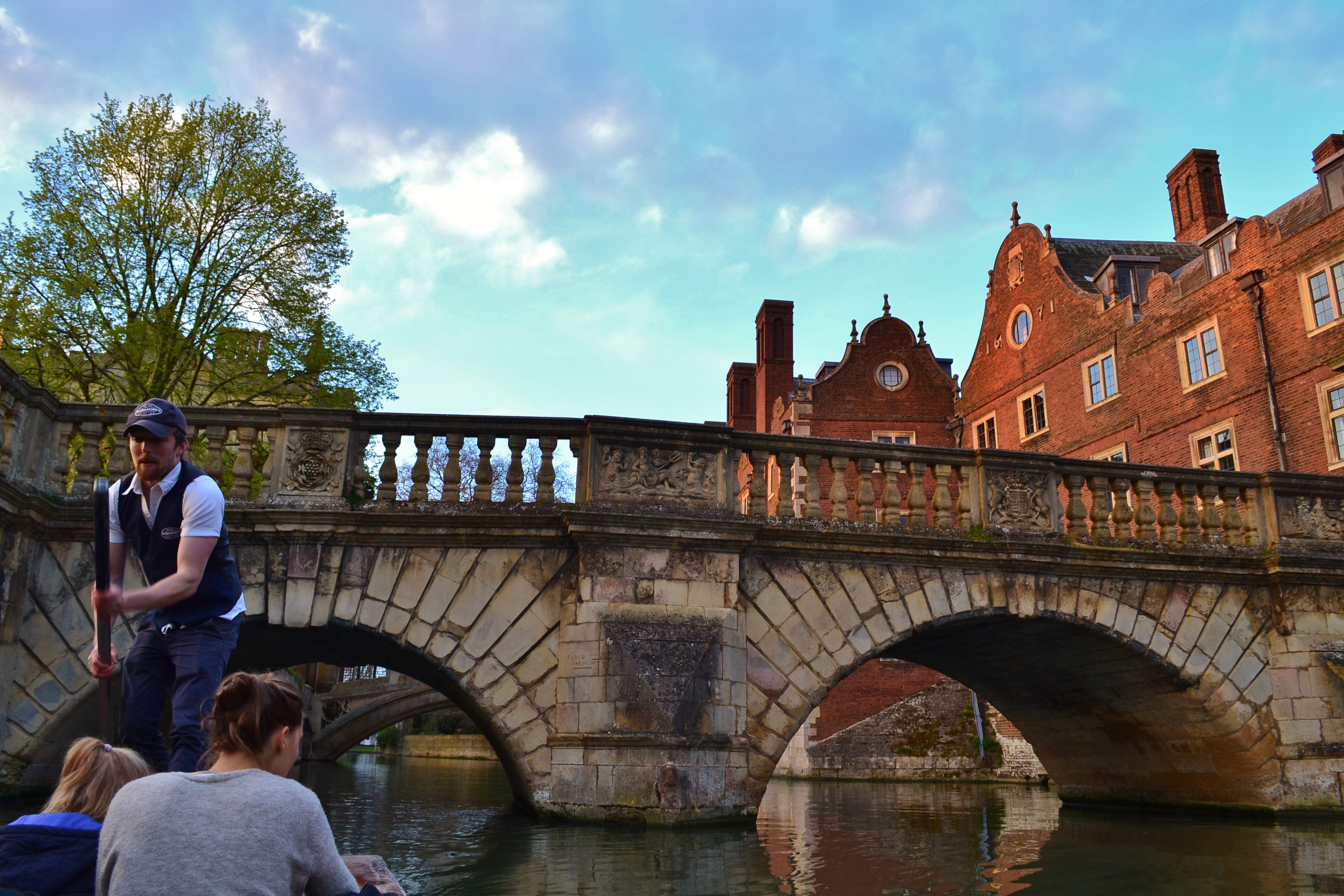
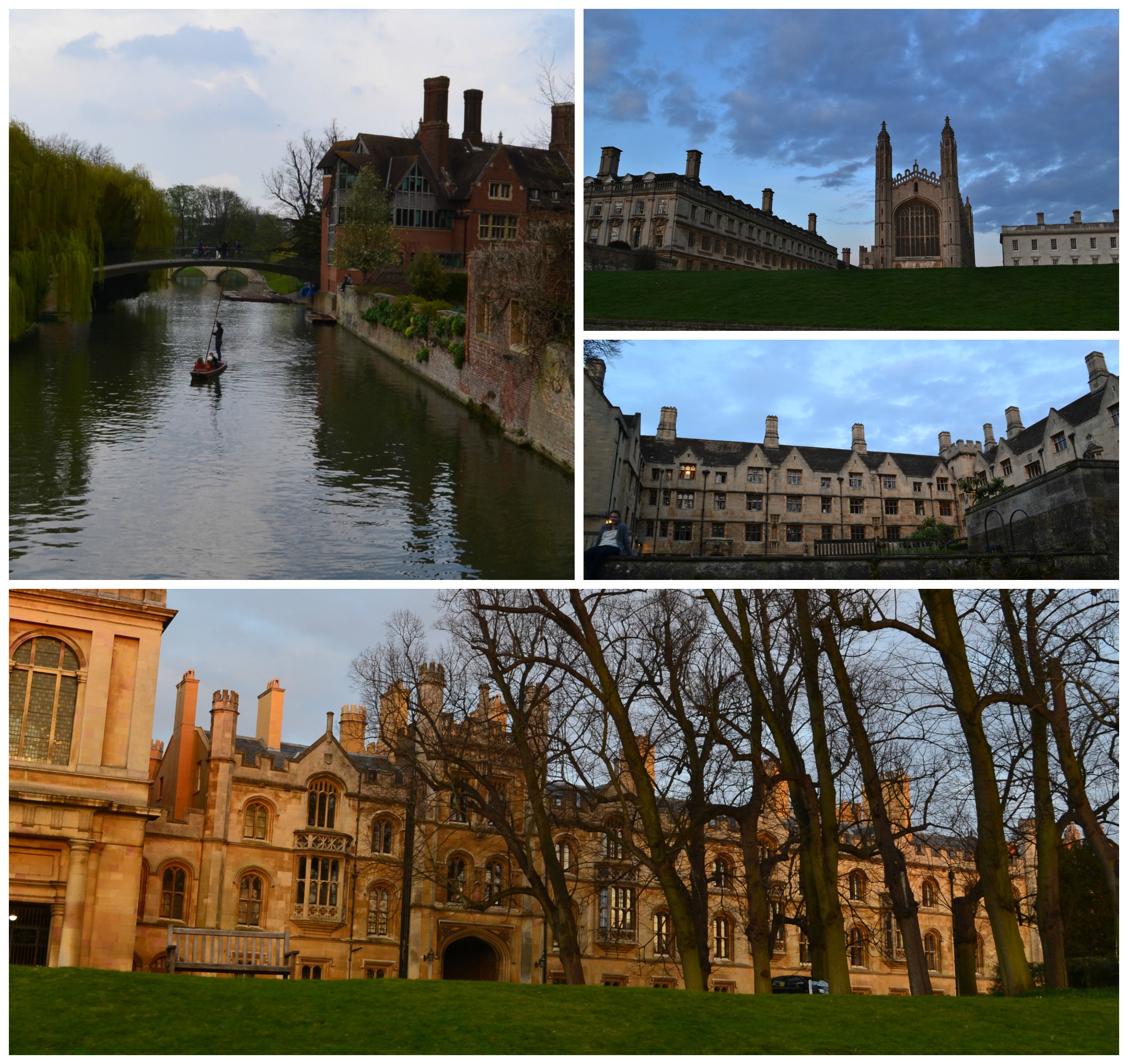
Cambridge University is made up of 31 colleges, many of which have backs along the River Cam. Each college has its own architectural character, and even modern buildings (usually dormatories) occasionally pop up next to Tudor arches and ruddy red brick.
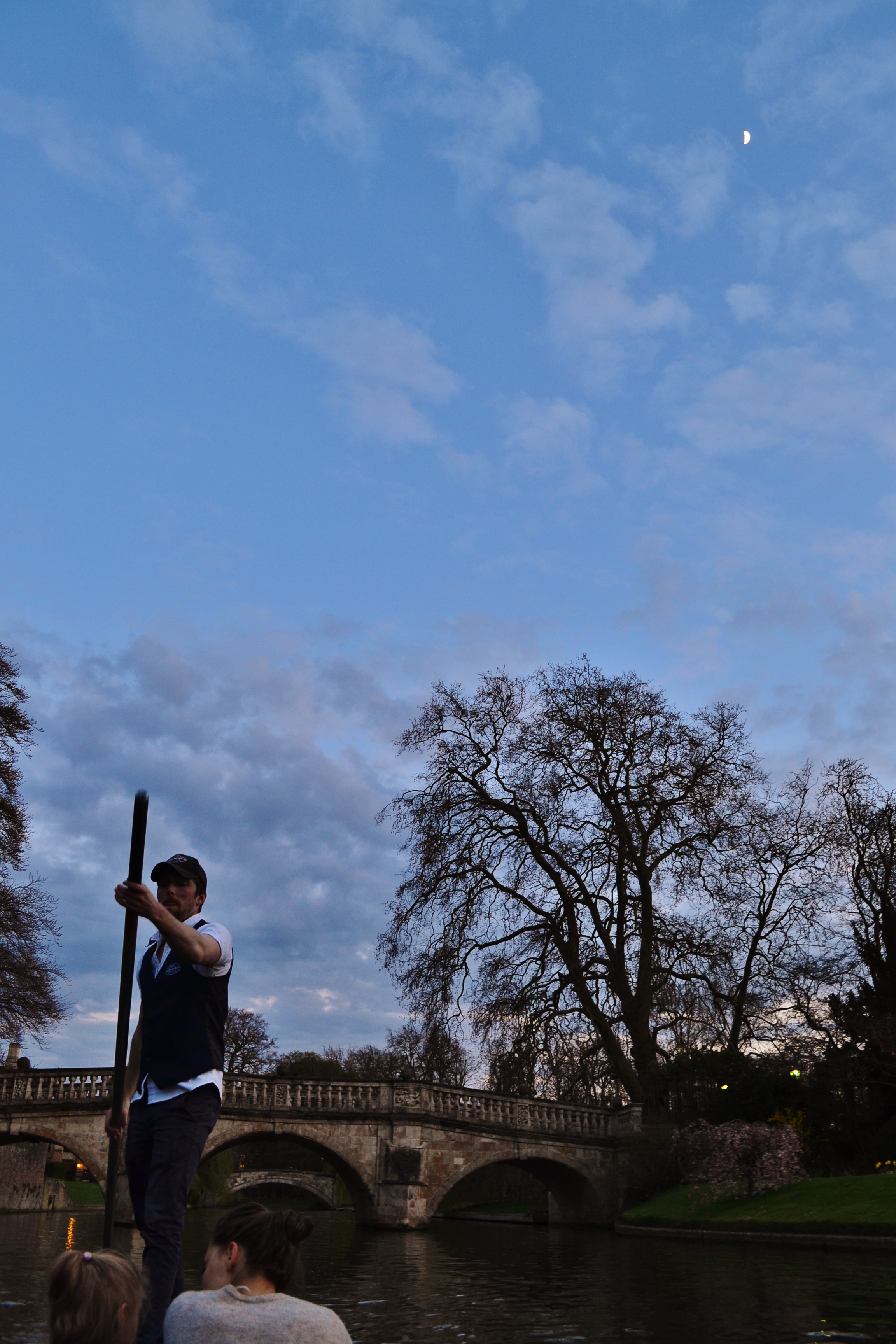
Our punt ride lasted just under an hour, and that was perfect– no time to get fidgety, plenty of time to be lulled into a serene trance on the tranquil river, to soak up a little history, to nibble at the edges of tales of Kings, Queens, scholars, actors, and socialites. As the sun began to fall over Cambridge and a sliver of moon showed itself in the sky, our punt, having come to the halfway point of our journey, turned itself around and we retraced our steps. This slow boat ride home offered us the chance to see the backs once again, from another angle, in another light. . . it seemed fitting in a place like this, where so much history has turned and turned again, and the water keeps dreamily floating its passengers on by.
You’re likely to find lots of photos of the when and where–the seasons and the sights–in my blogposts, but less of the who. My kids don’t like to be plastered across the internet, and I’m okay with that, so I don’t offer many photos of traveling companions.
Sometimes that seems radically at odds with what my blog is all about. Nobody would ever mistake this blog for a travel guide or a treatise on “how to travel.” More often than not, it’s all about “the feels” for me. Did I laugh, did I cry, was I horrified or amused, or surprised or underwhelmed, etc, etc.
But “the feels” and the way they linger in our travels are just as much about our traveling companions as about where we went, what we saw or did. Right? No journey is just about the road you travel, the views you stop to marvel. They are just as much about the companions we travel with. It’s a simple thought, and it should be a simple post to write.
It’s anything but.
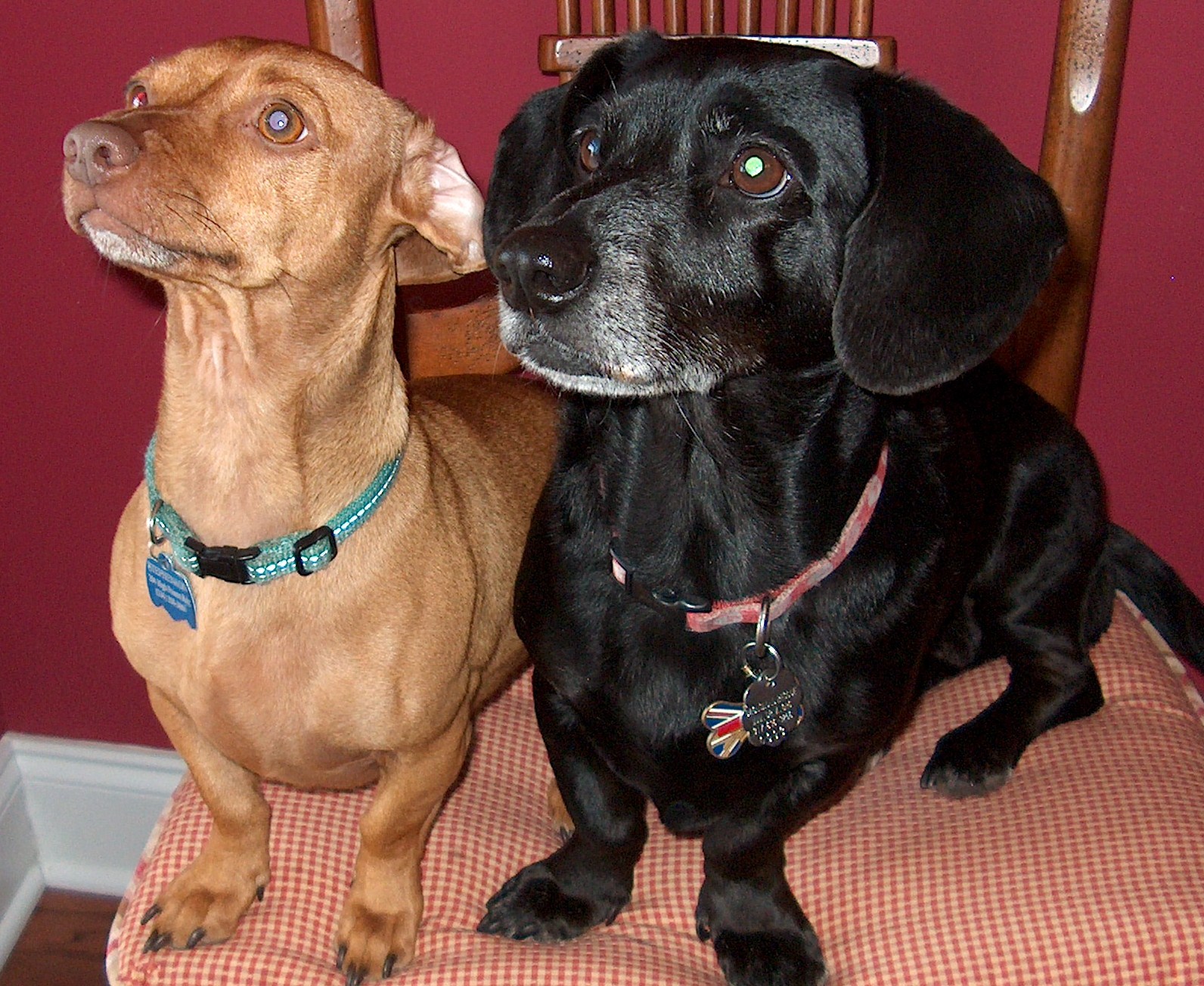
Some months ago, our most loyal and loving traveling companion passed away, and I’d like to honor her in this blogspace.
Her name was Bebe, and she was a very bright light in our lives. She passed away at 15 years old, and she loved every moment of life right up until the end.
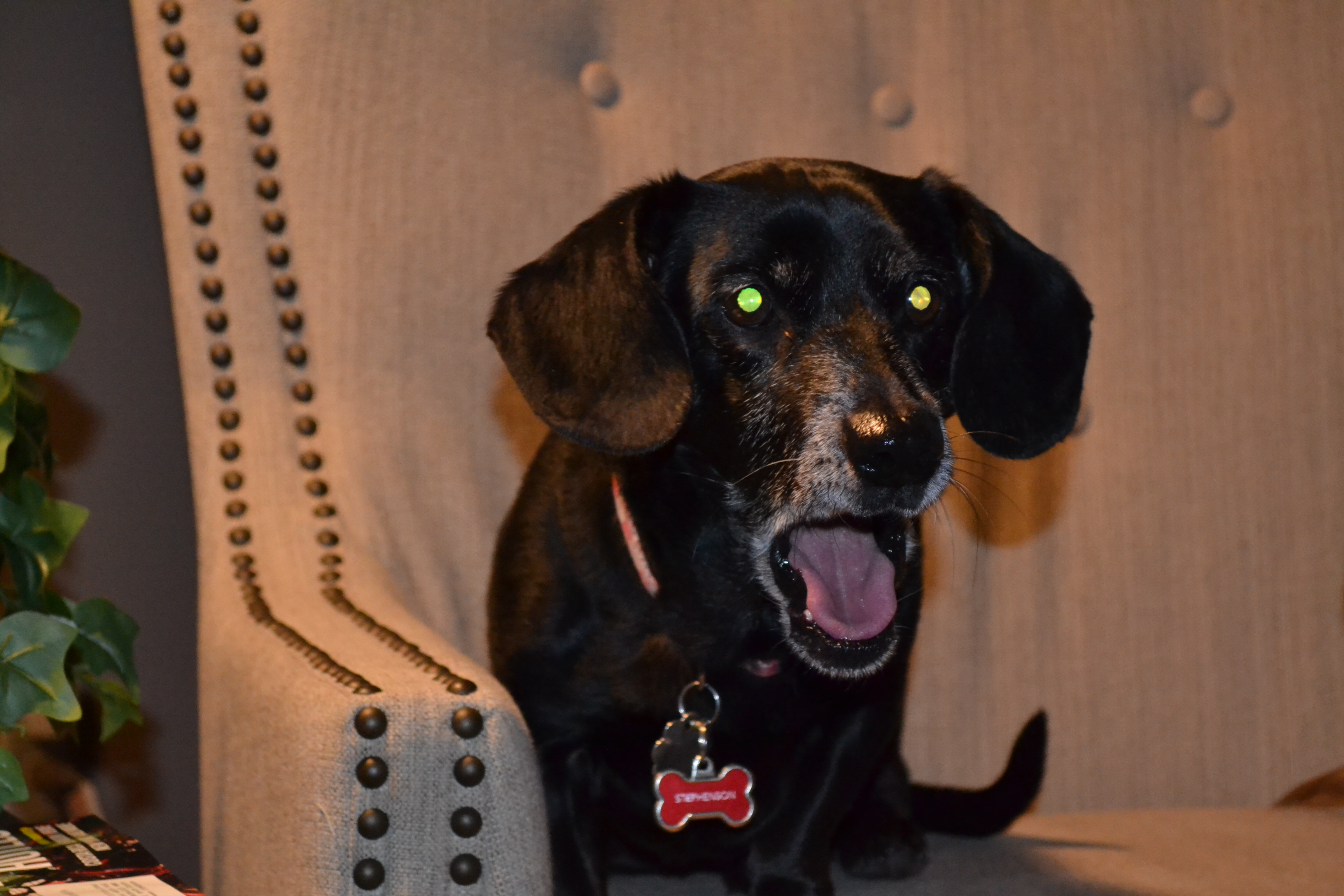
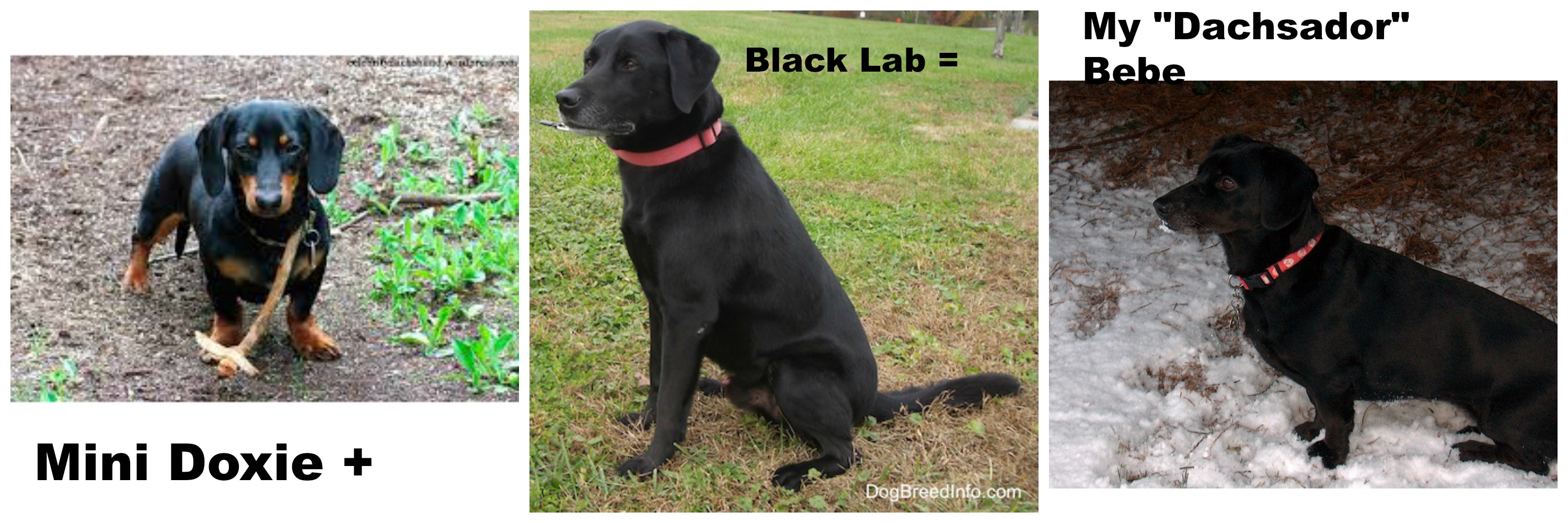
She was a rescue dog who came into our lives when my daughter was just a toddler. Bebe was so full of love and personality– from the moment you met her it was clear that she was one of a kind. Even her questionable breeding made her stand out: she was a Mini Dachshund/Black Lab mix. Just let that sink in for a minute.
We used to call her our “pocket lab” — a 20 pound version of those gentle giants. She had no idea that she was tiny. In true Lab character, she chased every frisbee you threw, and (if you threw them low enough) she caught most of them expertly. Dragging them back to you was a little harder, as some frisbees were taller than she was. But she was young, eager, and very athletic . . . and we quickly discovered soft, flexible frisbees (easier to drag, so problem solved!).
Bebe was the first to kiss away your tears, the fastest to steal your breakfast if you weren’t vigilant (which we quickly learned to be), and the most eager traveler, always with her nose to the ground and leading the charge. On a trip to Rothenburg ob der Tauber (Bavaria), she sat at attention for a rickshaw ride and, I believe, enjoyed the experience more than our kids did.
It was inconceivable to us that she would ever not be in our lives and our travels.
But there is no life without death, and the unbridled joy of sharing life with a pet does exact the steep price of grief when they are gone. Unquestionably a price worth paying.
Bebe changed our family is so many ways, and all for the better. How did she change our travels? When she couldn’t join us on the travels, she gave us a compelling reason to come back home when the trip was done– instead of grumbling that our trip was over, we cheered to see our pup again. When she did join us, she reminded us to venture down each alleyway of a new town–and sometimes we’d find something unexpected and wonderful. She reminded us to run full speed ahead when there was something interesting in front of us. She reminded us to roll down the window and let the breeze greet us as we cruised into a new town, to stop in the parks and sun ourselves in the green grass, and to turn all of our senses over to a new place. If we were in the French countryside and grumbling that there was no wifi to check our messages, she’d drag us out for a walk, or stick her nose in the air to say “Do you smell that? There’s lavender, sunshine, and fresh baked bread– get up and let’s get moving.” And she’d be right, every time.
There was never any lack of joy or openness to new adventures with Bebe– she was our better natures in every way. We miss her terribly, but she taught us well. And she left us her trusty sidekick Ollie to continue the lessons.
Have dog, will travel. This is our motto.
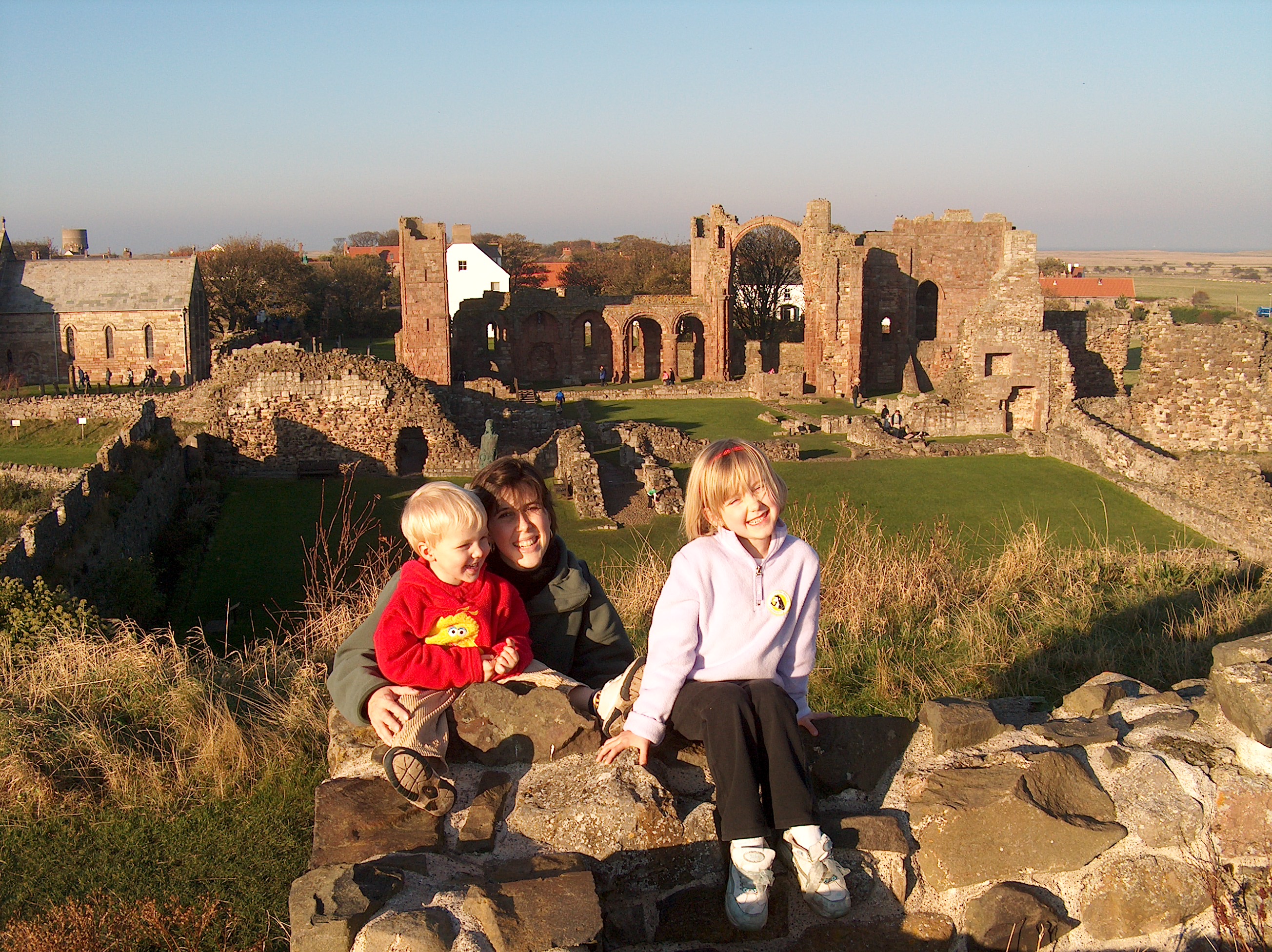
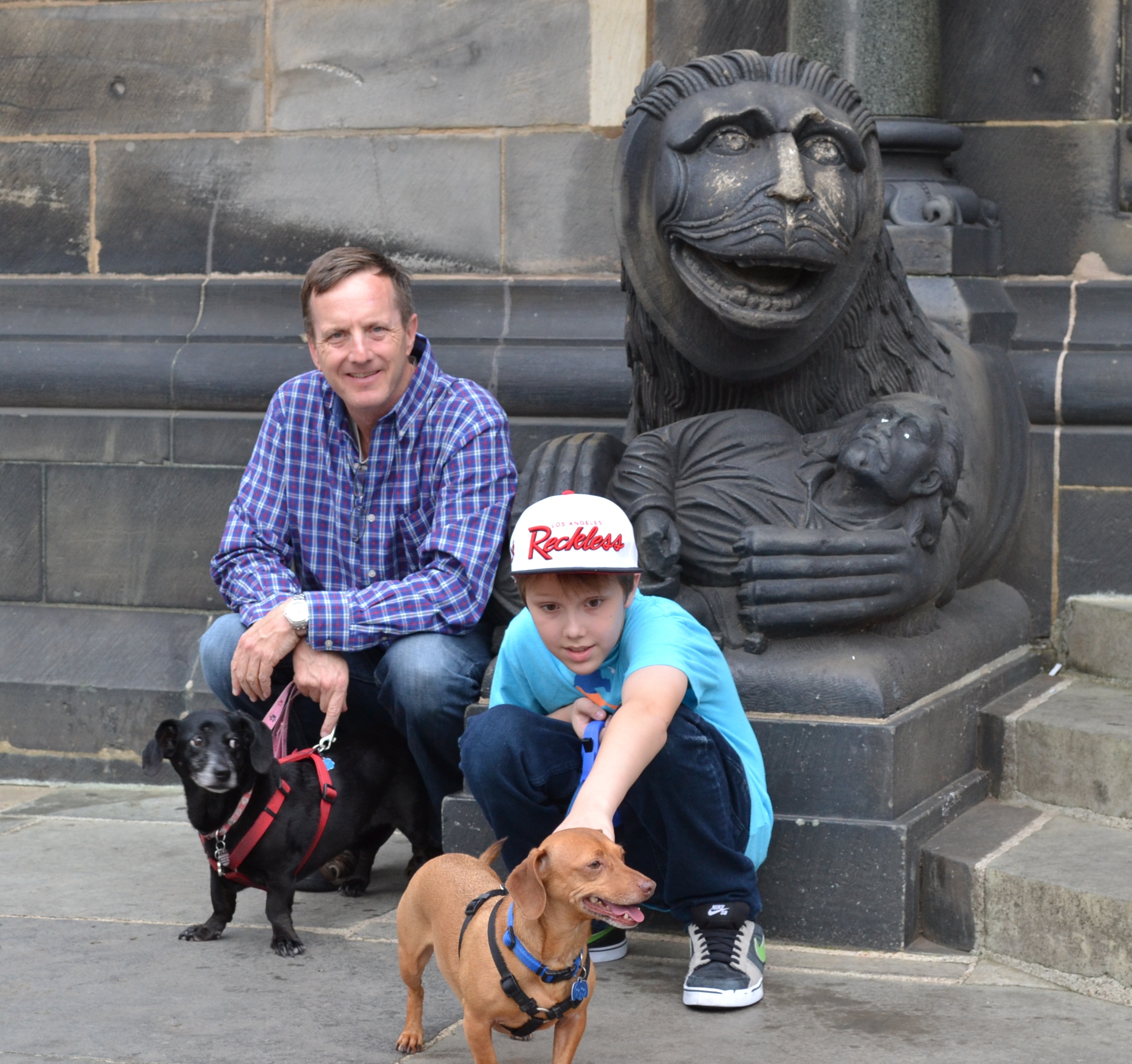
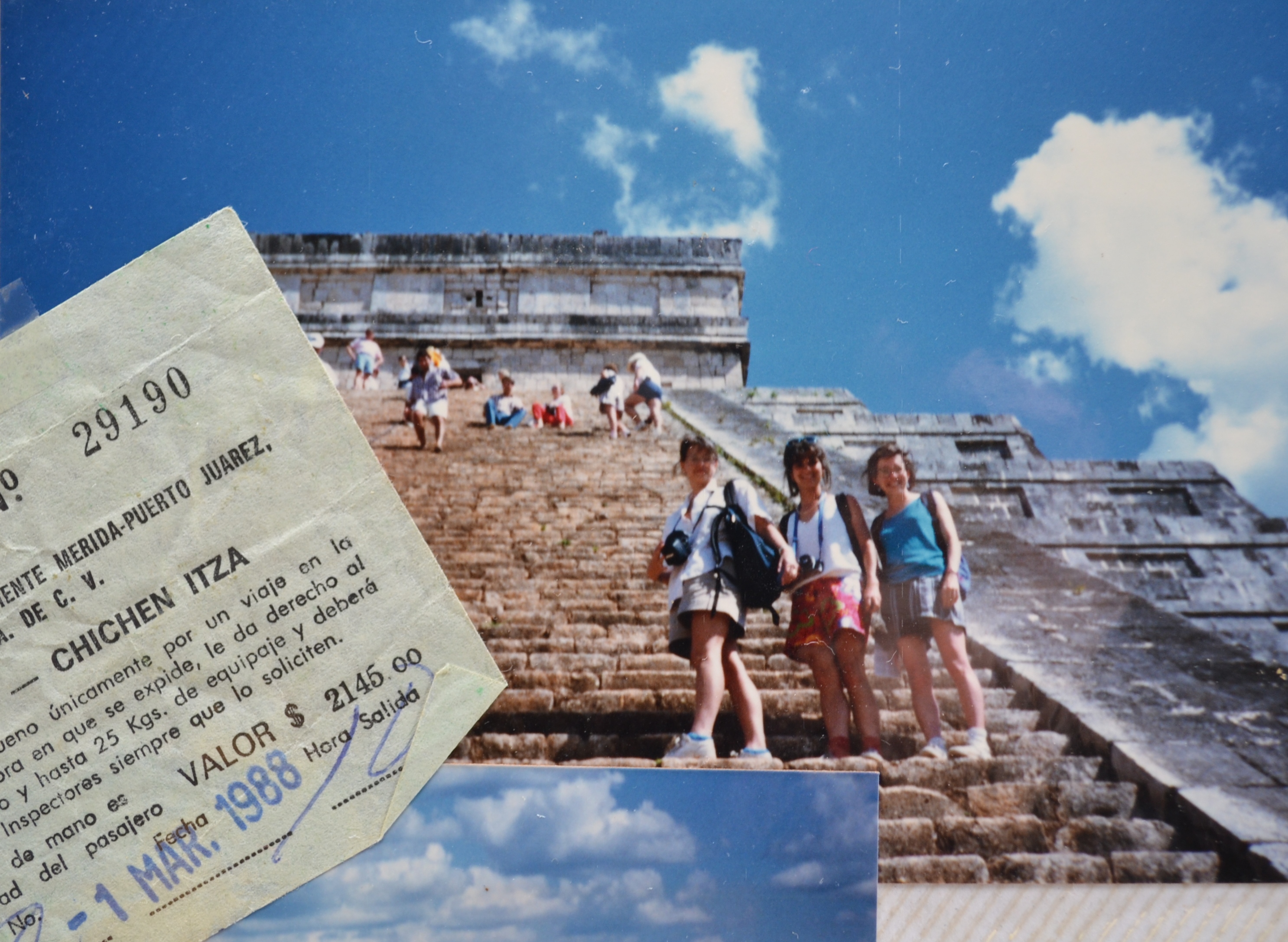
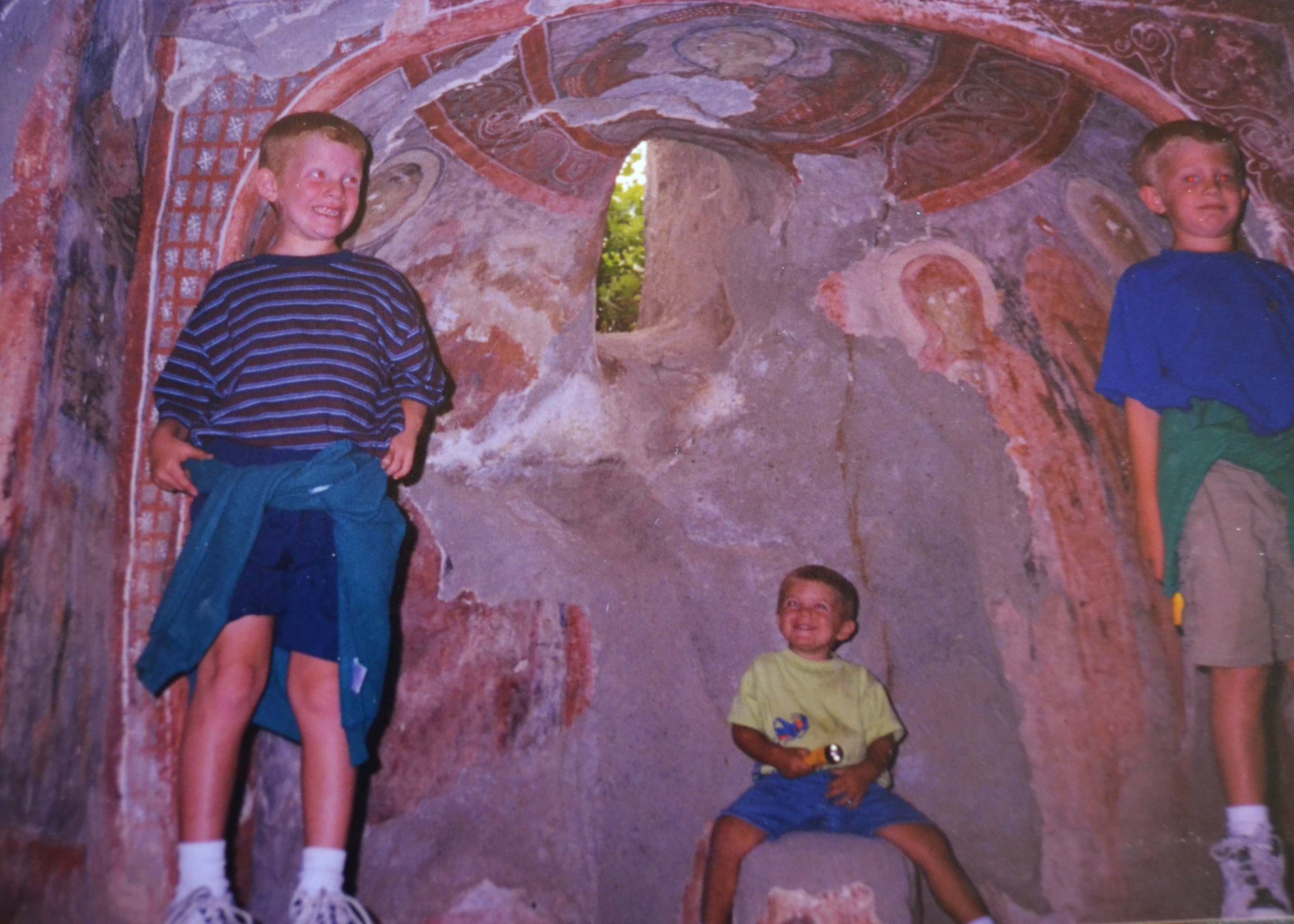
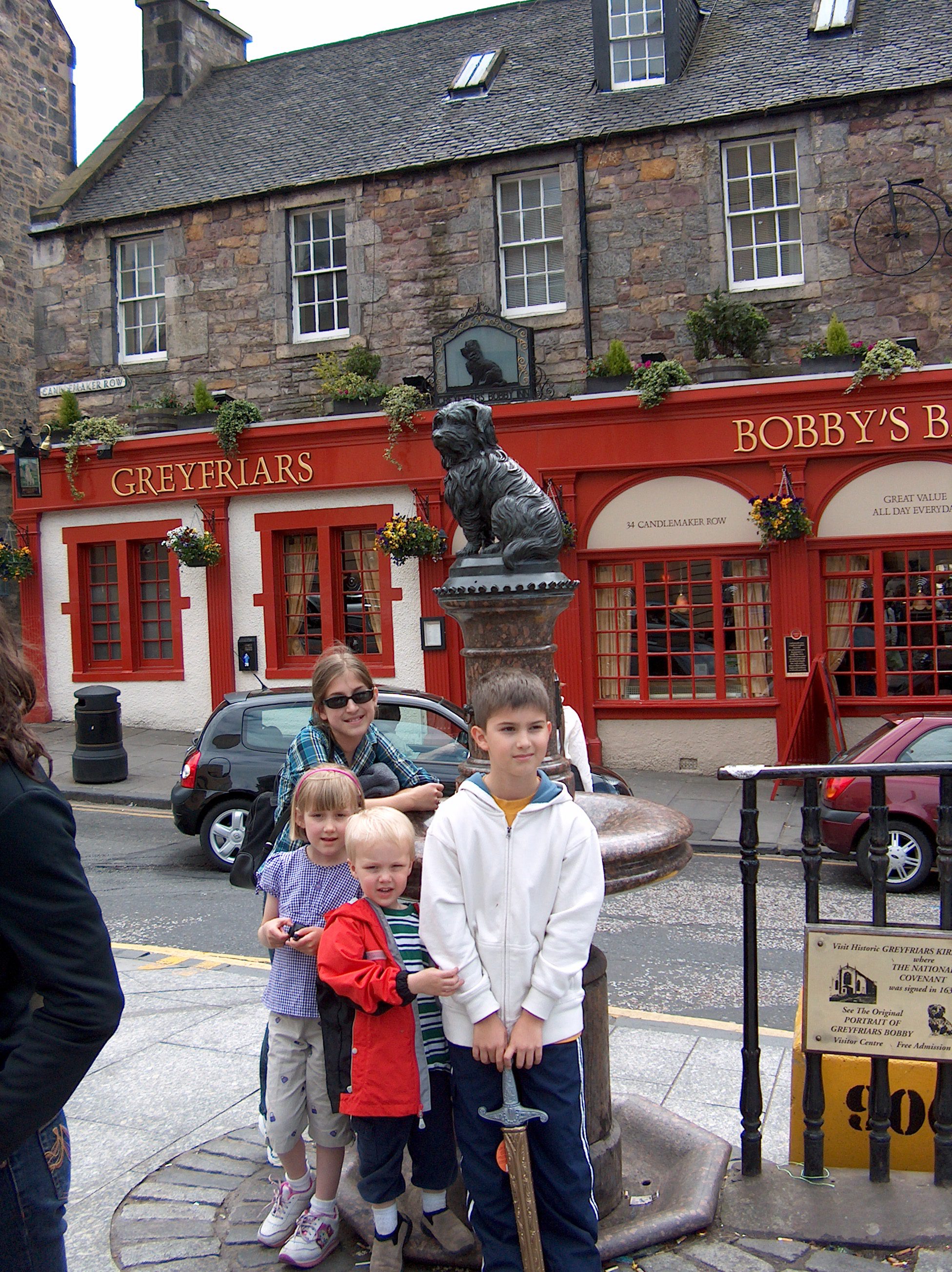
I’ll leave you with photos of just a few of my traveling companions, past and present.
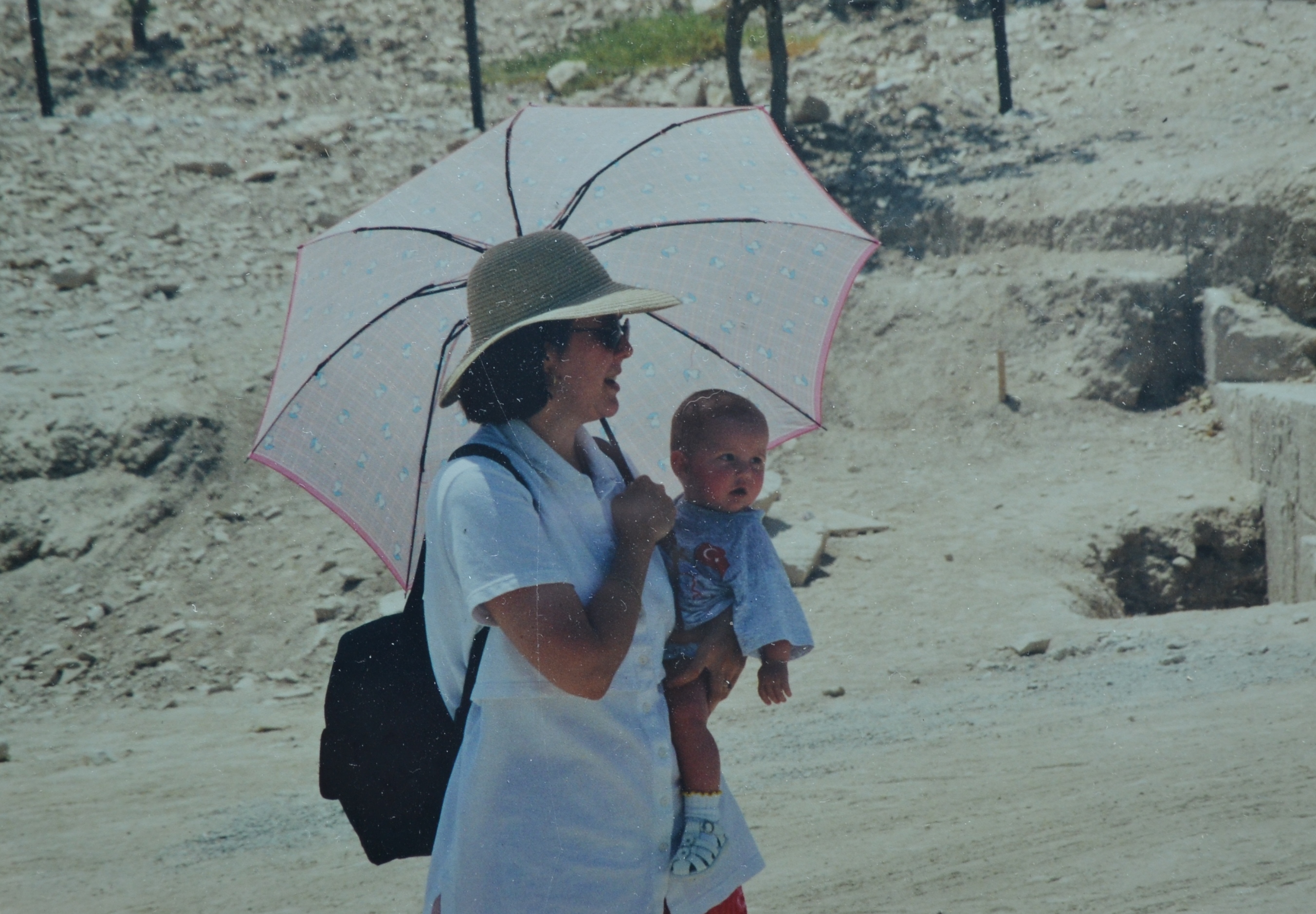
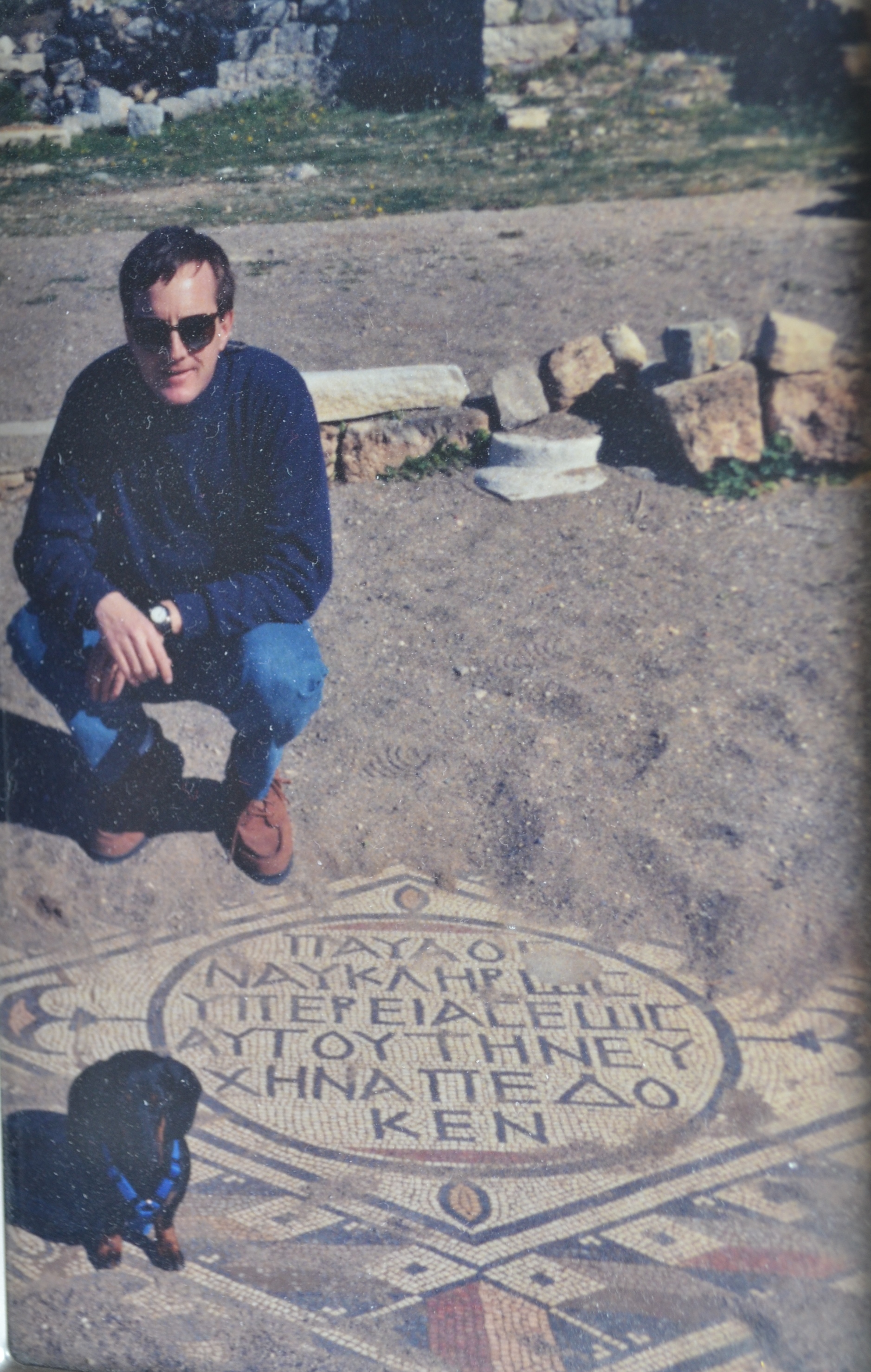
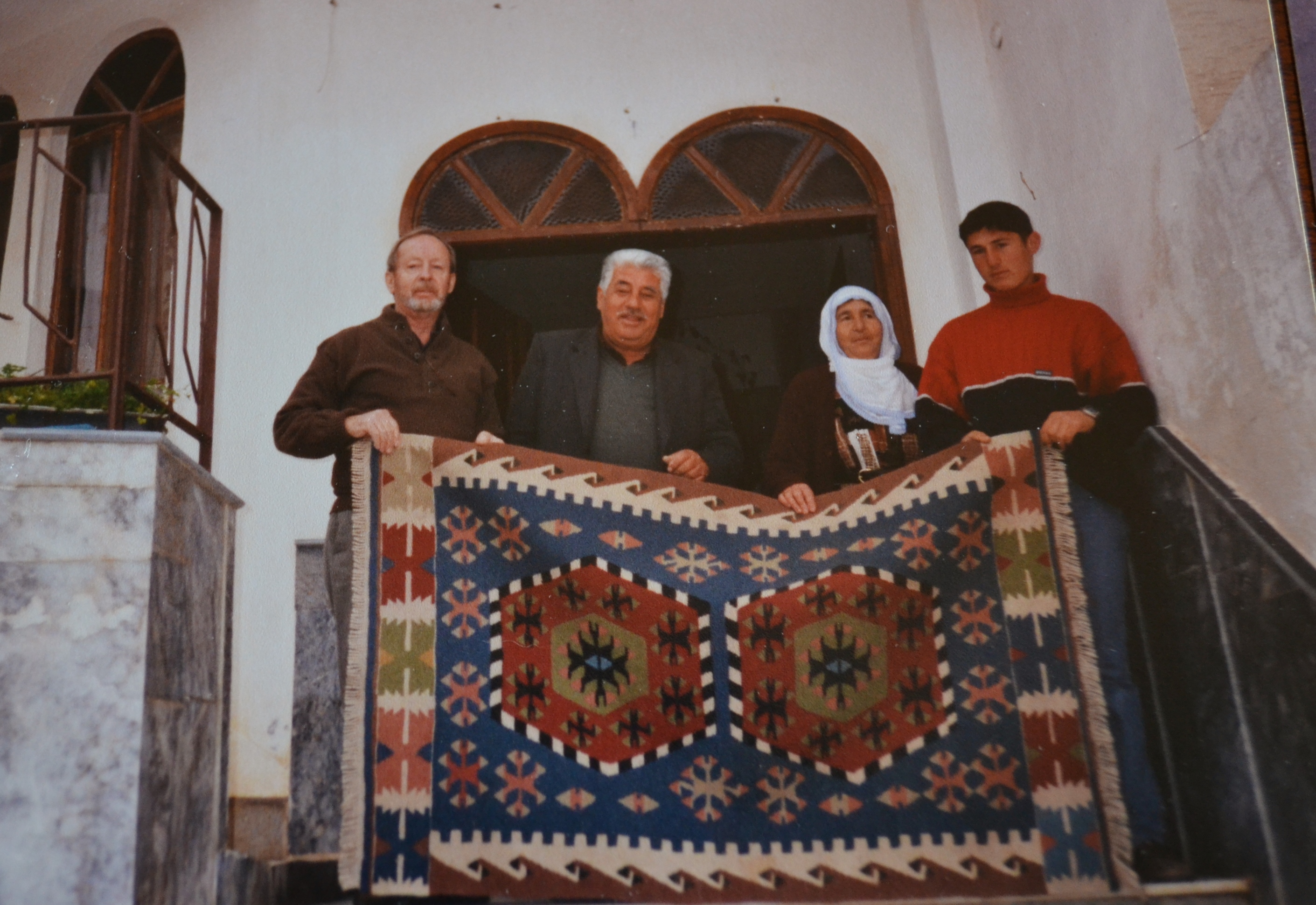
Turkey, 1998 or 99
*To read up on Zeugma–which I should get around to blogging about some day, it’s a fascinating place– check out these links
http://www.archaeology.org/issues/44-1211/features/252-features-zeugma-after-the-flood
http://www.archaeology.org/issues/44-1211/features/252-features-zeugma-after-the-flood
http://eu.greekreporter.com/2014/11/11/mosaics-revealed-at-ancient-greek-city-of-zeugma-in-turkey/
 Travels and Tomes: One Expat's Amblings and Ramblings