This Old House, This Storied Country, and One Mysterious Apple


apple 2

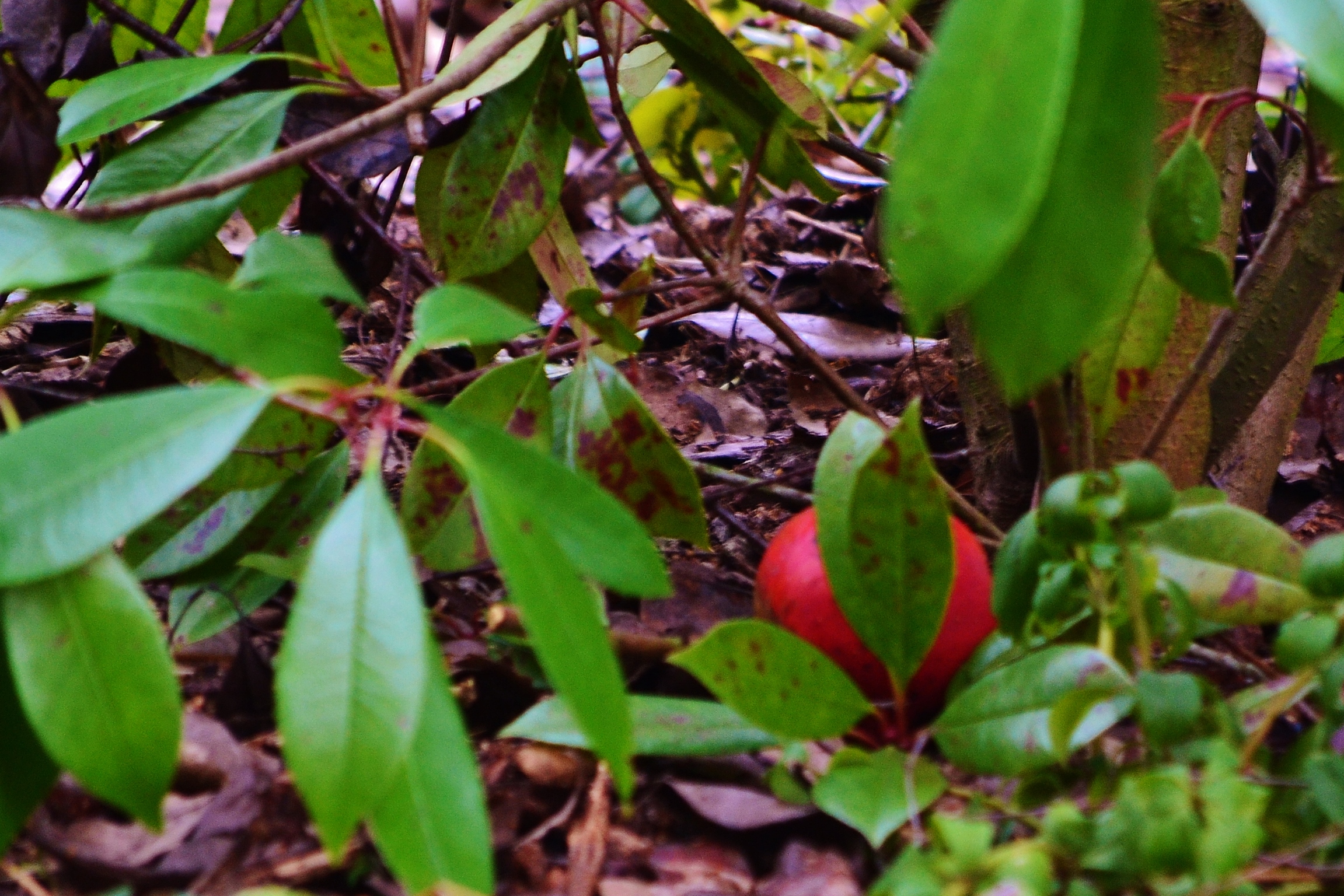
We are, each of us, a product of place, so sometimes our environment creeps into our psyche more than we care to admit–I was reminded of this fact by an unassuming apple in my front flowerbed.   A flowerbed that sits before a very old house, built of red stone, hand-hewn and crooked; a house that is, by turns, lovely and eerie.

I walked out the front door of my house and saw the apple  there–red and vibrant among the few green leaves that still cling to the frozen branches of those front bushes.  A bright spot of color in the largely barren tones of winter, it was a welcome sight.

But how did it get there?  There is no apple tree in the front yard, and the apples from the back yard are small and earth-toned by comparison.  Where did this gem come from?

Where my mind should have wandered in its answer is to my children.  “Who walked out the front door and threw their lunch apple into the bushes?”  That’s the logical question.

But I’ve been reading that German classic, the Brothers Grimm, and traveling to the Black Forest and various sundry towns mapped out in labryinthine streets of half timbered houses.  The sorts of places that both delight and unsettle the pysche as night falls. . .the sorts of places where Santa makes the rounds with his sinister cohort Krampus in tow.

So where did my mind go as my eyes fell on the apple?

The gypsy woman who had knocked on our front door the weekend before.  That had never happened before, and it was a little unsettling.  My husband answered the door, but couldn’t understand anything she was saying.  Was it German?  Was it some other language, something Eastern European?  Who knew?  He kindly, firmly sent her away without whatever she had come for.

And here we were the next day, with a lone apple in our front flower bed–red, shiny, seductive in the barren patch.  Like a riddle she left behind.

It’s still sitting there.  Part of me knows that this is a silly flight of fancy.

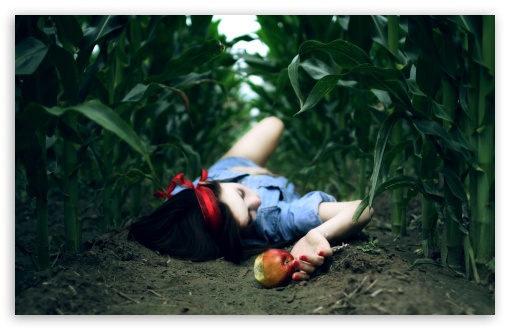
But part of me wants to run out and take a giant bite of it, just to see what magnificent story would begin to untangle in the moment of that fateful taste.
snow_white_and_the_poison_apple-t2


Sunday Morning Stroll in Strasbourg


DSC_0814

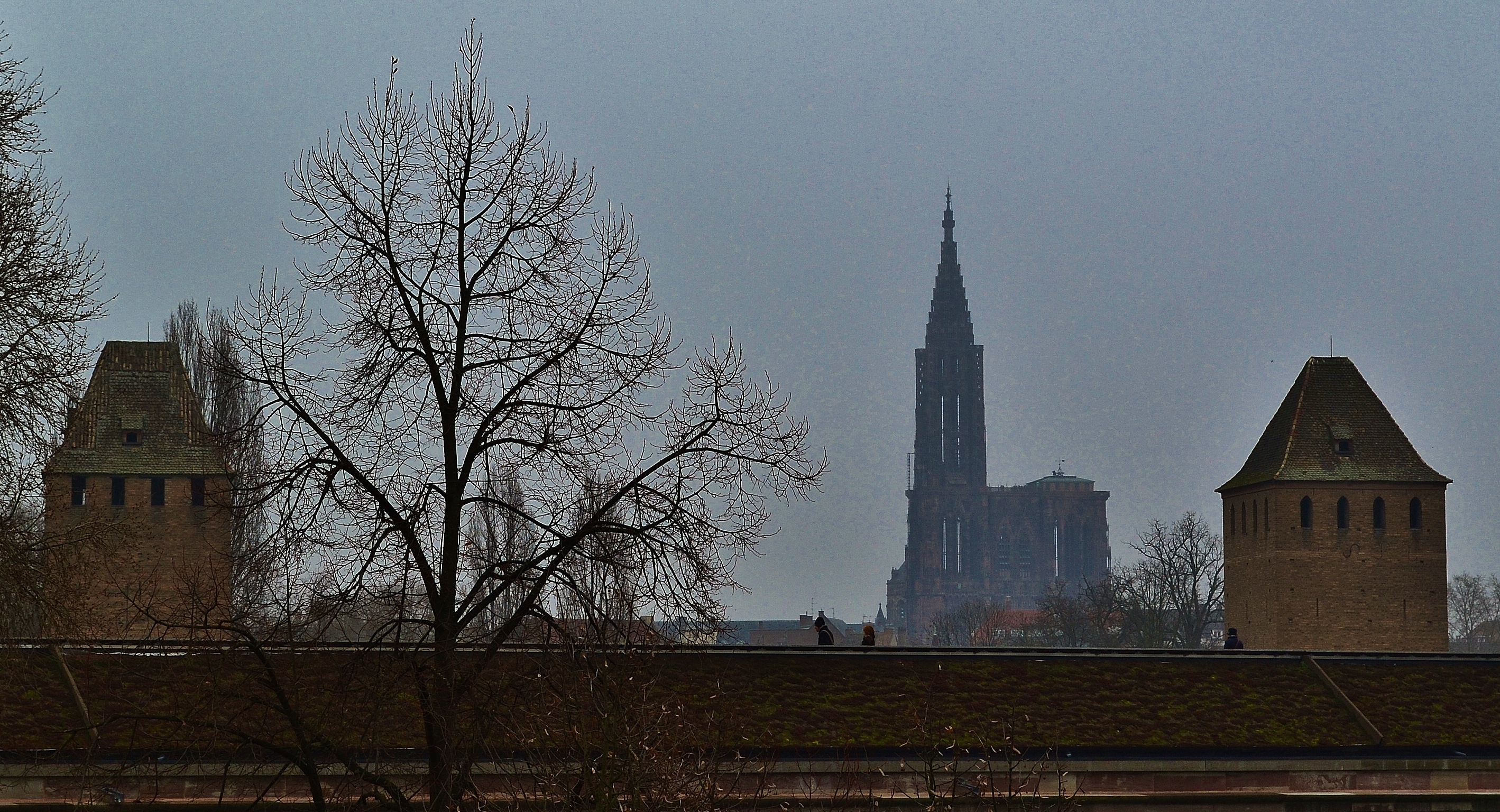
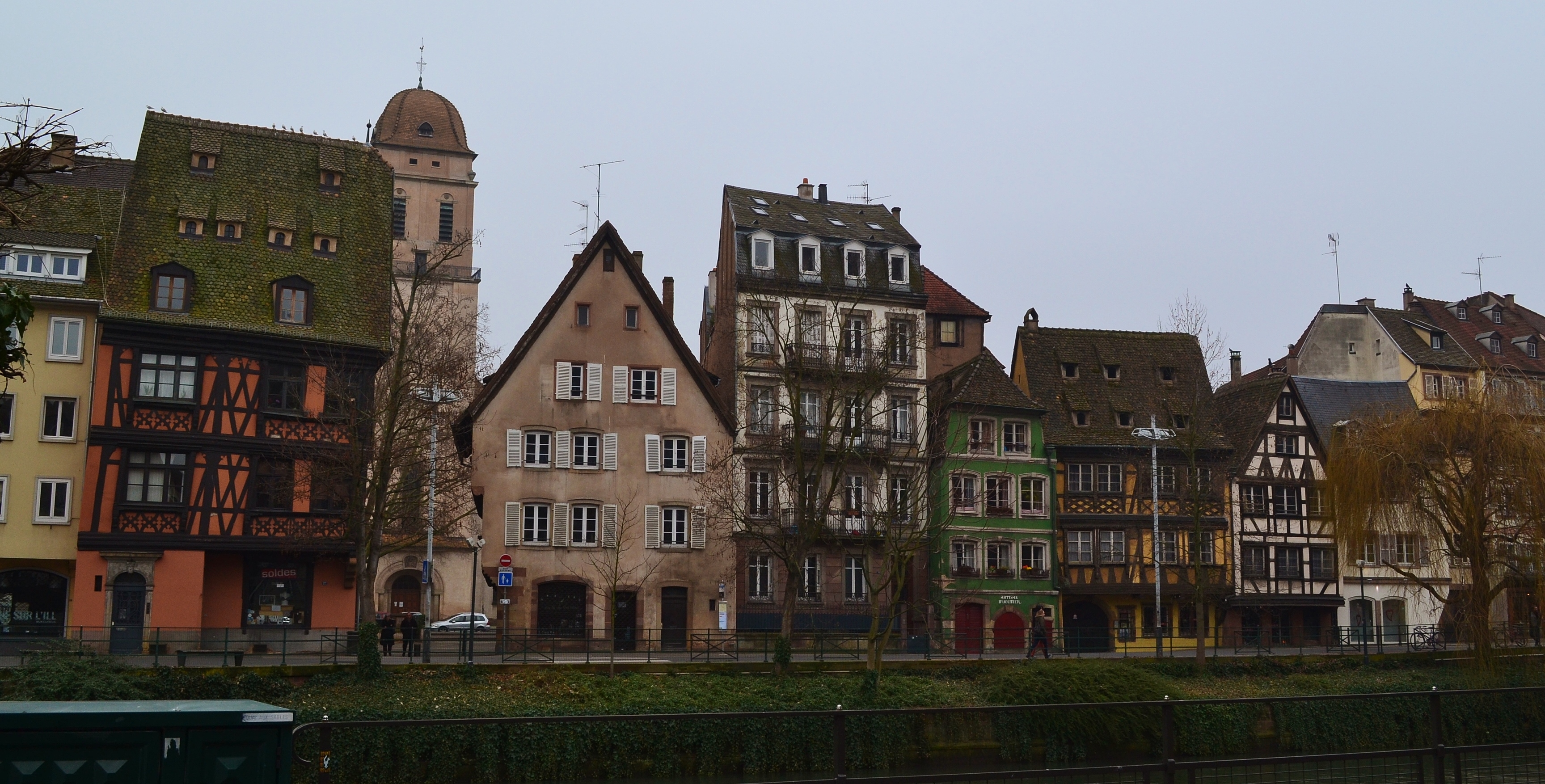
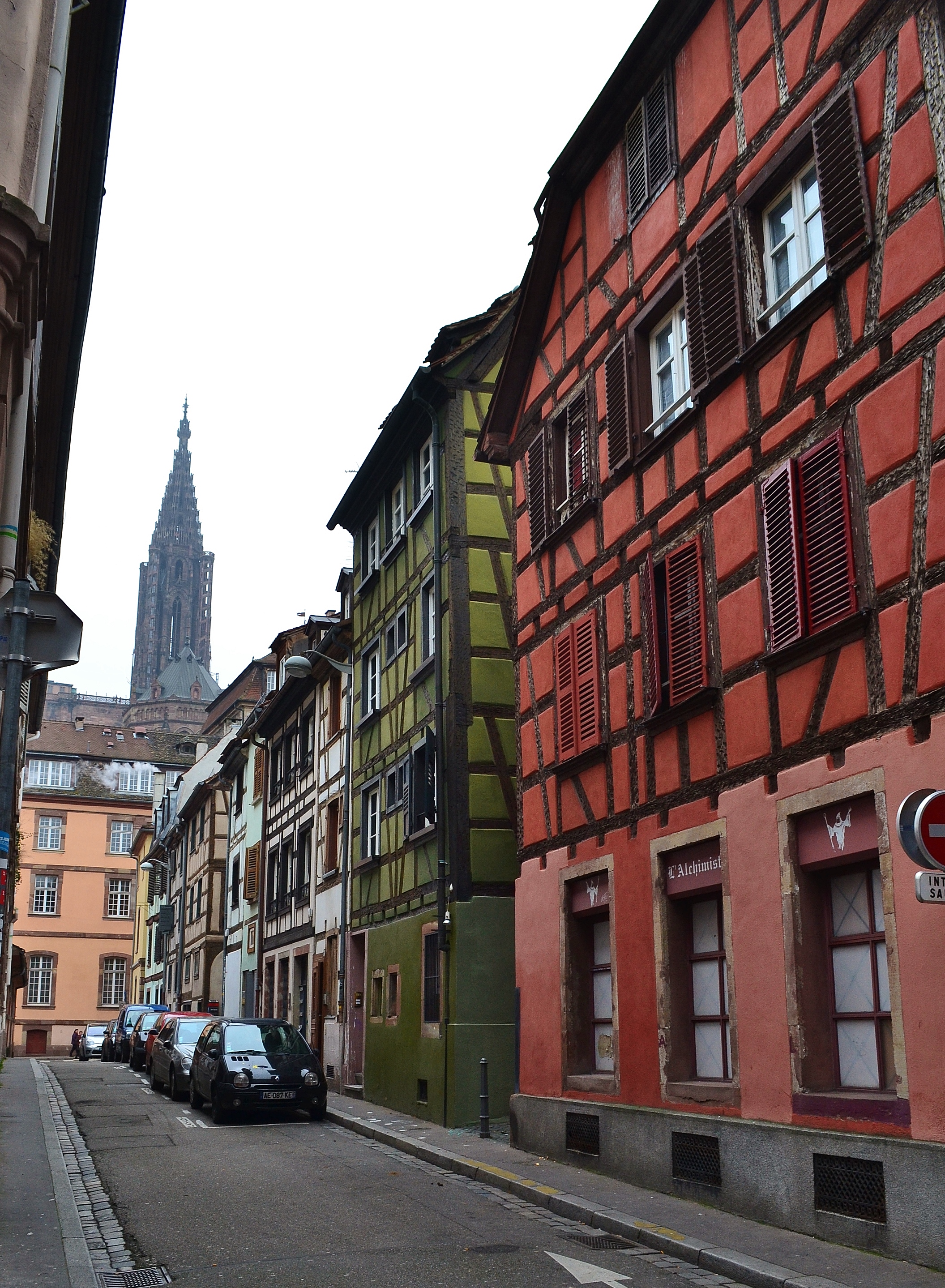
Strasbourg, France is a fabulous city, which manages to be compact and complex all at once.

DSC_0779 - Copy


It has plenty of medieval charm, a jumble of French and German flavor,

DSC_0806

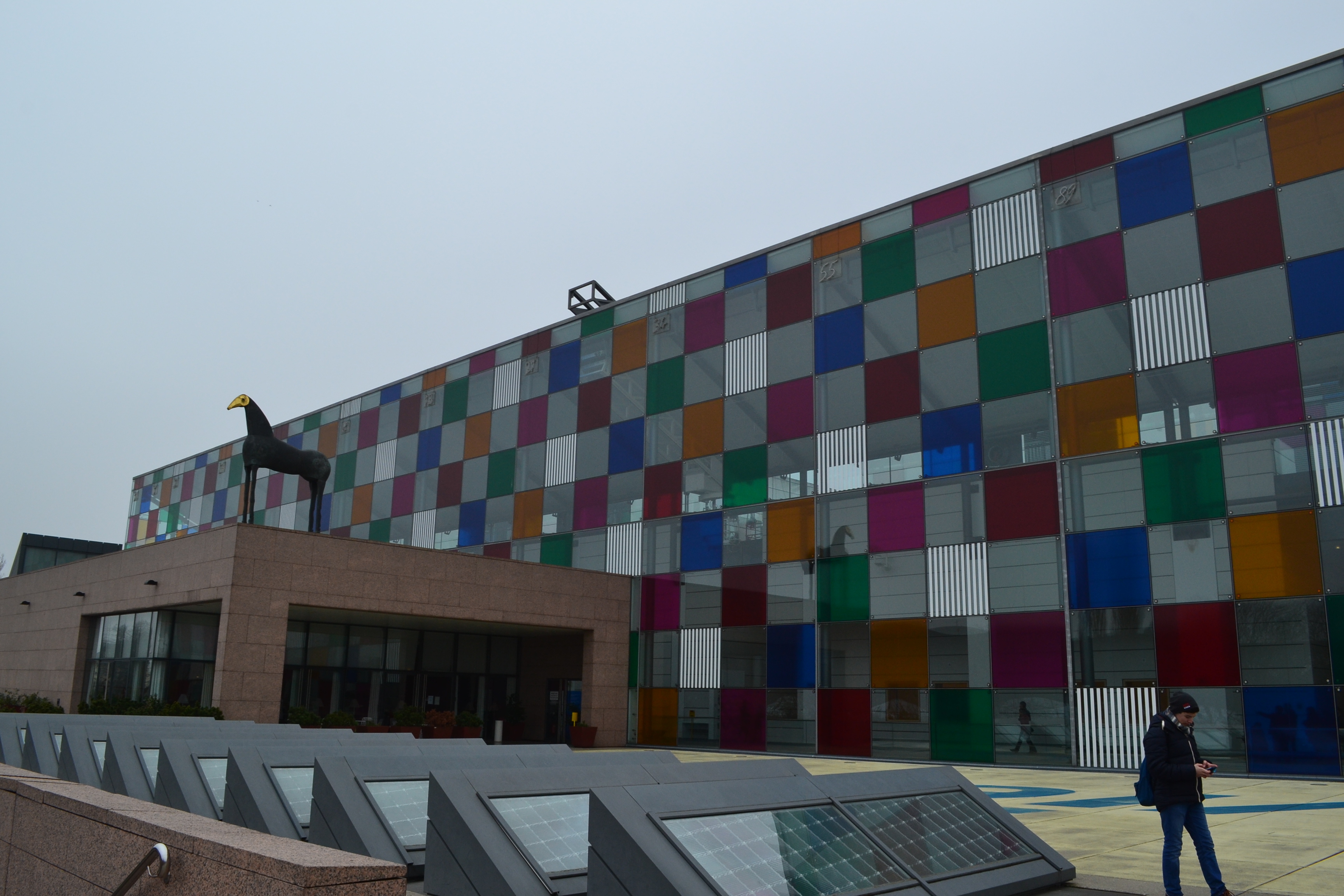
and a certain modern hum

DSC_0777

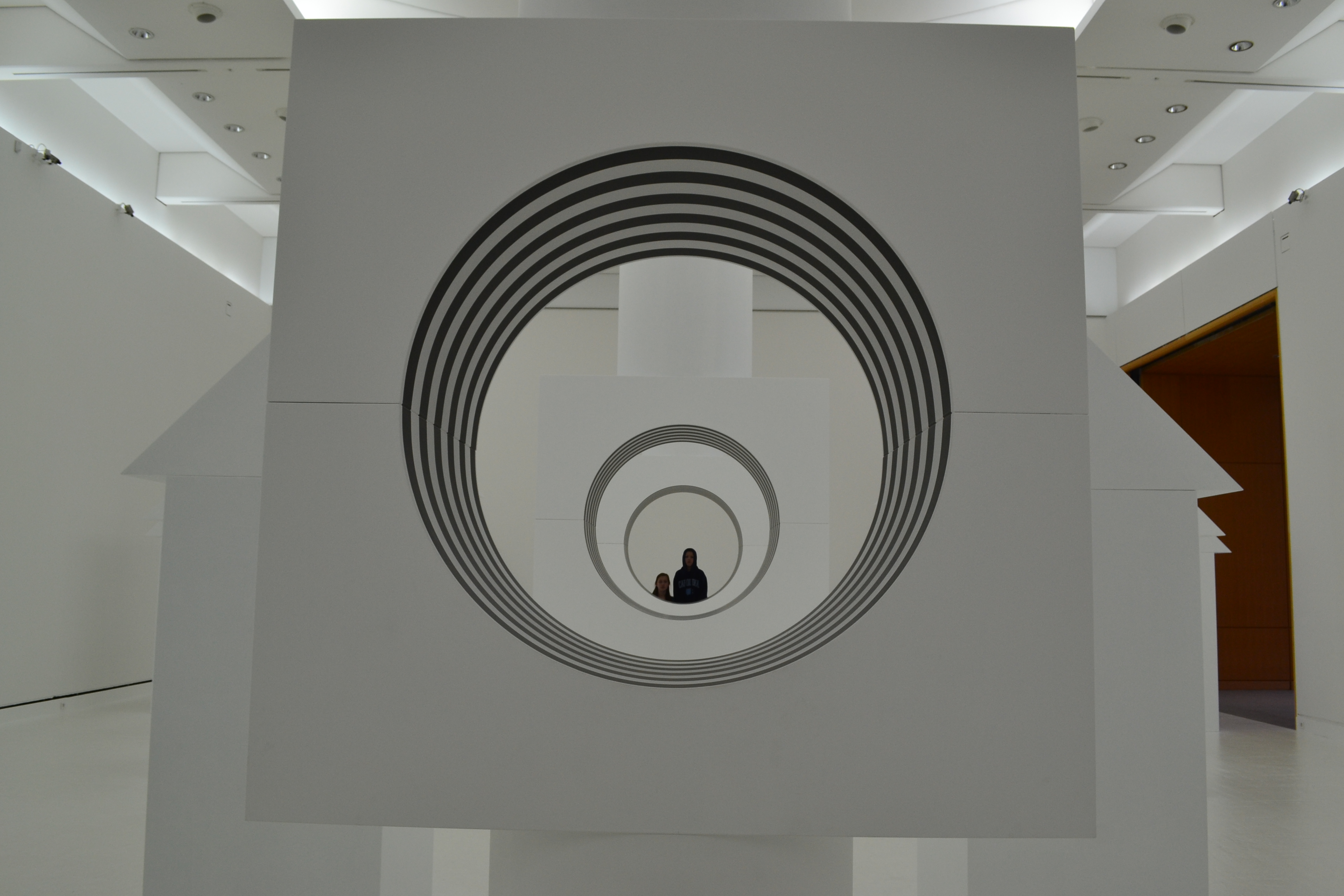
(found in modern art museums and the parliamentary seat of the EU).

DSC_0746


Beautiful and a bit dizzying, n’est-ce pas?

Chestnuts Roasting at the Cathedral Door

Strasbourg, France

DSC_0797 DSC_0799


I’ll forgive you for thinking that chestnuts roasting on an open fire and Jack Frost nipping at your nose are only Christmas time delights.  Here on the French-German border, they are the stuff of wintertime, even after St. Nick has packed up and headed home.

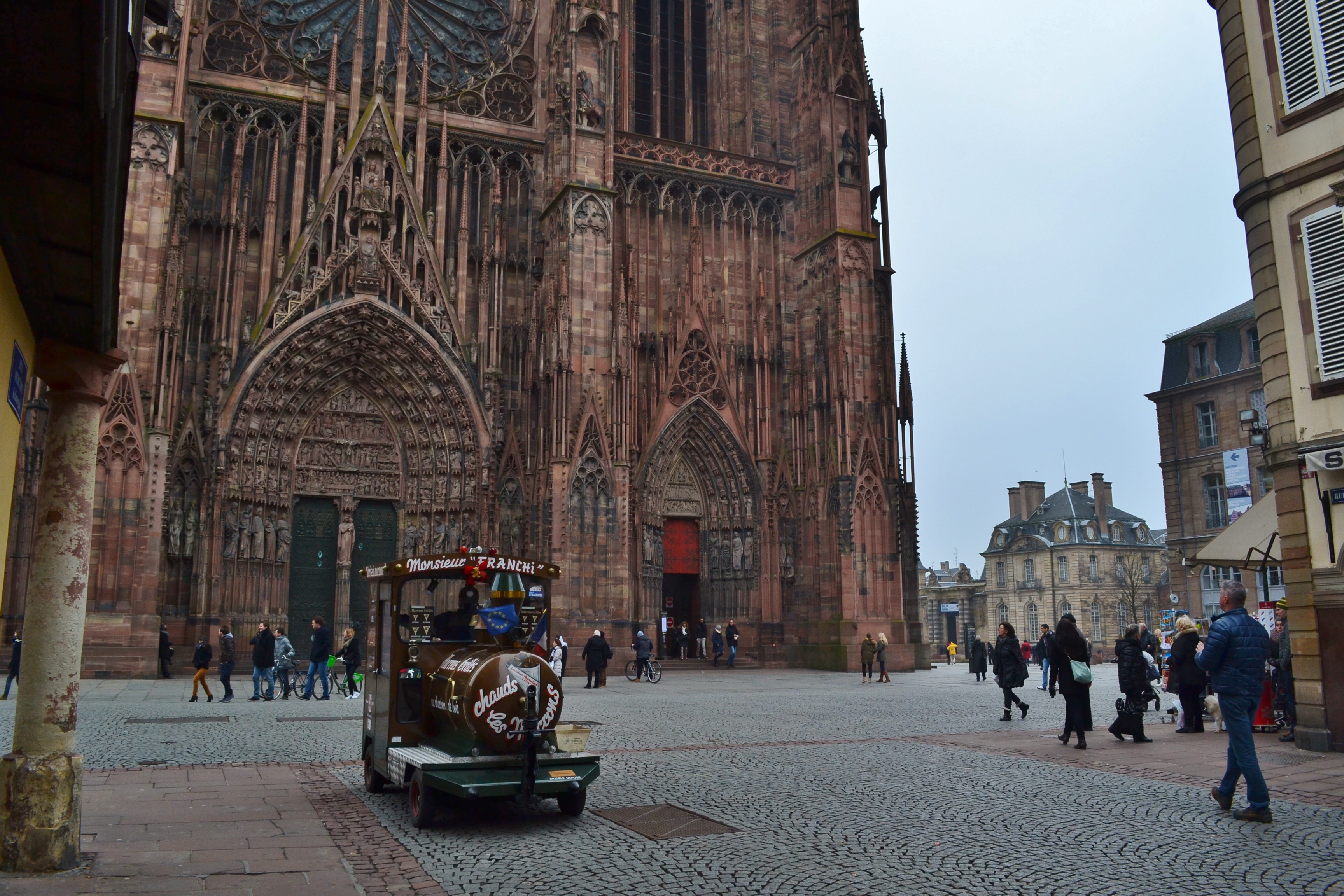
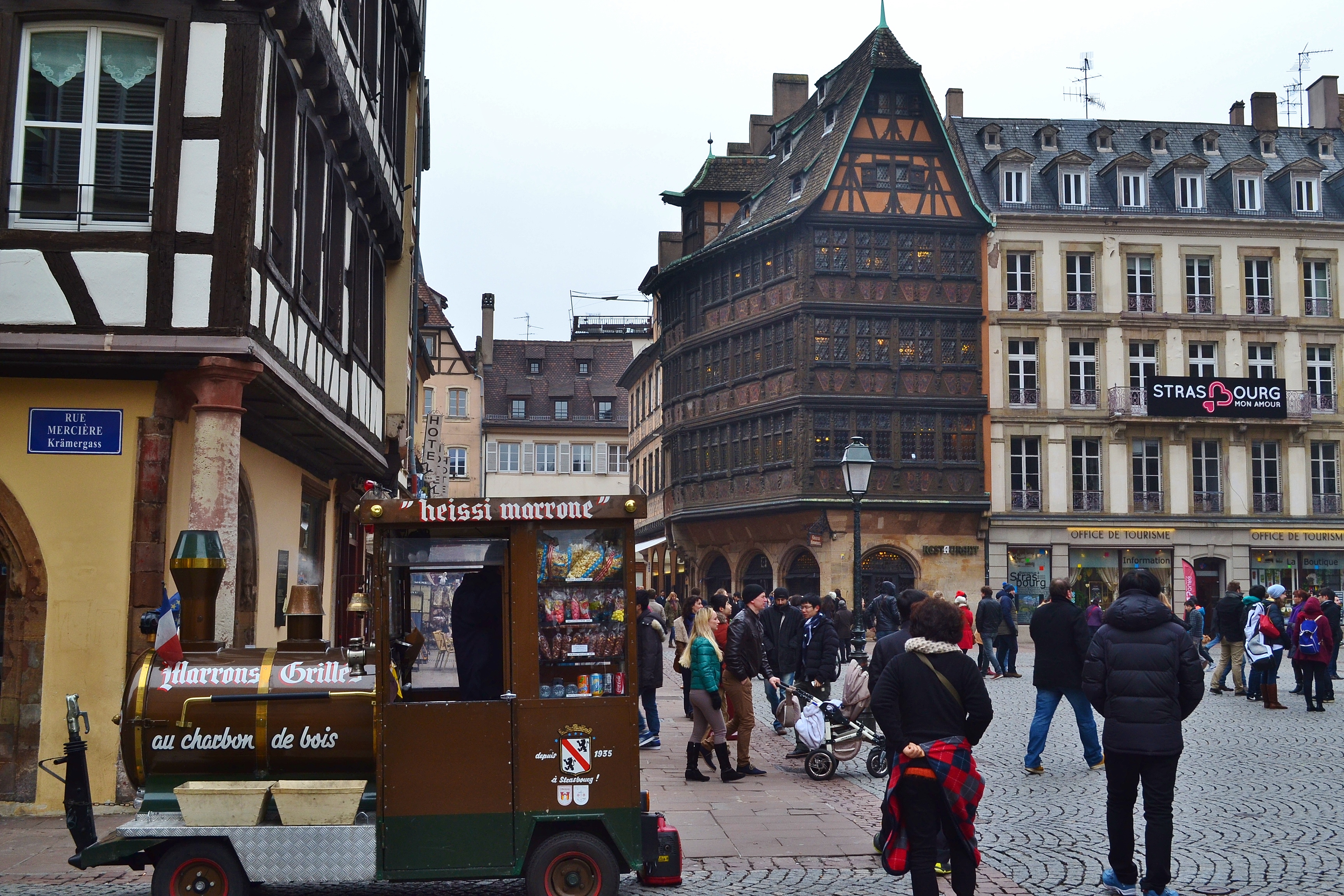
We spent a very cold weekend in Strasbourg, France, and found this chestnut roaster and his “heisse maroni” stand waiting for us outside the door of the Cathedral Notre-Dame de Strasbourg.

Chestnut roasters are a sight I’ll always welcome.  Jack Frost, however, is growing tiresome.


When Worlds Collide: Turkish Kebab in Germany

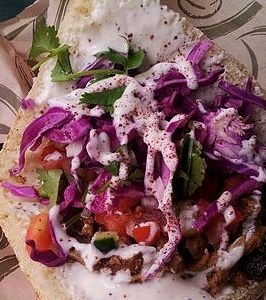
Turkish Doner Kabab with Cabbage

For three years, we lived about as far east as you can go on the Turkish Mediterranean.  Beautiful, soulful place.  We grew to love the people, the culture, the carpets, the history,  and the food.  (Oh, that food. . .)  We were aware that Germany has the largest Turkish population outside of the country of Turkey, so we’ve never been surprised as travellers (and now residents) in Germany to find lots of carpet shops and kebab stands.

So why were we surprised to find that many kebab restaurants here have married Turkish kebabs with German tastes?  And who knew that kebab and tzatziki sauce could be so fabulous with red cabbage!!!   We first had this in Trier, but have repeated the discovery numerous times in towns all over the German map.  And why shouldn’t the idea spread–it is so very, very good!   Especially if the cabbage has been marinated (in what, I don’t know–just pure, unadulterated deliciousness!).

On the SeriousEats website, Steen Bjorn Hanssen offers the following insights into the popularity of Turkish food in Germany:

Döner Kebab, or just döner, is undoubtedly the most popular street food in Germany and has become part of the German culinary culture and vocabulary, much like Indian chicken tikka masala has in the UK. The döner was first introduced to the Berliner neighborhoods of Kreuzberg (known as Little Istanbul) and Neukölln in the early 1970s by Turkish immigrants invited to contribute to west Germany’s Wirtschaftswunder (economic miracle). It quickly spread to other (west) German urban centers and following German reunification became so popular, you’ll find a döner stand in every single German town today, even in Bavaria.

(You can read his full article at http://www.seriouseats.com/2011/02/germany-doner-kebab-street-food-meat.html)

I love the comparison of Turkish food in Germany to Indian food in England–and it rings true to my ears.  Not only was Indian food outrageously popular in England, but the quality of Indian food we ate there was unmatchable.  And, if popular myth is true, Chicken Tikka Masala (England’s most popular Indian dish) is not so much Indian as an Indian hybrid–created by chefs in the UK.  Much like our German Berliner/Turkish Kebab.

Everybody likes to put their own spin on a story–even when that story is a culinary dish.  And I’m all for it!   Let the worlds collide–and our tummies and tongues will be the happier for it.