Ripon

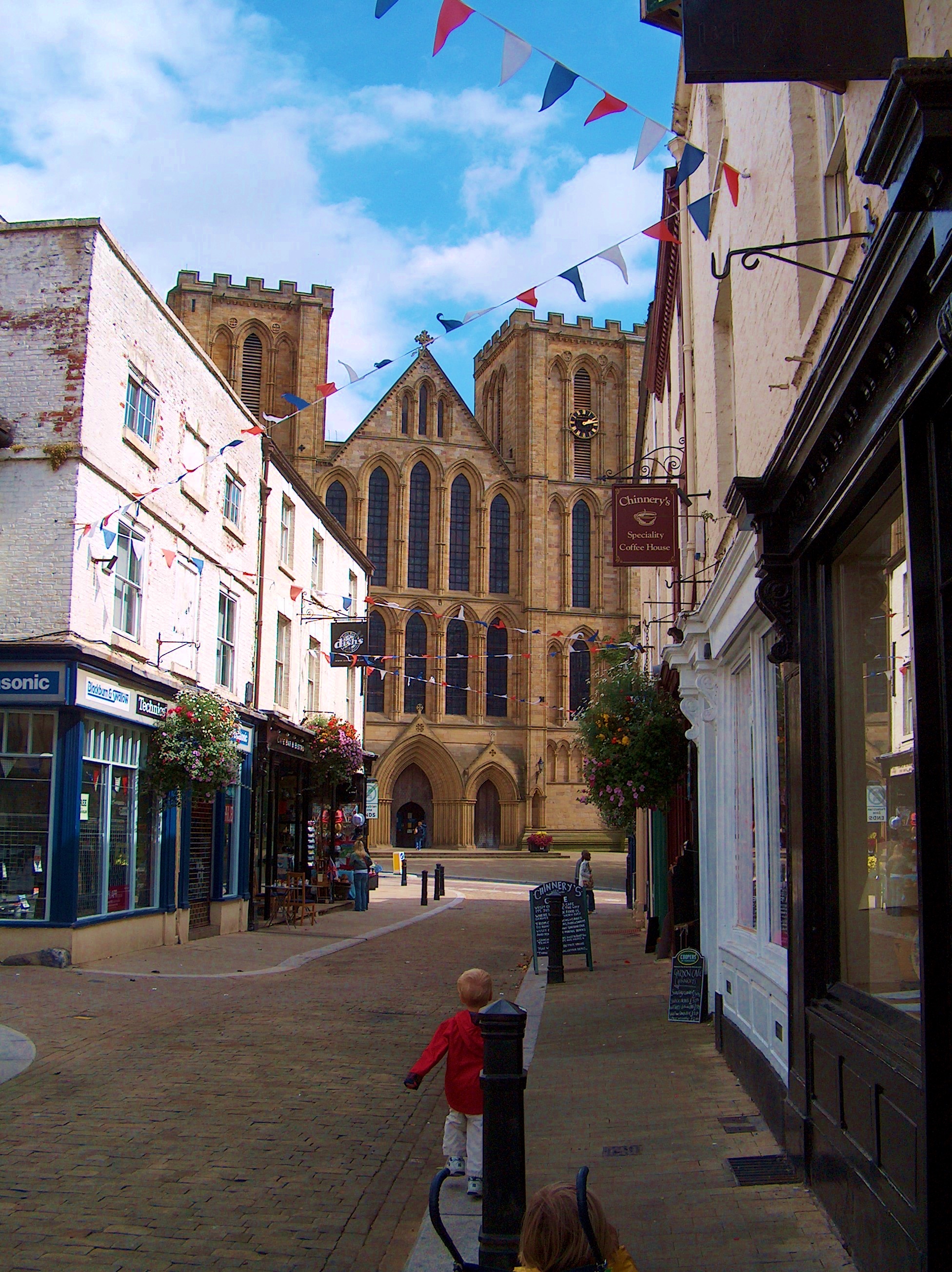
Ripon–you’ve heard the name on Downton Abbey.  It’s a beautiful, small market city in North Yorkshire, England, and it was my home for four fabulous years.
HPIM0434a
Walking down Kirkgate toward the cathedral.

I’ve found myself backing up old photos this week, and feeling nostalgic about life in Ripon.  It was ideal.  My children were young and came to believe that they were actually Brits, accent and all.  They attended British school, we spent our days in beautiful environs and living with a decidedly British/European sensability.  We walked to school, to swim lessons, to church, to the grocery store; through rain, through snow, through days of unending summer sun or unending winter dark.    We walked a few blocks out our front door in one direction, and we were in the market square; another direction, and we were in sheep pastures; yet another direction, and we walked the river banks.  We enjoyed Michaelmas and Bonfire Night in the autumn, Candelmas in February, and Shakespeare performances outdoors all summer.
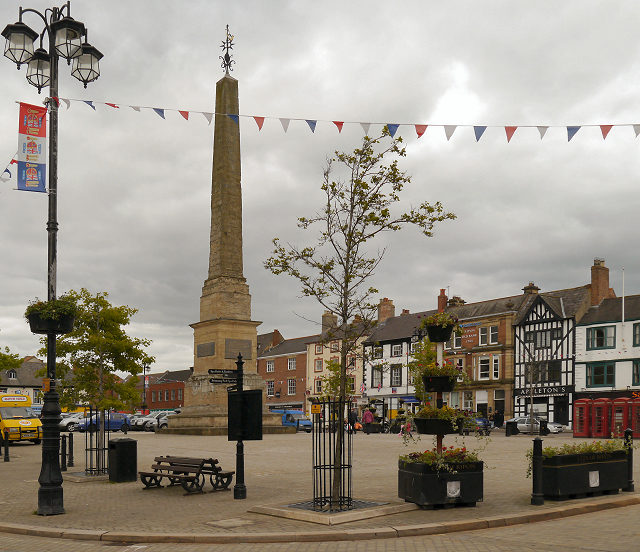
Ripon Market Square, Copyright David Dixon and licensed for reuse under Creative Commons Licence.
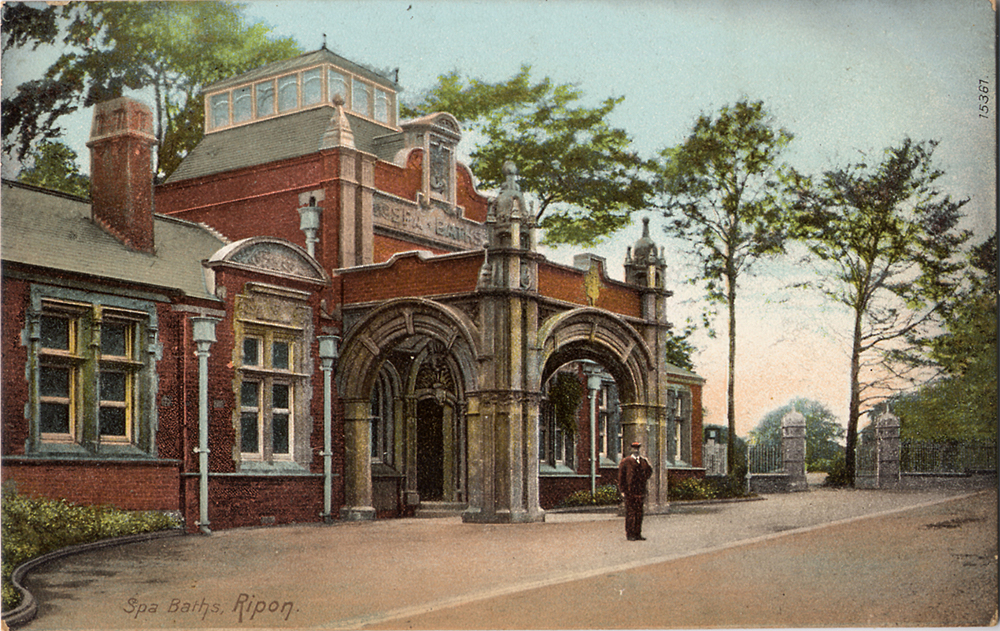
Ripon Spa, where my children swam, and still largely unchanged a few years ago.
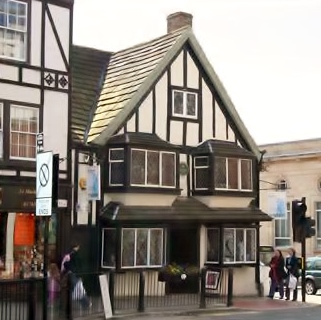
Wakeman's House
Wakeman’s House

As a home base, Ripon was lovely.  I think she’s equally engaging for the passer-through too. The market square is the center of town–literally and figuratively–and  Daniel Defoe called it  “the finest and most beautiful square that is to be seen of its kind in England.”  If you go on market day, the space is bustling.  You might enjoy coffee and scones at one corner of the square, in the old Wakeman’s House (which, I hope, still houses a tearoom. . .and possibly a ghost).  The cafe there is fabulous, and the house is a landmark dating back to the 14th century, and once belonging to the last “wakeman” of Ripon.   The wakeman set the town watch at night, meaning that he was the watchman, entrusted to keep the town safe from villians and marauders.

Ripon still observes  the Wakeman’s Ceremony (dating back to 866).  Each night at 9 pm, the town Wakeman strides to the center of the market square (by the obelisk) and blows his horn to let the people know that the night watchman
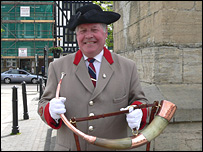
George Pickles, the Wakeman, photo courtesy of the BBC

is on duty to keep them safe. Of course, the town’s safety is in the hands of its police these days, but George Pickles, who performed Wakeman duties and set the watch while we lived there (and may still) did a fabulous job keeping the tradition alive and speaking with townspeople and tourists about the history of Ripon.

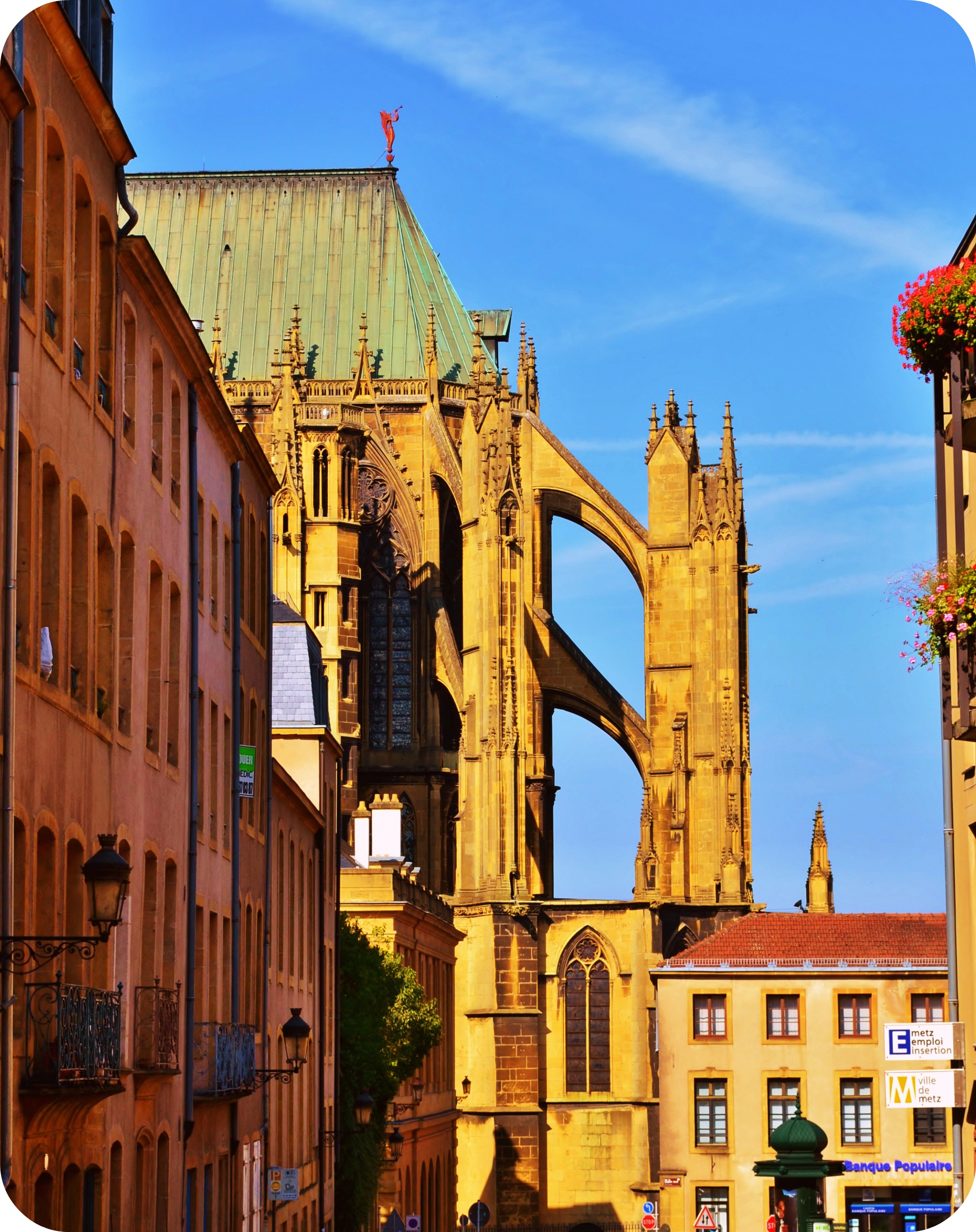
There is certainly history in abundance on show at the cathedral.  The crypt dates back  to the 7th century, and the cathedral to the 1100’s;  the misericord carvings are said to have inspired Louis Carroll and Alice in Wonderland; and it’s one of the few places on earth that still celebrates Candlemas on February 2nd (thousands of candles, and candles only, light the cathedral to celebrate the purification of Mary, and also the halfway point between the winter solstice and the spring equinox–you know this day as Groundhog’s Day!).

Ripon Cathedral
Ripon Cathedral


If you ever find yourself in N. Yorkshire, near Harrogate, give Ripon a look.  The walks are beautiful, the Workhouse Museum and Police Museums are interesting, and the people are fabulous.  For pubs, I recommend The One Eyed Rat and The Water Rat.  For dining, The Royal Oak, Lockwoods, and Balti House (right there on Kirkgate by the cathedral).   I also recommend that you take me with you.  Ahhh, I miss Ripon some days.  .  .
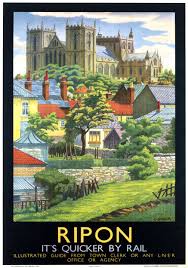
 

ripon poster

Die Heilige Drei Konige/The Holy Three Kings (January 6th, Epiphany)

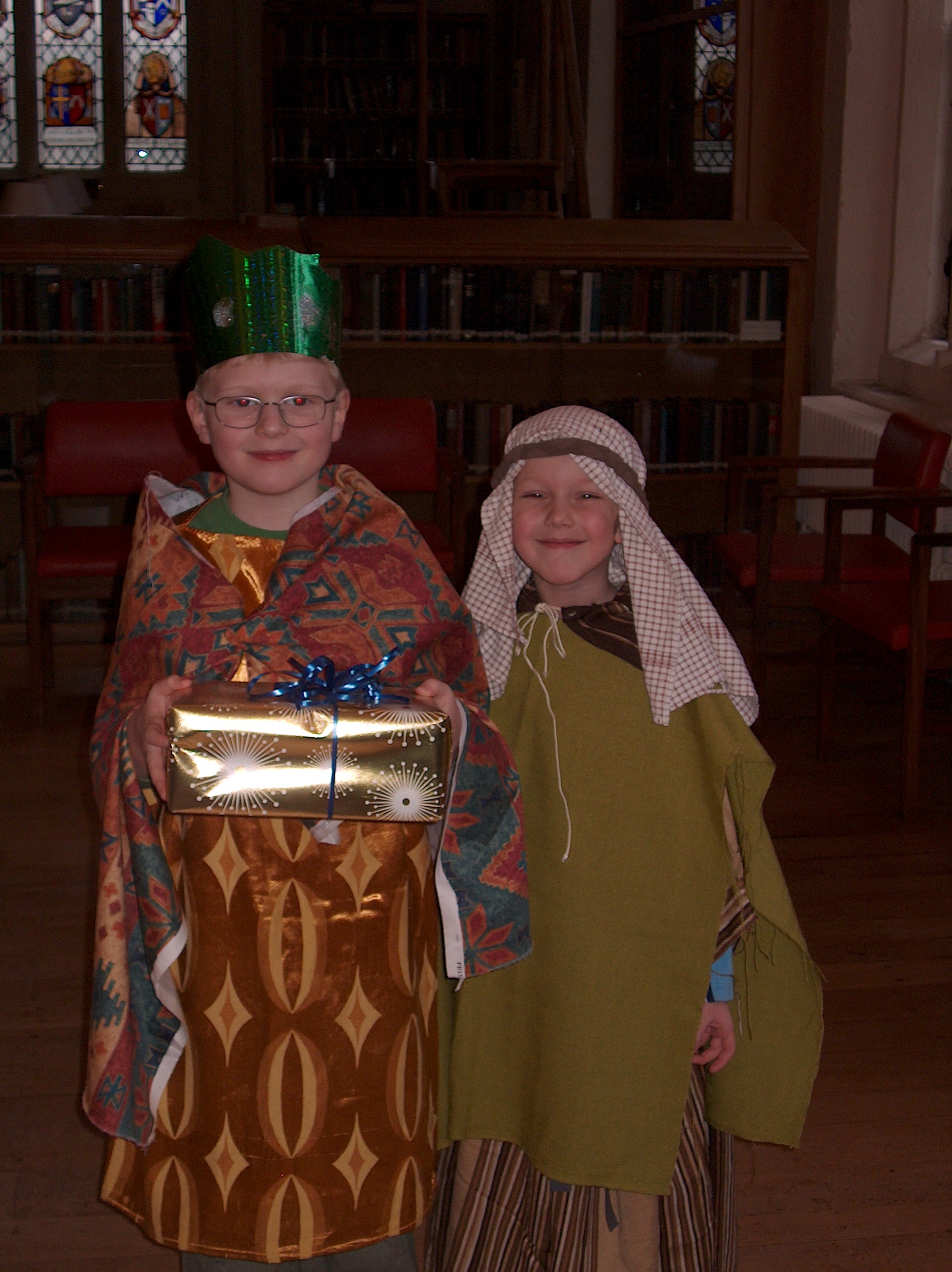
Ein Konig und ein Hirte-- a wise king and a shepherd at Ripon Cathedral some years ago (2008?)
Ein Konig und ein Hirte– a wise king and a shepherd at Ripon Cathedral some years ago (2008?)

The Three Wise Men, The Three Saintly Kings.   They came to visit me today.  Sort of.

Actually, they stood in the street and looked forlorn, so I went out to speak to them.

I had been told they might be coming.  To knock on my door, and to bless my house in observation of Epiphany on January 6th.  We Americans take little notice of Epiphany (and the 12 days of Christmas that span from Christmas day until Epiphany), but in Europe it is still heartily observed.

Let me give you a tiny primer on the Heilige Drei Konige (the holy three kings) in Germany before I tell you more about my personal experience.  According to the “German Words Explained” website,

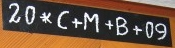
On this day, groups of children known as Sternsinger go from door to door and sing a song or recite a poem or prayer. They then write in chalk above the door C+B+M and the number of the year with three crosses, eg. 20*C+M+B+08. These letters stand for the latin phrase Christus mansionem benedicat, meaning “God protect this house”.

The Sternsinger also collect donations for childrens’ charities.  drei helige konige

I assume that the C + M + B also stands for the Three Kings (Melchior, Caspar and Balthazar).  When we first moved here, I noticed these chalk markings above so many doors–letters and numbers.  I’d decided that it must have to do with a municipal code, but finally asked someone about it.  How fabulous to learn that it was a blessing and not a municipal code–much nicer!  I was looking forward to a visit when Epiphany rolled around.

And so the three anticipated guests showed up today.  My husband, daughter, and I were standing in our kitchen, contemplating lunch, when three teenagers appeared outside our window.  They stared at us, we stared at them.  Then we, my family, stared at each other, wondering what we were supposed to do.  We had no idea, so we stared back at them again, wondering what they were supposed to do.

This will sound strange and uncomfortable to you Southerners, but,believe me, it’s acceptable in Germany.  Encouraged, even.  When we first arrived, we waved at neighbors and smiled broadly.  They stared. . .then scowled if our idiotic grinning and waving continued.  It was clear that we were committing a faux pas, but old habits die hard.  Finally, months into our life here, I asked a German friend about this.  “Oh no!” he said, “Do NOT wave.  We just don’t do that.  It is strange.”  He continued, “You may tip your head if you must, but just understand that they are just looking. It’s normal; they are trying to see if they know you.”

I immediately stopped waving at people.  My neighbors stopped scowling, for the most part.  Now we just stare at each other.  It still feels weird, but you get used to that feeling when you aren’t on your home turf.  Weird is the new normal.

But back to the Kings loitering outside my window.  They were three teenagers, recognizable as the kings only when two of them dropped their cell phones into their pockets and the third shifted her body to reveal a staff topped with a star in her hand.  Another had some sort of wooden box.

“Oh!” I said, “I know who they are!!  The Heilige Konige! The Wise Men!”  I was so excited to have them visit our house!

But they just stood and stared.

Then they moved a few feet, so that they were blocked from view by  a hedge.  Were they regrouping before bursting into song?

Apparently not.

So I asked my husband to walk out and see if we were supposed to invite them in or something.  He retorted, “YOU are the one who speaks German.”  Two things worth noting here:  1 -clearly, he was a little wary of these sketchy wise guys, and 2-nothing that comes out of my mouth is recognizable as German, try as I might.

“Okay,” I said, “give me some money for the Kings.”

So, armed with some Euros and sketchy language skills, I rounded the hedge and approached the kings.

Can we pause the story here and just consider that last sentence?  It has promise, doesn’t it?  Sounds like the beginning of an epic tale or a heartwarming Christmas story.  Yes, it has promise.

And then I said, “Die Heilige Drei Konige?”    “Ja,” they said.   Yes!  Great!  But the surly youth didn’t burst into song or emit a holy aura, or do anything else but stare.

“Sind Sie…fuss…the neighborhood?”  I said.   One king put his cell phone back up to his ear, and the other two looked at each other and then said, “Ja?” but with the emphasis on the question mark.  “Fur Epiphany…und…charity?” I asked, adding “meine Deutsch ist nicht sehr gut!” with an apologetic look.  (“My German is not very good.”)

We fumbled around for a moment.  They never burst into song, and wise man #3 kept to himself and his cell phone, but we did manage to establish that wise man #2’s wooden box was for 3rd world charity donations.  I handed them my money and wished them a lovely day in passable German.

That was all.

It wasn’t what I’d pictured happening when the Heilige Konige came to visit.

Maybe it was the cold rain and snow mix falling on our shoulders that kept them from a more leisurely visit? Understandable.

Maybe it was the fact that they were three teenage kings instead of truly holy kings, carrying cell phones instead of chalk, and that’s okay too.  The Kingdom of Teenage plays by mysterious rules.

Or maybe it was my German-English (Germglish) that drove them quickly from my door.  Germglish tends to do that.

So, the visit wasn’t what I expected . . .but I can get over that.  I saw the Heilige Drei Konige; they visited my house.  That ain’t bad  for a rainy afternoon.


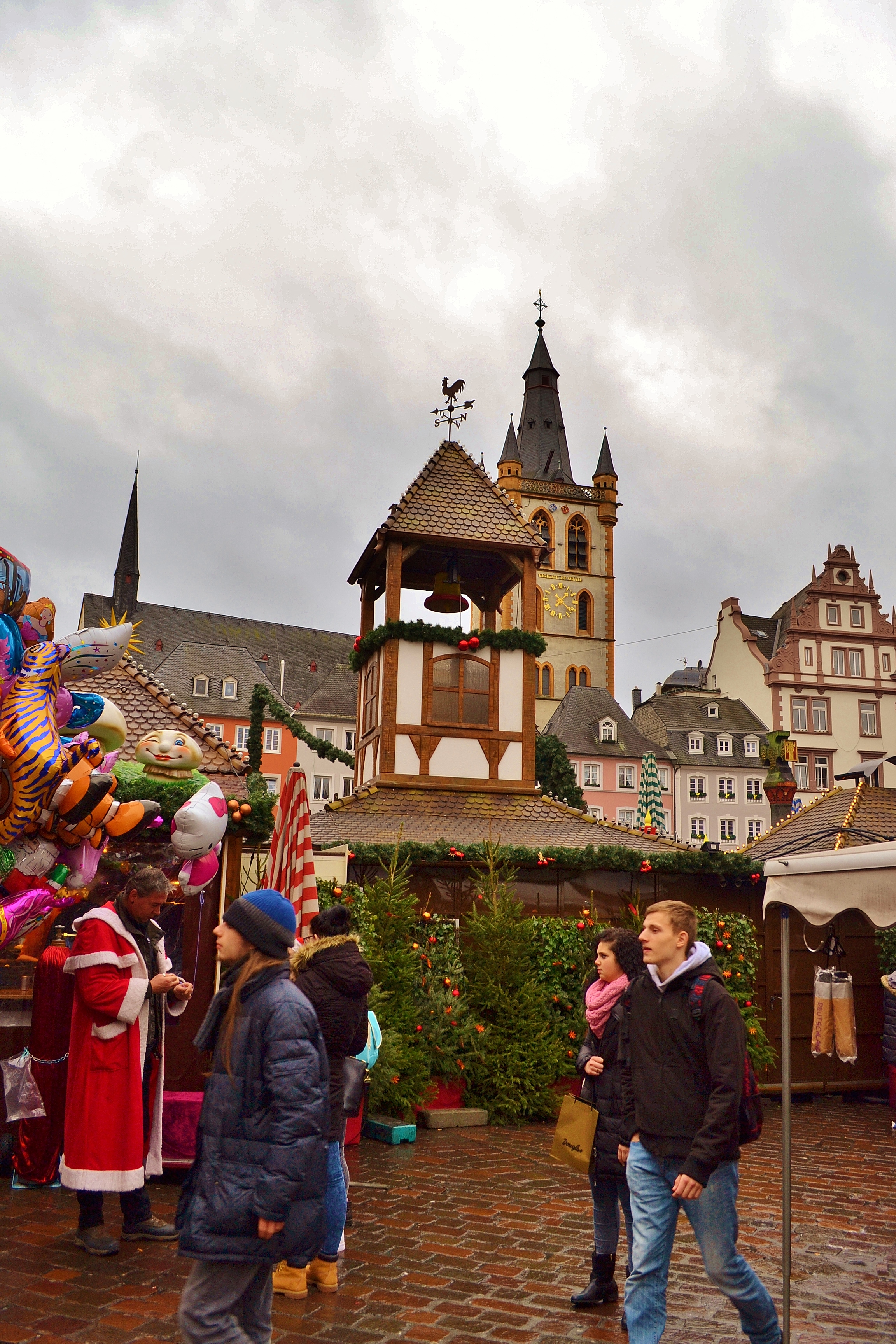
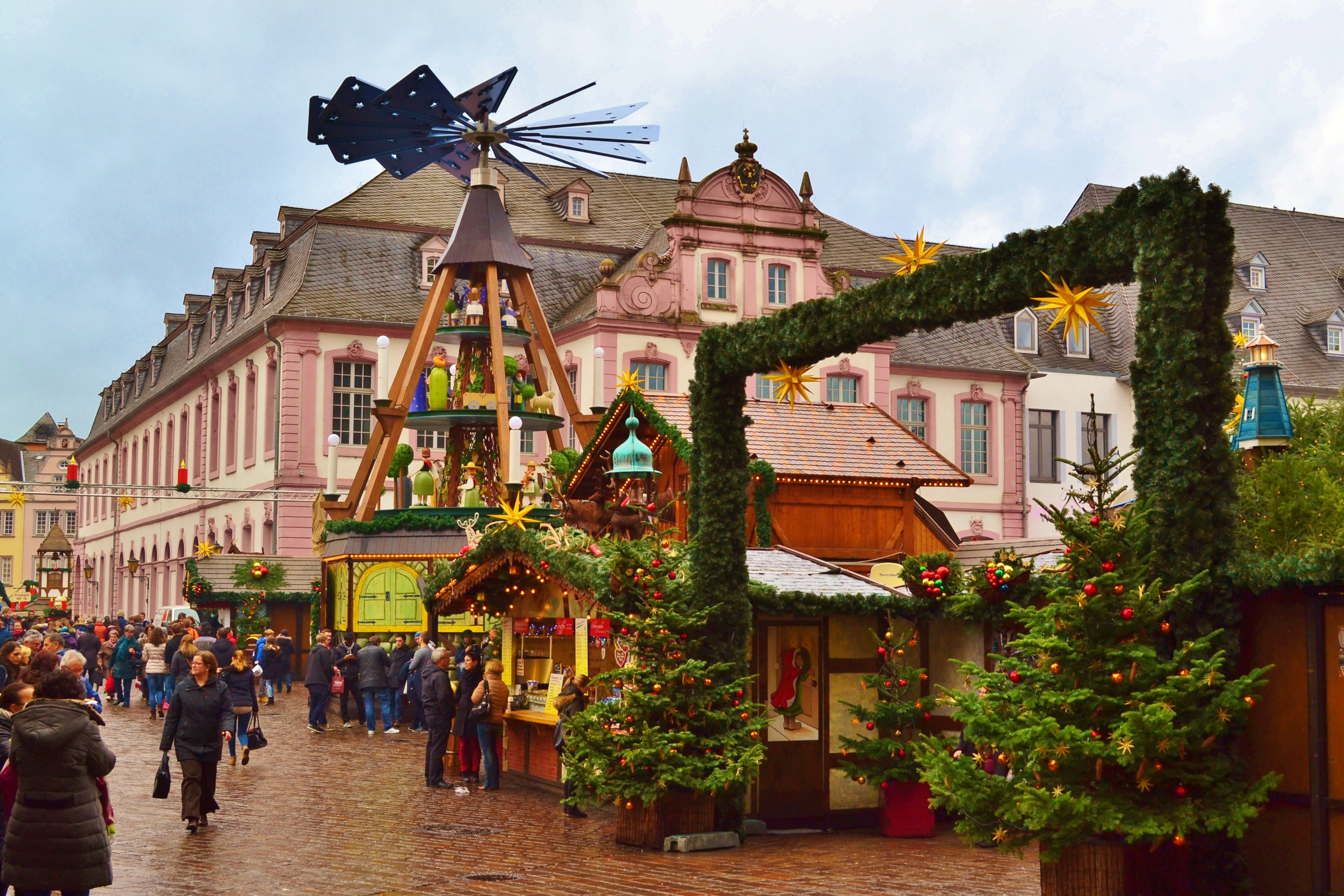
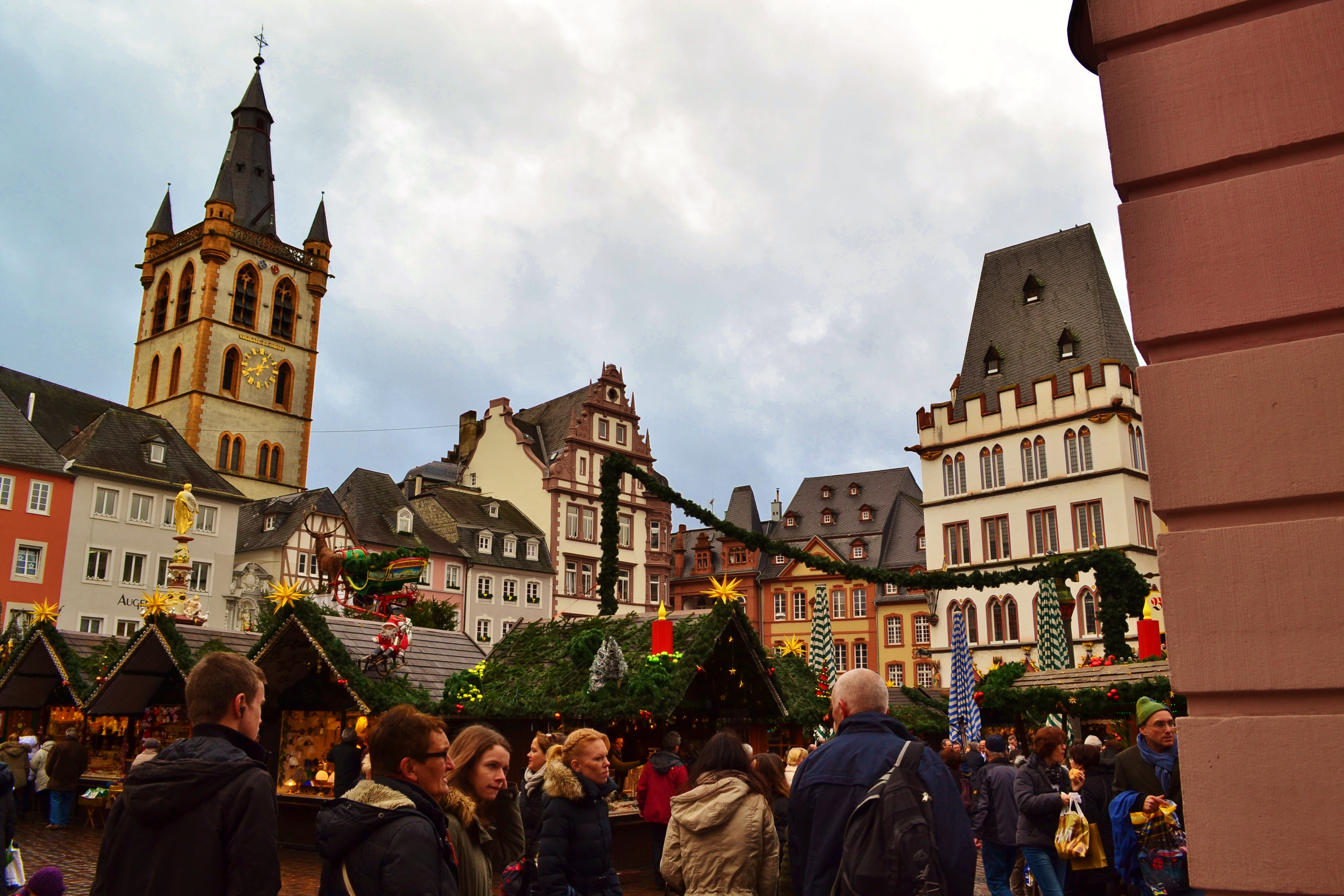
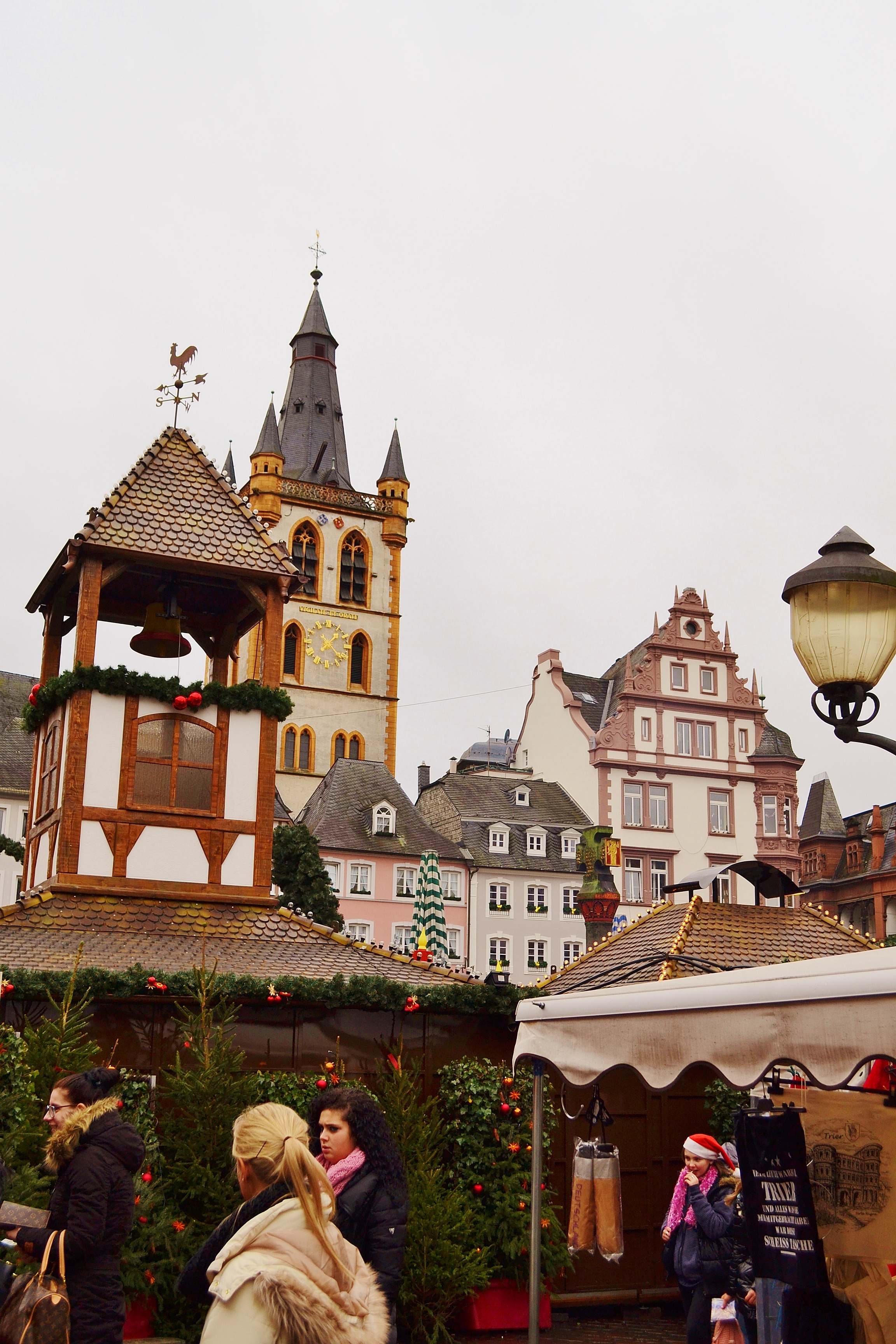
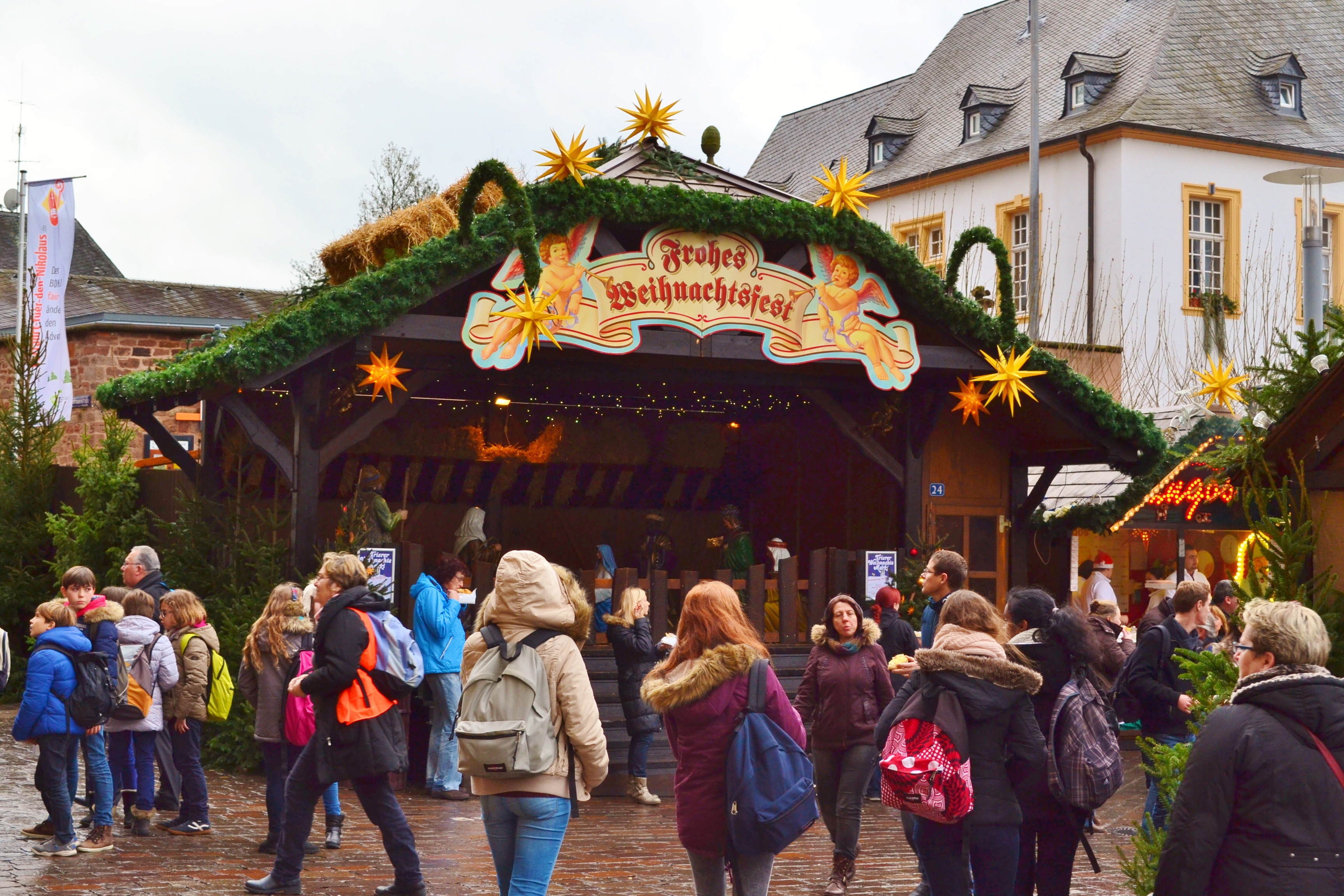
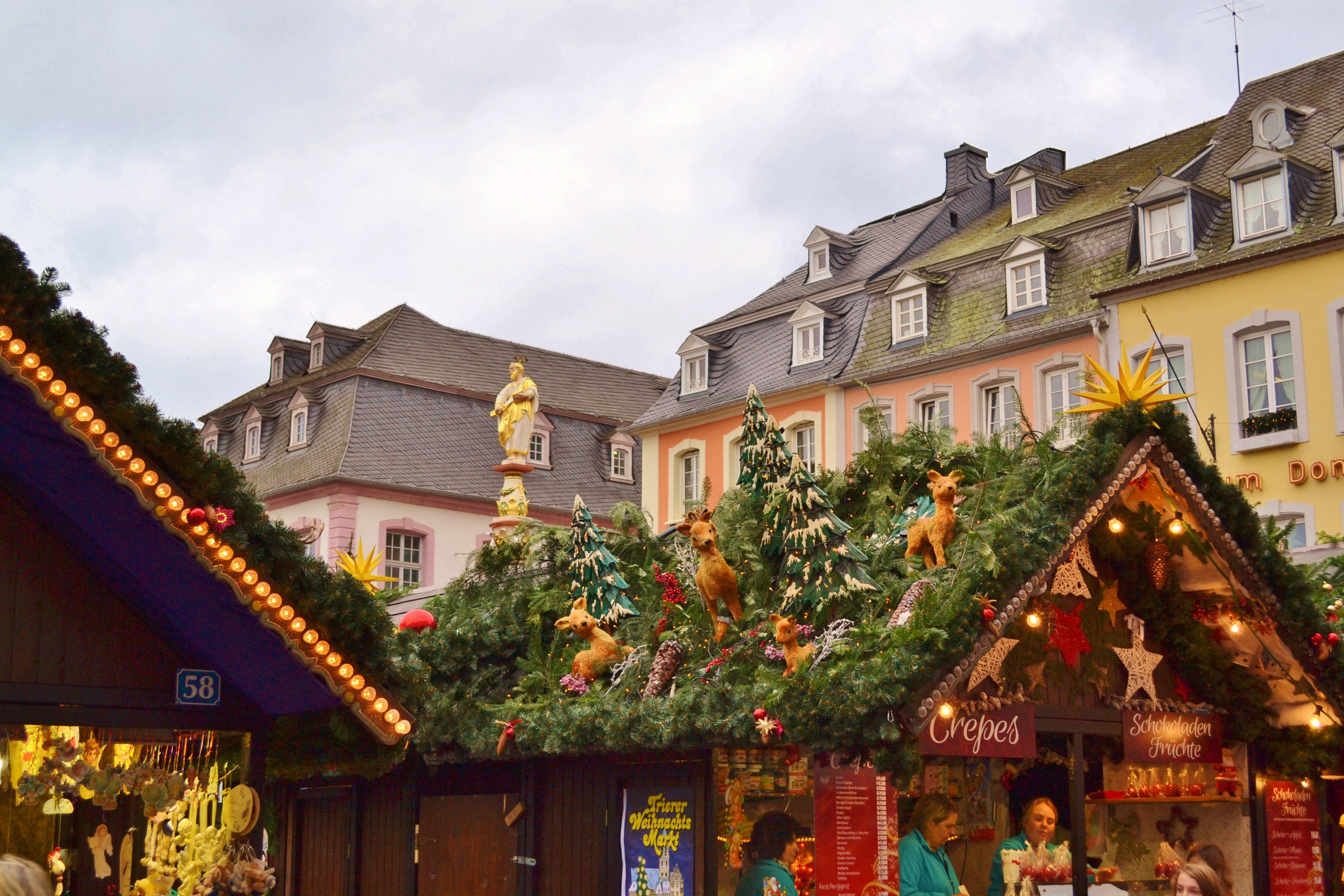
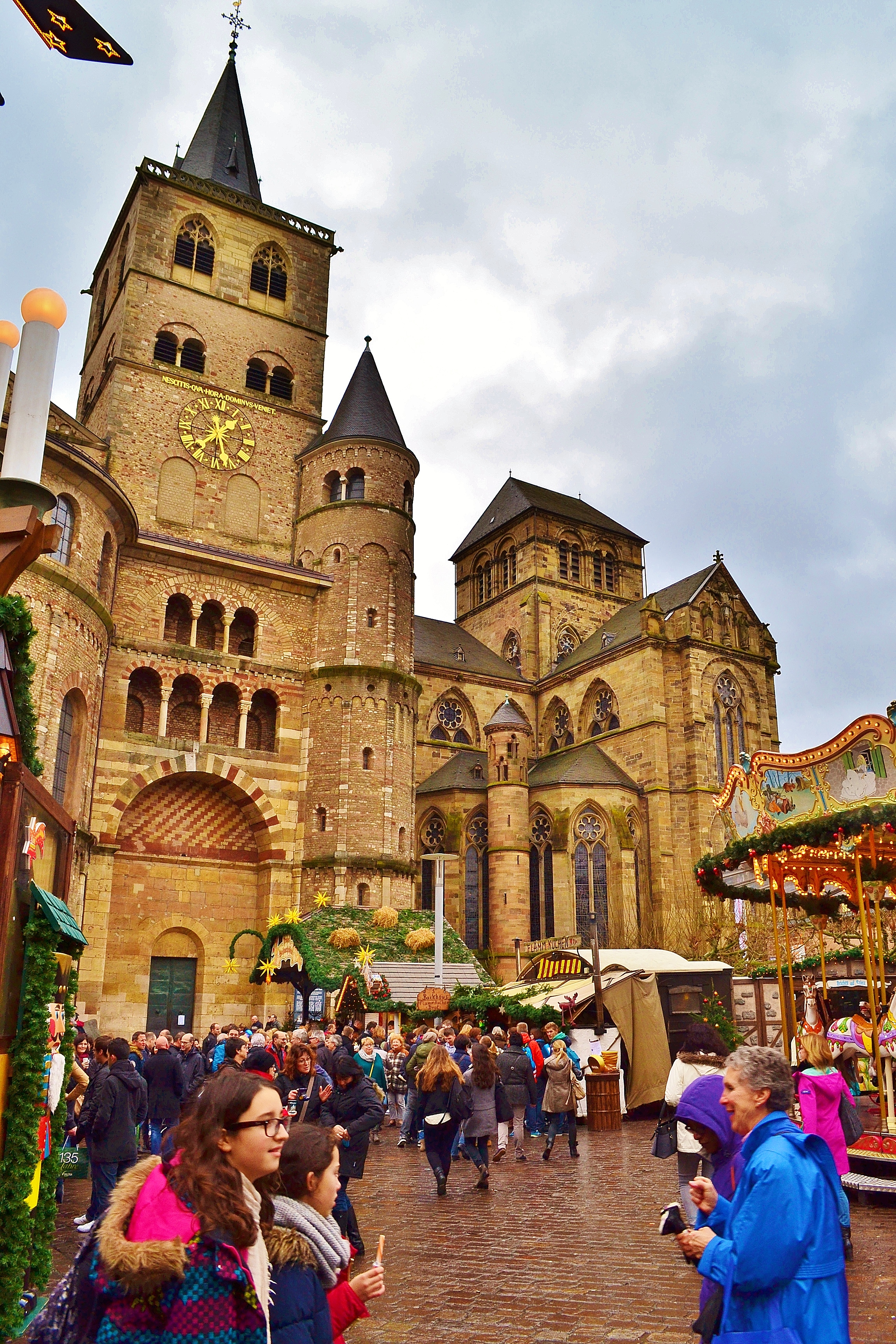
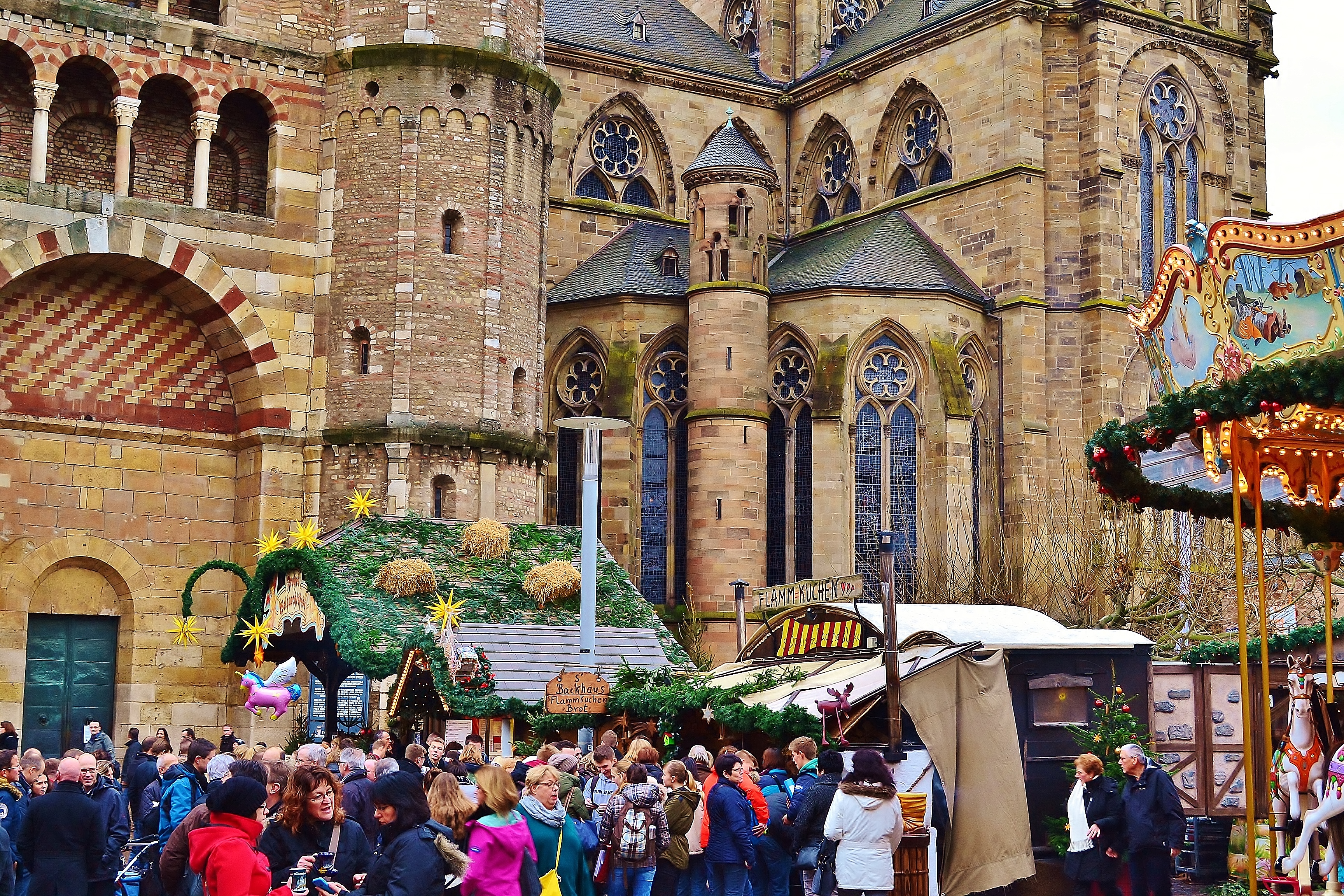
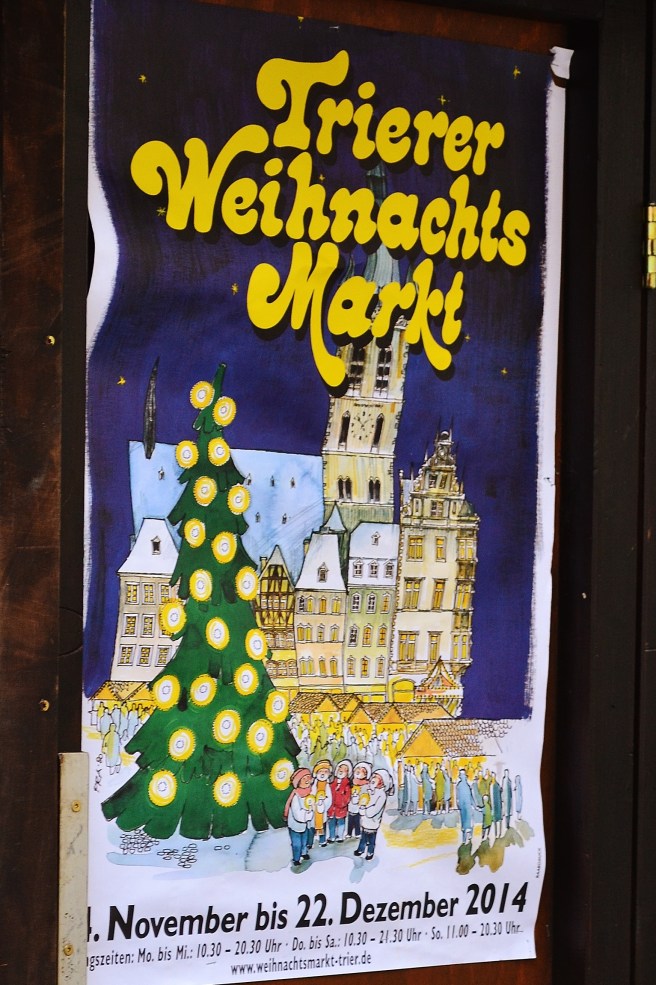
Scenes from the Season: Trier Christmas Market 2014


DSC_0250

God rest you merry, gentlemen, let nothing you dismay.

I love this Christmas song. . . partly because of the comma in the first line. Weird, I know. But “God rest you, merry gentleman,” would mean something very different than “God rest you merry, gentlemen.”

DSC_0234


It’s a distinction worth considering in this final week before Christmas day. You don’t have to come to the party merry. But here’s hoping that the holiday, and its lovely markets, its light, its lifting of family, food, and beauty, will help you to find that balance point of energy and rest, of calm and excitement, and to feel rested merry.

I know that a day in Trier left me feeling that I had rested merry. And it is a good feeling.

DSC_0240

DSC_0248

DSC_0229

DSC_0241

DSC_0266

DSC_0267

DSC_0260

In the Mood for Christmas Food: Gluhwein and Gingerbread

DSC_0051 - Copy

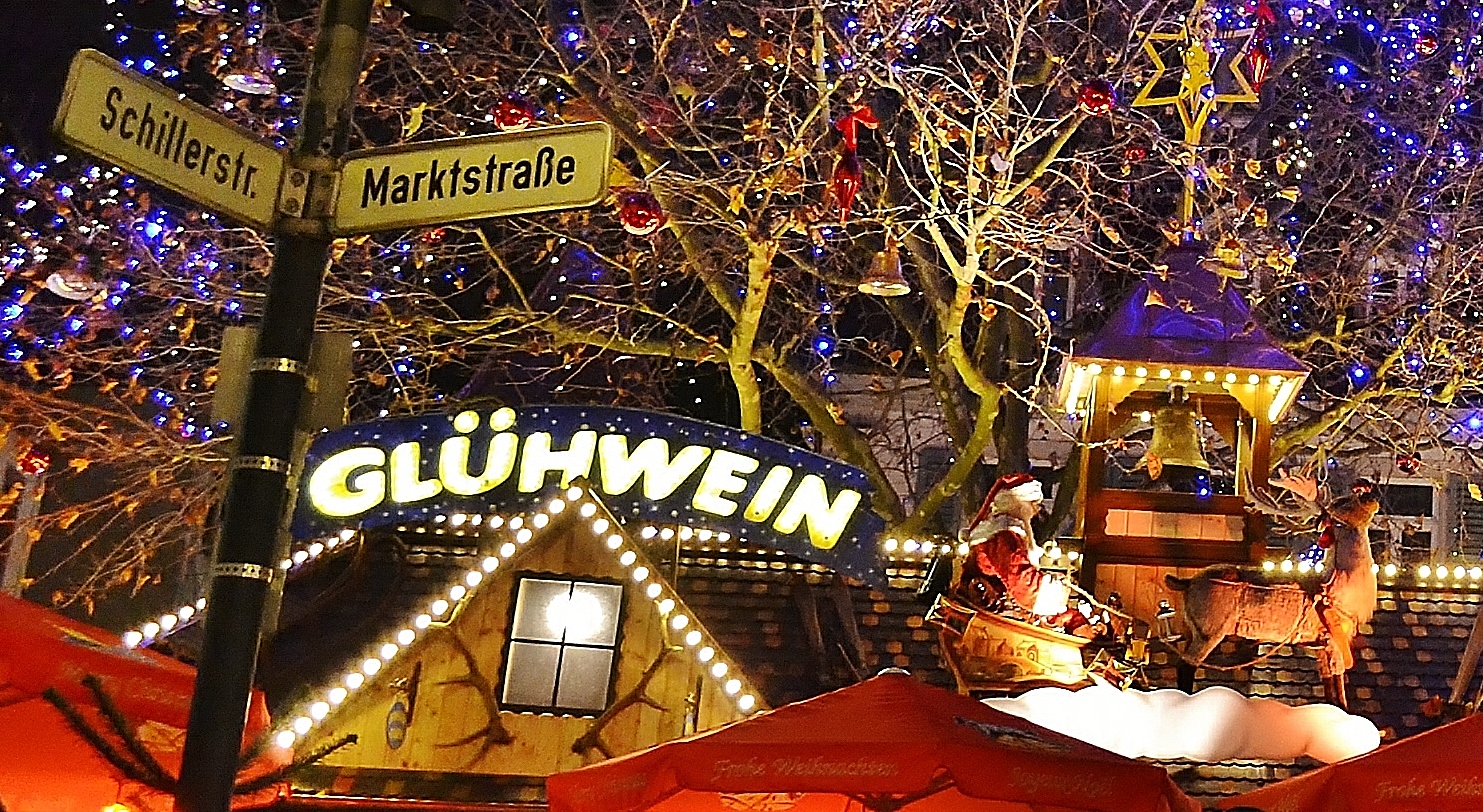
I’ve been visiting Christmas Markets the past few weeks and am enjoying the lebkuchen, plank-roasted salmon, candied fruits, and mulled wine that’s been on offer.  But it’s clear that the mulled wine is the beating heart at the center of these markets. The promise of a warm tipple is what brings many people out to German Christkindlmarkts after the sun has dipped low and cold blankets the town.   Gluhwein stands abound, and the people stand around!

DSC_0216

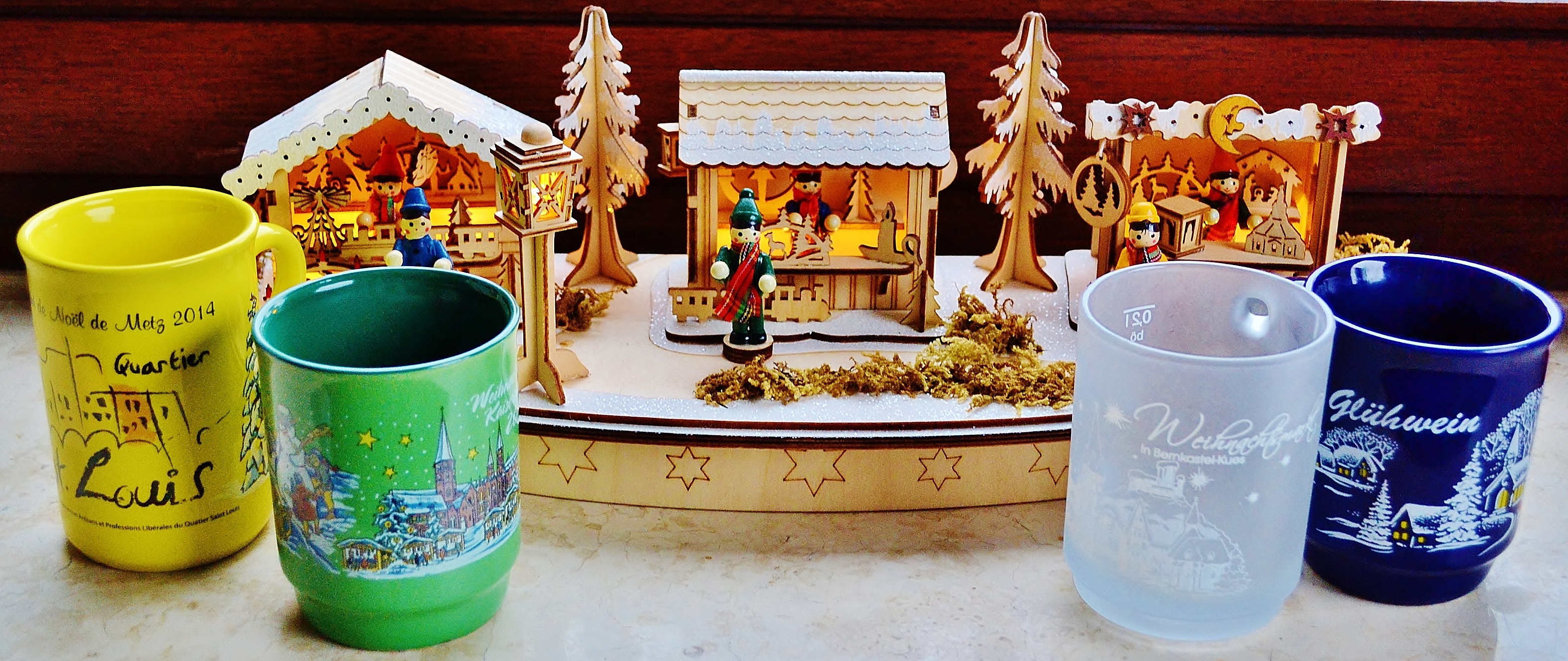
It’s always nice to warm your hands and your spirits with gluhwein–and to come home from the markets with a gluhwein cup in hand.  I’m a fan of the homemade stuff too–a simmering pot on the stovetop makes the house smell great and keeps you warm as you cook or sit around your Christmas tree.   There’s no recipe, per se, that I use, but what I toss in looks something like this:

GLUHWEIN

a bottle of red wine (I prefer dry)

2-3 cinnamon sticks

about 4 whole cloves

a sliced orange

sugar  (maybe 1/2 cup–but this is very subjective, do this according to your taste and the sweetness of the wine you use)

late additions: (if wanted) 1 star anise, a dash of rum, water (up to one cup) if you want to dilute or smooth out the taste

Put your ingredients on the stovetop and simmer for 10-20 minutes.  You may add the rum and star anise in the last 5 minutes.  (Personally, I like just a hint of star anise, that’s why I add it late–otherwise I find it overpowering.)

And, if you want “gluhwein light,” you can cut the wine with some ratio of cranapple juice and sip all holiday long without getting drowsy.

Gingerbread is another favorite at holiday markets.  The Germans have their lebkuchen, and the French have their pain d’epices.   Today, however, I’m bringing you a wickedly good gingerbread recipe from the Brits.

Nigella Lawson’s Guiness Gingerbread recipe is hard to beat. (Of course, you knew this before I told you, because Guinness + gingerbread has to = yummy!)  (That’s the extent of my mathematical proficiency, by the way.) nigella_christmas_cookbook

This gingerbread is at its best when it’s warm–maybe 10 or 15 minutes out of the oven.  The top is moist, the sides are gooey, the full ginger aroma is in play.  Just thinking about it makes me hungry.

I’ll reprint the recipe below, or you can find it at the food network link here   ( http://www.foodnetwork.com/recipes/nigella-lawson/guinness-gingerbread-recipe.html )

Ingredients
  • 1 1/4 sticks (10 tablespoons) butter, plus some for greasing
  • 1 cup golden syrup (such as Lyle’s)
  • 1 cup (packed) plus 2 tablespoons dark brown sugar
  • 1 cup stout (such as Guinness)
  • 2 teaspoons ground ginger
  • 2 teaspoons ground cinnamon
  • 1/4 teaspoon ground cloves
  • 2 cups all-purpose flour
  • 2 teaspoons baking soda
  • 1 1/4 cups sour cream
  • 2 eggs
  • 1 rectangular aluminium foil pan or cake pan, approximately 13 by 9 by 2-inches
Directions

Preheat your oven to 325 degrees F. Line your cake pan with aluminium foil and grease it, or grease your foil tray.

Put the butter, syrup, dark brown sugar, stout, ginger, cinnamon and ground cloves into a pan and melt gently over a low heat.

Take off the heat and whisk in the flour and baking soda. You will need to be patient and whisk thoroughly to get rid of any lumps.

Whisk the sour cream and eggs together in a measuring jug and then beat into the gingerbread mixture, whisking again to get a smooth batter.

Pour this into your cake/foil pan, and bake for about 45 minutes; when it’s ready it will be gleamingly risen at the centre, and coming away from the pan at the sides.

Let the gingerbread cool before cutting into slices or squares.


Guten appetit and Merry Christmas!!