Platform 9 3/4 . . . or, Ways My Family Travels Diagon-Alley

HPIM1167
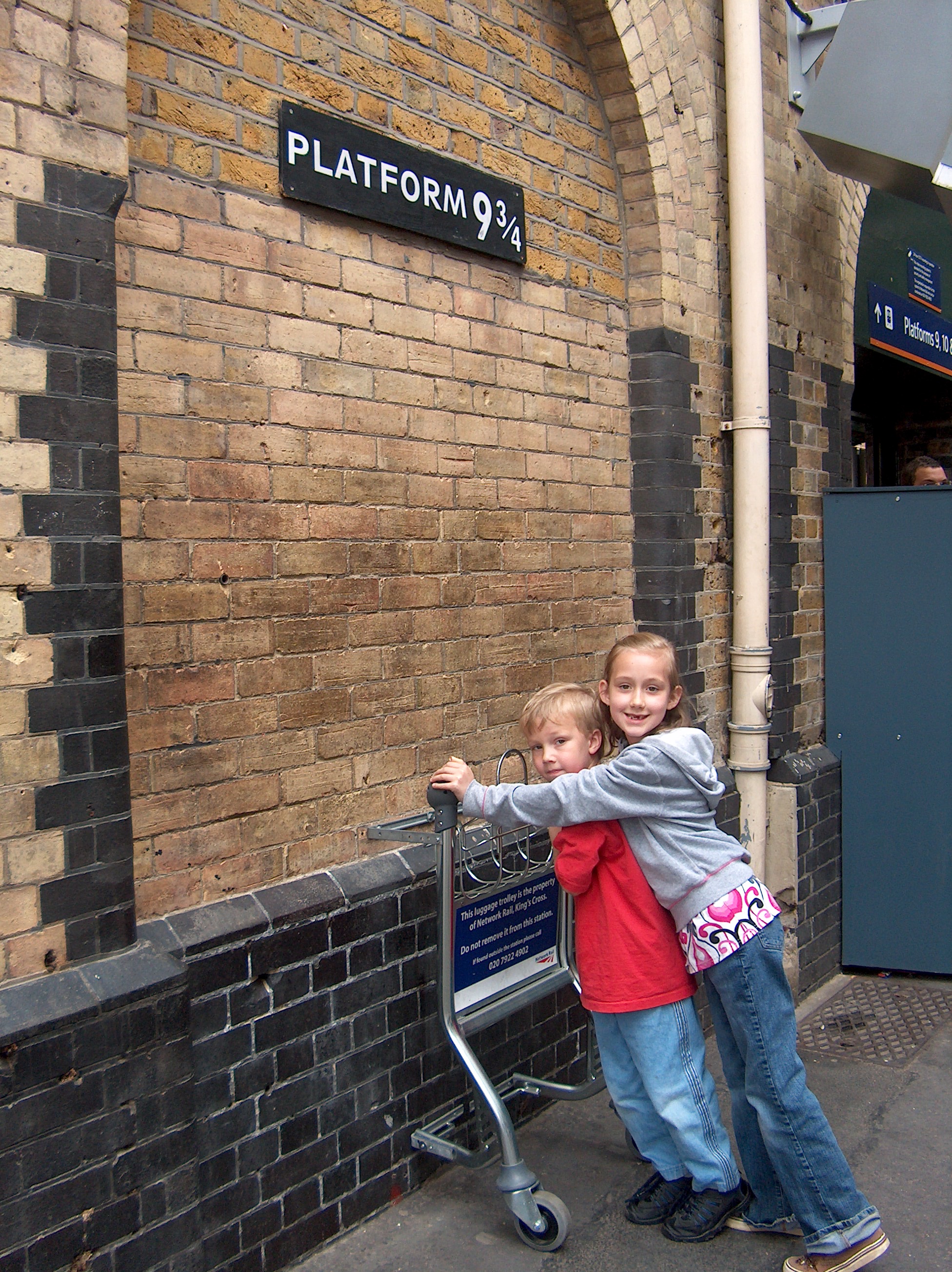
At Kings Cross Station, London, Platform 9 3/4, driving a baggage cart through the brick wall like true Harry Potter fans. 2007 maybe?

We try to be normal.  We really do.  But every straight line we draw canters just a little to the side–and so, in travel (as in everything else), our lives run a little diagonally.

This truth was on full display a few years ago in Mirabell Gardens, Salzburg:

The thing for Americans to do here, besides wander and take in the beauty, is to stage photos that resemble scenes from The Sound of Music.  (The song, Do Re Mi was partly filmed here.)  Ideally, these photos look a little like this:

do re mi

This is the top gate at Mirabell.    (Notice the fortress, Hohensalzburg, on the hill in the background–it’s really a fantastic shot of the gardens and the city behind.)  We spent some time here.  We took some photos here.  But none looked like this.

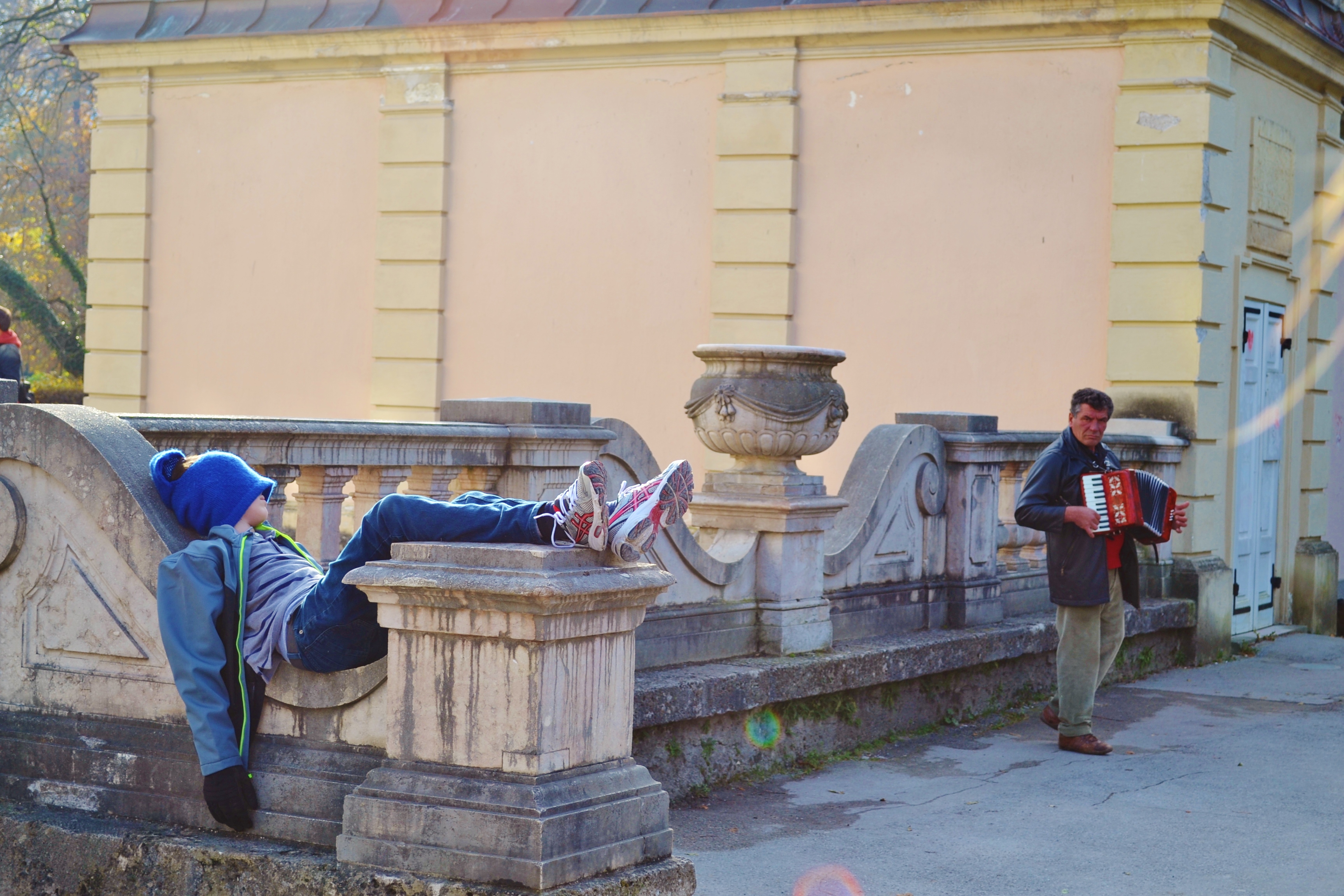
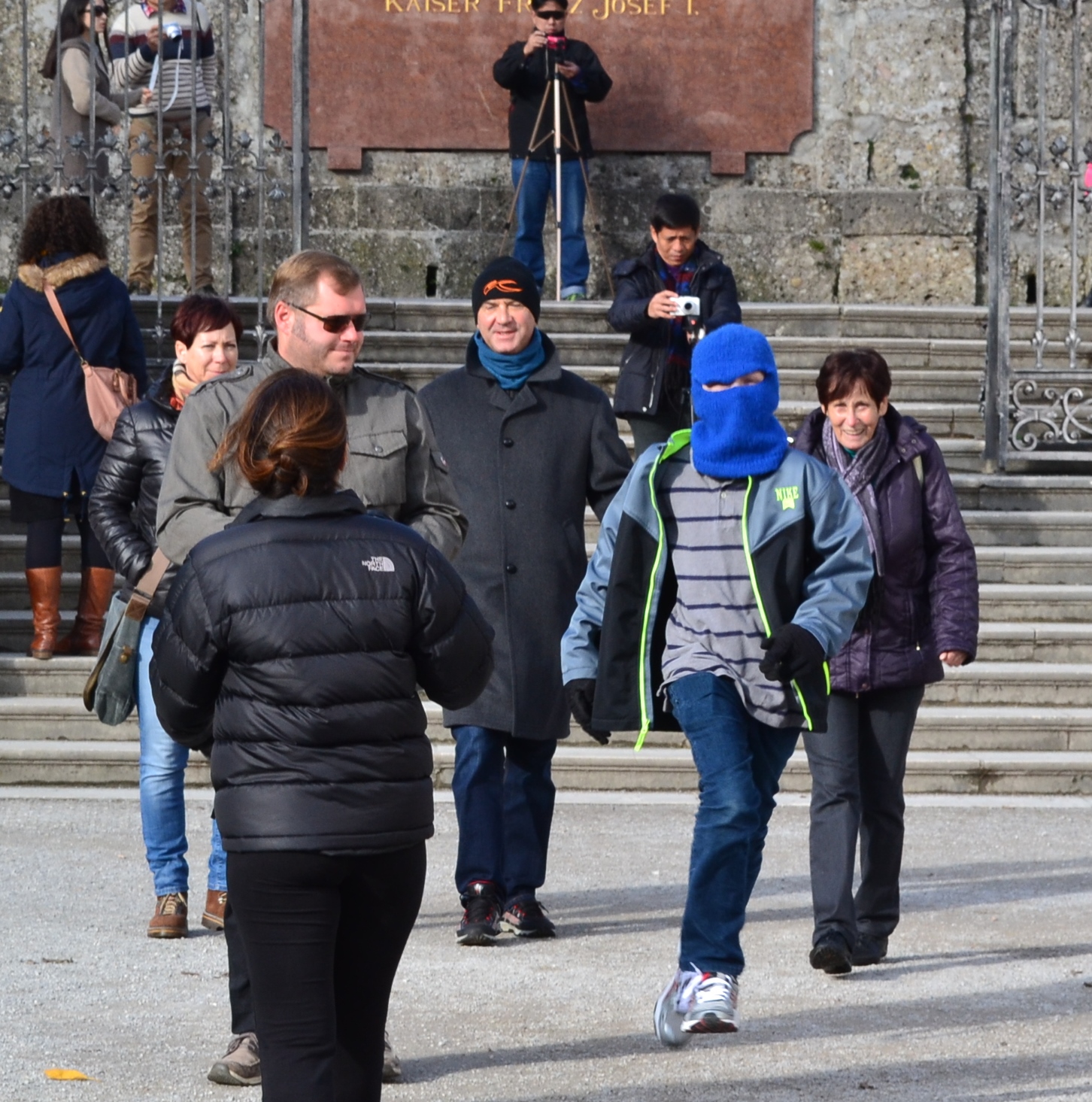
What did they look like?  Well, look to your right.  DSC_0125   This is my son, sleeping (while being serenaded by an accordion player) on those same steps at the Mirabell Gardens.  Why is he sleeping, you ask?  He’s tired from sightseeing, but especially from running through the gardens.  Singing Do-Re-Mi?  Oh no.  No.  This child was reinacting some “American Ninja in Salzburg” screenplay known only to him.  My favorite scene from that movie, below.  (Clearly the people around him are a little surprised and amused by the sight.)
DSC_0098 - Copy


I’ve been thinking about our quirky travels this past weekend while in Chicago with my daughter.  In another year, she’ll be heading off to college.  And my son, the masked ninja, begins high school in August.  They’ve grown up fast, and our travel adventures with them are changing.  I already miss the visits to “knight schools” and castles, the nativity plays we attended with dishtowels  on their heads, and their absolute inability to stand still for photos.


Still, I imagine our “diagonal” travels will continue into the future.  After all, they started before our children were born.  In Turkey, we were just two people with little dog garnering stares as we drove by in an old Volvo wagon.  On it’s own, that doesn’t sound so strange, but we stuck out like a sore thumb.  In Turkey, it wasn’t unusual to count 7 people on a motorcycle and sidecar.  So when we made our way through the streets– streets that might find two lanes stuffed with five “lanes,” including cars, giant trucks, mopeds, buses, and donkeys– our long wagon, carrying only two people and a tiny dog, was the thing outside of the norm.  Why waste such a long vehicle on so few travelers?  Why bother with a dog too small to herd sheep?  And why crawl slowly through the melee of a Turkish traffic jam instead of throwing yourself into the mix full throttle while laying on the horn?  Clearly, we were the nuts who didn’t understand the rules of the game.

When you travel, people always tell you to try to fit in– obey the customs, don’t be too awkward or too obvious.  It’s safer and more respectful to conform to the norm as best you can.

They tell us to try to fit in, but who does that, honestly?

Sometimes you just have to embrace the diagonal.  What else can you do?
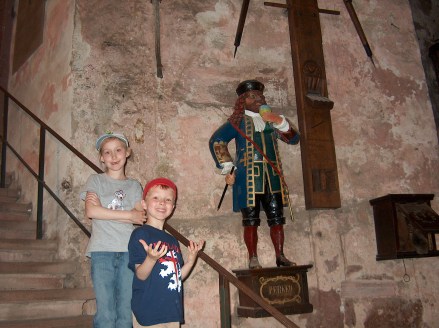
HPIM1104
In Germany, 2008.


To Eyre is Human

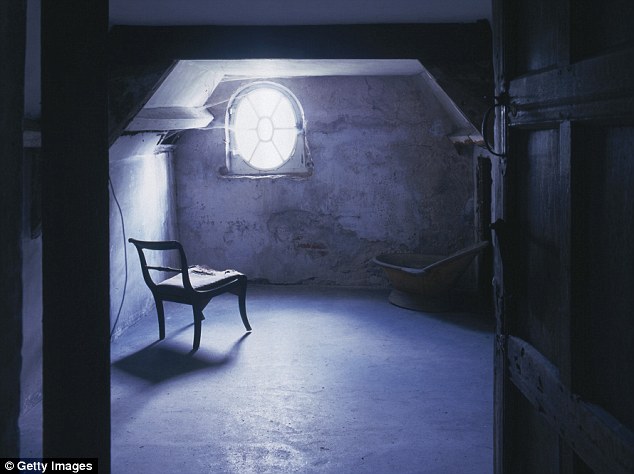
norton cony attic room Getty Images
The secret attic room at Norton Conyers.

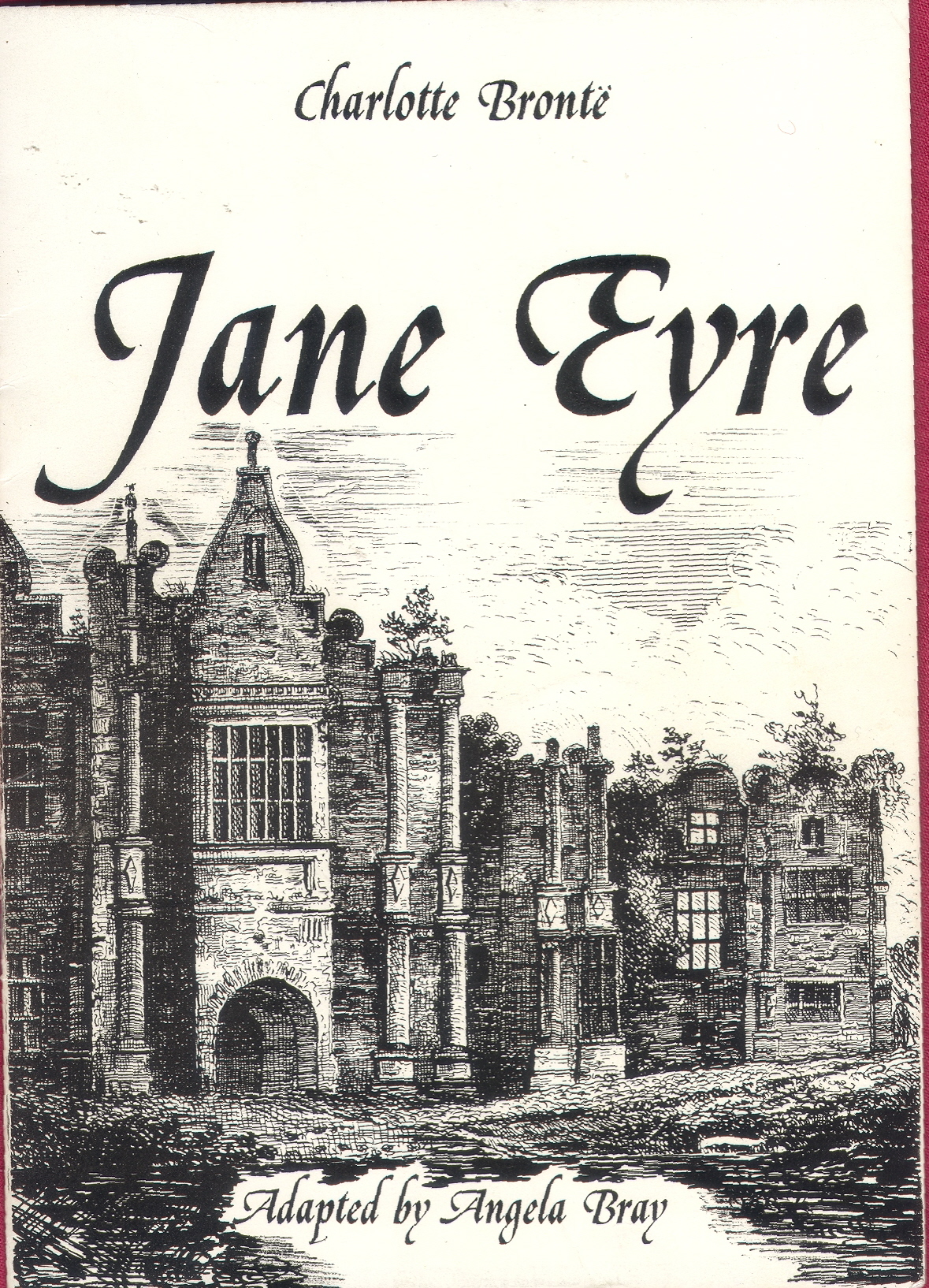
While we are on the topic of the Bronte sisters (or, at least, we were two weeks ago), there’s one more thing I should mention– an especially juicy tidbit.  Are you listening?  Jane Eyre may be inspired by a true story.

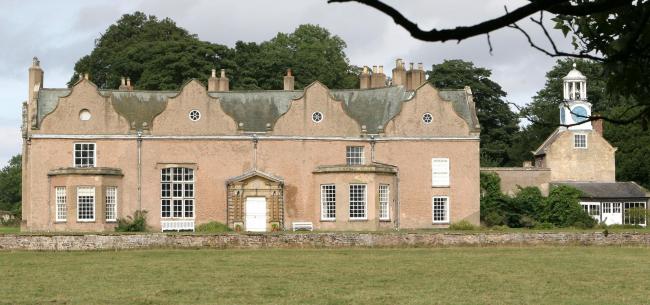
Norton Conyers

This isn’t news in North Yorkshire and the cozy city of Ripon that I once called home.   Just around the corner from Ripon, roughly two or three miles from the roundabout at the edge of town, lies a beautiful old manor house by the name Norton Conyers.   It is a handsome medieval squire’s home, dating back to the 1600’s, which has remained in the possession of one family (the Grahams) for nearly 400 years.  That’s an achievement!

However, the house had fallen into disrepair of colossal proportions: rain poured in, wood-boring beetles swarmed, and very little of the grand house was heated.  Thankfully, Sir James and Lady Graham, when they inherited the home, decided to undertake the many years of work that were required to bring the house back to its intended glory.

There are grander houses in North Yorkshire– Harewood House and Newby Hall are close by– but none with such an “eerie” (Eyre-y?) claim to fame.

Charlotte Bronte visited the home in 1839, possibly while she was a governess to another wealthy family.  According to long-held stories, there was a secret attic at Norton Conyers and a mad woman (“Mad Mary” some called her) was kept there.  Little more is known with certainty–but the tale has long been whispered, and the assumption has been that this local story is what gave rise to Bronte’s novel Jane Eyre.

I only got wind of this rumor in my last year in Yorkshire, but I thought it would be fantastic to have my book club make a visit to Norton Conyers after reading Bronte’s novel.  (This is the book club that my husband dubbed “the book and bottle club,” as he could always tell how well we’d liked and really discussed the book we had been reading by how quickly the book was tossed to the curb and the wine bottles predominated the night.  I’ll neither confirm nor deny the truth to that.)

I placed a call to Norton Conyers, ready to hatch my brilliant plan, only to find that the house was closed to visitors for some time while renovations were being made.  Some long time, as it turned out.

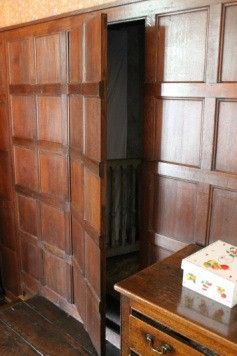
Panel hiding staircase

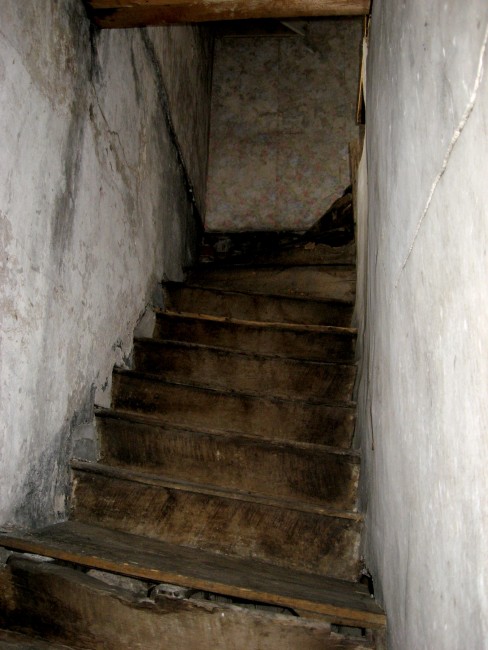
My sorrow at that news is everyone else’s good luck today, as the extensive restoration work has now been completed and the house does have some (limited) dates when it is open to the public.  AND THERE IS MORE.   Here’s the kicker:  as the renovations began, a secret staircase was discovered, boarded up, dusty, and narrow, with 13 rotting stairs, and hidden behind a hollow panel wall. That staircase led up to a small, windowed room at the outer edge of the attic.  According to Sir James Graham, the stories of such an attic, and its captive, seem to date back to about 60 years before Bronte’s visit.

The staircase that leads to the attic room. . . and that led to a classic novel.


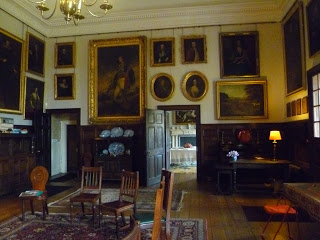
Bronte, apparently, took an extraordinary amount of inspiration for Thornfeld Hall (in Jane Eyre) from Norton Conyers.  There is the broad, dramatic staircase that anchors the house, the rookery, the battlements of the roof, and the large hall that was filled with family portraits (though this is common to stately homes).  But, of course, it is the secret staircase that seals the relationship between Thornfeld and Norton Conyers.

Who was the mad woman at Norton Conyers?  Was “Mad Mary” just a catchy moniker or is she an identifiable historical figure?  Sadly, no one seems to know the details, and I doubt that they ever will.  It would be nice to restore that voice to the story, to understand what took place at Norton Conyers . . . but it’s a story clouded by centuries of intervening years and the sticky cobwebs of  secrecy and shame.  Was it a case of illness (mental or physical) that the family was simply trying to deal with in an age when there was no humane medical or social model to help the infirm?  Was it a case of abuse?  No one knows anymore.  But Bronte has left us with a fine story to sort out what might have been.  A story that, true to Bronte’s time, doesn’t deal particularly delicately with the mad woman, but does delve into the struggles of the other people caught up in the drama.

It was a great story– still is– but it left it to later generations to release that mad woman from her attic.  And, though it’s a story for another day, I’ll say that this makes me think of Zelda and F. Scott Fitzgerald in the early 1900’s.  A modern tale, but still fraught with excess, madness, and tragedy. . . and a mad woman in an attic.  More stories I’ve read, characters (real and fictional) that I’ve loved, and houses I’ve toured.  But, as I say, that’s a story for another day.

  • To read an article in The Telegraph about Norton Conyers and the Bronte connection, follow this link:  Norton Conyers.
  •  A very good short video from the BBC on Norton Conyers and its restoration can be found here:  BBC.
  • To make a visit, contact the property directly: the home is open a limited number of days each year, but the home and gardens are also available for a wedding venue.  (Just don’t choose the “Mad Mary Package”!  Just kidding . . . I’m pretty sure that’s not on offer.)

Twilight at the Tower Bridge

London

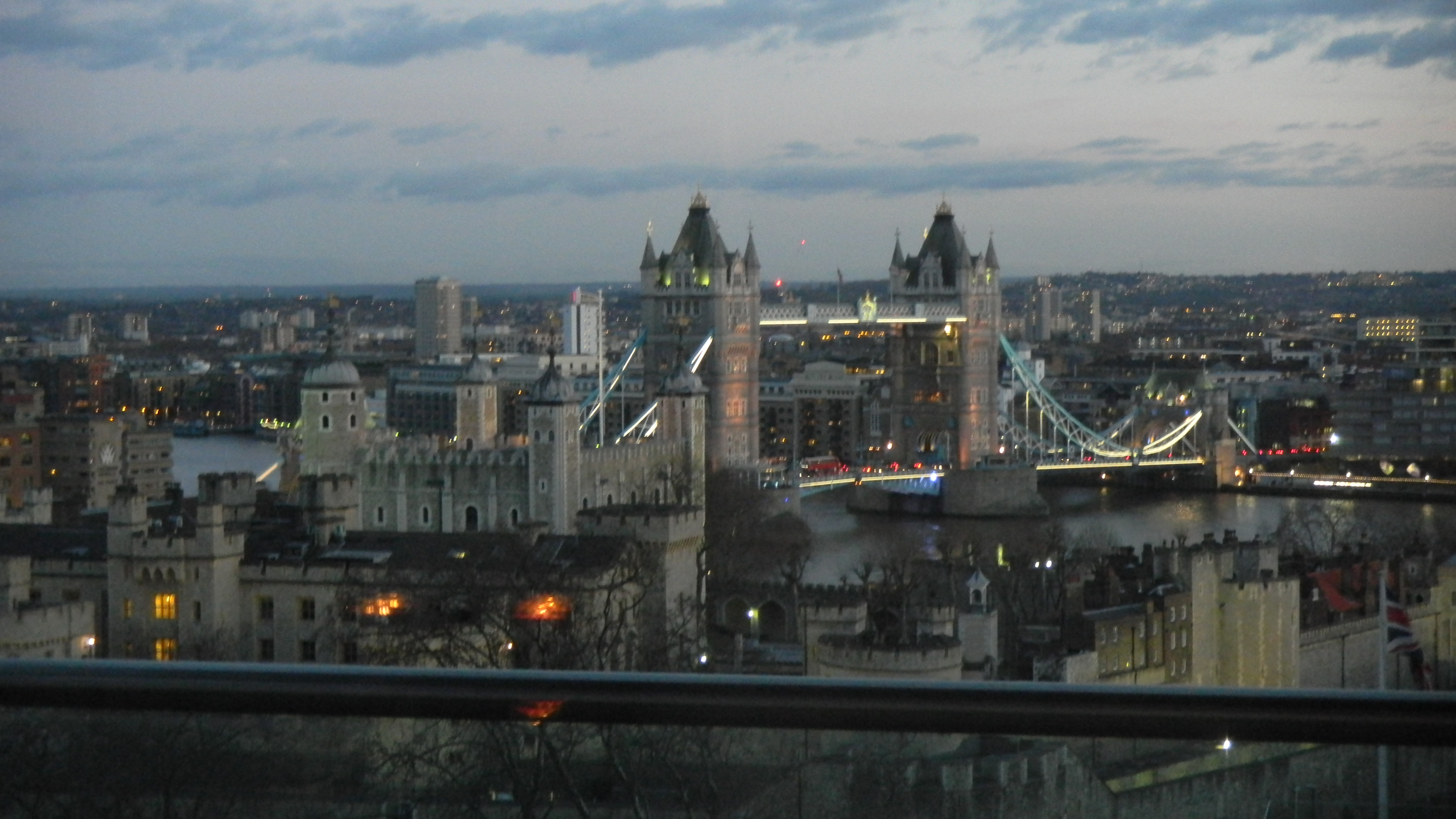
Tower Bridge, just beyond the Tower of London, as the sun goes down. February 2016

About this time last year, Katie and I flew off to London for the weekend to take in some theater, a London Fashion Weekend show, some good food, some history, and a shot of urban living.

Our first night in town, we’d seen the play “The End of Longing” on the West End.  The play was pretty good, the stage sets were remarkable (both for their look and for their “rapid changeability”), and our meeting with Matthew Perry after the show went well– no matter what my daughter might tell you to the contrary.  (Unless Matthew Perry is actually reading this, in which case, let me take a moment to apologize and say that I’ll try to be much cooler if I ever meet you again, please don’t feel the need to take out a restraining order against me.  And, for the record, that person who called out your name before you approached me, thinking it was me, was actually someone standing behind me– and this is why I was totally unprepared for your approach and may have lost it a little.  Seriously.  I don’t usually blither . . . or shake–it was REALLY cold out too, and I was wearing a sleeveless coat in the middle of winter in London– not practical, but it was really cute, don’t you think?  Anyway, Matthew, we got off on the wrong foot, you and me.  I’m lots cooler than that.  Sometimes. Anyway, embarrassing as it was, I really did mean it– you are great.)

Moving on. . .

Our second night in London required a strong drink to make me forget how I’d embarrassed myself on our first night in London.  Katie wanted to go to a rooftop restaurant or bar and soak up a little urban chic.  Good plan.  But the chicest of the chic would have required reservations much in advance, so we looked for “in and out” bars that would fit the bill.  One popped up with potential, and in an area of the city that we know well and has some great views.  The rooftop bar at the Hilton Doubletree by the Tower of London.

It fit the bill well.  The bar itself was chic enough, if not ultra swanky.  The drinks and desserts we ordered while oogling the view were spot on– I went for a Moscow Mule, my favorite go-to, and something cheesecake derived (fuzzy memory, but I remember that the presentation was great).

We sat inside (it being February), but there is a very large and lovely outdoor terrace too, if you find yourself in London during warmer months.

The view as the sun dropped low and disappeared altogether was stunning.    I did feel urban, and I did feel chic, as I sipped my Moscow Mule and looked out over the hustle and bustle of London.  So much energy and atmosphere rolling out in the streets below and all along the Thames.

First, it’s the urban energy and the architectural artistry that quickens your pulse.  But then . . . well, maybe it’s my wistful nature, or maybe it was the Moscow Mule, but I think maybe it’s a universal truth that you look out over a scene like this and you find yourself not just overlooking geography, but gazing at history rolled out before you like a red carpet just begging you to walk it.

The Tower of London alone could suck you into its stories, never to re-emerge in the present.  (Because so many people who entered the Tower of London never did re-emerge.  So many.)  There alone you have 1000 years of history: a history that includes  Anne Boleyn, Katherine Howard, Guy Fawkes, and Sir Walter Raleigh.  A history that includes the prisoner who escaped by dressing as a washer woman and walking out of the gates undeterred– a tale later immortalized by Mr. Toad in the Wind in the Willows.  And a history that, despite it’s strong-arm nature, notes its own possibly precarious existence in the legend of the ravens.  The flock of ravens that lives at the Tower, considered a menace by some, enjoys nearly sacred status by others.  Legend has it that if the ravens ever leave the Tower, the Tower and the Monarchy will fall.  This legend is taken seriously, if not somberly: the ravens have their own Yeoman Raven Keeper.  (Brexit may be problematic, Parliament may be bickering, but rest assured that the Monarchy doesn’t plan to fall any time soon, and the Raven Keeper will see to that.)

If your gaze slides just west of the Tower and down the Thames, you’ll be strolling into Southwark.  Into the history of Shakespeare’s Globe Theater, past The George Inn, the oldest (or only) galleried Georgian pub remaining in London, and a favorite drinking spot of the ever-thirsty  Charles Dickens.  Here, if you are terribly bookish, or prone to the seductive ambiguity of twilight, or more than one Moscow Mule into the night (which I wasn’t), you might get so caught up in the teaming past-life of the London streets you are over-looking (that you might have, in a less wistful mood, entirely overlooked), in their teaming vapors of past-present-literary lives that, each and every one, ask to be explored and understood– well, you might just never re-emerge.

But we did. We drank in the view and wondered at the lights and lives we peered out over, if not into.  Then we left our towering view above the Tower. We emerged energized, awe-spired, and feeling rather chic and smart.  We emerged ready to tackle more of what our fabulous friend London could throw at us.

If only it had given me one more chance at making a good impression on Matthew Perry.

C’est la vie.  Or, as my London friends might say:  th9sb27hg3


Send ‘Em to Whitby! (Happy Halloween)

whitby-post-1
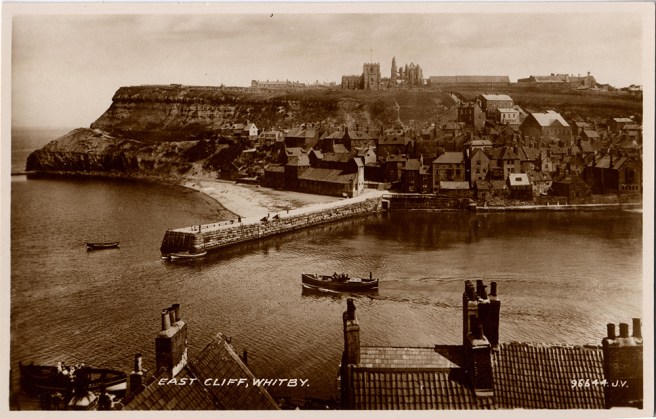
Whitby, England. Beautiful . . . and a little spooky. (old postcard)

If you’re yearning for an atmospheric English town with cobbled and winding streets, hugging the seaside in crannies and cliffs, and teaming with a sense of menace as the sun goes down, then you’re due a trip to Whitby.

Can you find Scarborough? (red dot)
Can you find Scarborough?

Whitby lies in the northern corner of North Yorkshire, a close neighbor to Scarborough, and is a popular seaside retreat.  But it’s not all sea spray and fish and chips here.  It’s not all Victorian boardwalks, either.  No,  Whitby’s greatest claim to fame may be as part of the setting of Bram Stoker’s Dracula. (And you thought you were safe this Halloween if you just steered clear of Transylvania.  Wrong!)

In the gothic tale, Dracula is aboard the ship The Demeter and is shipwrecked on the Yorkshire shore.   He then storms Whitby in the form of a dark dog, runs up the hill to St. Mary’s Church and the Abbey and graveyard above the city,  and soon terrorizes his victims as the vampire that he is.

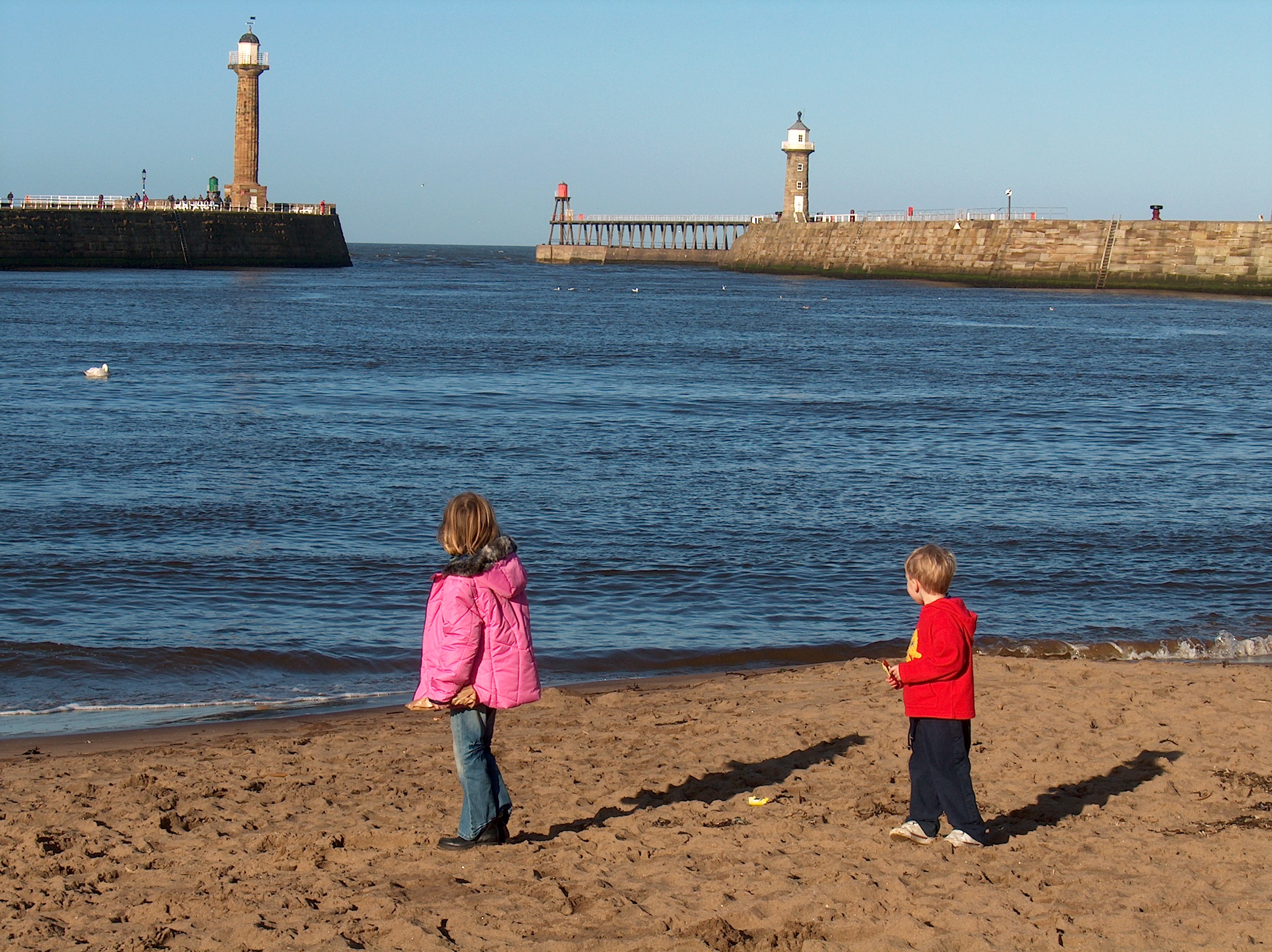
Looking out to the mouth of the harbor, thinking of Dracula's shipwreck.
Looking out to the mouth of the harbor, thinking of Dracula’s shipwreck.

In fact, Bram Stoker did visit Whitby, and it seems to be where much of his story took root in local history and scenery.  The Demeter  shipwreck was based on a true incident — the shipwreck of The Demetrius, a ship full of coffins being transported for burial . . . a grim cargo that proceeded to wash ashore on the town’s beaches for days after the accident.

The city of Whitby is lovely and would certainly survive as a traveler’s destination without the legend of Dracula, but she has been forever tied to the story now.  And the city is all too happy to play up its link to the blood-thirsty Count.  There are plenty of Dracula tours, books, and plaques to remind visitors of the city’s link to the gruesome story.  It’s all in fun.

Unless, of course, you are excessively squeamish . . . or  roughly four years old.

My children were taking this all in, and William, very young at the time, was growing a little skittish about Whitby.  He constantly looked over his shoulder, he stayed close by our sides (unusual for the  turbo-charged kid who usually ran yards ahead of us), and by the end of the day he was loudly and frequently proclaiming his dislike of Whitby.

My son never mentioned Dracula in his complaints; still, he was very clear about his feelings: he would never go back to Whitby.  Never.  Ever.  It wasn’t his kind of town at all.

So we never did go back to Whitby.   But we came close.

A few months after our visit to the sinister town, we had an unwanted visitor in our house.  A small, furry, unwanted visitor.  A mouse was stalking my son’s bedroom and, it seemed, spending time under his bed while William was asleep.  While this didn’t make me any too happy, it really upset Will.  We wanted to catch this rodent and catch him fast.  However, I have a soft spot for animals and was hoping that a catch and release plan would be possible.

My son and I walked to the local hardware store one morning to discuss humane mousetraps and my desire to re-house this mouse.  The owner looked at me like I was a truly daft American.  He produced a humane trap from his backroom, but shook his head at my plan.  “It won’t work,” he said.  “You won’t get rid of that mouse,” he continued, “unless you take it many  miles away, it will just come back to its home.”  (Its home, of course, being my  home.)

I imagine this man was overstating just how far a little mouse’s legs could carry him, but before I could question the store owner  my tiny son shouted out, “Let’s take him to Whitby!  We’ll take him to Whitby!”  (I should note that Whitby was an hour and a half from our home.)

The store owner looked at my son, then returned his gaze to me– registering that we Americans were even more daft than he had originally suspected.  I was in no mood to fight his assessment:  I took the trap, told my son that was a great idea, and quickly left the shop.*

For years after, whenever someone at our house was badly behaved, they were told that they’d better straighten up  or we’d take them to Whitby.   A terrible fate indeed– a place only fit for the  worst and most wicked.

whitby-bones-theguardian
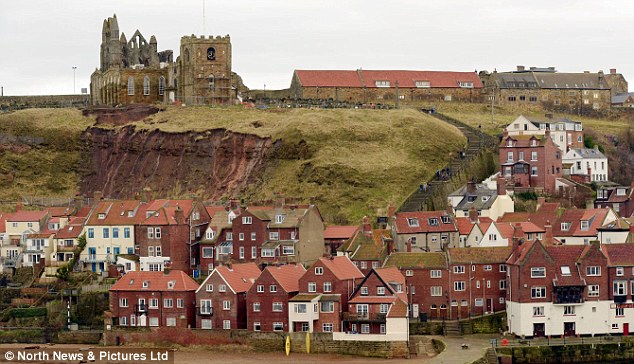
Photo of erosion, from the Daily Mail

Although not really–it’s a very nice town.  Except that. . . well, it almost does seem that something is a little off about Whitby.  The cliffs over Whitby began crumbing just three years ago:  a potential disaster for the church.  If they can’t stop the erosion, St. Mary’s could soon tumble into the sea.  Locals are watching the situation with concern, and more than a little dread and disgust:  the homeowners below the eroding cliff report that skulls and bones  are falling from the sky into their backyards.  The crumbling cliff is the church’s graveyard!  This is like the wreck of The Demetrius all over again.  It doesn’t bode well, my friends. . . it doesn’t bode well.

So a word to the wise:  if you are naughty enough to get sent to Whitby any time soon, make sure to pack your garlic necklace.    Happy Halloween!

*   *   *  *

A few more photos from Whitby:

2007-001-copy


2007-003
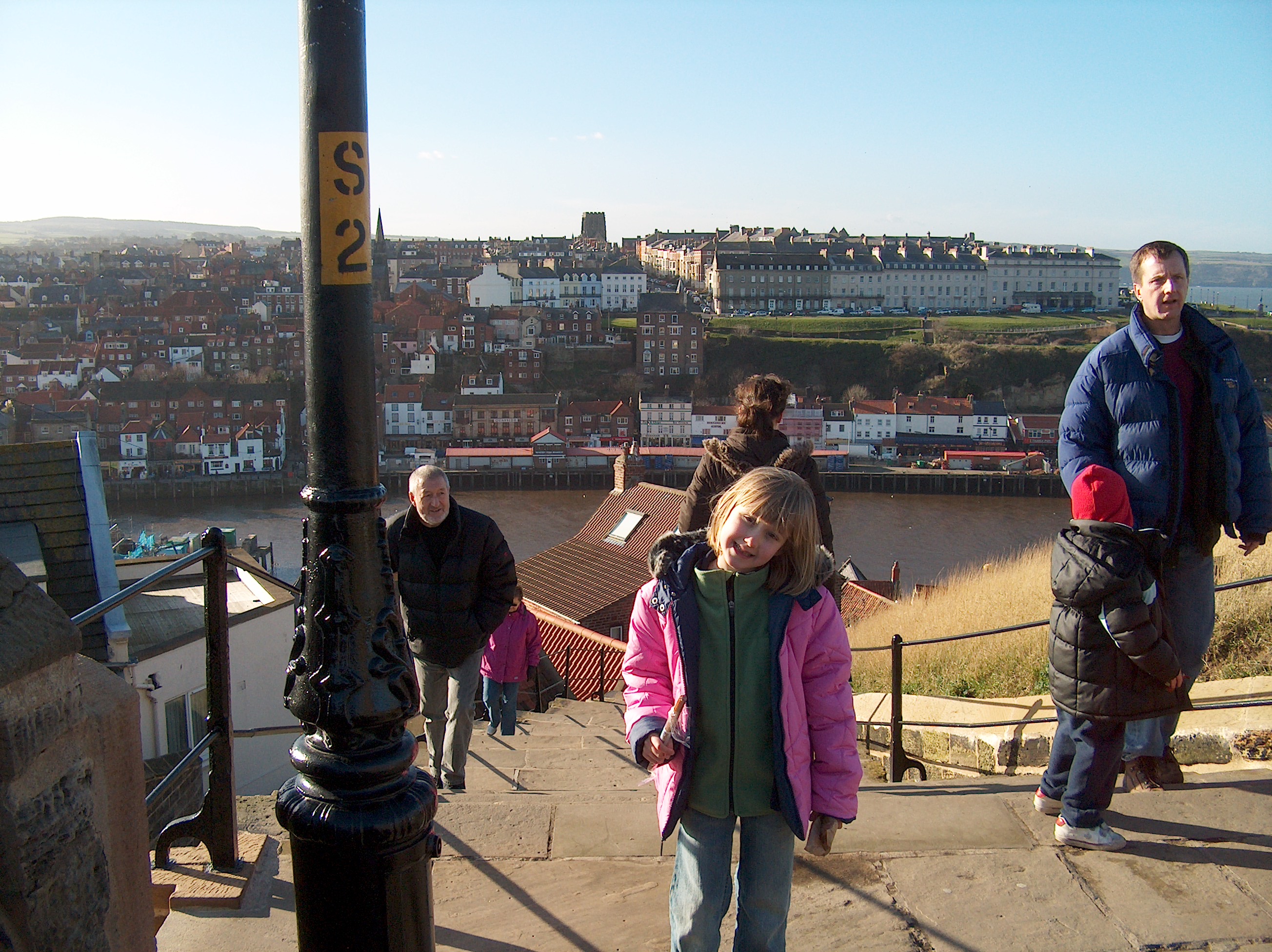
Near the top of the 199 steps up to Whitby Abbey.


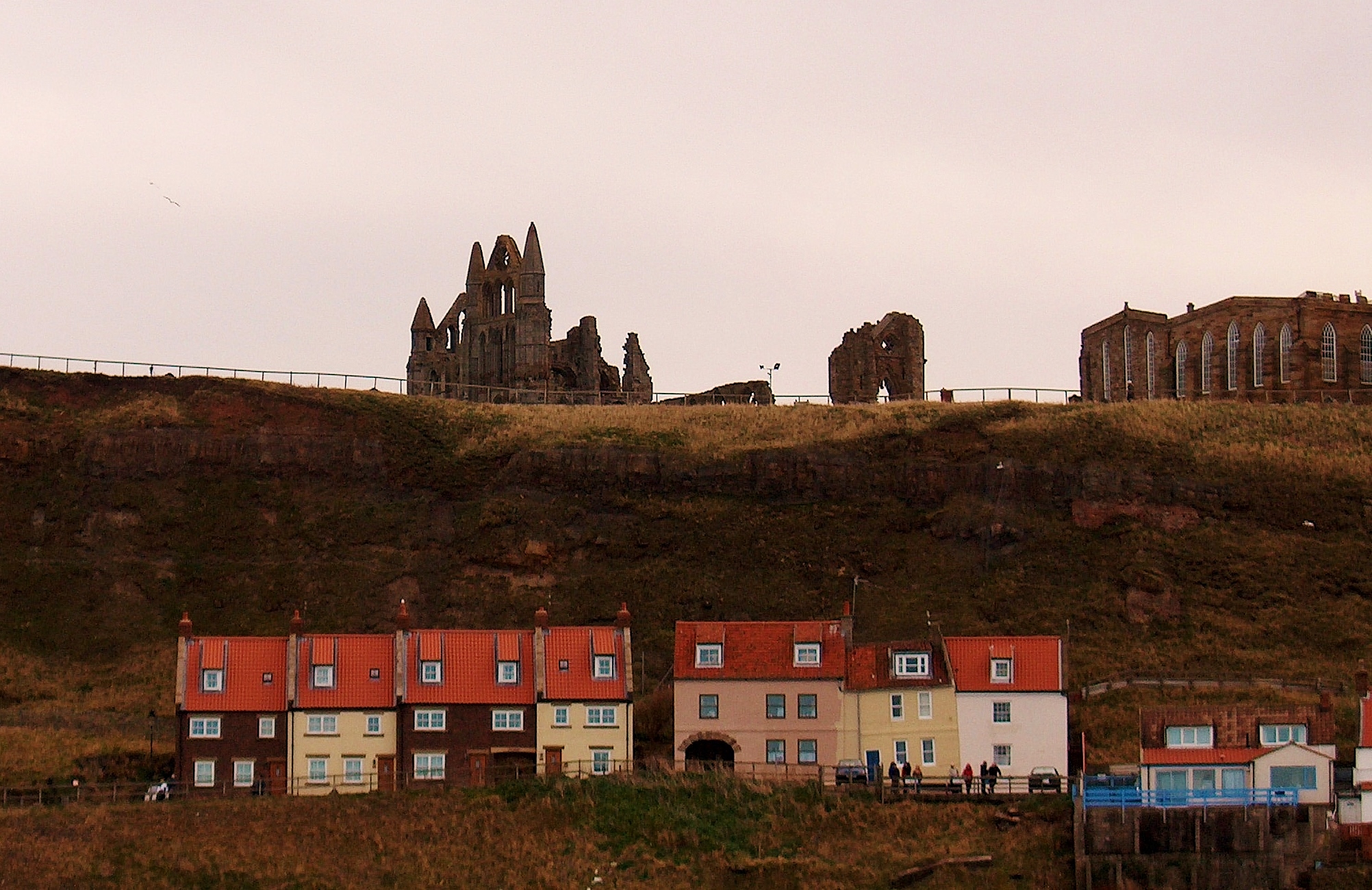
Above the harbor at Whitby, high up on the cliffs, sits Whitby Abbey– or the ruins of it, anyway.  It was to the abbey and graveyard that Dracula ran, up 199 stairs that are still there today.

If you make it up the stairs (not such a bad climb), you have a great view of the city and the harbor below.


whitby%20multiview


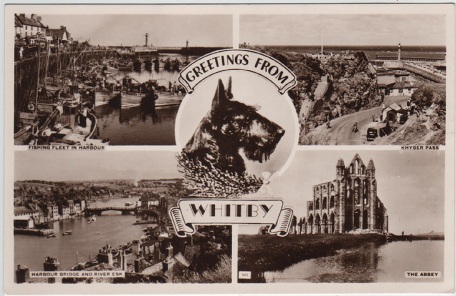
If I were designing this postcard, it would have a little grey mouse at its center!


*Our little mouse never did make it to Whitby.  He met a different, but sad, end that  I’d rather not discuss.

Eating Local: Breaking Bread in Turkey

antik road family
On the “Antik Road” in Cappadocia. (1998) A local family cooking flatbread over an outdoor oven in Guzelyurt, Turkey. They shared the bread with us–it was delicious!

via Photo Challenge: Local

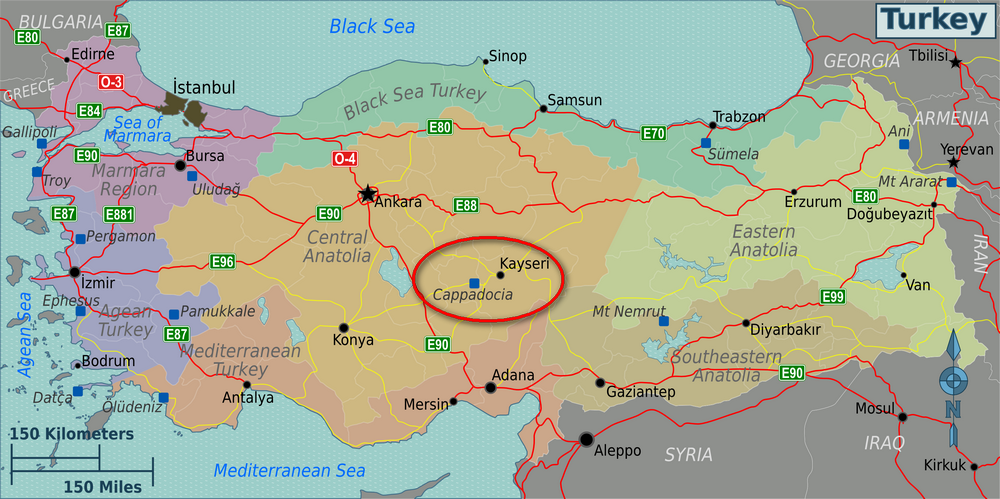
It was a crisp day in the Cappadocia region of Turkey, and my husband and I were out walking through the town of Guzelyurt– a small town set outside of the larger and more tourist-populated areas of Cappadocia.  (“Guzelyurt” means beautiful valley.)

We would often visit and stay in Otel Karballa there: a lovely structure that

had once been a Greek monastery, but was now converted to a small hotel with a fantastic chef and the ability to give its guests an authentic taste of life and history in this enchanting region.

turkey_regions_map3-1

goremeThis area of Turkey is fascinating– so well known for its natural beauty and unusual landscape, as well as its long and illustrious history.   In fact, the two things go hand in hand.  The famous “fairy chimneys” of Cappadocia housed the cave dwellers of the Bronze Age, and later housed early Christian refugees and gave rise to the thousands of cave churches that dot the region.

dsc_0060
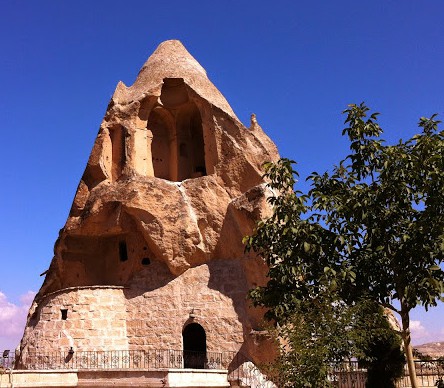
A fuzzy photo from one trip to Cappadocia: at the mouth of a cave church, with dwelling areas above it.

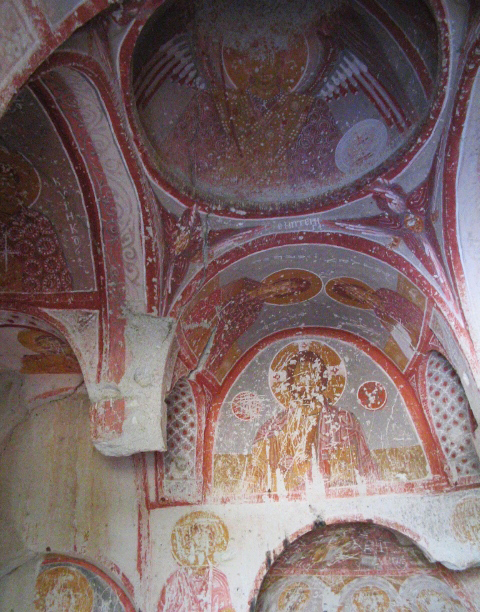
alanya-turkeye-193Once inside these churches, you are often  met with once-beautiful frescoes that (while still beautiful) are severely weathered by both age and ordeal.  Age, because most of the churches here date to between the 6th and 11th centuries; ordeal, as they were intentionally defaced because of religious aniconic sentiments.

If the cave dwellings and the colorful history weren’t enough to make Cappadocia a fantastic destination, it has this going for it:  it’s no artifact, it’s still living.  The potteries of the region are thriving, the people are hospitable, and many locals still live in the hollowed out cave dwellings (and have wired them for electricity!).

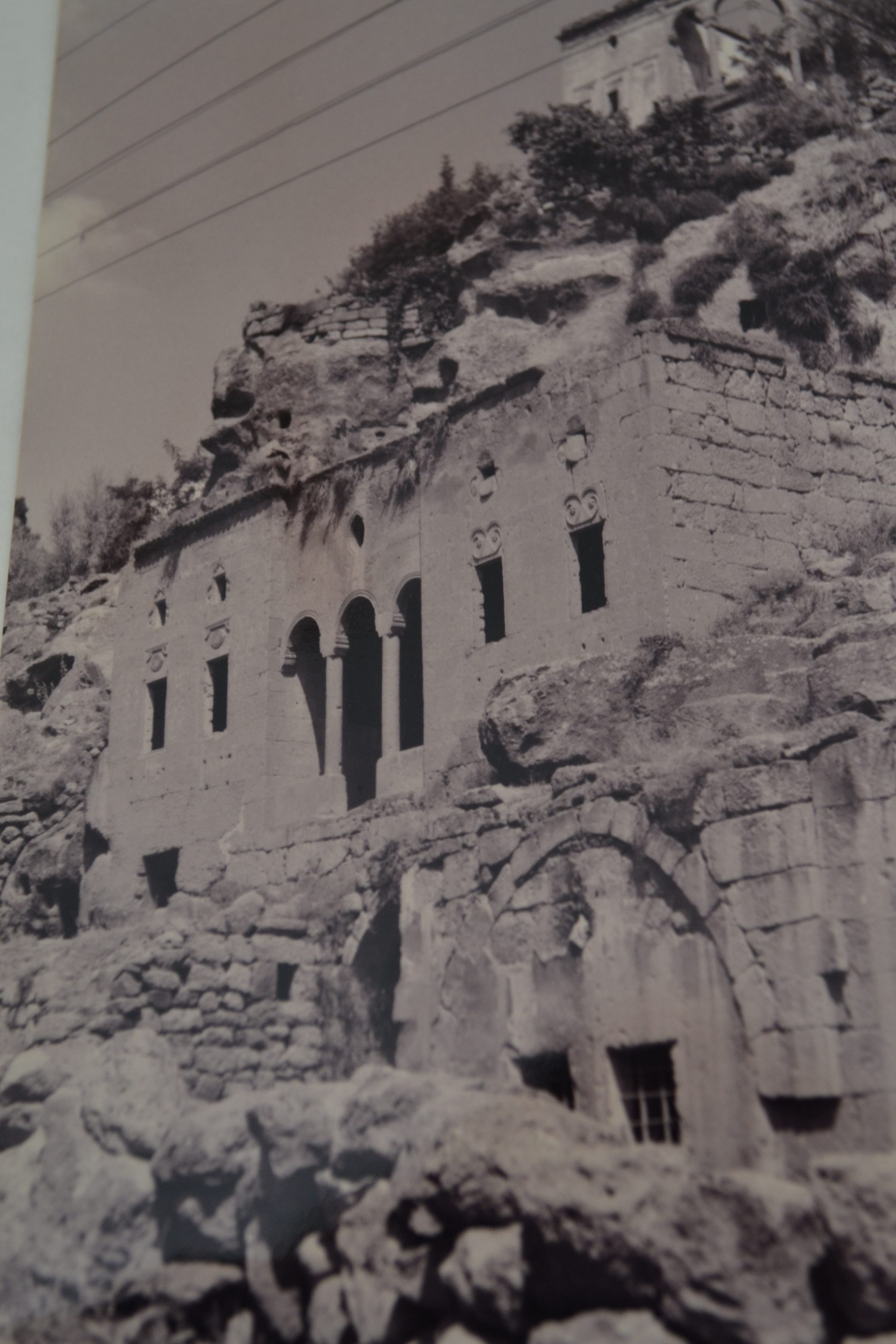
Walking down one ancient road in Guzelyurt, you might look up to see this:

dsc_0059

only to believe that you are passing by empty, ancient buildings (but note the electrical wires that run the length of the road).  Then the next thing you stumble upon, two doors down, is the family from the lead photo on this post, huddled in the doorway of another ancient structure and adjoining cave and making their daily flatbread over a simple fire and dome of hot metal.


The ancient meets the everyday in the streets and valleys of Cappadocia,  the modern meets the miraculous.  For my husband and me, who grew up in the tidy convenience of suburban America and were more likely to take dinner  from a casserole dish hot out of a Kenmore oven, or even from a drive-through  fast food window,  this family, hard at work to make their daily bread, kneaded and rolled on a board on the ground and cooked over an open fire on a humble metal dome, this moment was extraordinary.  And so very ordinary too.

We stopped and spoke to the family.  We shared what little language we knew, and they shared some of their bread , warm and crisp from the fire. I don’t think anything has ever been more delicious than those few bites shared on an ancient road.  What an incredible way to eat local.