

I’ve been thinking a lot about our friend St. Nick lately.
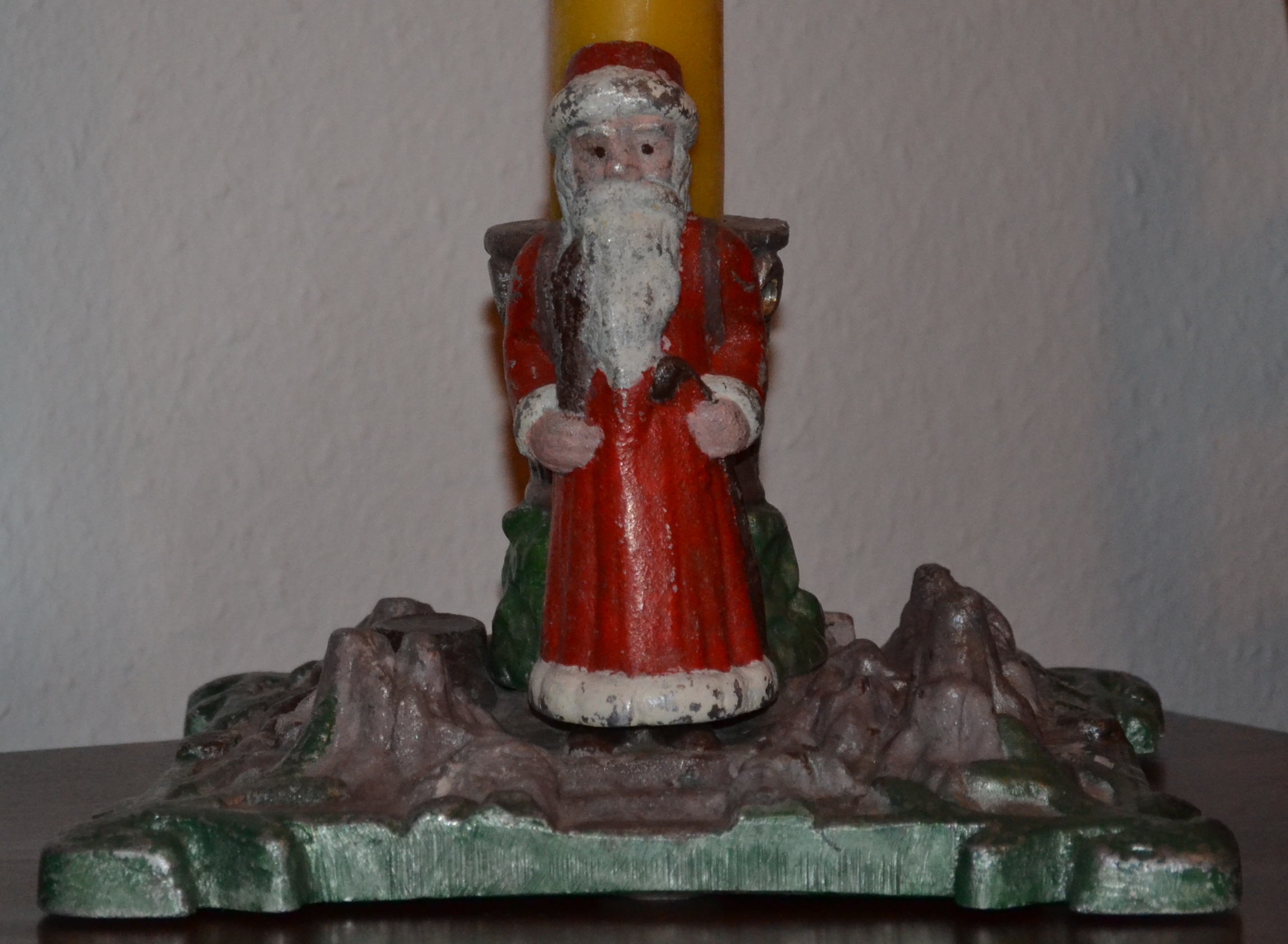
About his many incarnations; about his naughty and nice list; about the fact that some of his incarnations belong on naughty lists themselves; and about the actual man that inspired this mythical being with modern day rock star status. Really . . . just what kind of mortal could inspire so many, and such enduring, legends?
Who was Saint Nick? Nikolaus* of Myra (present day Turkey) was a Greek bishop during the 4th century. Many miracles are attributed to him, but his most enduring legacy is probably his generosity. As legend has it, he sought to relieve poverty through the giving of secret gifts. Most notably, there is a story that he sought to ease the plight of three young girls. Their father could not afford to pay a dowry, so they were doomed to a life of poverty and, quite probably, prostitution in order to survive. Nikolaus secretly tossed three purses of gold coins through the window of their home (this, obviously, before his chimney shenanigans in later centuries). One version even posits extra detail–some of the gold fell into a stocking that was hanging up to dry in the house.
It is a long and winding road from the life of the actual man to the variety of legends that we find today–and it is a great variety–but they all contain the kernel of his truth. 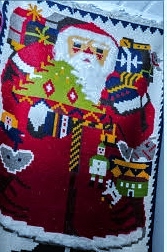 There’s not much I can add to that truth–I’m no scholar on saints or on Nikolaus. I can, however, tell you that he is still remembered in Turkey as a great man. He is also embraced, to some small extent, in his modern Western guise–albeit largely for profit and the selling of kilims. There is a town in the eastern Mediterranean region of Turkey (I wish I could remember the name, but it’s been 16 years since I was there!) where we watched women weaving Santa Kilims. We bought a number of them, for ourselves and for our family. We still hang
 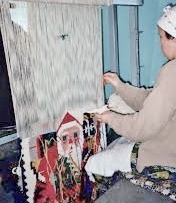 ours proudly each Christmas season. . . but we spray it with Lysol each year. (Sorry Santa, but I think you were woven with some raw wool, and you do carry a distinct old world smell that requires a little airing out. I don’t really mind–the way I see it, you bring a little of the Bethlehem stable into my house with you, and that keeps me focused for the season.)
About that variety of legends–I don’t think that we feel it much in the States. Our Santa is a homogenous and modern being–jolly and round, always in the same red and white costume, and, yes, generous to a fault (is there such a thing?). The menace of his judgment (his naughty and nice list) seems hardly menace at all–unless you’ve been outrageously naughty. It happens. Still, with late season penance, it all turns out well. Seems straight forward.
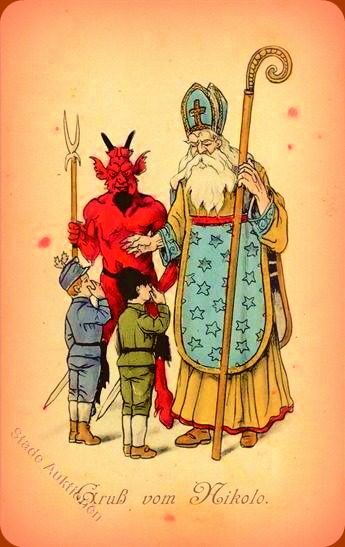
But it seems less simple in Middle Europe. Here, the judgment is real and the punishers are frightening. Easy salvation? That’s for American weenies. Here, you’d best practice good German diligence and industriousness, and even then the day will come when you have to stare down a devil for your Nikolaustag (St. Nikolaus Day) chocolate. Yes, a devil. Where goes Nikolaus, so goes his dark counterpart (with many faces and names, depending on the region of Europe). Good and evil, naughty and nice–they take it seriously in Germany.
I won’t go into great detail here about St. Nick’s draconian counterparts, as I’ve written a lot about them in the post Saints and Devils, Fire and Snow . However, I will add a few insights from a conversation I had recently with a Bavarian woman. I met her on December 5th– Nikolaustag Eve (“boot night” in Germany, when children put out boots for Nikolaus to leave candy in . . . but sometimes get visits from the grim sidekick instead or get ashes and coal if they have been bad). She told me

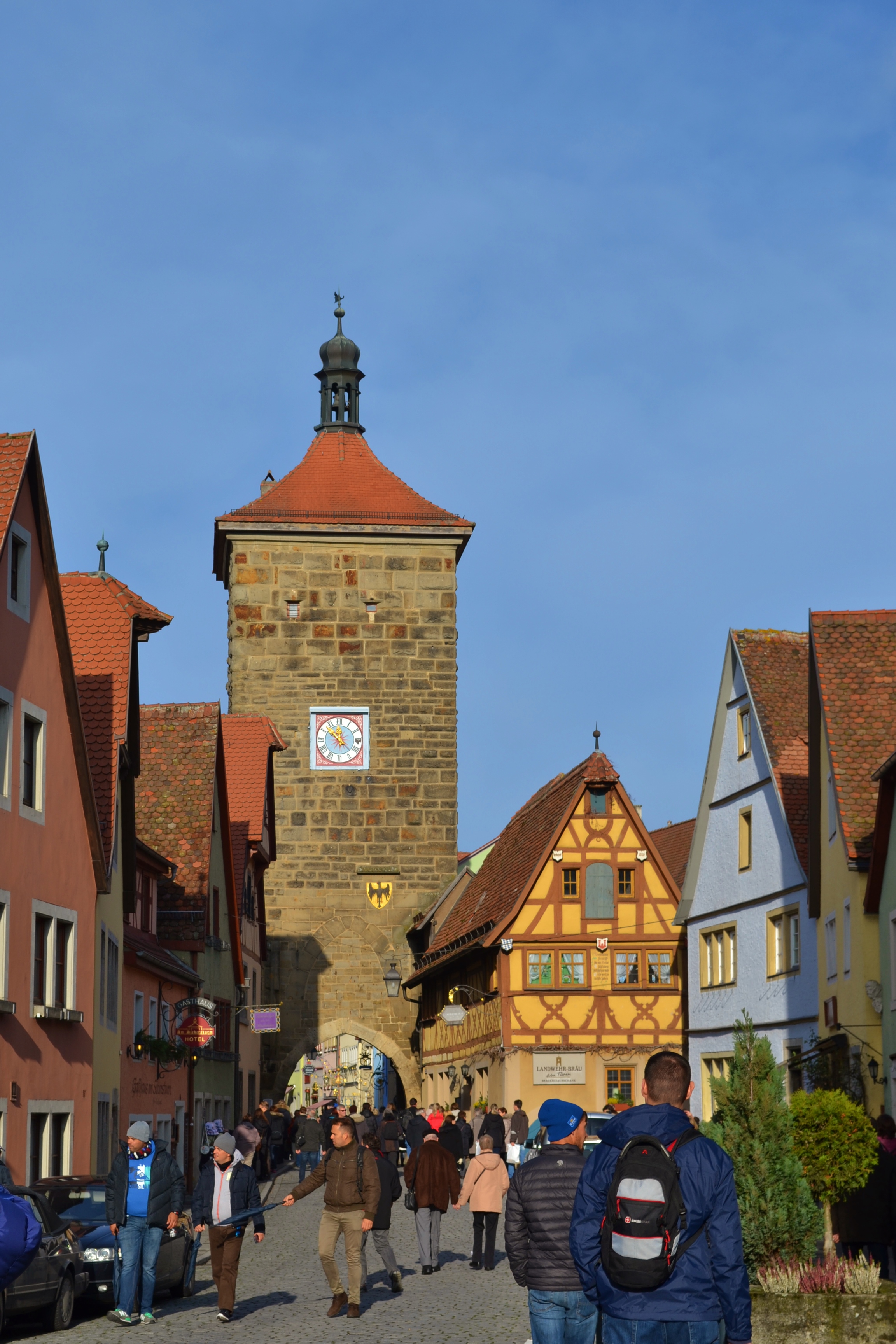
that the children around Rothenburg ob der Tauber have traditionally not celebrated on December 6th, but rather on November 11th. When she was young, that was when Belsnickel (or Pelsnickel) would visit. Belsnickel was a fur-cloaked character, rather scruffy, who seemed to combine both the surly (Krampus, Ruprecht, etc) and the kind (Nikolaus) into one being. He carried a sack with both treats and switches. Belsnickel might judge the children and either punish or reward them; he might toss candy around the floor for them, and then paddle their backs with twigs as they scrambled for the candy; or he might be more elfin and be more mischief prone than malice prone. He might be a lot of things, said my new friend; however, when November 11th came around the children were really quite scared of what would come for them.
I asked this woman, once more, “And he came on November 11th?” “Yes,” came the answer. That seemed so early in the season to me. I looked the date up later and found that November 11th is not only Belsnickel, it’s also Martinstag– that’s Reformation Day, a celebration of Martin Luther and the Reformation. Ah, yes, this was beginning to make more sense to me. If you are celebrating the Reformation, why not scare the pants off of the children, and then reward them with goodies? Spare the rods, spoil the souls of the children. So very German, this Christmas cocktail: hell fire and brimstone, followed by a chaser of sweets and gingerbread.
Never a dull moment with these old European traditions. Is it awful that Christmas time boasts its own terrors and devils? Is it harsh? Absolutely. . .but, then again, it has some appeal.
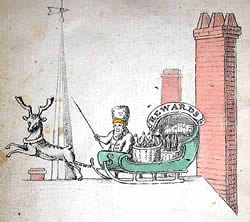
The Children’s Friend, 1821
William B. Gilley, publisher
I could do without Krampus devils giving my kids nightmares, but I do start to think that the American Santa is a bit fluffy. I don’t mind him being “the love-meister,” if that’s really his focus, but when it’s all about giving out the stuff, and then more stuff– well, the guy needs to stand up for his principles. Let’s get back to the core of the man: not necessarily a tale of saints and devils who come for your children, but at least the tale of the saint.
Be jolly–yes, please be jolly– but also please be Saint Nicholas.
Merry Christmas, Joyeux Noel, Frohe Weihnachten . . .
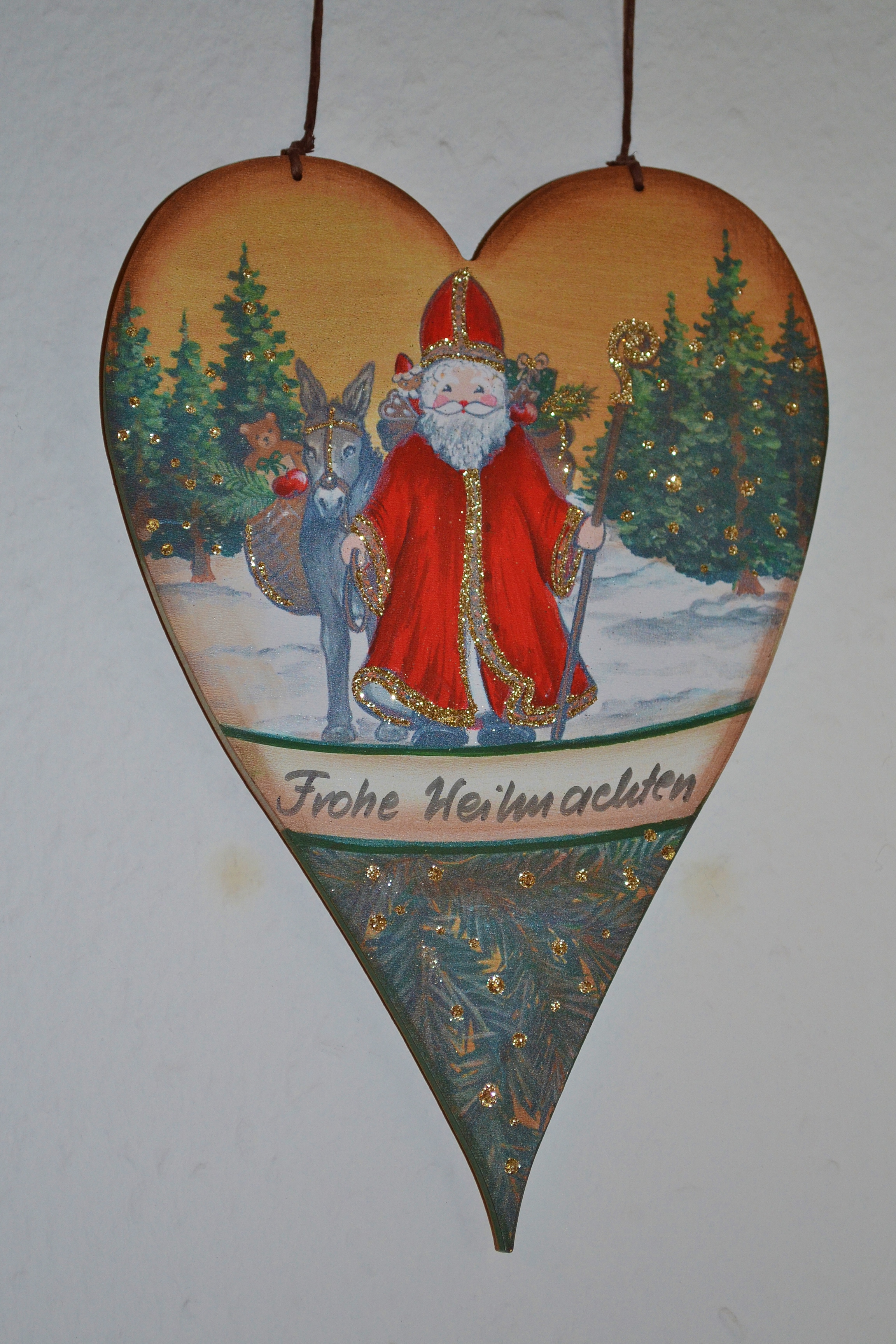
*Nikolaus, Nicholas, Nicolas–so many traditions, so many spellings.



 Travels and Tomes: One Expat's Amblings and Ramblings